Cycling Shoes
Specialized S-Works Torch Review: A Wider, Softer Take on the Top-End Road Shoe
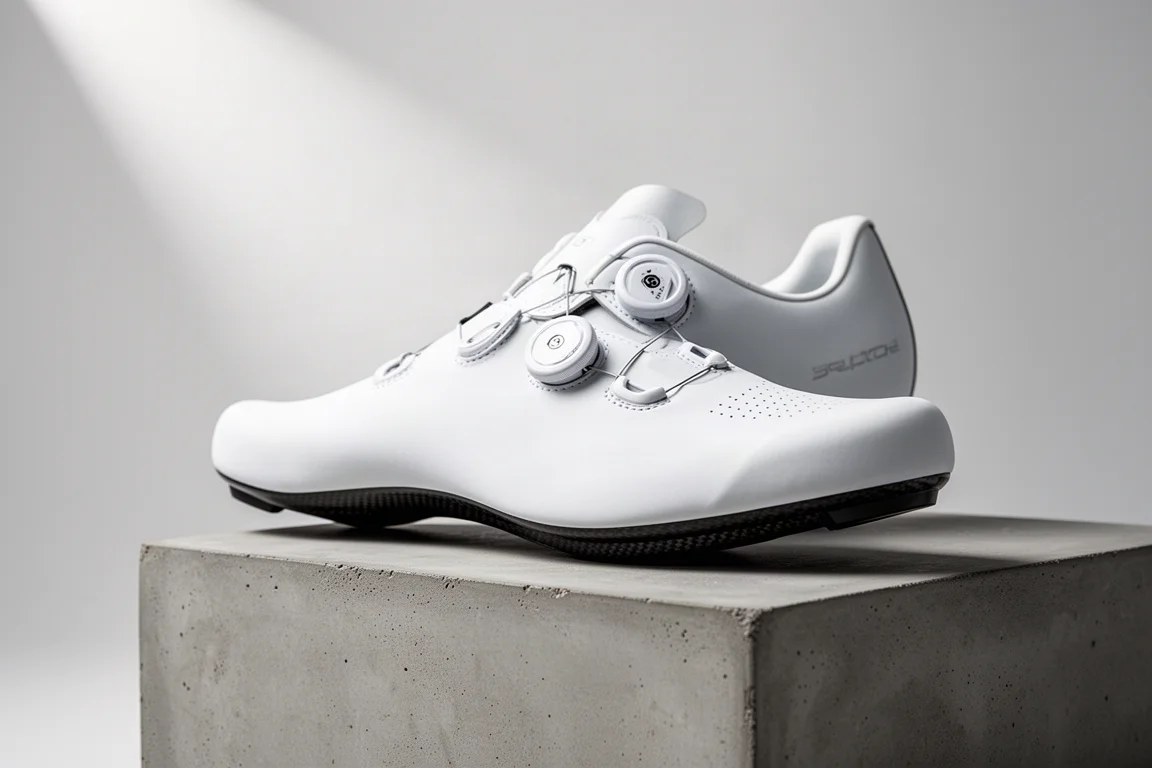
The S-Works Torch replaces the S-Works 7 with a wider carbon base, more forefoot volume and Boa dials that pull from the sides instead of across the top.
Introduction
The Specialized S-Works Torch is the brand’s latest top-tier road shoe, and it arrives as a direct successor to the S-Works 7. The numbering convention that produced the S-Works 6 and S-Works 7 has been dropped, so the Torch name now sits above the three-tier Torch range and alongside more specialised designs in the S-Works line, including the Ares, which is built around sprinting support and ventilation.
That positioning matters. As the S-Works family has diversified, this shoe has become the all-rounder of the group: the pair to reach for when you want one shoe that handles climbing, sprinting and long distance riding without specialising in any single one of them. At first glance it looks like a light update of a familiar silhouette. Look closer and most of the shoe has been reworked, from the width of the carbon base to the angle of the dials and the shape of the heel cup.
Who the S-Works Torch Is For
This is a shoe for riders who want a single high-performance option rather than a specialist. It suits people who liked the S-Works 7 but wanted more room in the forefoot, and riders who deal with pressure across the top of the foot or numbness on longer rides, since those are the specific problems the redesign targets.
The upper is also deliberately understated, carrying three small logos front and back rather than a large branded panel. That makes it easier to run for riders who have sponsorship commitments elsewhere, and it gives the shoe a cleaner, more traditional white race-shoe look.
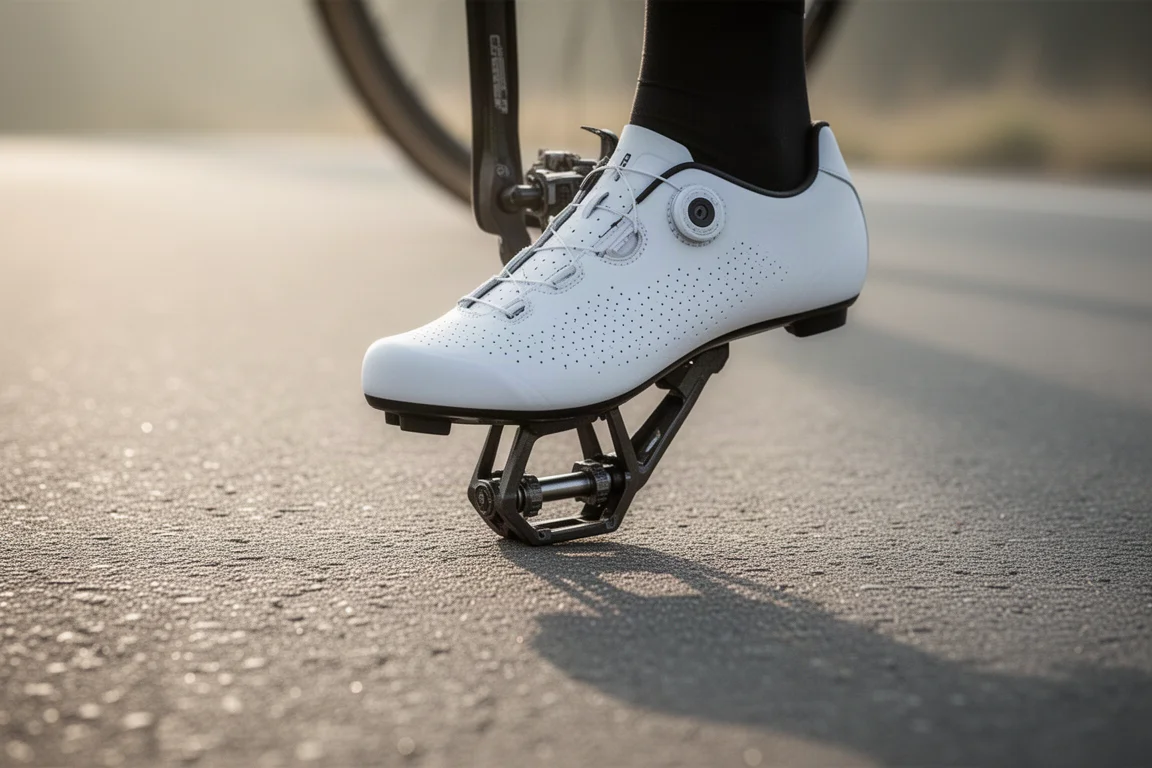
For anyone stepping into a first high-end road shoe, the Torch is pitched as the straightforward choice in the range rather than a niche model. For riders who already own a specialist shoe for sprinting or hot-weather ventilation, it works as the dependable second pair that covers everything else.
Main Strengths
Comfort is the headline. The forefoot has noticeably more volume than before, the materials in the upper are softer, and the tongue is far more supple, so the shoe moves with the foot instead of sitting stiffly on top of it. In testing across several weeks, including a deliberately hard three-hour ride at high effort, the feet stayed comfortable throughout even as the legs gave out.
Fit security has not been sacrificed for that comfort. The dial system has been reworked so the upper wraps from the sides rather than pressing down across the instep, and the asymmetric heel cup holds the back of the foot firmly. The result is a shoe that can be run with the dials close to slack and still feel locked in place when climbing or sprinting out of the saddle.
Stiffness is unchanged in character. The carbon sole carries the same stiffness rating as the S-Works 7, so there is no shortage of power transfer under hard efforts, and the redesign has trimmed weight along the way.
Fit and Comfort: More Volume, Less Pressure
The biggest change is at the front of the shoe. The carbon base is 4 mm wider than the previous model, and there is now a wide version that adds a further 3 mm, giving two fit options where there used to be one. The extra space allows the toes to move, which reduces pressure without weakening the hold through the midfoot and heel.
That reshaping comes from fit data the brand now owns directly, combined with feedback from sponsored professional riders. The previous shoe was not badly received, but the added forefoot volume and the improved comfort around the top of the foot are described as a marked step forward on the road.
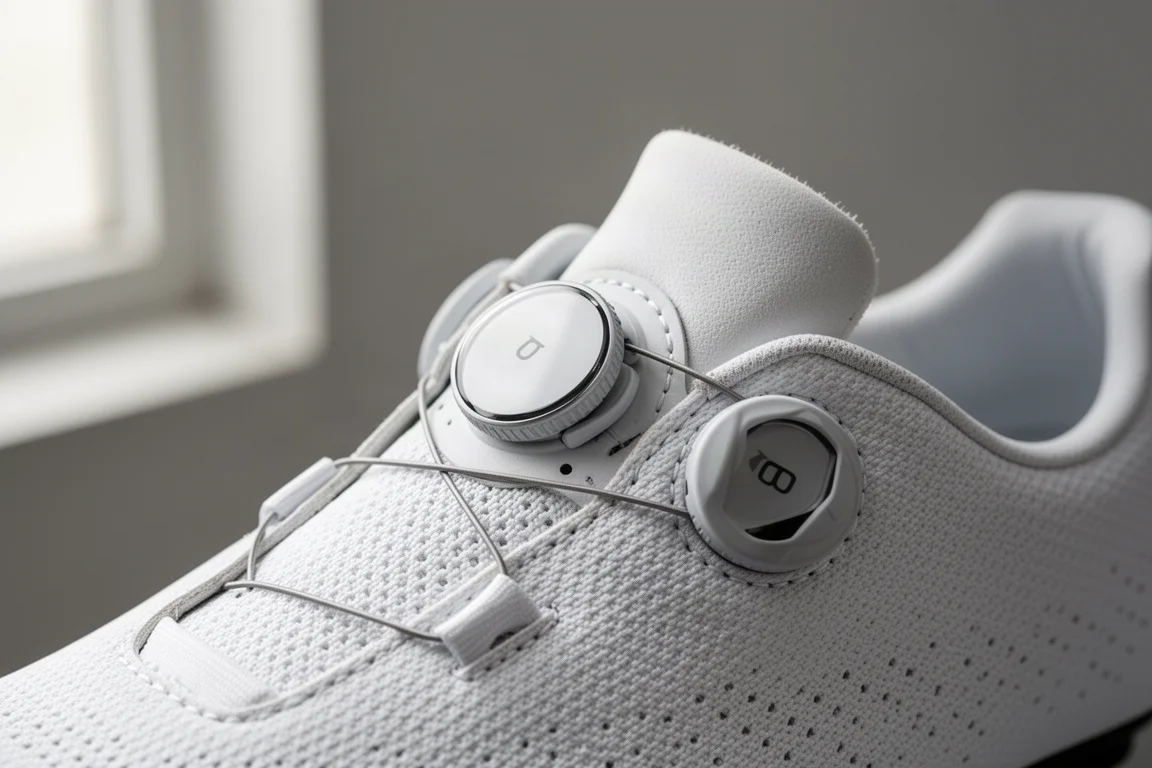
Softness is the other half of the story. Compared with the older shoe, which feels firm and stiff through the upper, the Torch uses more pliable materials throughout, including a tongue with soft edges that stays where it is placed. On the previous generation the tongue had a habit of rotating during a ride and altering the fit; the repositioned dials, a more open tongue area and a remodelled upper have resolved that.
Boa Dials, Heel Cup, and the Carbon Sole
The dial closures are carried over, with their tactile, ergonomic feel intact, but the way they interact with the upper is entirely different. The anchor point sits much lower on the shoe, so tightening pulls the two sides of the upper together instead of dragging the material down across the top of the foot. That means the top of the foot carries no pressure, no pinch points and no hot spots, while support still comes from the sides holding the foot in place. Even with the dials tightened hard, pressure does not build up across the instep.
The hook-and-loop strap of the previous model is gone. It saves weight, and the shoe looks cleaner without it.
Around the heel, an asymmetric heel cup borrowed from the superlight Exos design provides the support of a conventional heel cup with less pressure. It is wider than before, which reduces pressure at the back of the foot while still delivering the secure feel needed to prevent heel lift under hard efforts.
Underneath sits a carbon fibre sole with the same stiffness rating as the S-Works 7, now using a new internal I-beam structure to maintain that stiffness while cutting 20 grams. The junction between sole and upper is smoother and more seamless than before, which looks more elegant, saves weight and reduces flex in that area. Replaceable heel pads are fitted, and the sole takes standard three-bolt road cleats.
Body Geometry: Two Decades of Fitting
Everything above sits on top of a fitting philosophy the brand calls Body Geometry, which has been in development for around twenty years and appears in every shoe it makes, from entry-level Torch models to mountain bike Recon shoes and trail shoes. Three elements define it: two in the insole and one in the sole of the shoe.
The insole elements are contoured arch support and a metatarsal button. Foot arches vary from rider to rider, so shoes ship with a standard insole while aftermarket versions are available in higher and lower support levels to match individual foot shapes. The metatarsal button is a small raised area that lifts the foot from underneath, so that tightening the shoe does not compress the nerves and blood vessels in that region, which is a common cause of numb feet.
The third element lives in the sole itself. The forefoot is angled, with more material on the inside and less on the outside, mirroring the natural structure of the foot rather than forcing it onto a completely flat plane. Because cycling is not a natural movement, supporting the foot in that position helps stop it collapsing under load, which in turn reduces rocking through the knee and hip. That stability through the kinetic chain is the argument for why the fit details matter beyond comfort alone.
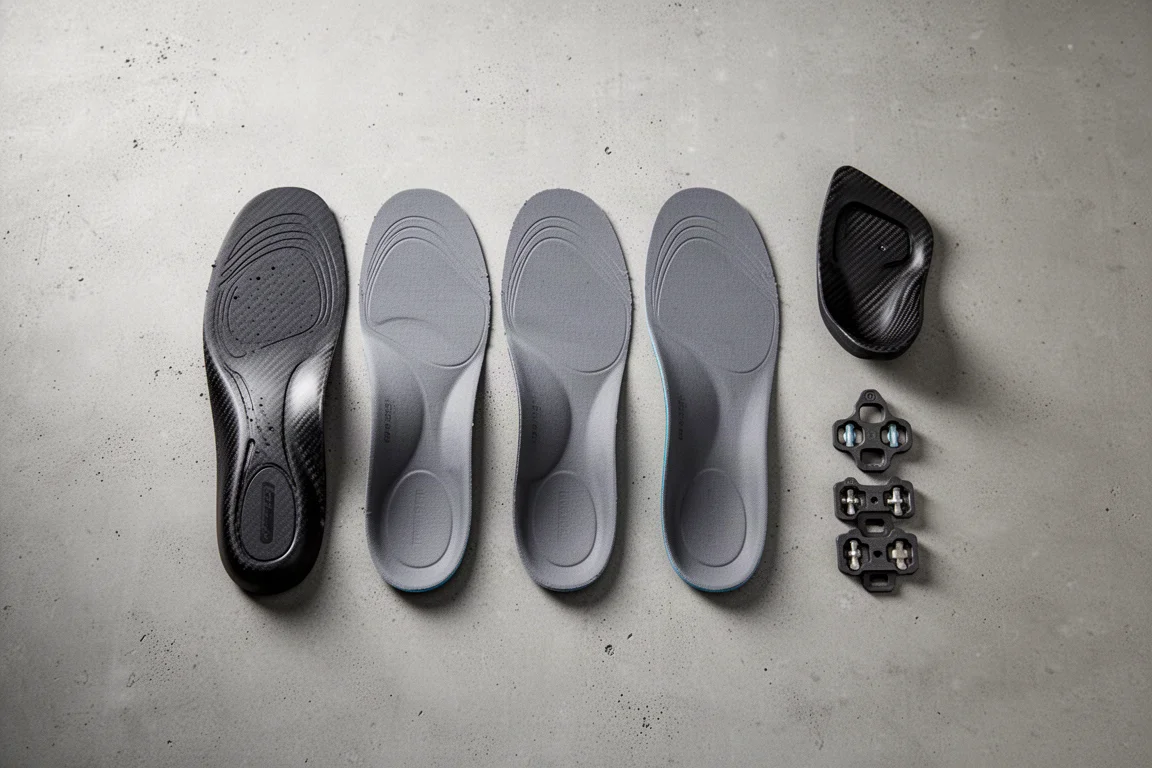
In practice, the fit philosophy is what keeps riders coming back to the brand even when they ride other products. The Torch is the most complete expression of it so far, combining that foot support with the softer, higher-volume upper and the lateral wrap of the revised dial layout.
Things to Consider Before Buying
The white colourway looks fast and photographs beautifully, but it needs attention. The upper picks up discolouration at the front of the shoe quickly, so expect to clean it regularly if you want it to stay bright. Riders who would rather not maintain white shoes can look at the other finishes in the range, which include black and a green option.
This is a top-tier S-Works model rather than a value pick, so it sits at the upper end of the range on positioning, with the second-tier Torch line offering lower price points. Riders who want the fit philosophy at a lower cost have those alternatives to consider.
The dial system is also designed to be run far slacker than most riders are used to. Anyone who instinctively cranks shoes down tight will find the shoe still comfortable, but the intended setup is a light closure with the upper holding the foot from the sides.
Buying Advice
The decision here is mostly about width. With a standard base 4 mm wider than before and a wide version adding a further 3 mm, riders who previously found the S-Works line too narrow now have a genuine option. If you are between sizes or have had pressure issues at the front of the foot in the past, it is worth checking both fits rather than assuming the standard width will do.
White looks fastest, black and green are easier to live with, and the choice really comes down to how much cleaning you are prepared to do. Beyond colour, the case for the Torch is straightforward: it takes the stiffness, security and sole platform of the previous generation and removes the small irritations, chiefly the tongue movement and the pressure across the top of the foot.
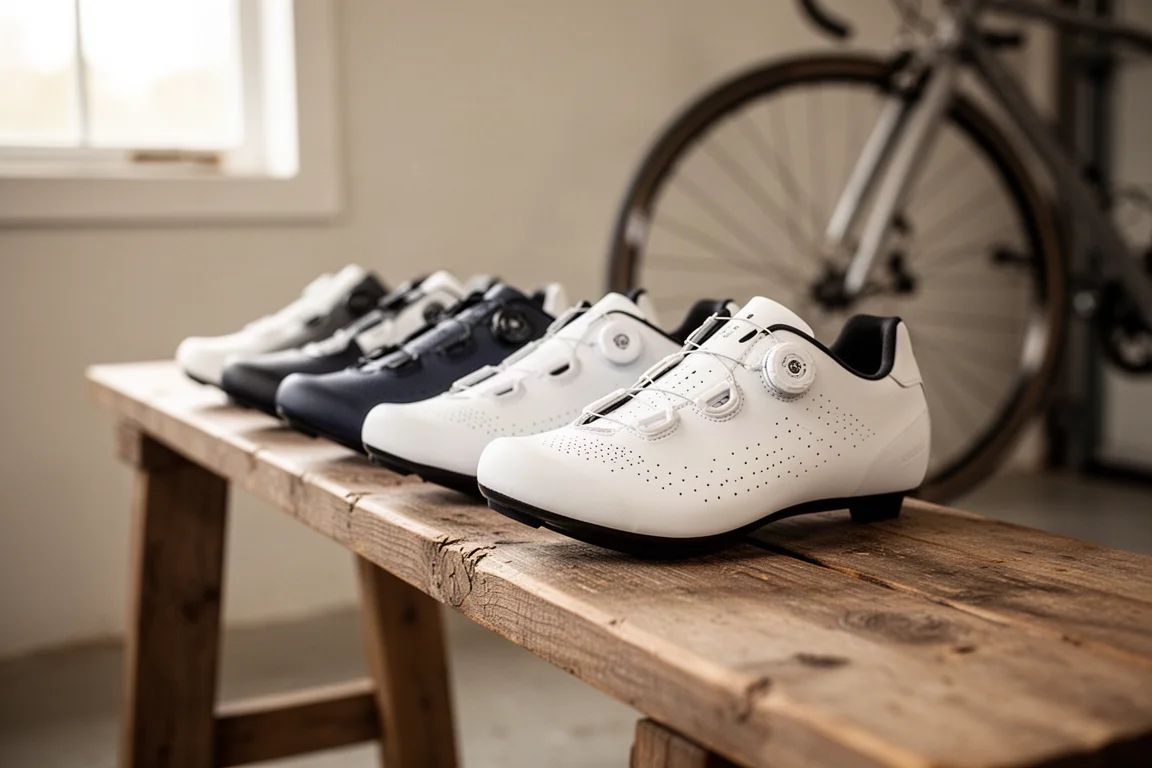
Riders who want one shoe for climbing, sprinting and long rides, and who value comfort over several hours in the saddle as much as outright stiffness, will find the most to like here. Riders chasing a single specialised trait, such as maximum sprint support or maximum ventilation, are better served by the more focused models in the S-Works range.
Conclusion
The S-Works Torch is what happens when a well-regarded shoe is rebuilt around fit rather than aesthetics. A wider carbon base, more forefoot volume, a softer upper and a dial layout that wraps the foot from the sides all point in the same direction: less pressure, more comfort and no loss of the secure hold that a high-performance road shoe needs.
Add the asymmetric heel cup, the lighter carbon sole with its unchanged stiffness rating and the twenty-year Body Geometry foundation underneath, and the result is a genuine all-rounder at the top of the range. The white upper takes maintenance and the price sits at the premium end, but for riders who want one dependable pair that disappears underfoot on long rides, the Torch is a considered place to put your money.
Product link
View more details for Specialized S-Works Torch
This product is mentioned in the review. Check the specifications, options, and compatibility before buying.
View more details for Specialized S-Works TorchFurther reading
Related Reviews
Cycling Shoes
Best Cycling Shoes Ranked: Fit, Cleat Position and What to Check Before Buying
A practical ranking of cycling shoes by cleat position and fit neutrality, from the models that most often cause problems to the ones that fit best.
Cycling Shoes
Best Cycling Shoes Ranked: Fit, Cleat Position, and Stability Compared
A practical ranking of road and off-road cycling shoes based on cleat position, foot shape, arch support, and long-ride stability.
Cycling Shoes
Best Wide Fitting Cycling Shoes: Four Options Worth Knowing
A practical guide to wide fitting cycling shoes, covering the Lake CX239, Lake CX242, Shimano RC903 wide fit and G8 2620 arch support.