Cycling Shoes
Best Cycling Shoes Ranked: Fit, Cleat Position and What to Check Before Buying
A practical ranking of cycling shoes by cleat position and fit neutrality, from the models that most often cause problems to the ones that fit best.
Introduction
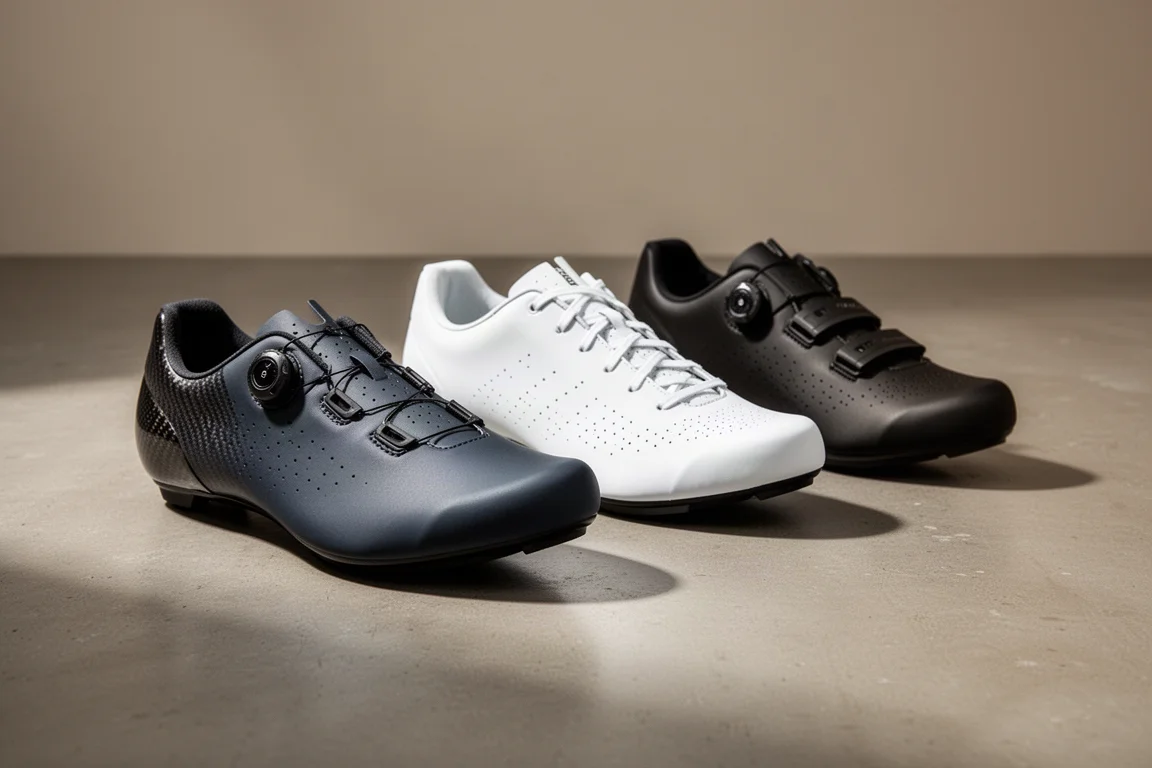
Cycling shoes look like a simple purchase and rarely behave like one. With hundreds of models on the market, the differences that decide whether a shoe works for you are mostly invisible in product photos: how far forward the cleat sits, whether the shoe is neutral, and whether the last matches the shape of your foot.
This guide ranks the shoes below from the models that most often cause problems to the ones that most consistently fit well. The order is based on fit and cleat position rather than price or finish, because those two factors drive most of the comfort and stability a rider actually feels.
What Matters Most in a Cycling Shoe
Cleat location is the crux. A cleat mounted too far forward loads the delicate structure of the forefoot, an area with a dense capillary network and a lot of neural tissue. Pressure through those small bones commonly shows up as numbness and pins and needles, and it can also destabilise the foot, adding strain through the ankle joint, the subtalar complex, and further up through the knees, hips and pelvis.
The common argument that a forward cleat produces more leverage does not hold up. The foot is not a long appendage, and it sits on a very mobile ball and socket joint. Moving the cleat rearward reduces the leverage of the foot, which improves stability through the ankle joint and translates into better power delivery. A shoe with the option of a more rearward cleat position is generally the preferred solution, particularly for endurance riders.
Neutrality matters just as much. Some shoes build in support under the medial forefoot, and that support is only appropriate for riders who genuinely need it. In a year of professional bike fitting, only two or three riders out of everyone screened showed a fixed forefoot varus deformity, the condition such support is designed to treat. Far more common is a soft tissue elevation that can be brought down without excessively pronating the ankle joint.
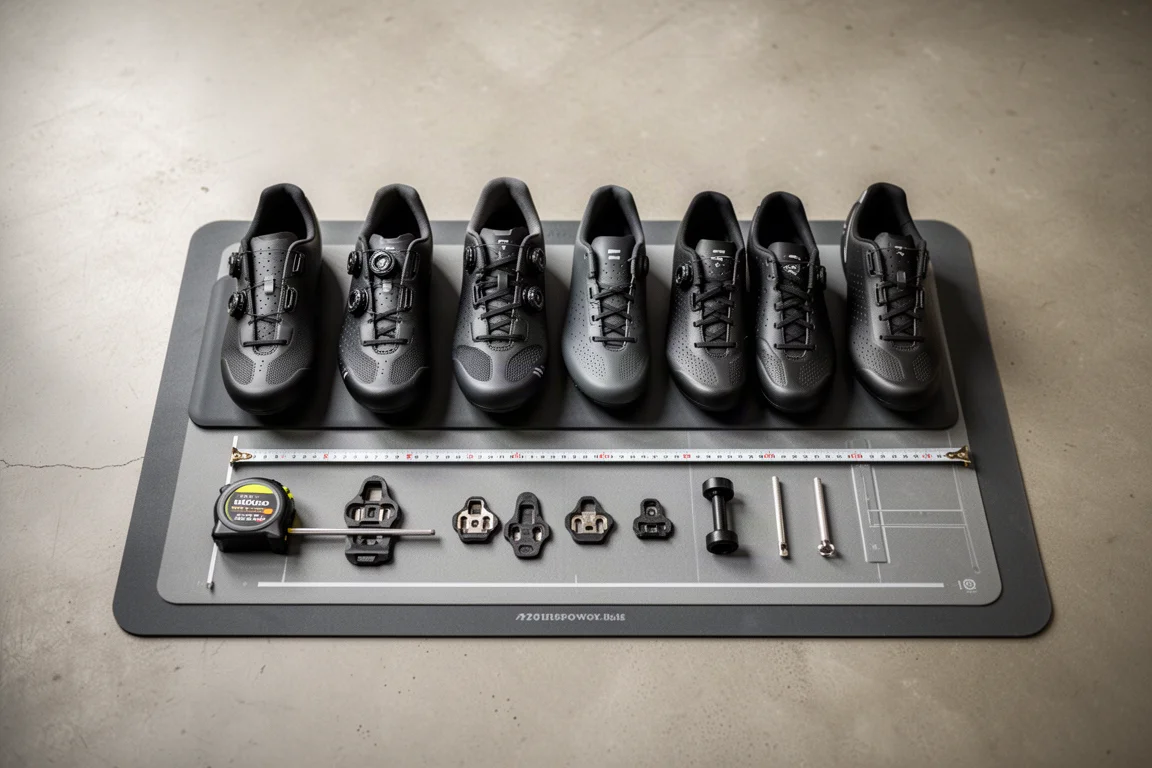
A related detail is forefoot drop, the height difference between the forefoot and the hindfoot. Shoes that sit very flat from heel to toe can force a rider to plantarflex or point the toe to compensate, which is why some models feel unstable under load even when the fit around the heel is good.
Specialized S-Works: Well Made, but Not a Neutral Shoe
The Specialized range is well made, uses a carbon fibre sole, and offers a decent cleat location. The problem is the last. This is the only non-neutral shoe on the market: the front of the shoe is canted so that it elevates the medial side of the foot.
That design is intended to treat a fixed forefoot varus deformity, where the first ray of the foot cannot be manipulated down to the floor and the ankle excessively pronates as a result. The reasoning behind this kind of support is sound to a certain extent, but the condition it addresses is rare. When support is applied where it is not warranted, the shoe tends to supinate the foot, rolling it outward. That commonly produces problems on the outside of the foot, hot foot under the first metatarsal, and it can translate into knee pain and saddle issues.
The shoe can be neutralised by fitting a forefoot varus wedge upside down inside it, which usually resolves the symptoms. The trade-off is that the wedge encroaches on the internal space of the shoe and frequently causes numbness, which makes it an imperfect fix.
Fizik R5B: Entry-Level Fit With a Very Forward Cleat
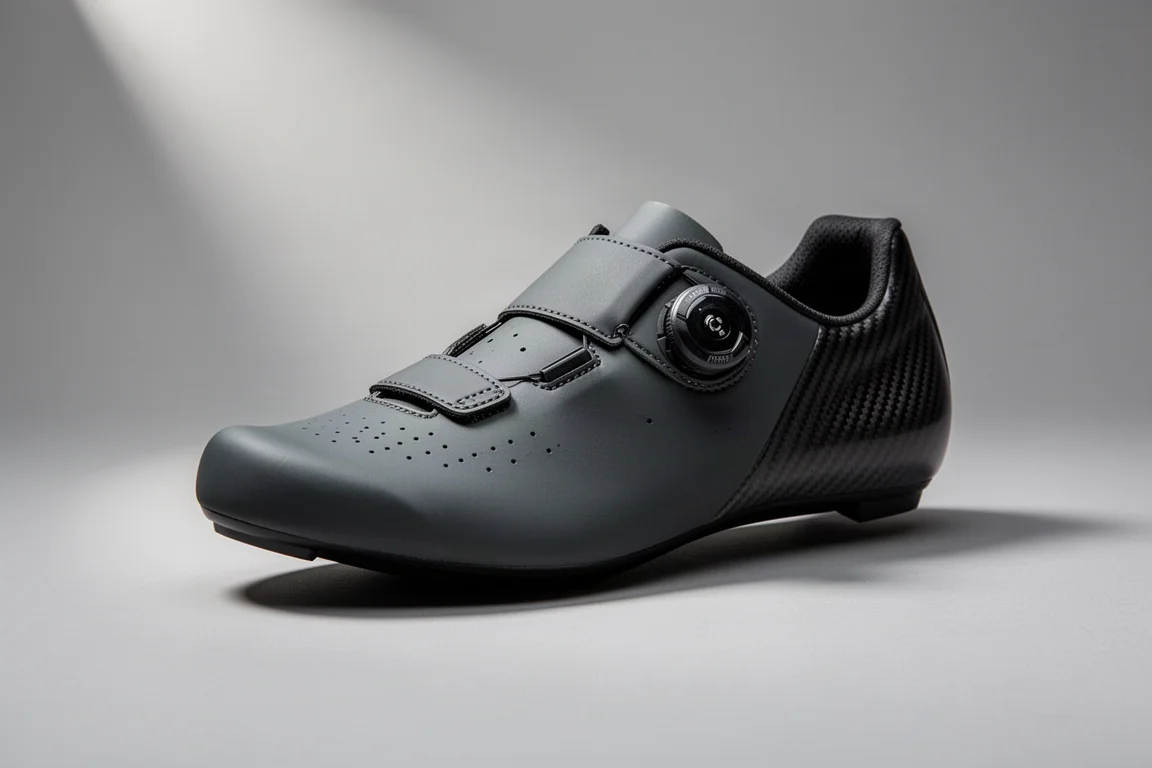
Fizik’s entry-level models, including the R5B and R4B, place the cleat extremely far forward. The arch support also sits too far forward, and between the two, riders commonly report foot cramping and knee pain.
It is worth noting that the newer, higher-end Fizik models have moved to a more rearward cleat location and are noticeably wider than their predecessors. The brand is clearly responding to feedback from the bike fitting world, and the current top models fit considerably better than the shoes of old. The caution applies to the entry-level end of the range, where the older geometry still shapes the fit.
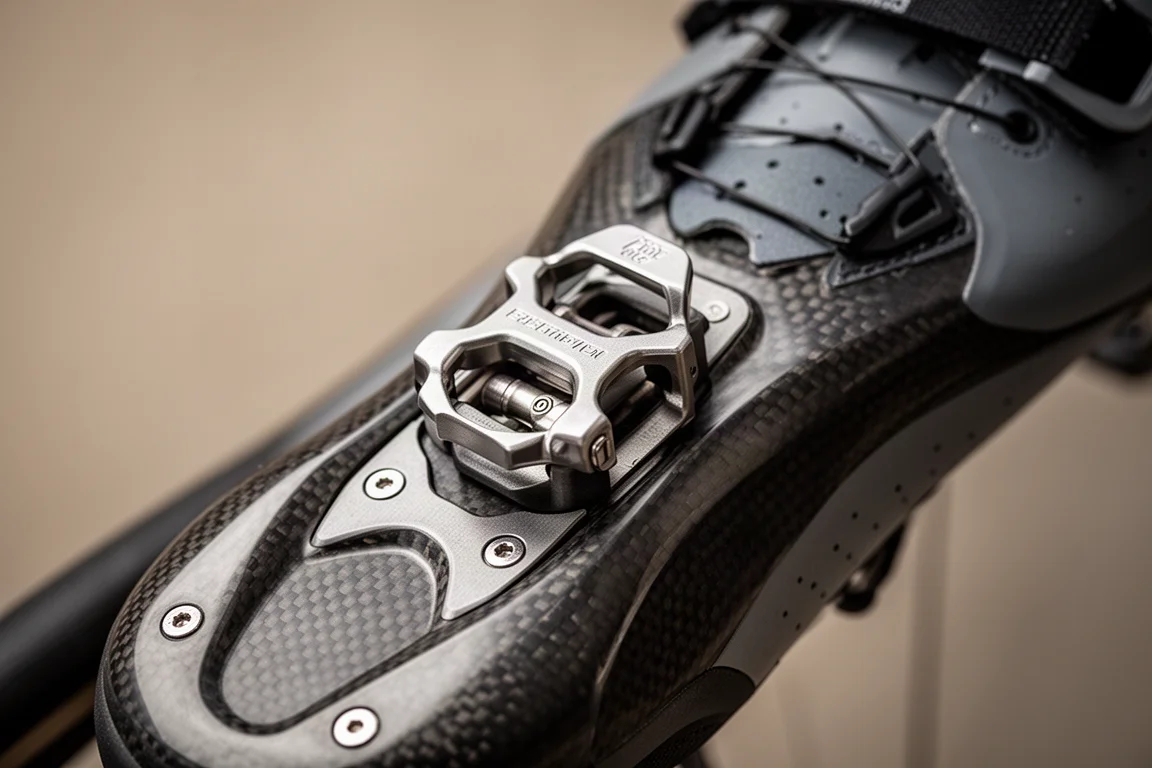
For riders whose feet suit the Fizik last, the brand remains a familiar and widely available option. The deciding question is whether the cleat position and arch placement work for your foot, because on these entry models there is little room to compensate.
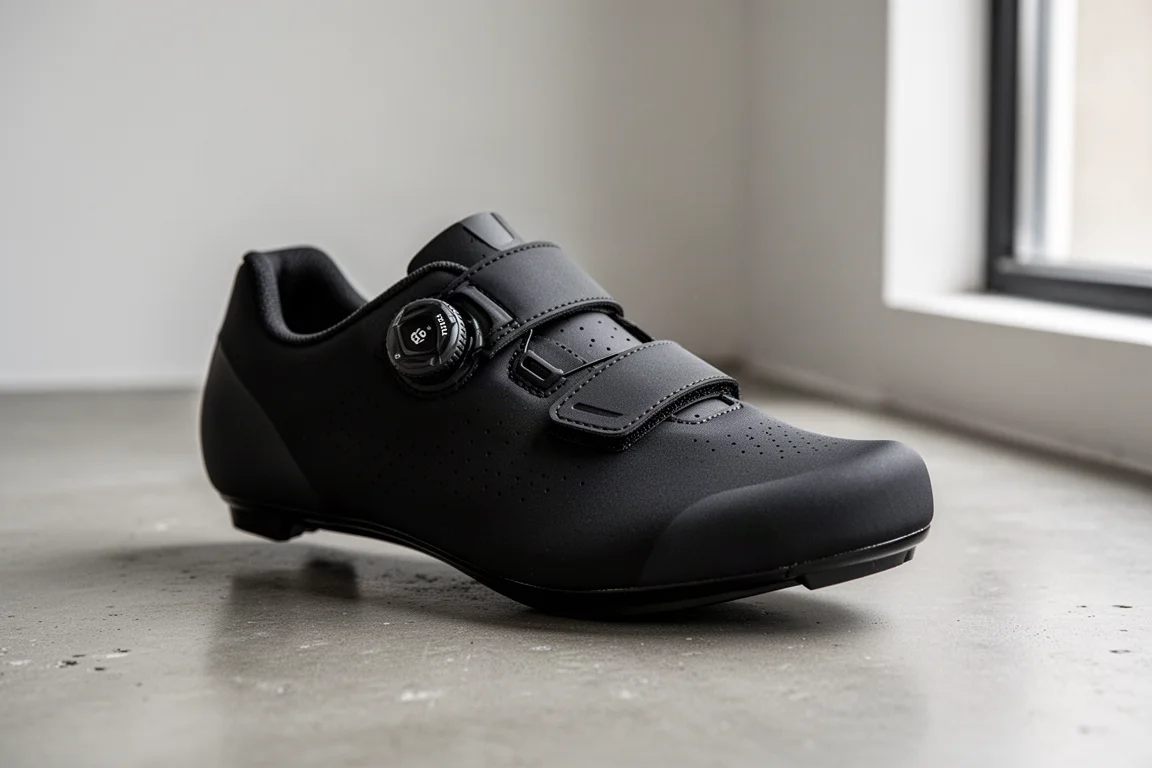
Shimano RC903: Plenty of Cleat Adjustability, Very Narrow at the Top
Shimano produces shoes at enormous scale and the fundamentals are solid: a decent cleat location, generous forefoot adjustability, and a range that spans a wide spread of prices. Shoes are offered in standard and wide fits, though the wide version is only average in width rather than genuinely wide. Build quality is excellent throughout.
The RC903 sits at the top of the range, and it is exceptionally narrow, one of the narrowest fitting shoes on the market. That is good news for riders with slim feet and a poor match for everyone else, who should look at the wider options lower in the range instead.
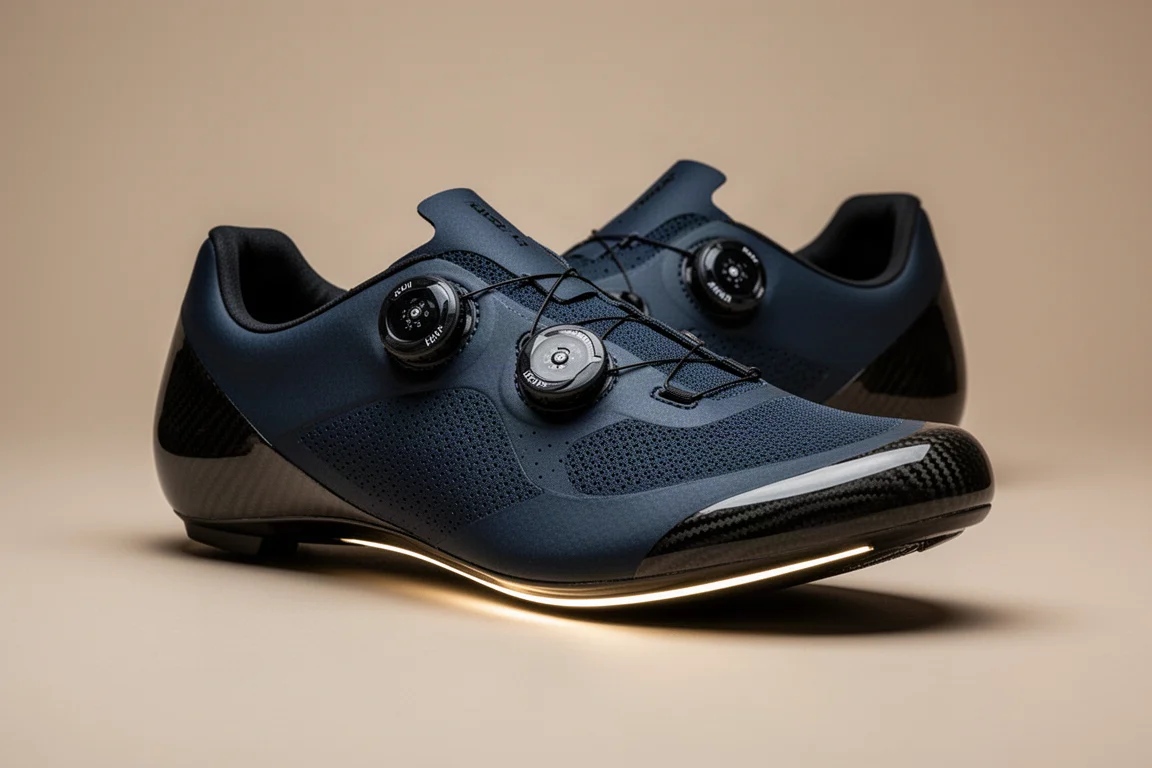
Giro Empire: Lightweight, Lace-Up, and Less Supportive Than It Used to Be
Giro has a strong history in cycling shoes, and the brand generally works well for much narrower feet. Cleat location is excellent and the construction is very well made. The Factor Techlace in particular was among the best narrow fitting shoes ever produced, with two hook-and-loop closures and a Boa dial on the side.
The current generation is a different story. High-end models such as the Imperial use a very lightweight sailcloth material that offers almost no support, and the result is a shoe that is not particularly stable. That same material has since moved into the Empire, which makes the current Empire unstable and less supportive than the version riders remember. Earlier generations of the Empire were excellent, the newer ones less so.
The Empire is also a lace-up shoe, which is not for everyone. Laces distribute pressure evenly across the top of the foot, but retying them while riding a bicycle is impractical.
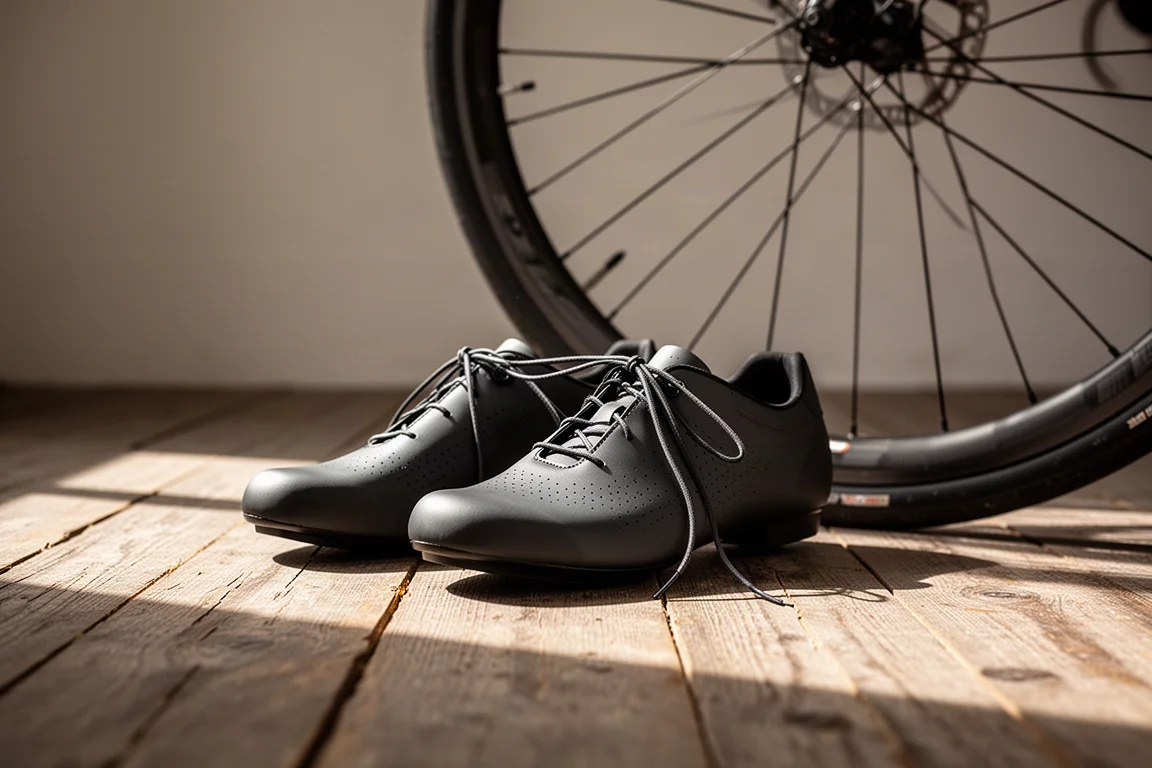
For riders who want the Giro fit, the practical step is to check which generation and which upper material a specific model uses, because the difference in support between them is significant.
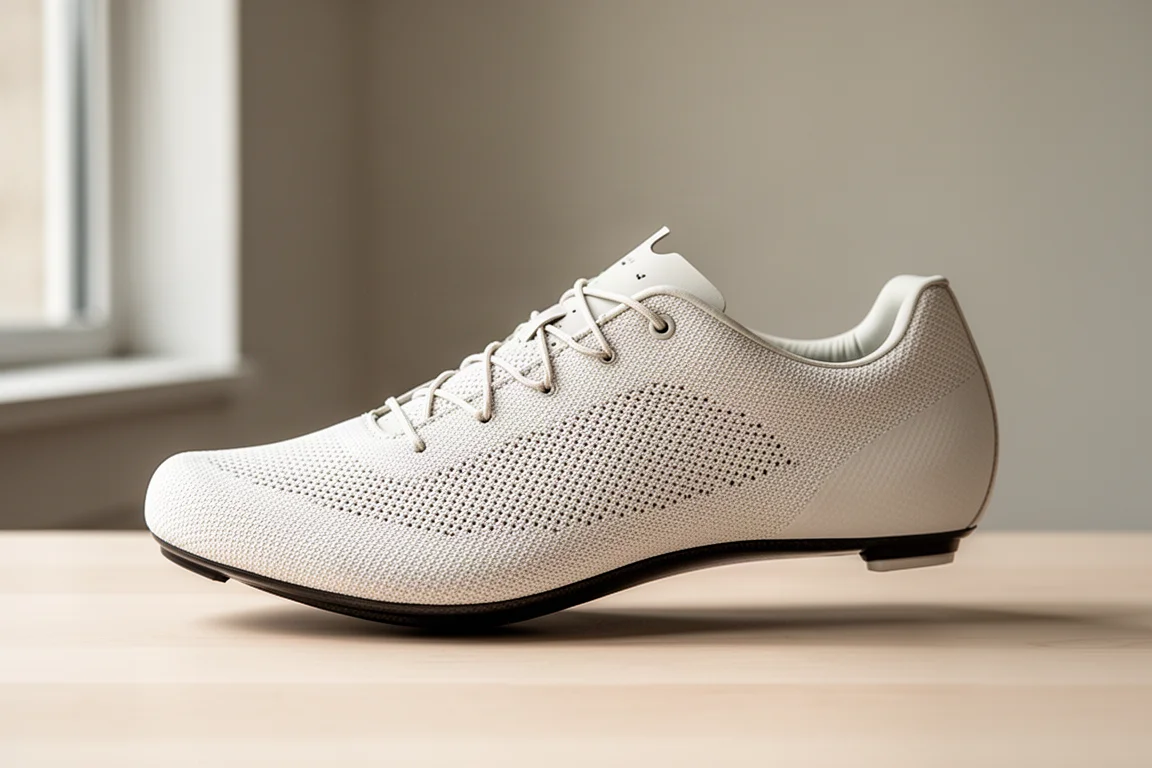
Lake CX238: The Widest Fit and One of the Best Cleat Positions
Lake offers the broadest spectrum of fit of any brand, with cleat locations that sit slightly more rearward than most, a decent amount of arch support built into the shoe, and a wide choice of upper materials including vegan-friendly options alongside bovine and kangaroo leathers. Most of the higher-end models use Boa closures.
The CX238 is the entry-level shoe in the range and one of the widest shoes Lake makes. The complication is that the range itself is difficult to follow. The CX333 is a narrower fitting shoe, and it is also narrower than the CX403, which in turn is not as wide as the CX238. Each of these is available in standard and wide versions as well, so two shoes from the same brand can deliver very different fits.
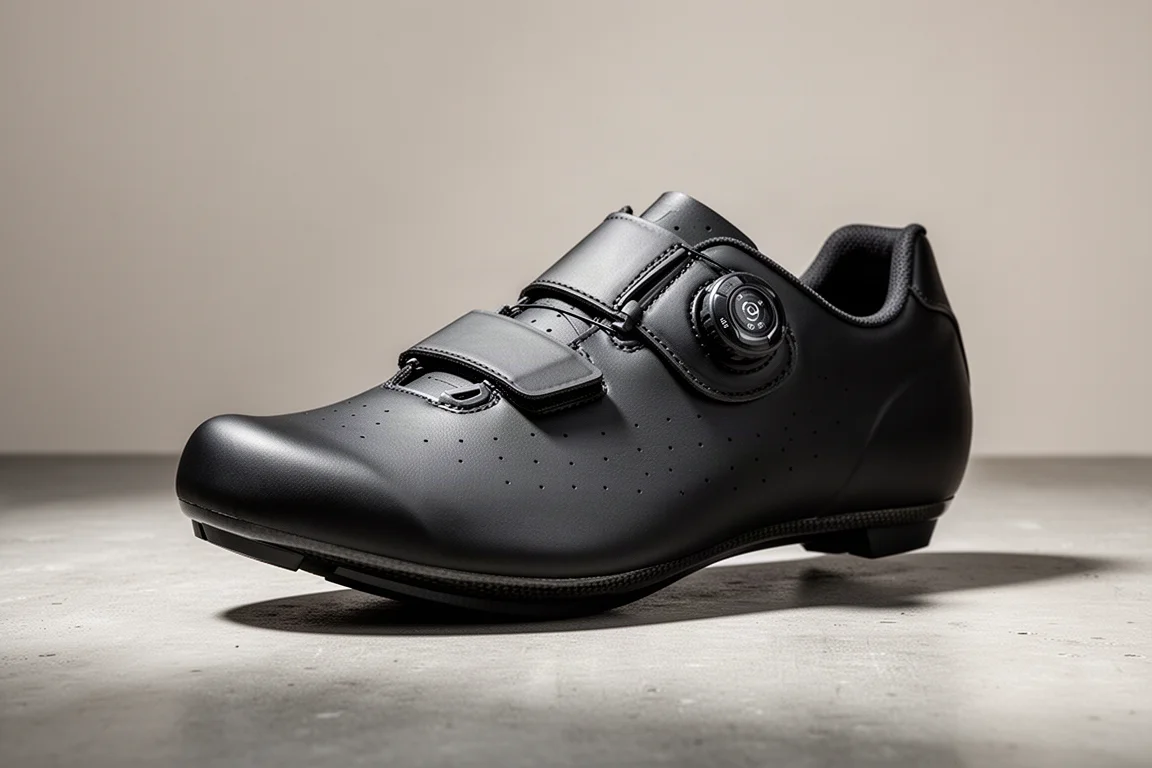
Lake CX403: Heat-Moldable Heel Cup and Premium Materials
At the upper end of the range, models such as the CX403 and CX333 are fully heat moldable, including the heel cup, which lets the shoe be shaped around the individual foot rather than simply broken in. Kangaroo leather, used on many of the higher-end models, is a very durable material, so more of the epidermis and more of the leather layers can be removed. That makes the upper lighter and more breathable, and it conforms better than a polyurethane material.
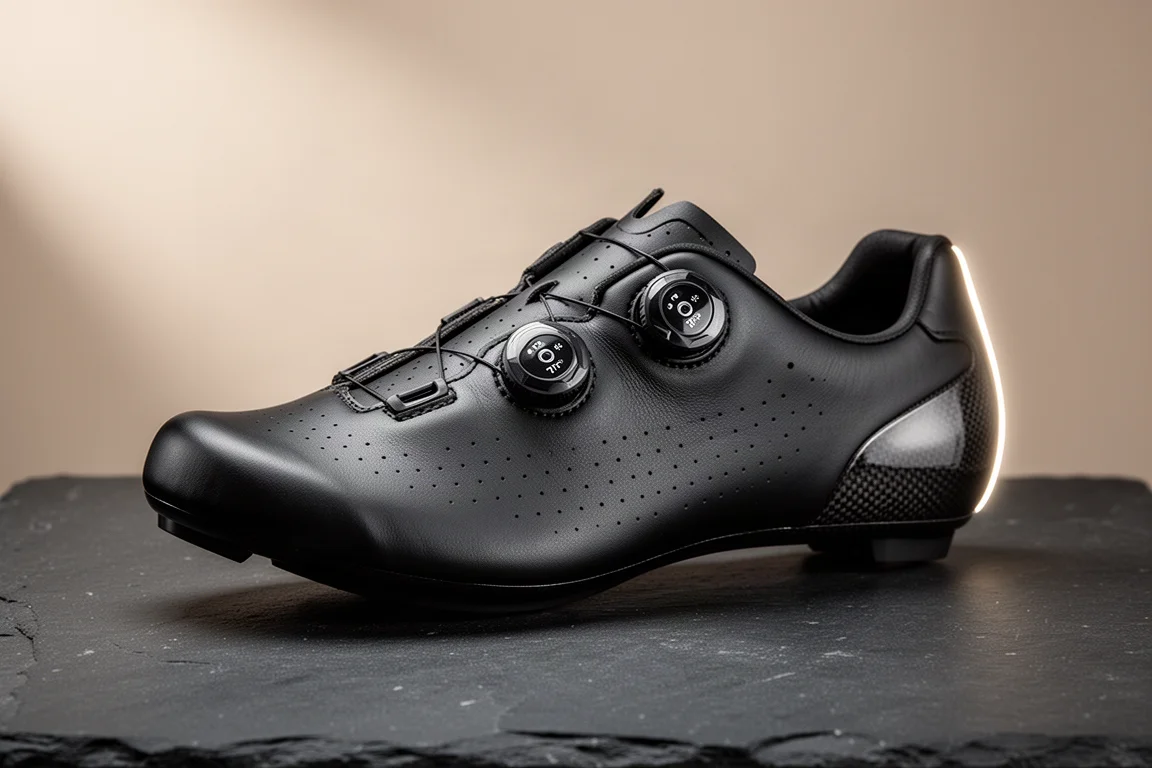
Buying Advice: Match the Shoe to Your Foot, Not the Badge
Start with cleat location and neutrality, then work on fit. A shoe with a rearward cleat range gives you room to move the cleat back if pressure builds under the forefoot, and a neutral shoe is the safer default unless a fitter has confirmed that you need built-in medial support.
Fit is best assessed in person where possible. Measuring and analysing the foot, and understanding how stable it is before presenting a shoe, is the difference between a purchase that works and one that sits unused. Heat-moldable options are worth considering if you have a low arch and low instep, since shoes with a very flat last can push riders into pointing the toe, and a moldable toe box can also be shaped around a bunion or other bony growth.
Wide fits deserve a careful look rather than an assumption. Two shoes from the same brand can differ substantially in width, and a wide label does not always mean genuinely wide.

Finally, replace shoes before they wear out. Durable, well-made uppers often keep riders in the same pair long past the point where the shoe has started to sag and allow the foot to move around inside it. Comfort and stability both suffer long before a shoe visibly falls apart.
Conclusion
The best cycling shoe is the one that puts your foot in a stable, neutral position with the cleat far enough back to avoid loading the forefoot. Lake sits at the top of this list for the breadth of its fit range and its rearward cleat position, while the Specialized S-Works sits at the bottom because its built-in medial support is unnecessary for most riders. In between, Shimano delivers excellent build quality with a very narrow top end, Giro still suits narrow feet but has lost support in its latest lightweight uppers, and Fizik’s entry-level models remain the ones to approach with the most care.
Further reading
Related Reviews
Cycling Shoes
Best Cycling Shoes Ranked: Fit, Cleat Position, and Stability Compared
A practical ranking of road and off-road cycling shoes based on cleat position, foot shape, arch support, and long-ride stability.
Cycling Shoes
Best Wide Fitting Cycling Shoes: Four Options Worth Knowing
A practical guide to wide fitting cycling shoes, covering the Lake CX239, Lake CX242, Shimano RC903 wide fit and G8 2620 arch support.
Cycling Shoes
Canyon Tempr CFR Review: Canyon's First High-End Road Race Shoes
A close look at Canyon's first premium road race shoes, from the carbon sole and wrap-around upper to the trade-offs worth checking before you buy.