Cycling Shoes
Best Cycling Shoes Ranked: Fit, Cleat Position, and Stability Compared
A practical ranking of road and off-road cycling shoes based on cleat position, foot shape, arch support, and long-ride stability.
Introduction
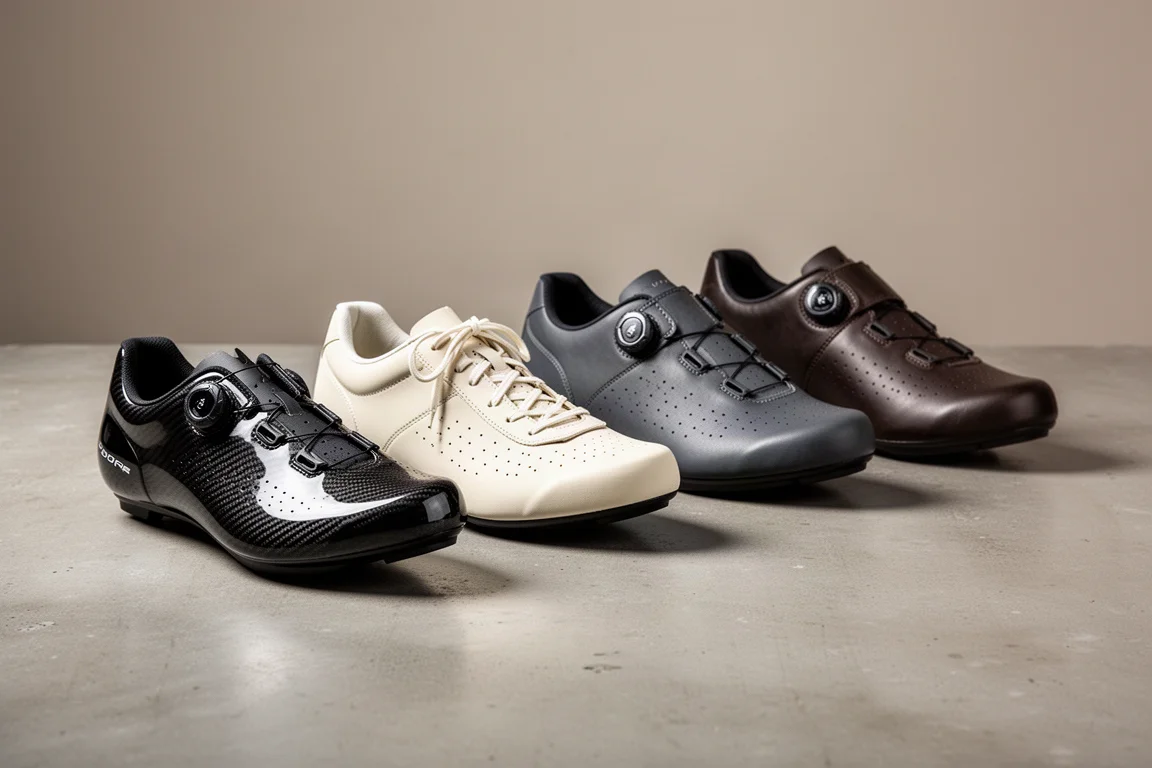
Cycling shoes look similar in photographs and behave very differently on the bike. Cleat position, forefoot drop, arch placement, last shape, and the stiffness of the upper all change how a foot is loaded through thousands of pedal strokes. Two shoes in the same nominal size can leave one rider comfortable for six hours and another reaching for the nearest bench after forty minutes.
This guide ranks a spread of well-known road and off-road shoes from the designs that create the most fitting problems to the ones that offer the most usable range of fits. The order reflects how each shoe behaves in a professional bike-fitting context rather than how it looks in a catalogue.
How We Evaluated These Cycling Shoes
The ranking comes down to four practical questions: where the cleat sits relative to the ball of the foot, whether the shoe lets the foot behave naturally or forces it into a position, where the arch support is placed, and how the upper behaves once a rider is three hours deep.
Cleat position matters more than most riders expect. Mounting a cleat too far forward concentrates load on the delicate structure of the forefoot, an area dense with small bones, capillary networks, and neural tissue. The usual result is numbness, pins and needles, and a foot that feels unstable. A forward cleat also strains the ankle and the subtalar complex, and that strain resonates upward through the knees, hips, and pelvis.
A rearward cleat position is generally the better solution, particularly for endurance riders. The common counterargument is that a forward cleat generates more leverage, but the foot is a short appendage attached to a very mobile ball-and-socket joint, so leverage is not where the gains come from. Moving the cleat back reduces the leverage of the foot itself, which improves stability through the ankle and translates into more dependable power delivery.
Foot shape is the second filter. A rigid first-ray elevation, where the first metatarsal cannot be brought down to the floor, is genuinely uncommon. A flexible elevation, where the tissue can be manipulated down to the ground without excessively pronating the ankle, is far more typical. Shoes that build in correction for the rigid case apply support where most riders do not need it, and that tends to roll the foot outward.
Forefoot drop is the third. A shoe that sits flat from heel to toe forces riders without the right foot shape to plantarflex or point the toe to compensate, which costs stability over long distances.
Specialized S-Works: A Non-Neutral Fit That Divides Riders
Specialized shoes are well made, use a carbon fibre sole, and offer a decent cleat location. The issue is not build quality. It is the fit philosophy that runs across the entire range, from the sport models up to the top-of-the-line S-Works.
These shoes are built non-neutral. The front of the shoe is canted so that it elevates the medial side of the foot. The intent is to address a rigid first-ray elevation, the condition in which the first metatarsal cannot be brought down to the floor and the ankle consequently pronates excessively, producing foot, knee, and saddle problems. The reasoning is sound for that specific foot, but that specific foot is rare. In a typical year of bike fitting, only a small number of genuine cases turn up.
For everyone else, the shoe applies support where it is not warranted, and the effect is a tendency to supinate, rolling the foot outward. Problems on the outside of the foot are common, along with hot foot in the first metatarsal, and the pattern can travel upward into knee pain and saddle discomfort. It is possible to neutralise the shoe by fitting an inverted varus wedge inside it, but the wedge encroaches on the volume of the shoe and usually introduces numbness instead. Riders with a confirmed rigid first-ray elevation may find the geometry helpful. Everyone else should look elsewhere.
Fizik R5B: Entry-Level Fit and a Forward Cleat Position
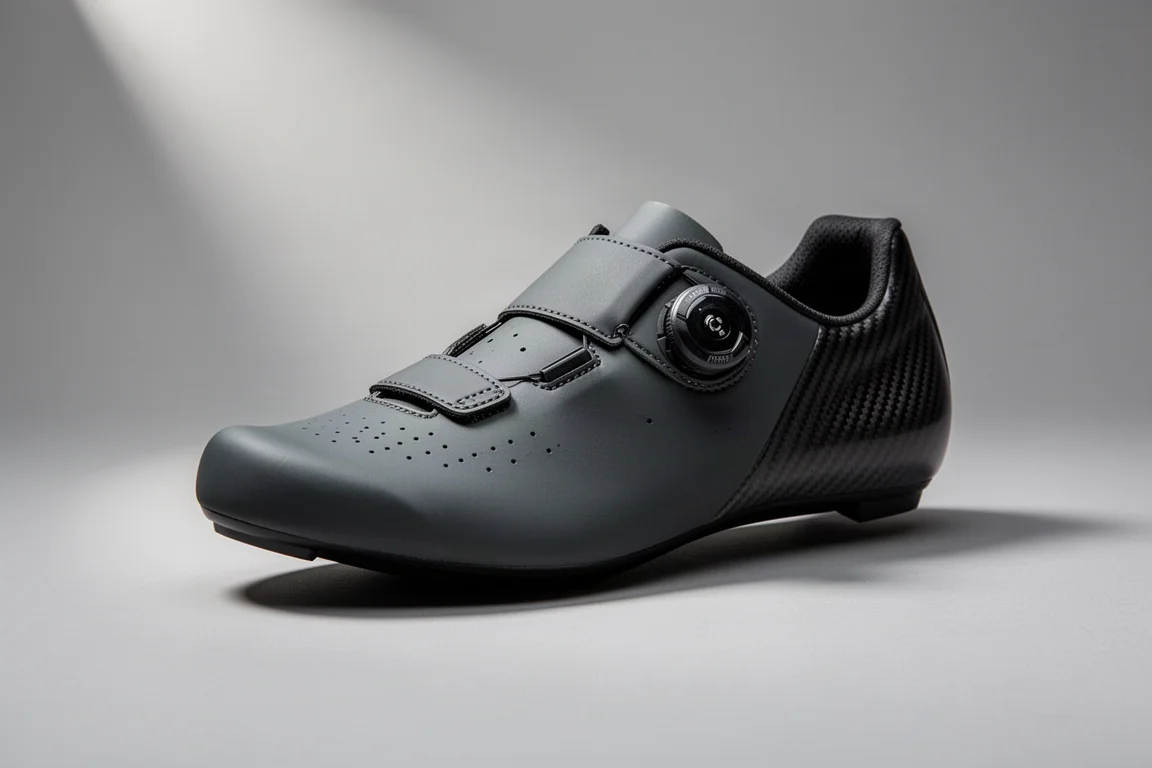
Fizik has been developing shoes for around a decade, and the entry-level models are where the fit problems concentrate. The R5B places the cleat extremely far forward, close to the position seen on some other brands’ road shoes, and the arch support sits too far forward as well. The combination contributes to foot cramping, knee pain, and the general sense of the foot being pushed into a shape it does not want to hold.
It is worth acknowledging that the brand has responded. Newer, higher-end Fizik models have moved the cleat location rearward and are noticeably wider than their predecessors, which makes them a much better proposition than the shoes of old. That progress does not extend to the entry-level end of the range, where the R5B still sits.
Shimano RC903: A Narrow Flagship With Adjustable Cleat Placement
Shimano produces shoes at enormous volume, and the fundamentals are solid. Cleat location is good and offers generous fore-aft adjustment, which is exactly the kind of tuning range that lets a fitter dial in a rearward position. The brand also offers standard and wide fits, though the wide fit is not especially wide. Average at best is a fair description.
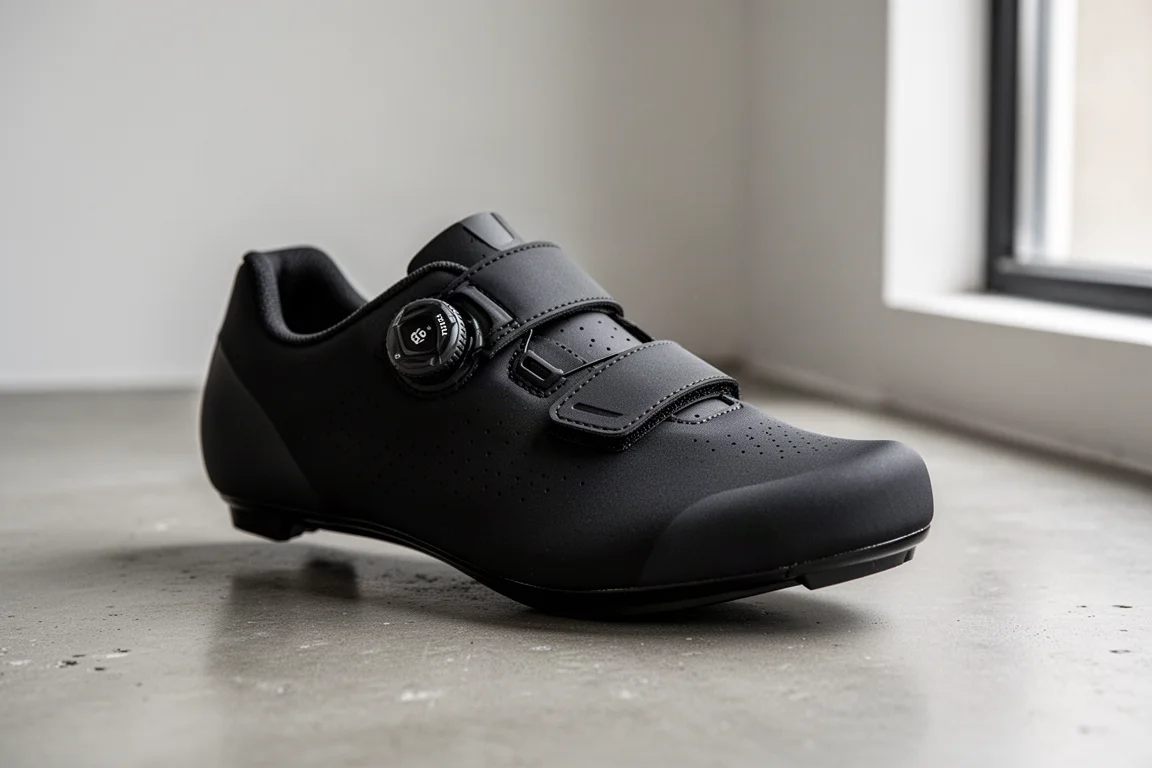
Build quality is excellent across the range, and prices span from accessible to top tier. The RC903 is the flagship, and it is the model to think about carefully if you have a broader foot. It is an exceptionally narrow shoe, one of the narrowest on the market, so riders who normally need volume will want to try before committing.
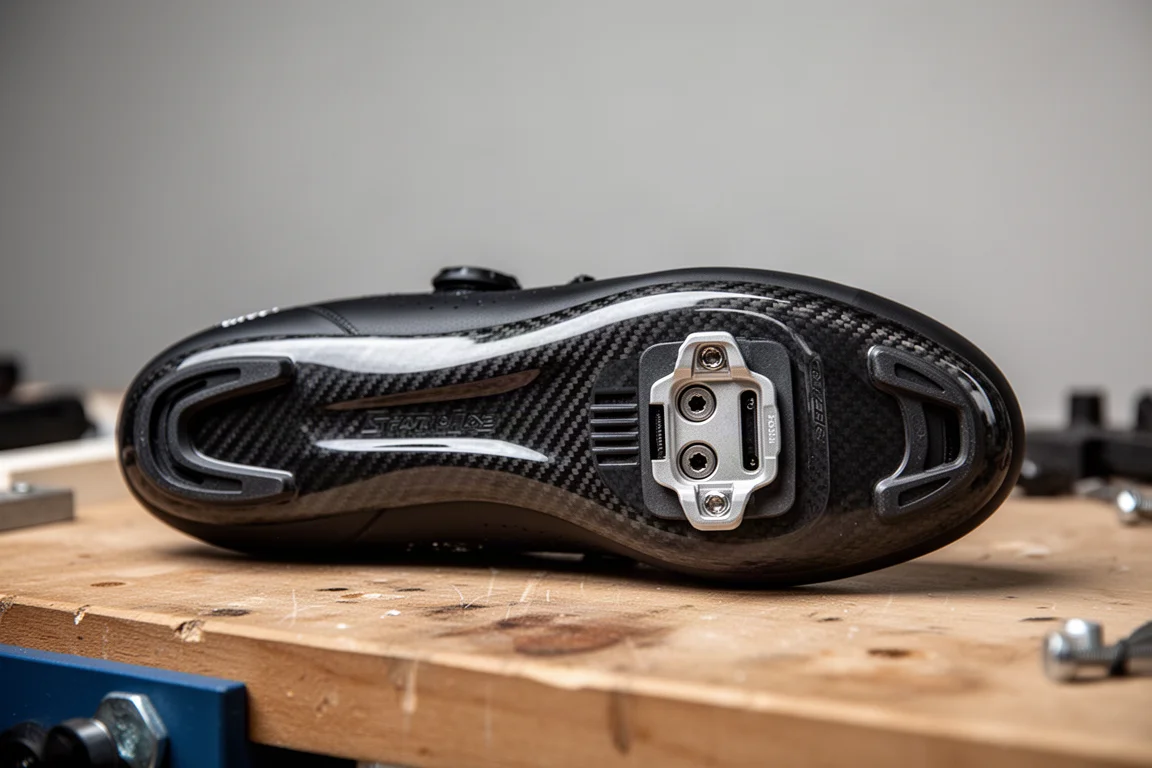
For riders with genuinely narrow feet, the RC903 is a strong option. For everyone else, the fit is the deciding factor rather than the specification.
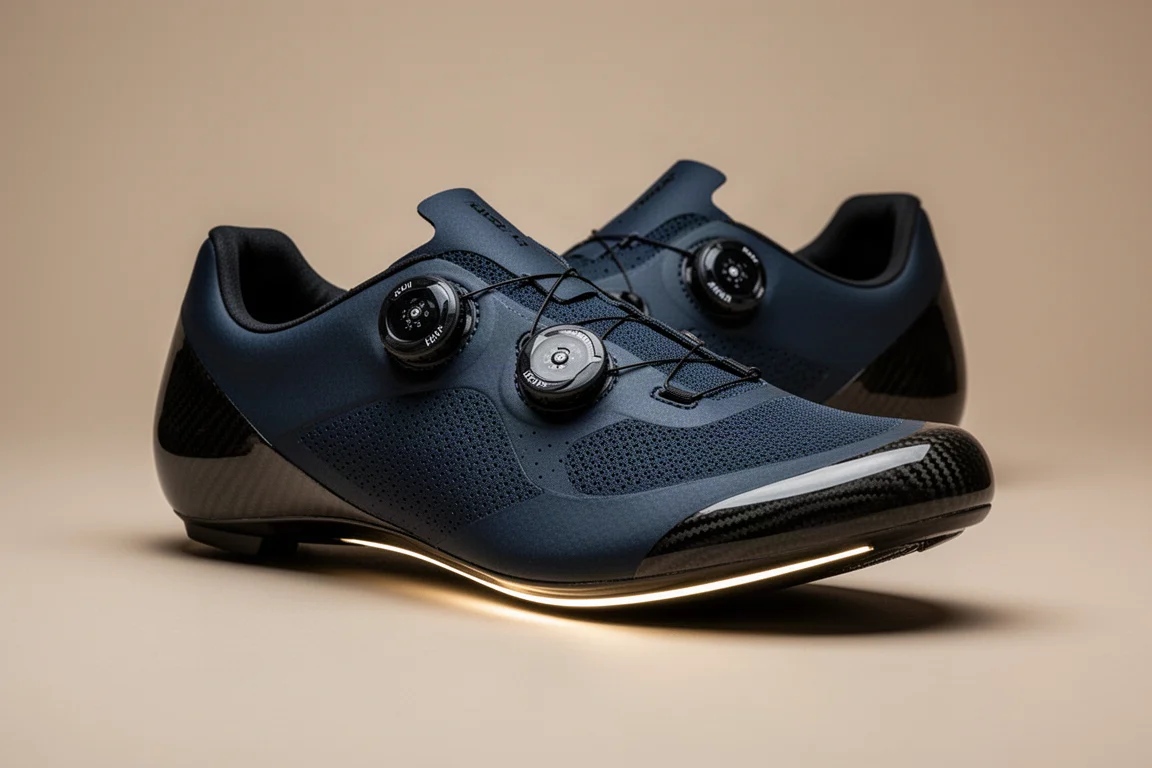
Giro Empire: Lace-Up Fit With a Lightweight Upper
Giro made its name in skating before moving into cycling, and the Empire is one of the shoes that built its reputation. Earlier versions of the Empire were excellent. The current generation uses the same very lightweight sailcloth-like material introduced at the high end, which is airy and highly breathable but offers very little in the way of support. The result is a shoe that is less stable than its predecessors.
The lace closure has real merits. Laces spread pressure evenly across the top of the foot, which suits riders who find dial closures create pressure points. The trade-off is practical: undoing and redoing laces while riding is not realistic. Riders with narrower feet are the best match here, and the cleat location is good.
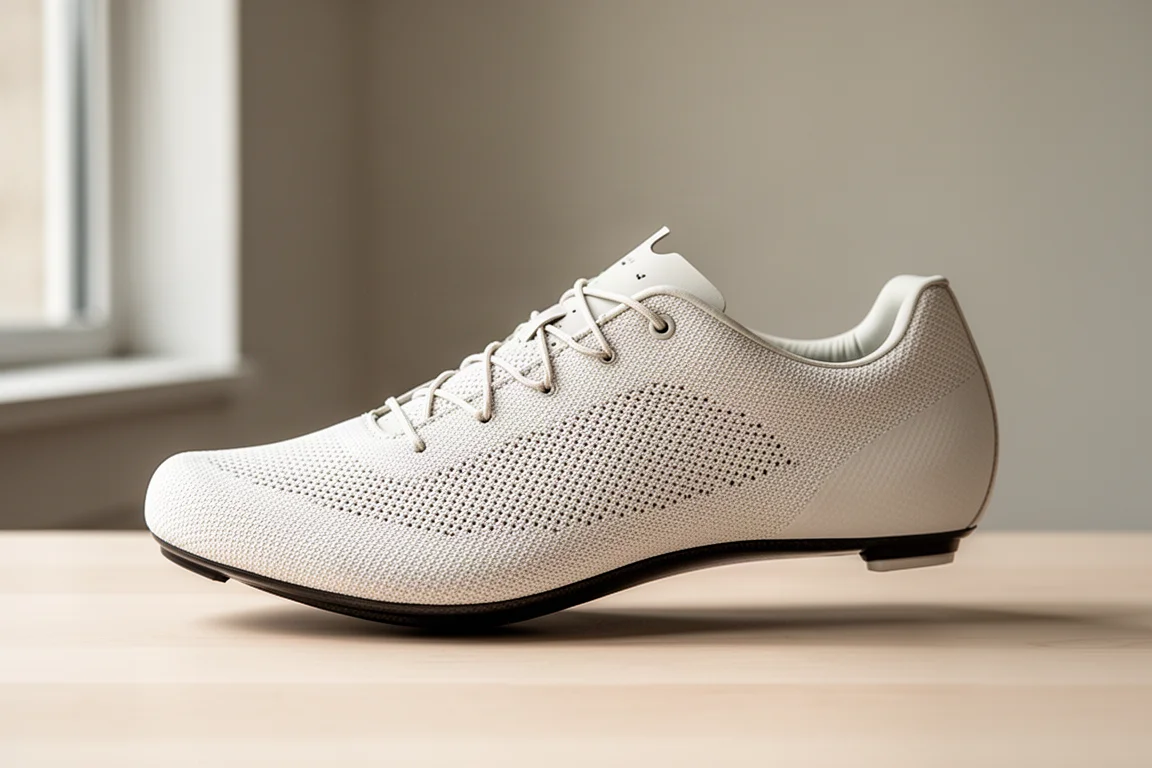
Giro Imperial: Very Light, Very Breathable, Less Supportive
The Imperial sits at the high end of the Giro range and takes the lightweight approach furthest. The upper is built from a very light, highly breathable material that saves weight and moves air, but it contributes almost nothing in the way of structural support, and the shoe is not especially stable under load.
Like the rest of the brand’s road line, it suits narrower feet and pairs with a good cleat location. It is a reasonable choice for riders who prioritise low weight and ventilation and who do not need a supportive upper. Riders who want their foot held firmly through long endurance efforts should weigh that trade-off carefully.
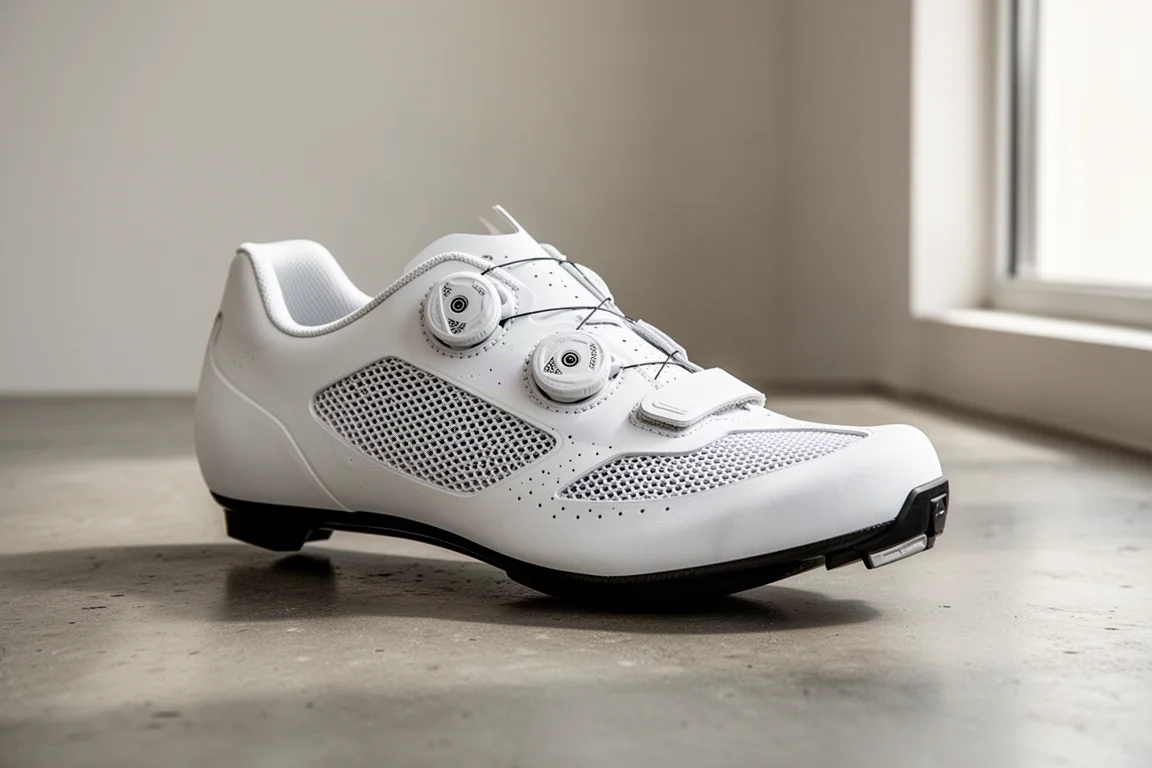
Lake CX238: The Widest Fit in the Range
Lake offers the broadest spectrum of fit of any brand in this ranking, and the CX238 is the entry-level model and one of the widest shoes the company makes. Cleat location is among the best available, sitting a little more rearward than most, and the shoe carries a decent amount of built-in arch support.
One thing to understand before buying into the range: widths vary dramatically between models, and each model comes in standard and wide versions. A rider who needs the wide version of the CX238 is not necessarily going to fit a wide version of a higher model, because the lasts are different. The range is genuinely difficult to navigate without trying shoes on. The upside is that the options are extensive, including vegan-friendly uppers alongside leather.
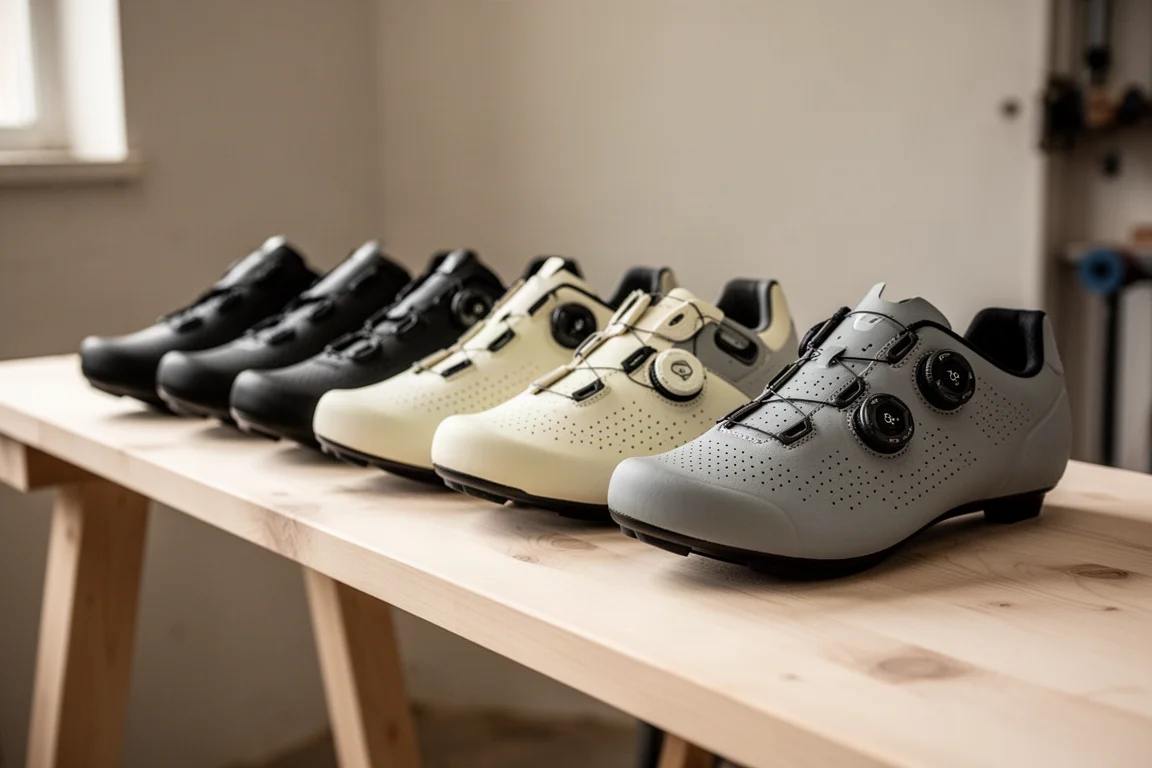
For riders with broad feet or high volume, this is the most promising starting point in the lineup.
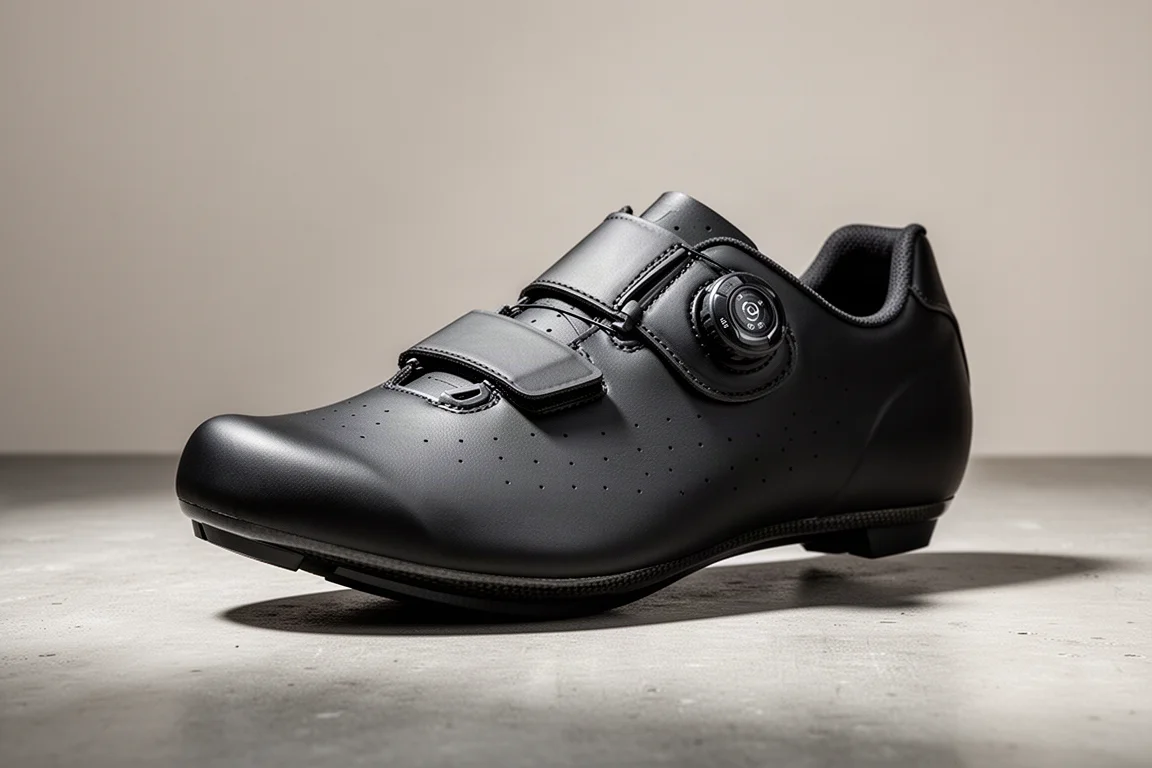
Lake CX403: Heat-Moldable Support at the Top End
The CX403 sits near the top of the range and adds full custom heat molding, including a heat-moldable heel cup, along with dial closures. It is a narrower shoe than the CX238 despite coming from the same brand, which is the clearest illustration of how much the range varies from model to model.
Upper materials at this level include kangaroo leather, which is a genuinely useful material for cycling shoes. It is very durable, which allows the manufacturer to use thinner layers, producing a lighter and more breathable shoe that conforms better than a polyurethane upper. If the fit is right, the CX403 offers the kind of long-term comfort that justifies the step up.
Overall Buying Advice
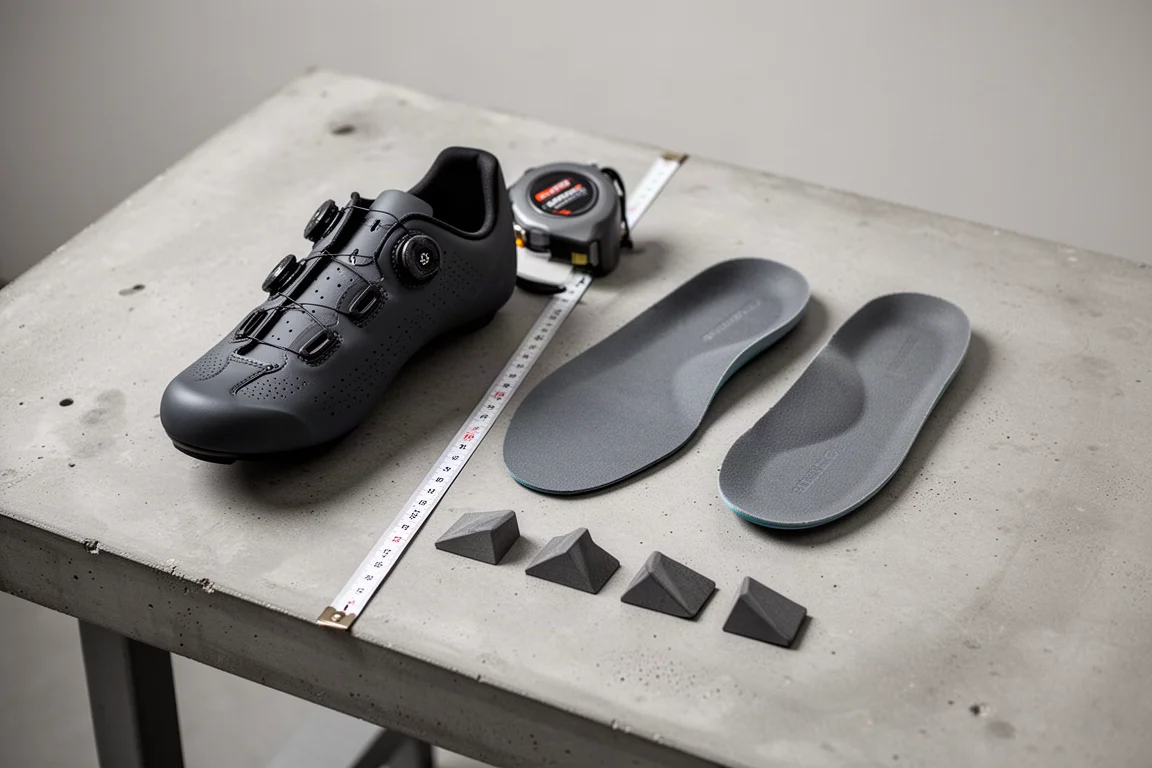
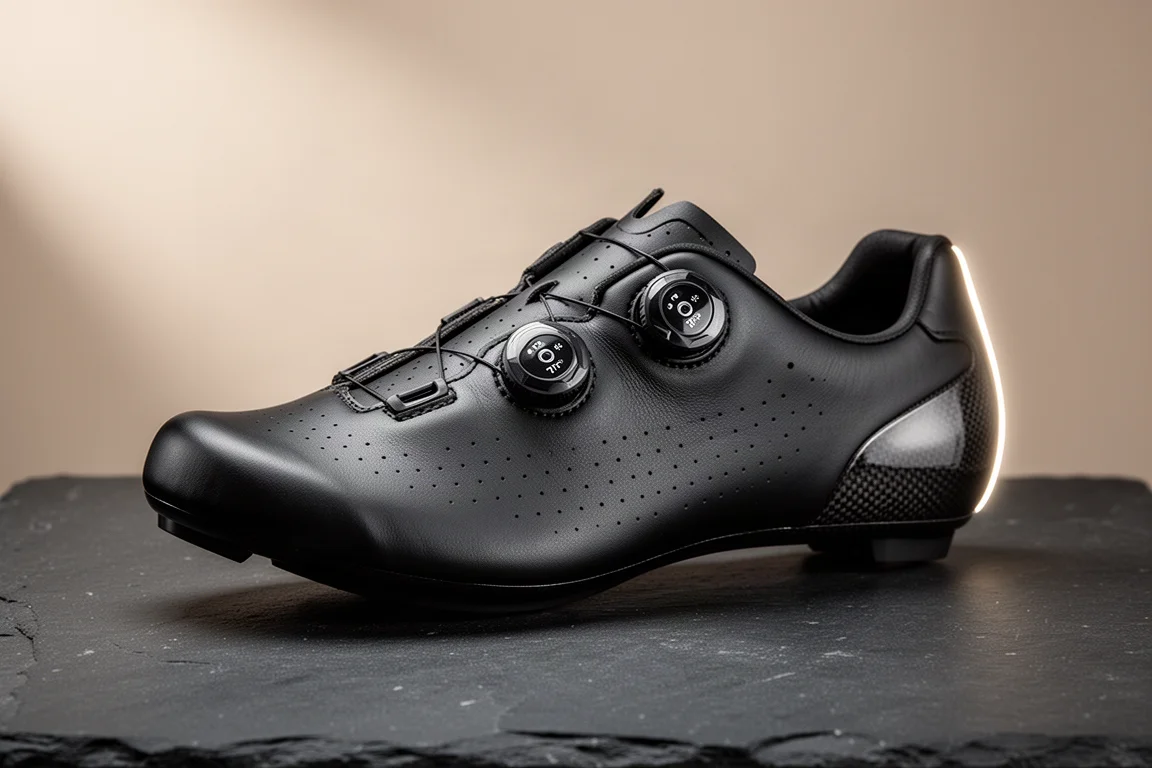
Start with fit, not with spec sheets. Measure your feet, understand your arch height and how stable your foot is under load, and only then look at shoes. Cleat location should be the first filter, because a rearward mounting range is what makes a comfortable, stable position achievable for most riders. A shoe with a fixed, forward cleat position limits what any fitter can do.
Match the last to your foot. Broad or high-volume feet should start with Lake, particularly the CX238, and work outward from there. Narrow feet have more options, including the RC903 and the Giro road line, though the two solve the problem differently: the Shimano brings excellent build quality and cleat adjustment, the Giro brings low weight and ventilation. Riders who have been told they have a rigid first-ray elevation may benefit from the Specialized geometry, but that diagnosis is uncommon enough that it should be confirmed rather than assumed.

If you can, buy from a shop that assesses your feet before presenting a shoe. The difference between a shoe that fits and a shoe that merely matches your size is the difference between finishing a long ride comfortably and spending the last hour trying to ignore your feet.
Conclusion
The best cycling shoe is the one that matches the shape and behaviour of your foot, and this ranking shows how much that varies between brands. Specialized builds in correction that most riders do not need. The entry-level Fizik models place the cleat too far forward. Shimano delivers dependable construction and excellent cleat adjustment, with a flagship that only suits narrow feet. Giro’s current road shoes are light and breathable but short on support. Lake covers the widest range of feet, provided you work out which last actually suits you before you buy.
Further reading
Related Reviews
Cycling Shoes
Best Cycling Shoes Ranked: Fit, Cleat Position and What to Check Before Buying
A practical ranking of cycling shoes by cleat position and fit neutrality, from the models that most often cause problems to the ones that fit best.
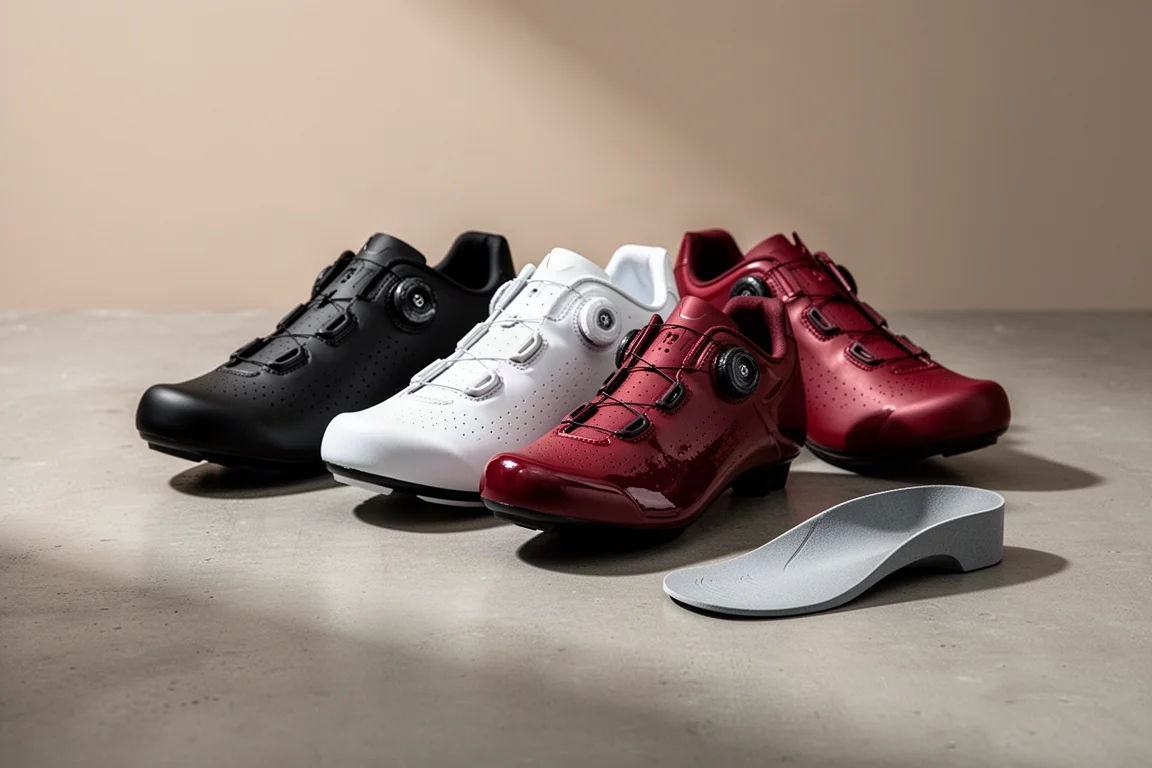
Cycling Shoes
Best Wide Fitting Cycling Shoes: Four Options Worth Knowing
A practical guide to wide fitting cycling shoes, covering the Lake CX239, Lake CX242, Shimano RC903 wide fit and G8 2620 arch support.
Cycling Shoes
Canyon Tempr CFR Review: Canyon's First High-End Road Race Shoes
A close look at Canyon's first premium road race shoes, from the carbon sole and wrap-around upper to the trade-offs worth checking before you buy.