Mountain Bikes
Specialized S-Works Epic 8 Review: A World Cup XC Race Bike With Flight Attendant
The Specialized S-Works Epic 8 pairs 120mm of cross-country travel with RockShox Flight Attendant electronic suspension. Here is what the bike offers and who it suits.
Introduction
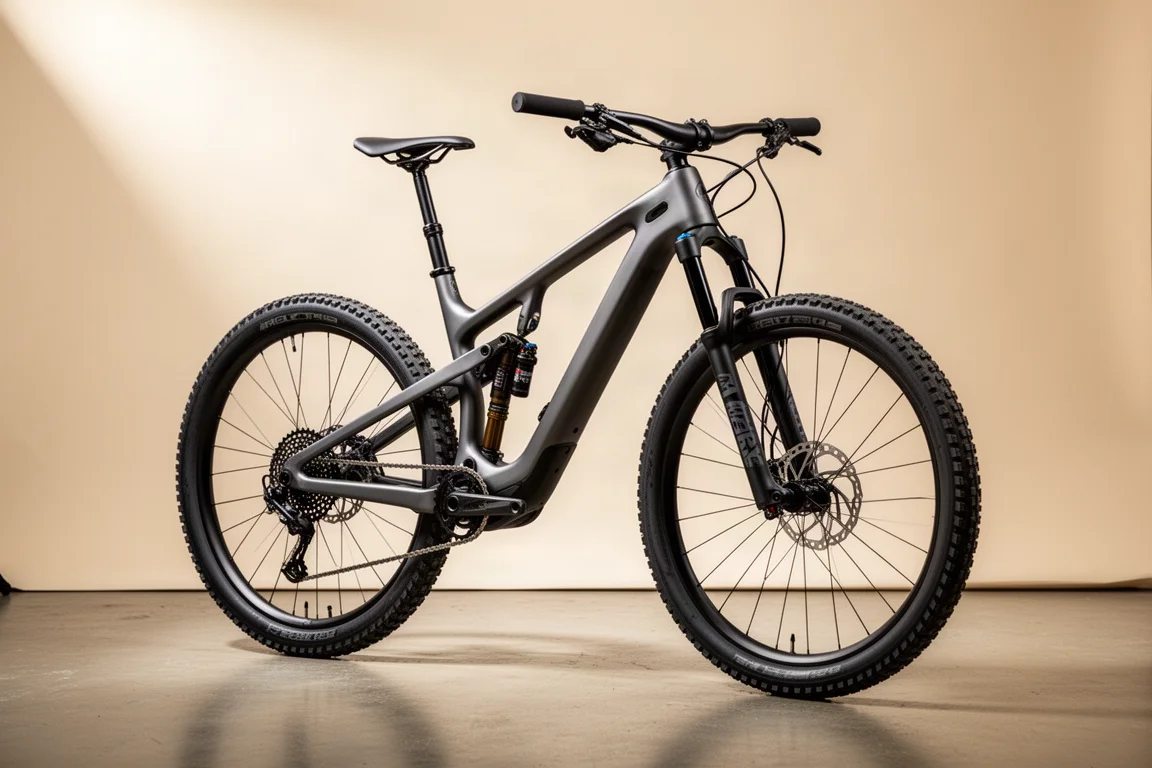
The Specialized Epic range now covers a wide spread of riding, from a hardtail through short-travel cross-country bikes to the longer-travel Epic 8 Evo. At the top of that line sits the S-Works Epic 8, and it is a meaningfully different machine from the Epic it replaces.
The clearest change is the removal of the Brain suspension system that had long been tied to the Epic name. In its place, the Epic 8 uses custom-tuned shocks, and most models pair them with a RockShox TwistLoc remote on the bar. The S-Works build takes a different route, using RockShox SID and SIDLuxe suspension with Flight Attendant electronic adjustment that reads the trail and changes compression modes on the fly.
Travel has grown too. The Epic 8 runs 120mm front and rear, while the Evo version steps up to a 130mm fork. This article covers what the S-Works Epic 8 offers, where it makes the most sense, and what is worth weighing before buying.
Who This Bike Is For
Cross-country racing has changed. World Cup courses became rough and technical enough that riders were choosing the older, burlier, longer-travel Epic Evo frame for most races rather than the standard 100mm Epic with its Brain rear shock. The Epic 8 is the response: more suspension travel, more capable geometry, and a dropper post fitted as standard across the range.

The S-Works Epic 8 is the version built for riders who want the fastest and most technically equipped option in that line. It suits racers and strong trail riders who value suspension that manages itself, a light frame, and components selected without compromise. The same frame platform underpins the Pro, Expert, and Comp models, which use a three-position shock controlled by an on-bar TwistLoc remote instead of Flight Attendant, and those builds will make more sense for plenty of riders. Sizing follows traditional t-shirt labels rather than the brand’s S1 to S6 system, and the Epic 8 is now offered in an extra small size for shorter riders.
Main Strengths
Three areas define the S-Works Epic 8: its suspension system, its geometry, and the frame details that support both.
Suspension and Flight Attendant
The S-Works Epic 8 is the only model in the range with RockShox Flight Attendant. The system uses three sensors, on the fork and the shock, to measure accelerations, impacts, and terrain gradients. Combined with data from the included Quark power meter and your gear selection, it decides which of three compression modes suits the moment: wide open, Magic Middle, and Sprint. Servo motors at the top of the damper circuits make the change. The processor also stores data from your previous seven rides and learns your riding style over time, which tunes how it picks modes.
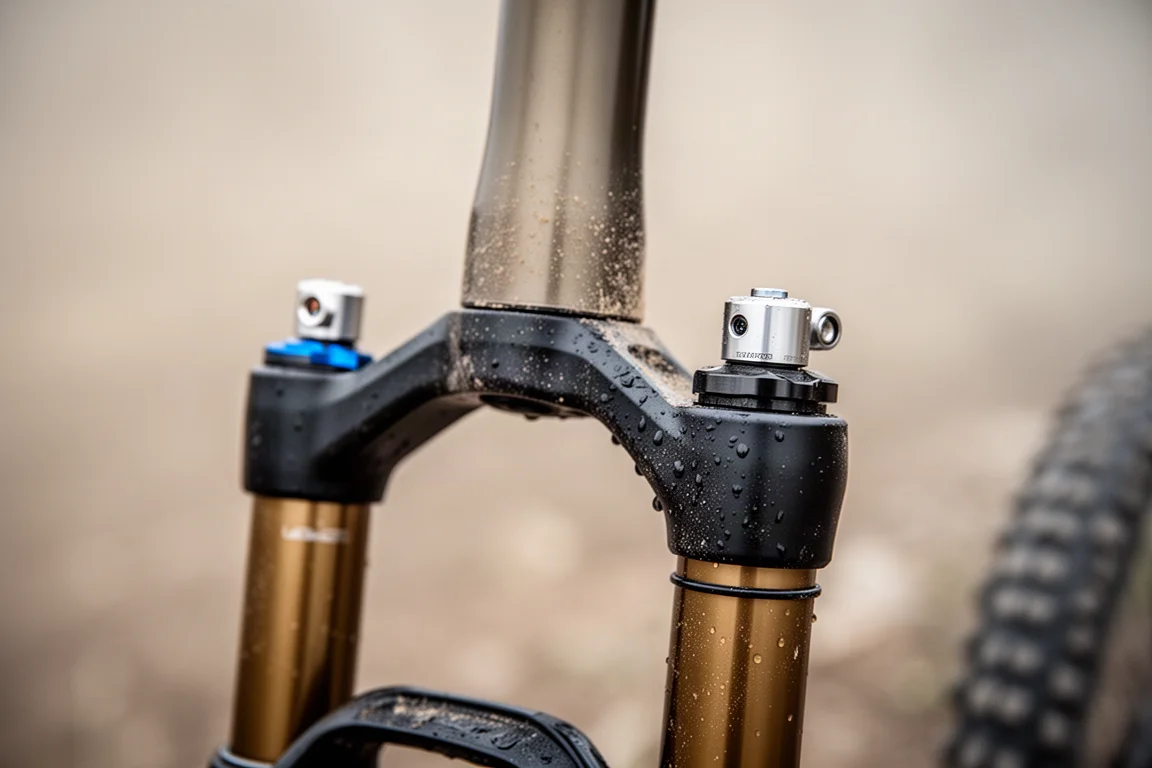
Magic Middle does most of the work on climbs. Its degressive tune is firm around the sag point to resist pedal bob, then softer deeper into the travel so the wheel can move out of the way. The result is a bike that feels efficient on the way up while staying supple enough to help the rear tire find grip. Push harder and the bike gives more. In practice the system gets the mode right almost all of the time and corrects quickly when it does not, switching into wide open over a large bump or a drop off a lip, and firing into Sprint when you jab at the pedals on a smooth steep climb. The only clue is the sound of the servo motors. If you would rather decide for yourself, there is an override button on the bar.
Geometry and Handling
Geometry is adjustable between two positions, switched at the shock mount. The change alters head angle by 0.5 degrees and bottom bracket height by 5mm. In the low setting, head angle is 65.9 degrees, reach on a large is 475mm, and seat angle is a steep 75.7 degrees. Seat tubes are shorter across every size to improve standover clearance and leave more room for a dropper post.
On the trail, that long and slack front end contributes to high-speed stability and cornering confidence, although the front end sits lower than on a trail or enduro bike. The steeper seat angle places the hips in a comfortable position over the cranks on longer rides and steep climbs, and 435mm chainstays strike a balance between agility and stability. The chassis is stiff and does not twist under load, while the 35mm chassis SID fork takes a lot of action and the rear suspension does little to hold the bike back. Riders who want to push into bigger lines can fit burlier rubber, with the smaller rear rotor and the shock being the first parts to feel the strain.
Frame, Weight, and Details
Every Epic 8 and Epic 8 Evo frame is carbon. The S-Works uses the brand’s top-spec 12m carbon fiber, hand laid and finished with titanium hardware. Specialized claims 76g has been shaved from the S-Works frame compared with the previous version, which is notable given that the new frame adds a steerer stop to prevent the bars damaging the top tube and a SWAT 4.0 compartment in the down tube for ride essentials. Frames below the S-Works use 11m carbon, which is claimed to deliver the same ride characteristics at a much lower cost, with a small weight penalty that has not been quantified.
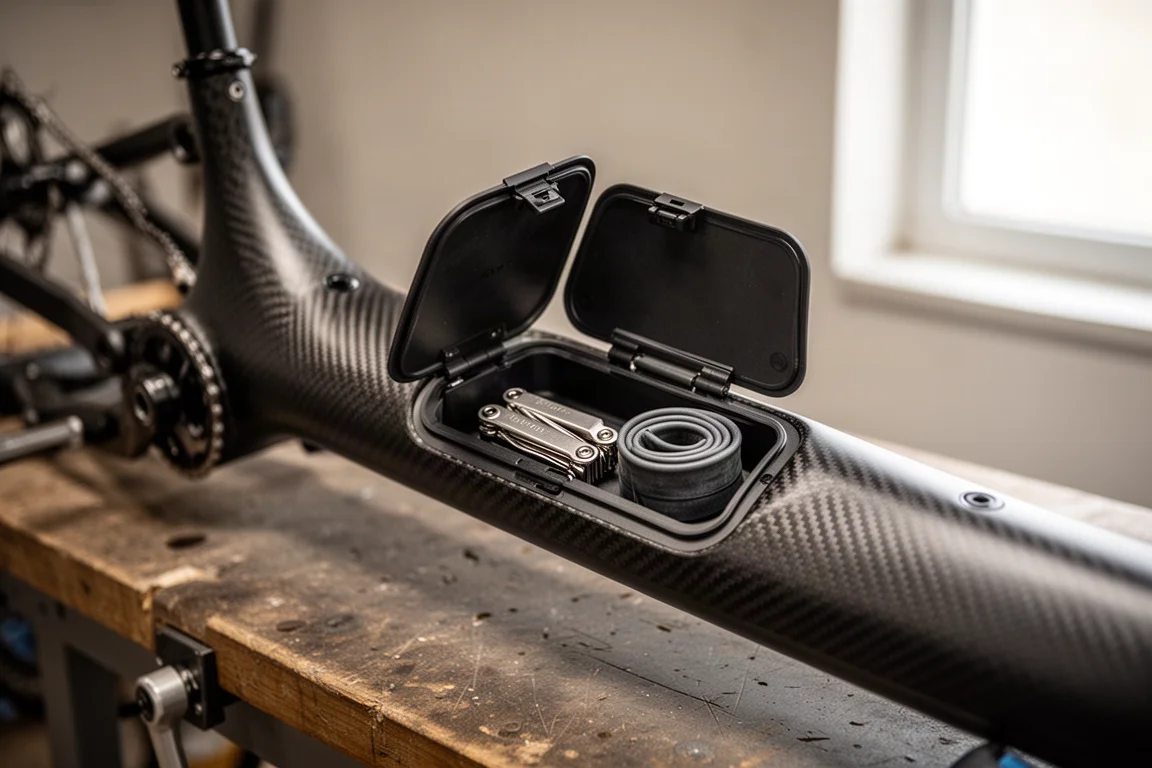
Cable routing differs by model. The S-Works runs its cables through the headset, but only a rear brake hose actually passes through the frame because the drivetrain is wireless. Lower-cost frames route cables into the frame at the front side of the head tube. That wireless setup also brings reliable shifting in almost any condition, which matters when a race is decided by a single clean shift.
Things to Consider Before Buying
Flight Attendant is impressive, but it asks more of the owner than a mechanical setup. Initial setup takes longer to get perfect, there is an app to help tune performance, there are additional batteries to keep on top of, and there is a learning curve around how the whole system behaves. On occasion the system could move into a more pedal-friendly mode sooner, usually while in the more descent-oriented bias modes, though the bias mode itself can be adjusted to suit the course.
Cost is the other obvious consideration. This is a World Cup level race bike fitted with the most technologically advanced components available, and it is priced accordingly, to the point where it costs about the same as some motorbikes. The rear Renegade tire is also worth knowing about: it rolls very fast on mixed surfaces but struggles in the slickest mud, which is expected from a low-tread tire.
Buying Advice
If you race cross-country or ride XC at a high level and want to remove the mental load of managing damper modes, the S-Works Epic 8 is a coherent package. You get 120mm of travel that works in technical terrain without holding you back when things are less technical, geometry that has found a sweet spot between stability and agility, and top-class components from the wheels to the brakes and gears. Flight Attendant handles the thinking, and you spend less time considering suspension settings.

If the price is hard to justify, or you would rather keep control of your own suspension, the Pro, Expert, and Comp models share the frame platform and the same geometry with a three-position TwistLoc shock. Every Epic 8 also ships with a dropper post as standard, so the fundamentals are consistent whichever build you choose. The decision comes down to whether Flight Attendant’s benefits are worth the premium to you.
Conclusion
The S-Works Epic 8 is the most capable expression of the new Epic platform. It drops the Brain system, adds 120mm of travel at both ends, and brings geometry that suits modern, rougher cross-country racing. Flight Attendant is the headline feature, and it works: it reads the terrain, learns your riding, and keeps the shock in the right mode almost all of the time, with an override for the moments you want control back.
That technology comes with setup time, extra batteries, and a price that sits at the top of the market. For riders chasing World Cup level performance it is a compelling package. For everyone else, the lower models in the range carry much of the same platform for less.
Product link
View more details for Specialized S-Works Epic 8
This product is mentioned in the review. Check the specifications, options, and compatibility before buying.
View more details for Specialized S-Works Epic 8Further reading
Related Reviews
Mountain Bikes
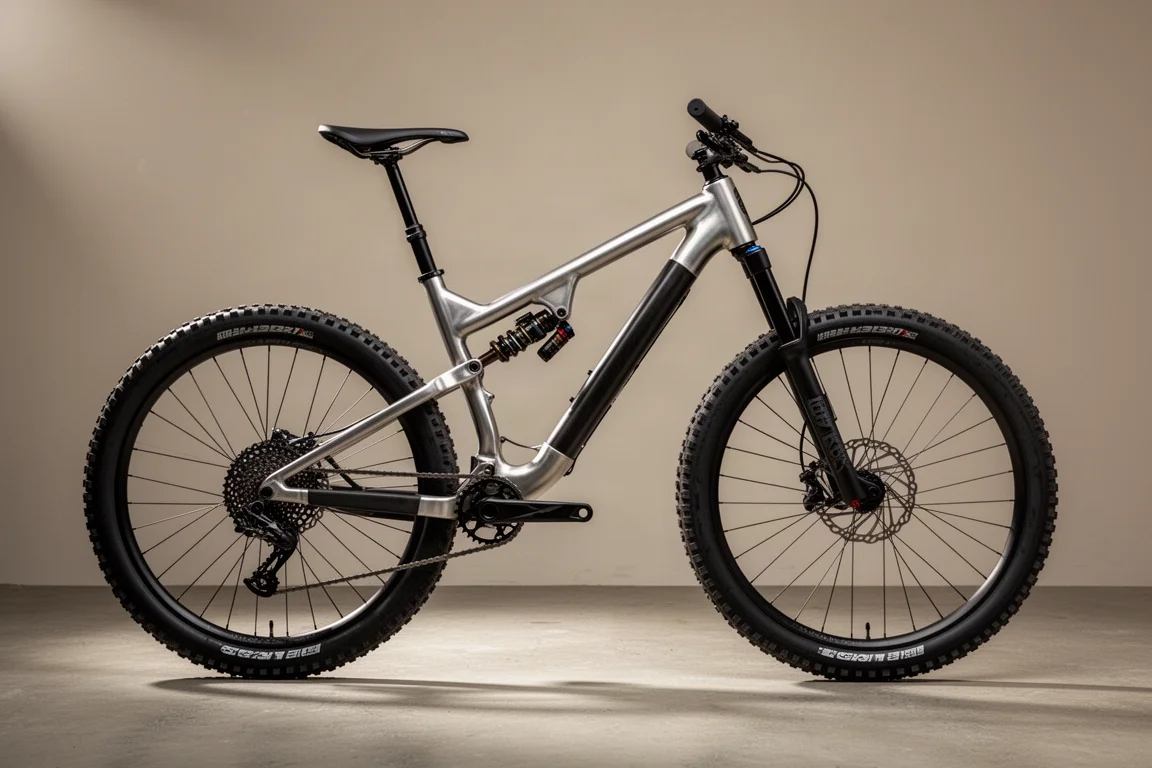
Atherton AM.130 Review: 3D-Printed Titanium Lugs and a 130mm Trail Bike That Descends Like a Bigger Machine
The Atherton AM.130 pairs 3D-printed titanium lugs with carbon tubes and a DW6 suspension platform. Here is how it rides, what the build delivers, and who it suits.
Mountain Bikes
Beginner Mountain Bike Buying Guide: What to Look For in a Trailworthy Hardtail
A practical framework for evaluating beginner mountain bikes, whether new or used, by examining key components that indicate real trail capability.
Mountain Bikes
Best Aluminum Mountain Bikes 2026: Five Alloy Bikes Worth Your Attention
Five aluminum mountain bikes that show how far alloy has come, from a 120mm trail bike and a versatile machined frame to a 180mm freeride machine.