Road Bike Reviews
Specialized S-Works Allez Review: A Light Alloy Road Bike Built to Last
A long-term look at the Specialized S-Works Allez, covering its hydroformed aluminium frame, S-Works carbon fork, component choices, and the quirks to check before buying.
Introduction
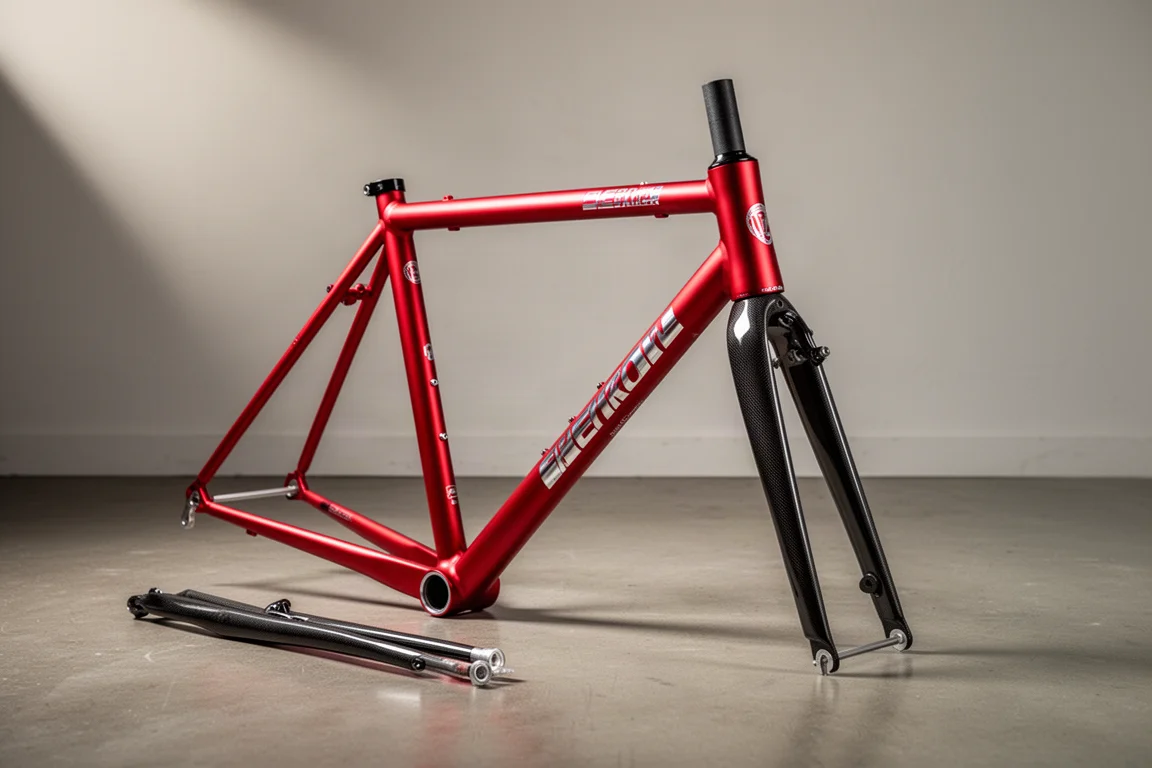
Some bikes start as a practical purchase and end up as keepers. The Specialized S-Works Allez is exactly that kind of bike. This aluminium road frameset was bought secondhand from a local racer who was clearing space for a new build, taken straight to a workshop, and then ridden for the better part of eight years. Its owner has said plainly that he will never sell it.
That kind of loyalty is unusual for an alloy frame. It comes down to a light hydroformed chassis, an S-Works carbon fork, and a build that has been quietly refined over time rather than replaced. This review looks at what makes the Allez worth holding on to, and what a buyer should check before spending money on one.
Who the Specialized S-Works Allez Is For
This is a bike for riders who want a fast, light road frame without paying carbon prices. The S-Works badge sits at the top of the Allez range, and secondhand examples can deliver that badge at a meaningful discount compared with a carbon equivalent.
It also suits riders who like to work on their own bikes. The frame takes conventional rim brakes, uses a standard seatpost, and re-cables easily, which makes it a friendly platform for anyone who enjoys swapping components rather than handing the bike to a shop.
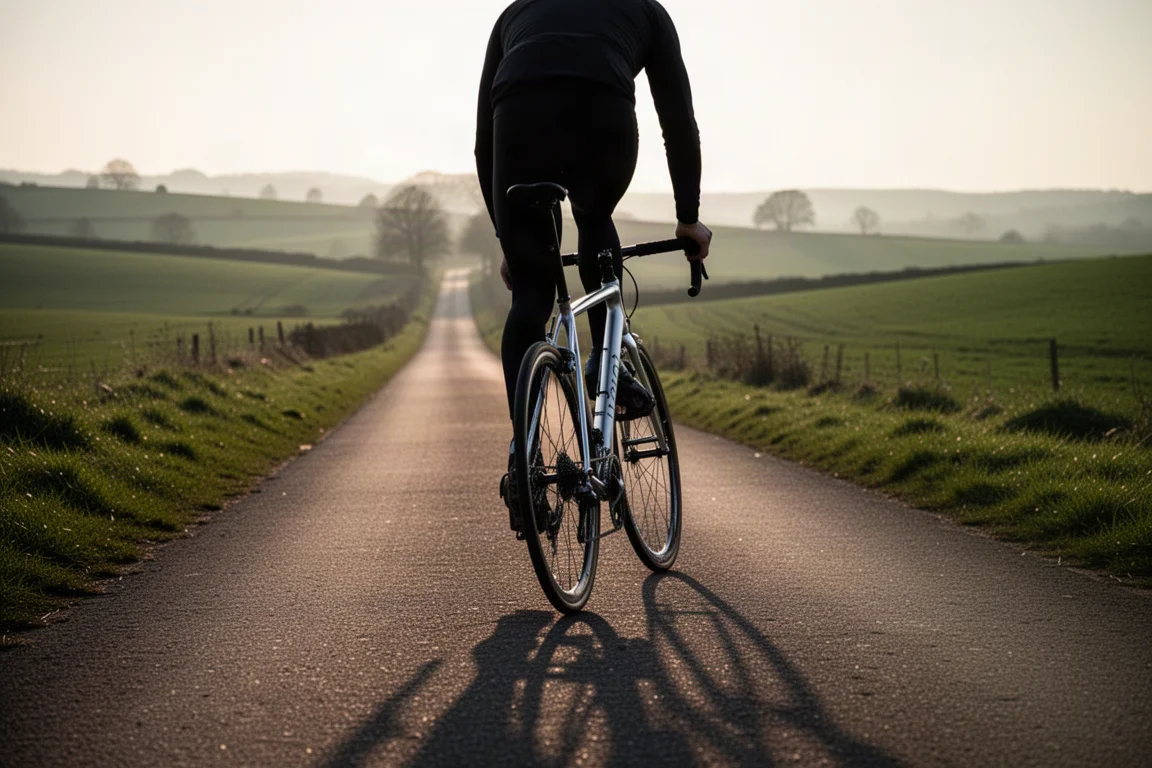
It is less suited to riders who want a threaded bottom bracket or a fully integrated cockpit. The Allez predates both trends, and its press-fit bottom bracket is the single most common source of frustration for owners.
Frame and Ride Character
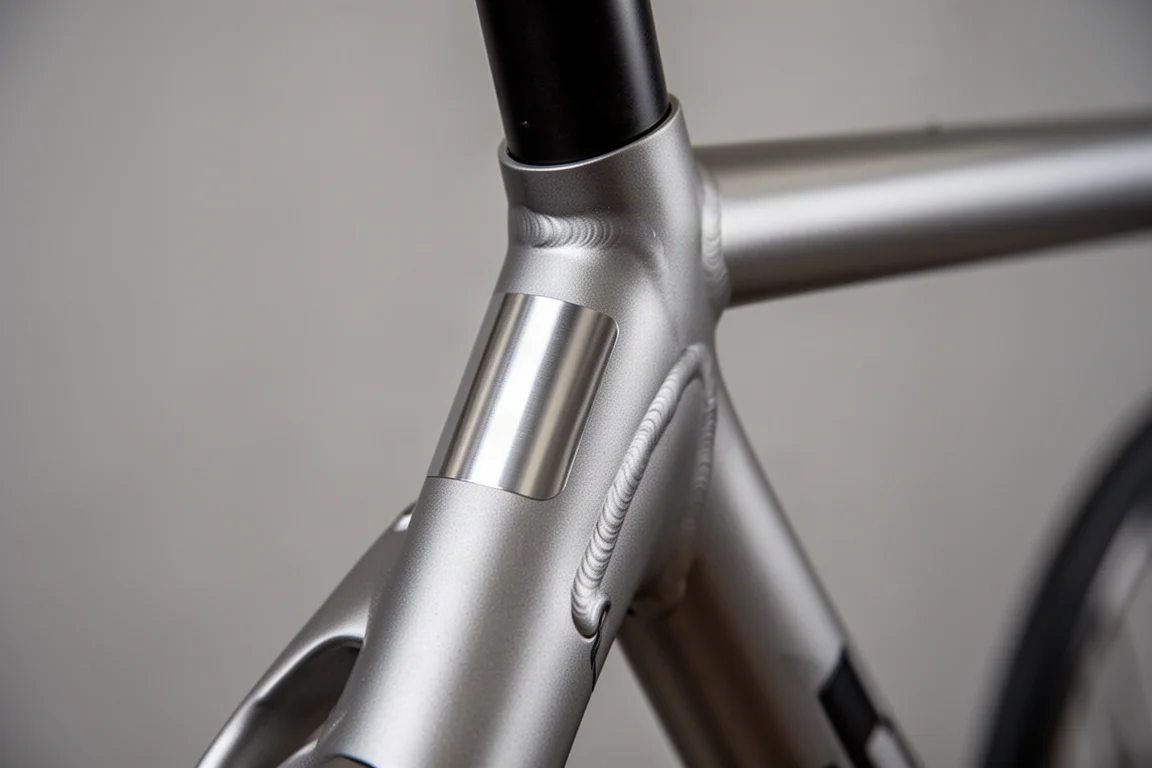
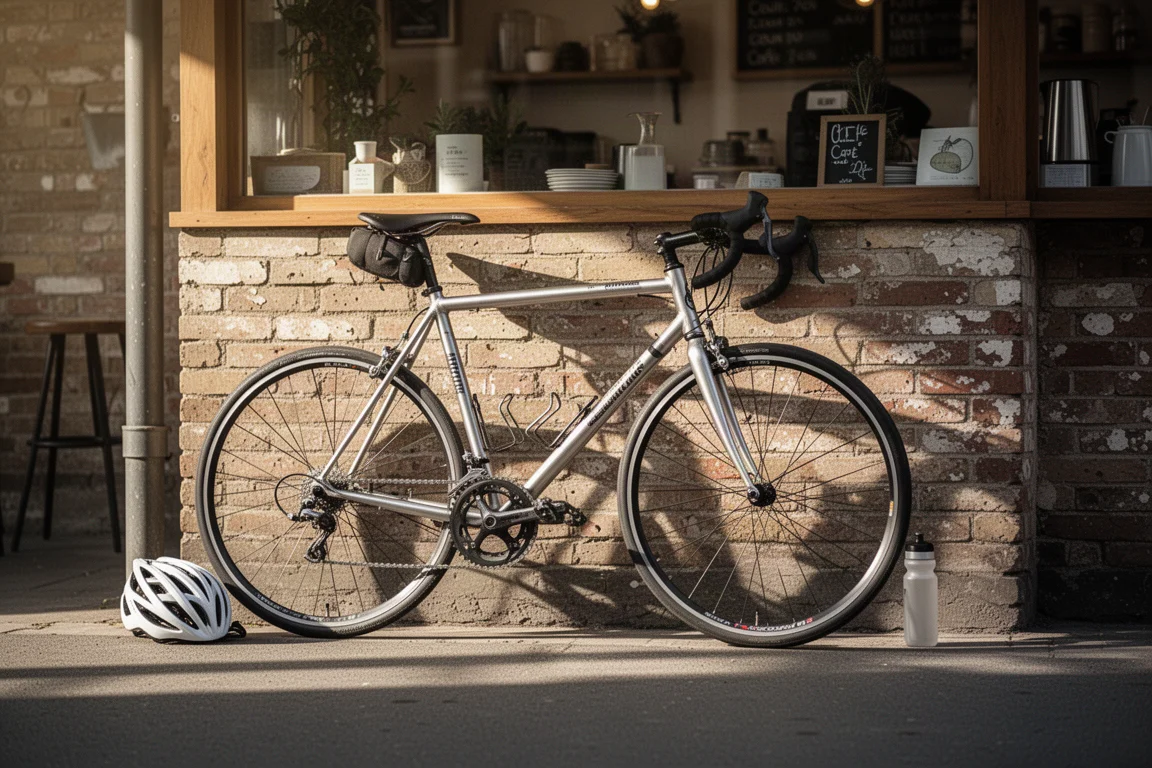
The frame is hydroformed aluminium, a process that let Specialized replicate the tube shapes of its carbon race bikes while keeping weight down. The frame alone sits at roughly the 1,000 gram mark, which is competitive for alloy. Welds are virtually invisible, so the frame reads as a smooth, continuous shape rather than a set of joined tubes.
The fork is the standout part of the package. It uses S-Works level carbon, the best material available at the time, which helps take the edge off rough surfaces and keeps the front end light. Together, the frame and fork produce a bike that feels quick to accelerate and stable at speed.
Paint, Finish, and Build Details
The satin paint is the detail most owners notice first. It lands between gloss and matte, and the satin chrome decals sit against it particularly well. The finish gives the frame a more expensive look than its material would suggest.
The drivetrain is mostly Shimano Ultegra 6800, which is what the bike came with. Two components were later swapped for Dura-Ace 9000: the chainset and the rear derailleur. These are the most visible parts of a groupset, and their chrome detailing pairs neatly with the frame. The change also allowed a gearing revision, moving from a 53/39 chainset to a 52/38 with an 11-28 cassette, a combination that feels easier to turn on longer rides.
Wheels, Tyres, and Contact Points
The bike originally came with Roval CLX40 wheels, which were sold after about six months. Rim brake values were falling as disc brake road bikes arrived, and continued use would have worn the brake track and destroyed the residual value. They were replaced with a set of low-cost carbon wheels costing around 300 pounds. Those wheels use sealed cartridge bearings, have never needed truing, and stop well when paired with carbon-specific brake pads.
Tyres have stayed consistent: 28c S-Works Turbo, chosen for a balance of comfort, grip, and speed. They run with lightweight butyl inner tubes that come pre-talced, which trims rolling resistance slightly, and each tube saves around 40 grams over a standard butyl tube, or nearly 80 grams across both wheels.
Contact points were dialled in early. The build uses 38cm alloy drop bars and a 100mm S-Works stem. An integrated carbon cockpit was tempting, but the alloy setup keeps re-cabling simple. The seatpost is one of the few original parts left. The saddle started as an S-Works Toupe that lasted nearly a decade before being replaced with a modern short-nose design that is slightly lighter, noticeably grippier, and more comfortable thanks to its wider wings.
Known Quirks: Bottom Bracket, Bottle Bolts, and Paint
No long-term bike is without quirks, and the Allez has three worth knowing about.
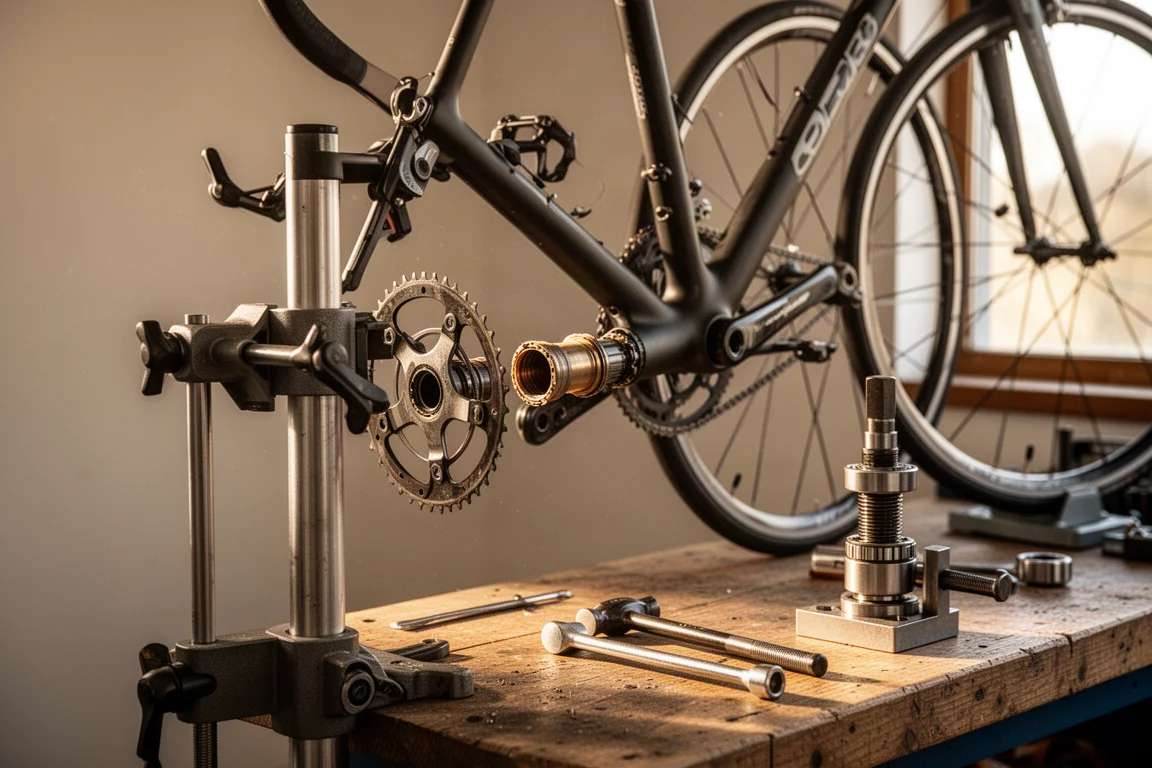
The first is the bottom bracket. It is a press-fit BB30 design rather than a threaded shell, and keeping it creak-free has taken years of experimentation. The fix that has worked is applying Loctite to the outer race of the bearings. It is not an elegant solution, but it holds.
The second is the bottle cage bolts. Some of them now spin inside the frame and cannot be undone. With one usable bottle mount, the practical impact is limited, and the S-Works bolts themselves are worth keeping in place.
The third is paint durability. The red finish has no protective clear coat, so it chips easily. After nearly eight years of riding it has held up reasonably well, but a buyer should expect cosmetic wear rather than a flawless surface.
Things to Consider Before Buying
Anyone shopping for an S-Works Allez should look at the frame first. Check the bottom bracket area for play or noise, inspect the bottle cage bolts to see whether they still thread properly, and look closely at paint edges, since the finish marks easily.
It is also worth going in with clear expectations. This is an aluminium frame with rim brakes, a press-fit bottom bracket, and standard round tubes. Riders who want the newest standards will be happier elsewhere. Riders who want a light, simple, quick road bike that is easy to maintain will find a lot to like.
Buying Advice
Secondhand alloy frames are a low-risk purchase compared with used carbon, because impact damage is easier to spot and the material tolerates everyday use well. The S-Works Allez rewards that logic: it delivers a top-tier badge, a carbon fork, and a frame weight near 1,000 grams for far less than a comparable carbon build.
Owners should expect to spend a little on consumables. Planned upgrades include matching Dura-Ace 9000 brake calipers, the latest S-Works Turbo tyres, and a fresh S-Works seatpost to replace one that has been marked by winter riding and a saddle-mounted rear light.
Conclusion
The Specialized S-Works Allez is not a bike that chases current standards. It is a light, well-finished aluminium road frame with a carbon fork, sensible component choices, and a handful of known quirks that can be managed. Nearly eight years of ownership and no intention of selling it is the strongest recommendation a road bike can get.
Product link
View more details for Specialized S-Works Allez
This product is mentioned in the review. Check the specifications, options, and compatibility before buying.
View more details for Specialized S-Works AllezFurther reading
Related Reviews

Backpacking Gear
Building a 10 lb Base Weight: An Ultralight Backpacking Gear List
A practical walkthrough of the ultralight pieces behind a 10 lb base weight, from a 765 g pack and a roomy one-person tent to a full camp chair and a dependable water filter.
Road Bikes
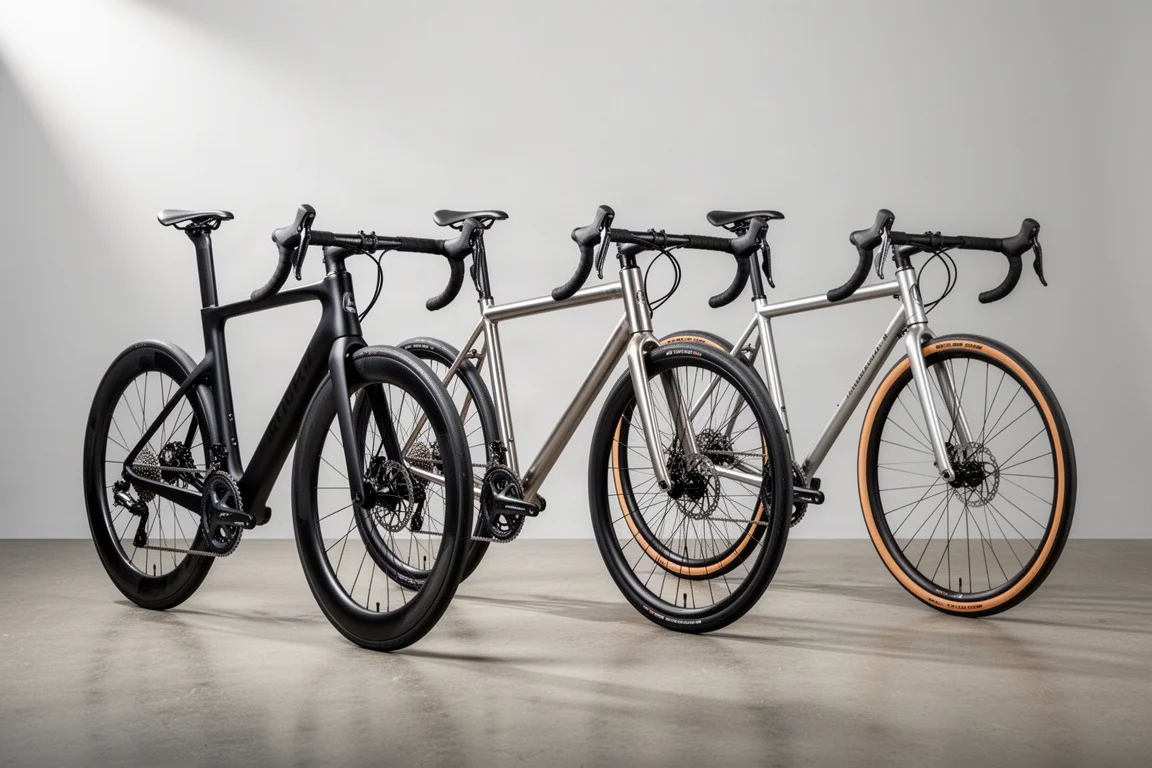
10 New Road Bikes Worth Watching: Aero, Titanium, Steel and Endurance Standouts
A practical roundup of 10 new road bikes, from aero flagships chasing single-watt gains to titanium, steel and endurance platforms built for real roads.
Bikepacking Gear
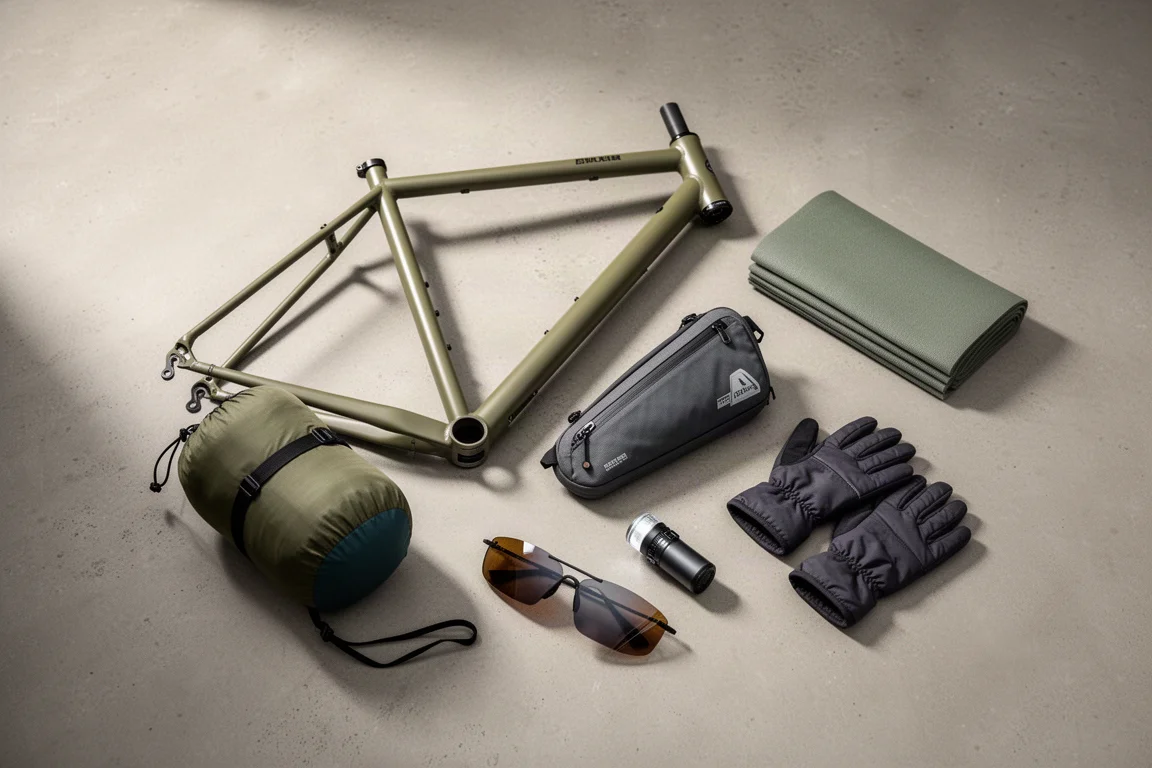
11 Bikepacking Essentials for Long-Distance Cycling
Eleven bikepacking essentials for long-distance cycling, from a steel gravel frame and a two-person tent to helmet lights, packable gloves, and a frame bag that puts weight in the right place.