Mountain Bikes
Specialized Lightweight E-MTB Lineup: Kenevo SL2, Levo SL2, Levo, and Enduro Compared
How a lightweight electric mountain bike compares with a full power e-MTB and a non-assisted build, using four bikes from the Specialized mountain range.
Introduction
A lightweight electric mountain bike once sounded like a contradiction. The current generation has made the idea far more convincing: a motor that helps on the climbs, a frame that still behaves like a mountain bike, and a total weight that stays close to a non-assisted build. The result is a category for riders who want assistance without the bulk and momentum of a full power e-MTB.
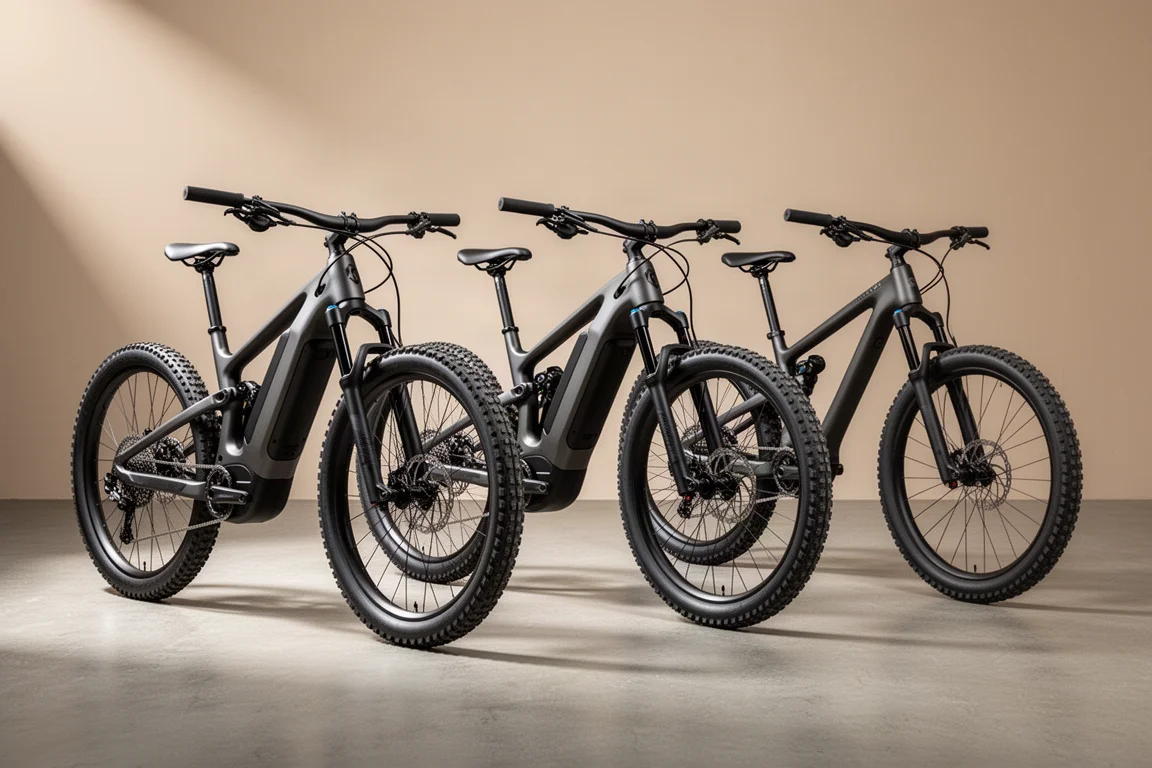
Four bikes from the Specialized mountain range cover the whole spectrum of that decision. The lightweight Turbo Kenevo SL2 sits at the assisted, low-weight end. The Turbo Levo SL2 adds 150 mm of suspension travel and a mixed wheel setup. The full power Turbo Levo pushes assistance and battery capacity much further. The non-assisted Enduro shows what the weight savings are really worth when the motor is removed entirely.
What Defines a Lightweight E-MTB
The defining number is weight. Full power electric mountain bikes often sit somewhere between 20 kg and 24 kg, while the best lightweight models can drop below the 20 kg mark. The Turbo Kenevo SL2 is a good example at just over 19 kg. That is roughly 4 kg more than the non-assisted Enduro and about 3 kg less than the full power Turbo Levo, which places it in a useful middle ground.
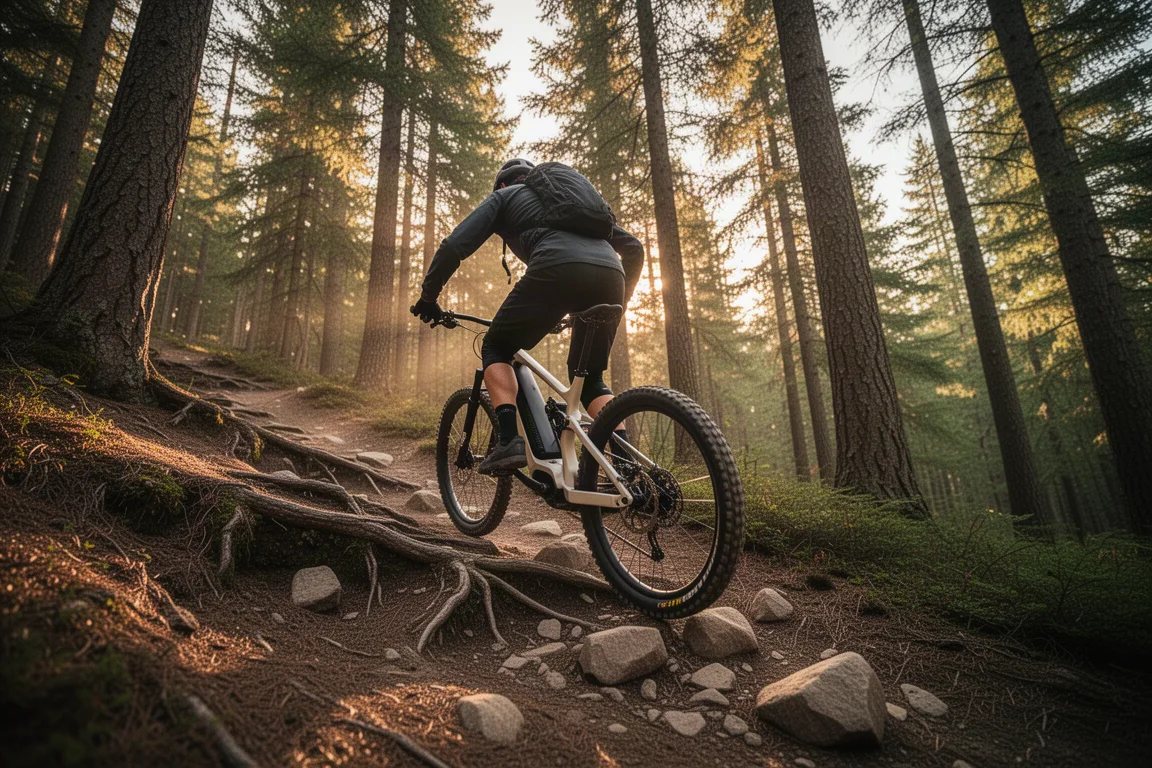
That gap matters more than the number alone suggests. Lower weight changes how a bike lifts over obstacles, how quickly it changes direction, and how much energy it takes to keep the front wheel where you want it on a steep, technical climb. Riders coming from a non-assisted bike tend to notice the difference quickly, because the assistance is there without the usual penalty in handling.
How Motors, Batteries, and Components Change
Batteries are the heaviest single component on an electric mountain bike, so reducing capacity is the fastest route to saving grams. Full power models such as the Turbo Levo use batteries around 700 Wh, while lightweight bikes typically offer roughly half of that. The Turbo Kenevo SL2 runs a 320 Wh battery. A smaller battery can still cover a long day depending on the motor it is paired with.
Motors change as well. Lightweight e-MTB motors are noticeably smaller and quieter than full power units and deliver their assistance progressively rather than in a single surge. The Turbo SL2 motor produces 50 Nm of torque, compared with 90 Nm from the full power Turbo system. Gentler delivery suits riders who are new to electric assistance, or who simply want the motor to stay in the background of the ride.
Component choice follows the same logic. Full power e-MTBs need heavy duty brakes, drivetrains, and suspension that stand up to motor torque, extra weight, and high mileage, which is why downhill-grade parts and tougher tyre casings appear on those builds. Lightweight models can use lighter components, sometimes without e-bike-specific ratings, to keep the ride closer to a trail bike. Controls are pared back too: small LED panels instead of large screens, and in some cases no display at all.
Specialized Turbo Kenevo SL2
The Turbo Kenevo SL2 is the clearest expression of the lightweight idea in this group. At just over 19 kg it carries roughly 4 kg more than the non-assisted Enduro and 3 kg less than the full power Turbo Levo, and it pairs that figure with a 320 Wh battery and the 50 Nm Turbo SL2 motor.
That combination is aimed at riders who want help on the way up without giving up the feel of a mountain bike on the way down. The lower torque figure is a deliberate part of the design. Assistance arrives smoothly, which keeps the bike predictable on technical climbs and quiet enough to ride alongside people on non-assisted bikes.
Specialized Turbo Levo SL2
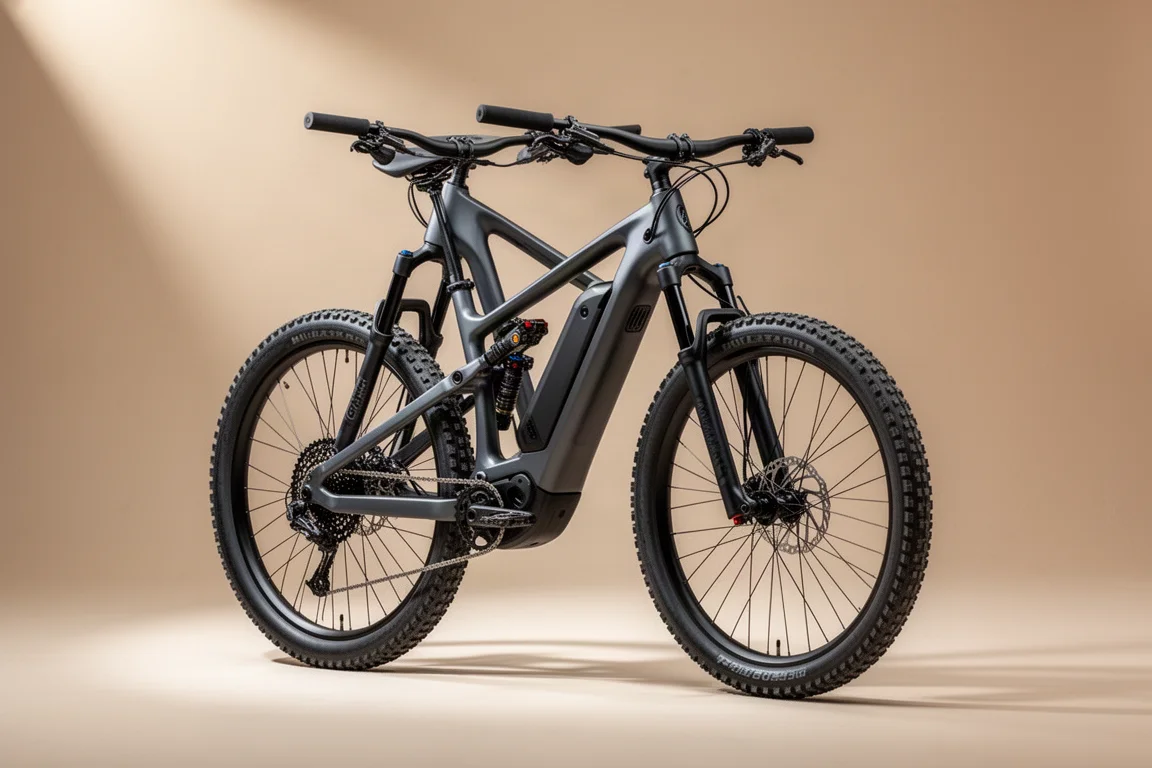
The Turbo Levo SL2 is the lighter branch of the Levo family, with 150 mm of suspension travel and a mixed wheel setup that pairs a larger front wheel with a smaller rear wheel. Like the Kenevo SL2, it relies on the lightweight Turbo SL2 motor and its 50 Nm of torque.
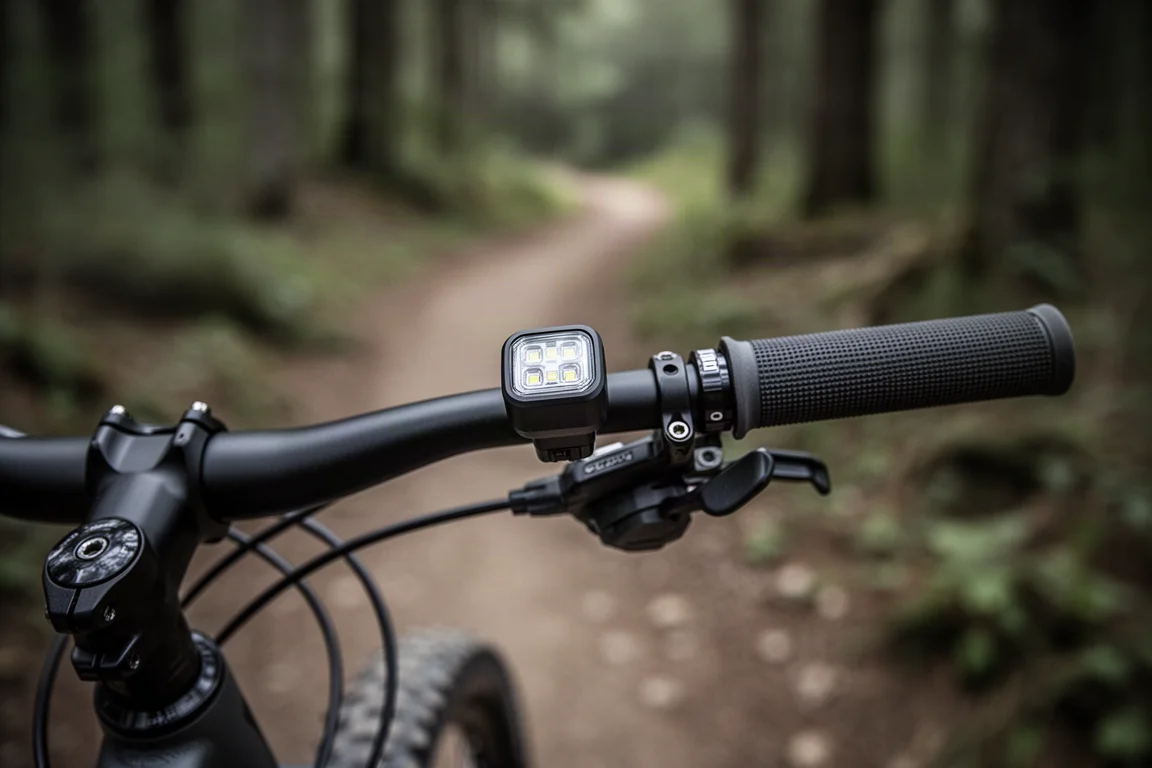
In practice, that makes it a bike for riders who want the day to feel like a normal mountain bike ride. Progressive assistance means you can ride with friends on non-assisted bikes without waiting at the top of every climb, while the modest weight keeps the bike manageable on jumps, tight corners, and repeated descents.
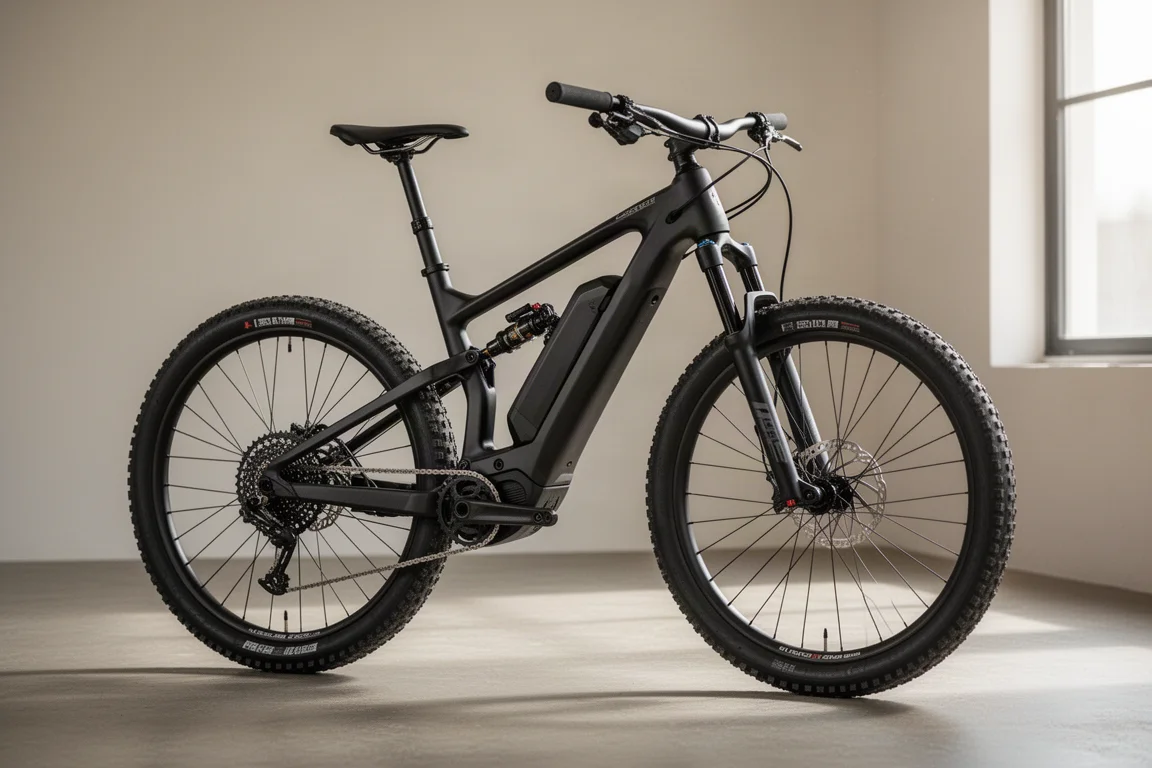
Specialized Turbo Levo
The full power Turbo Levo sits at the other end of the scale. Its motor delivers 90 Nm of torque and its battery capacity is around 700 Wh, so climbs that would otherwise be a project become straightforward. Riders who want to cover big distances, or who ride in a group until every battery is empty, will find the extra output genuinely useful.
That output comes with weight. The Turbo Levo is around 3 kg heavier than the Turbo Kenevo SL2, and the difference shows on the descents, where the bike carries more momentum and asks a little more of the rider in tight, technical sections.
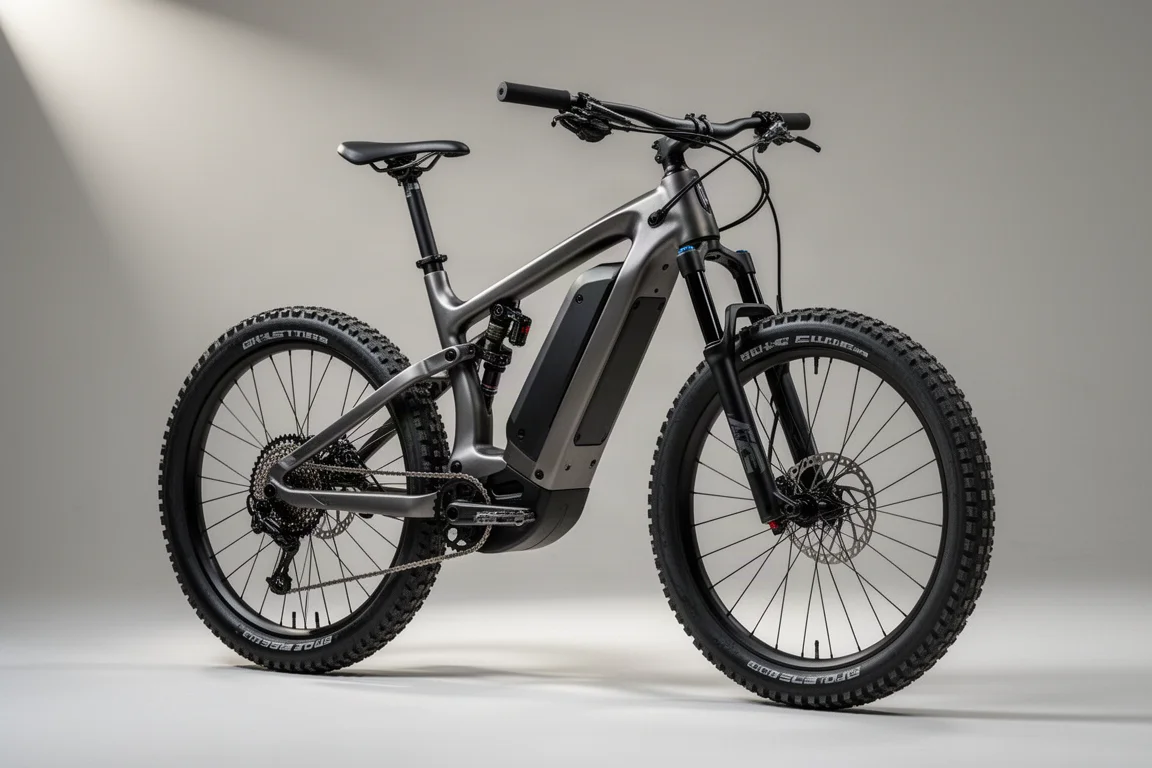
Specialized Enduro
The Enduro is the non-assisted bike in this group, and it works as a useful reference point for everything above. At roughly 4 kg lighter than the Turbo Kenevo SL2, it is easy to move around on descents and well suited to steep, demanding terrain where a lighter bike responds immediately to rider input.
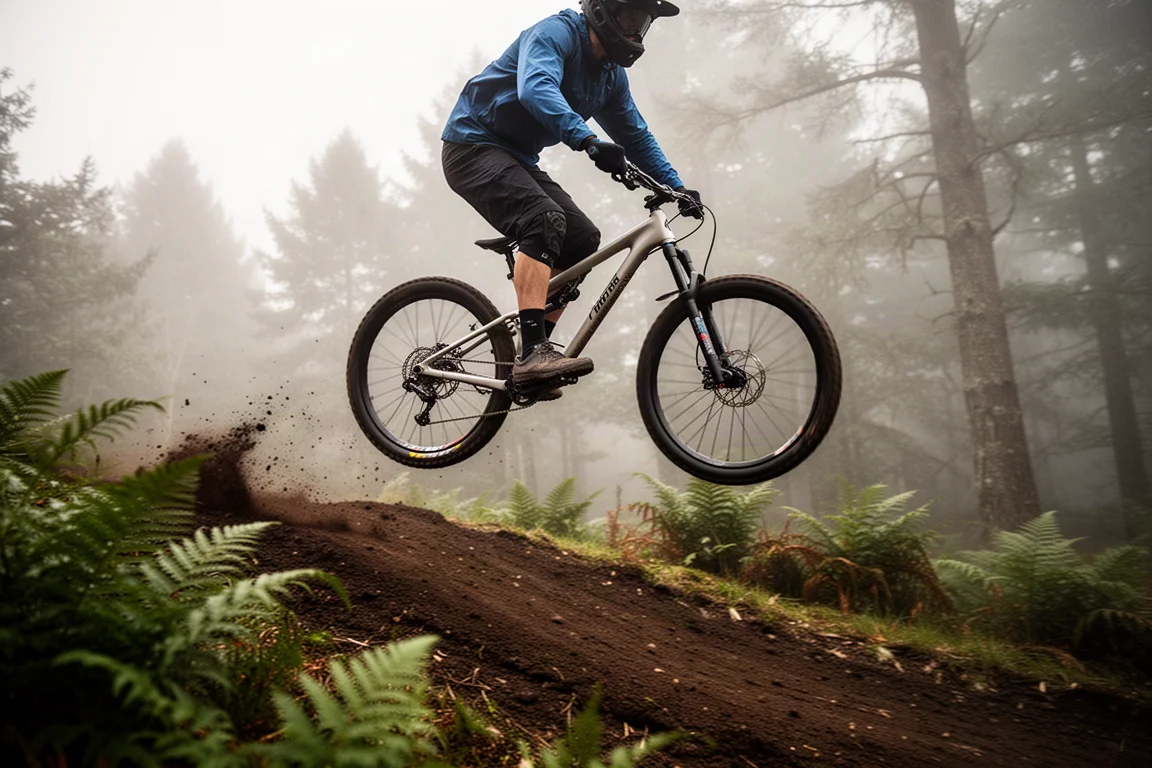
The compromise appears on the climbs, where there is no motor to soften the effort. For riders whose priority is descending performance and who are happy to earn their turns, that is a fair trade. For riders who want more runs in a single session, the assistance of a lightweight e-MTB usually wins.
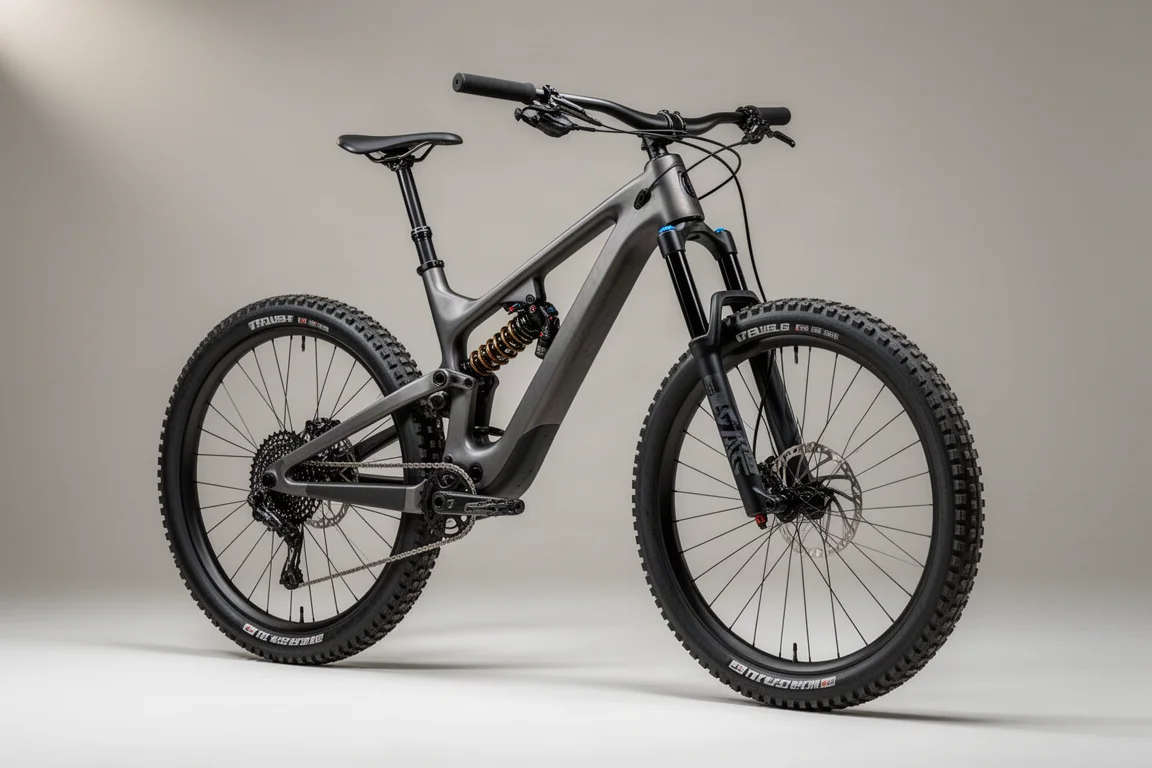
How the Three Approaches Compare on the Trail
Three approaches are on show here, and each one changes the shape of a ride. On the climbs, the full power Turbo Levo is the fastest and the least demanding, the lightweight e-MTBs keep you close to riders on non-assisted bikes with noticeably less effort, and the Enduro asks for everything you have.
On the descents the order reverses. The non-assisted Enduro feels lightest and most playful, the lightweight e-MTBs add a small weight penalty that most riders adapt to quickly, and the full power Turbo Levo carries the most momentum of the three. Across a full day, the lightweight bikes often mean more runs and more time on the trail, while the full power model shines on long group rides and big mileage.
Which Lightweight E-MTB Fits Your Riding
Three numbers decide most of this: total weight, motor torque, and battery capacity. Weight shapes how the bike feels when you are not being assisted. Torque shapes how much help arrives when the gradient steepens. Battery capacity shapes how long the assistance lasts.
From there, the choice comes down to how you ride. If long group rides and maximum climbing support matter most, the full power Turbo Levo is the natural pick. If you ride solo, or ride with people on non-assisted bikes and want to keep the effort reasonable, the Turbo Levo SL2 and its 150 mm of travel fit that pattern well. If you want the burly, light feel of a non-assisted bike for more extreme terrain, the Enduro delivers it. The Turbo Kenevo SL2 sits between those positions as the middle ground, and for many riders that is exactly where the answer lies.

The practical advice is to compare the weight gap first. A lightweight e-MTB that is around 3 kg lighter than a full power model and around 4 kg heavier than a non-assisted bike sounds like a compromise on paper, but on the trail that balance is what makes the category work.
Conclusion
The Turbo Kenevo SL2 shows how far lightweight electric mountain bikes have come: just over 19 kg, a 320 Wh battery, and a 50 Nm motor that helps without taking over. The Turbo Levo SL2 takes the same approach into 150 mm of travel and a mixed wheel setup. The full power Turbo Levo trades weight for 90 Nm of torque and a much larger battery. The Enduro removes the motor entirely and rewards riders who want a lighter, more demanding bike.
None of these four is the right answer for everyone, and that is the point. Match the bike to the way you actually ride, and the small weight penalty of a lightweight e-MTB is well worth it once the terrain turns uphill.
Further reading
Related Reviews
Mountain Bikes
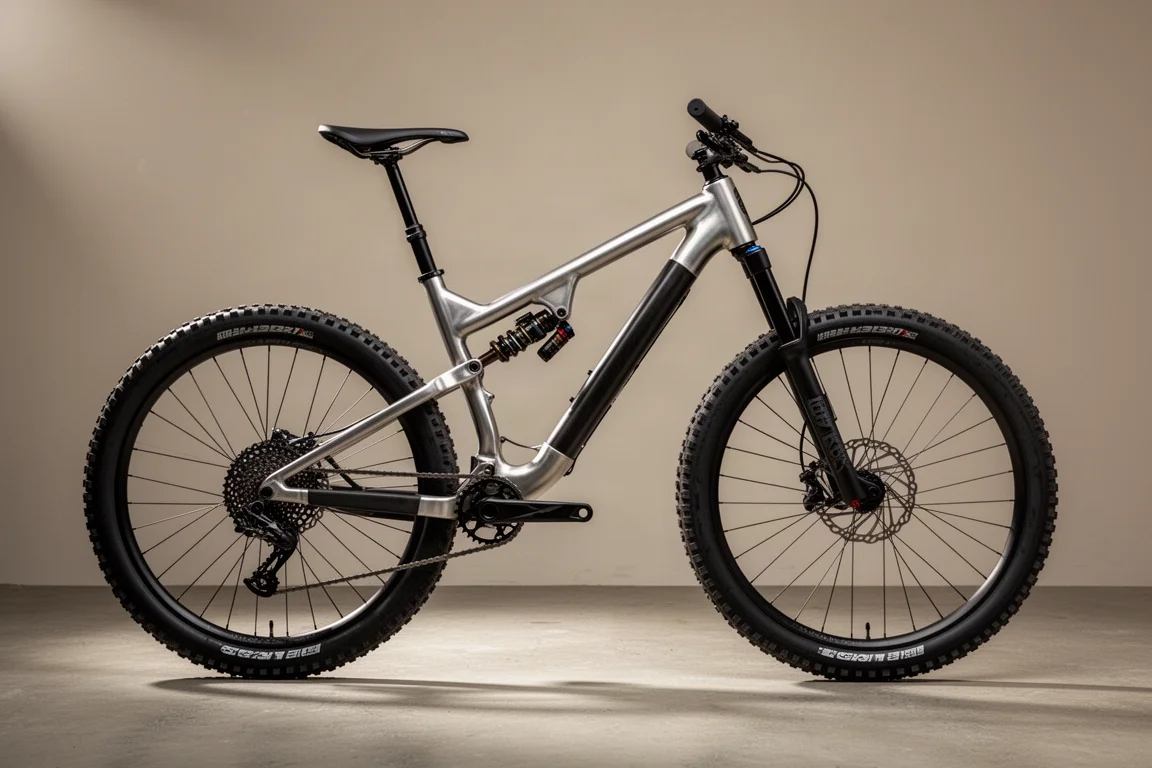
Atherton AM.130 Review: 3D-Printed Titanium Lugs and a 130mm Trail Bike That Descends Like a Bigger Machine
The Atherton AM.130 pairs 3D-printed titanium lugs with carbon tubes and a DW6 suspension platform. Here is how it rides, what the build delivers, and who it suits.
Mountain Bikes
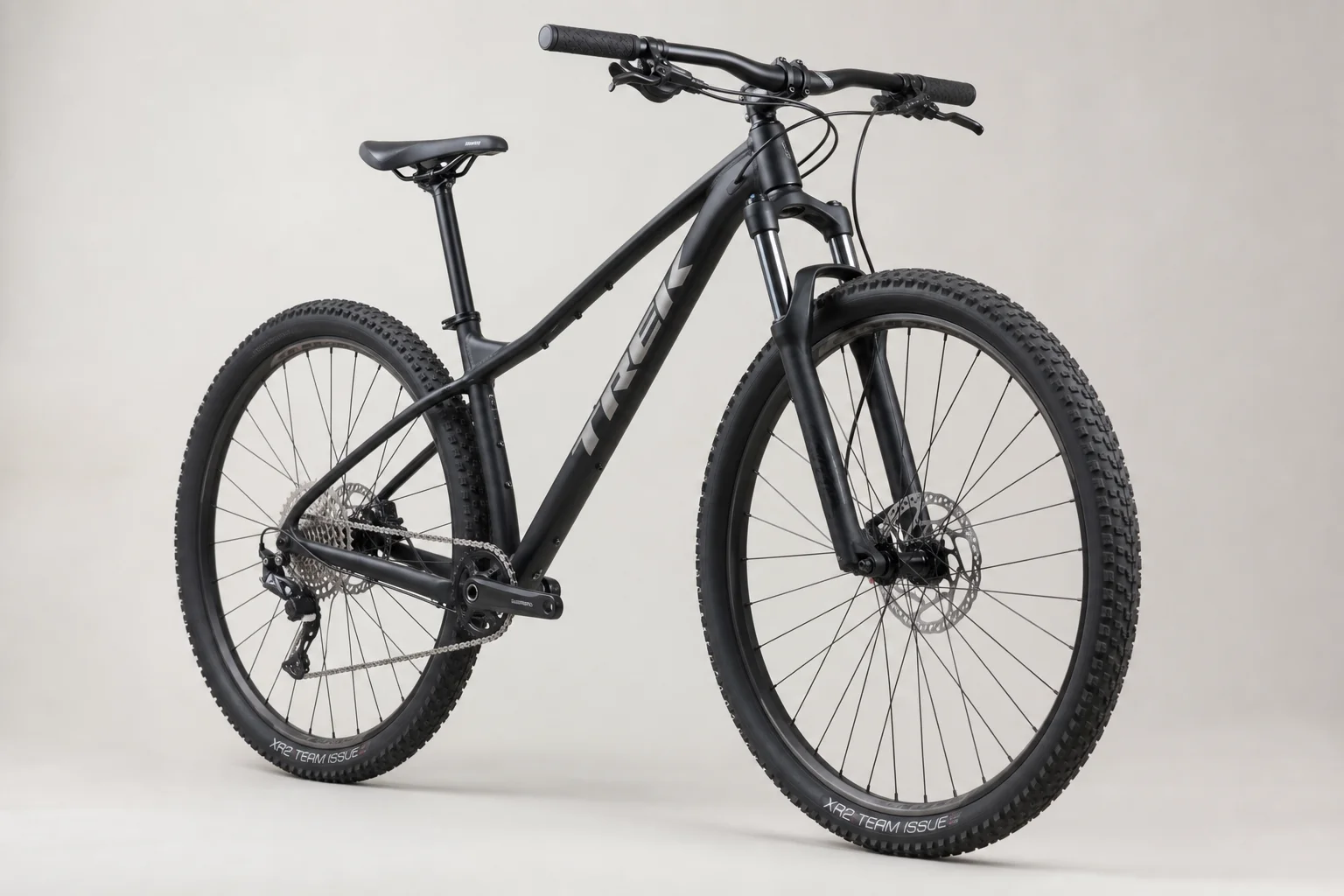
Beginner Mountain Bike Buying Guide: What to Look For in a Trailworthy Hardtail
A practical framework for evaluating beginner mountain bikes, whether new or used, by examining key components that indicate real trail capability.
Mountain Bikes
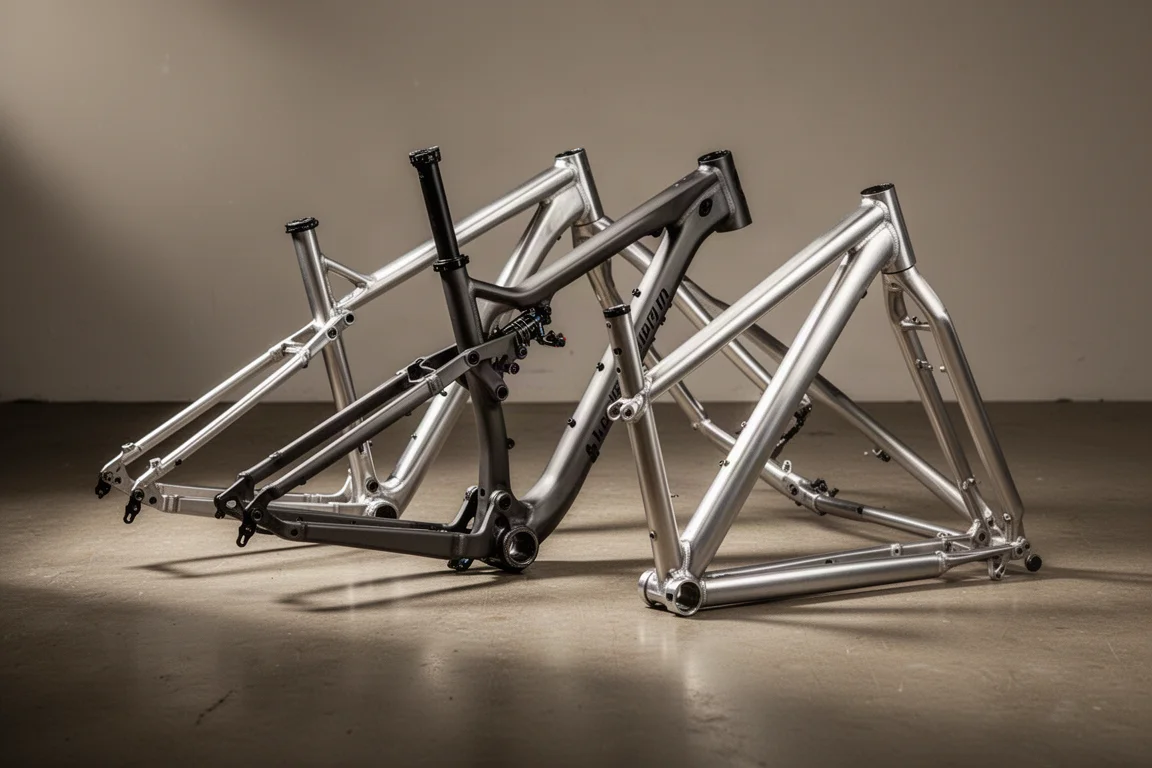
Best Aluminum Mountain Bikes 2026: Five Alloy Bikes Worth Your Attention
Five aluminum mountain bikes that show how far alloy has come, from a 120mm trail bike and a versatile machined frame to a 180mm freeride machine.