Mountain Bikes
Specialized Epic World Cup Review: A 75mm XC Race Bike Built for Pure Speed
A detailed look at the Specialized Epic World Cup, from its integrated RockShox shock and three fixed compression settings to the geometry, component choices, and the riders it genuinely suits.
Introduction
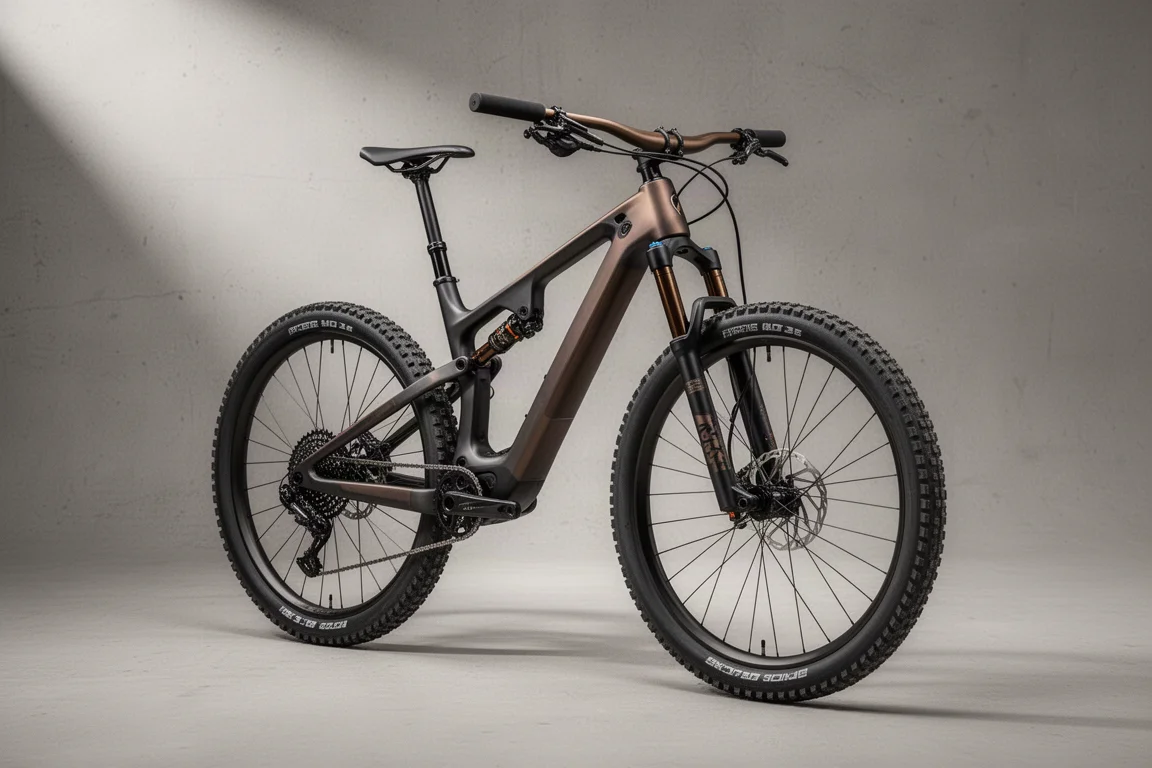
Specialized’s new Epic World Cup takes the shape of a modern cross-country race bike and pushes it in a very deliberate direction. The rear shock is integrated into the frame’s top tube, the linkage tucked beneath it is smaller than before, and the numbers go against the current trend of longer-travel cross-country machines.
Where many rivals have drifted toward 120mm of rear wheel travel, the Epic World Cup runs just 75mm out back paired with a 110mm fork. Specialized positions it as a tool for elite racing and states the intent plainly: to make the hardtail obsolete in cross-country competition. The lineup backs that up, with the Epic World Cup offered only in the higher-spec S-Works and Pro models, and no Epic hardtail above the Comp level.
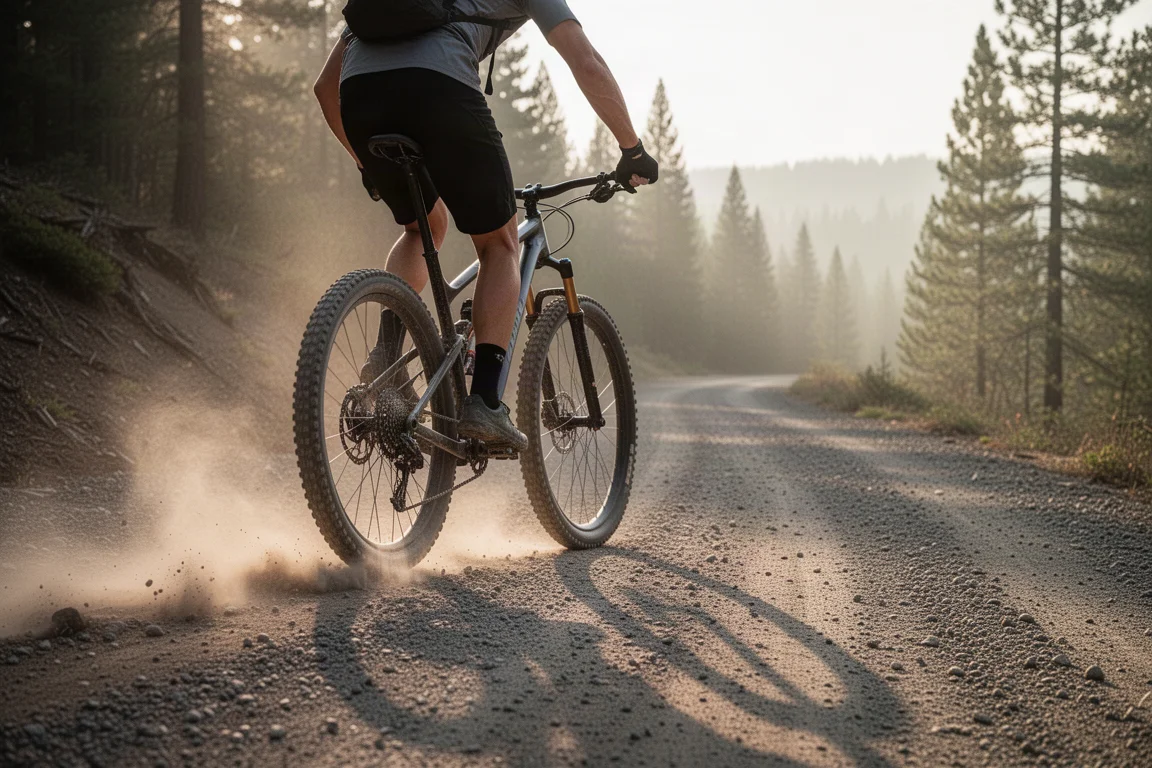
The geometry is more progressive than the modest travel figures suggest. The head angle sits one degree slacker than before at 66.5 degrees, matching the current Epic Evo, while the seat tube angle also slackens from 75.5 to 74.5 degrees. That combination is a clear signal about how the bike is meant to be ridden: fast everywhere, with enough composure to keep the power down when the trail turns downward.
Who the Epic World Cup Is For
This is a bike aimed squarely at XCO World Cup and short track racing, where low weight, quick acceleration, and efficient power transfer matter more than plush travel. Riders who race those formats, or who ride fast cross-country loops with a mix of smooth climbs and flowing descents, will find the brief matches the way they ride.
It is a less obvious fit for marathon racing and longer stage events. With 75mm of rear travel, a fixed one-piece cockpit, and no dropper post, riders who want more comfort, more adjustability, or more forgiveness over long days will likely want to look at a bike with a broader remit.
Anyone holding out for an Evo version of the Epic World Cup will not find one here.
Climbing Performance and Pedaling Efficiency
Weight and rolling speed define how this bike climbs. The S-Works frame set is claimed at 1,756 grams for a size medium including the shock and hardware, which is 110 grams lighter than the Pro frame set. The Roval Control SL wheelset uses a 29mm internal rim profile and is claimed at just 1,240 grams. Together they give the bike a direct, lively feel under acceleration.
Grip is helped by the wider rim profile and supple tire casings, which support lower pressures without the tires squirming. Roughly 22 PSI at the rear and slightly over 20 PSI at the front proved a workable setup, with traction holding on even the slickest rock.
The rear shock offers three fixed compression settings, which Specialized refers to as gulp settings, and they cannot be adjusted on the fly. The firmest option, no gulp, requires maximum force to initiate travel and suits smoother courses. On smooth climbs it makes the bike behave much like a hardtail, with virtually no pedal bob even when mashing out of the saddle.
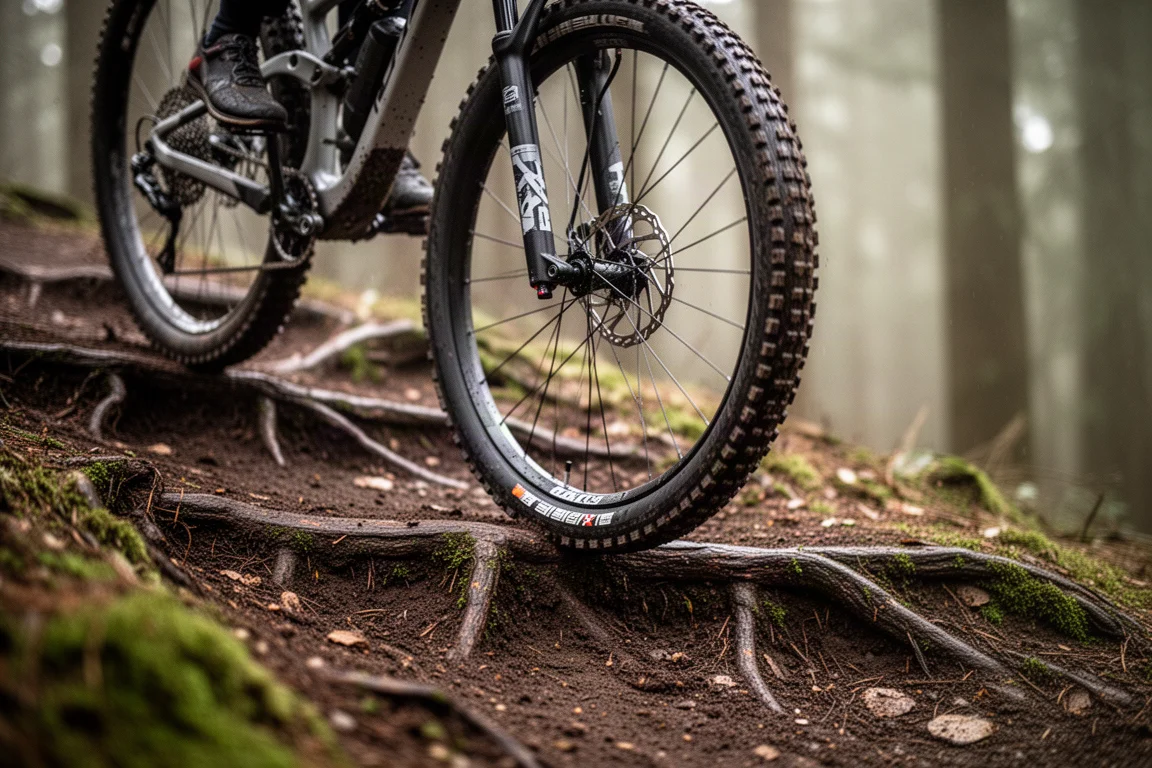
That efficiency has a cost. In the firm setting the rear wheel can skip and slip over roots and rocks on rougher climbs, leaving the tire to find grip on its own. The middle setting, half gulp, adds negative air pressure so travel initiates more easily and small bump sensitivity improves, and it is the most balanced choice for mixed terrain. The active full gulp setting is the most linear, with a flatter spring rate that helps smooth out bigger hits. There is no complete lockout and no remote, so the system is set and forget.
Descending Confidence and Geometry
On descents the Epic World Cup does not feel like a 75mm bike. The 66.5 degree head angle and a 780mm handlebar give it a confident, capable stance, and pairing the most active shock setting with the 110mm RockShox Sid SL Ultimate fork produces something close to a short-travel trail bike feel.
The 430mm chainstays keep the rear end short and playful, so the bike changes direction eagerly, while the longer front centre keeps it stable through steep corners and rugged ground. The front Fast Trak S-Works tire grips well on gravel and rock, though its smaller side knobs reach their limit once conditions turn muddy.
There are limits worth knowing about. In the firmer settings the rear wheel can feel skittish under braking on loose surfaces. That reduction in small bump sensitivity is exactly what makes the bike so efficient elsewhere, so it is a trade-off rather than a flaw.
Frame, Suspension, and Component Details
The linkage hidden under the top tube is considerably smaller than the previous Epic’s and is claimed to increase stiffness. The Brain inertia valve is gone from the rear shock, replaced by a RockShox Sid World Cup integrated design shock developed in partnership with RockShox. It has independently adjustable positive and negative air springs, and custom flanged jounce bumpers at the end of the damper stroke manage bottom out control. The Brain technology continues on the Epic, which has grown from 100mm to 110mm of travel.
Frame details include clearance for tires up to 2.3 inches front and rear, a 34 tooth chainring as standard, a rubberized protector covering the drive side chainstay, and a threaded bottom bracket for easier home maintenance.
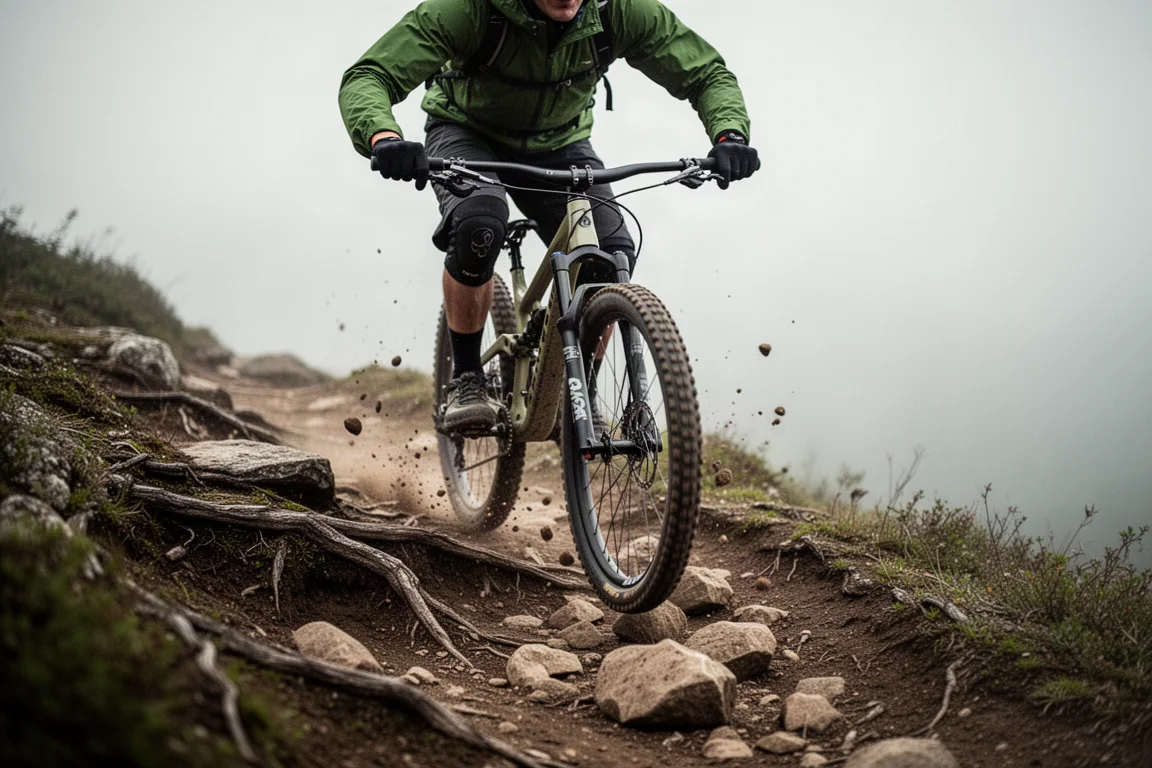
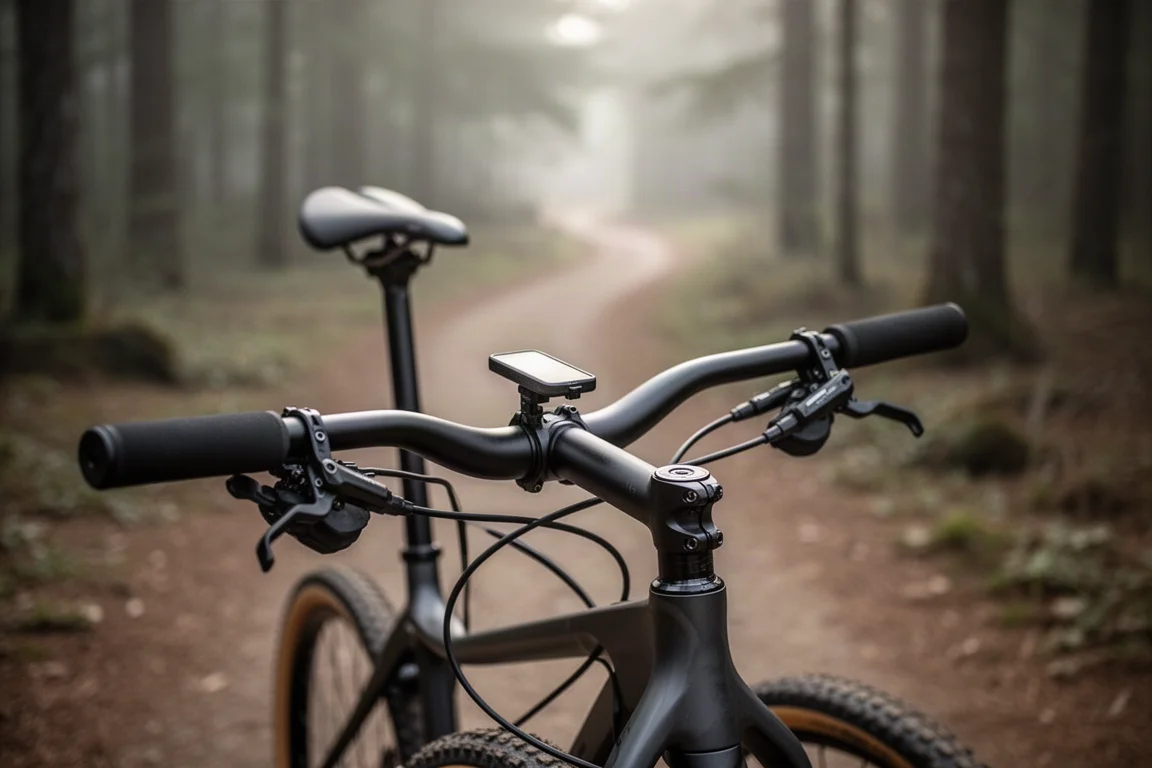
The cockpit is an integrated one-piece handlebar and stem with a bolt-on computer mount and 8 degrees of back sweep, claimed at 250 grams for the 70mm stem and 780mm bar. It is stiff and race-focused, but there is no bar rotation adjustment, so the hand position is fixed. The Control SL seatpost measures 450mm and is claimed at 180 grams, held by a two-bolt micro adjust clamp, with no dropper post on the build. Drivetrain duties fall to SRAM’s XX SL Eagle T-Type AXS transmission with a direct mount power meter, while Level Ultimate Stealth two-piston brakes use an inline master cylinder that sits closer to the bars and creates a useful secondary hand position.
Things to Consider Before Buying
- The one-piece bar and stem cannot be rotated and there is no dropper post, so the stock fit has to suit you from the first ride.
- The three gulp settings are fixed and cannot be changed while riding. Switching between them means stopping and adjusting.
- The firmest setting is highly efficient but gives up rear traction on rough or loose climbs.
- The range is limited to two models, S-Works and Pro, and there is no Epic hardtail above the Comp level.
- Riders who race marathons or long stage races may want more travel.
- Pricing had not been announced at the time of writing.
Buying Advice
The Epic World Cup makes the most sense for riders whose priority is outright speed on cross-country race courses and short track events, and who value low weight and efficient pedalling above comfort and adjustability. For most conditions, the middle gulp setting is the most versatile place to start, with the active setting worth switching to when the trails point downhill.
If your riding leans toward marathon racing, long stage events, or slower technical descents, a bike with more travel and a more adjustable cockpit will almost certainly be the better purchase. Where the brief matches how you ride, this is an exceptionally focused machine that delivers exactly what it promises.
Conclusion
The Epic World Cup is a deliberate, uncompromising cross-country race bike. Its claimed frame and wheel weights, hardtail-like efficiency in the firm setting, and confident geometry make it a serious option for riders chasing fast XCO and short track results. The fixed cockpit, absent dropper post, and traction trade-offs on rough ground are real considerations, but they follow directly from the bike’s racing purpose. If that purpose matches your riding, it is a strong and coherent choice.
Product link
View more details for Specialized Epic World Cup
This product is mentioned in the review. Check the specifications, options, and compatibility before buying.
View more details for Specialized Epic World CupFurther reading
Related Reviews
Mountain Bikes
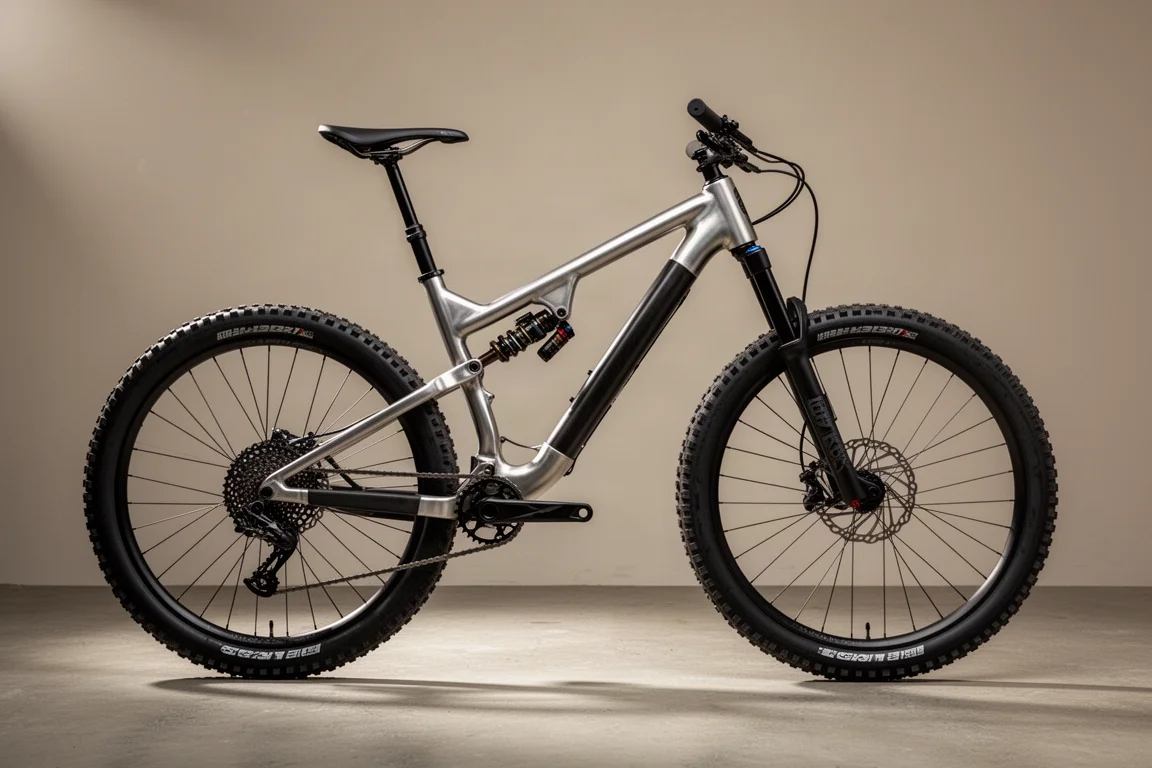
Atherton AM.130 Review: 3D-Printed Titanium Lugs and a 130mm Trail Bike That Descends Like a Bigger Machine
The Atherton AM.130 pairs 3D-printed titanium lugs with carbon tubes and a DW6 suspension platform. Here is how it rides, what the build delivers, and who it suits.
Mountain Bikes
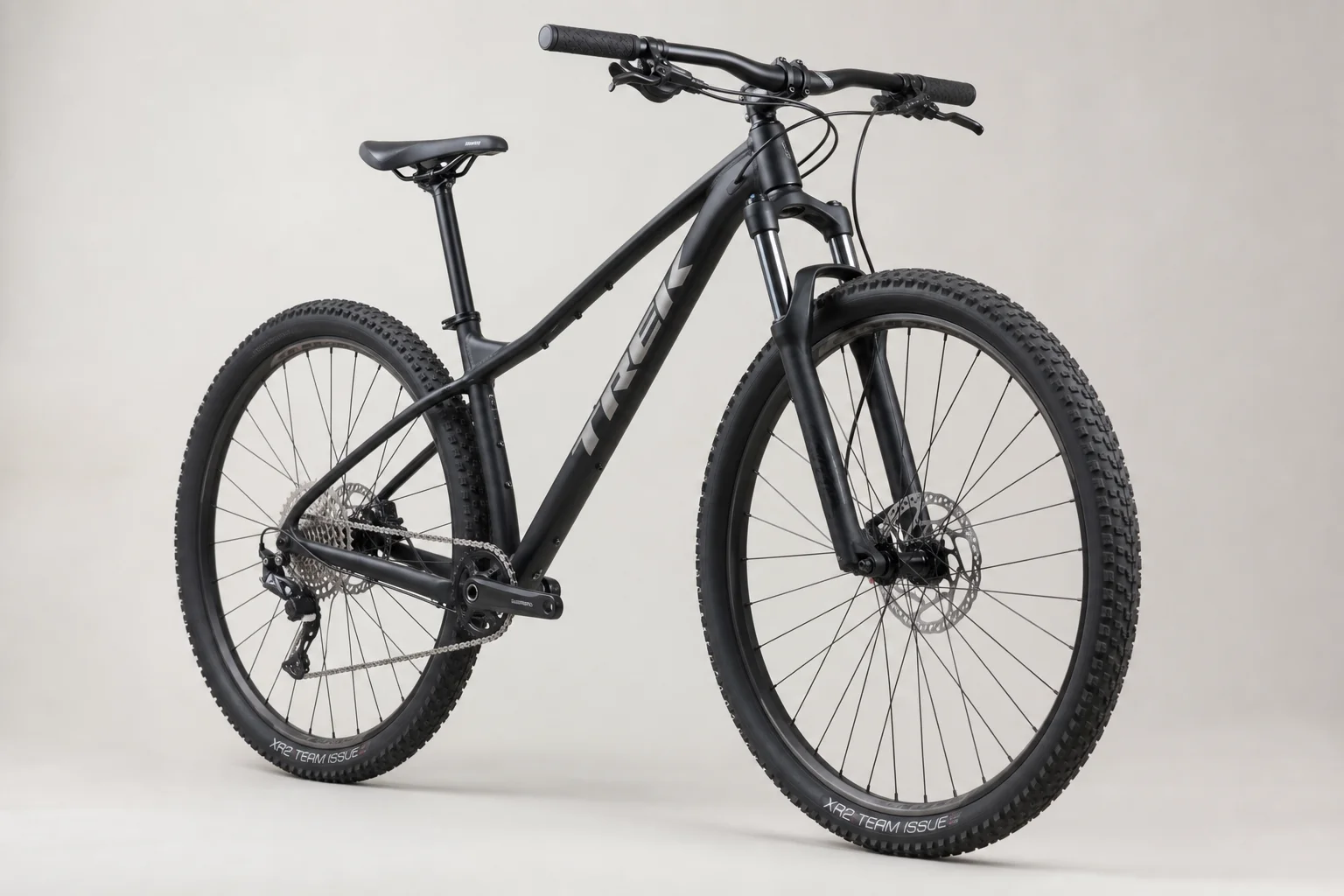
Beginner Mountain Bike Buying Guide: What to Look For in a Trailworthy Hardtail
A practical framework for evaluating beginner mountain bikes, whether new or used, by examining key components that indicate real trail capability.
Mountain Bikes
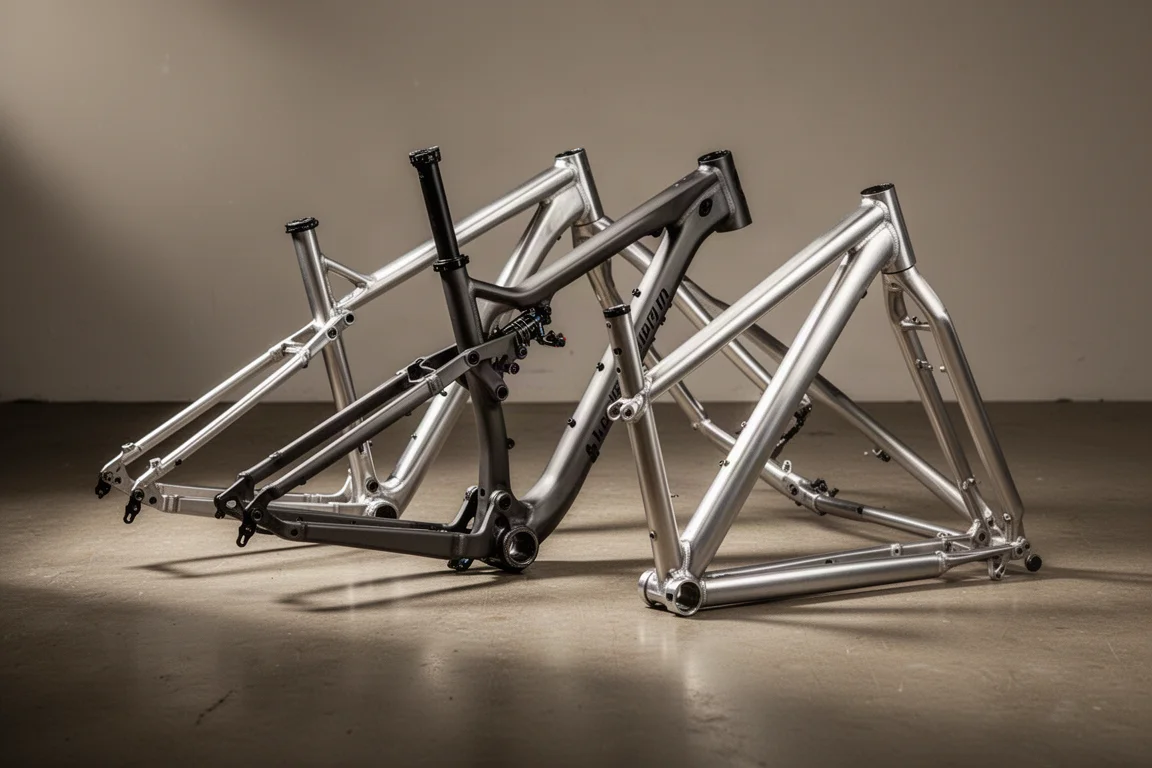
Best Aluminum Mountain Bikes 2026: Five Alloy Bikes Worth Your Attention
Five aluminum mountain bikes that show how far alloy has come, from a 120mm trail bike and a versatile machined frame to a 180mm freeride machine.