Mountain Bikes
Specialized Epic 8 Range Review: S-Works, Epic 8 and Epic 8 Evo Compared
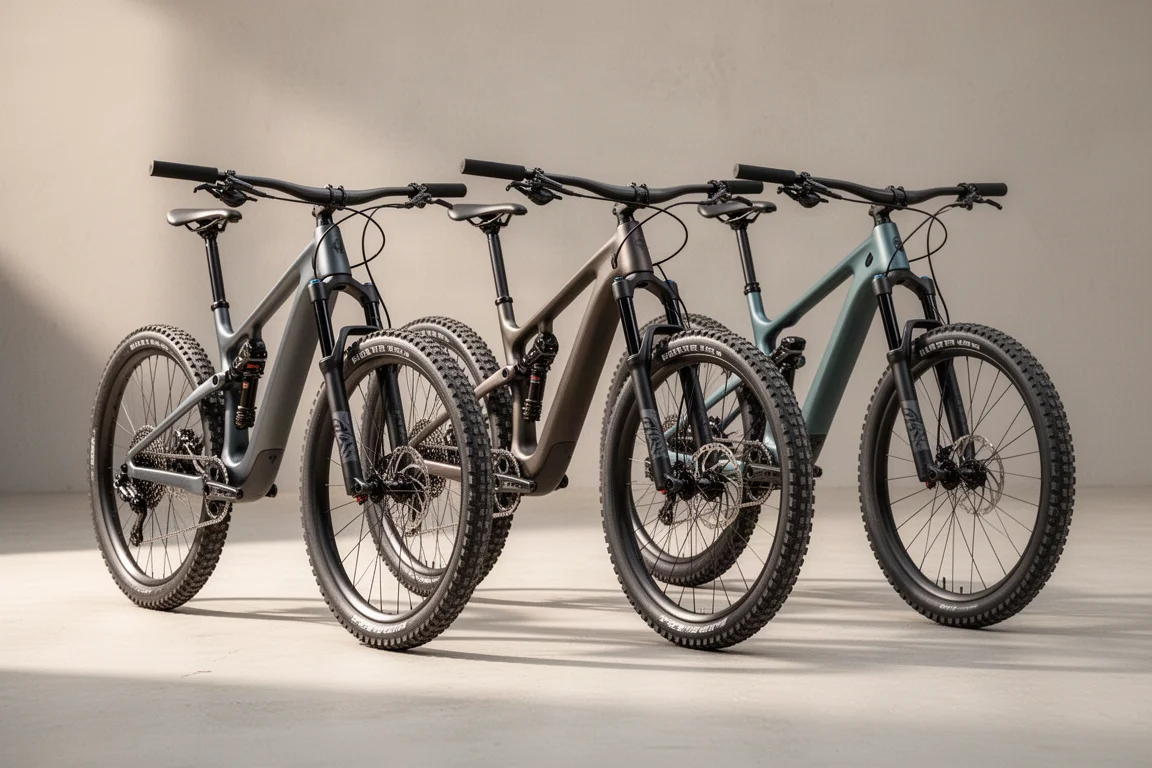
How the new Specialized Epic 8 range splits between the Flight Attendant-equipped S-Works, the standard Epic 8 and the longer-travel Epic 8 Evo.
Introduction
The Specialized Epic has been through a significant reset. The Brain rear shock that defined the model for years is gone, suspension travel has grown, and the range now splits into three distinct paths: the range-topping S-Works Epic 8 with SRAM Flight Attendant, the standard Epic 8, and the Epic 8 Evo with a longer fork.
This article breaks down what each version offers, how the frame and geometry have changed, and where the extra money and the extra travel actually make a difference.
What Changed in the Epic 8 Lineup
Specialized now offers the Epic in several forms: a hardtail, the super short travel Epic World Cup introduced in 2023, the standard cross-country Epic 8, and the almost trail bike Epic 8 Evo. The Epic 8 itself is the successor to the previous full-suspension Epic, and it sits in the middle of that spread.
The biggest change is the removal of the Brain suspension system. In its place, most models run custom-tune shocks linked to a RockShox TwistLoc remote on the bar, so the rider controls the platform rather than a proprietary inertia valve.
Travel has grown to 120mm at both ends on the Epic 8, while the Evo moves to a 130mm fork. That shift was driven by racing itself. World Cup cross-country courses have become rougher and more technical, and Specialized’s team riders were regularly choosing a burlier, longer-travel Epic Evo frame over the standard 100mm Epic for races.
Every Epic 8 and Epic 8 Evo is built from carbon, and every model now ships with a dropper post as standard. The new frame is also a shade lighter than the one it replaces.
Two geometry positions are available, switched at the shock mount. The change alters head angle by 0.5 degrees and bottom bracket height by 5mm, so riders can pick between a more stable or a more agile setup without changing any parts.
The frame also carries a steerer stop to prevent the bars from damaging the top tube, and a SWAT 4.0 compartment in the down tube for ride essentials. Both features usually add weight, which makes the overall weight saving more notable than the number alone suggests.
Specialized S-Works Epic 8: Flight Attendant at the Top
The S-Works Epic 8 heads the range and is the only model with the full Flight Attendant package. Its frame uses Specialized’s top-spec 12m carbon fibre, hand laid and finished with titanium hardware, and the brand claims 76g has been shaved from the S-Works frame compared with the previous version.
Flight Attendant is SRAM’s electronic suspension system, integrated here into the SID fork and SIDLuxe rear shock. Three sensors on the fork and shock measure acceleration, impacts and terrain gradients, and the system also reads data from an included power meter and from your gear selection. Servo motors at the top of the damper circuits then move the shock between three compression modes, described as wide open, Magic Middle and Sprint.
What makes it more than an automatic switch is that the processor learns your riding style over time, storing data from the previous seven rides to help tune its mode selection. There is still an override button on the bar if you want to take control yourself.
Because the bike runs a wireless drivetrain, there is very little cabling to deal with. The S-Works gets headset-routed cables, but in practice that means a single rear brake hose running through the frame.
Specialized Epic 8: The Core Cross-Country Build
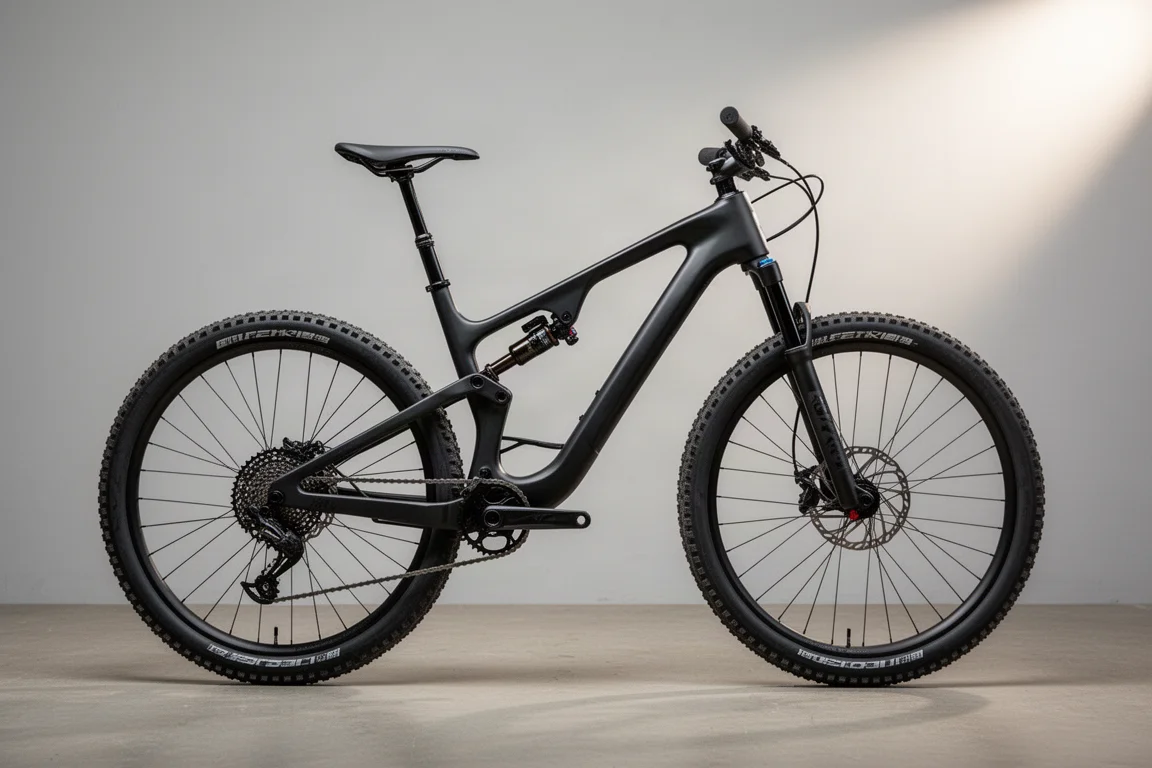
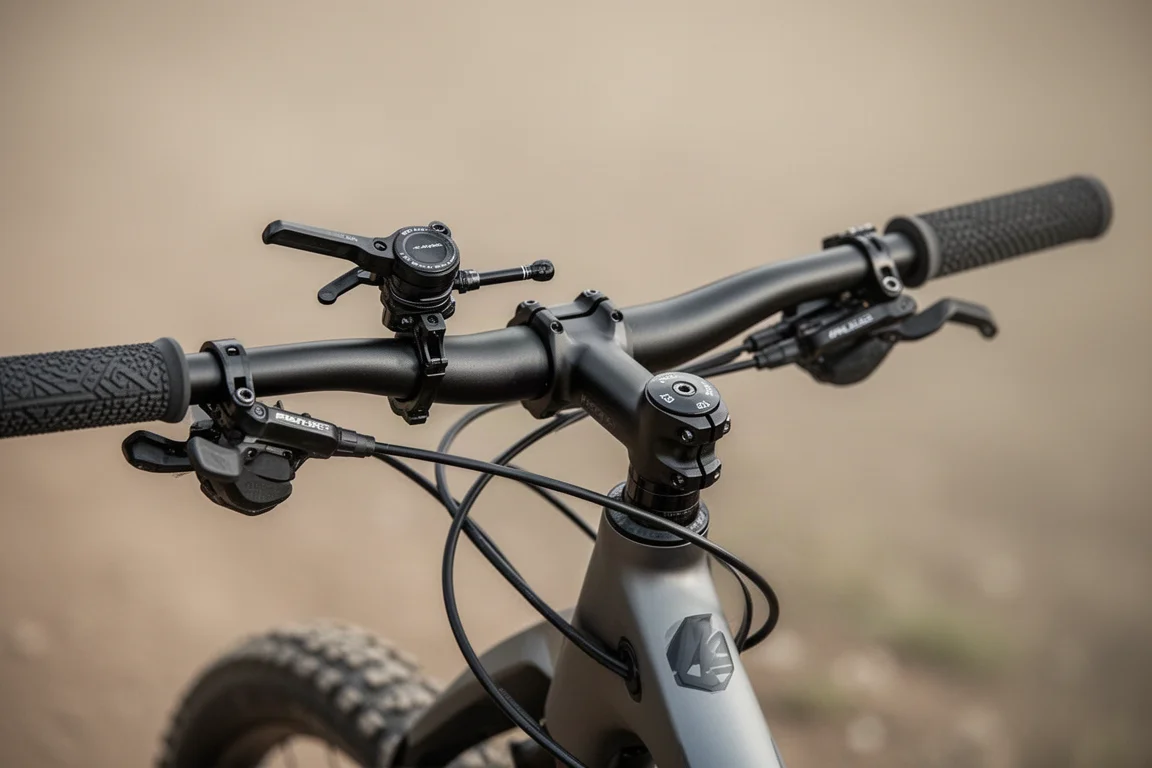
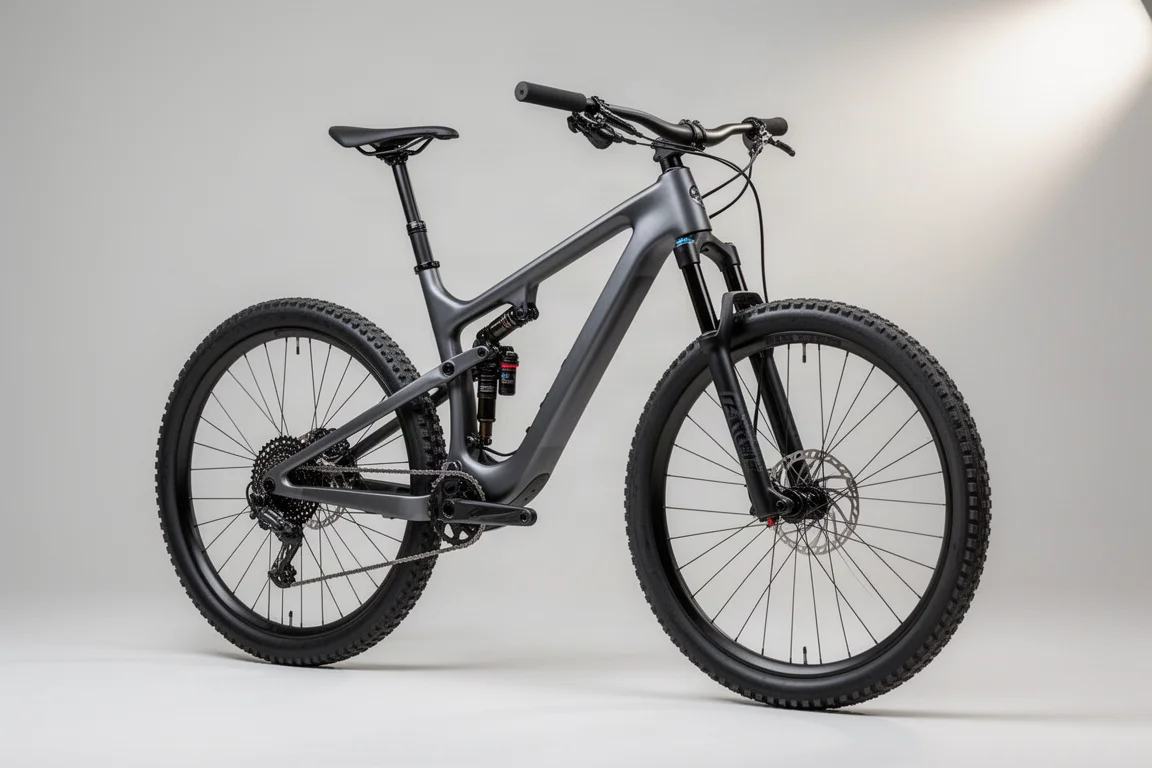
Below the S-Works, the Pro, Expert and Comp models make up the core of the range. These bikes skip Flight Attendant and instead use a three-position shock controlled by a TwistLoc remote on the bar.
Frames on these models use Specialized’s 11m carbon. The brand claims it delivers the same ride characteristics as the 12m carbon at a much lower cost, with a small weight penalty that is not quantified.
One detail worth knowing: because these models carry more cables, the routing enters the frame at the front side of the head tube rather than through the headset. It is a practical, service-friendly arrangement, and the difference is visible at a glance.
Travel stays at 120mm front and rear, which is the heart of the Epic 8 proposition: enough bounce for modern technical cross-country racing without drifting into trail bike territory. For riders who want the geometry and the platform without the electronic suspension, this is the version that makes the most sense.
Specialized Epic 8 Evo: A Little More Travel
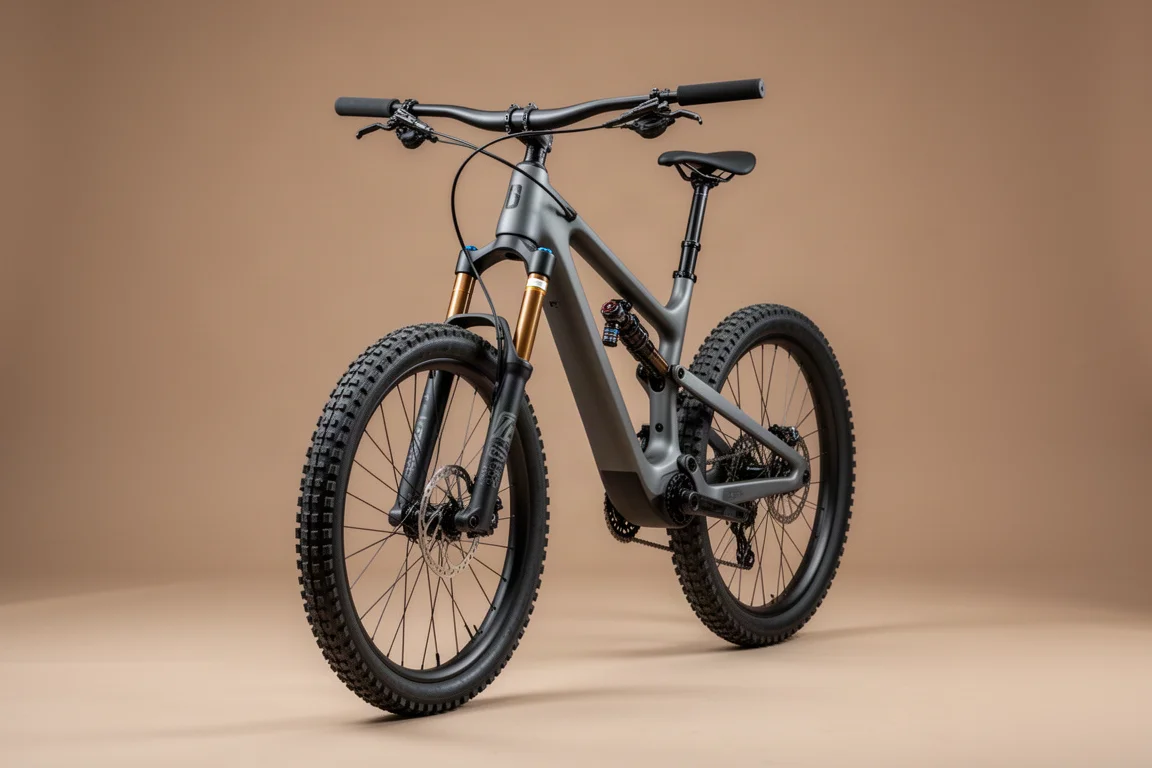
The Epic 8 Evo takes the same platform and pushes the fork out to 130mm. That puts it close to trail bike travel while keeping the cross-country chassis and the race-focused geometry.
It exists because racing asked for it. Riders were already reaching for a longer-travel Evo frame on rough World Cup courses, and the new range simply makes that option an official part of the lineup.
Like the rest of the range, it is built from carbon and comes with a dropper post as standard. The choice between the standard Epic 8 and the Evo comes down to how much of your riding happens on genuinely rough terrain.
Geometry, Sizing and Frame Details
The numbers show how far the Epic has moved. The head angle is 65.9 degrees in the low geometry setting, reach is 475mm on a large frame, and the seat angle has steepened to 75.7 degrees. Chainstays measure 435mm, which keeps a balance between agility and stability.
Seat tubes are shorter across every size, which improves standover clearance and leaves more room for a longer dropper post. Sizing follows Specialized’s traditional t-shirt labels rather than the S1 to S6 system, and there is now an extra small for shorter riders.
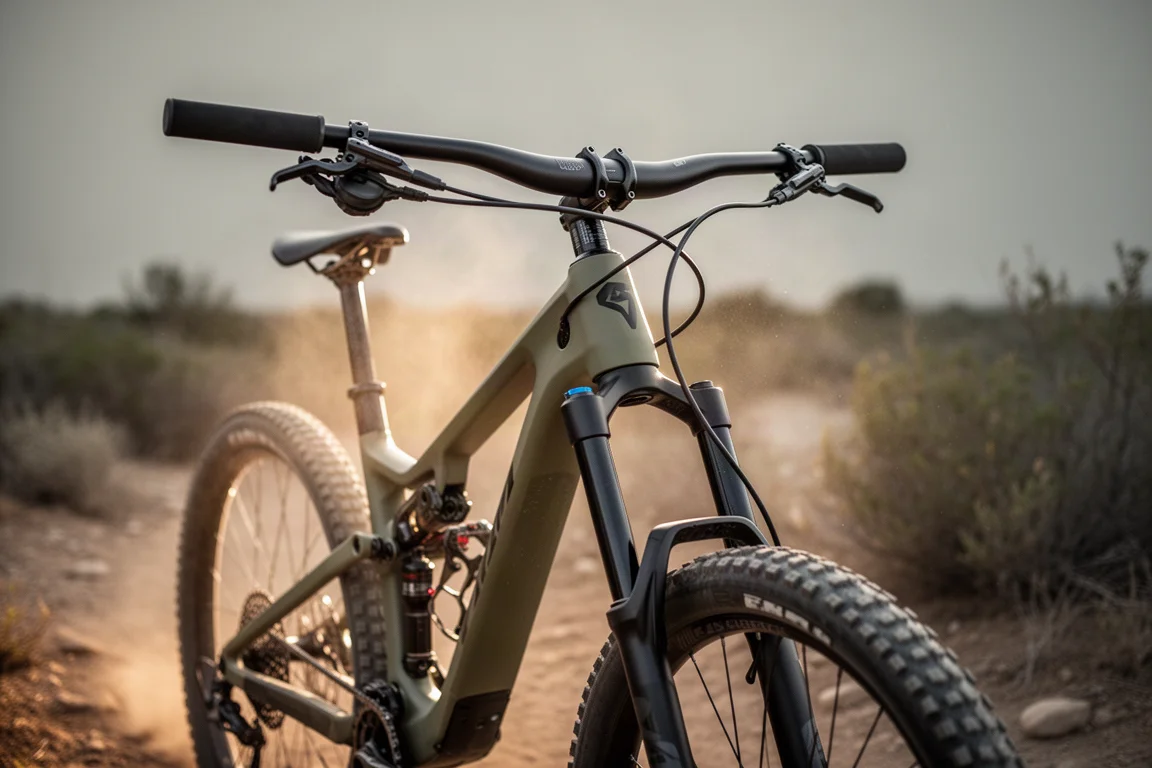
The steeper seat angle puts the hips in a more comfortable position over the cranks, which matters on long climbs and steep technical ascents. Combined with the longer, slacker front end, the result is a bike that feels calmer at speed than its race category might suggest.
How the Epic 8 Rides
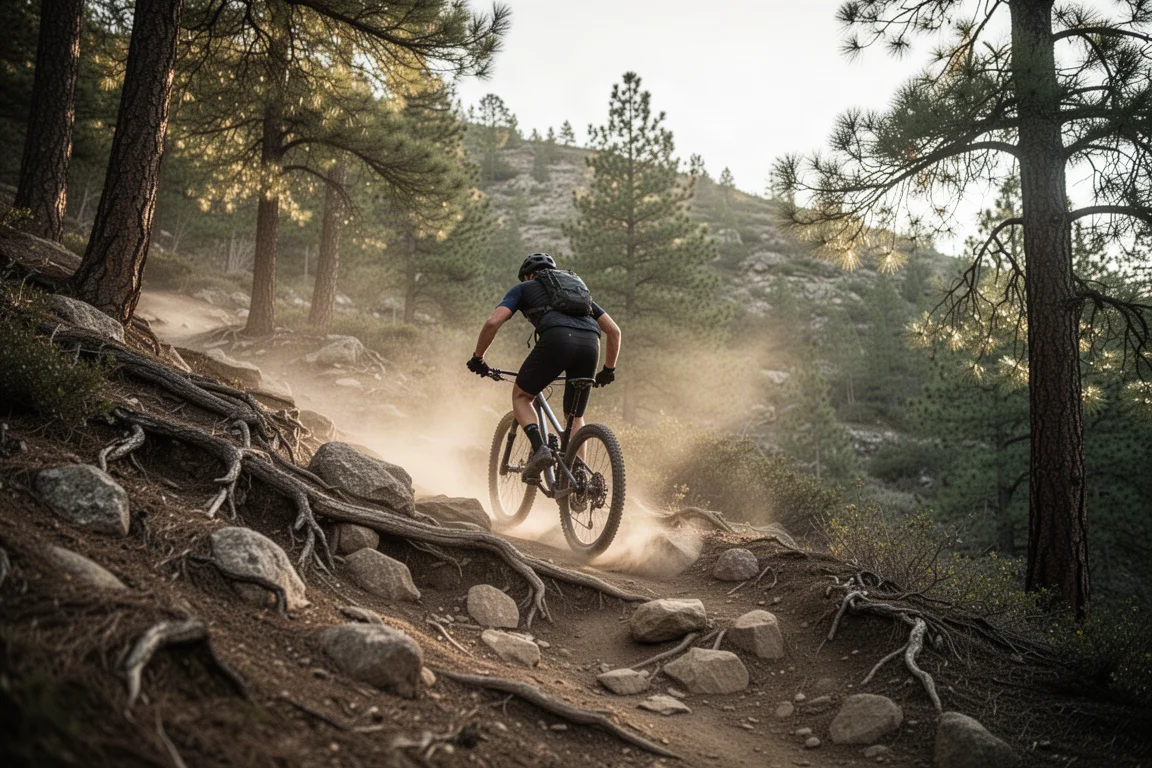
120mm of travel turns out to be a sweet spot for cross-country. The extra bounce adds a little weight but a lot of capability. Fit burlier tires and the Epic 8 will happily take on bigger lines, though a smaller rear rotor will heat up and the shock can start to feel overwhelmed on long descents. The 35mm chassis SID fork takes a lot of punishment, and the rear suspension does little to hold the bike back.
The front end is long and slack enough to boost high-speed stability and cornering confidence. It sits lower than a trail or enduro bike, but it never feels like it is about to pitch you over the bars on technical ground. At the rear, the 435mm chainstays and a fast-rolling Renegade tire give the bike its cross-country zip on mixed surfaces, though that low-tread rear tire struggles in the slickest mud.
Flight Attendant does much of the work here. It switches compression modes almost invisibly and gets the call right the vast majority of the time, correcting quickly when it does not. Magic Middle is the mode that matters most on climbs: its degressive tune feels firm around the sag point to resist pedal bob, then softens deeper into the stroke so the 120mm of travel is actually used. The bike stays efficient on the way up while the wheel still bumps out of the way and the rear tire finds grip. The harder you push, the more the bike gives.
The chassis is stiff and does not twist under load. Setup takes longer than a mechanical bike, there is an app to help tune the system, extra batteries to keep on top of, and a learning curve to work through. Once it is dialled, the system is reactive and effective. Occasionally it would be nice if it dropped into a more pedal-friendly mode a little sooner, usually in the descent-biased settings, and riders can raise the bias mode if a course calls for it.
Buying Advice: Choosing Your Epic 8
The right Epic 8 depends on what you want from the platform.
If the goal is the lightest frame and the most advanced suspension control available, the S-Works Epic 8 with Flight Attendant is the one. It removes a lot of mental load in high-pressure race situations: the drivetrain shifts reliably in almost any condition, and the suspension modes largely take care of themselves, with an override button there when you want it. The cost is significant, and Specialized’s own framing is that it costs about as much as some motorbikes.
If you want the core cross-country race platform without the electronic suspension, the standard Epic 8 is the sensible middle ground. You get the same geometry, the same 120mm of travel and the same dropper post, with a remote-controlled shock and a lower price.
If your riding leans towards rougher, more technical terrain, the Epic 8 Evo and its 130mm fork add capability without abandoning the race DNA.
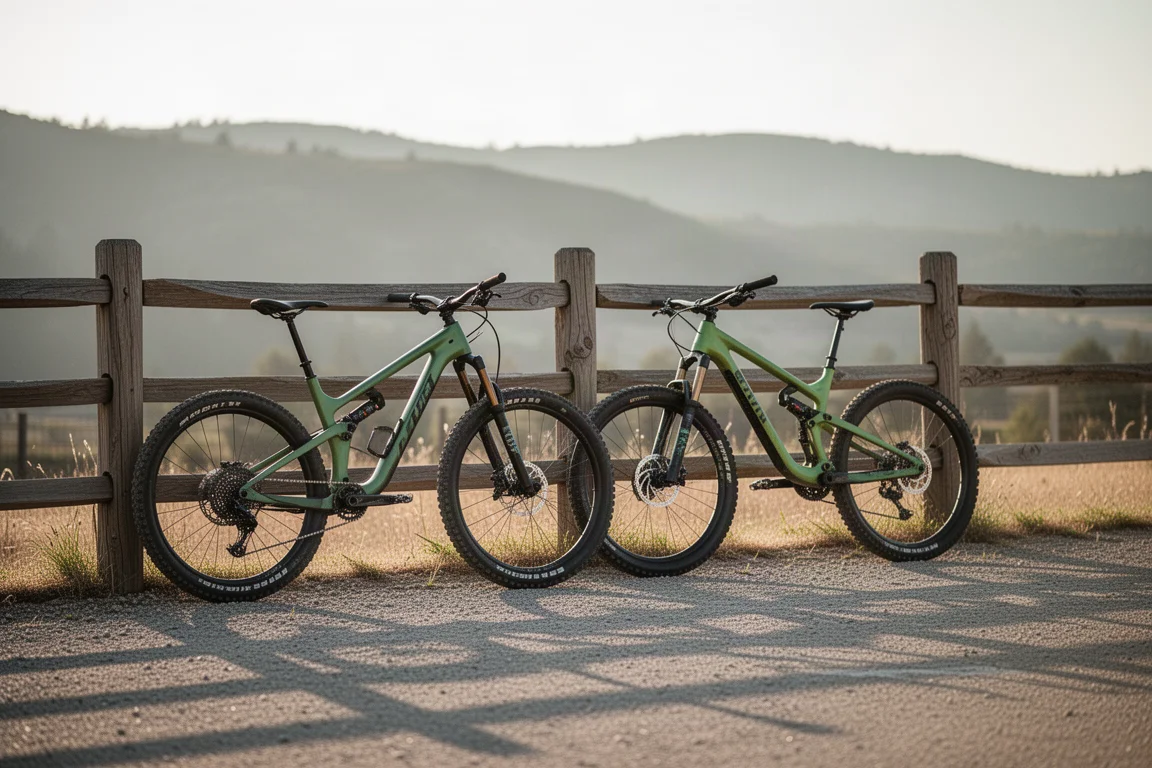
None of these are budget bikes, and the differences between them are more about how you ride than about outright performance. Matching the build to your terrain is the decision that matters most.
Conclusion
The new Epic 8 range is a clear response to where cross-country racing has gone. Travel is up, the Brain is gone, geometry is slacker and steeper in the right places, and the top model hands suspension control to an electronic system that learns how you ride. Whether you choose the S-Works, the standard Epic 8 or the Evo, the underlying platform is a fast, capable cross-country bike that no longer feels out of its depth when the course turns rough.
Further reading
Related Reviews
Mountain Bikes
Atherton AM.130 Review: 3D-Printed Titanium Lugs and a 130mm Trail Bike That Descends Like a Bigger Machine
The Atherton AM.130 pairs 3D-printed titanium lugs with carbon tubes and a DW6 suspension platform. Here is how it rides, what the build delivers, and who it suits.
Mountain Bikes
Beginner Mountain Bike Buying Guide: What to Look For in a Trailworthy Hardtail
A practical framework for evaluating beginner mountain bikes, whether new or used, by examining key components that indicate real trail capability.
Mountain Bikes
Best Aluminum Mountain Bikes 2026: Five Alloy Bikes Worth Your Attention
Five aluminum mountain bikes that show how far alloy has come, from a 120mm trail bike and a versatile machined frame to a 180mm freeride machine.