Cycling Shoes
Specialized Body Geometry Cycling Shoes: S-Works Torch, Ares, 7 and Torch Compared
A practical look at Specialized Body Geometry footwear, from the S-Works Torch flagship to the Torch range and Recon, and how the different fits suit different riders.
Introduction
Specialized has been building its Body Geometry concept into saddles and footwear for close to twenty years, and the philosophy behind it has stayed remarkably consistent: understand where a rider’s body wants support, then design the product around that rather than around a flat, neutral template.
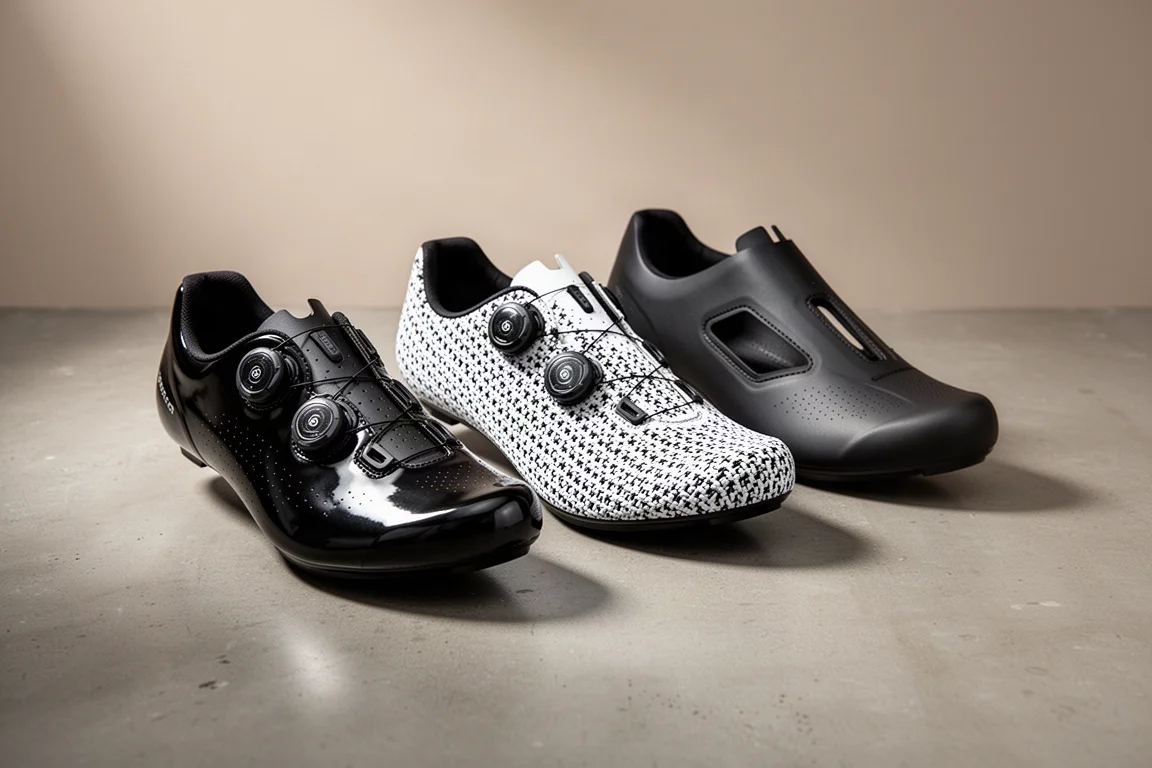
The shoe line has grown from a single flagship model into a family. At the top sits the S-Works range, now led by the S-Works Torch alongside the Ares and Vent, while the proven S-Works 7 remains a reference point for riders who like how it feels. Below that, the Torch 1, 2 and 3 bring the same underlying thinking to more accessible price points, and the Recon carries it onto mountain bike trails. This guide walks through what Body Geometry actually does, what changed with the S-Works Torch, and which model tends to suit which kind of rider.
What Makes Body Geometry Shoes Different
Body Geometry footwear rests on three elements, and they work together. Two live in the insole, and one lives in the sole of the shoe itself. The first is a built-up arch that matches the height of the rider’s foot arch, so the foot is supported rather than allowed to collapse as power goes into the pedals. The second is a small raised bump under the forefoot, often described as feeling like a stone beneath the footbed. It lifts the foot from underneath so that tightening the upper does not compress the nerves running through the foot, which is a common cause of numbness on longer rides.
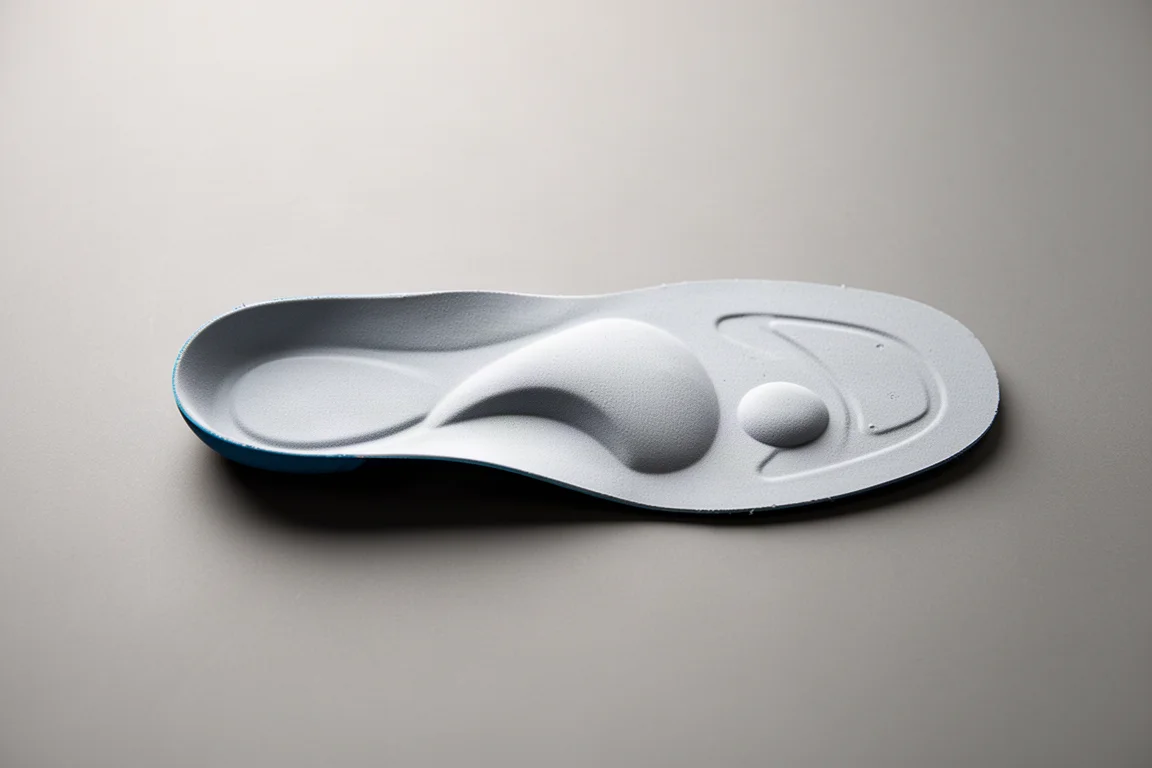
The third element is in the sole. Rather than sitting flat, the forefoot is angled, with slightly more material on the inside and less on the outside, so the shoe mirrors the natural orientation of the foot instead of forcing it into a flat plane. Because cycling is not a natural movement, that support matters more than it would while walking or running. Keeping the foot stable also keeps the knee from rocking side to side, which is where much of the repetitive strain in the kinetic chain begins. Every Specialized shoe, from an entry-level Torch 1 to a Recon trail shoe, carries these three features.
S-Works Torch: The New Flagship
The S-Works Torch is a genuinely new product rather than an incremental update, and it replaces the S-Works 7 at the top of the range. The naming has shifted with it: the old numbered sequence is gone, and the Torch name now connects the flagship to the accessible Torch 1, 2 and 3 below it.
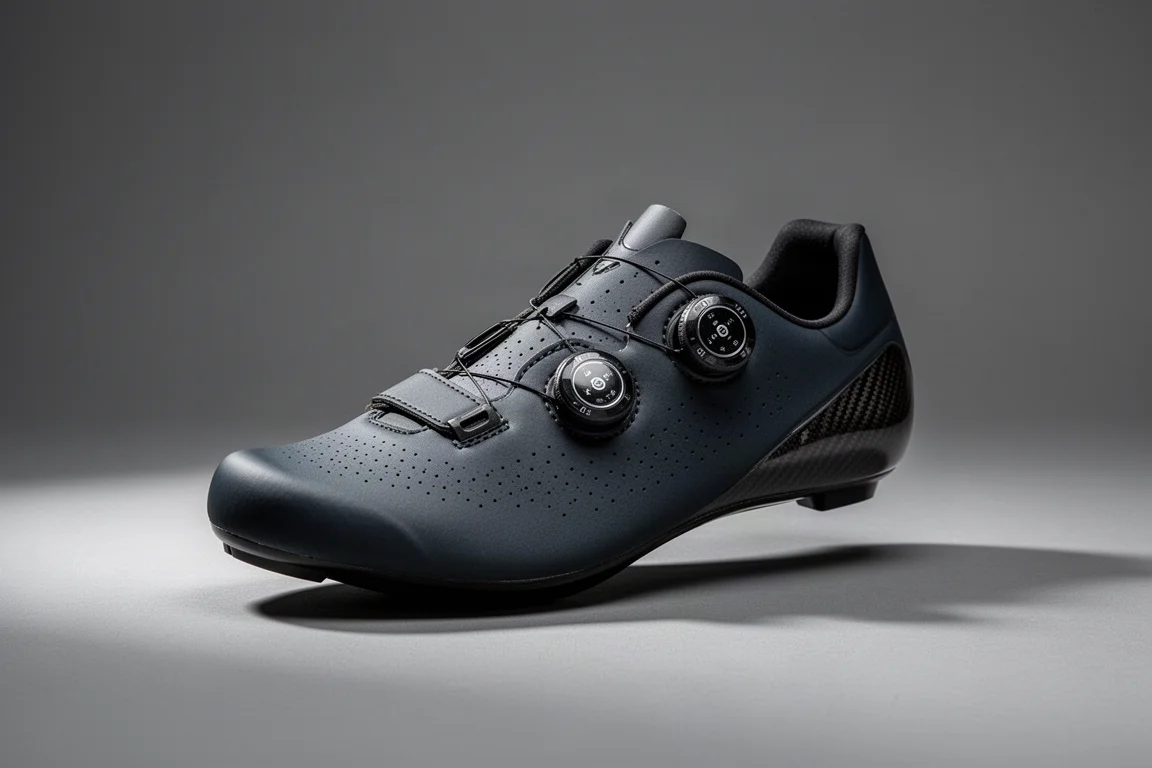
Several changes stand out. The front Velcro strap is gone entirely. On many Torch models that strap exists to adjust forefoot volume, but here the Boa dial has been reoriented so it pulls diagonally across the shoe from the direction of the big toe rather than straight across the instep. That means forefoot volume can be tuned with the dial alone. A firmer patch of material sits over the big toe area to give the Boa something solid to pull against, while the rest of the upper stays softer. The tongue is also shorter and less restrictive over the top of the foot, a lesson carried over from the Ares.
Underneath, the new sole keeps the same stiffness as before, because riders and professionals alike were already satisfied with it. Instead, manufacturing advances made it lighter and four millimetres wider across the forefoot, which noticeably opens up the fit for riders who found the Ares shape too locked in. The heel cup is now asymmetrical, reinforcing the instep where most pressure occurs while removing material elsewhere for comfort.
S-Works 7: The Proven All-Rounder
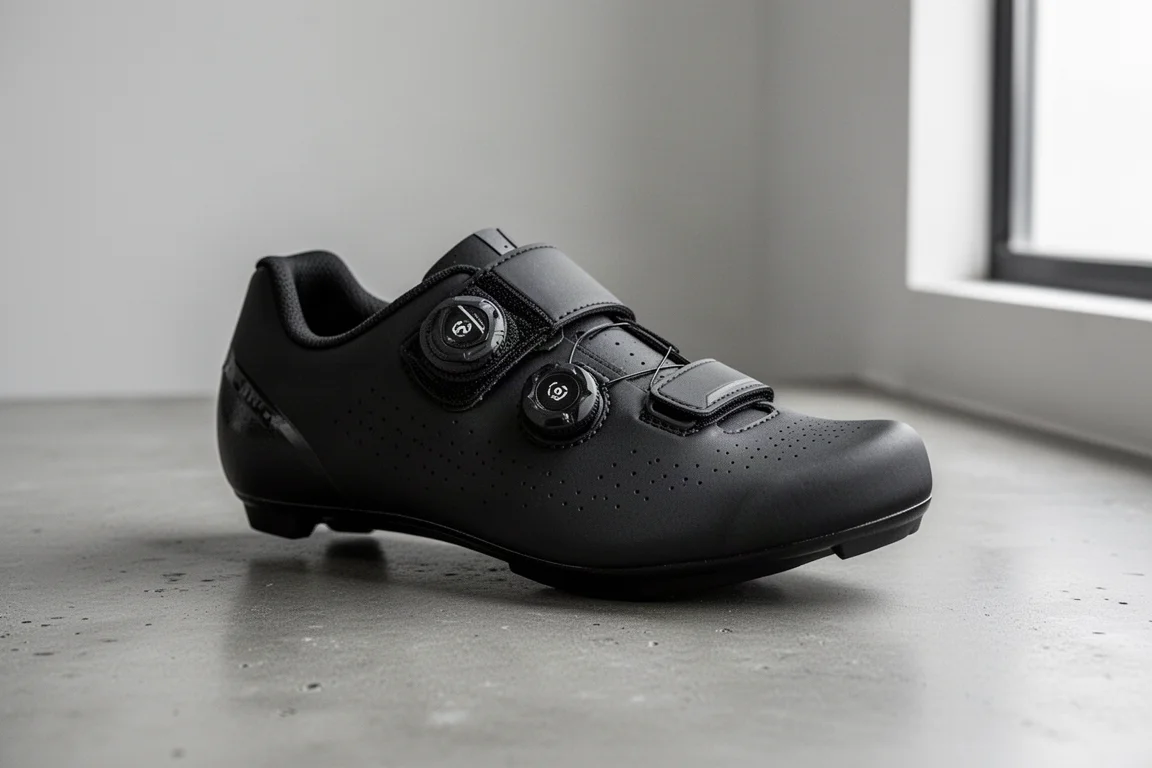
The S-Works 7 is the shoe most riders will recognise, and it stayed in the range for good reason. Its defining trait is a close, locked-in heel cup that holds the foot firmly during hard efforts, combined with a rounded, universal fit that suits a very broad range of feet. It carried a front Velcro strap alongside its Boa dials, used mainly to fine-tune forefoot volume.
Rather than being retired because it was flawed, the S-Works 7 remained available because a fit that suits one rider does not suit another. Riders who want a more extreme locked-in feel can move to the Ares, and riders who want the wider, more relaxed forefoot can move to the S-Works Torch, while those who are happy with the 7 keep riding it without losing anything. It still carries the full Body Geometry insole and sole design.

This is the model to consider if you want a well-established fit with a firm heel hold and a straightforward closure layout, and you do not need the wider forefoot of the newer flagship.
S-Works Ares: Maximum Lock-In
The S-Works Ares was developed around locking the foot down as completely as possible, so that explosive efforts transfer cleanly to the pedal. It is the most performance-focused expression of the line, and its upper wraps the foot firmly with very little movement inside the shoe.
That level of hold is exactly right for some riders and unnecessary for others. The useful point is that choosing the Ares does not compromise anyone else: riders who prefer a more forgiving fit simply stay on the S-Works 7 or move to the S-Works Torch, and each keeps the same Body Geometry foundation underneath. Technology developed during the Ares project, particularly around the top of the foot and the tongue, later fed directly into the S-Works Torch.
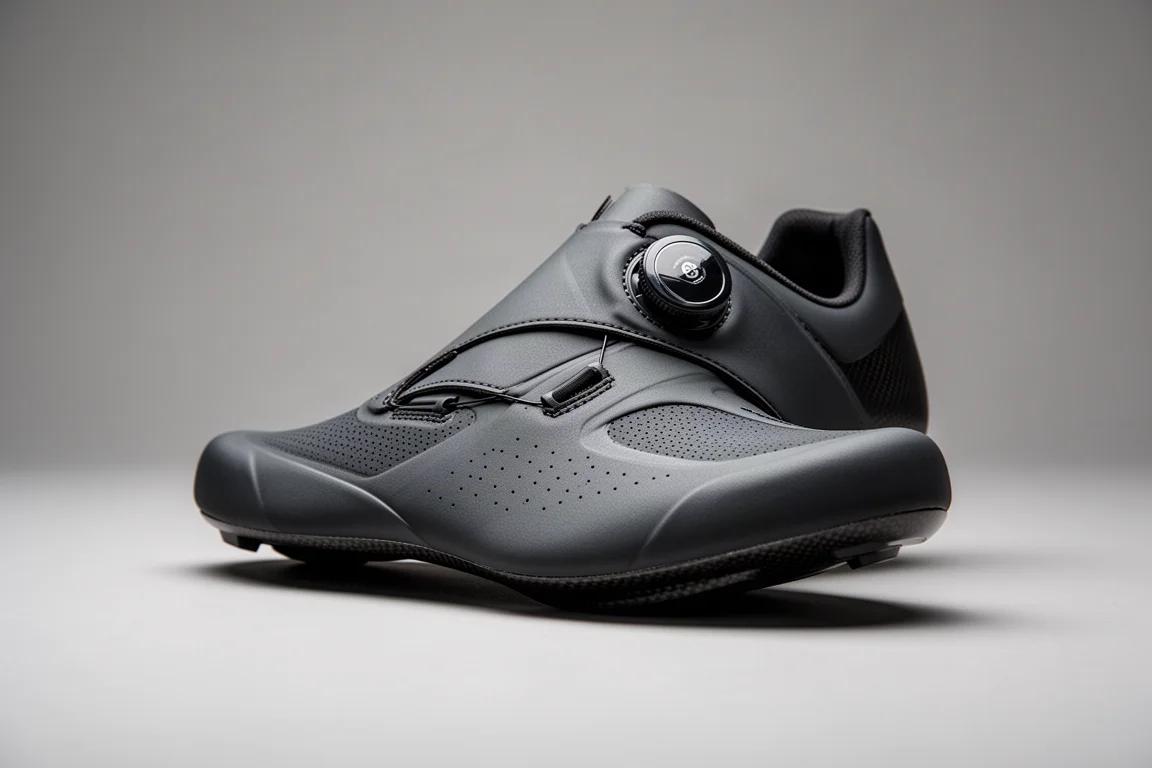
Specialized Torch 3: Accessible Road Performance
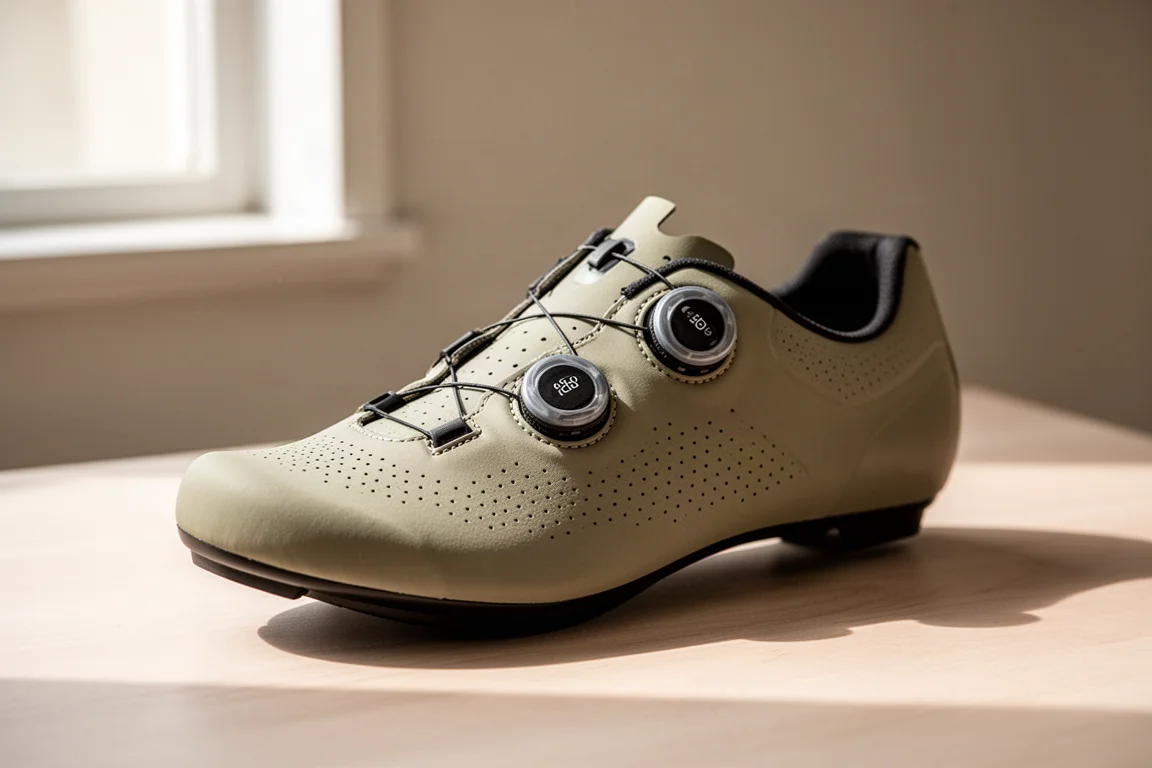
The Torch range is where the Body Geometry benefits reach riders who are not shopping at the S-Works level, and it is deliberately structured as three distinct shoes rather than one downgraded model. The Torch 1, 2 and 3 each use a different sole and a different upper, with sewn and welded constructions appearing across the range and a mix of single and double Boa closures.
The Torch 3 sits at the top of that trio. Its double Boa layout uses a figure-of-eight lacing path that closes the upper in a more zonal way, so the top of the shoe can be cinched firmly while the lower section stays slightly looser. That is a different feel from the more uniform, sock-like closure found on the models above and below it. The differences are about fit character rather than simple quality tiers, and some riders genuinely prefer the added cushioning and comfort of the Torch line over a stiffer, more minimal S-Works upper. Body Geometry insole and sole features remain present throughout.
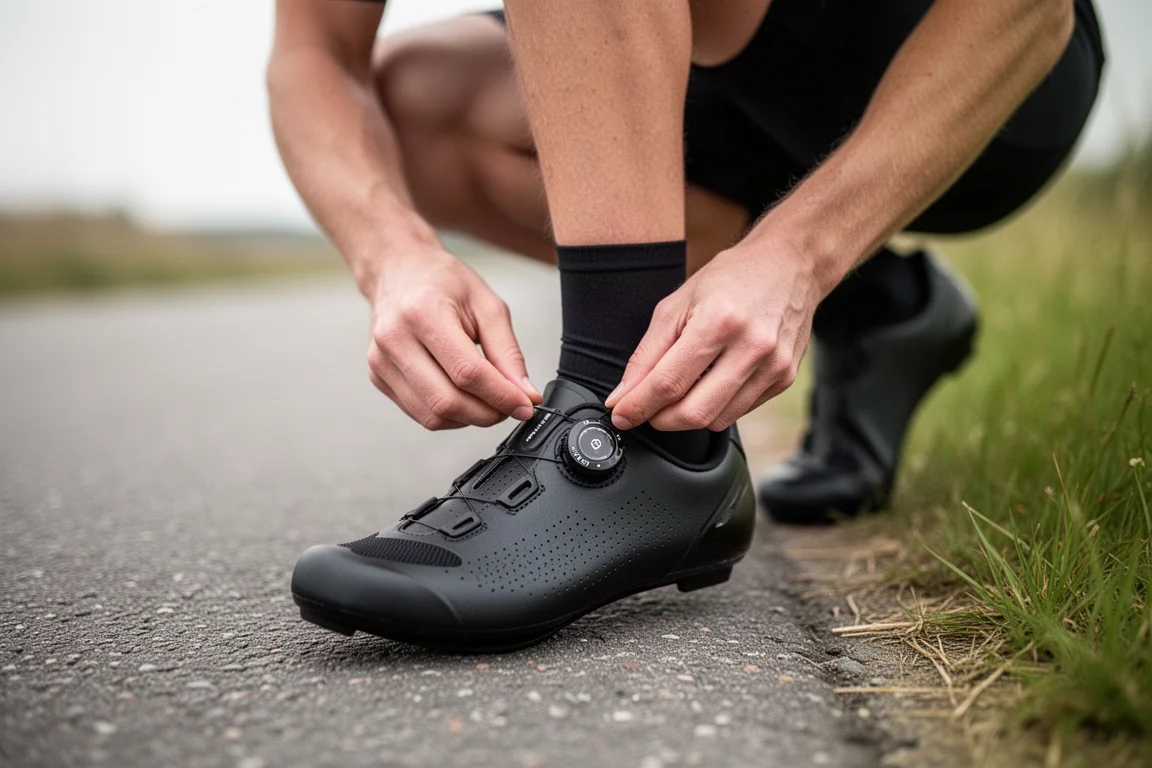
If your priority is comfortable road riding across long days rather than chasing the stiffest possible platform, the Torch 3 is worth trying alongside the S-Works options.
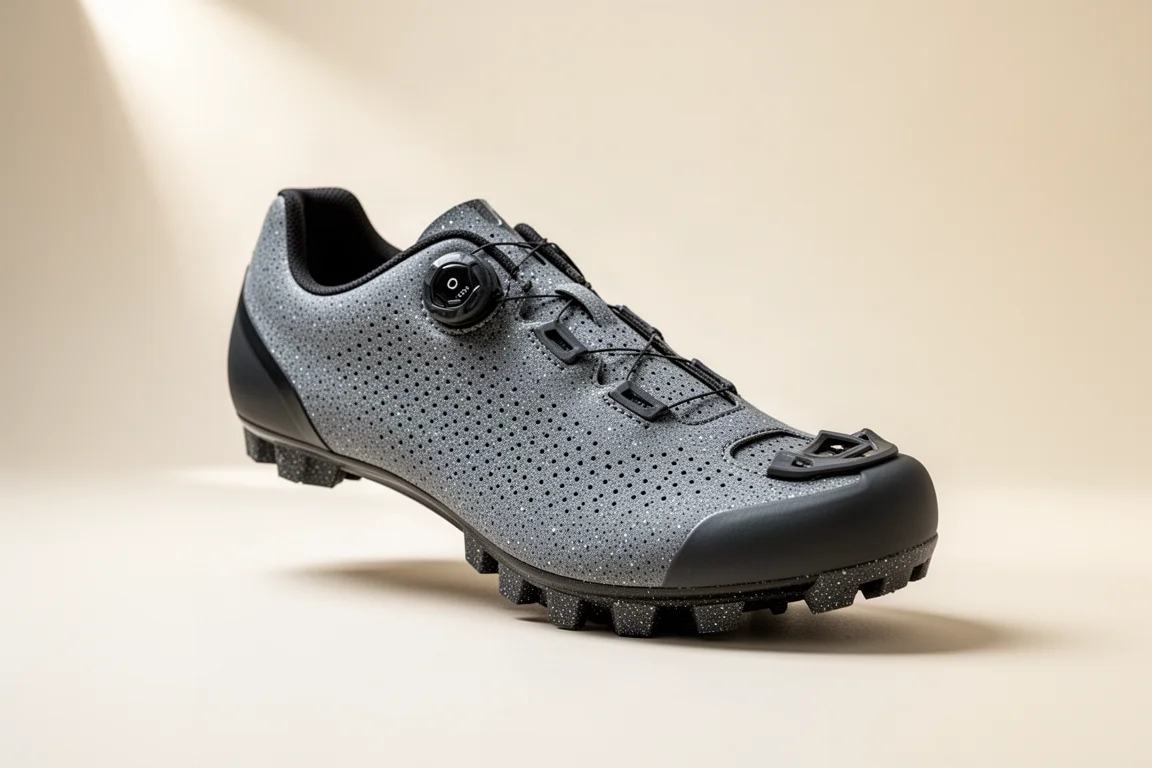
Specialized Recon: Body Geometry Off-Road
The Recon takes the same three-part Body Geometry approach onto mountain bike and gravel terrain. It carries the moulded insole support and the angled sole design, so riders who spend their time off tarmac are not asked to give up the comfort and injury-reduction thinking that defines the road line. For riders who split their time between surfaces, it keeps the fit philosophy consistent across the range.
Buying Advice
The most useful way to approach this range is to think about the fit character you actually want, because all of these shoes share the same underlying comfort technology. If you want the widest, most relaxed forefoot and the newest construction, the S-Works Torch is the natural starting point, and its four-millimetre increase in forefoot width is noticeable for riders coming from an S-Works 7. If you already like a firm heel hold and a familiar closure layout, the S-Works 7 remains a sensible, well-proven choice. If maximum lock-in and power transfer matter more than anything else, the Ares is the one built for that. And if value and long-day comfort matter more than stiffness, the Torch 3 delivers much of the same DNA at a more accessible level.
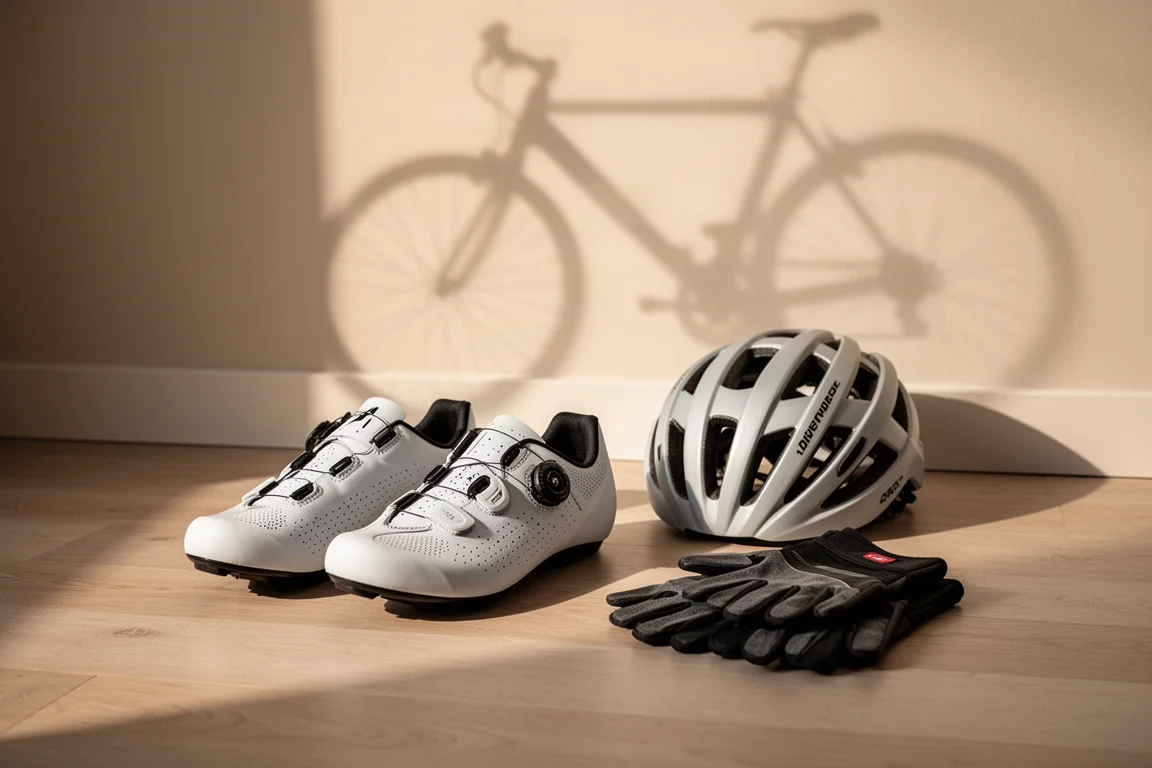
Whichever you pick, the insole can be upgraded or swapped to better match your arch height, so it is worth checking how the stock footbed feels before you commit.
Conclusion
Two decades of development have produced a range that is less about a single best shoe and more about giving riders a fit that works for them. The S-Works Torch modernises the flagship, the S-Works 7 stays as the dependable all-rounder, the Ares serves riders who want to be locked in, the Torch 3 brings the technology to a broader audience, and the Recon carries it off-road. The common thread across all of them is the same Body Geometry foundation, and that consistency is what makes the range easy to shop once you know your own feet.
Further reading
Related Reviews
Cycling Shoes
Best Cycling Shoes Ranked: Fit, Cleat Position and What to Check Before Buying
A practical ranking of cycling shoes by cleat position and fit neutrality, from the models that most often cause problems to the ones that fit best.
Cycling Shoes
Best Cycling Shoes Ranked: Fit, Cleat Position, and Stability Compared
A practical ranking of road and off-road cycling shoes based on cleat position, foot shape, arch support, and long-ride stability.
Cycling Shoes
Best Wide Fitting Cycling Shoes: Four Options Worth Knowing
A practical guide to wide fitting cycling shoes, covering the Lake CX239, Lake CX242, Shimano RC903 wide fit and G8 2620 arch support.