Home Audio
Speakers That Work Close to a Wall: A Practical Roundup for Tight Rooms
Ten speakers that stay balanced when they sit near a wall, with notes on port design, room gain and how much space each one really needs.
Introduction
Not every room allows a pair of speakers to sit a metre or more out from the rear wall. Family life, room size and simple floor space often push a cabinet much closer to the wall than a textbook setup would suggest, and tripping over a speaker in the dark is nobody’s idea of a good listening session.
The good news is that plenty of designs are either built for close placement or respond well to the low-frequency reinforcement a nearby wall provides. This roundup covers ten speakers that have been used close to a wall in real rooms, with notes on how much space each one actually needs and where the trade-offs sit.
Why Some Speakers Work Better Near a Wall
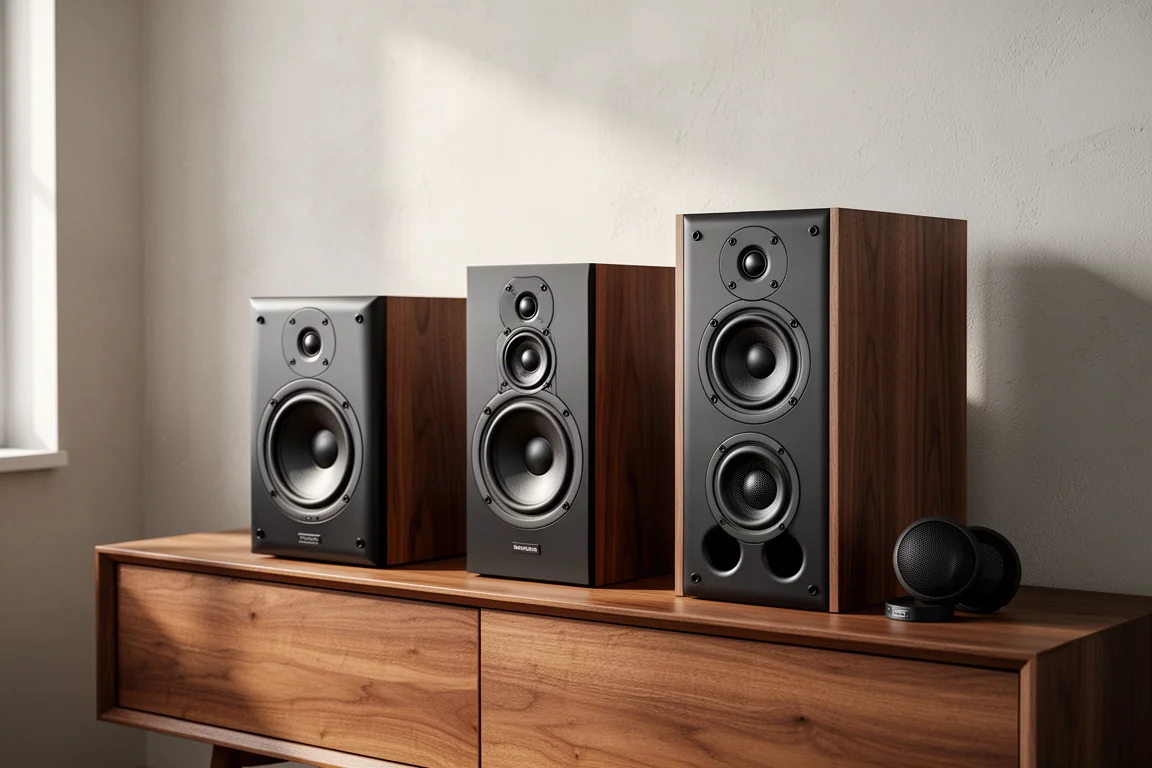
Port location is the first thing worth checking. A front-ported cabinet fires its bass energy away from the wall, and a bottom-ported cabinet does something similar through a slot underneath. Rear-ported designs can still work close to a wall, but the smaller and shallower the cabinet, the easier that becomes.
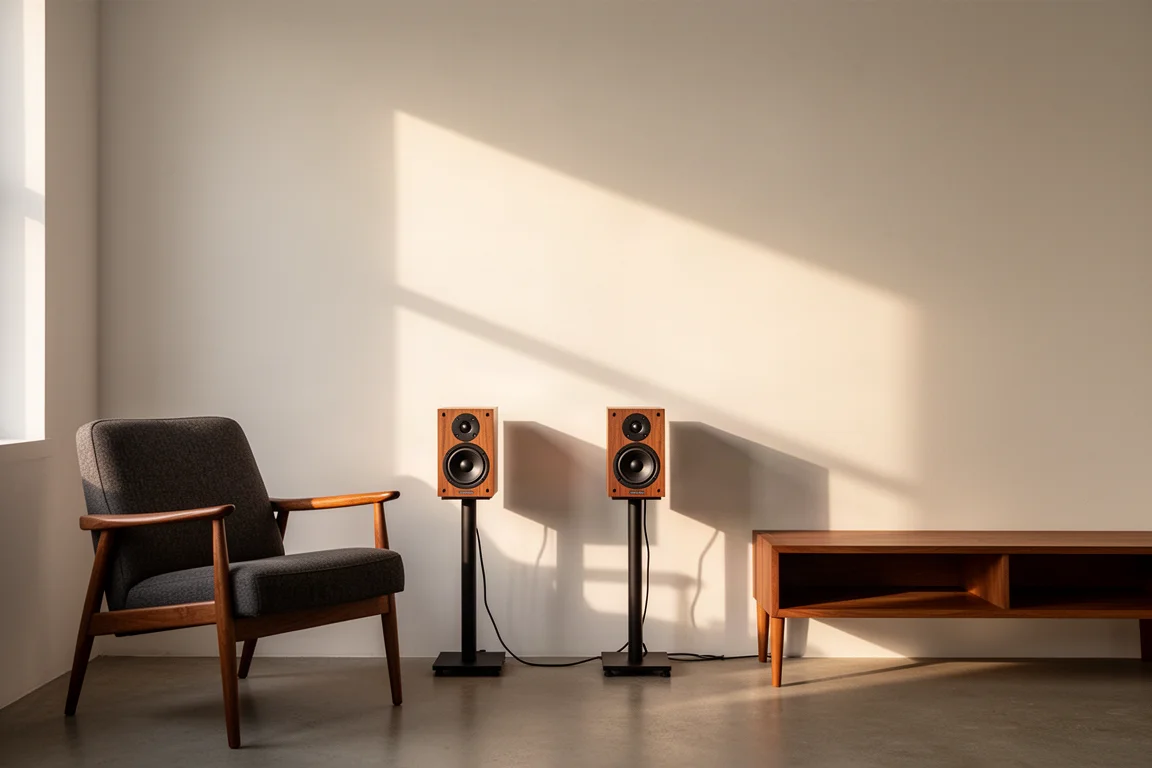
Room gain is the other half of the story. A nearby wall reinforces low frequencies, which can genuinely help a compact speaker with modest bass, but the same effect can cover up mid-range clarity and make the bass of a small enclosure sound loose. The trick is balancing speaker size against the room, and that balance sometimes takes a little trial and error.
ELAC Uni-Fi 2.0: Front-Ported and Built for Tight Placement
The ELAC second generation line is front ported throughout, and the design intent behind it was close placement rather than a large free-standing space. The Uni-Fi 2.0 is one of the models that benefits most: pushed closer to the wall, the soundstage opens up in a way it does not when the cabinet sits well out into the room.
ELAC Debut Reference: No Space Needed Behind
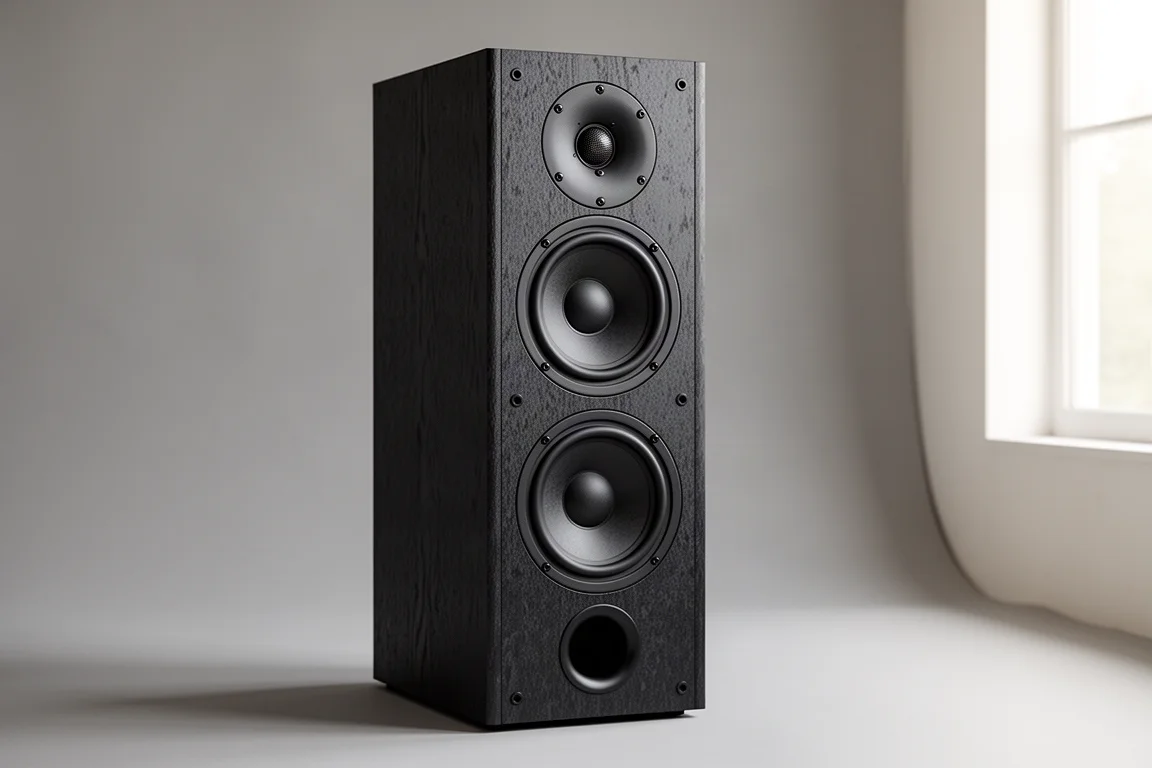
The Debut Reference is front ported as well, and it needs essentially zero clearance behind the cabinet. Along with the Uni-Fi 2.0, it stands out as one of the strongest speakers in this second generation range, with a balanced and natural presentation.
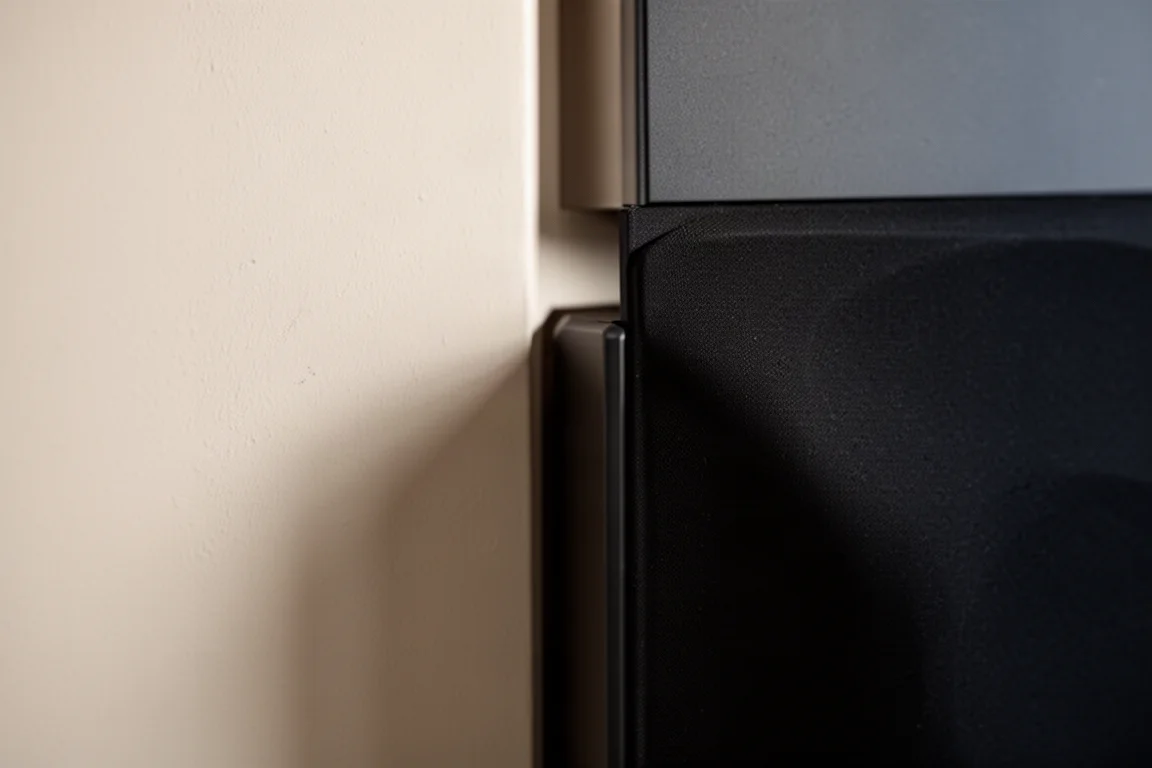
Because the port faces forward, the wall behind the speaker is not a problem to solve. Placement becomes a question of height and toe-in rather than distance from the rear boundary, which is exactly what a tight room needs.
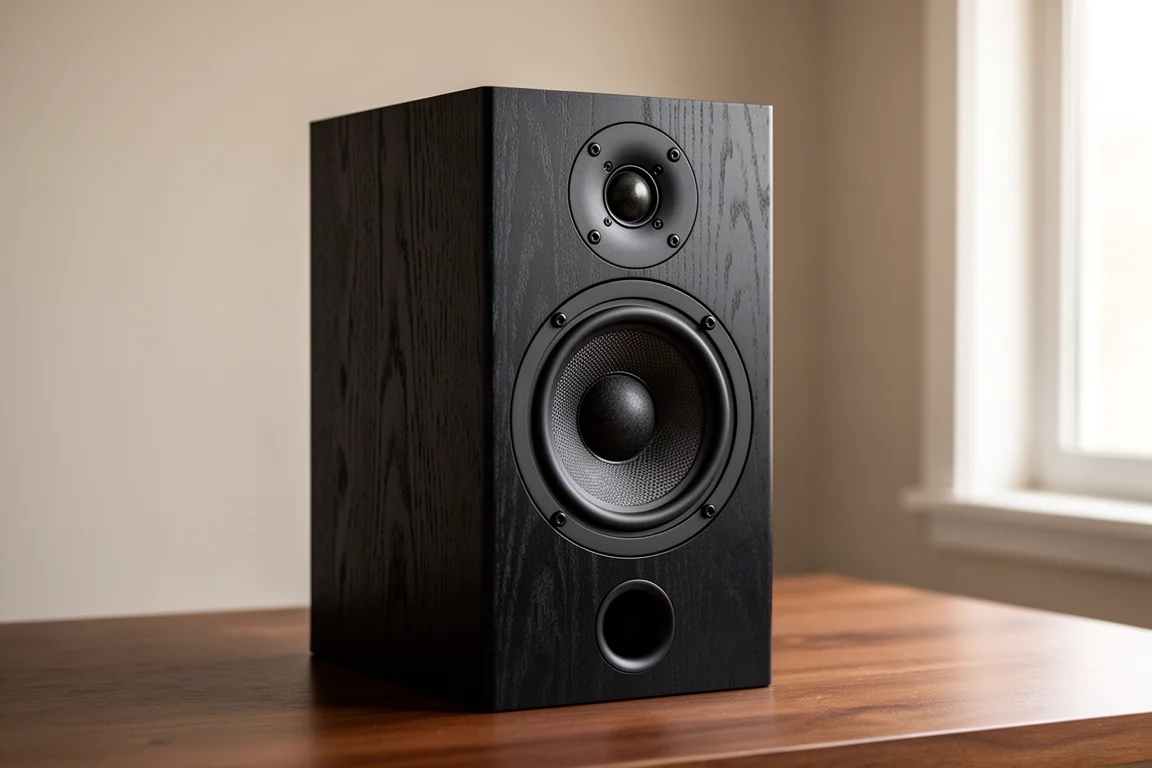
ELAC Debut B6.2: A Half Inch From the Wall
The Debut B6.2 is a harder speaker to warm to when it sits out in open space, but it responds dramatically to being placed almost against the wall. With roughly half an inch of clearance, the bass fills out and the overall balance sounds far more natural. Front porting makes that kind of placement realistic rather than compromised.
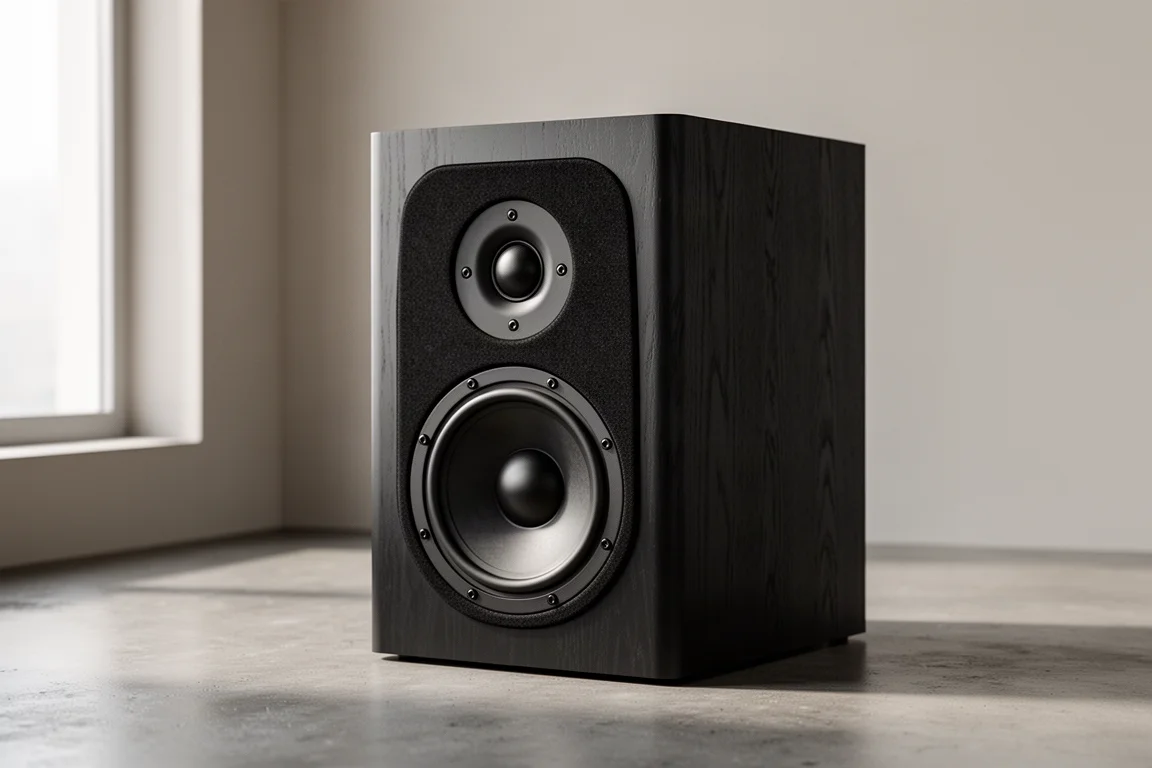
Wharfedale Evo 4.1: Bottom-Ported and Easy to Live With
The Evo 4.1 uses a bottom port, a shallow slot under the cabinet, so there is nothing firing at the wall behind it. It works well right next to a wall but asks for a little more breathing room than the ELAC models, somewhere around six inches to a foot. It is also a taller cabinet, and tweeter height matters for a balanced result. The Evo range is not heavily weighted toward the bottom end, so close placement does not tend to smear mid-range clarity.
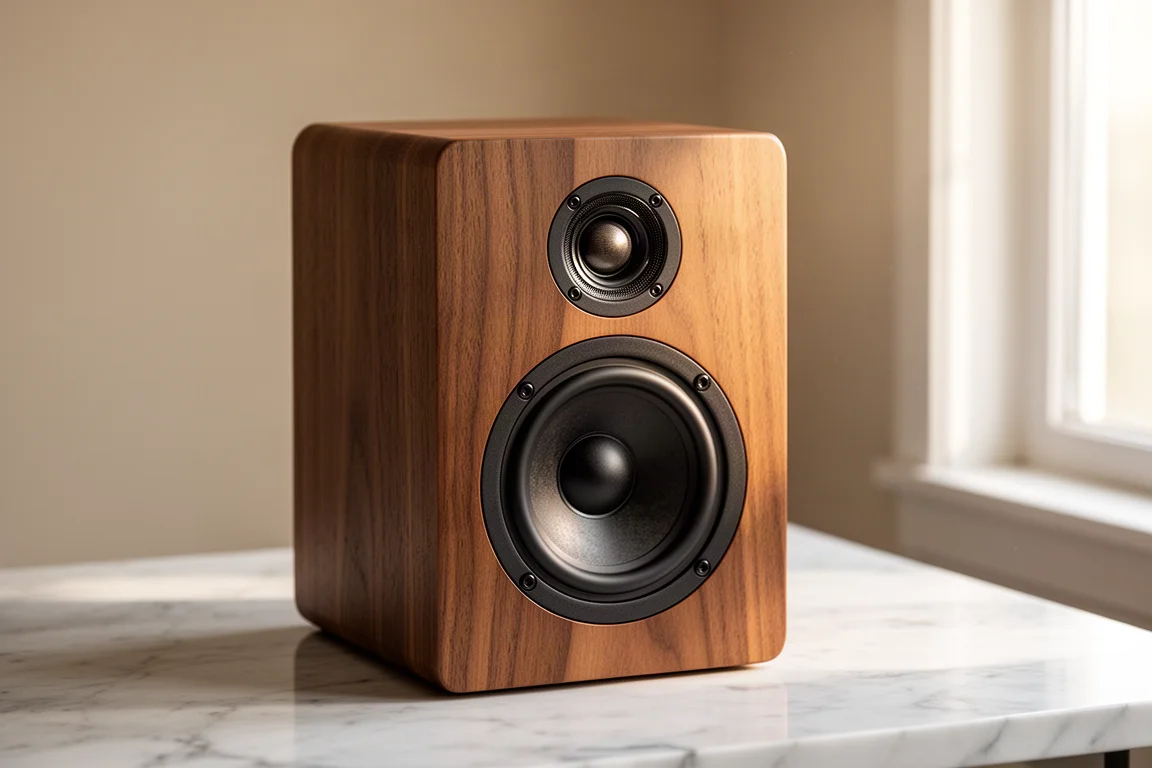
Wharfedale Evo 4.2: More Mid-Range, More Placement Care
The Evo 4.2 shares the bottom-ported layout and the same tolerance for close placement, and it is the more impressive of the two. Its mid-range is generous enough that the mid-range driver is best kept slightly below ear level, and the speaker sometimes benefits from a touch of off-axis angle.
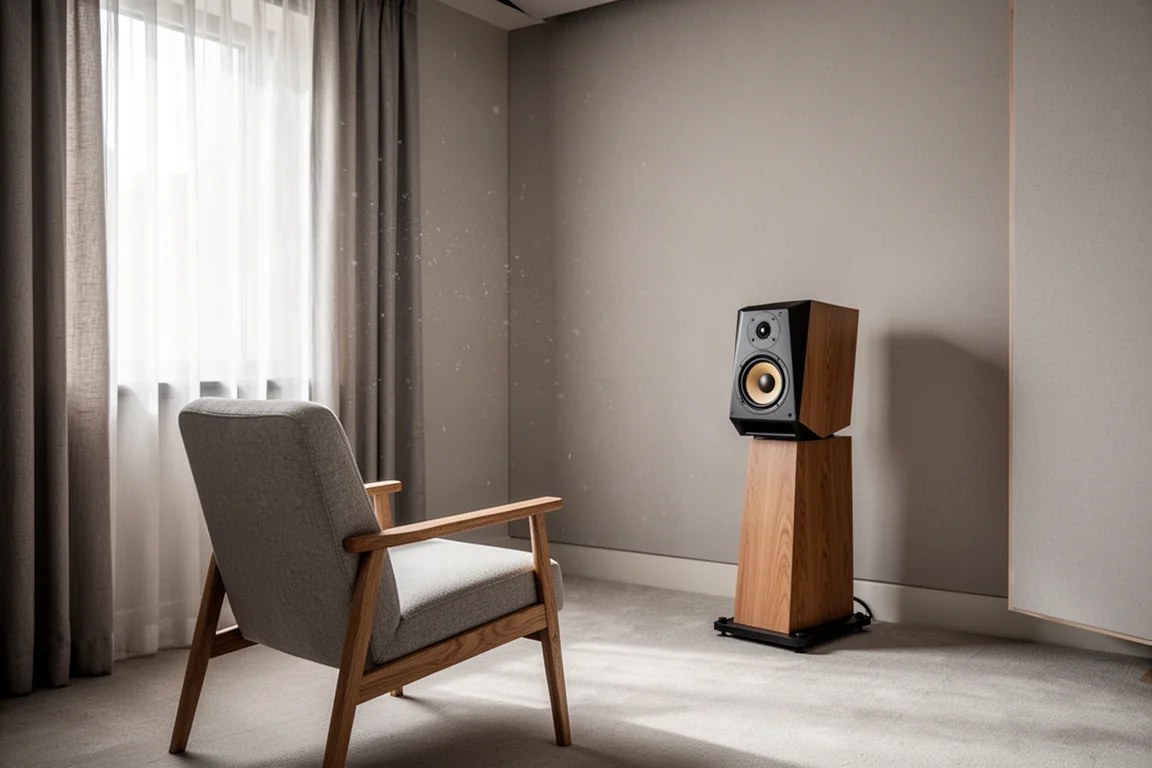
Because the cabinet is taller, height and angle do more for the final balance than rear clearance does. Keep it at a similar distance from the wall as the 4.1 and adjust from there.
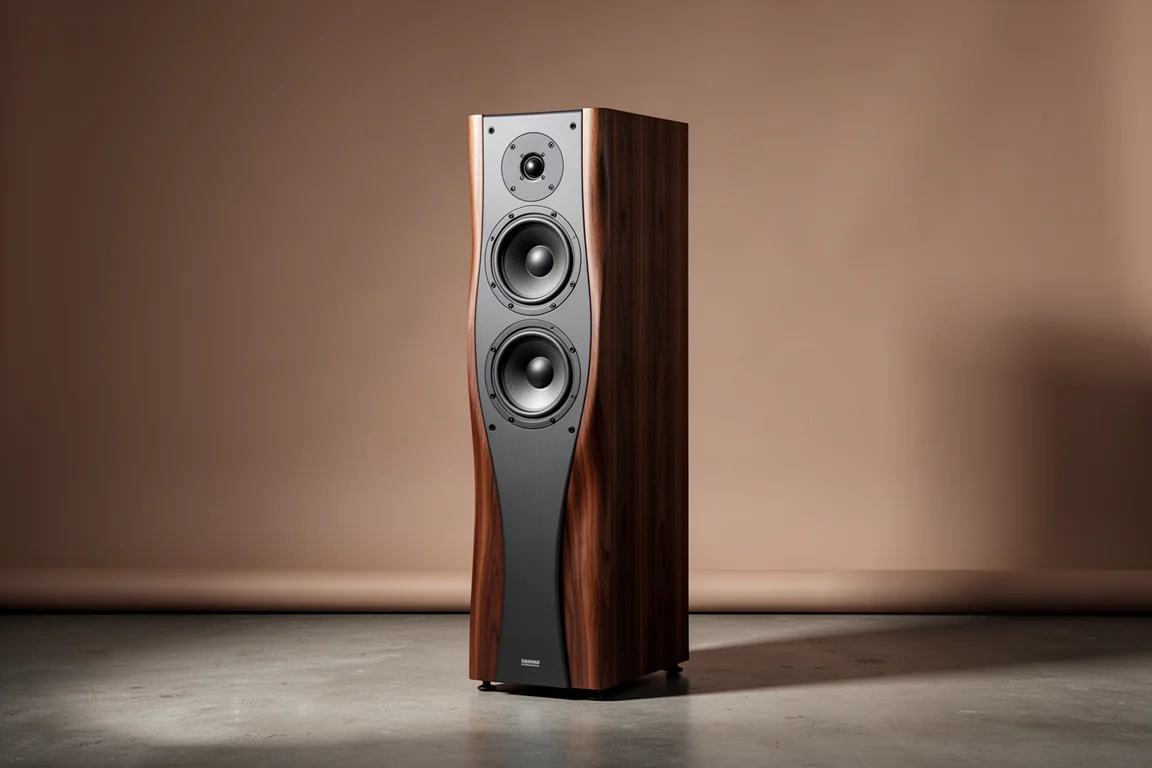
Triangle Borea BR03: Front-Ported Value
The Borea BR03 is front ported, so it can sit closer to a wall than a rear-ported design of the same size. It does carry some emphasis in the low end, which usually means giving it a little more room than the ELAC models, perhaps around 18 inches from the rear wall. Even at that distance it soundstages and images well and offers an appealing frequency response. It launched at around $550 to $600, and at that price other speakers were easier to recommend; at today’s typical price under $400, the value is far stronger.
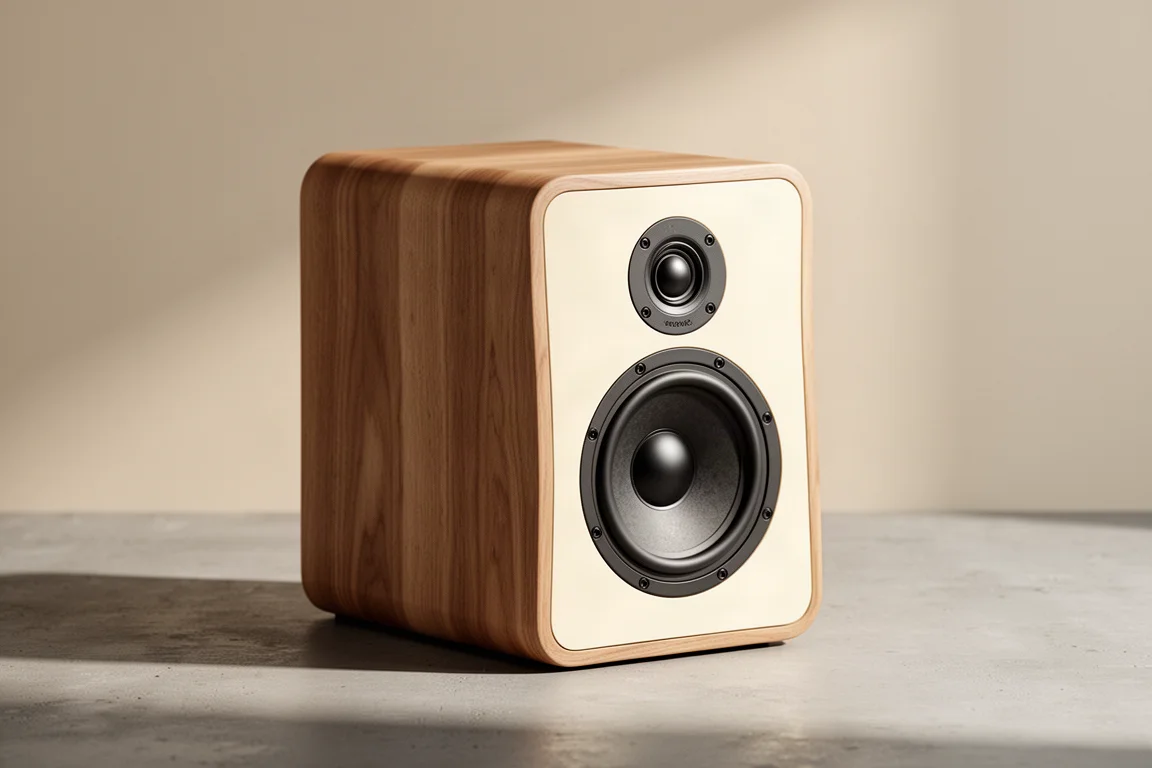
Wharfedale Denton 80th Anniversary: A Small Rear-Ported Speaker That Still Works
The Denton 80th Anniversary is rear ported, but it is a small, shallow cabinet, and that changes the calculation. In a suitably sized room it can sit close to a wall and use room gain to its advantage while still delivering excellent soundstage and imaging. Somewhere between 12 and 16 inches from the wall was the sweet spot, balancing the extra low end against the openness of the presentation. It is also frequently discounted, often to around $500.
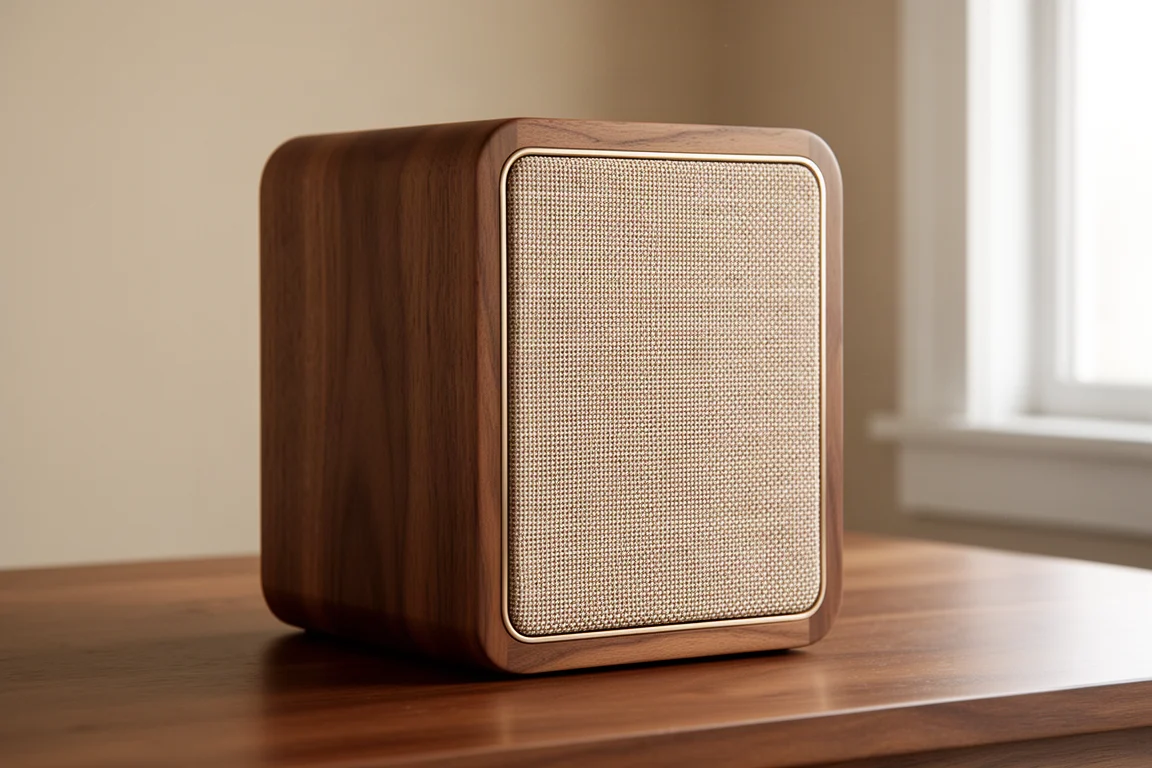
Sony SSCS5: Tall, Shallow and Rear-Ported
The SSCS5 is taller than it is deep, a shoebox-like shape that seems to suit close placement. Despite the rear port, it can work 12 inches or less from a wall, and in a large room it can go almost right up against it. The usual caution applies: room gain can mask mid-range clarity and make the bass of a small enclosure sound loose. Handled with a little care, it is an excellent choice when space is tight but sound quality still matters.
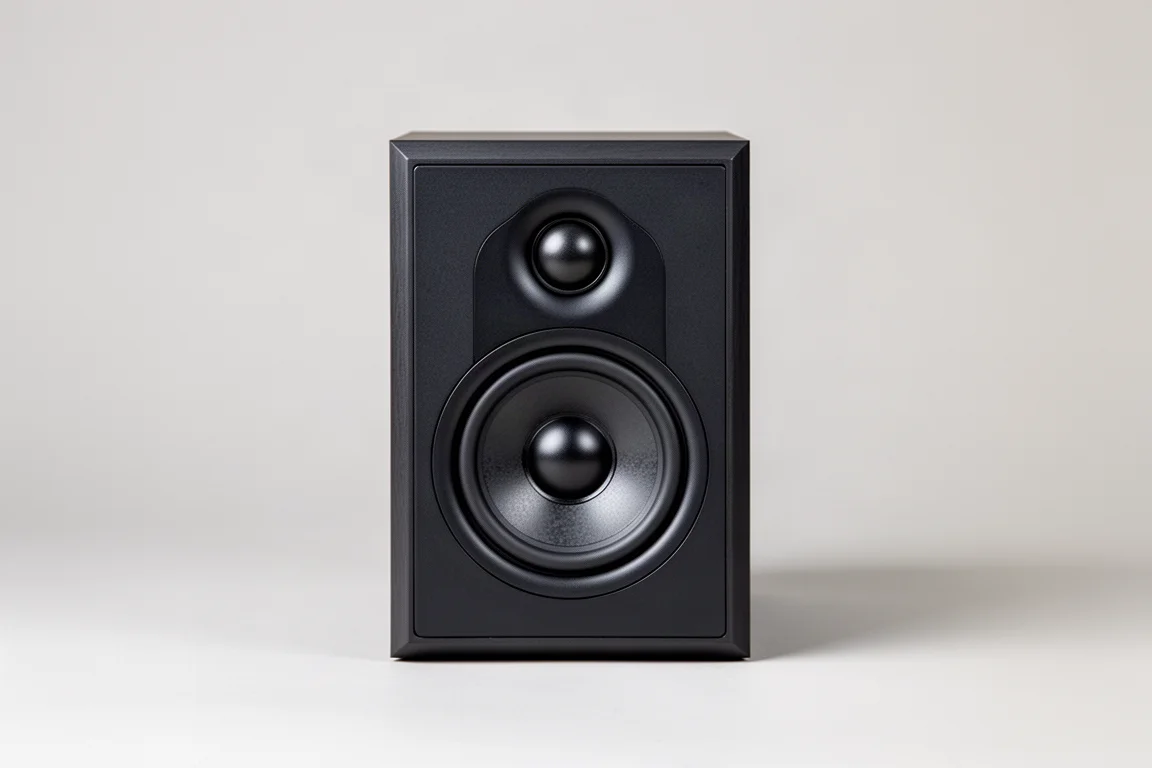
Emotiva B1 Plus: Using Room Gain to Fill Out the Mid-Range
The B1 Plus is another compact rear-ported speaker that copes well near a wall. Its mid-range is not warm by nature, and moving the speaker closer to the wall thickens that region in a way many listeners will enjoy, while the top end stays extremely clear. In a smaller room it can sit less than 12 inches from the wall without losing mid-range clarity. In a larger room, around 12 inches keeps the balance intact.
Yamaha C93 Mark II: A V-Curve That Fills Out Near the Wall
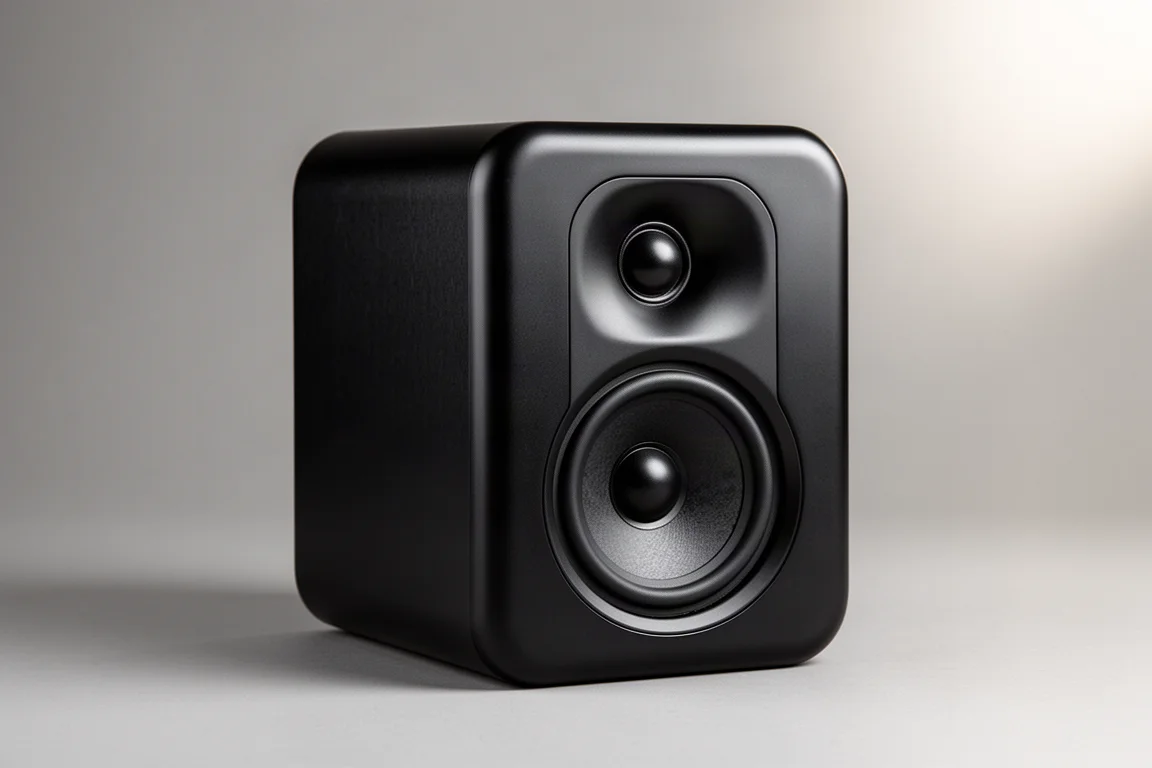
The C93 Mark II is rear ported and carries a gently V-shaped signature, with the mid-range filling out as it moves closer to the wall. It also images particularly well. Like the Sony, it is a small cabinet that is taller than it is deep, and it sounds at its best closer to a wall.
Buying Advice: Matching Speaker Size to Your Room
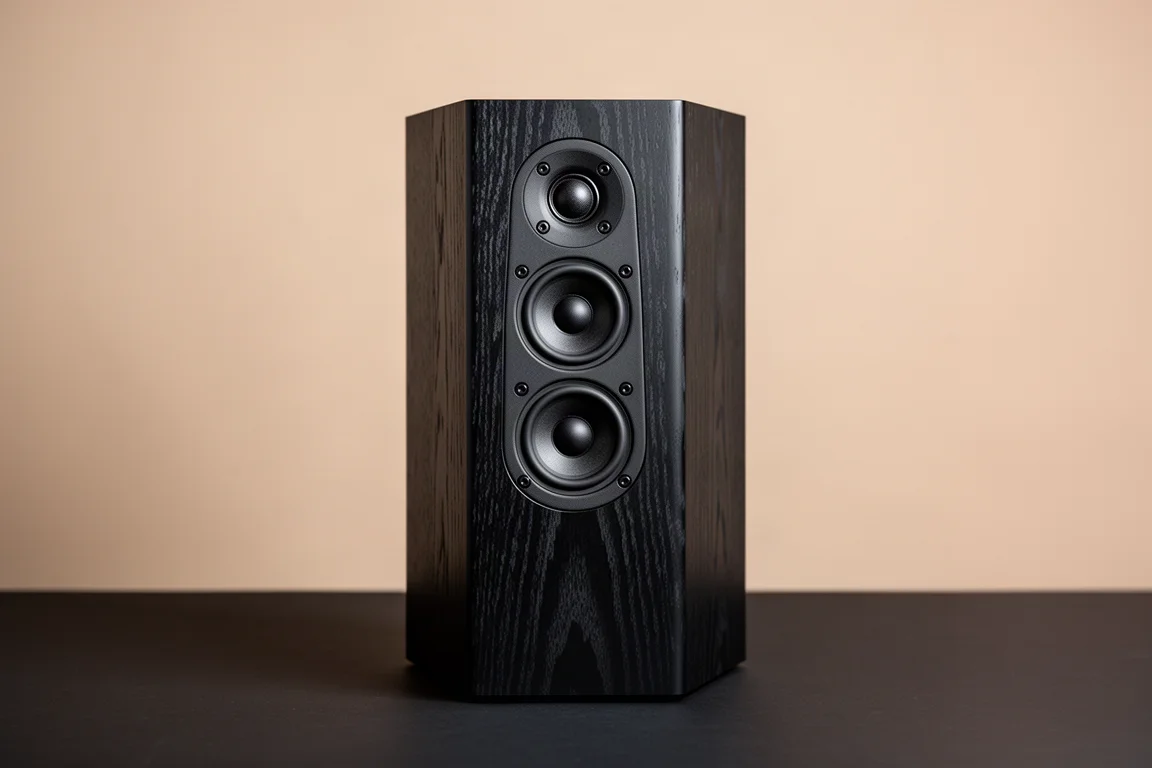
Start with port location, then work out how much reinforcement your room actually adds. Front-ported and bottom-ported speakers are the least fussy close to a wall, and a shallow, smaller cabinet is generally easier to place than a deep one, even when the port faces backwards.
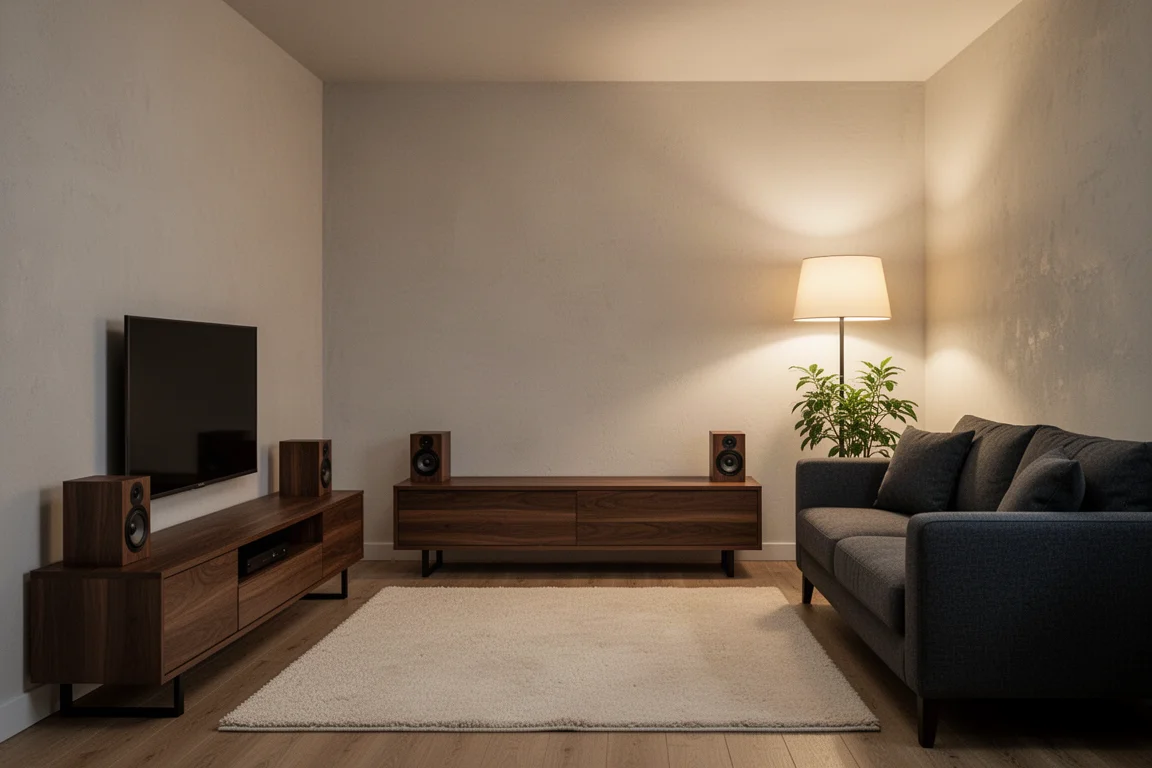
Smaller rooms tend to reward smaller speakers, because the extra energy reflected from a nearby wall is proportionally larger in a tight space. If a speaker sounds thick or muddled near the wall, moving it a few inches is usually the fastest fix, and if the bass disappears when you pull it out, the wall was doing more work than you realised. Matching the speaker to the room matters more than any single specification.
Conclusion
Close-to-wall placement does not have to mean a compromised system. Front-ported designs such as the ELAC Uni-Fi 2.0, the Debut Reference and the Debut B6.2 ask for almost nothing behind them, bottom-ported Wharfedale Evo models need only a few inches, and compact rear-ported speakers like the Denton 80th Anniversary, the Sony SSCS5, the Emotiva B1 Plus and the Yamaha C93 Mark II can still sound their best near a wall when the room is sized to match.
Pick the speaker that fits the space you actually have, give it the small amount of clearance it asks for, and let the room do some of the work.
Further reading
Related Reviews
Home Audio
Aperion Novus Tower and Center Review: Punchy Home Theater Sound With Real Refinement
A close look at the Aperion Novus tower and center speakers, from their layered paint finish and punchy bass to the 4-ohm load and what the price actually buys.
Home Audio
Arendal 1610 Tower Review: Flagship Dynamics in a Room-Friendly Tower
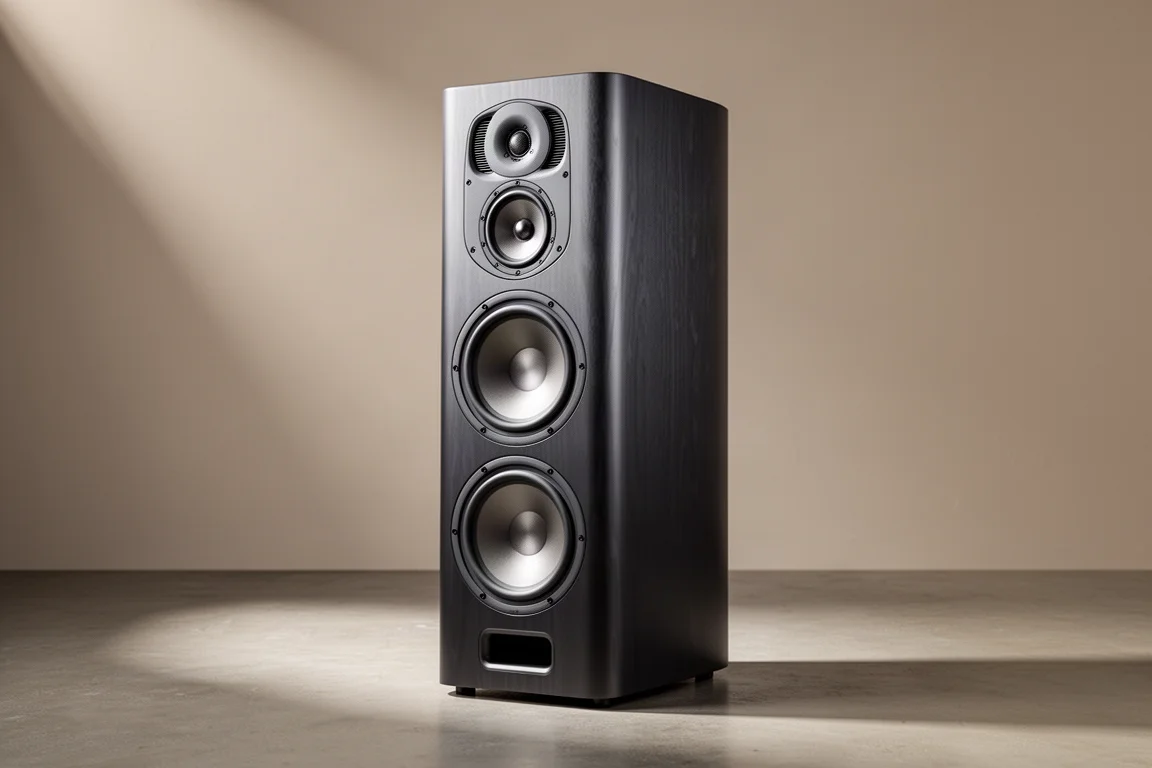
A compact floorstanding tower with three 8-inch aluminium woofers, a 5-inch carbon midrange, and the kind of bass heft usually reserved for much larger speakers.
Home Audio
Arendal 1723 S THX Review: A Reference Speaker Built Like a Tank
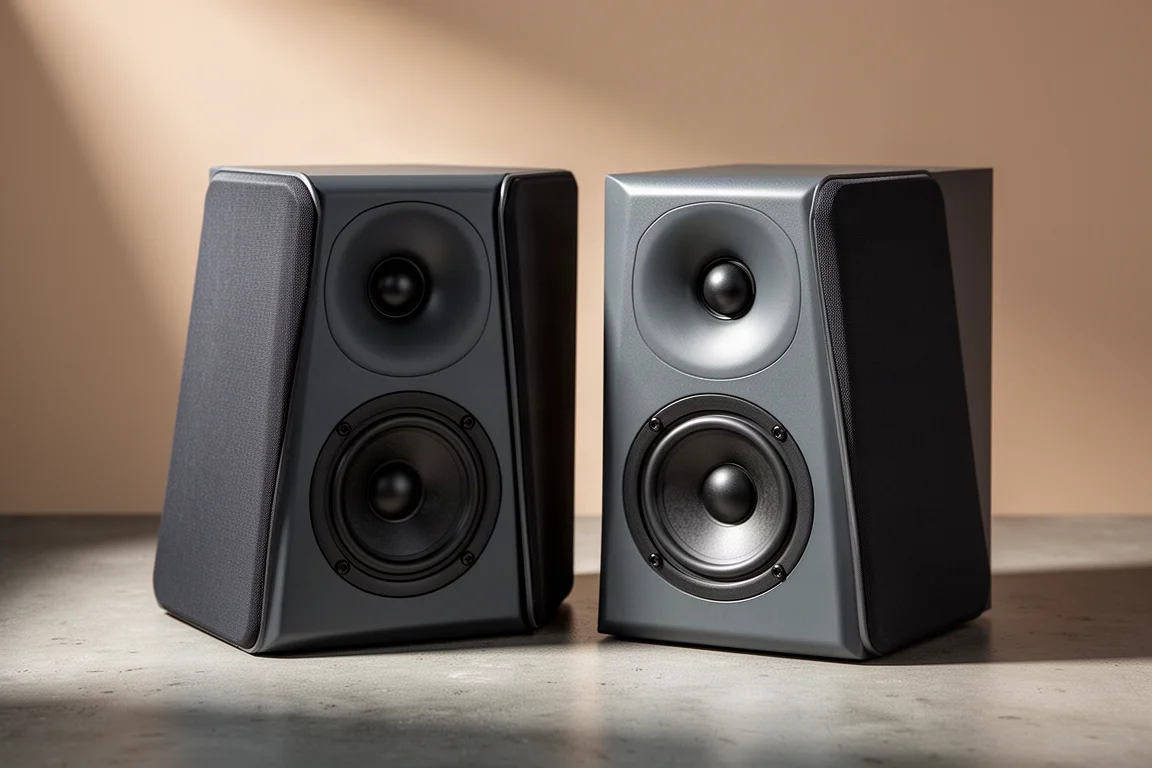
A practical look at the Arendal 1723 S THX, a sealed, THX-certified speaker with exceptional build quality, a very flat top end, and a midrange that responds beautifully to EQ.