Hi-Fi Speakers
10 Speakers That Lose Value Fast: A Depreciation Guide for Buyers
Ten current loudspeakers with steep first-year depreciation, the resale figures behind them, and what buyers can do before paying retail.
Introduction
Most people buy loudspeakers to listen to them, not to resell them. Even so, it is worth knowing how much value a given model tends to lose once it leaves the shop, because the gap between retail price and secondhand price varies enormously from one speaker to the next.
The ten models below are current, well-known speakers that have depreciated quickly. Between manufacturer promotions and a steady flow of listings on marketplaces such as eBay and Facebook Marketplace, buyers can often find new open-box or like-new pairs well below the original price. That is welcome news if you are shopping and less welcome news if you already paid full retail.
A place on this list is not a verdict on sound quality. Several of these speakers are genuinely excellent and have earned devoted owners. The issue here is purely financial: how much of the purchase price tends to survive the first year or two of ownership.
What Drives Speaker Depreciation
Depreciation in high-end audio is not a sign that a product has gone bad. It reflects the shape of the market. Hi-fi is a niche hobby, and the number of people actively shopping for a pair of speakers at any given moment is small. Every owner who has already found their last speaker is one fewer potential buyer for everyone else.
Speakers also age differently from electronics. A receiver or processor can be nudged toward replacement by new formats and codecs, which keeps that part of the market moving. A great speaker from ten or fifteen years ago can still sound great today, so there is little built-in pressure to upgrade it.
Pricing strategy matters just as much. Brands that deliberately produce below demand can keep resale values firm, because there is always someone who could not get hold of a pair. Brands that chase volume do the opposite: once the initial enthusiasm fades, a large number of used samples remain in circulation and prices fall accordingly.
10. Magico A5
The Magico A5 is a three-way tower built to very high standards, with performance to match and a retail price just under $25,000 per pair. It is the least affected model on this list, yet the numbers are still notable. After one year of ownership, roughly 23% of the value is typically gone, and average resale prices sit around $19,000 for new and like-new pairs, some of which still carry a warranty.
At this level, that is a meaningful amount of money to lose in twelve months. Buyers who plan to keep the A5 for a decade will care far less about it than buyers who like to rotate equipment.
9. Klipsch Cornwall IV
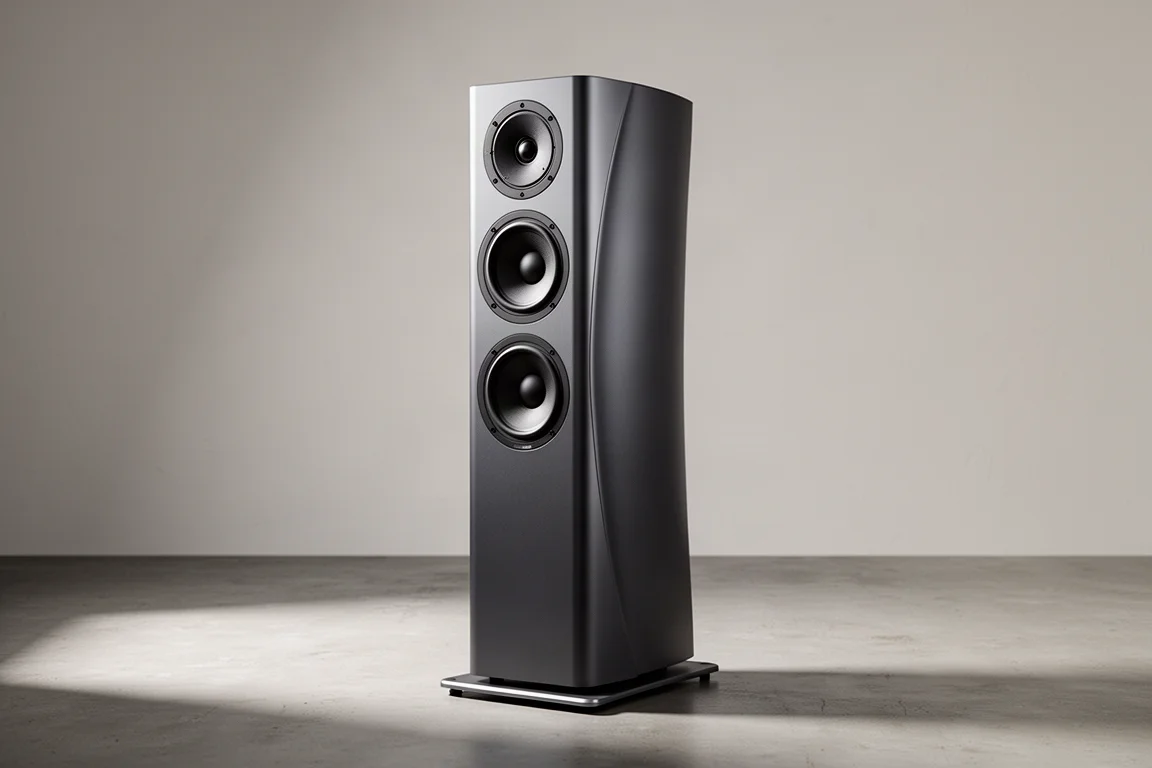
Heritage models often look like safe purchases. The Cornwall IV is handcrafted, carries decades of recognition, and would seem to hold value for those reasons alone. The secondhand market suggests otherwise. With an MSRP of roughly $6,600 per pair, new open-box and like-new examples regularly appear for as little as around $5,000, which works out to savings of up to 24% on any given day.
For anyone who bought at full price, that can mean absorbing a loss of roughly $1,600. For anyone still shopping, it is an opportunity: patience and a willingness to buy open-box can cut the cost considerably.
8. Arendal 1723 THX Tower
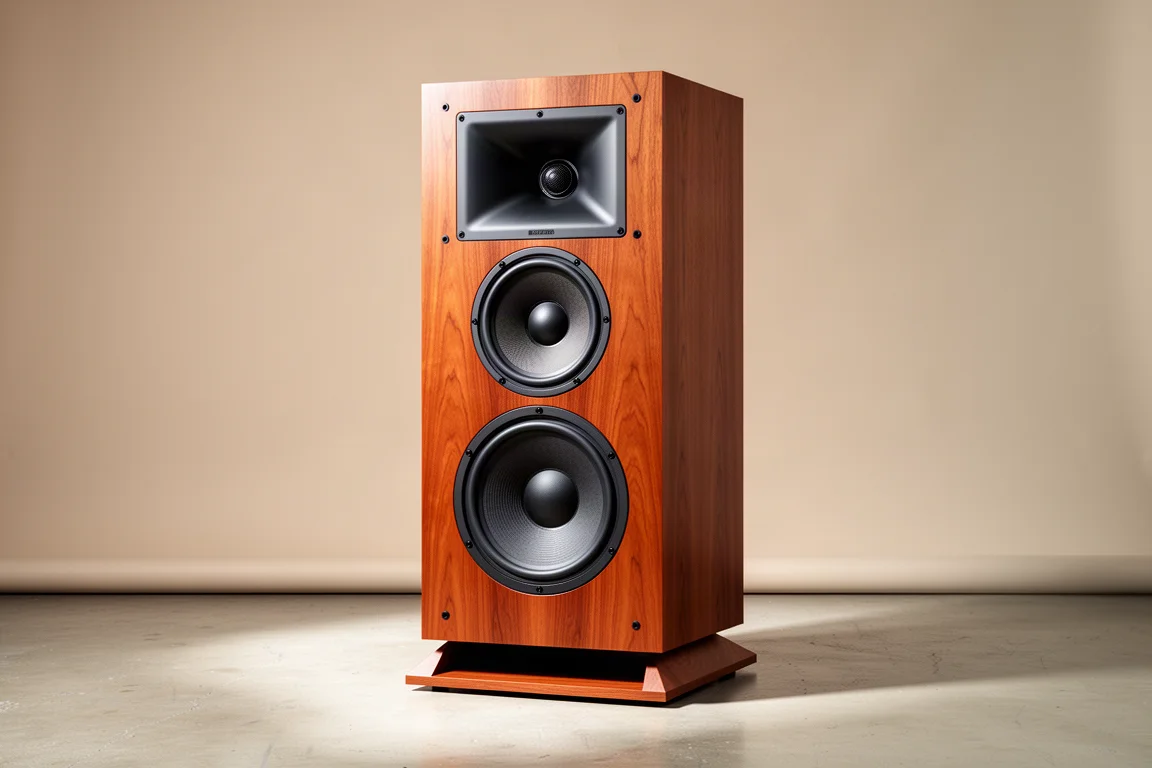
Arendal has built a strong following quickly, and the 1723 THX Tower is the brand’s costlier tower. At an internet-direct price of about $3,900 per pair, it looks like good value on paper. On the used market, pairs currently change hands for just under $3,000, a net loss of roughly 26% in a single year.
That pattern is common for direct-to-consumer brands riding a wave of popularity. When supply is plentiful and enthusiasm cools, prices soften.
7. ProAc Response DT8
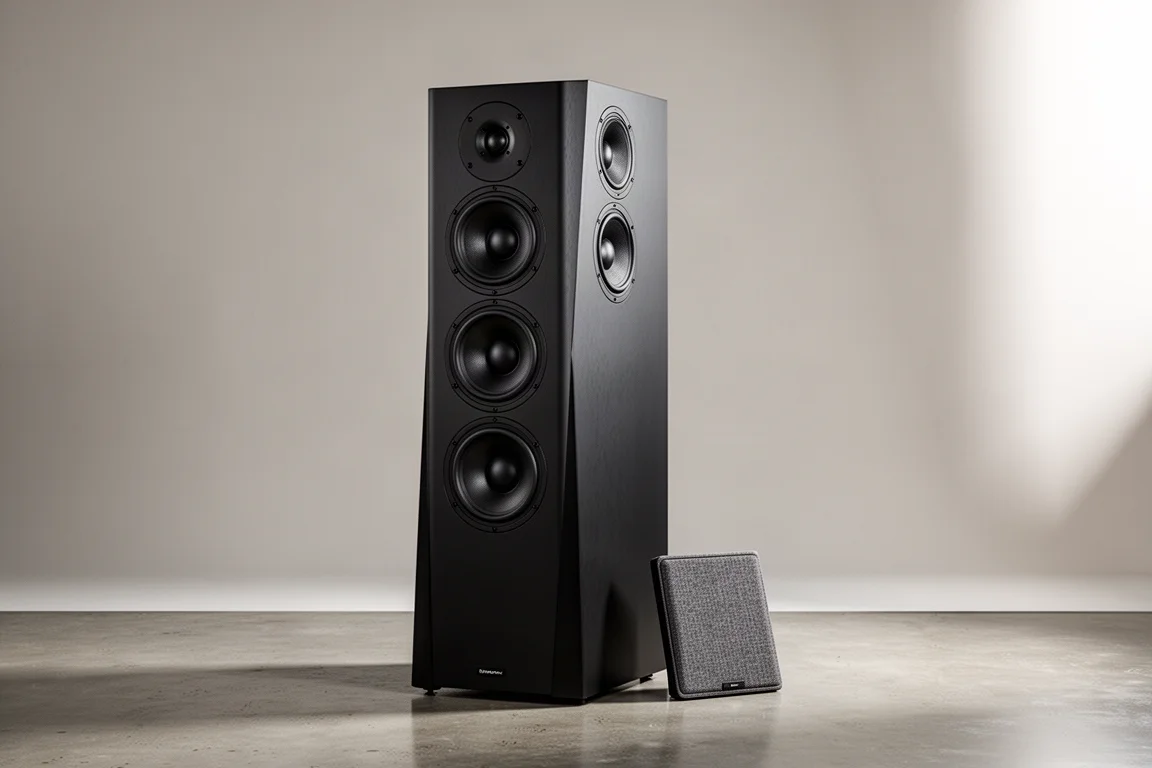
The Response DT8 earned a place on several best-of lists in 2023, and its retail price sits just over $5,000 per pair. Average resale values are now around $3,700, a loss of nearly $1,400, or roughly 26%, in one year.
That puts it near the middle of this list: steep enough to matter, but not extreme for a speaker in this price bracket.
6. Klipsch La Scala
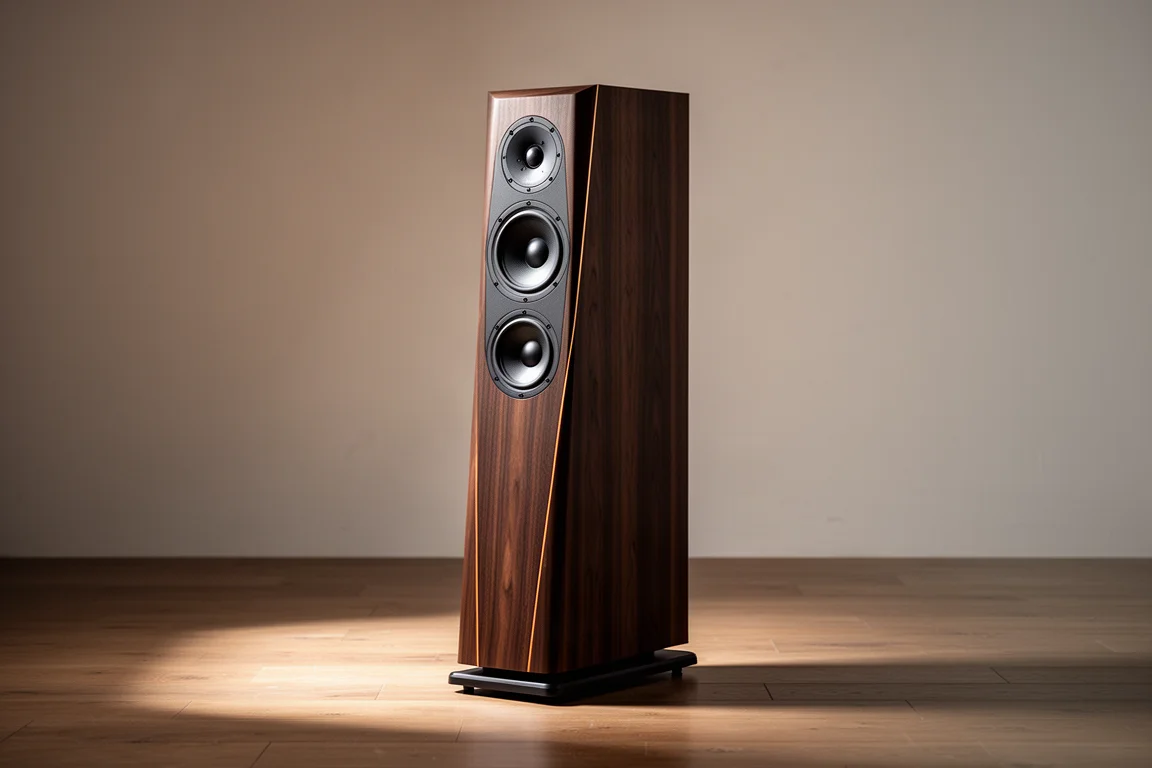
The La Scala is one of the most recognisable horn-loaded designs in hi-fi and a long-standing favourite among enthusiasts. Its resale curve is nonetheless steep. The current model can be found on sale, as new open-box stock, or secondhand for roughly $9,300, a drop of about 30% within a year.
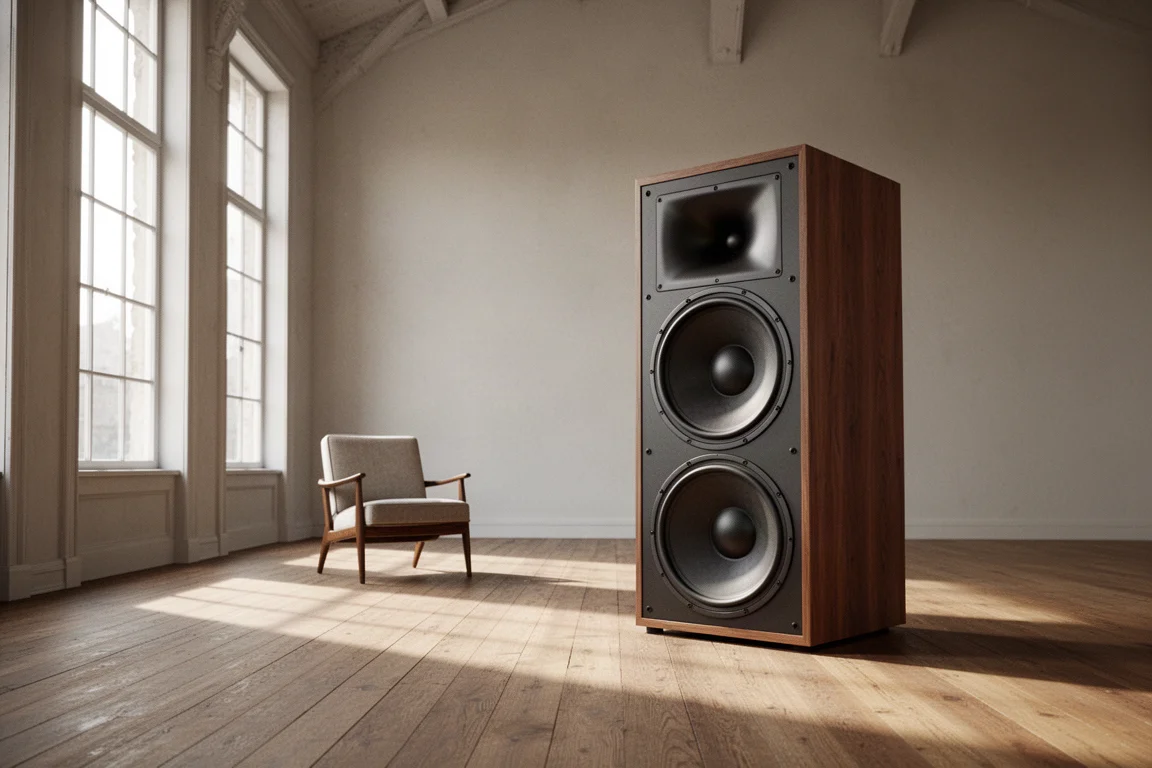
Part of the explanation is practical rather than acoustic. The La Scala is a very large speaker aimed at a small audience. It needs a big room, and it is awkward to move, so used sales often depend on finding a local buyer who can collect a pair. That narrows the pool of people able to take one home, which tends to push prices down.
5. Wharfedale Linton
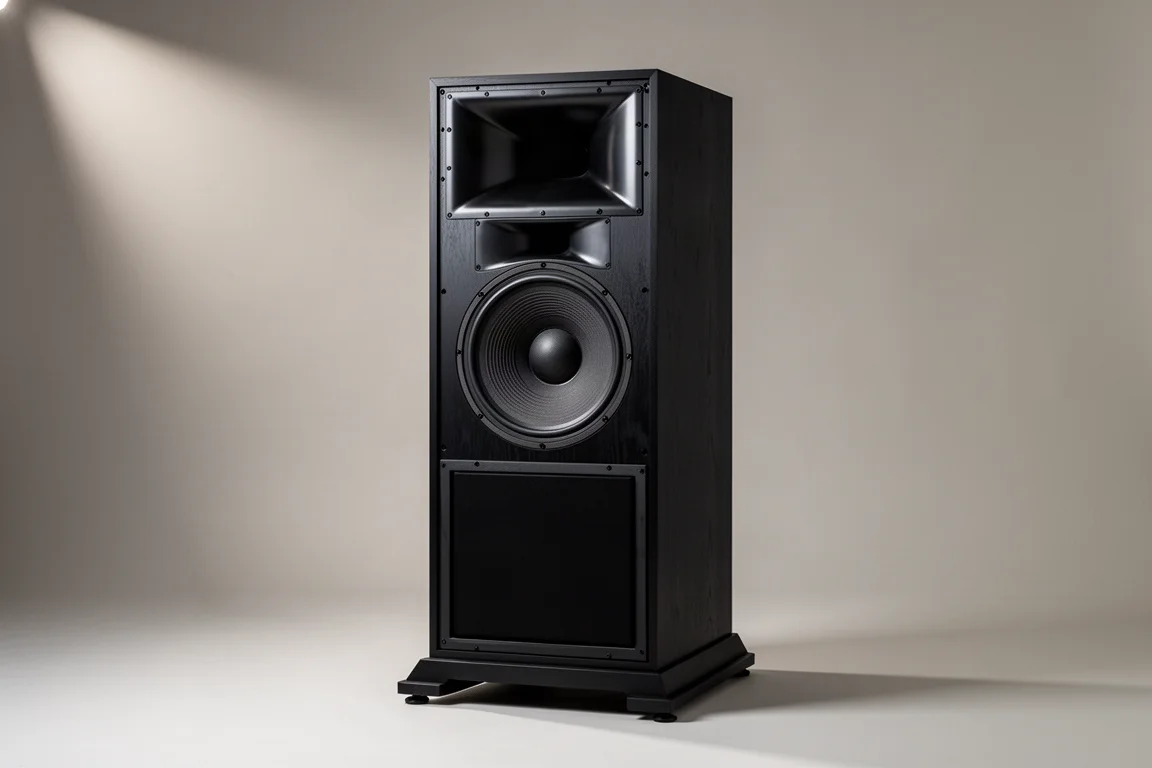
The Linton is a genuinely likeable stand-mount speaker and a strong value at its price. Its difficulty, from a resale perspective, is that its pricing has moved around a great deal. Expect as much as a 33% loss within the first year of ownership, with the average resale price of even a new open-box pair falling as low as $1,000.
Buyers who simply want a good speaker to keep will not mind. Buyers who might sell within a year should assume a fairly wide range of outcomes.
4. Sonus faber Lumina II
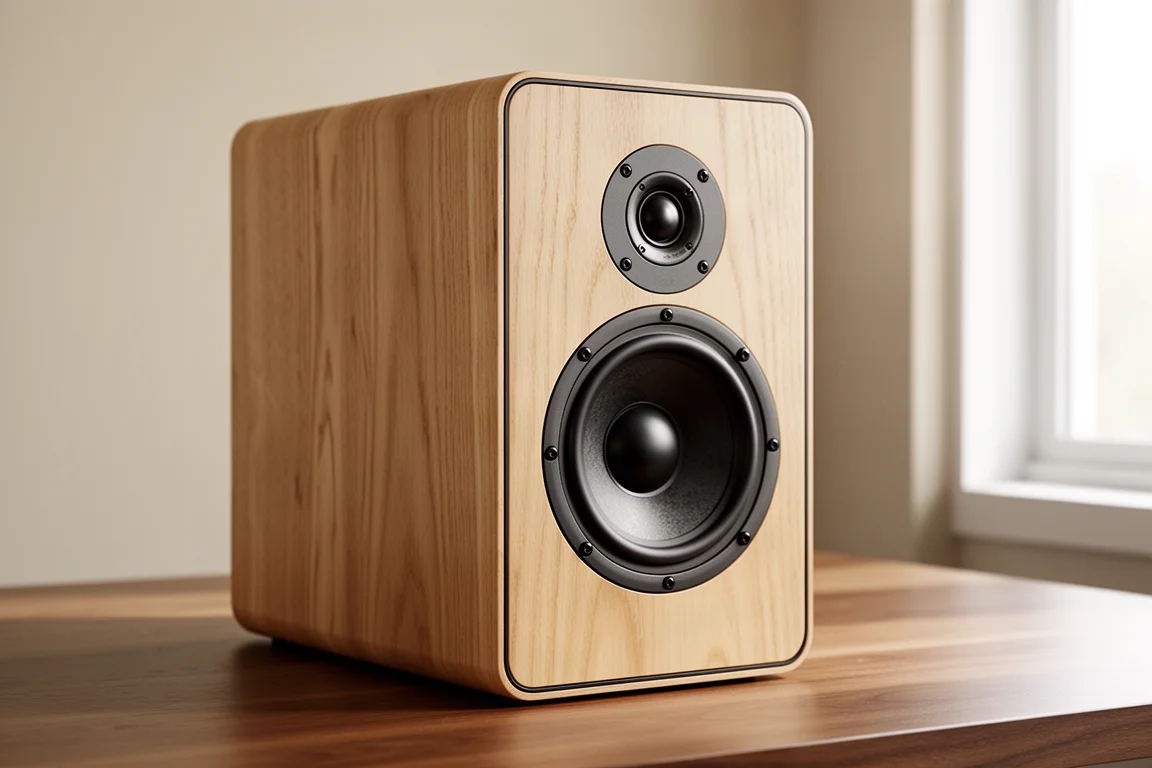
The Lumina II is a two-way stand-mount with an asking price of about $1,300 per pair. It nearly missed this list because so few examples reach the secondhand market. Then a round of holiday promotions arrived, and the speaker’s relative value fell by nearly 35%.
There are two mitigating factors. Used supply remains thin, and the model rarely goes on sale outside seasonal events. Prices now appear to be back to normal, with pairs commanding close to their full asking price.
3. Perlisten S4B
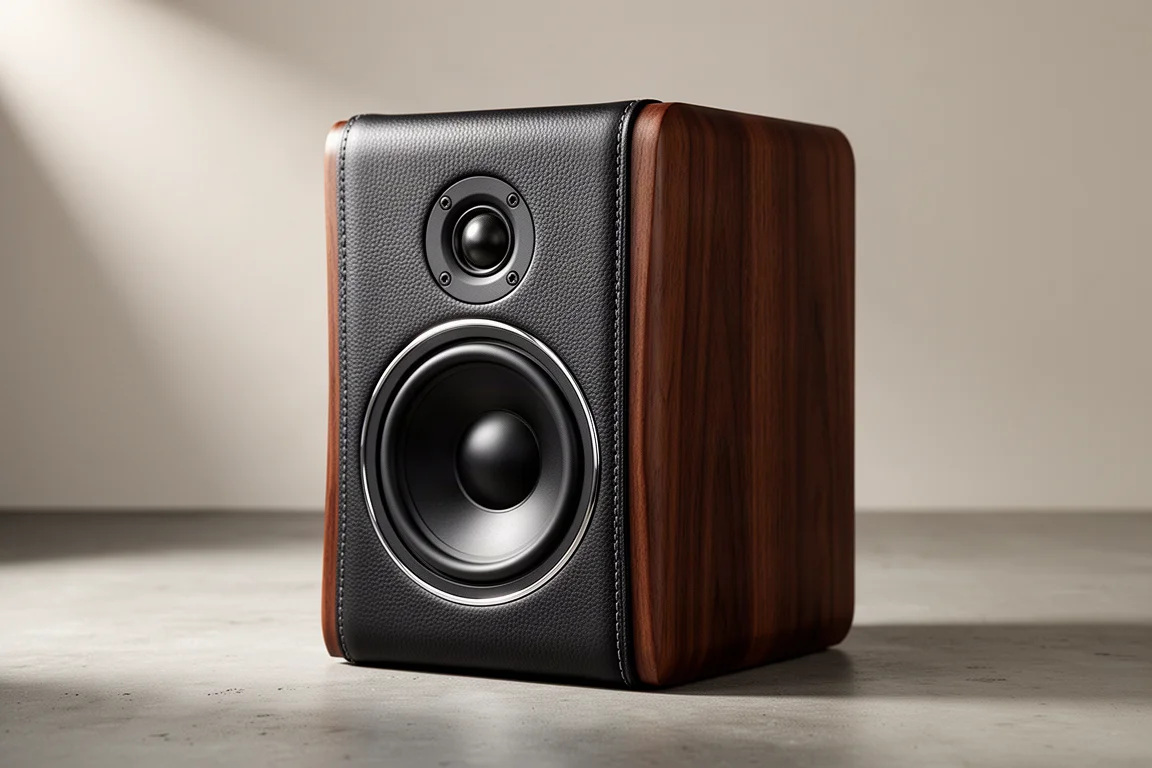
The S4B is a high-end stand-mount that has attracted a great deal of attention for its performance. The used market has been less kind. A like-new pair now averages around $6,100, which means the model has shed almost 40% of its value.
At this price point, that is one of the larger gaps between retail and resale on the list.
2. YG Acoustics Carmel 2
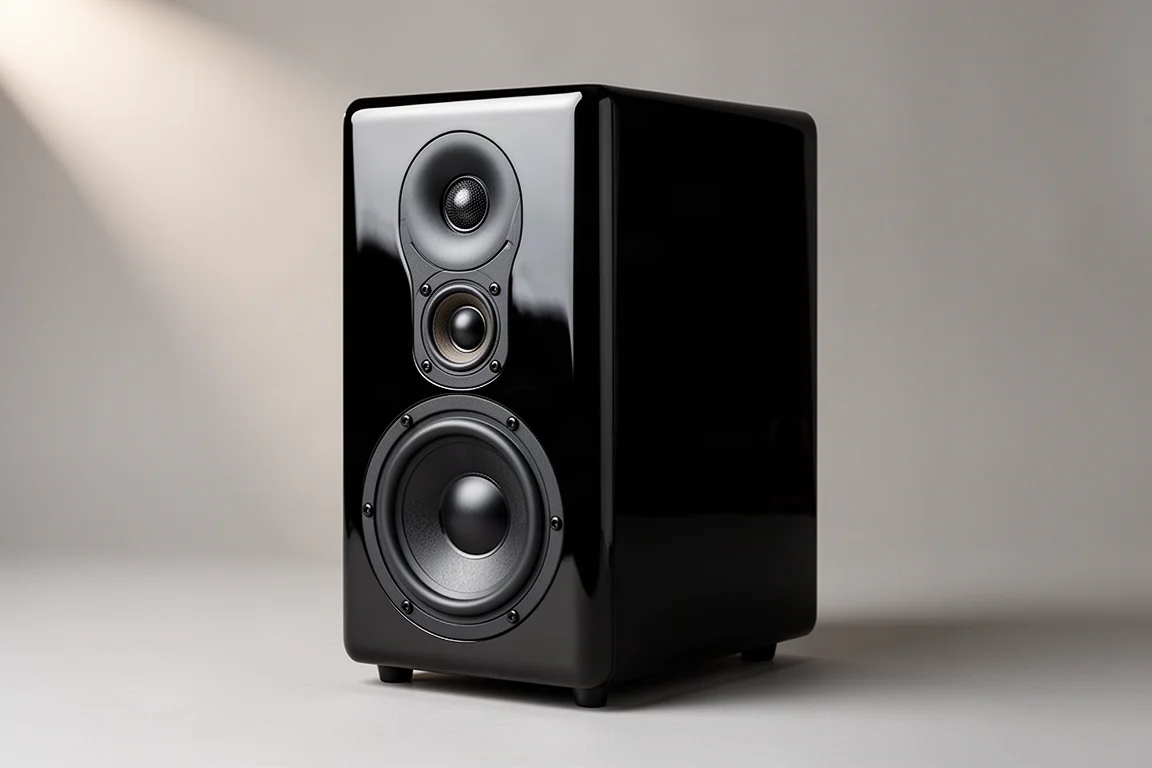
The Carmel 2 is a handmade tower priced at a little over $24,000 per pair, and it carries the steepest depreciation of any model here apart from the budget entry at number one. Annual depreciation runs as high as 43%, with average resale values just south of $14,000.
In practical terms, a buyer who sells within two years could face a loss of more than $10,000. That is the kind of figure worth weighing before committing to a premium speaker you might not keep.
1. Sony SS-CS5
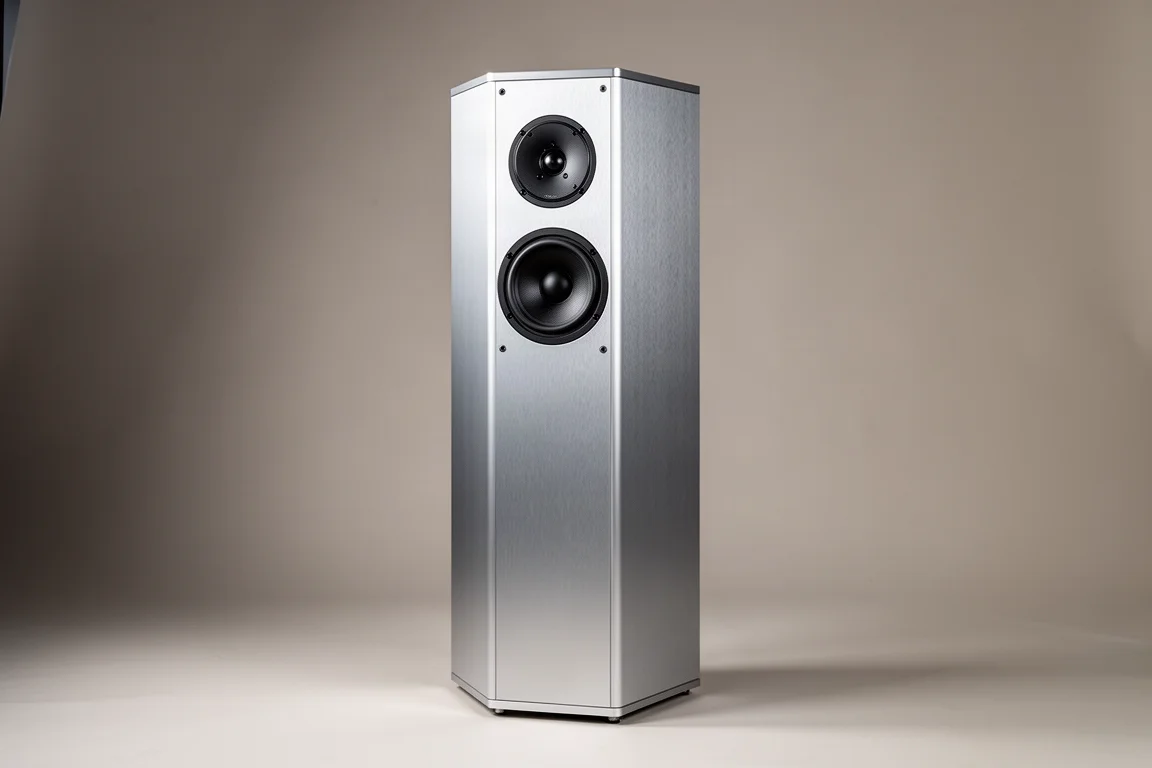
The SS-CS5 tops the list for a simple reason: it loses value faster than anything else here. The MSRP is just under $200 per pair, and the speaker is perpetually on sale, often for as little as $80. Even at those prices, the secondhand market is overloaded with like-new samples, some listed as low as $20.
Single-year depreciation runs over 50%. Anyone who paid retail and now needs to sell could recoup as little as 10 cents on the dollar, a decline of about 90% in one year. The model is also reported as one of the most returned loudspeakers on Amazon.
None of this makes it a bad first speaker. It is inexpensive, easy to find, and a low-risk way to explore the hobby. It is simply the clearest example of a product where buying used, or waiting for a sale, is almost always the smarter move.
Overall Buying Advice
The pattern across all ten models is consistent: speakers depreciate quickly, and the largest losses tend to land on buyers who pay full retail and then sell within a year or two.
A few habits help. If a model is frequently discounted, there is rarely a reason to pay list price, because open-box stock and seasonal sales usually deliver the same speaker for less. If you are comfortable buying used, the savings on several of these models are substantial, and like-new pairs with remaining warranty do appear. And if you intend to keep a speaker for many years, depreciation matters far less, because you are paying for listening time rather than for resale value.
Conclusion
Appearing on this list does not mean a speaker is bad, and it does not mean a purchase was a mistake. It means the model tends to lose value quickly, which matters most to buyers who sell early and least to buyers who keep their speakers for years.
For anyone shopping now, the practical takeaway is straightforward: check the open-box and used markets before paying retail, expect discounts on models that are frequently promoted, and treat resale value as one factor among many rather than the deciding one.
Further reading
Related Reviews
Hi-Fi Speakers
1723 THX Tower vs 1528 Bookshelf: Which Speaker Fits Your Room?
Two speakers at roughly the same price, built very differently. How the 1723 THX tower and the 1528 bookshelf compare on construction, bass, power needs, and sound.
Hi-Fi Speakers
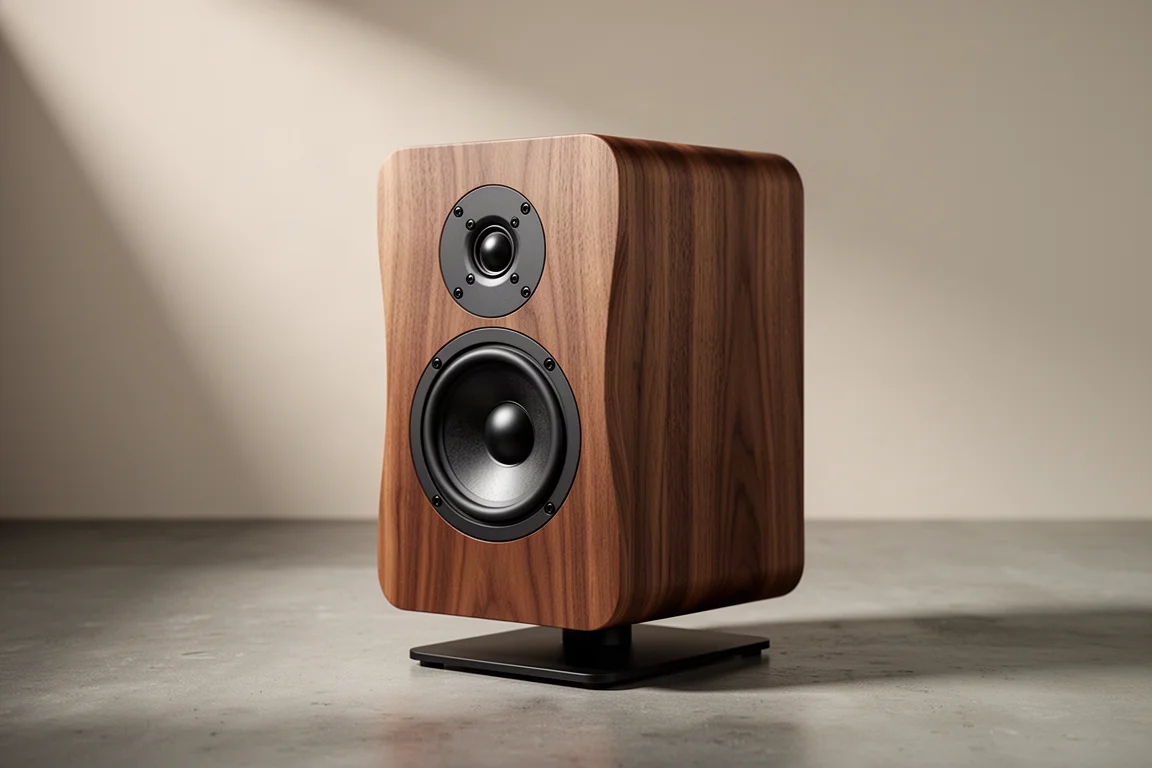
Acoustic Energy AE 300 Review: Deep Bass From a Compact Standmount
A two-way standmount with real wood veneer, surprising low-end weight, and a warm, easygoing character. Here is what to know before buying.
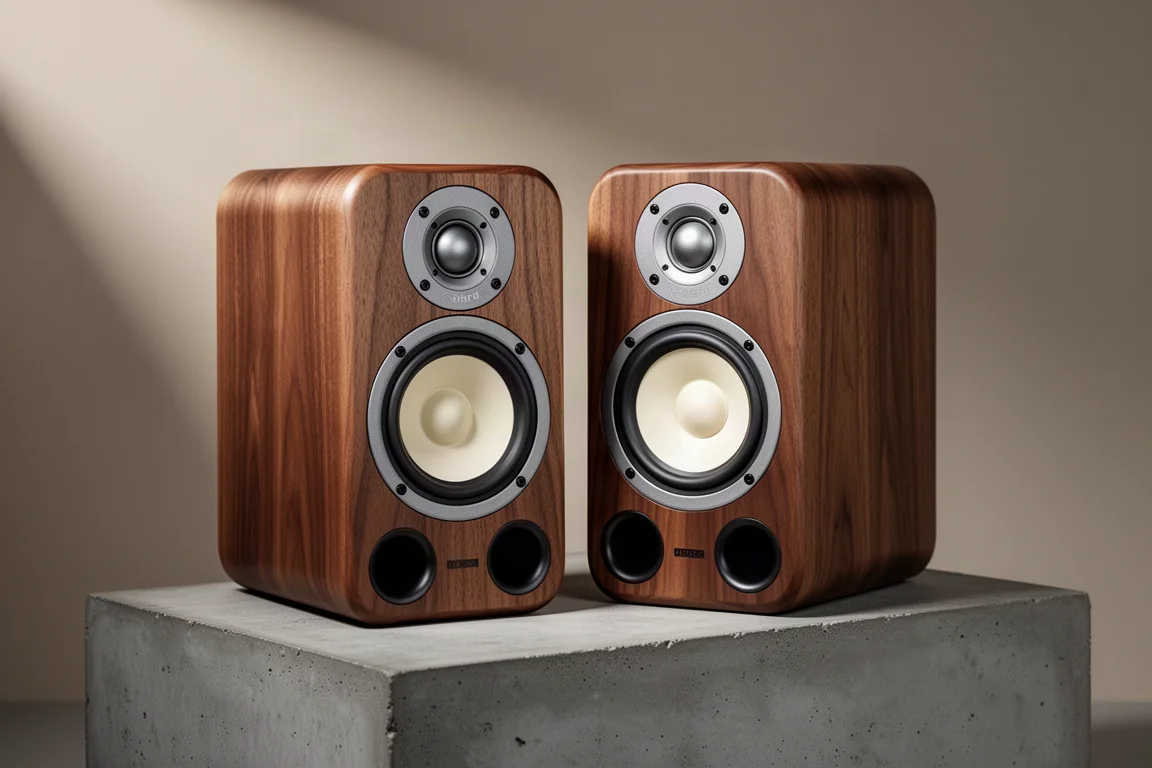
Hi-Fi Speakers
Acoustic Energy AE1 40th Anniversary Review: A Modern Take on a British Classic
A compact standmount that revives a 1980s favorite with all-new parts, a warm mid-centric balance, and a price of £1,499 per pair.