Hi-Fi Speakers
10 Speakers That Hold Their Value Best: A Secondhand Resale Guide
Ten loudspeakers that have retained a strong share of their retail price on the secondhand market, with the depreciation numbers behind each one.
Introduction
Loudspeaker shopping rarely feels like a financial decision, but resale performance says a great deal about a design. A speaker that holds its value tends to be one that people want to keep, that was built in sensible numbers, and that stays desirable long after its model year has passed.
The ten loudspeakers below have all retained a strong share of their original retail price on the secondhand market. Several have done it for more than a decade, and one has barely lost anything at all. None of them are budget products, but the depreciation maths is worth understanding at every price level. If a pair sells for $1,900 three years after a $2,400 purchase, the real cost of ownership works out to roughly $166 a year. That is a far more useful number than the sticker price alone.
How These Speakers Were Assessed
Supply explains most of what follows. Every model here is produced in limited quantities relative to mainstream consumer electronics, and several come from workshops that build in small batches. Magnepan still manufactures in Minnesota with a couple of dozen people, so a pair has to be waited for rather than picked off a shelf.
Scarcity matters more than prestige. When a speaker is made in the quantity the market can absorb, secondhand prices tend to hold up. When hundreds of thousands of units are in circulation, prices fall quickly, which is why so many mass-market speakers end up being treated as disposable.
Generational change is the other factor. A new model does not automatically sink the value of the one it replaces, and the Wilson Audio Sasha DAW further down this list is a good example of a successor arriving without wrecking prices for the older design.
The depreciation figures in this guide are drawn from average or median secondhand asking prices compared with original retail. Condition, warranty coverage, and finish all shift individual listings, so treat the percentages as a guide rather than a promise.
10. Magnepan MG1.7i
Magnepan is one of the most recognizable names in high fidelity, and the MG1.7i is the latest evolution of one of the brand’s most popular designs. It originally retailed at $2,400 a pair and now averages around $1,900 on the secondhand market, a decline of roughly 21 percent over three years. That works out to about $500 in total, or roughly $166 a year for anyone who bought a pair in 2021.
The model also arrives at a reflective moment for the brand, following the recent passing of Magnepan founder Jim Winey, whose work shaped the company’s reputation across decades of small-batch manufacturing.
9. KEF LS50 Meta
The LS50 Meta has only been on sale for a few years and has held up well in that time. A $1,500 retail pair now averages around $1,200 secondhand, a depreciation of roughly 19 percent. For listeners who want reference-calibre sound without an extreme outlay, that combination of performance and price stability is hard to argue with.
8. GoldenEar Triton Reference
GoldenEar’s Triton Reference sits at the top of the brand’s range. A new pair sells for just under $10,000, while secondhand examples command around $8,300, a depreciation of roughly 17 percent. Finding a used pair is the harder part, and that scarcity is itself a signal: owners tend to hold on to them rather than pass them along.
7. Klipsch Forte IV
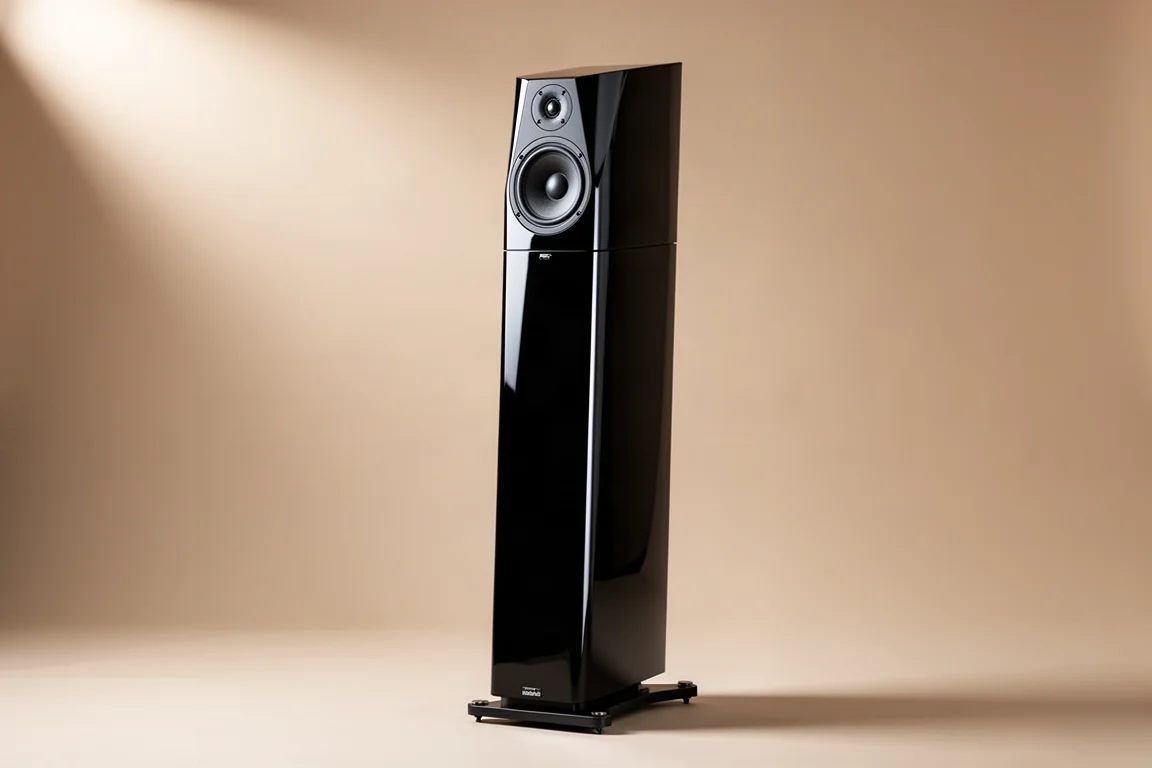
The Forte IV is widely regarded as the real sweet spot of the Klipsch Heritage line, sitting between the Heresy and the Cornwall. Its average depreciation is only about 11 percent, which makes the choice between Heritage models considerably easier for anyone weighing long-term cost against performance.
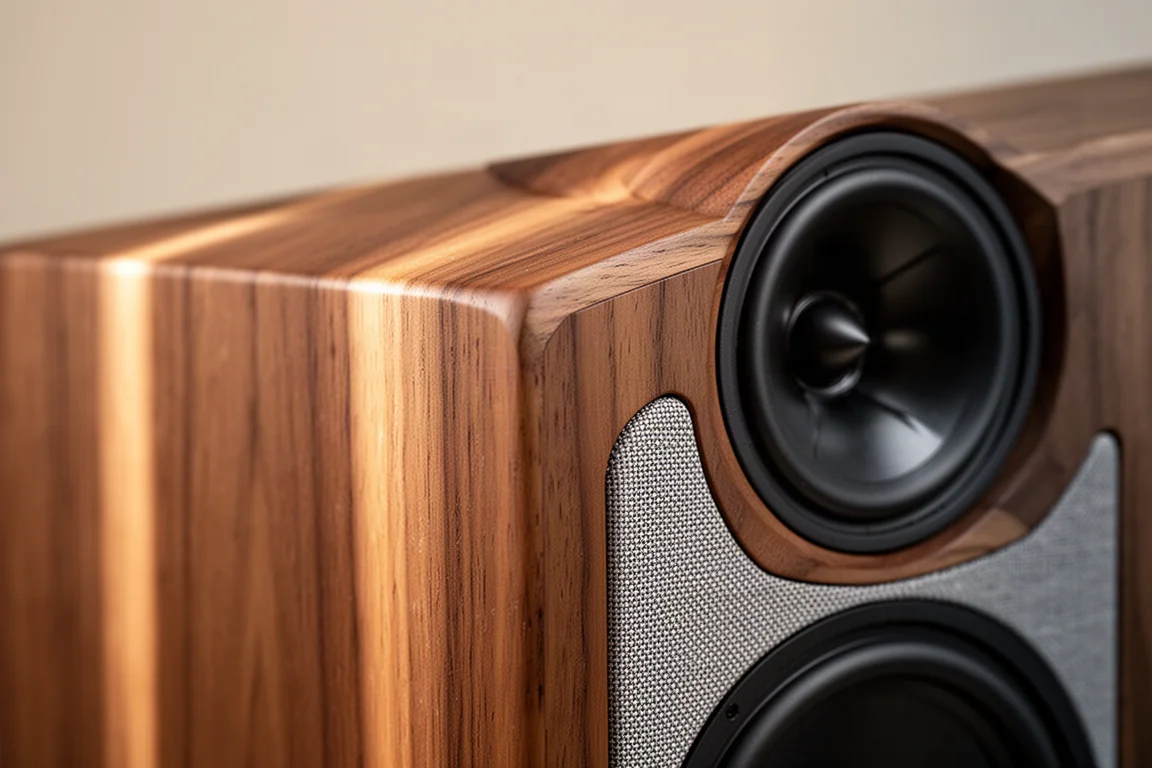
That stability reflects steady demand for the Forte IV’s heritage character rather than novelty appeal. It is also worth noting that resale strength varies across the wider Klipsch catalogue, so this model stands out clearly within its own family.
6. Wilson Audio Sabrina
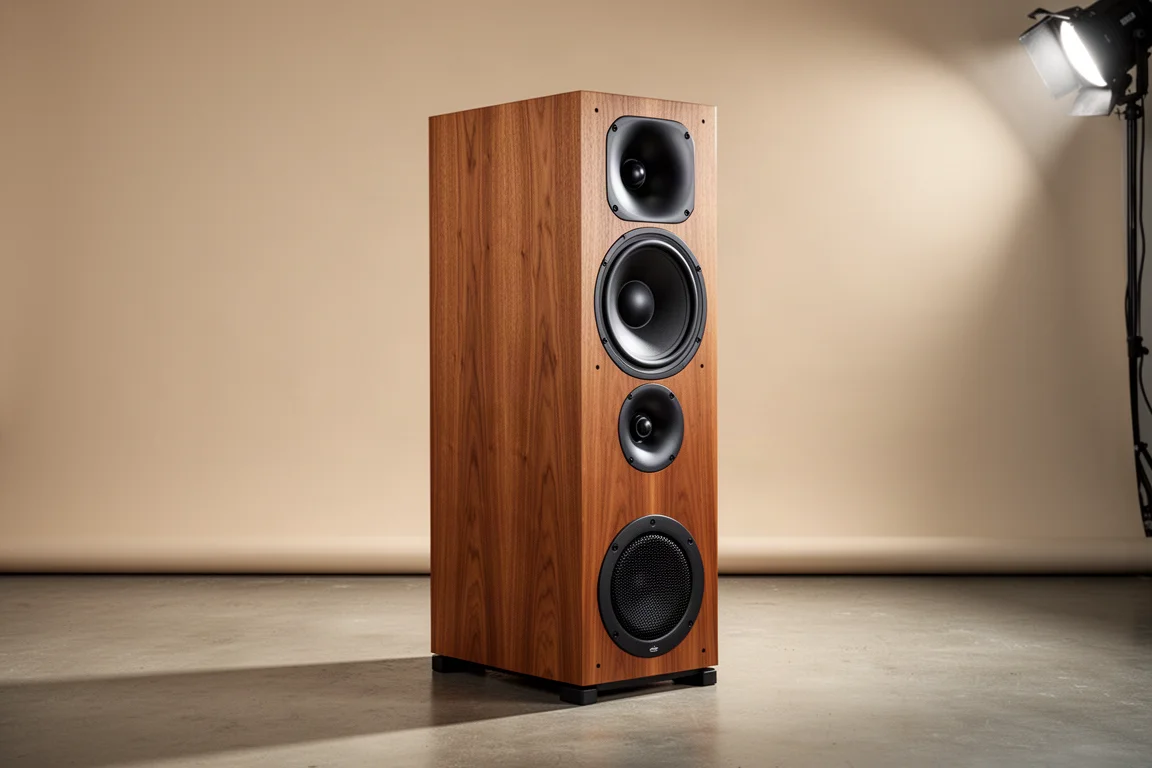
The Sabrina was the entry point into Wilson Audio’s range and remains a favourite among the more recent models. Production ended in 2020 to make way for the Sabrina X, yet the original has held its ground. It retailed at $15,900, and like-new pairs complete with warranty still average around $10,400. Four years after the last example left the factory, secondhand prices remain comfortably above $10,000, which places the Sabrina among the strongest value holders here.
5. Q Acoustics Concept 50
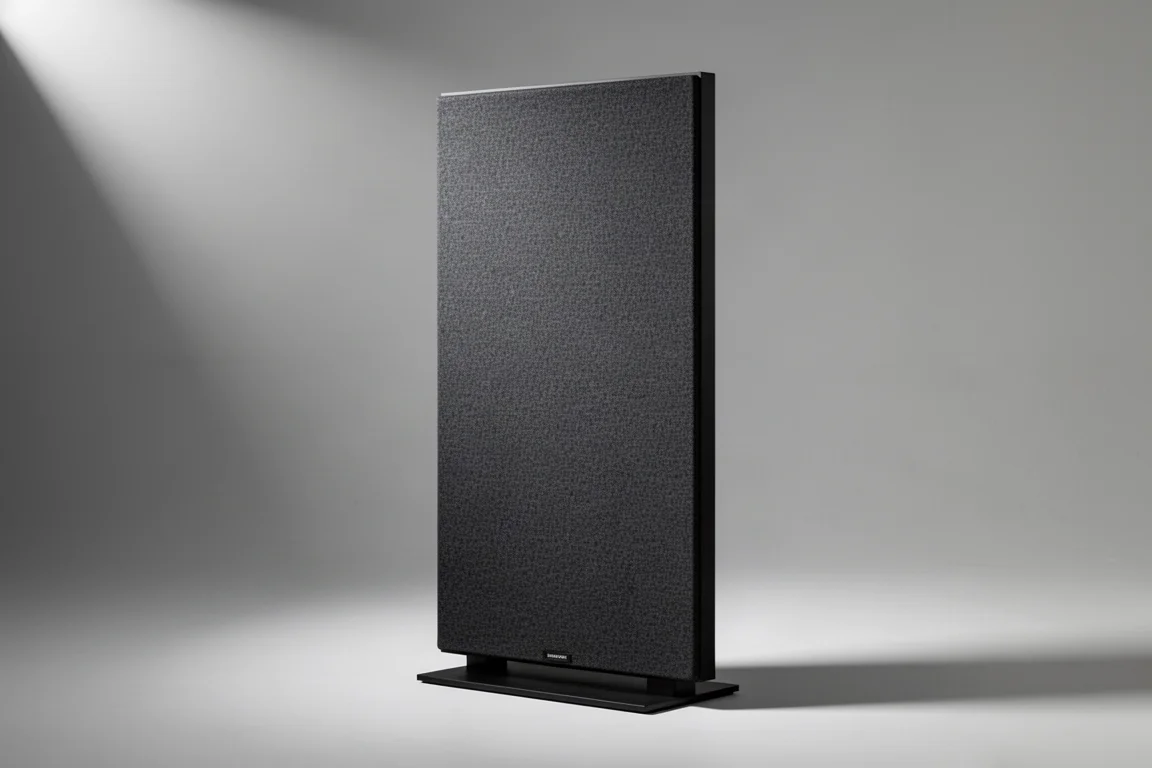
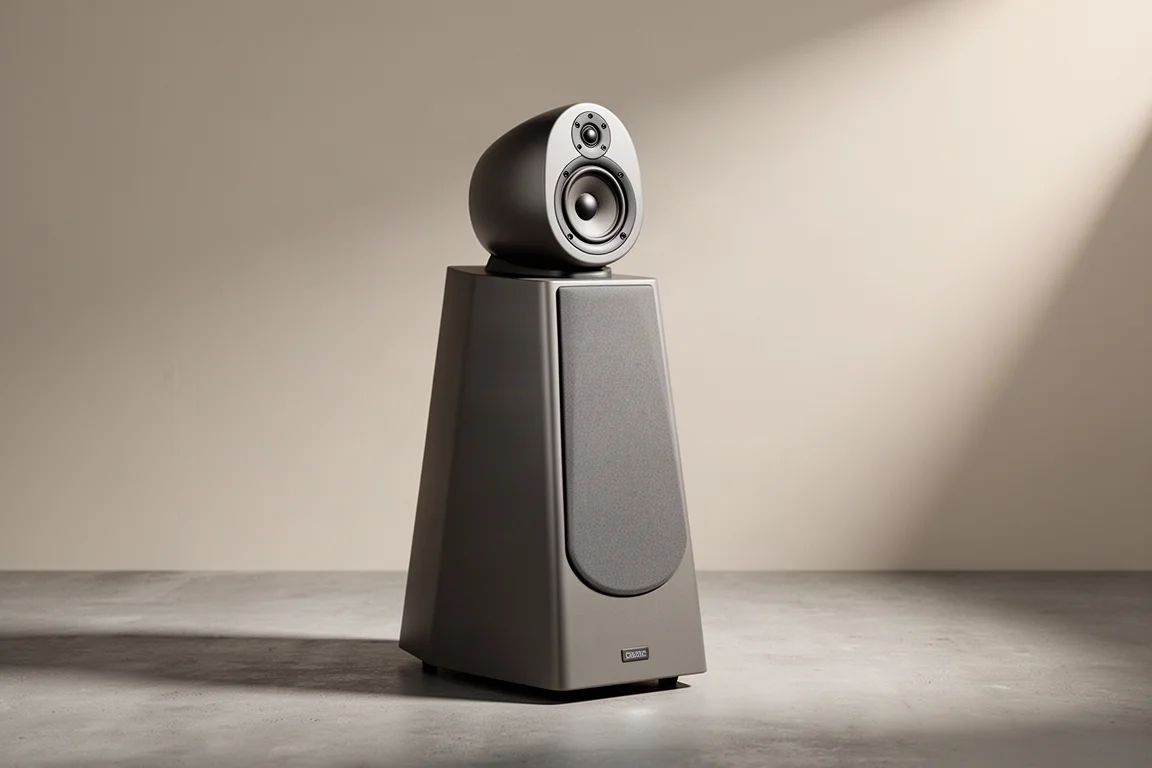
The Concept 50 tower is one of the more underrated loudspeakers in high fidelity, and the secondhand market agrees. There are not many listings to choose from, which is a good sign in itself, and the median asking price sits just under $2,800 a pair. Against where the model stood a year ago, that represents depreciation of only about 7 percent.
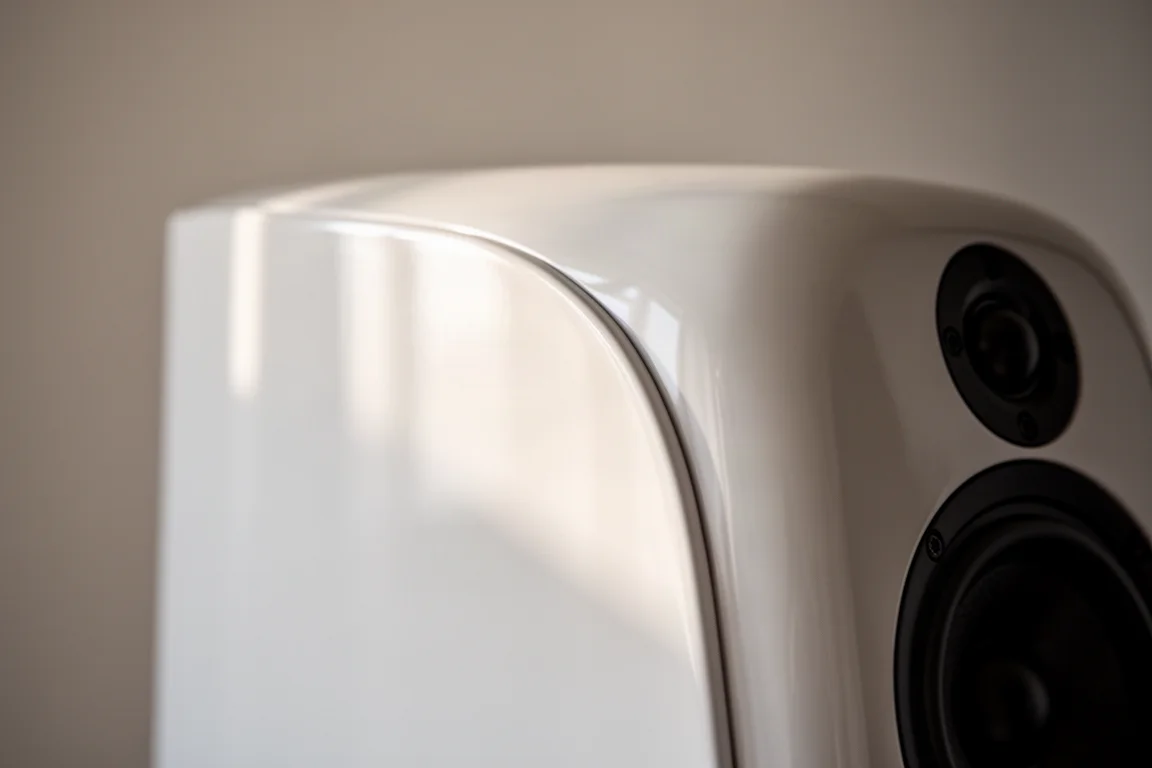
Limited supply cuts both ways: it protects values for owners, but it means a buyer may need to wait for the right pair to appear. For anyone who wants a slim tower with a refined finish and a shallow depreciation curve, that patience is usually rewarded.
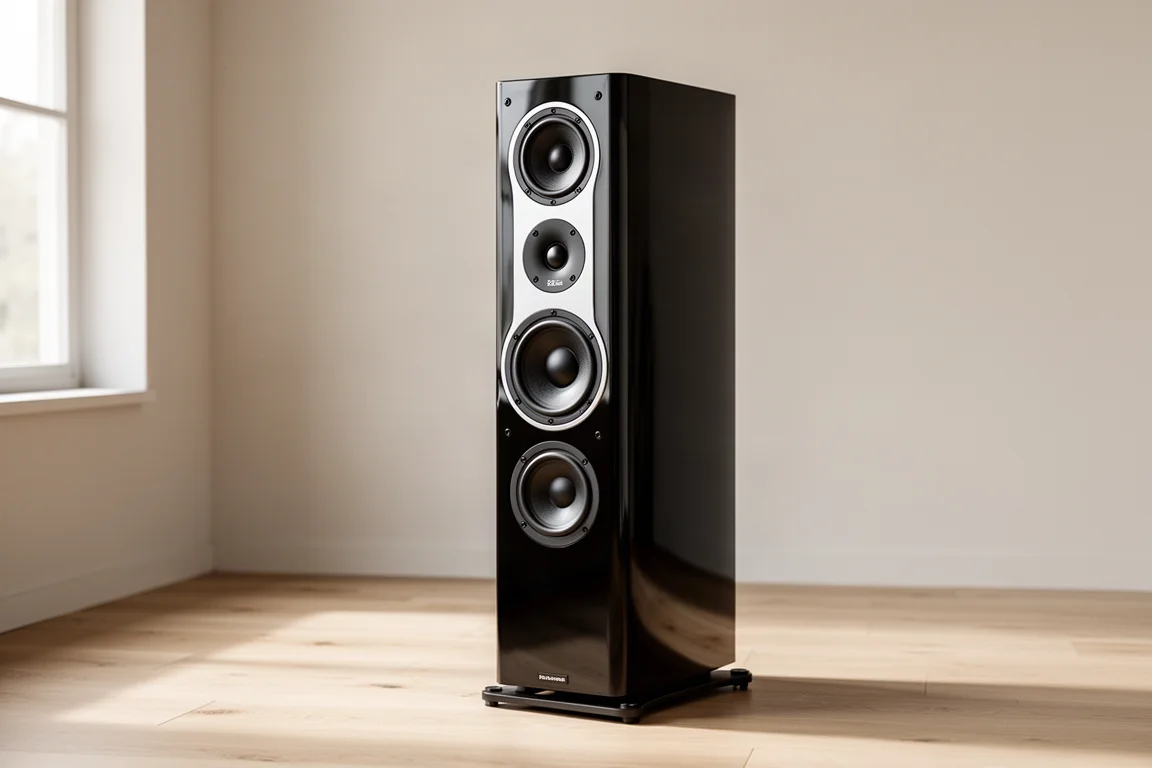
4. Wilson Audio Sasha DAW
The Sasha DAW originally retailed at a little under $38,000 a pair. A newer Sasha V now sits above it in the range, and conventional wisdom says a replacement drags the older model’s price down. It has not happened here. The DAW still changes hands for upwards of $30,000, a depreciation of only about 7 percent, which is remarkable for a speaker at this level.
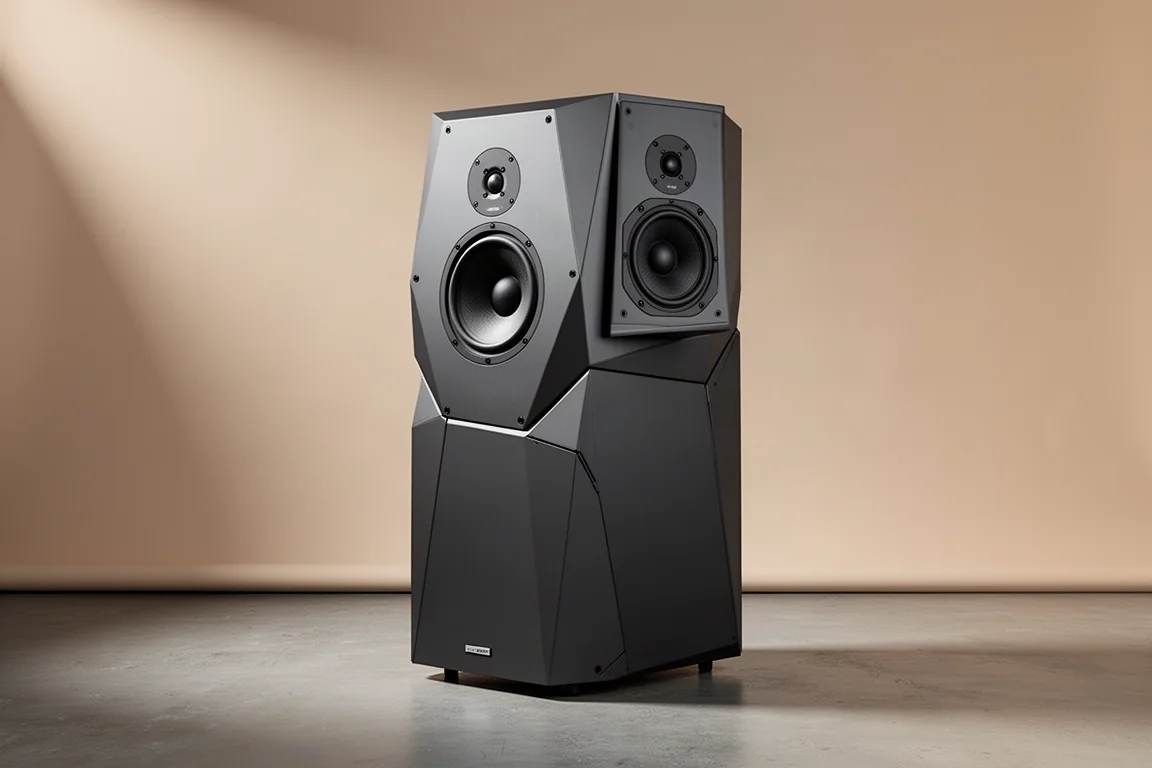
3. Focal Diablo Utopia Color Evo
The Diablo Utopia Color Evo is an expensive two-way standmount, originally retailing at around $16,000 a pair. New pairs now cost just under $21,000, while secondhand prices hover around $19,000. That is roughly 5 percent depreciation, and for anyone who bought three or four years ago there is a slim chance of selling at a small profit.
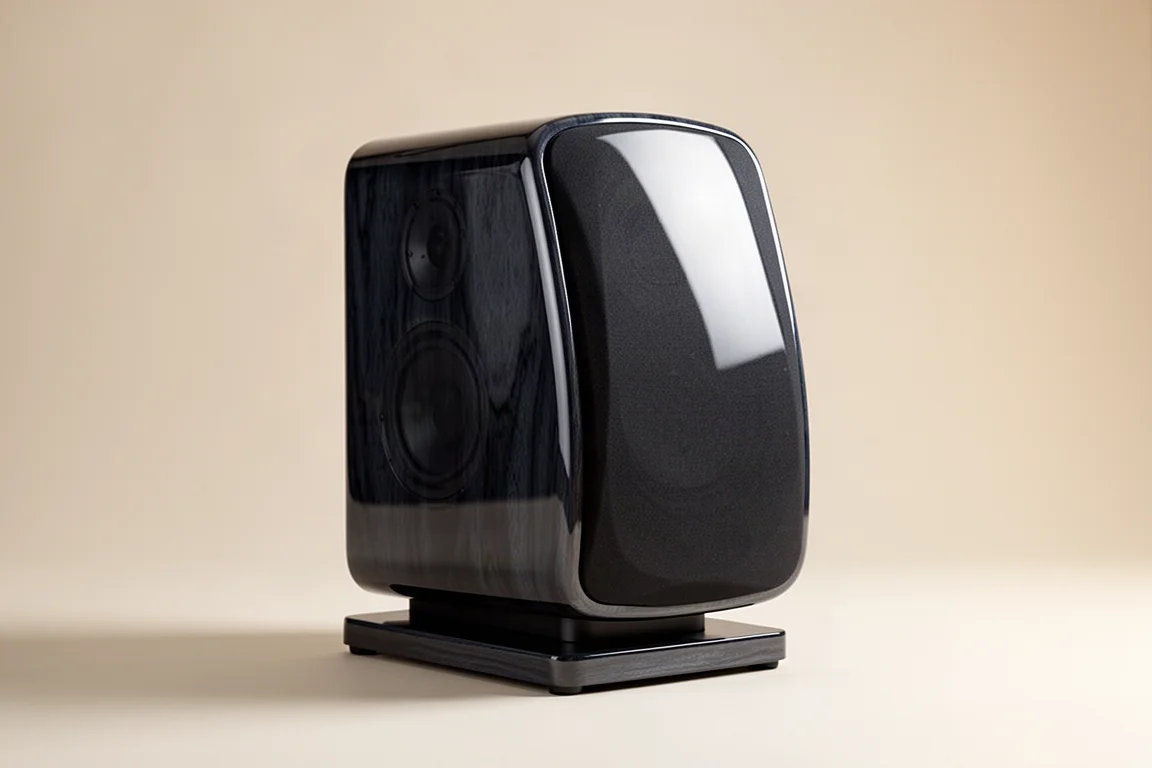
2. Bang & Olufsen Beolab 5
The Beolab 5 is a discontinued design that people tend to either love or dislike. The last pairs were manufactured in 2017, and the model originally retailed at close to $19,000. Well-used examples still sell for close to $15,000, which averages out to a little over 4 percent depreciation a year. Its rarer sibling, the Beolab 90, appears on the secondhand market so infrequently that comparable pricing is difficult to establish at all.
1. Wilson Audio WATT/Puppy 8
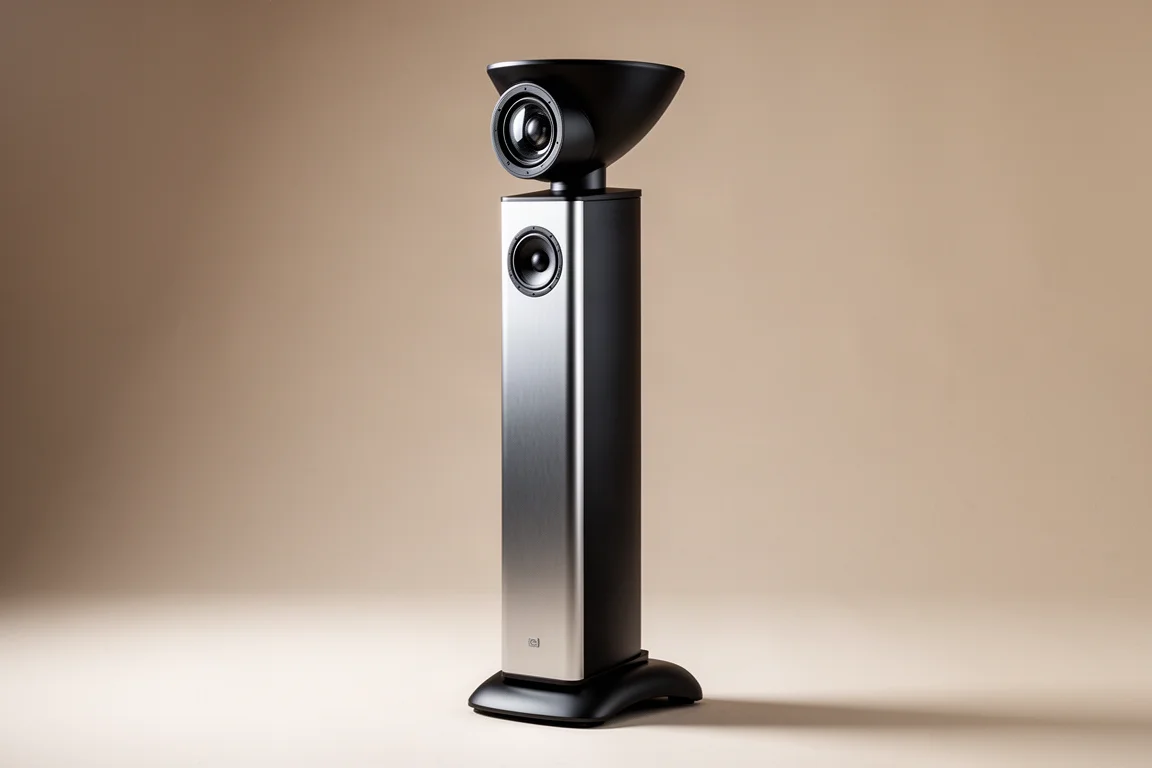
Taking the top spot is the eighth and final iteration of one of the most iconic loudspeaker series ever built, the Wilson Audio WATT/Puppy. In 2011, a pair cost over $27,000. Today, like-new examples sell for over $10,000. That sounds like a heavy loss until the timeline is considered: across 13 years, the average annual depreciation works out to roughly 4 percent. For a high-end speaker, that is exceptional, particularly when some designs lose double digits in a single year.
What to Check Before Buying Used
Secondhand value only helps if the pair you buy is in the right condition. Look for examples described as like-new, and where possible, ones that still carry a manufacturer warranty. That is the standard against which the strongest prices on this list were measured.
Availability is the other practical consideration. Several of these models rarely appear for sale, and a thin market can mean waiting weeks or months for the right pair. That is not a reason to compromise on condition or finish. Buy right and buy once, and the depreciation figures above become a genuine advantage rather than an abstract statistic.
It also helps to think about why a speaker holds value in the first place. Limited production, a long and respected design history, and steady demand from listeners who keep what they buy all point in the same direction. Those are reasonable things to weigh alongside sound quality when you are deciding where to spend.
Conclusion
The speakers on this list share a simple trait: they were made in numbers the market could absorb, and the people who own them tend not to sell. That combination has kept secondhand prices close to retail across models ranging from a $1,500 compact to a $38,000 floorstander.
Value retention is not a reason to buy a loudspeaker on its own, but it is a sensible factor to consider. If a pair costs you a few hundred dollars a year to own rather than several thousand, the decision becomes easier to justify, and the system in your room becomes easier to live with.
Further reading
Related Reviews
Hi-Fi Speakers
1723 THX Tower vs 1528 Bookshelf: Which Speaker Fits Your Room?
Two speakers at roughly the same price, built very differently. How the 1723 THX tower and the 1528 bookshelf compare on construction, bass, power needs, and sound.
Hi-Fi Speakers
Acoustic Energy AE 300 Review: Deep Bass From a Compact Standmount
A two-way standmount with real wood veneer, surprising low-end weight, and a warm, easygoing character. Here is what to know before buying.
Hi-Fi Speakers
Acoustic Energy AE1 40th Anniversary Review: A Modern Take on a British Classic
A compact standmount that revives a 1980s favorite with all-new parts, a warm mid-centric balance, and a price of £1,499 per pair.