Hi-Fi Speakers
Speaker Pricing Grades 2026: Which Brands Hold Steady and What to Buy Now
A brand by brand look at speaker pricing strategy, from deep but predictable discounts to genuinely stable pricing, plus the models worth buying during sale season.
Introduction
Sale season has arrived, and the speaker market is already filling up with discount banners. Some of those discounts are genuine opportunities. Others are simply the price a product sells for most of the year, dressed up with a crossed-out number that few buyers ever actually paid.
This guide looks at how several well-known speaker brands handle pricing, grades each one on that pricing strategy rather than on sound quality, and points out which speakers are genuinely worth buying right now. A brand can build an excellent speaker and still run a frustrating pricing playbook, and it helps to know the difference before you spend.
If you are shopping for a first serious pair of speakers, or adding to a system you already own, the goal is straightforward: pay a fair price for something you will keep, and avoid being the person who pays full list price a few weeks before a steep cut lands.
What Separates Fair Pricing From a Permanent Sale
Brands exist to make money, and there is nothing wrong with that. Designing, manufacturing, marketing, and supporting a speaker costs real money, and healthy margins keep those things going. The trouble starts when a product is described as being on sale while still carrying a comfortable margin, which usually means the regular price was set high enough to leave room for a permanent discount.
The practice is often described as blended margin: take a lower margin during promotional periods, take a higher margin the rest of the year, and the annual average still works out in the brand’s favour. From a customer’s point of view, the uncomfortable part is what happens to the person who bought at list price. Their speaker does not become worse, but its resale value drops immediately, and there is no realistic way to recover the difference.
A fairer approach is to settle on one honest price and leave it alone. Very few brands do that consistently, but the ones that do tend to earn loyalty. The grades below reflect how stable, predictable, and honest each brand’s pricing looks.
KEF Q150
KEF builds two of its most affordable speakers in the Q150 and the larger Q350, and both are discounted heavily at the moment. The Q150 is regularly listed at around $600 and has recently been selling for roughly $300, which is close to half off. The Q350 follows a similar pattern. Neither model is discontinued and neither is sitting in a warehouse as overstock, which makes the regular price look inflated rather than the sale price look generous.
That is why KEF earns an F for pricing strategy, even though the speakers themselves have a strong reputation. Anyone who paid close to list price has watched the value of that purchase fall by hundreds of dollars within a single promotional cycle. The LS50 Meta is also discounted, though far less aggressively, and its pricing looks considerably more defensible.
For buyers who have been waiting for a Q150, the current discount is real money off a well-regarded compact speaker, and that is worth acknowledging.
Klipsch RP-600M Mark II
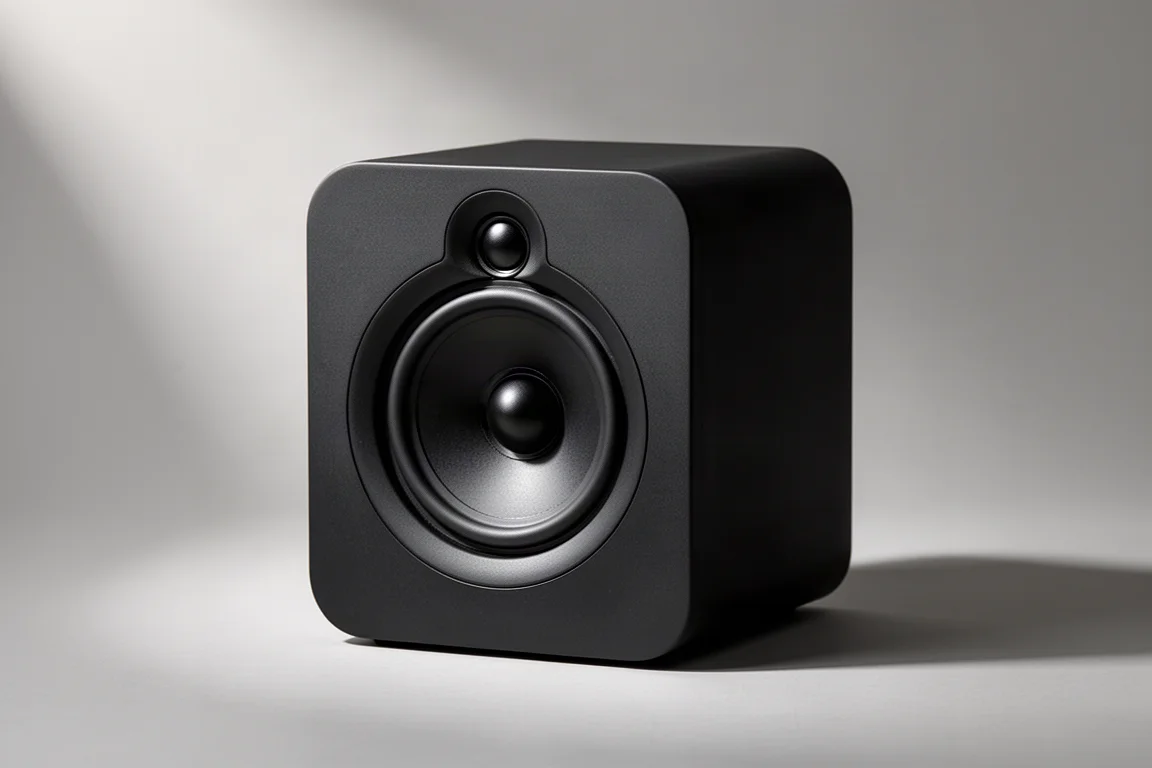
The RP-600M Mark II is a newer speaker that launched at $750 and has recently been selling for about $450. That is a steep cut for a product that has only been on the market a few months, and it is harder to justify than a discount on a model that has been around for years. Nothing about this speaker is discontinued or overstocked.
Klipsch also earns an F for pricing strategy. Early buyers who paid $750 on release have seen the street price fall by $300, and the used market for that model now sits below the current sale price. As with KEF, the discount itself is genuine value for anyone buying today, but the pattern makes it hard to trust the launch price of whatever comes next.
If the RP-600M Mark II has been on your shortlist, the current price is far more attractive than the original one.
Sony SSCS5
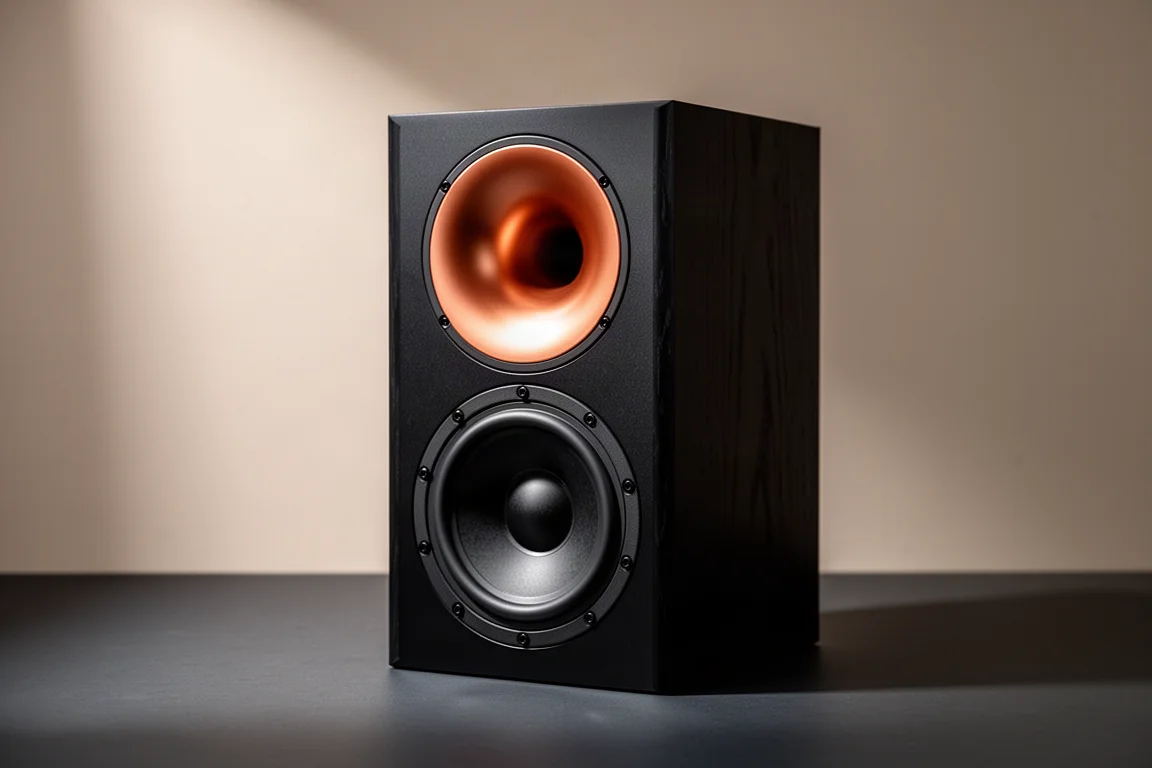
The SSCS5 has long been one of the most recommended budget bookshelf speakers, partly because it used to bounce between roughly $150, $125, and $80. That made it an easy recommendation for a first system. The picture has changed. The quoted retail price has moved above $200 for the first time, and the middle price of about $150 now looks like the everyday price rather than a discount.
Supply chain pressure has eased across the industry, so the higher list price is difficult to explain on those grounds. Sony earns a D for pricing strategy. The SSCS5 is still a capable small speaker, but at around $150 it no longer stands out the way it did when it could be found near $80.
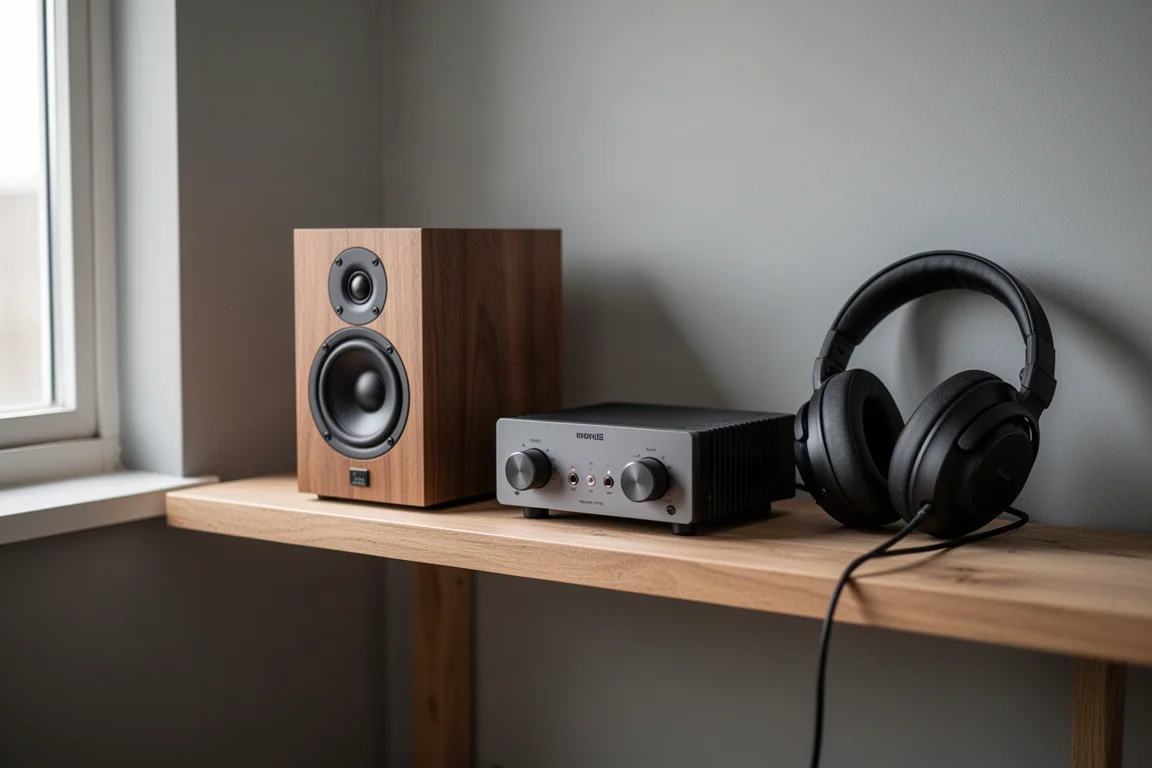
Competing budget options with steadier pricing now make a stronger case, and buyers who remember the older prices may want to look at those first. Occasional discounts around major sale events may still appear, but they are no longer something to count on.
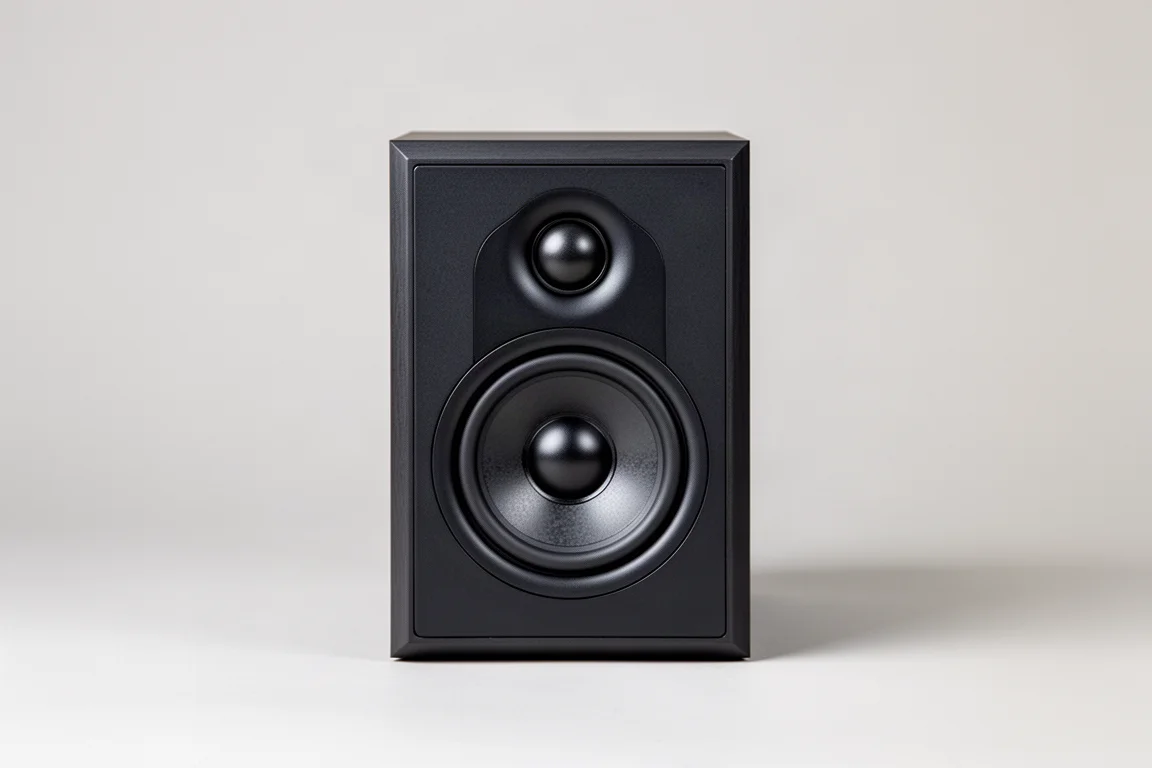
Polk Reserve
Polk is one of the few brands whose step-up Reserve series is worth buying at its regular price. The discounts are real, but they are less aggressive than what KEF or Klipsch run, and Reserve models hold their value reasonably well. The Reserve series has just come off sale, which means the next promotional window is likely to arrive later in the month, so waiting a little can pay off.
The company does rotate promotions across its lines. When the Reserve series sits at full price, the more affordable XT series often carries a hefty discount, and the ES series tends to stay outside the rotation. Polk earns a C for pricing strategy: the games are still there, but they are less dramatic and less damaging than the worst examples.
If a Reserve speaker is on your list, the sensible move is to wait for the next sale window rather than buy today.
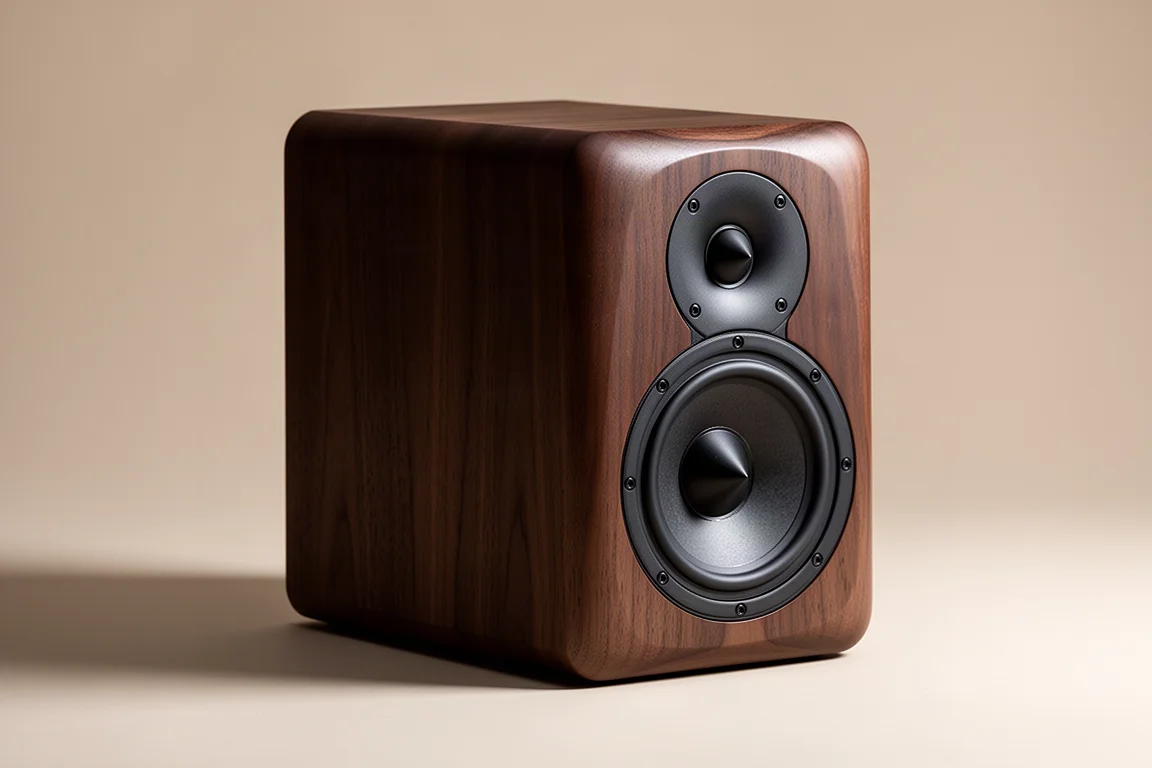
ELAC Debut B5.2
ELAC sits in much the same middle ground as Polk. Its higher lines, the Uni-Fi 2.0 and the Debut Reference, have settled into a fairly stable range of roughly $475 to $600, and both are often available below $600. Those two are reasonable purchases at almost any time.
The entry-level Debut models are a different story. The B5.2 and the larger B6.2 move up and down, and the B6.2 tends to receive the deepest cuts. Neither is worth buying at list price, so it pays to wait for a promotion. Between the two, the B5.2 is the cheaper option and the one that sounds better in a direct comparison, though it does not go on sale as often as its larger sibling.
ELAC earns a C for pricing strategy. If you are set on a Debut speaker, hold off until a discount appears rather than paying full price.
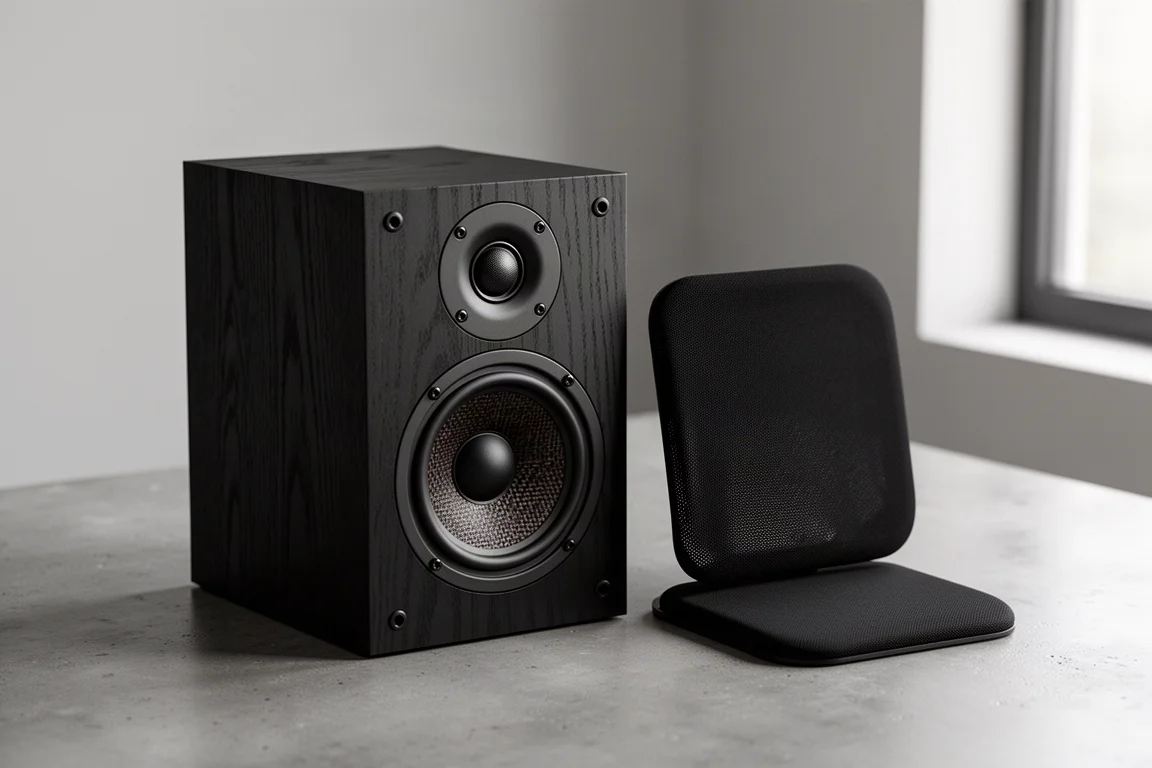
Yamaha S803
Yamaha’s pricing has become notably stable, and current prices sit well below the original list prices rather than swinging up and down. The concert series has held steady for a year or more, and those prices now function as the everyday price rather than a temporary sale. Dropping the old list price officially would make the situation clearer, but the value is there either way.
The S Series is a little less settled, though far calmer than it once was. The S803 bookshelf speaker, with its 5.25-inch woofer, has been seen as low as $100. That makes it a strong candidate for a first system, a second room, or a gift for a family member who wants to get into the hobby without spending much.
Yamaha earns a B for pricing strategy, with the caveat that a return to the old list prices would change that grade immediately.
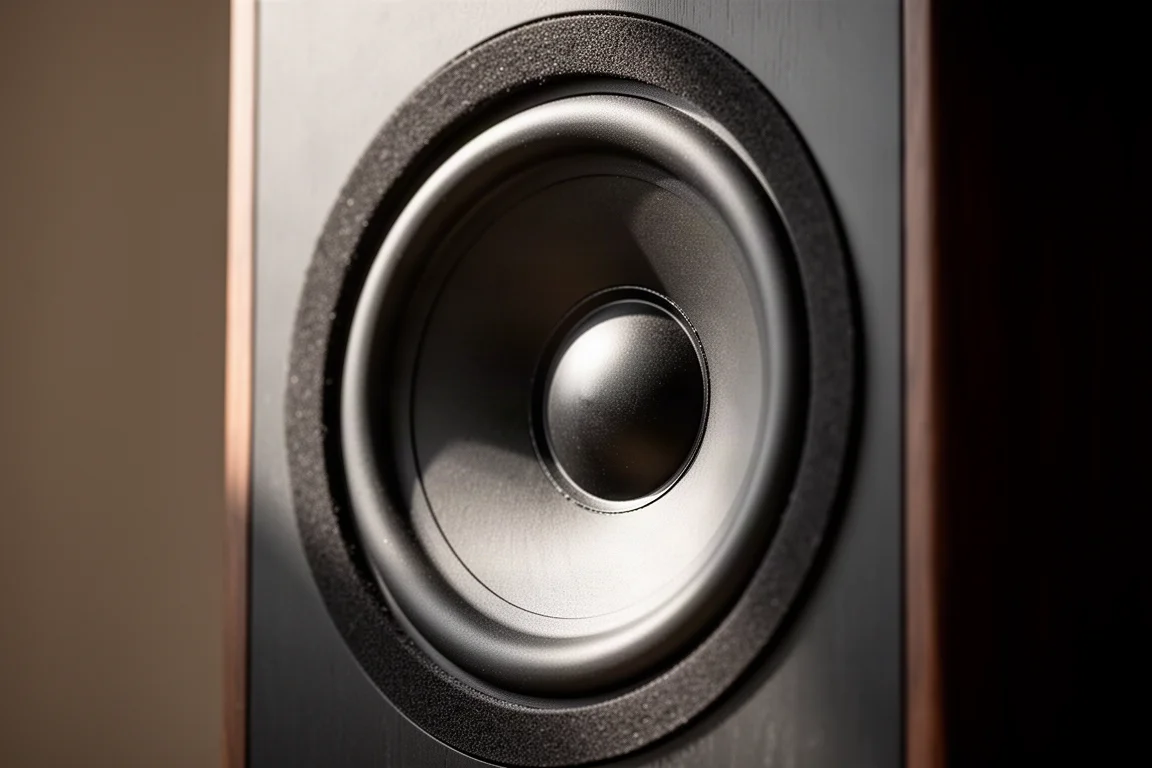
At around $100, the S803 is one of the more sensible entry points in the current market, even if it is not the strongest performer in its price class.
Wharfedale Denton 80th Anniversary
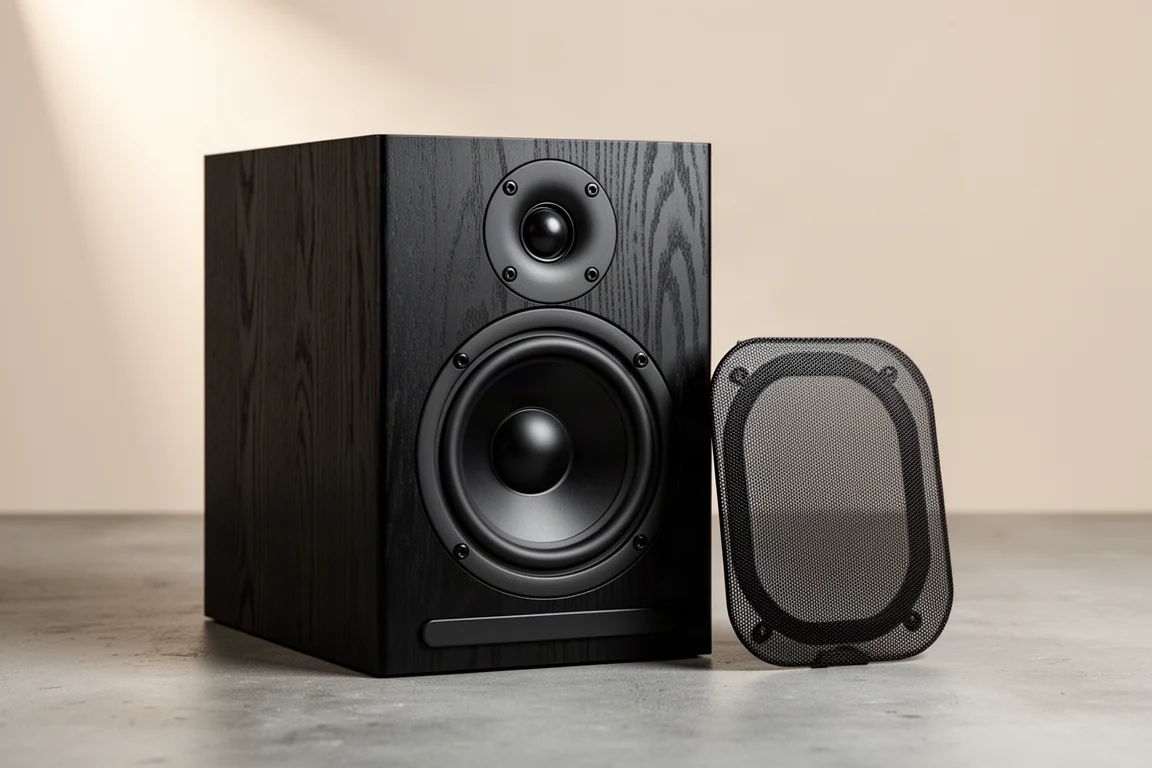
Wharfedale rarely discounts anything. When a product is reduced, it is usually because it has genuinely been discontinued and stock is running out, which is a real sale by any reasonable definition. The Denton 80th Anniversary recently dropped to about $500, and that kind of promotion is uncommon for the brand.
Pricing is very stable otherwise, which earns Wharfedale an A for pricing strategy. The one persistent frustration is regional: Wharfedale speakers cost noticeably more in the United States than in Europe, and import costs explain only part of the gap. Buyers in the US should factor that in before deciding.
For anyone who wants the Denton 80th Anniversary, the recent $500 price is worth acting on if it returns.
SVS Ultra
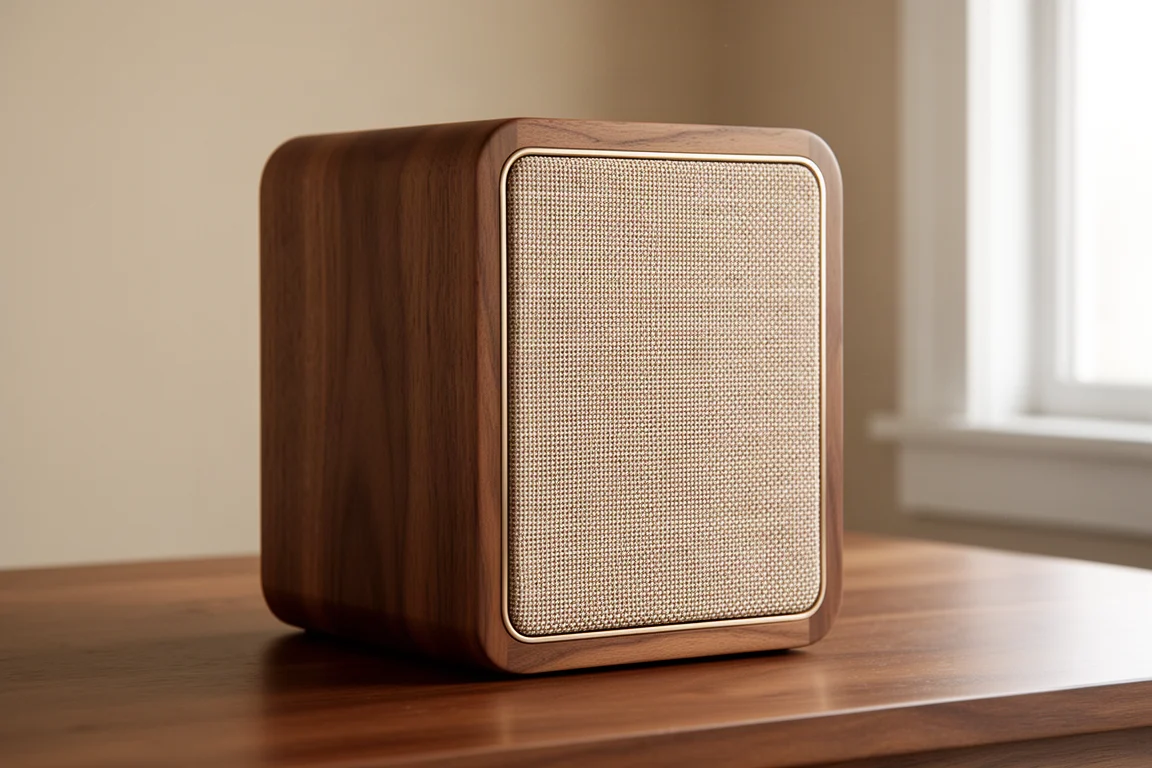
SVS is the clearest example of straightforward pricing. The price is the price, and there is no inflated list price waiting to be crossed out. If you buy an Ultra speaker, you are paying roughly what it is worth, and the same amount everyone else pays. There is no rotating promotional calendar to work around.
Occasionally an open box, scratch and dent, or refurbished unit appears at a lower price, but those are exceptions rather than a strategy. SVS earns an A for pricing strategy, and its products stand on their own merits at their regular prices.
If you are comparing an Ultra against a heavily discounted competitor, it is worth remembering that the SVS price is unlikely to fall further.
Emotiva T1+
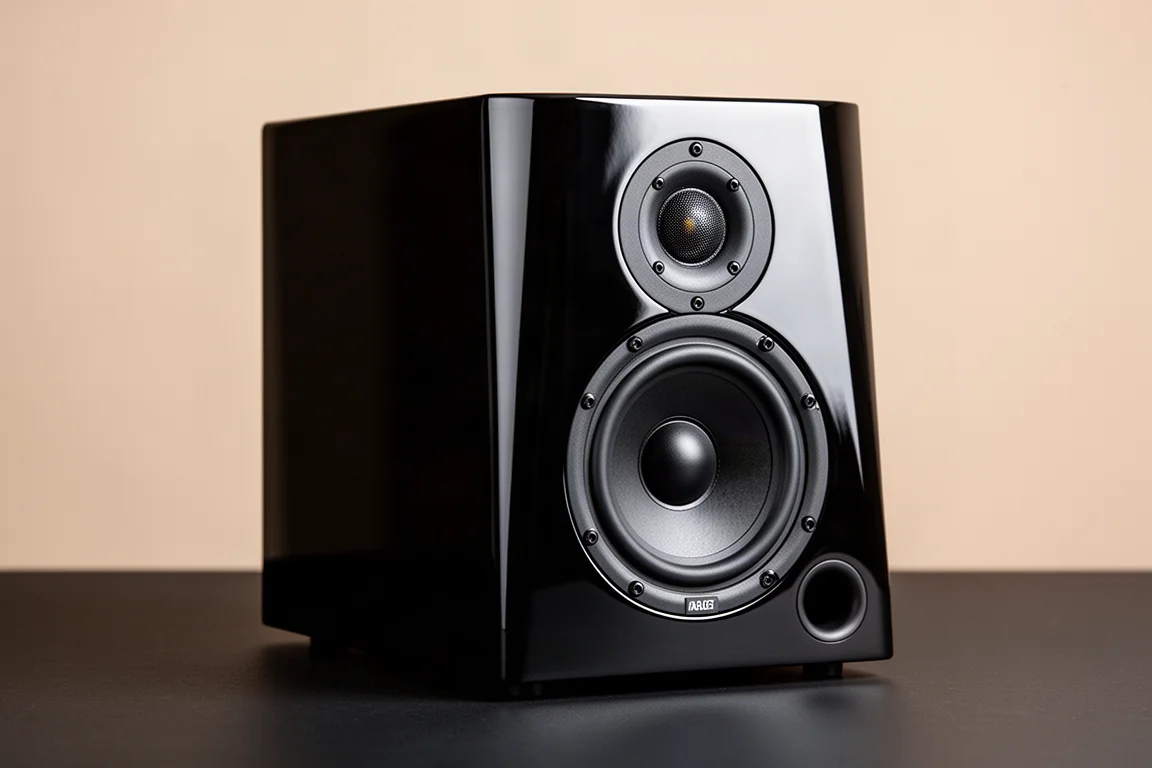
Emotiva follows a similar philosophy. Prices do not rise and fall with the promotional calendar, and the T1+ is not discounted as a product. Open box and refurbished units show up rarely. The main program is EmotivaBucks, which returns credit when you buy, so building a full home theater system in stages can effectively reduce the overall cost.
That approach keeps the brand’s pricing credible and avoids the resale value collapse that follows a steep, sudden discount. Emotiva earns an A for pricing strategy.
For buyers assembling a larger system, the credit program is worth planning around rather than treating the T1+ as a product that will eventually be marked down.
How to Buy Smart During Sale Season
The practical takeaway is to know the real street price of anything you are considering before a sale banner convinces you. A discount is only meaningful if the original number was a price people actually paid.
A few habits help. Buy from brands with stable pricing whenever you are ready, since waiting rarely saves money there. For brands that rotate promotions, watch which line is discounted this month and which one is not, because the roles tend to switch. Entry-level models from ELAC are best bought on promotion, and the Polk Reserve series is worth waiting for until the next window opens later in the month.
If you specifically want a KEF Q150, a KEF Q350, or a Klipsch RP-600M Mark II, the current discounts are the moment to buy, even though the pricing strategy behind them deserves criticism. Waiting for a better price on those models is unlikely to help.
Conclusion
Speaker pricing is a strategy, not a fact of nature. Some brands set a price and stand behind it, while others build a permanent discount into the list price and let customers absorb the difference. Knowing which is which makes it far easier to buy well and far harder to be disappointed a month later.
Right now the strongest combination of value and timing sits with the heavily discounted models from KEF and Klipsch, the steady value options from Yamaha, and the stable pricing of Wharfedale, SVS, and Emotiva. Polk and ELAC sit in the middle: worth buying, but worth timing carefully. Match the purchase to the price behaviour of the brand, and the money you spend will hold up better over time.
Further reading
Related Reviews
Hi-Fi Speakers
1723 THX Tower vs 1528 Bookshelf: Which Speaker Fits Your Room?
Two speakers at roughly the same price, built very differently. How the 1723 THX tower and the 1528 bookshelf compare on construction, bass, power needs, and sound.
Hi-Fi Speakers
Acoustic Energy AE 300 Review: Deep Bass From a Compact Standmount
A two-way standmount with real wood veneer, surprising low-end weight, and a warm, easygoing character. Here is what to know before buying.
Hi-Fi Speakers
Acoustic Energy AE1 40th Anniversary Review: A Modern Take on a British Classic
A compact standmount that revives a 1980s favorite with all-new parts, a warm mid-centric balance, and a price of £1,499 per pair.