Bookshelf Speakers
Speaker Collection Guide: Nine Bookshelf Speakers Worth Owning at Three Price Points
Nine compact bookshelf speakers worth collecting across three price points, with the strengths, trade-offs and pricing patterns to know before buying.
Introduction
Most people build one system around one pair of speakers and stop there. That works, but it leaves out one of the more enjoyable parts of the hobby.
Sound preference is subjective. Some listeners want a lively speaker with a lift at the top, others want a more rolled-off response with a richer mid-range. Neither is wrong. What matters is that a second pair with a genuinely different flavor resets your ears. Music you know inside out starts showing you details the first pair never emphasized.
The practical version of that idea is simple: two well-chosen pairs at around $500 each can be more rewarding than one $1,000 pair, because they give you two different listening experiences instead of one.
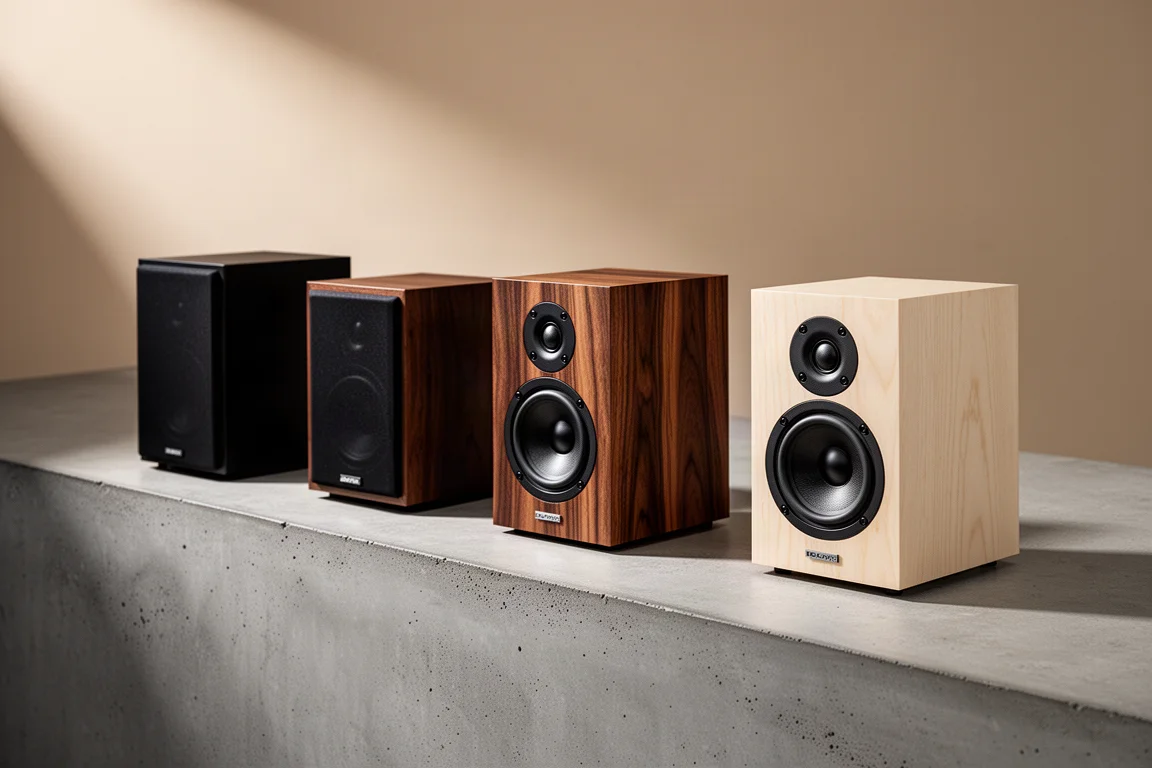
The nine speakers below are grouped by price point: under $300, around $500, and around $1,000. All of them are compact enough for an apartment, a desk, or a closet shelf when they are not in use.
How to Think About Building a Speaker Collection
Collect for contrast rather than redundancy. A warm, rolled-off speaker and a lively, energetic speaker in the same room teach you more about your music than two speakers with similar voicing. If both pairs sound the same, swapping them achieves very little.
Price is the other thing to plan around. Several brands in this category float their pricing between roughly three levels rather than holding a fixed list price, which is why the same speaker appears to be on sale so often. Sony, ELAC, Polk and Klipsch all work this way. The listed price is rarely the price you pay, so the sensible approach is to decide which speaker you want and then wait for it to land at the bottom of its range.
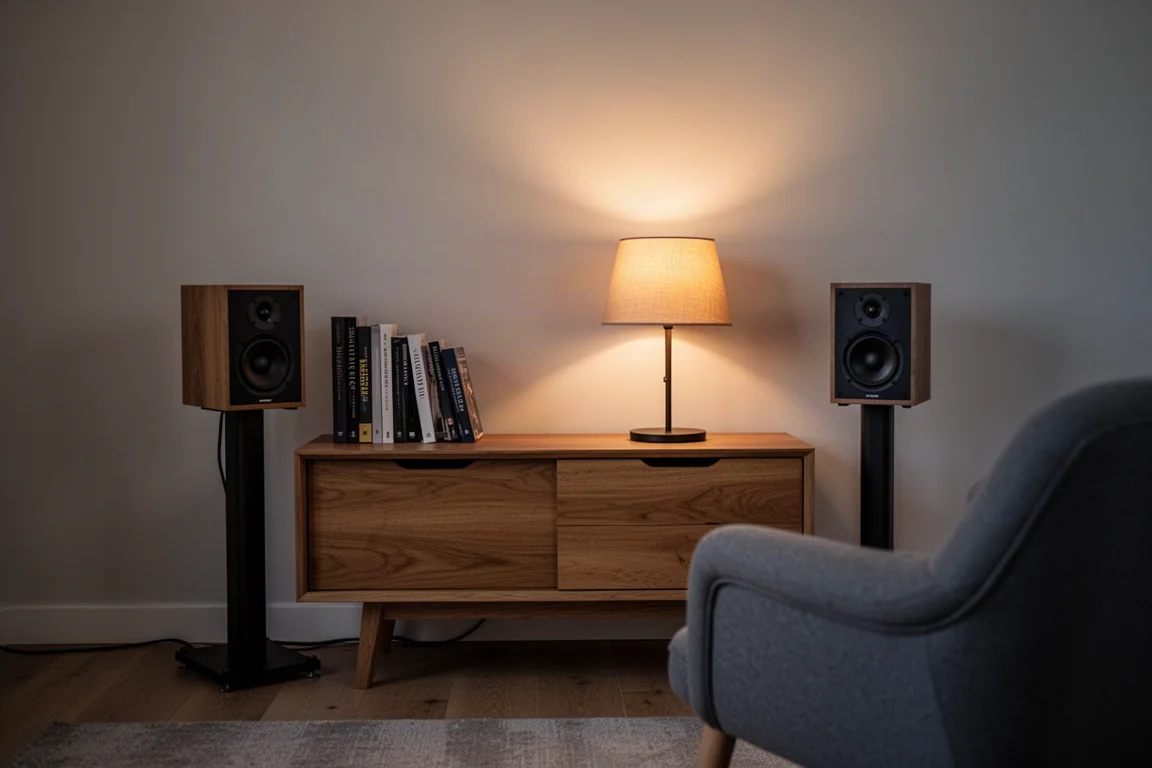
Size is rarely a problem. Most speakers at these price points are small, so there is usually room for a second pair somewhere in the house. If space is tight, they can sit under a desk, on a shelf, or stacked in a closet until you want a change.
Finally, ignore the idea that a collection has to be expensive. The entry tier is where the value is strongest, and two entry-tier pairs with different voicing can cover a lot of ground.
Best Speakers Under $300
This is the value tier, and it is where the case for owning two pairs is easiest to make. Both speakers below are small, both are frequently discounted, and they sound different enough to justify owning them at the same time.
Sony SSCS5
The Sony SSCS5 is the exciting, fun option here. It usually sells for around $170 and has previously been closer to $150, though like most speakers in this group it drops lower during sales.
Bass clarity is very good for the size. There is a lift at the top of the mid-range, roughly in the 1.6 to 1.7 kHz region, and a slight rise at the top end as well. Imaging and soundstaging do considerably more than the price suggests.
ELAC BS41
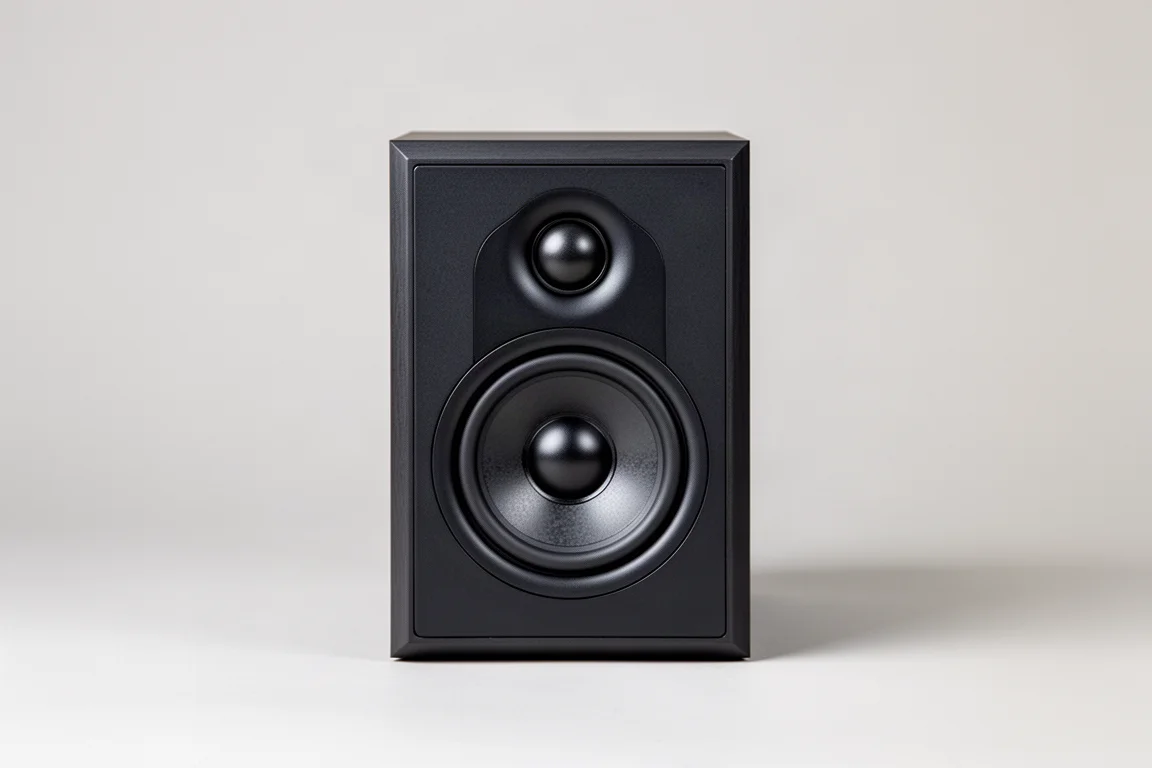
The ELAC BS41 is the warmer counterpart. It typically sits around $150, moving between roughly $140 and $160.
Where the Sony is lively, the ELAC is more rolled off and warmer through the vocals and lower mids, and its mid-bass is fuller than a 4-inch woofer would suggest. It is a genuinely different listening experience rather than a slightly tweaked version of the same sound.
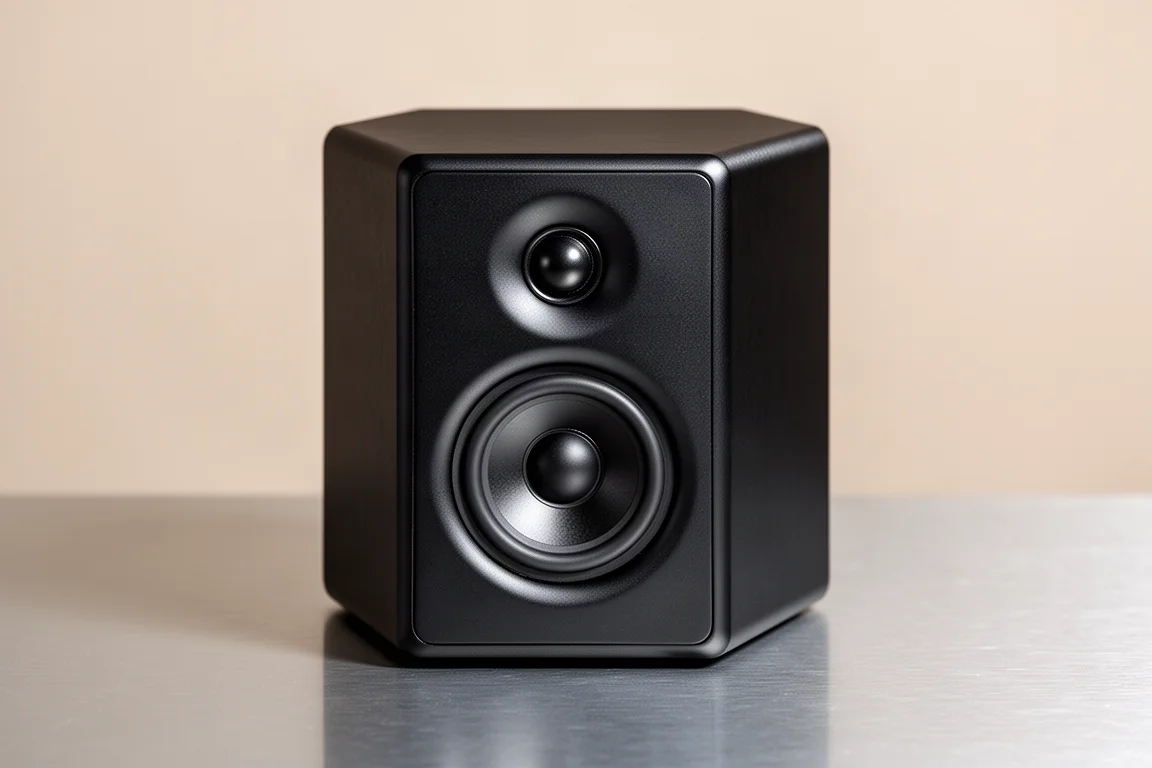
Buying both comes to roughly $300 in total at typical pricing, and both cabinets are small enough to place almost anywhere.
Best Speakers Around $500
At this level the differences in character become more pronounced, and pricing becomes less predictable. A budget of about $500 buys one pair here, or two pairs from the tier above if variety matters more to you than a step up in refinement.
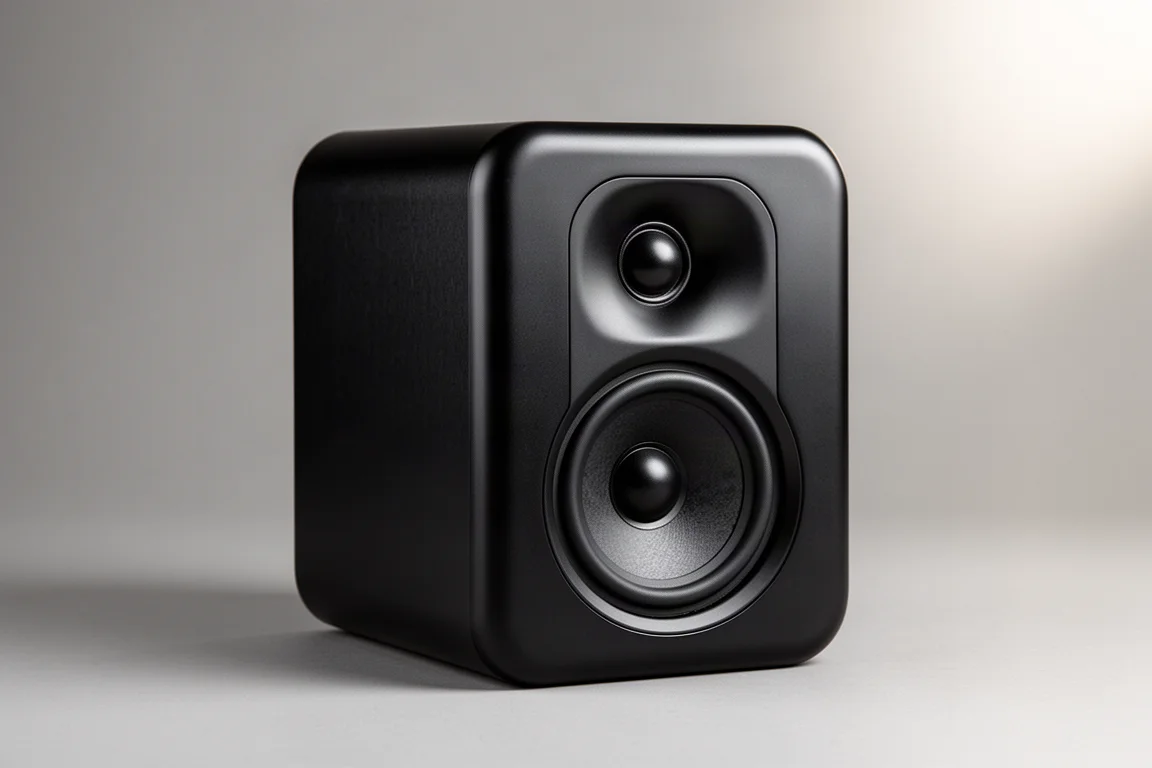
Emotiva B1+
The Emotiva B1+ is the exciting speaker of this group. At around $250 it uses an AMT tweeter, which delivers excellent clarity at the top end, and its frequency response is fairly linear with punchy bass underneath. It is a speaker that continues to surprise on repeat listening.
Polk ES15
The Polk ES15 is the warmer, richer option. It currently sells for around $300, but it regularly drops to roughly $200 on sale, which puts it comfortably under budget when the timing is right.
That price movement is worth planning around rather than reacting to. If you already know you want a warmer speaker for the second pair, the ES15 is a strong candidate, and the discount window is the moment to buy.
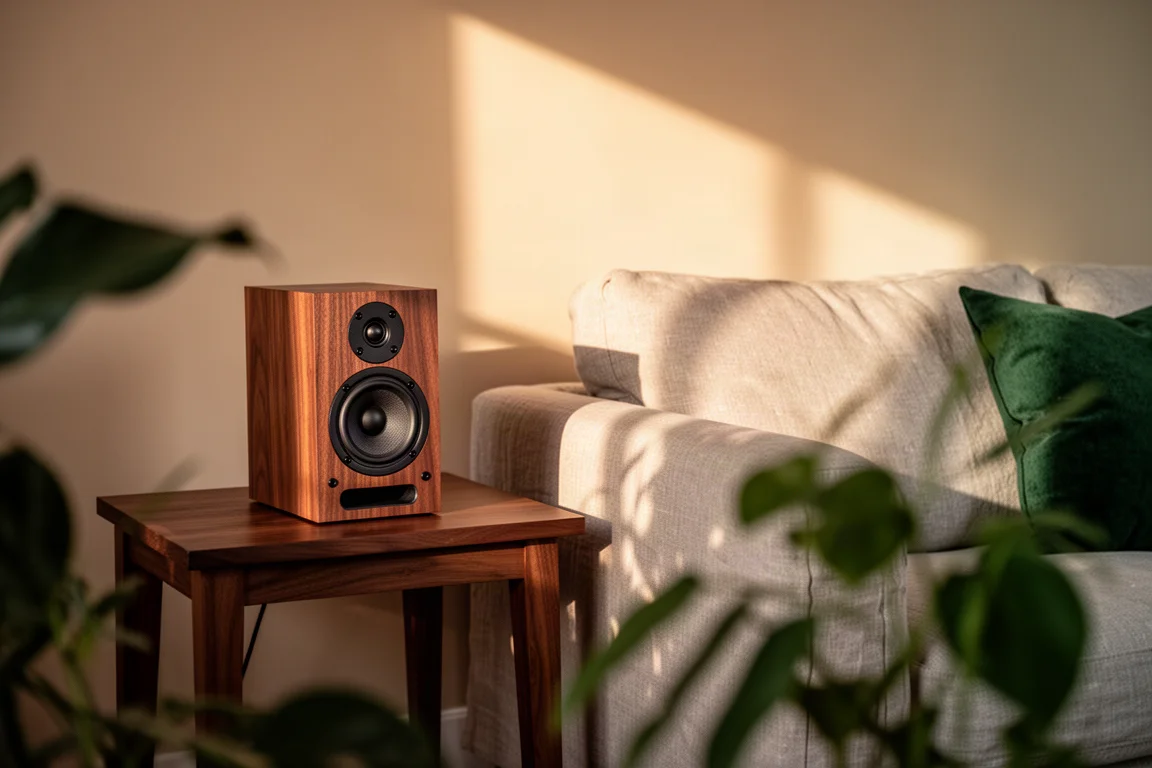
Its richer mid-range character contrasts cleanly with the top-end clarity of the Emotiva, which is exactly the kind of pairing that makes a two-speaker collection worthwhile.
Wharfedale Diamond 12.0
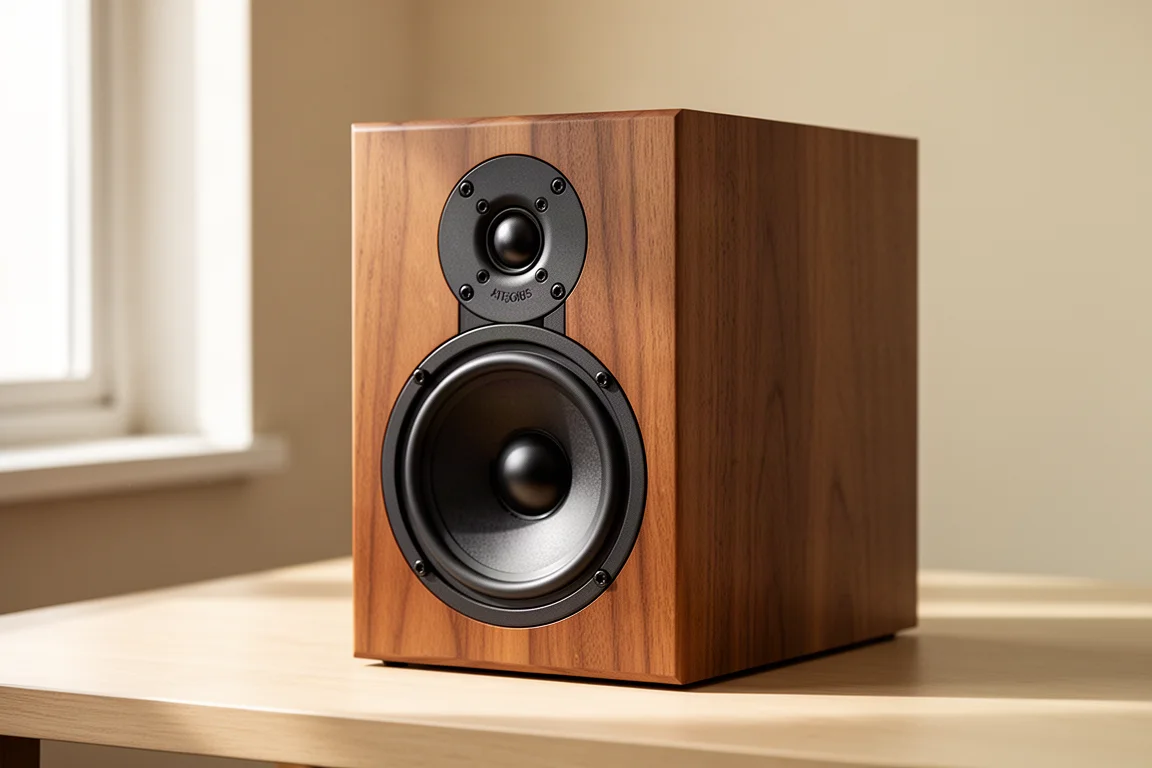
The Wharfedale Diamond 12.0 is the third option at this level, and its pricing moves more than most. One pair has been listed at around $199 while a different finish sat at $279, so the finish you choose can affect what you pay.
It brings yet another voicing to the shelf, which is the point of building a collection in the first place.
If you want to spend less while still adding a second flavor, the ELAC BS41 at around $150 remains a sensible combination with any of the speakers above.
Best Speakers Around $1,000
A $1,000 budget can be spent in more than one way at this level. You can buy a single more refined pair, or you can split it across two speakers that cover very different ground.
ELAC Debut Reference
The ELAC Debut Reference is the warm, spacious choice. It sells for around $700 at the moment and regularly drops to about $600.
It is warm enough to listen to for hours without fatigue, throws a large soundstage, and its front port makes placement easier than a rear-ported design. At $700 it is close to the edge of what it is worth, though prices across the category have risen, so the gap between $600 and $700 is less dramatic than it once was.
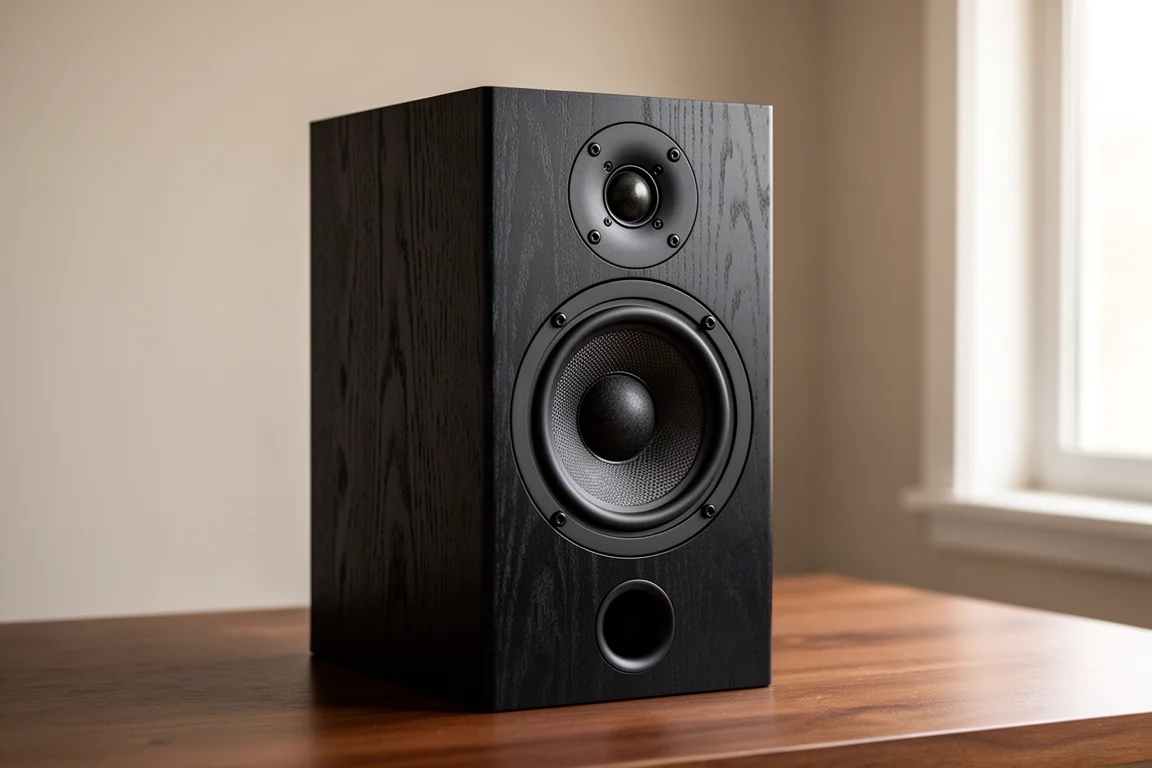
Ammo C93 Twos
The Ammo C93 Twos is the fun counterweight to the Debut Reference. It is heavily discounted, well built, and voiced with emphasis on the bass and the treble rather than the mid-range, which is not the star of the show here.
That voicing makes it a very different speaker to sit down with, which is precisely why it works as a second pair.
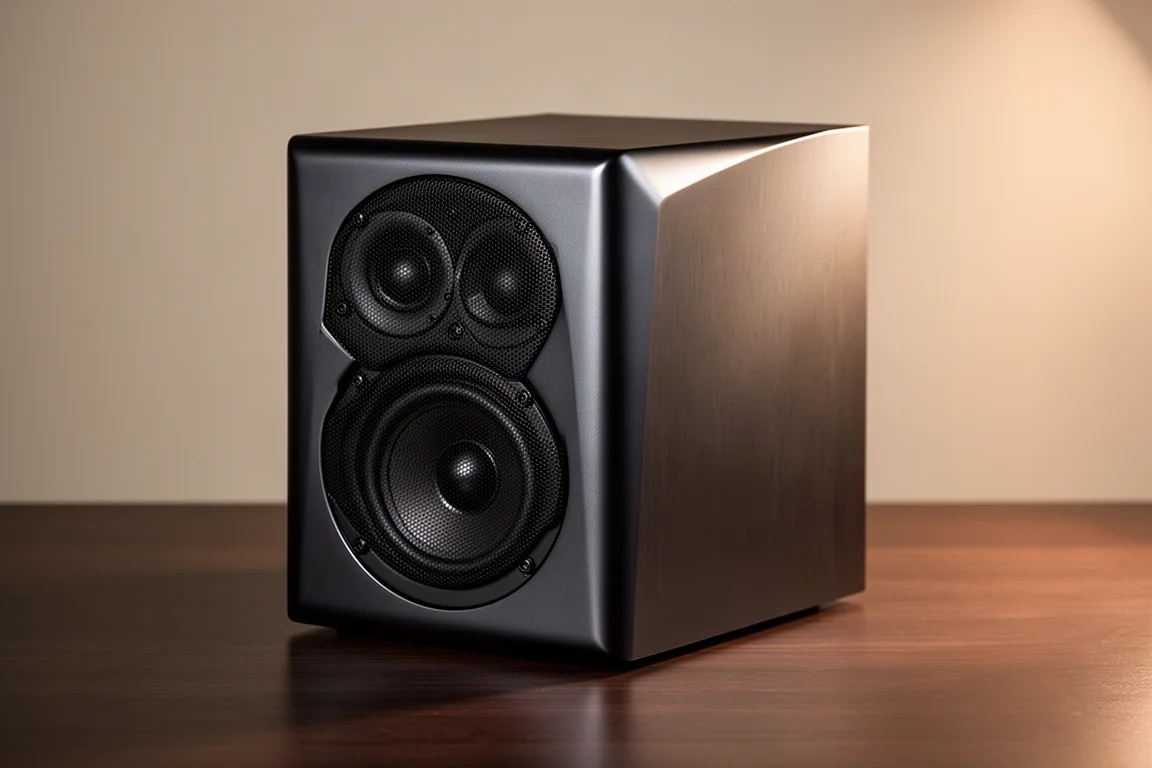
ELAC Uni-Fi 2.0
The ELAC Uni-Fi 2.0 comes in around $550, with pricing that moves up and down depending on sales. It is a neutral speaker, and while it is not warm, it can sound genuinely exciting in the right setup.
Its three-way design uses concentric drivers, which gives it wide dispersion both vertically and horizontally. The result is a large sweet spot for a compact speaker, so it is far less fussy about exactly where you sit.
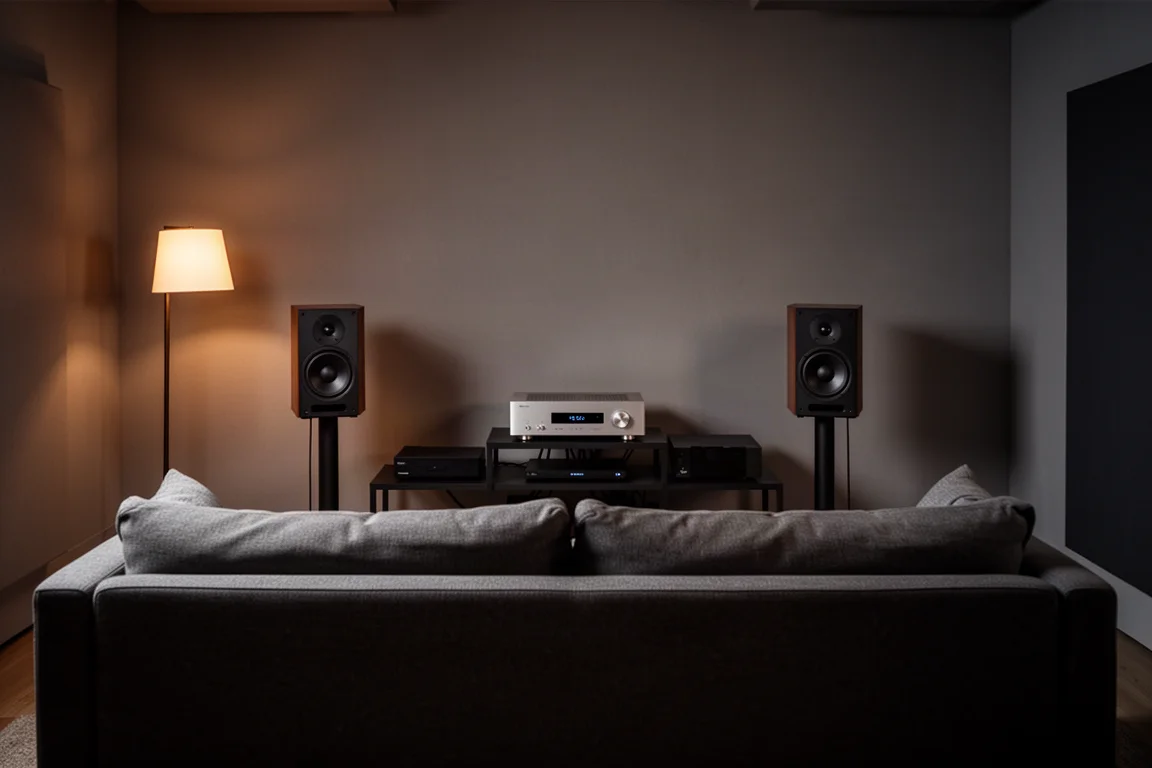
Like the others here, it is small enough to store away when it is not in rotation.
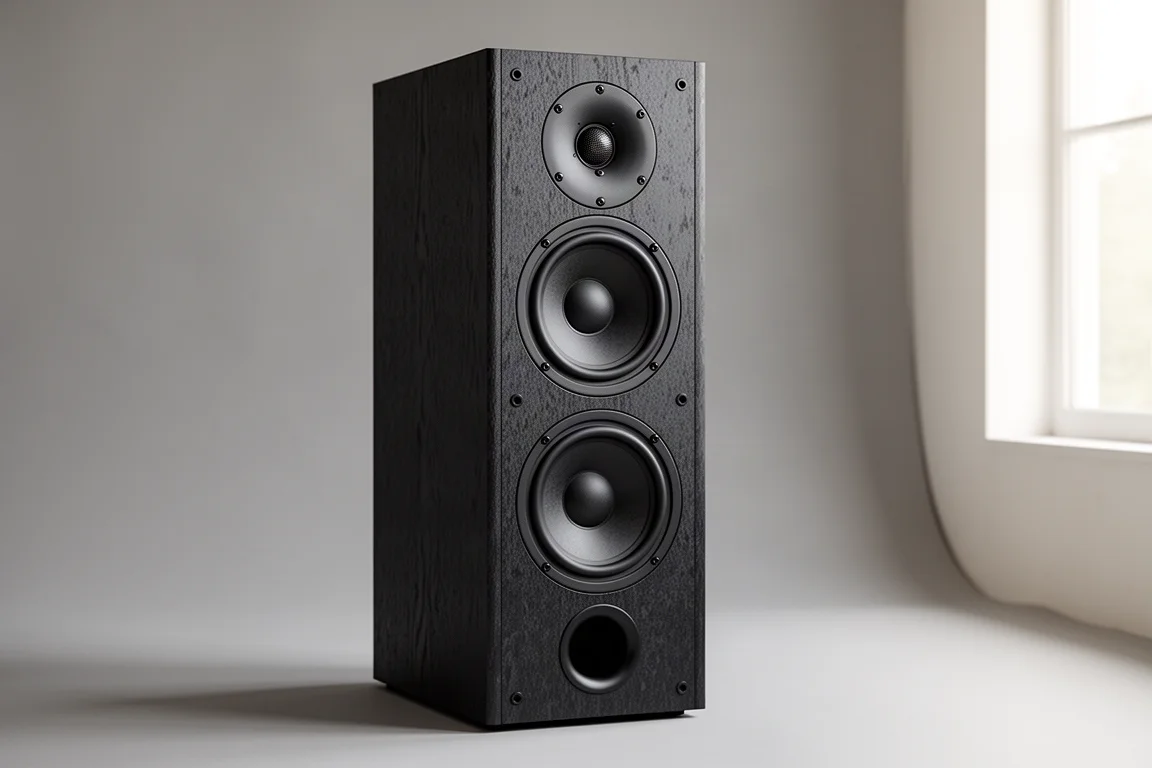
Emotiva B2+
The Emotiva B2+ rounds out the tier at around $400 to $450, and it is a pretty exciting speaker in its own right.
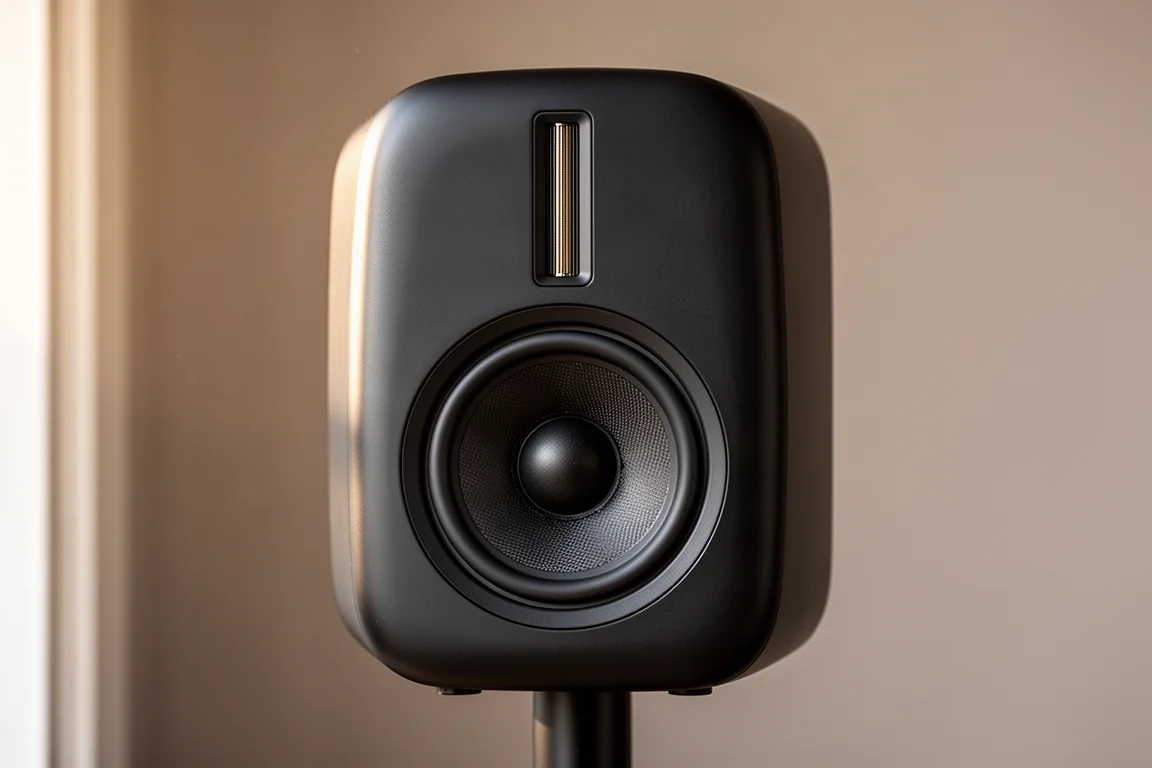
Pairing it with the Uni-Fi 2.0 brings the total close to $1,000, and the two cover neutral and energetic voicing between them.
Buying Advice
The right combination depends on how much contrast you want.
Under $300, the Sony SSCS5 and the ELAC BS41 are the obvious pair. One is lively, one is warm, both are small, and together they cost roughly what a single mid-tier speaker does.
Around $500, start with the Emotiva B1+ for top-end clarity and add either the Polk ES15 or the Wharfedale Diamond 12.0 for a warmer second flavor. The ES15 is the better value when it drops near $200, and the Diamond 12.0 is the pick if you find it at the lower end of its price range.
Around $1,000, the ELAC Debut Reference paired with the Ammo C93 Twos covers warm and spacious against bass-and-treble excitement. If you prefer a neutral reference point instead, the ELAC Uni-Fi 2.0 with the Emotiva B2+ is the more measured route.

Whatever you choose, the pattern is the same: buy the voicing you want at the price the market is currently offering, and let the second pair cover the ground the first one does not. Watching prices for a few weeks before buying usually pays for itself.
Conclusion
A speaker collection is not about owning more gear. It is about hearing your music from more than one angle, and the entry tier makes that affordable.
Two small speakers with genuinely different voices will change how you listen far more than a single incremental upgrade will. Start with a pair under $300 if you are unsure, then add contrast as your budget allows.
Further reading
Related Reviews
Bookshelf Speakers
Acoustic Energy A100 Mark II Review: A Compact Standmount With an Expansive Soundstage
The Acoustic Energy A100 Mark II brings clarity, natural tonality and a wide soundstage to an entry-level standmount, with a few setup details worth knowing first.
Bookshelf Speakers
Acoustic Energy AE-100 Mark II Review: Compact Bookshelf Speakers With Standout Imaging
A compact British two-way bookshelf speaker with deep, layered imaging, fast bass, and a slight treble lift to weigh against a crowded $500 field.
Bookshelf Speakers
Acoustic Energy AE100 MK2 Review: Measured Performance and Four Alternatives
A close look at the Acoustic Energy AE100 MK2 bookshelf speaker, what its measured performance reveals, and four alternatives with different trade-offs.