Experimental Aircraft
Spacewalker II Review: The Grassroots Plans-Built Aircraft Worth the Work
A close look at the Spacewalker II, a two-place tandem tube-and-fabric taildragger you can still build from plans today, with real flight numbers and owner impressions.
Introduction
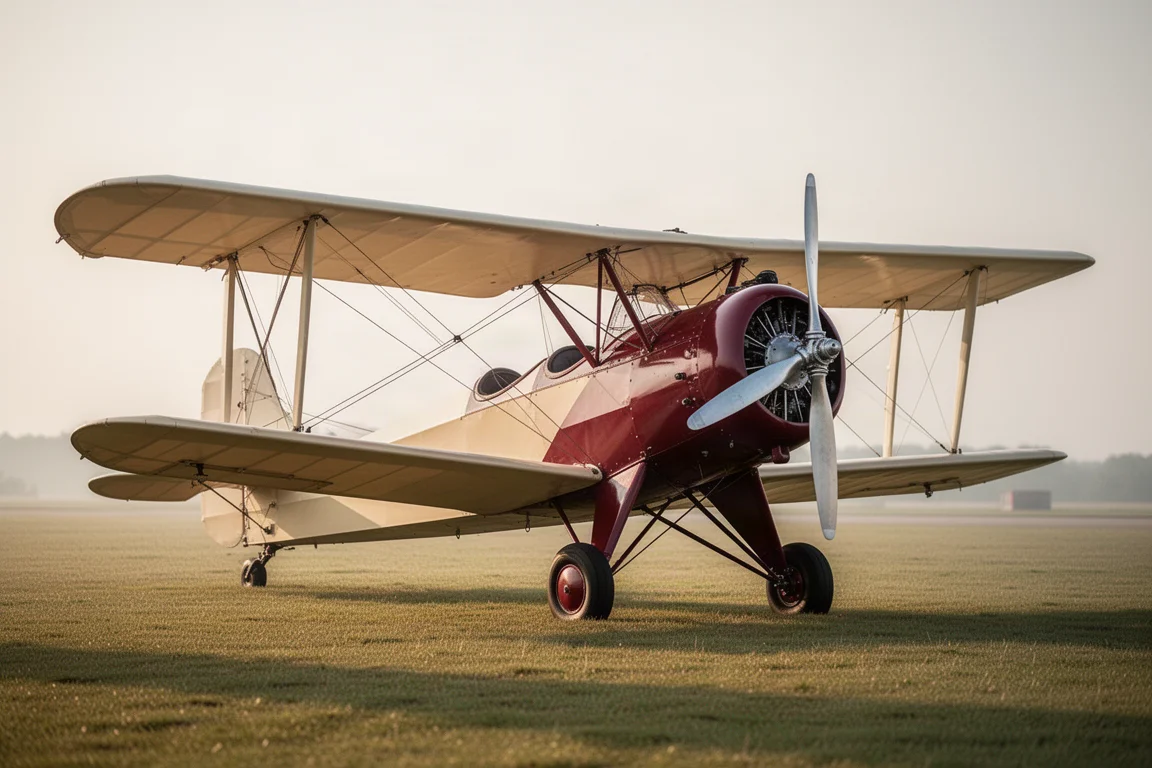
Few experimental aircraft have captured the imagination quite like the Spacewalker II. It is one of the most popular model airplane designs ever, and many people first meet it as an RC aircraft before learning that the full-scale, plans-built version came first. It is a classic grassroots airplane: a two-place tandem, open cockpit, fabric-covered taildragger that you can only build from plans. There are no kits here. If you want one, you put in the work.
What the Spacewalker II Is
The Spacewalker II is a tube-and-fabric aircraft with a chrome-moly steel tube fuselage, wooden spar wings, and additional wood formers, all covered in fabric. Plans are still available, which means you can still build and own one today. Owners often describe the flying experience as the closest thing to actually sitting inside one of those beloved model airplanes, and that nostalgic appeal is a genuine part of the design’s lasting draw.
Construction and Craftsmanship
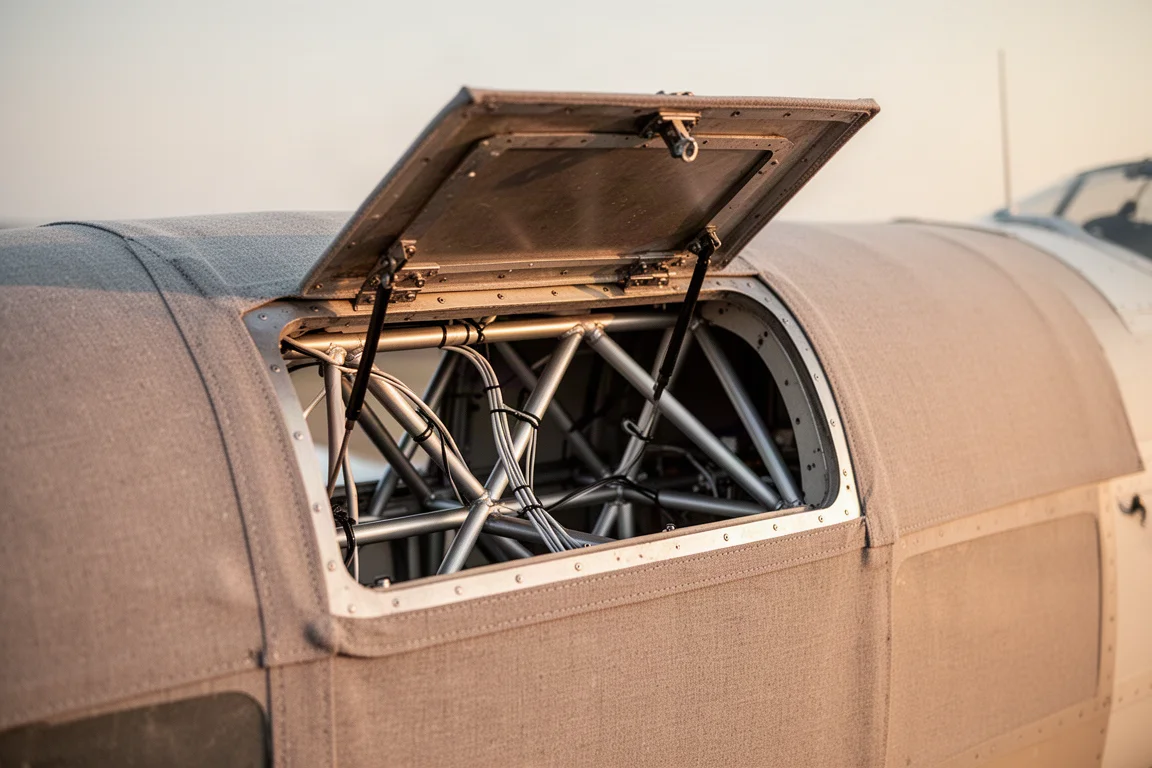
Because it is scratch-built only, build quality varies from aircraft to aircraft. The example examined here was finished in 2017 by builder Danny Bond, an aerobatic and air racing pilot, and the workmanship shows. Pull off the inspection panels and plates and the work behind them is meticulous.
Power options run from roughly 65 horsepower up to 150 or 160 horsepower. This particular aircraft sits at the top of the range with a Lycoming O-320 producing 150 horsepower, driving a fixed-pitch aluminum Sensenich metal propeller, reportedly 64 inches. Interestingly, it did not start life this way: the builder originally installed an O-290, then swapped in the larger engine about ten hours after completion.
Key weights: empty weight is 874 lb, with a maximum gross weight of 1,400 lb.
Handling on the Ground and in the Air
Despite a relatively short vertical stabilizer, the rudder is responsive even at slow speeds, and crosswind landings inspire confidence rather than anxiety. A locking tailwheel that can be broken loose makes taxiing straightforward: get it pointed straight, use the rudder pedals, and leave the brakes alone. The longer fuselage compared to something like a Pitts makes it less twitchy on the ground, and it handles almost like a Cub.
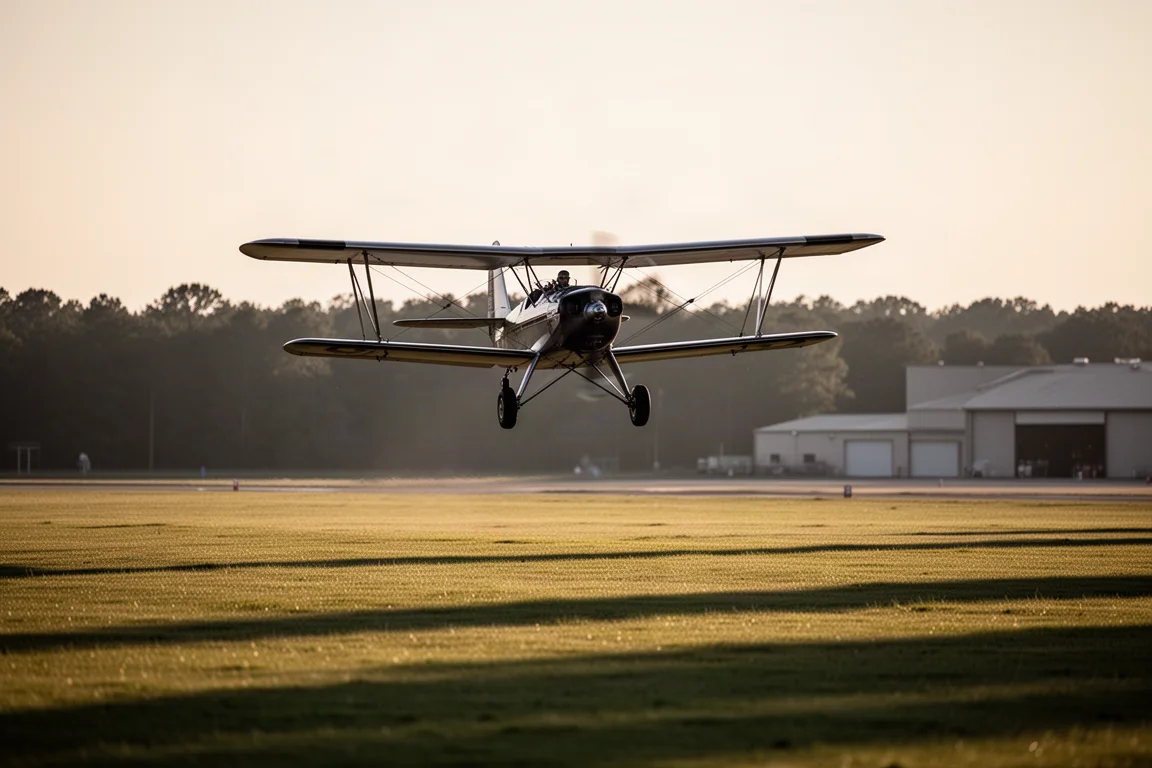
In the air it is sporty and docile at the same time. The 28-foot wingspan fits nicely in a standard hangar, and the large ailerons deliver a brisk roll rate; aileron rolls come around with no drama. Cruising is fingertip flying: think about where you want to go, and the airplane goes.
Cockpit and Panel
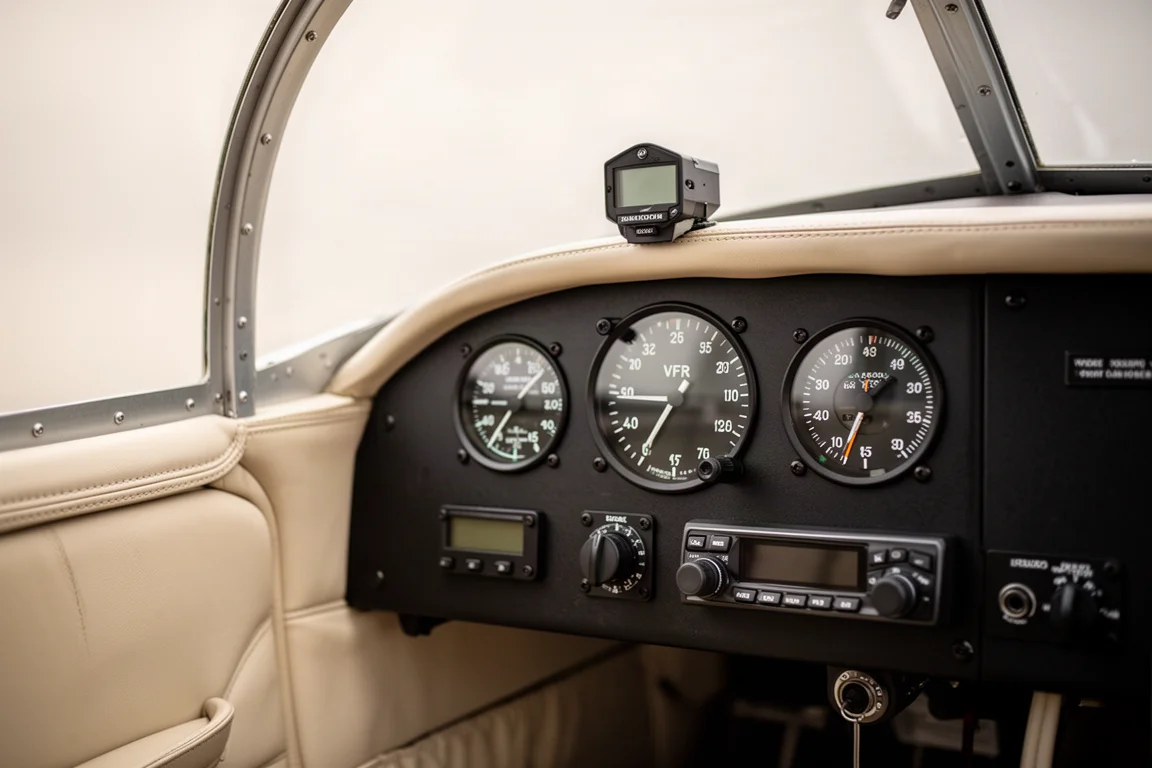
The panel is refreshingly simple VFR fare: altimeter, airspeed, vertical speed, oil temperature and pressure, a voltmeter, a compact radio with good reception, and an altitude-encoding transponder with ADS-B out.
Fuel sits in a 16-gallon tank forward of the front seat, which yields roughly an hour and a half of flight plus a 30-minute reserve. For longer cross-countries, this aircraft carries an optional 8-gallon aluminum transfer tank from Boyd Welding, fed through a Facet pump into the main tank, adding about another hour of flying. The transfer pump is switched from the cockpit, and the vented cap handles tank venting.
A few practical notes for anyone considering the design. There are no flaps, though there is a sensitive cable-operated trim tab controlled by a lever in the rear cockpit; a very small movement makes a noticeable pitch change. Solo pilots fly from the rear seat, and the airplane sits further aft on the CG as loading increases. The front seat is slightly aft of the CG range too, so heavier pilots may need nose weight or engine-mount modifications rather than simply adding ballast forward. Also mind the placarded no-step area on the wing: it is only about ten inches of usable footprint, and stepping outside it can damage the wing structure.
Flight Characteristics and Performance
The numbers are easy to remember. Cruise is 100 mph. Climb-out and approach are both 80 mph. Stall speed is 42 mph powered, and testing at high power and high angle of attack has shown airspeed readings down to 35 to 37 mph.
Takeoff technique follows classic taildragger practice: roll the power on rather than dumping it in, since full power immediately brings strong P-factor and demands a lot of right rudder. Rotation comes around 55 to 60 mph, a short stay in ground effect, then an 80 mph climb. Solo at around 145 lb pilot weight, climb rates reach 1,200 fpm, with 1,000 fpm being the norm.
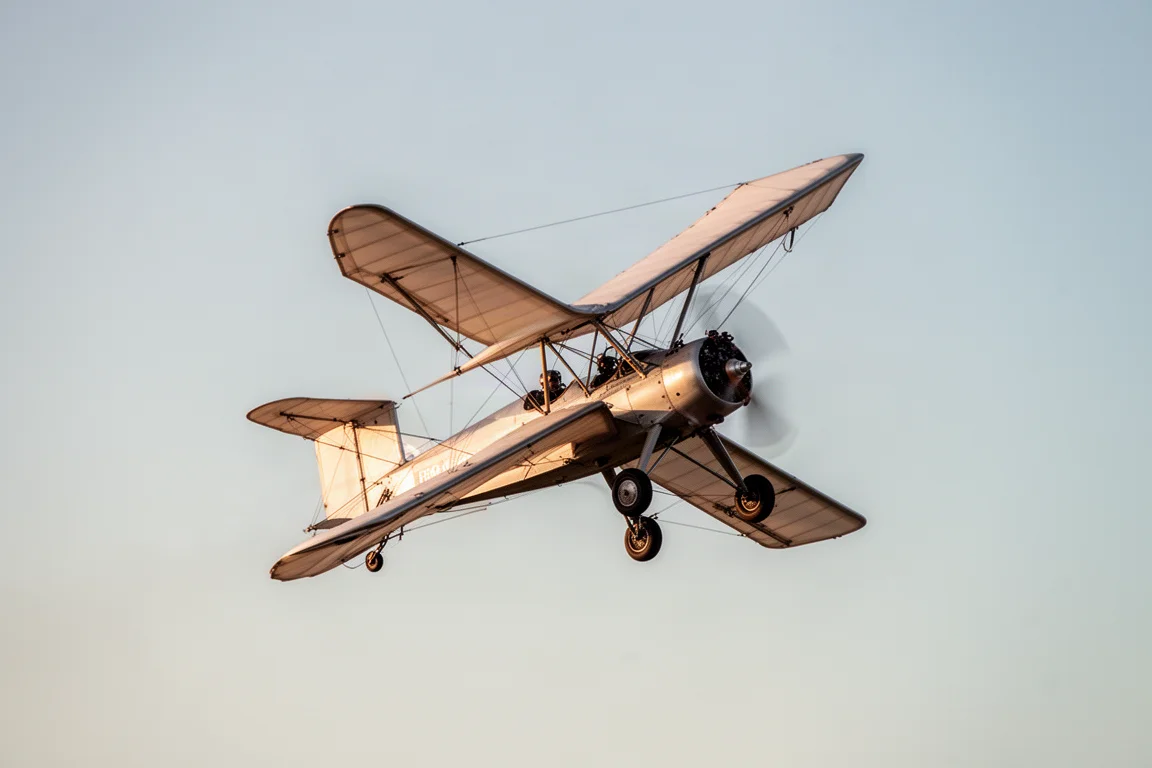
The G rating from the plans is positive five and negative three, and the aircraft takes basic aerobatics in stride. Aileron rolls, hammerhead stalls, and spins are all comfortable, predictable exercises with no scary moments; it simply does what you tell it to do.
Buying Advice
The Spacewalker II suits builders and owners who want a classic, honest sport plane and are willing to accept plans-built realities: no flaps, a simple panel, and modest range unless you add an auxiliary tank. Buying an already-completed example, ideally one with a documented builder pedigree, is a practical route into ownership. For anyone who grew up flying this design on simulators or as an RC model, the full-scale version delivers on the childhood promise.
Conclusion
The Spacewalker II remains a genuinely appealing grassroots aircraft: nimble, robust, and fun, with enough performance to cross the country when properly equipped. It is the kind of airplane that can even inspire its owner to move on, as one current example is for sale simply because flying it led to a taste for full aerobatics and an Acro Sport 2 next. That says a lot about how well this design does its job.
Product link
View more details for Spacewalker II
This product is mentioned in the review. Check the specifications, options, and compatibility before buying.
View more details for Spacewalker IIFurther reading
Related Reviews
Experimental Aircraft
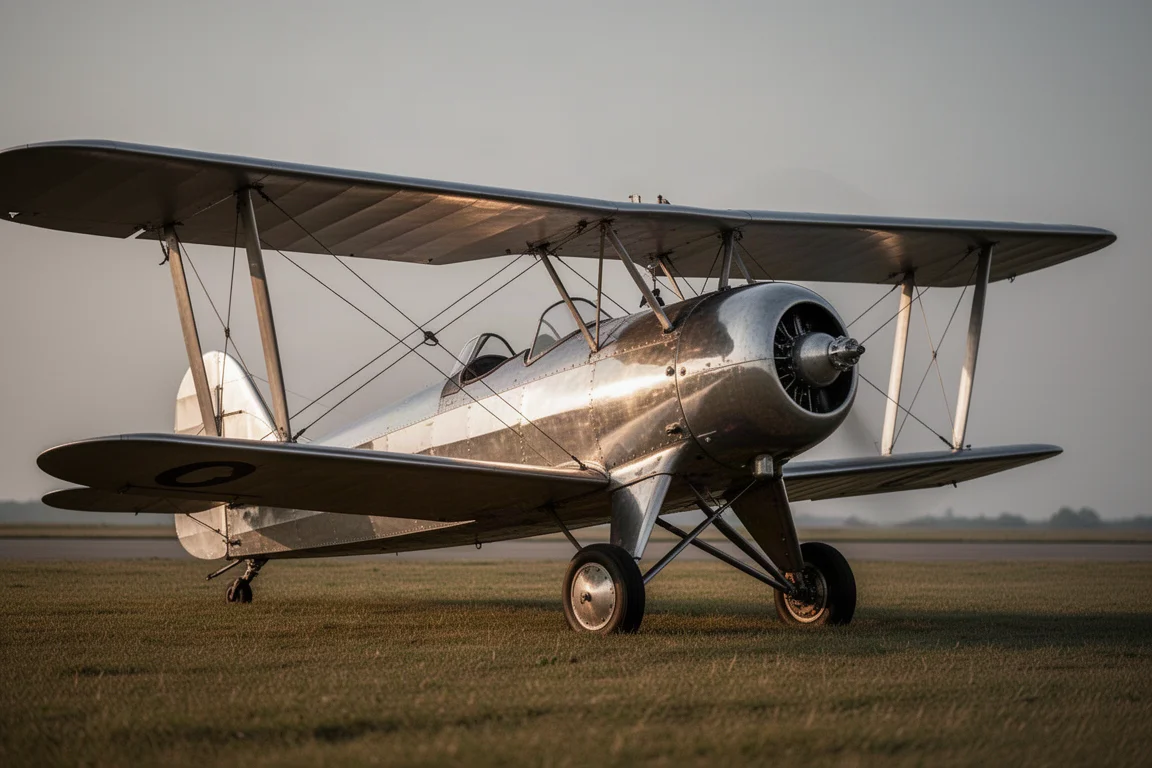
Timber Tiger ST: A 95% Scale Ryan ST Replica You Can Build From a Kit
The Timber Tiger ST is a 95% scale replica of the classic 1933 Ryan ST, engineered for modern engines, easier kit construction, and light sport compliance.
Experimental Aircraft
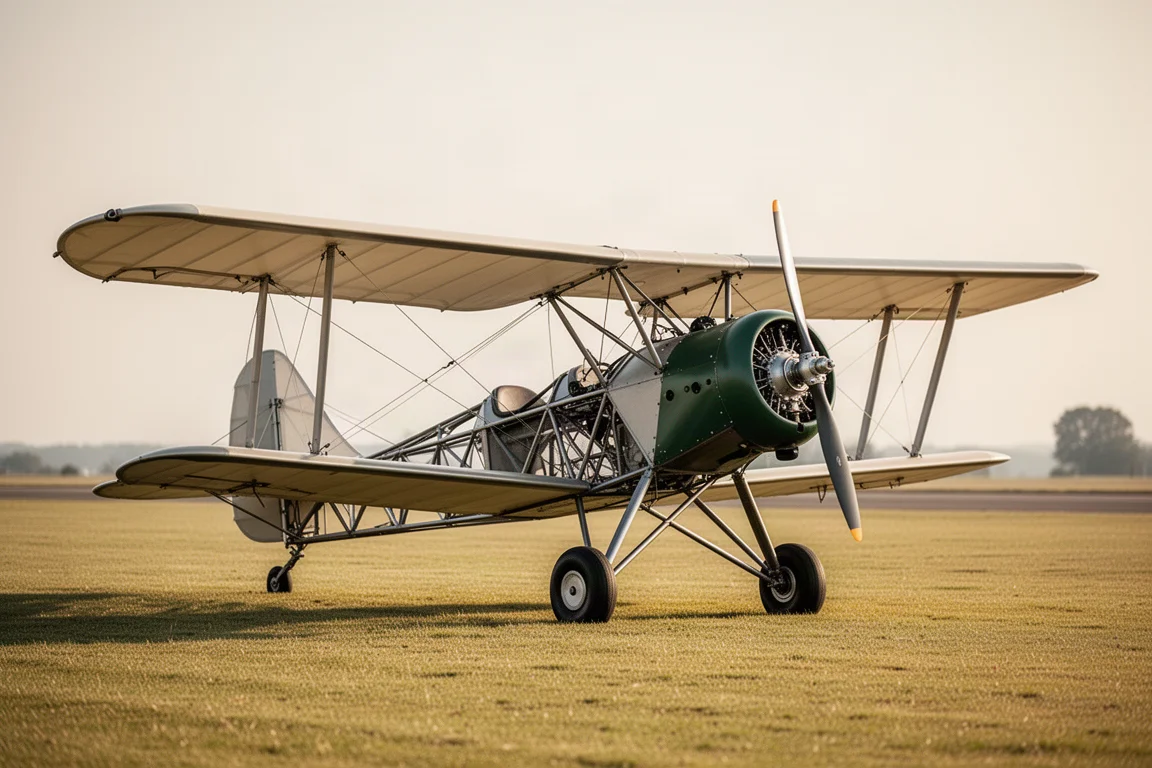
Aero Pup: A Rugged Two-Seat Kit Aircraft Now Available in the USA
An Australian-designed two-seat bush plane with foldable wings, a chromoly steel fuselage, and an $18,000 base kit price now being manufactured in the US.
Aviation
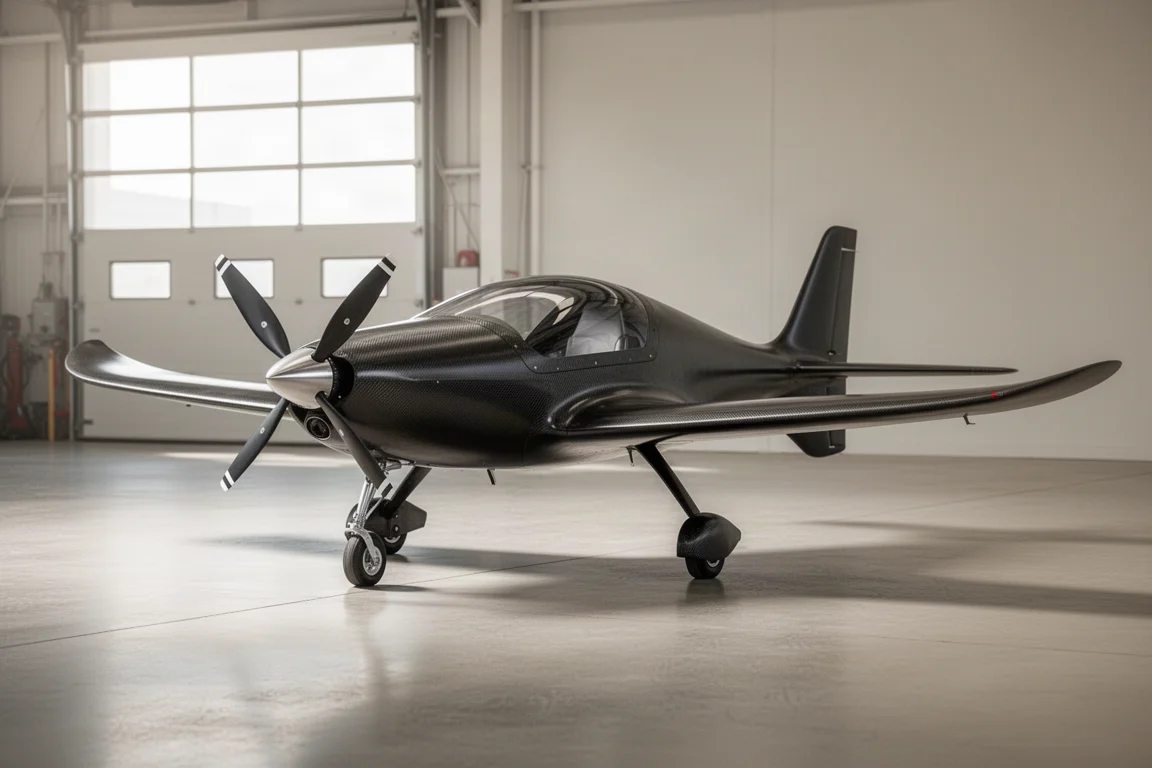
Aero Technics ACH 212 Solo Review: A Carbon Fiber Solo Kit Aircraft You Can Build Fast
A nearly 30-year-old Czech design still offered only as a kit: 90% carbon fiber, quick-release wings, a 350 to 400 hour build, and performance that surprises.