Whole Home Audio
Soundavo WS66i Review: A Six-Zone Whole-Home Audio Controller Built for Flexible Distribution
A close look at the Soundavo WS66i, a 2U six-zone controller and class D amplifier with app control, two AirPlay endpoints, and an expansion path to 18 stereo zones.
Introduction
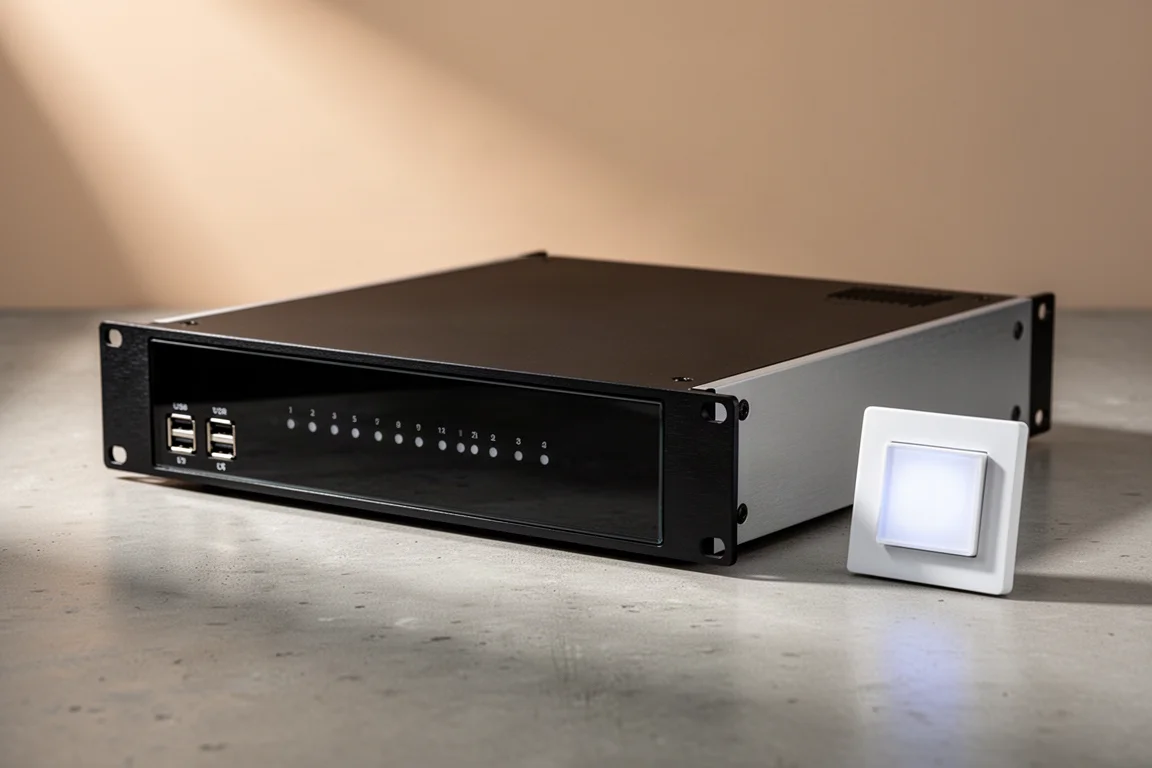
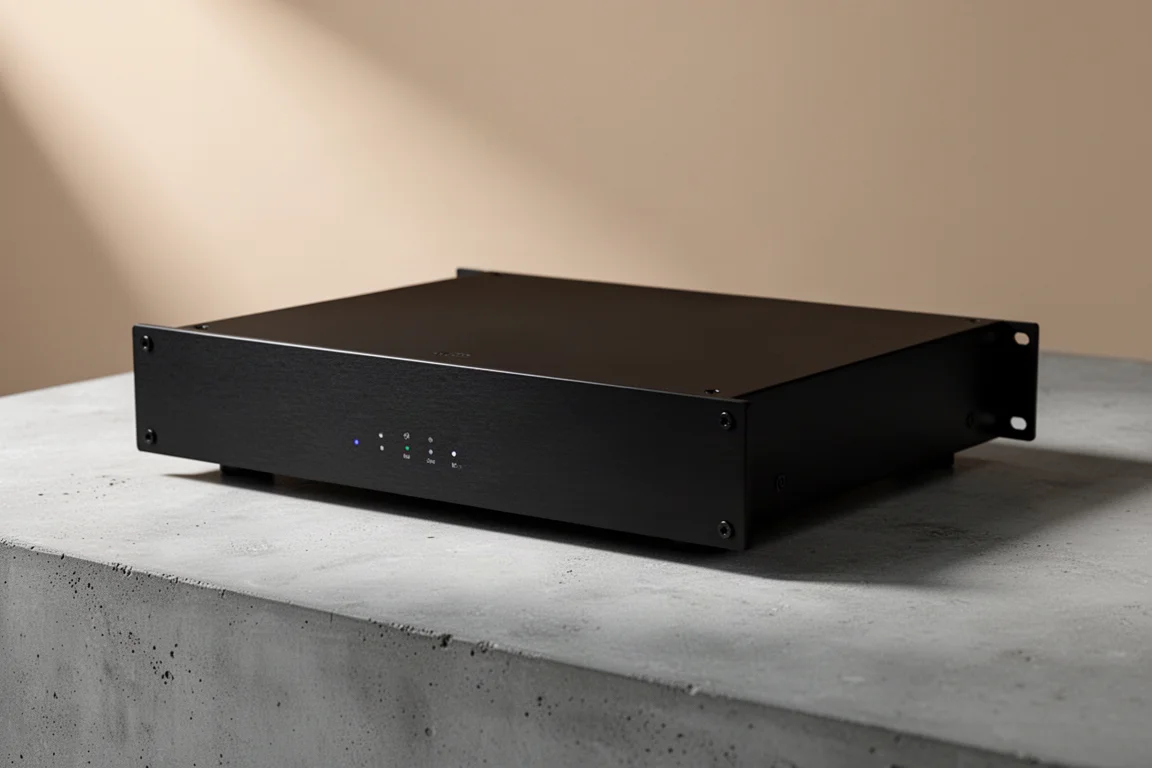
Whole-home audio controllers rarely get the attention that AV receivers and power amplifiers receive, yet they are the components that decide whether music actually reaches the kitchen, the patio and the upstairs hallway. The Soundavo WS66i is a 2U rack-mountable six-zone controller, matrix, streamer and amplifier built to take on exactly that job.
At $1,699 in its amp-only configuration, the WS66i is not an impulse purchase. What it offers is a way to distribute up to six sources across six stereo zones, with class D amplification built in, app-based control, two independent AirPlay endpoints and a rear-panel expansion port that can take the system to 18 stereo zones.
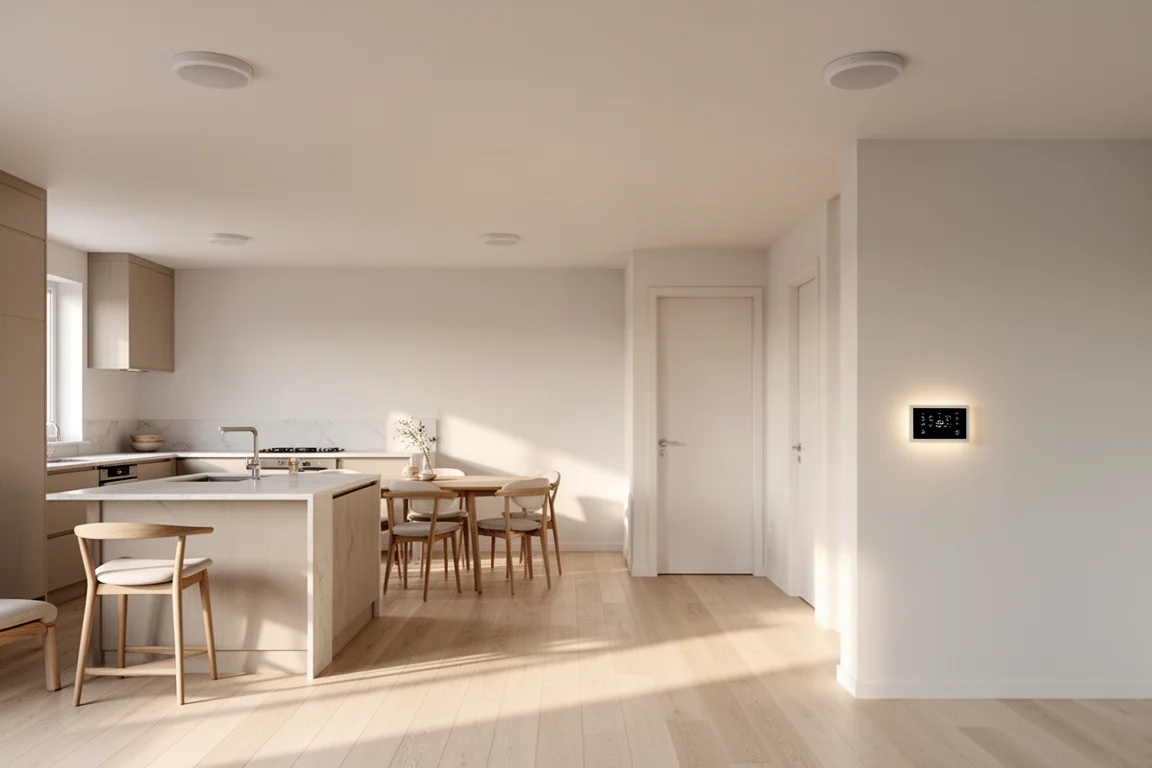
That combination of channel count, streaming and control makes the WS66i worth a close look for anyone planning a whole-home installation, and for smaller commercial spaces that need dependable multi-speaker distribution.
Who This Product Is For
The WS66i makes the most sense for three kinds of buyers.
The first is the home theater owner who already has a main system and wants to extend audio into other rooms. Used this way, the WS66i supplements a primary AV receiver or preamp processor rather than replacing it.
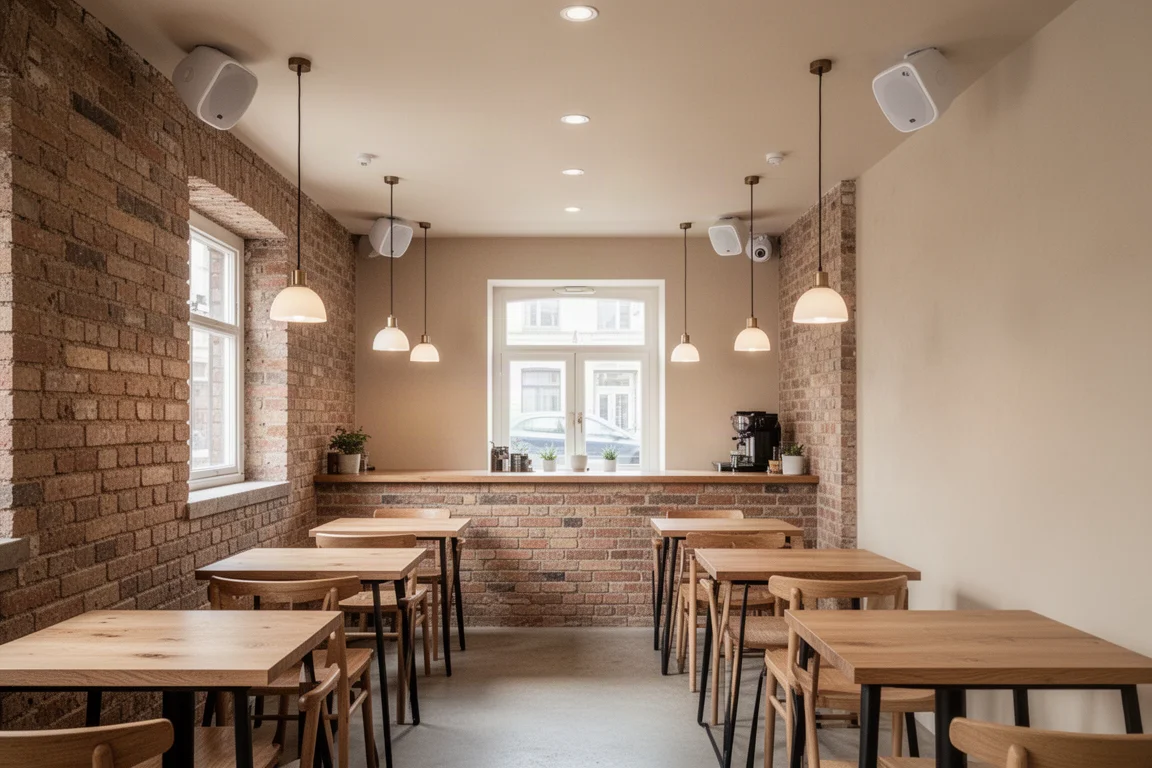
The second is a small commercial venue, such as a restaurant or a cafe, where a single source needs to be distributed across several speaker pairs with independent level control. The analog inputs, the PA trigger function and the per-zone preamp outputs all support that style of installation.
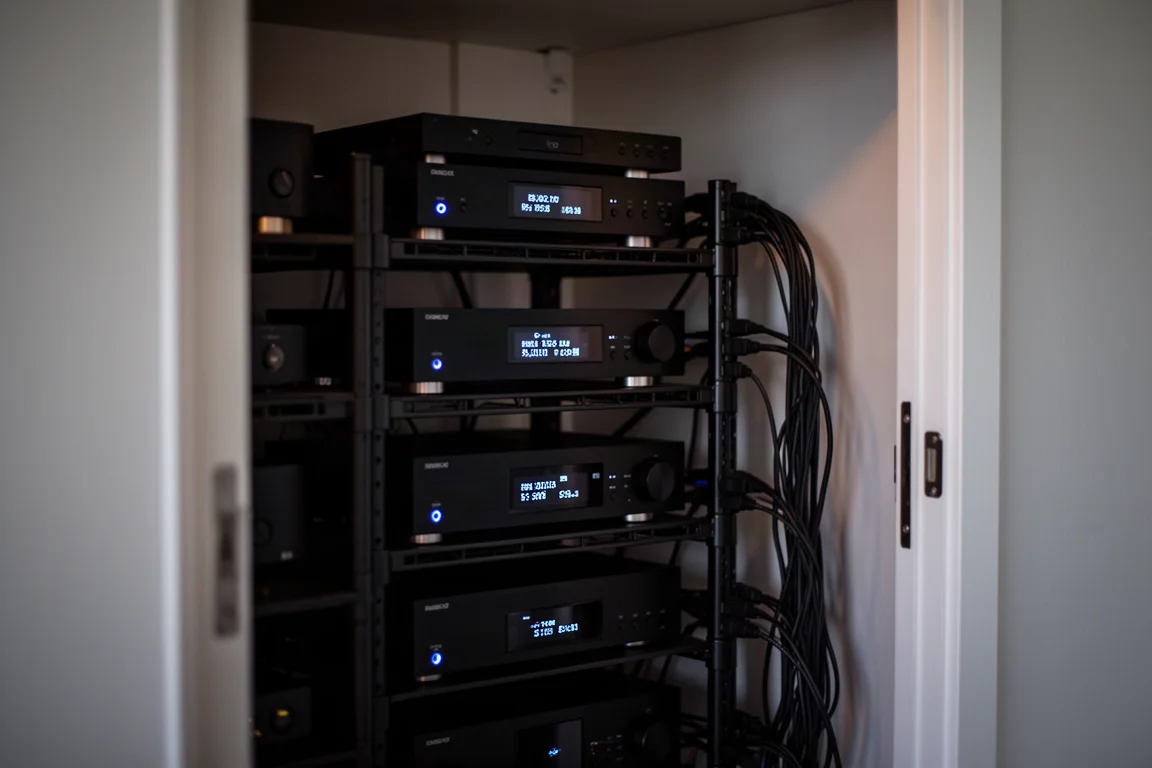
The third is the installer or system designer who needs a large number of amplified zones without a large number of chassis. The ribbon expansion port lets a single WS66i grow to 18 stereo zones when paired with two of the company’s 1U six-zone expansion amplifiers.
Buyers who need the controller to switch on automatically as part of a home theater automation sequence should read the sections below carefully, because that is where the WS66i asks for a workaround.
Main Strengths
The core of the WS66i is its amplification. The unit is built around an International Rectifier IR4302 class D power IC, a two-channel analog-input amplifier in a 7 by 7 millimeter package that requires no mechanical heatsink. It carries over-current, over-temperature and under-voltage protection with a self-reset feature, start and stop click noise reduction, clip and fault reporting outputs, and high noise immunity.
Rated output is 25 watts into 8 ohms and 50 watts into 4 ohms per zone, which is ample for most residential and light commercial installations. Any zone can be bridged by flipping a switch beneath the channel, at which point it delivers 100 watts into 8 ohms. That matters if you plan to drive a subwoofer or a speaker that benefits from extra headroom, and it also keeps the WS66i within the 100 watt maximum that many in-wall volume controls are rated for.
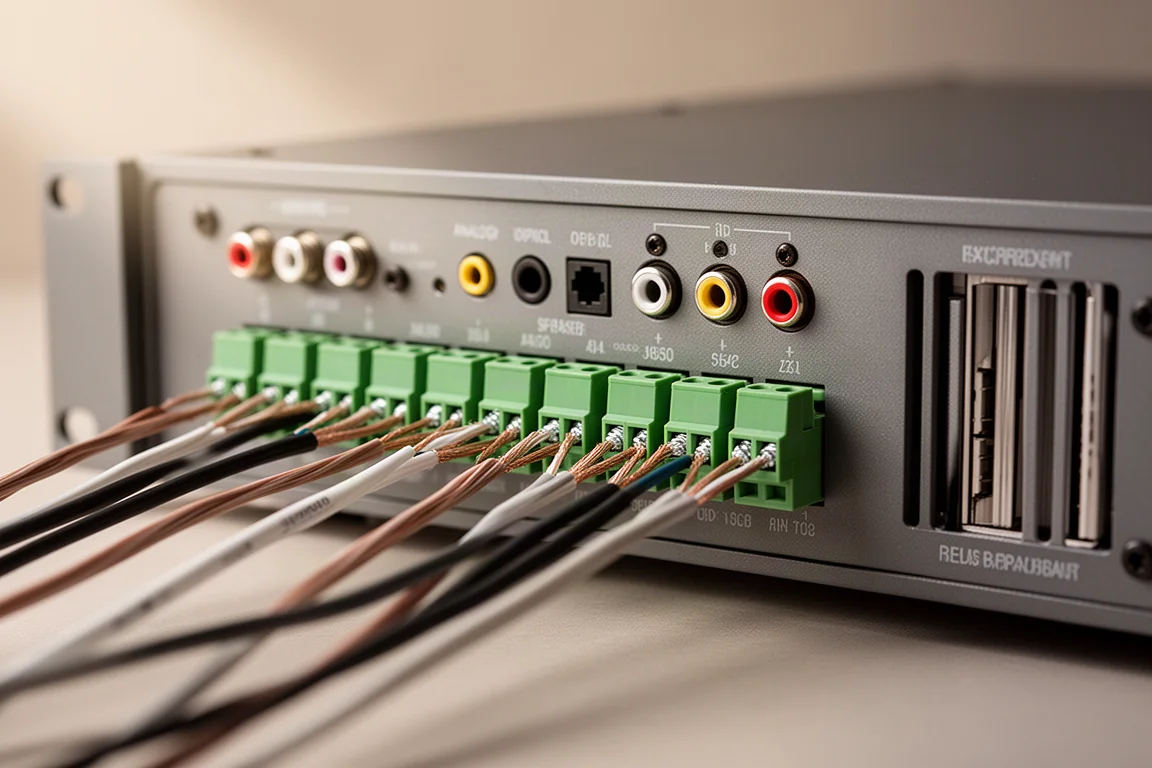
Inputs are broader than the price suggests. Two single-ended analog inputs sit on the rear panel, and input one supports a PA function that can be routed to every output at once with a 12 volt trigger. Two 3.5 millimeter inputs handle portable sources, with an optional TOSLINK optical input available on input six so you can choose analog or digital. Two front-panel USB-A ports accept USB media as inputs three and four.
The most interesting addition is a parallel AirPlay server on inputs three and four. Those two inputs behave as independent AirPlay destination endpoints, and each one can be routed to a different zone. The limitation is that this is AirPlay 1, not AirPlay 2, so the WS66i cannot be grouped with AirPlay 2 speakers elsewhere in the home.
Every zone also has stereo preamp outputs, which means the system can feed additional amplifiers, a 70 volt distribution system or powered subwoofers. That is the kind of flexibility that usually costs considerably more.
In testing across five of the six zones, using a mix of 6 ohm and 8 ohm in-wall and in-ceiling speakers, the WS66i never clipped and never ran short of power for the loads connected to it. A bridged zone driving a subwoofer delivered solid output as well.
App Control and Zone Management
Setup is straightforward. Connect an Ethernet cable to the LAN 1 port, make sure the iOS or Android device running the app is on the same subnet, and run discovery from the app settings. The app should find the controller automatically.
Anyone planning to configure the unit with a network scanner instead should read the manual first. Multiple IP addresses are assigned to the LAN port, so a basic scan will typically surface the AirPlay endpoints rather than the controller itself. An advanced LAN scanner is required to locate the controller directly, and the manual documents the steps.
Once connected, the companion app is the heart of the system. It can power all zones on or off at once, and it gives per-zone control over volume, bass, treble, left and right balance, mute and individual zone power. Zone and source names can be customized, so a room can be relabeled to something more useful than a number.
Two behaviors are worth knowing in advance. A zone must be powered on before a source change will take effect, and the app’s party mode, which sets every zone to the same volume and the same source, does not restore the previous volume and source settings when it is switched off.
The separate Soundavo Player app adds streaming to either of the two AirPlay endpoints, with support for services including Pandora, TIDAL, iHeartRadio, Spotify, Napster, Qobuz and Amazon Music when a subscription is available. It also allows speaker sets to be grouped by dragging one source below the line, which works around the AirPlay 1 grouping limitation, and it provides source renaming, speaker information, six Spotify presets and an alarm clock function with day selection and a default volume. This app is best treated as a convenience rather than the primary control path.
Things to Consider Before Buying
The WS66i has no 12 volt trigger input to power it on, and no Wake-on-LAN command for IP-based control systems. That means powering the unit up depends on the mobile app, the optional wall keypads or the optional remote. If you are using RS-232 control, there are discrete power-on commands for all zones or for individual zones, which restores some of that automation capability.
Two other details affect how the unit fits into a rack or a living space. The zone LEDs glow blue when a zone is off and white when it is on, and they cannot be dimmed or switched off, so placement matters in a room where the unit is visible. And if the WS66i is switched off at the mains, the zone power states do not return when it is switched back on.
On the rear panel, LAN 2 is a single-port switch for connecting a nearby device such as a computer or a smart TV, not a failover or parallel network interface. The third RJ45 port supplies power over Ethernet to the optional keypads, and connecting a network device or computer to that port can damage it permanently. Ethernet and RS-232 control cannot be active at the same time, and a slider selects between them; the Ethernet position must be used with the mobile app.
The WS66i’s rear panel shares an obvious design lineage with the Monoprice six-zone home audio multi-zone controller and amplifier kit, and Soundavo confirmed that the engineer behind that earlier design now works for the company, while stating that the two products are unrelated. The practical differences favor the WS66i: the Monoprice unit has no network connectivity, no mobile app, no onboard AirPlay, no USB ports and no party mode, and it relies on dip switches and control pads for zone configuration. The WS66i also carries a three-year warranty against one year for the Monoprice unit.
Configuration Options and Support
The WS66i is sold in several configurations, and the differences matter at checkout.
The base package is the amp-only version, which is the configuration discussed here. Setting it up requires the iOS or Android app.
The kit package adds six Decora wall units that draw power over Ethernet from the rear PoE port, allowing each zone to be controlled from a wall plate. Those keypads are backlit and provide volume, bass, treble and input selection at the wall. One installation note: the Ethernet jack on the back of the keypad is oriented in a way that makes the cable difficult to release, so a plastic tool is safer than a screwdriver if it needs to come out.
Two further packages bundle the wall plates with six pairs of in-ceiling speakers, one with 6.5 inch drivers and one with 8 inch drivers. Buyers who want a complete, ready-to-install system should compare those bundles against buying the amp-only version and selecting speakers separately.
For larger installations, up to two 1U six-zone expansion amplifiers can be daisy chained from the ribbon expansion port at $799 MSRP each. A full build with two expansion units delivers six sources into 18 stereo zones for just under $3,300 in a 4U footprint, which works out to roughly $184 per amplified zone.
Support is worth factoring in as well. The WS66i carries a three-year warranty, and the company states that it has in-house capability to service the unit both in and out of warranty.
Buying Advice
The WS66i rewards buyers who match it to the right job.
If you are extending audio from a home theater system into other rooms, and you are comfortable powering zones on from an app or a wall keypad, the WS66i delivers a lot of capability for the money. If you are feeding it an analog source and using it as the primary controller for a home or a small venue, it is on even firmer ground, and the PA trigger plus the per-zone preamp outputs make commercial distribution straightforward.
If your installation depends on trigger-based power-up, on Wake-on-LAN, or on grouping with AirPlay 2 speakers, plan for the workarounds or decide whether those requirements are dealbreakers.
It is also worth deciding early whether you need the wall keypads. They are optional and only included in the kit packages, so buying the amp-only version and adding keypads later is not the same as ordering the kit from the start.
Conclusion
The Soundavo WS66i is a genuinely flexible six-zone controller and amplifier. It combines class D amplification, a broad input set, two independent AirPlay endpoints, deep app control and an expansion path to 18 stereo zones, all in a 2U chassis with a glass front panel and a three-year warranty.
It is not a perfect fit for every installation. The absence of a 12 volt power-on trigger or Wake-on-LAN adds complexity to automation-heavy setups, AirPlay 1 limits grouping, and the zone LEDs cannot be dimmed. For the right buyer, whether that is a homeowner extending audio through the house or a small venue distributing a single source across several rooms, the WS66i covers a lot of ground for the price.
Product link
View more details for Soundavo WS66i
This product is mentioned in the review. Check the specifications, options, and compatibility before buying.
View more details for Soundavo WS66iFurther reading
Related Reviews
Whole Home Audio
Sonos Amp Multi Review: Eight Channels of Whole-Home Audio in One Rack Unit
A practical look at the Sonos Amp Multi, the rack-mountable amplifier that brings eight channels and four independent zones to whole-home audio systems.

Backpacking Gear
Building a 10 lb Base Weight: An Ultralight Backpacking Gear List
A practical walkthrough of the ultralight pieces behind a 10 lb base weight, from a 765 g pack and a roomy one-person tent to a full camp chair and a dependable water filter.

Road Bikes
10 New Road Bikes Worth Watching: Aero, Titanium, Steel and Endurance Standouts
A practical roundup of 10 new road bikes, from aero flagships chasing single-watt gains to titanium, steel and endurance platforms built for real roads.