Hi-Fi Speakers
Sound Artist LS5/9 Review: BBC Monitor Character at an Accessible Price
A $949 stand-mount inspired by the BBC LS5/9: natural midrange, relaxed treble, and an easy load, plus the setup details worth knowing before you buy.
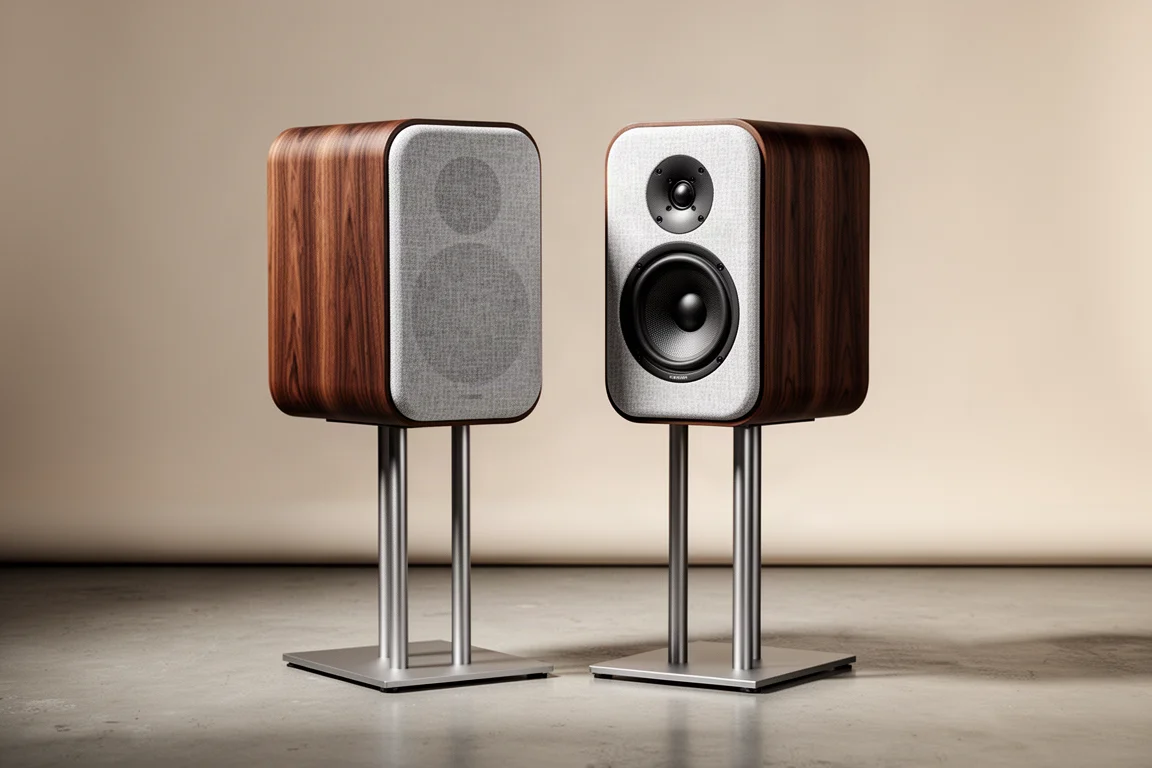
Introduction
A properly licensed BBC LS5/9 monitor costs somewhere between $6,000 and $7,000 today. The Sound Artist LS5/9 costs $949, shipping included. That gap raises an obvious question: how much of the price of a classic studio monitor is the loudspeaker itself, and how much is the name attached to it?
Sound Artist is a Chinese manufacturer known for loudspeakers inspired by classic British monitor designs. Rather than reinventing the format, the company takes proven concepts and makes them accessible to a wider audience. The LS5/9 is its most ambitious attempt yet, because recreating a BBC-style monitor is not only about matching the cabinet’s shape and size. The character of these speakers comes from the tuning, the midrange balance, and the way the crossover integrates the drivers.
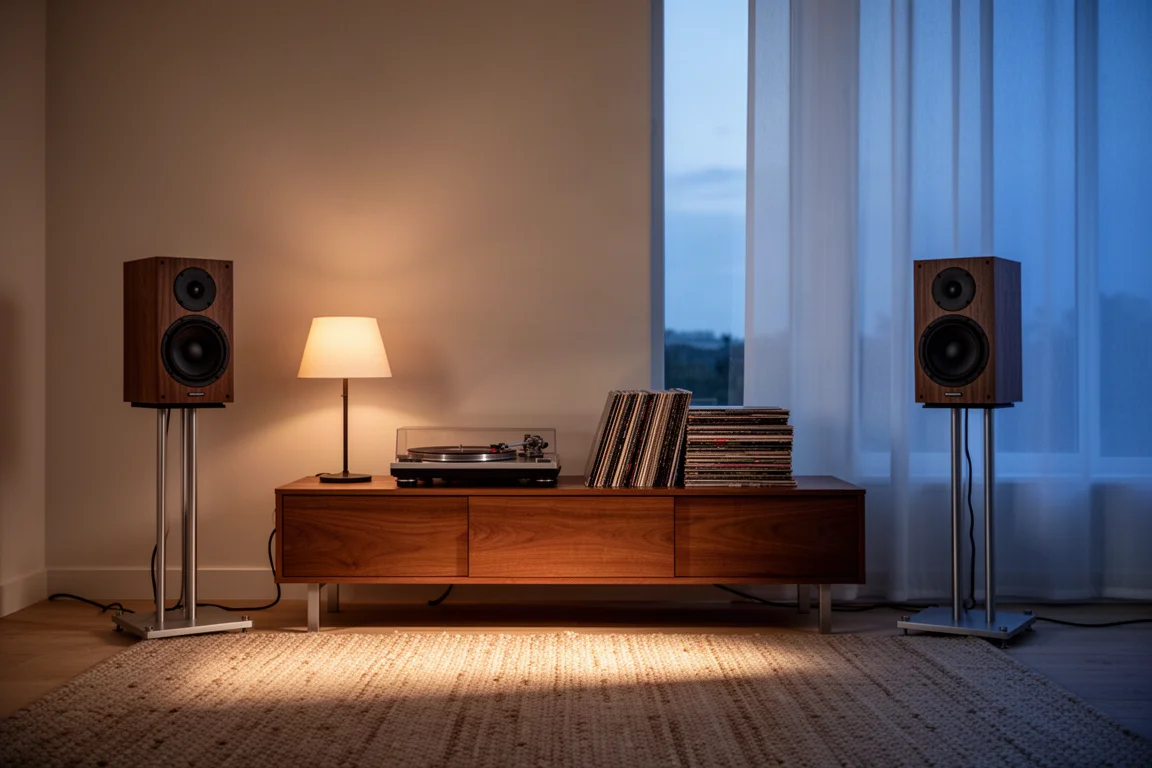
The result is a stand-mount speaker with priorities that differ from the bright, detail-forward designs many listeners are used to. Tonality, vocal realism, and comfort over long sessions come first.
Who this product is for
If you listen mostly to vocals, jazz, acoustic music, and classical, this speaker has a great deal to offer. It does not hide anything in those recordings, and it does not exaggerate anything either. It simply presents them in a natural way.
Listeners who have spent years with speakers that emphasize high-frequency extension, detail, and sparkle may need a few minutes to adjust. The treble here is deliberately understated, and the first impression can feel restrained rather than exciting.
It is also a sensible choice for anyone who wants the character of a classic BBC monitor without spending $6,000 to $7,000. The licensed versions remain more refined, but the fundamental presentation is recognizably in the same family.
Main strengths
This speaker does not try to impress in the first five seconds. Its strengths emerge as you keep listening, and they are the kind that hold up over months rather than minutes.
Midrange realism and vocal tonality
Male vocals, female vocals, jazz recordings, and acoustic guitar all sound believable. There is a natural tonality to the midrange that makes familiar recordings feel honest, and when a speaker does this part of the range well, it is immediately noticeable.
Nothing in the midrange feels artificially boosted. Acoustic instruments carry real weight, and the balance stays consistent across a wide range of material, including classical. This is the quality the LS5/9 design has always been known for, and it is the strongest argument for this speaker.
Dynamics and bass character
Dynamics hit harder than expected for a speaker of this type. Deep bass extension is not the focus here, and larger, more expensive designs go lower. What this speaker does particularly well is mid-bass punch.
The bass has a rounded, full-bodied character. It is not the fastest or the cleanest bass you will ever hear, but it has weight, and it is easy to notice on the right track. When a strong bassline enters, the result is a satisfying sense of body rather than a thin or lightweight sound.
Treble behaviour, imaging, and long listening sessions
The tweeter is not designed to jump out at you. It is smooth, relaxed, and never overly forward or energetic, which fits the BBC monitor approach exactly. The goal is not sparkle, it is freedom from listening fatigue, and the treble stays smooth even at high volumes.

Imaging and soundstaging are also a strong point. The stage is not enormous, but it is larger than most bookshelf speakers manage, and it locks into place easily. Instruments and vocals separate cleanly, so it is possible to hear into the mix on almost any track.
Things to consider before buying
A few practical details matter more with this speaker than with most.
Leave the grilles on
Unusually, this speaker sounds more correct with the grilles installed. Removing them introduces audible edge diffraction from the cabinet, and replacing them smooths everything out again. The grille is part of the acoustic design rather than a cosmetic accessory.
The small badge on the front baffle is another detail worth knowing about. With loud, bass-heavy material it can be heard flapping. It is essentially a sticker, so it can be peeled off if it becomes distracting.
Stand height and the acoustic centre
Stand height matters more than you might expect. The acoustic centre sits much closer to the middle of the cabinet than the top, and because the grille hides the tweeter, many listeners assume it is higher than it is. That leads to stands that place the speaker too low.
A 24-inch solid steel stand puts the acoustic centre at ear height in a typical seated position. When the height is right, the midrange snaps into focus and the imaging becomes more coherent.
Amplifier pairing and light equalisation
This is not a difficult speaker to drive. A budget tube amplifier such as the Willsenton R200 already makes a good pairing, and the Cayin Jazz 80 adds noticeably better control and refinement that complements the relaxed character of the speaker.
Low-powered high-end tube amplifiers also drove it without trouble. Both a 6L6 P design and a 300B design worked, and despite the 300B having less power on paper, it was the more enjoyable of the two, with a stronger sense of vocal realism.
There is also room for small digital corrections. The measured response already sits close to the original LS5/9 balance, so only minor parametric EQ adjustments were needed to bring it even closer.
Buying advice
The licensed LS5/9 is still the more polished product. It has better cabinetry, more sophisticated drivers, and the craftsmanship and heritage that come with the official design. What the Sound Artist version captures is much of the same fundamental character: the tonal balance, the vocal realism, and the relaxed presentation.
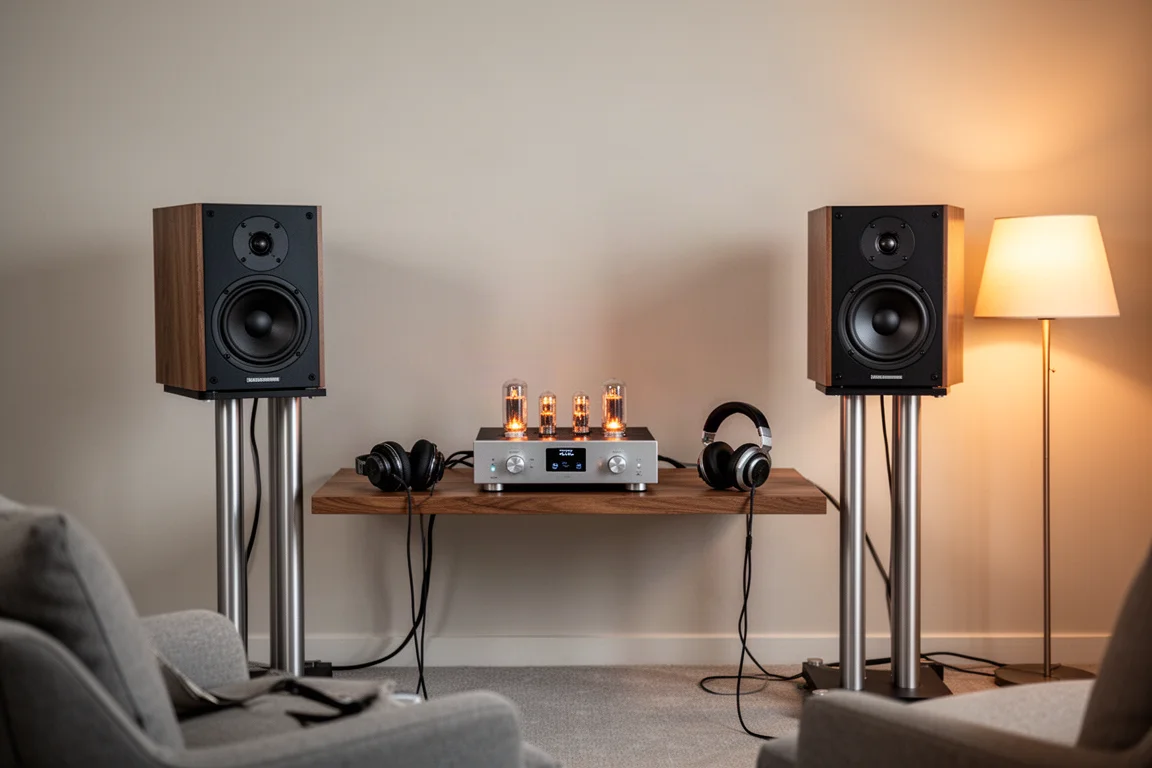
At $949 including shipping, that character arrives at roughly one sixth of the cost of a licensed pair. If your priority is a natural midrange and a presentation you can listen to for hours, the value here is difficult to ignore. If you want maximum deep bass extension or a forward, sparkling treble, look elsewhere.
Conclusion
The Sound Artist LS5/9 is not trying to reinvent hi-fi. It brings a classic BBC studio monitor sound to a price point that was not previously accessible, and it does so with a tonal balance that stays close to the original. For listeners who value vocals, jazz, acoustic, and classical music, it is one of the more interesting speakers available at this price.
Product link
View more details for Sound Artist LS5/9
This product is mentioned in the review. Check the specifications, options, and compatibility before buying.
View more details for Sound Artist LS5/9Further reading
Related Reviews
Hi-Fi Speakers
1723 THX Tower vs 1528 Bookshelf: Which Speaker Fits Your Room?
Two speakers at roughly the same price, built very differently. How the 1723 THX tower and the 1528 bookshelf compare on construction, bass, power needs, and sound.
Hi-Fi Speakers
Acoustic Energy AE 300 Review: Deep Bass From a Compact Standmount
A two-way standmount with real wood veneer, surprising low-end weight, and a warm, easygoing character. Here is what to know before buying.
Hi-Fi Speakers
Acoustic Energy AE1 40th Anniversary Review: A Modern Take on a British Classic
A compact standmount that revives a 1980s favorite with all-new parts, a warm mid-centric balance, and a price of £1,499 per pair.