Bookshelf Speakers
Sound Artist LS3/5A Review: A Classic Monitor Formula at a Fraction of the Price
A China-made take on the BBC LS3/5A monitor formula, with real rosewood, a five-year warranty, and a $569-per-pair price. Here is where it shines and what to weigh first.
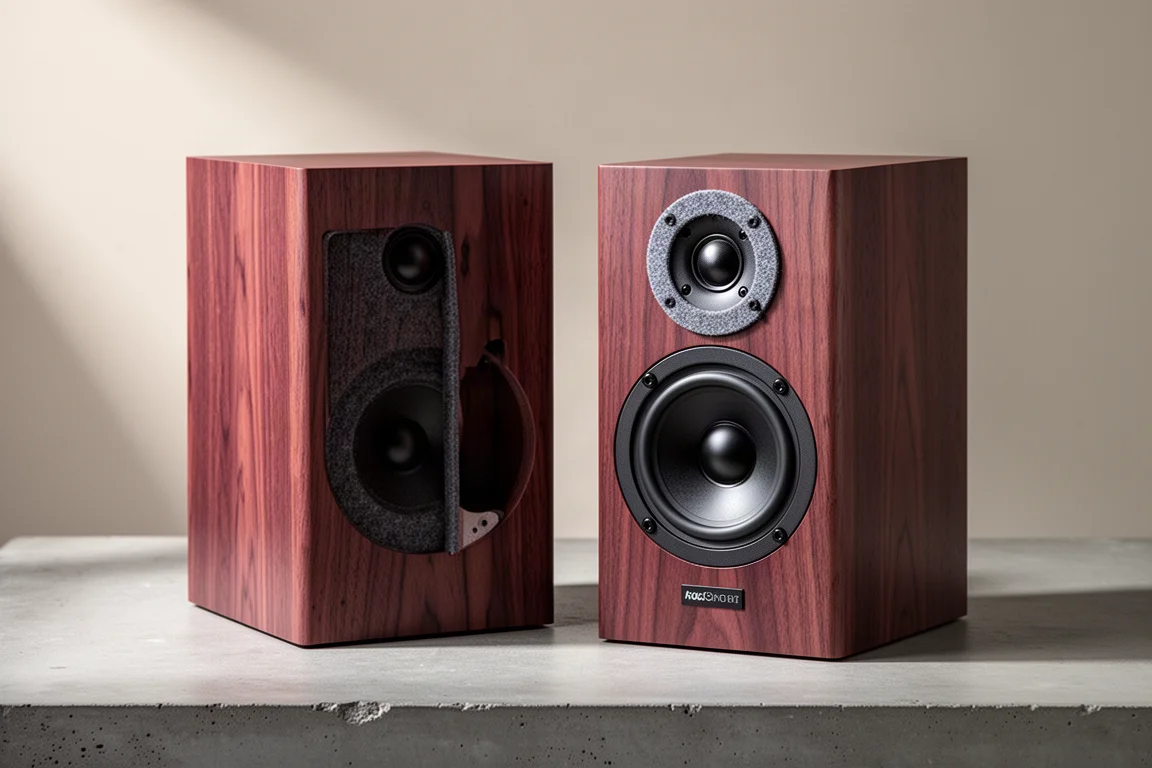
Introduction
The LS3/5A is one of the most recognizable small monitor designs in audio. It began as a BBC specification in the early 1970s, drawn up for nearfield monitoring in very small studios and in mobile recording trucks. British manufacturers including Rogers, Spendor, Chartwell, and Falcon built versions to that specification, and several of those names kept the design in production for decades afterwards. More than half a century on, the formula still has a dedicated following.
The Sound Artist LS3/5A follows the same blueprint. It is a China-made interpretation rather than an officially licensed BBC LS3/5A, and it does not pretend otherwise. What it carries over is the recipe: a 4.5-inch midwoofer in the spirit of the original KEF design, a 3/4-inch Mylar dome tweeter, and a cabinet that stays close to the original dimensions.
The price is the headline. The Sound Artist sells for $569 a pair including shipping, finished in real rosewood rather than a vinyl wrap, and it ships to most countries. Local taxes and duties are a separate matter. A five-year warranty covers the speaker.
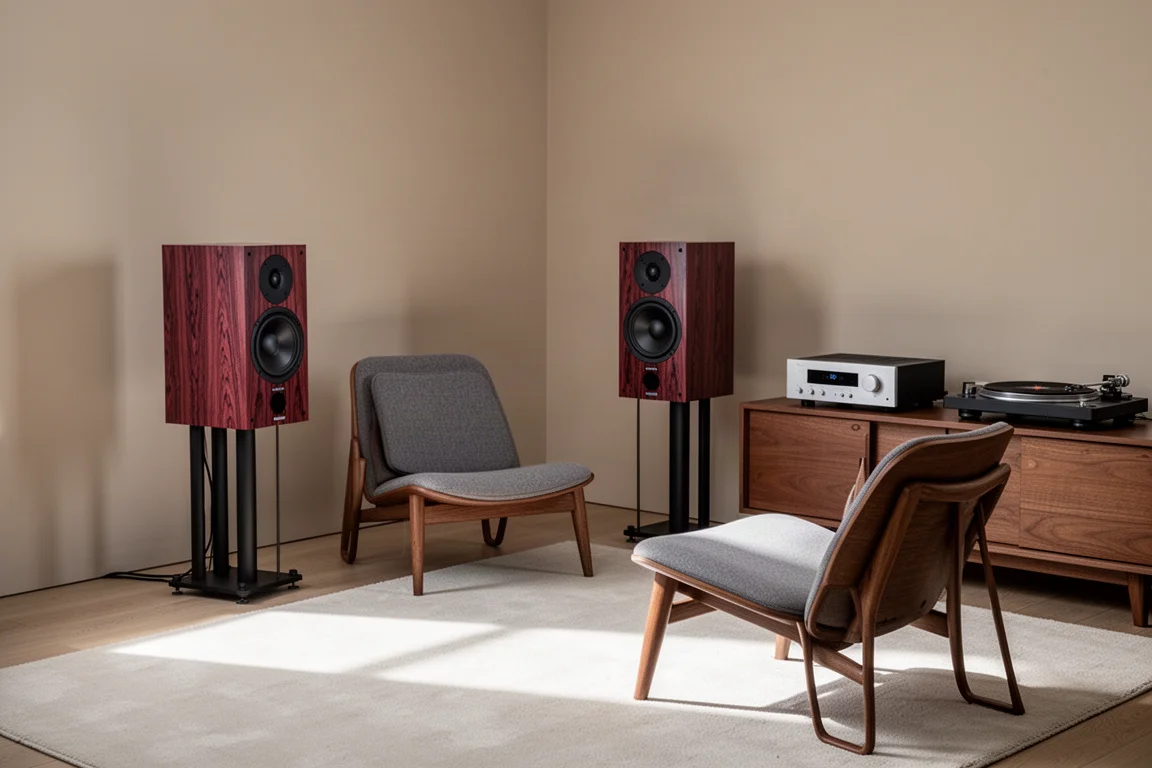
For context, licensed LS3/5A models from Rogers, Chartwell, and Falcon run well over $2,000 a pair, and some versions reach $4,500 a pair. Judged on cost and finish alone, the Sound Artist sits in a completely different bracket.
Who This Speaker Is For
This is a nearfield monitor in the truest sense. It was designed to be listened to from close range in a small room, and that is where it makes the most sense. Listeners who sit four to seven feet from their speakers, in a modest space, and who care most about voice, acoustic instruments, and a wide, open soundstage will get the most from it.
It is not a speaker for loud playback. It is also not a speaker for listeners who treat deep bass extension as a priority. Anyone who mostly plays bass-heavy electronic music, or who wants to fill a large room at high volume, should look at a larger design.
Main Strengths
The first thing that stands out is the soundstage. The presentation extends well beyond the physical positions of the two cabinets, and the speakers themselves tend to disappear as sources. Paired with good electronics, the result is an open, spacious image with strong depth.
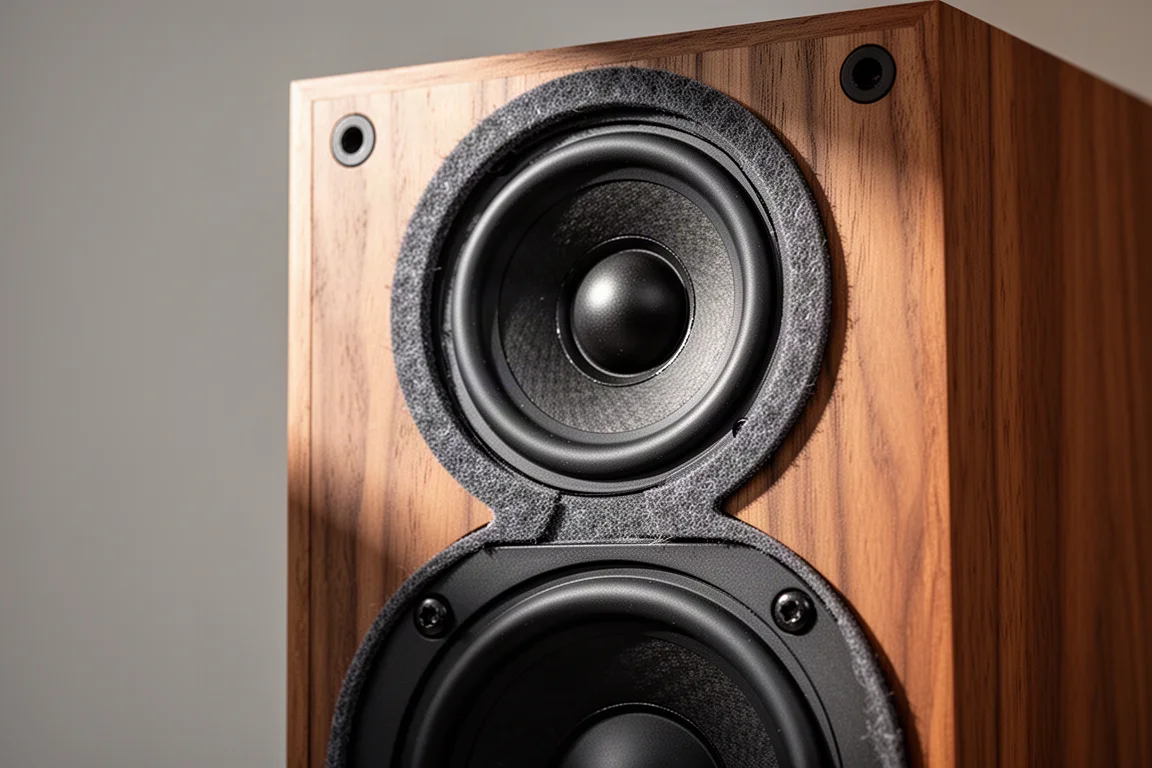
Tone quality on voice and acoustic material is the other standout. The felt pads around the tweeter, which are there to reduce diffraction from the front baffle, contribute to a smooth and sweet top end, and the speaker sounds best with the cloth grilles left in place. The grilles are held on with velcro and are finished to the same standard as the cabinet.
Timing is a quieter strength. On rhythmically demanding material the LS3/5A hangs together well, tracking pace and groove more convincingly than some larger and considerably more expensive standmounts.
Things to Consider Before Buying
The rated sensitivity is 83 dB, which is low, and the nominal impedance is 11 ohms, which is high. Those figures look intimidating on paper, but in practice the speaker is easy to drive as long as listening levels stay moderate, up to roughly the mid-80 dB range. Amplifiers as small as 10 watts per channel handled it without strain at those levels.
What it does demand is quality. This is a revealing little speaker, and it is not flattered by poor electronics. Amplifiers used during listening included a 30-watt-per-channel class AB design, a restored vintage tube amplifier, a 10-watt-per-channel amplifier, and a 20-watt-per-channel tube amplifier, and all of them drove the speaker successfully.
Volume is worth planning for. Like most small speakers, the LS3/5A does not come alive at very low levels, around 50 to 55 dB. It encourages you to turn it up, which suits small rooms but not shared walls.
Bass is the obvious limitation. A 4.5-inch woofer can only do so much, and while the speaker produced reasonable low end on bass-heavy recordings, and a subwoofer was not required to enjoy them, listeners who prioritise bass should either add a subwoofer or choose a larger speaker. This is not a speaker for bass enthusiasts.
How It Compares With Other Speakers
Against the KEF LS50 Meta, which sells for around $1,600 a pair, the difference is character rather than class. The KEF digs substantially deeper in the bass, sounds more dynamically alive, and comes across as the more modern design. It images well too. Even so, on sheer openness and the sense of scale it creates in a room, the KEF did not clearly outperform the Sound Artist, and in close nearfield listening the Sound Artist’s image specificity held its own.
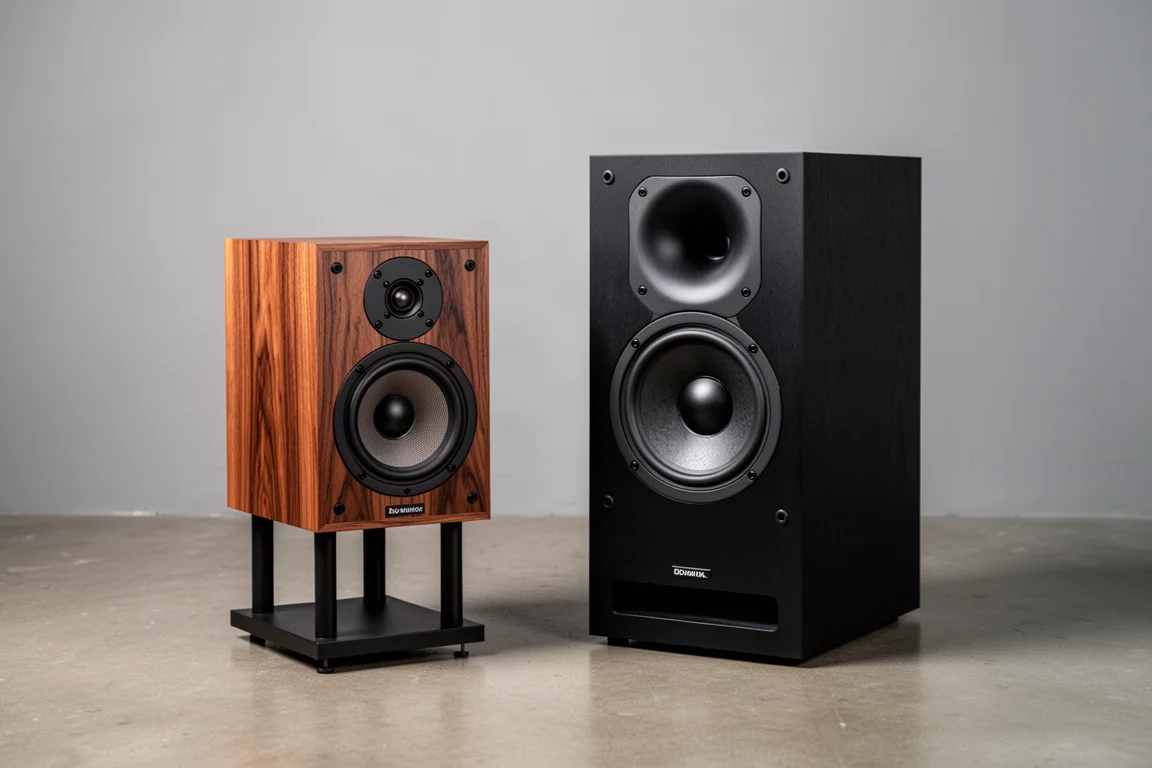
The Klipsch RP-600M Mark II, at roughly $550 a pair, is a very different animal. It is a much larger, horn-loaded standmount with far greater dynamic capability and the ability to play loud. The Sound Artist cannot match it there, and it cannot match its bass output either. The trade-off goes the other way on refinement: the Sound Artist has the better soundstage depth, the more dimensional presentation, and the more convincing tone on piano and on the body of a bass instrument. On rhythm and timing, and on the simple question of whether the music connects, the Sound Artist came out ahead.
The Falcon M10, a larger standmount currently around $3,000 a pair, is the bigger-sounding speaker of the two, with more bass on offer. The Sound Artist is not intended to compete on those terms.
Amplifier Matching and Setup Notes
Distance matters more here than with most speakers. At four feet the presentation is large and immersive. At seven feet it still works very well. Beyond that, the LS3/5A increasingly sounds like the small speaker it is. A small room with the listening seat relatively close is the ideal scenario.
Placement is forgiving. The pair used for listening sat about 15 inches from the wall behind them and behaved well. Nearfield users should experiment with toe-in, since image specificity improves noticeably as the listening position moves closer.
Because the speaker is easy enough to run on very modest power but transparent enough to expose weak amplification, the sensible approach is to spend on the quality of the watts rather than the quantity. A well-built low-power amplifier is a better match than a high-power design of lesser quality.
Buying Advice
At $569 a pair including shipping, with a real rosewood finish and a five-year warranty, the Sound Artist LS3/5A is a straightforward value proposition. Licensed LS3/5A models start at well over $2,000 a pair, and even used examples in good condition are rarely cheap.
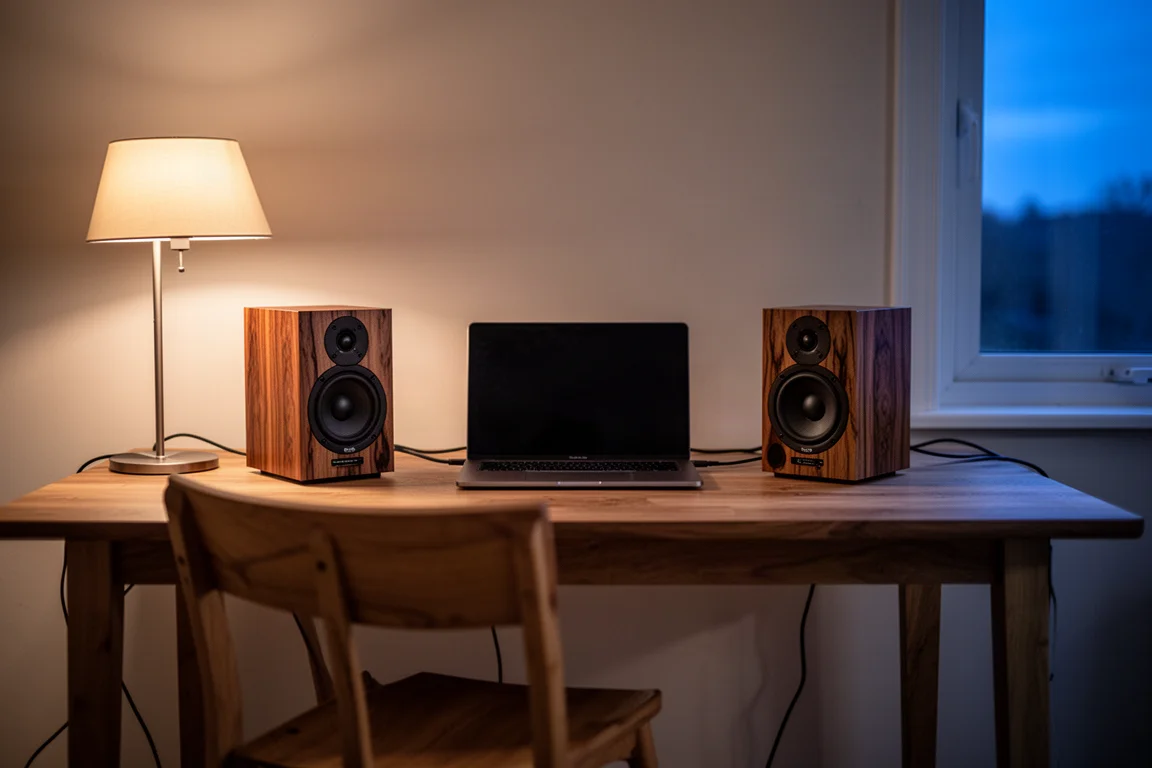
The decision comes down to expectations. Buyers who want a compact, nearfield-oriented speaker for a small room, who listen at moderate levels to voice, acoustic, and jazz material, and who already own decent amplification, will find a lot to like here. Buyers who want high volume, deep bass, or a speaker that flatters budget electronics should look elsewhere.
Conclusion
The Sound Artist LS3/5A is not an official BBC-licensed LS3/5A, and it does not need to be. It takes a well-known British monitor formula, builds it in China, and delivers it at a price that makes the format accessible. The result is a classy-looking small speaker that images beautifully, handles tone and timing well, and works with amplifiers costing far less than the designs it imitates. For the right room and the right listener, it is a confident recommendation.
Product link
View more details for Sound Artist LS3/5A
This product is mentioned in the review. Check the specifications, options, and compatibility before buying.
View more details for Sound Artist LS3/5AFurther reading
Related Reviews
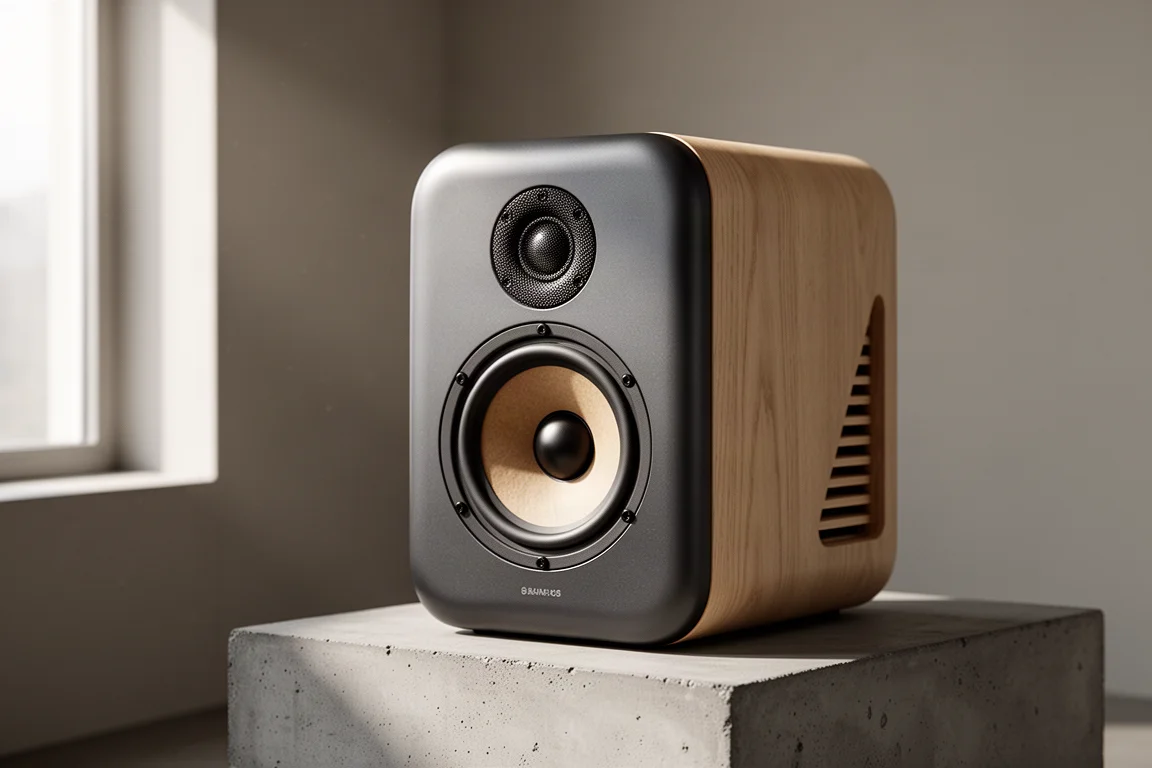
Bookshelf Speakers
Acoustic Energy A100 Mark II Review: A Compact Standmount With an Expansive Soundstage
The Acoustic Energy A100 Mark II brings clarity, natural tonality and a wide soundstage to an entry-level standmount, with a few setup details worth knowing first.
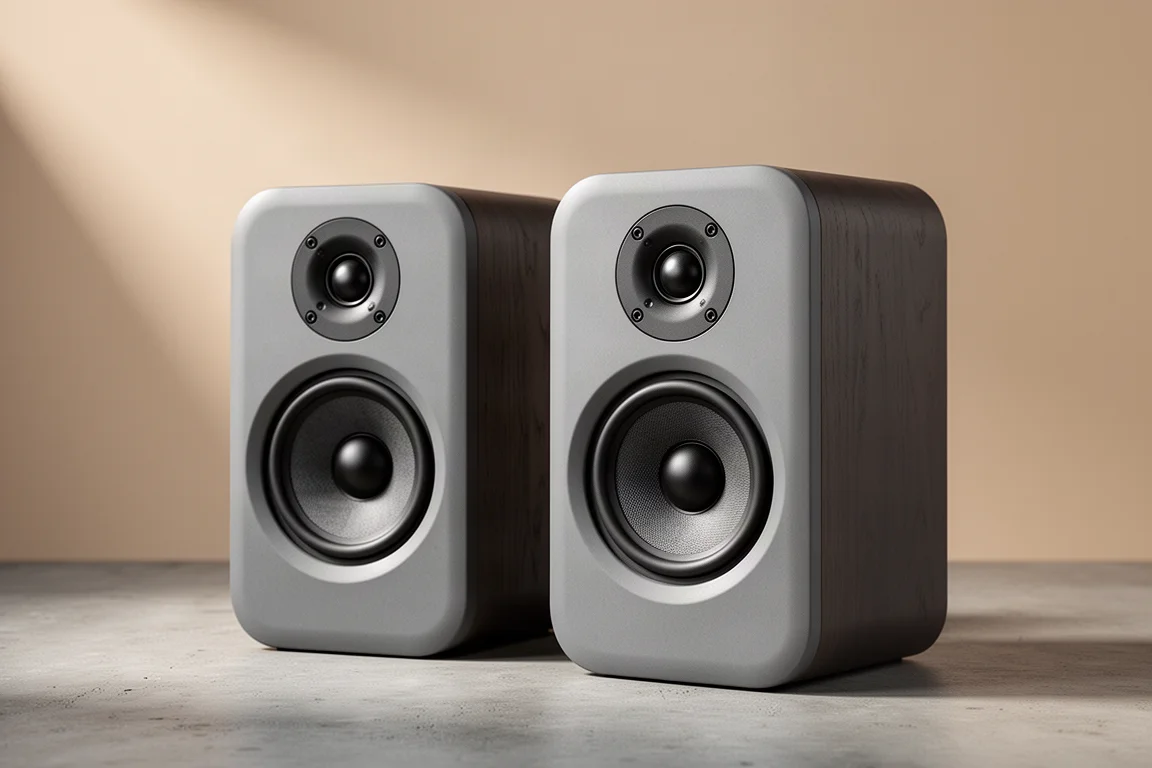
Bookshelf Speakers
Acoustic Energy AE-100 Mark II Review: Compact Bookshelf Speakers With Standout Imaging
A compact British two-way bookshelf speaker with deep, layered imaging, fast bass, and a slight treble lift to weigh against a crowded $500 field.
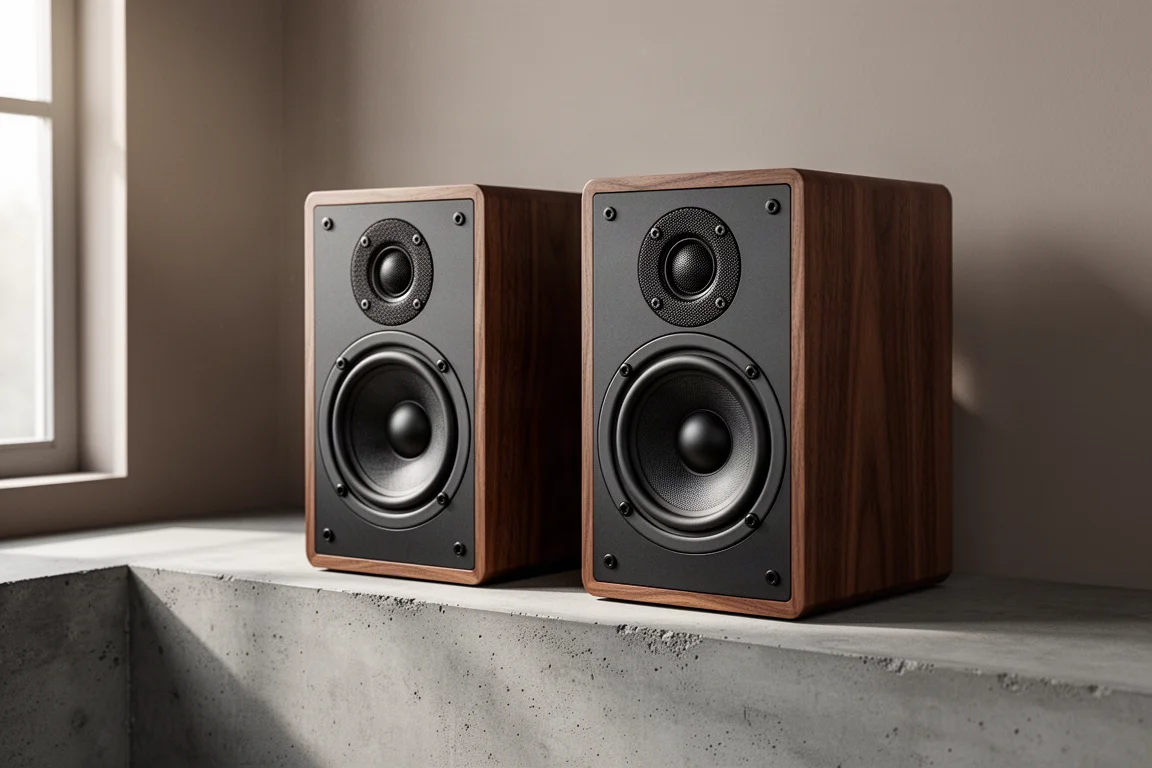
Bookshelf Speakers
Acoustic Energy AE100 MK2 Review: Measured Performance and Four Alternatives
A close look at the Acoustic Energy AE100 MK2 bookshelf speaker, what its measured performance reveals, and four alternatives with different trade-offs.