Camping Cookware
SOTO Outdoors Titanium Pot 1100 Review: A 1,100 ml Titanium Cook Pot for Backpacking
A thin-walled 1,100 ml titanium pot that weighs 3.9 oz with its lid and lifter. Here is how it stacks up against a budget aluminum grease pot on weight, heat, and price.
Introduction
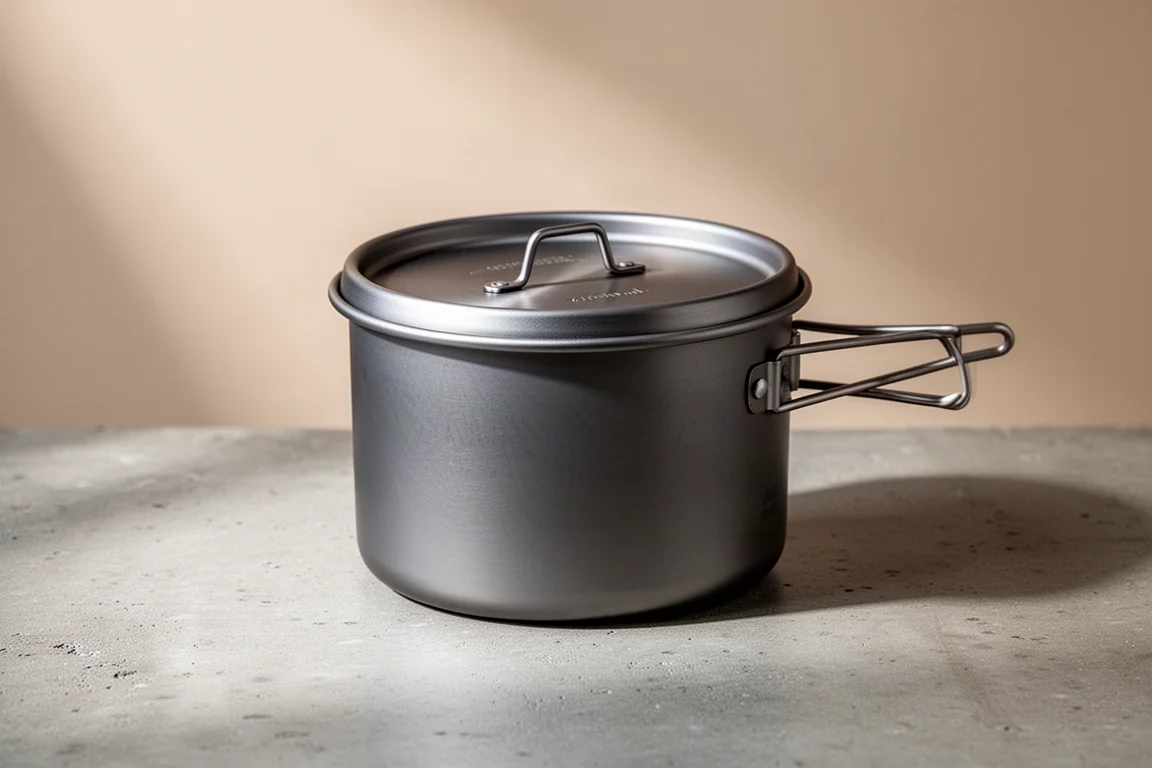
Choosing a cook pot for a long distance hike is a balancing act between weight, price, and how quickly the pot actually heats water. The SOTO Outdoors Titanium Pot 1100 sits on the light and costly side of that balance: a 1,100 ml titanium pot that weighs 3.9 oz with its lid and the included lifter, or 3.2 oz once the lifter is left at home. It is a direct replacement for the aluminum grease pot that many budget backpackers start out with, including the one this pot was bought to succeed, a pot that has covered more than 10,000 miles of trail and still functions today.
The case for the change is partly weight and partly material preference. Titanium is lighter, and for some hikers it is a more comfortable choice than aluminum for a vessel that will hold boiling water several times a day.
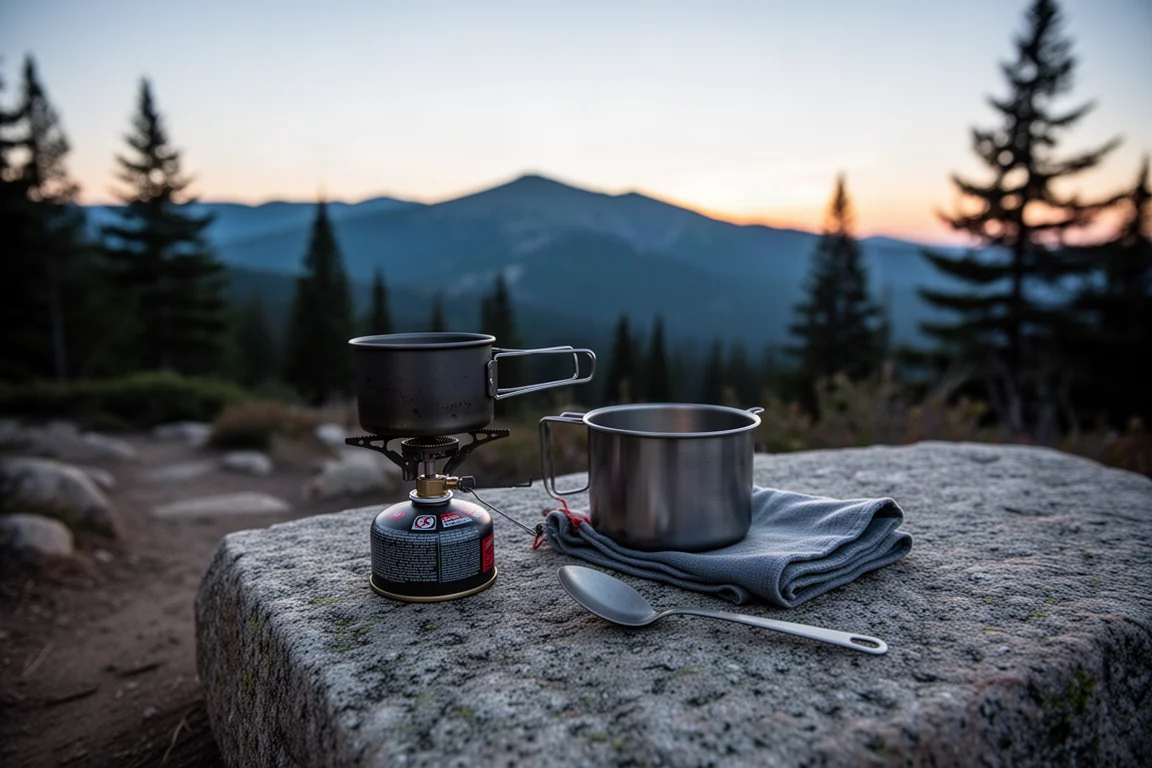
At around $45, the titanium pot costs roughly three times what a budget aluminum grease pot sells for, so the sensible question is not whether titanium is better in the abstract but whether it is better for the way you actually cook on trail.
Who This Titanium Pot Is For
This pot suits backpackers who are replacing a cheap aluminum cook pot and want something lighter, better marked, and more stable on a stove. The 1,100 ml capacity is close to the 40 oz (1,189 ml) capacity of the grease pot it replaces, so anyone used to cooking a single meal or boiling water for two in a grease pot will find the working volume familiar.
It also suits hikers who would rather not cook in aluminum. There is limited public information available to make a confident judgement about aluminum cookware, and titanium removes that question entirely. The trade-off is heat performance, which is covered further down.
Finally, it suits anyone who wants volume markings built into the pot. This is a titanium pot that is thin rather than heavy: the wall thickness is 0.3 mm, which is on the thin side even among titanium cookware and is the main reason the weight stays low.
Main Strengths
Weight is the headline. The pot, lid, and lifter together come to 3.9 oz. The lifter alone is 0.7 oz, and since a bandana or a piece of cloth does the same job, leaving it behind brings the usable weight to 3.2 oz. For comparison, the aluminum grease pot weighs 3.45 oz in its current state, with the claimed weight running between 3.5 oz and 4 oz. The real-world saving is about a quarter of an ounce, which is small but genuine.
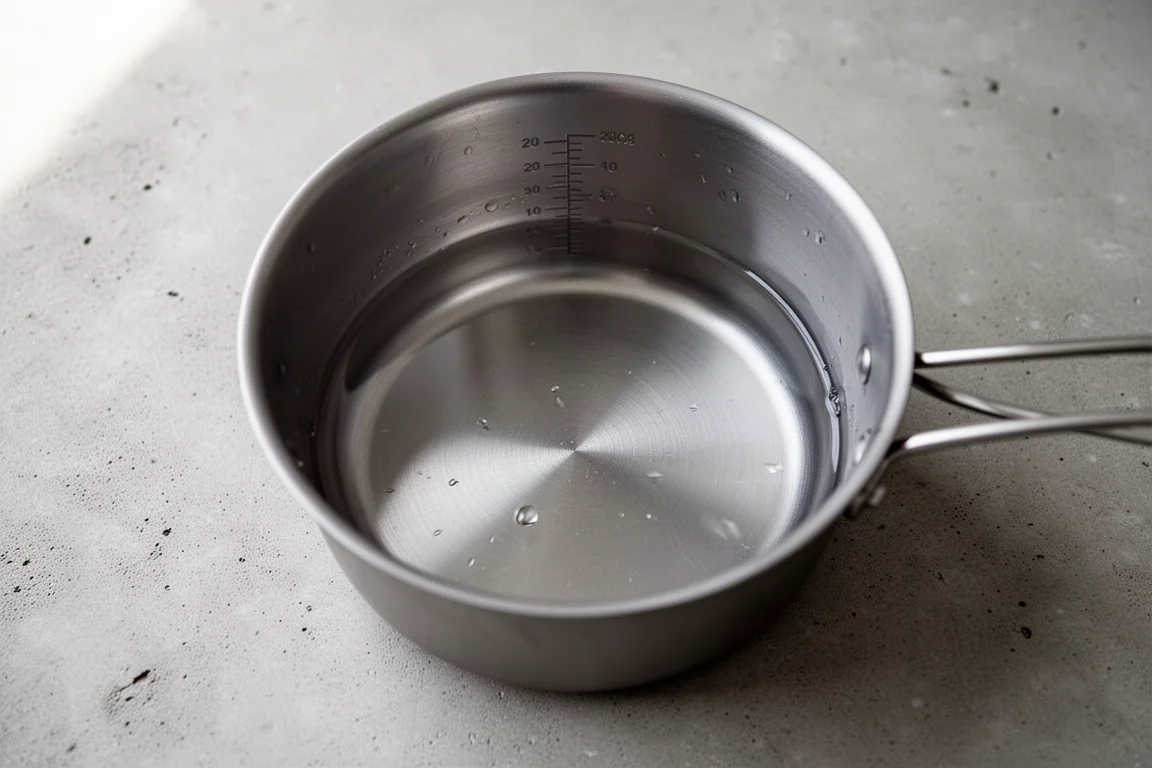
The graduated tick marks are the feature the aluminum pot does not have at all. They are marked in milliliters, so anyone used to ounces will need a conversion, but having them makes it far easier to measure water for a meal, a drink, or a rehydration without guessing.
Two smaller details matter in use. The base is noticeably grippier than a new aluminum grease pot, which tends to slide off a stove until it is roughed up with sandpaper, gravel, or a rock. And the titanium pot has a wider base than the grease pot, so the same volume of water sits shallower and spreads across a larger heated surface.
Heat Transfer and Cooking Performance
Aluminum conducts heat better than titanium, and titanium cookware has a reputation for hot spots and less even heating. That reputation is earned, but it comes with a caveat: aluminum that is very thin or uneven, which is exactly what a cheap grease pot is, can also develop hot spots. The material matters, but so do the thickness and the shape of the pot.
To see how the two compare in practice, 500 ml of water was measured into each pot and left to settle so both would start at the same temperature, which they did to within 0.3 degrees. The stove was lit and allowed to warm up, and the fuel setting was left untouched for both runs. Timing from room temperature to 210 degrees F, the titanium pot took 8 minutes and 50 seconds and the aluminum pot took 8 minutes and 12 seconds. The aluminum pot was faster by 38 seconds. An earlier attempt was inconclusive because the thermometer would not read reliably above roughly 200 to 210 degrees F, so the run was repeated from a cold start.
A 38 second gap is not dramatic, but over a long hike it adds up, and it matters most to hikers who count fuel.
Things To Consider Before Buying
The 0.3 mm wall is the source of both the low weight and the slower boil. If boiling speed and fuel economy are the top priorities, a thicker aluminum pot remains the faster tool, and the wider base of the titanium pot only partly offsets the difference in conductivity.
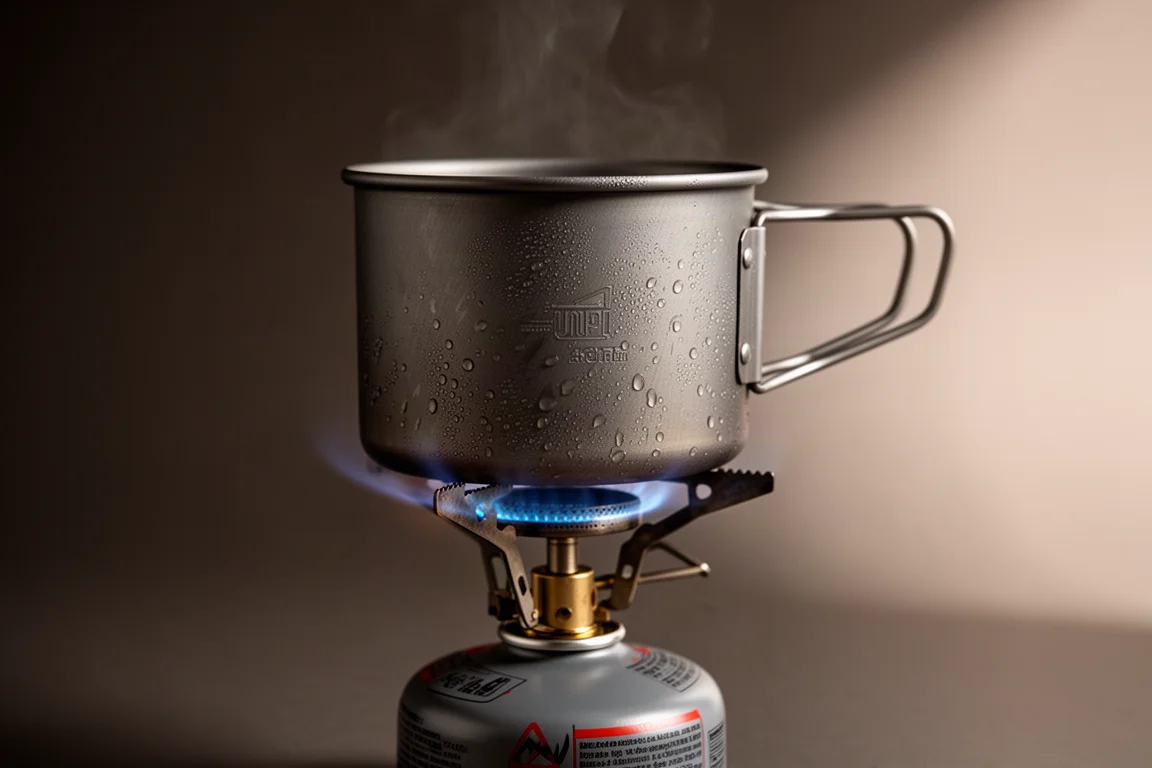
The included lifter adds 0.7 oz for a job a cloth can do, so plan to leave it at home unless you want a dedicated tool for lifting a hot pot. It is also worth checking that the pot sits securely on your particular stove before you rely on it for a hot meal on a cold, windy evening.
There is one more consideration that is easy to overlook: this is a material upgrade, not a performance upgrade. Titanium does not boil water faster than aluminum, and the weight saving over a grease pot is a quarter of an ounce. Anyone expecting a dramatic change in how the cook kit feels on their back will be disappointed.
Price and Long-Term Value
The titanium pot costs around $45. A budget aluminum grease pot originally sold for about $8 and can now be found online for less than $15, though prices fluctuate by retailer. That puts the titanium option at roughly three times the cost for a quarter ounce of weight savings, milliliter markings, a grippier base, and a non-aluminum cooking surface.
Whether that is good value depends on what you are optimizing for. Hikers who want the lightest possible kit for the money will get more from spending the difference elsewhere. Hikers who plan to carry the same pot for several thousand miles, want markings, or prefer to avoid aluminum will get more out of the titanium pot than the price difference suggests.
Buying Advice
If a budget aluminum grease pot is already doing the job, the SOTO Outdoors Titanium Pot 1100 is a refinement rather than a transformation. It is lighter by a quarter of an ounce, easier to measure with, and more stable on a stove, and it costs about three times as much. Buy it if you want to move away from aluminum, if you want volume markings built into the pot, or if you simply prefer titanium for a pot you intend to carry for years. Stay with a thicker aluminum pot if boil speed and fuel economy come first.
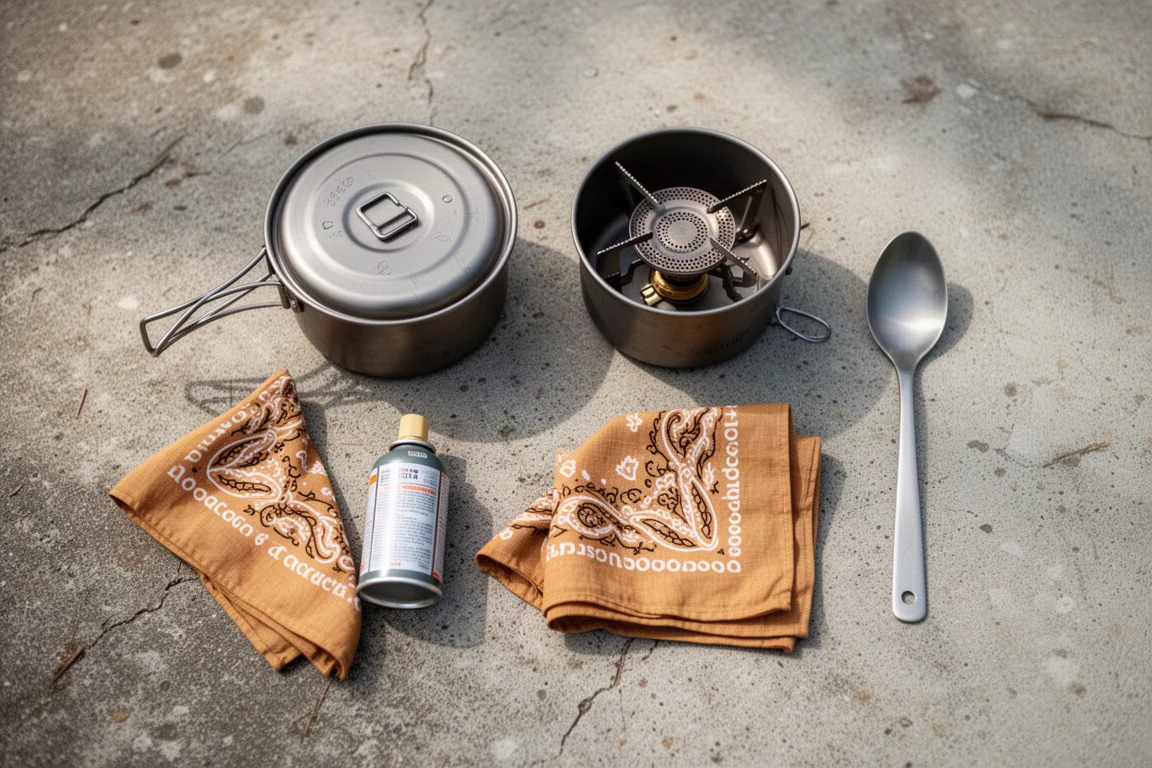
Whichever route you take, the practical steps are the same: check that the pot sits firmly on your stove, keep a cloth for lifting it, and confirm the capacity against the meals you actually cook. A 1,100 ml pot is a comfortable size for one person and workable for two, which is exactly why it was chosen here. Two pots are needed for a shared hike, and this one is the lighter of the pair.
Conclusion
The SOTO Outdoors Titanium Pot 1100 is a thin-walled, 1,100 ml titanium pot that saves about a quarter of an ounce over a budget aluminum grease pot, adds milliliter markings, and grips a stove better out of the box. It heats a little more slowly, with 500 ml reaching 210 degrees F in 8 minutes and 50 seconds against 8 minutes and 12 seconds for aluminum. It is a sensible choice for backpackers who want a titanium cook pot for the long haul, and a less obvious one for anyone chasing the fastest possible boil on the smallest possible budget.
This pot is set to be field tested over an 800 mile thru-hike, which will show how it holds up across a full season of daily use.
Product link
View more details for SOTO Outdoors Titanium Pot 1100
This product is mentioned in the review. Check the specifications, options, and compatibility before buying.
View more details for SOTO Outdoors Titanium Pot 1100Further reading
Related Reviews
Camping Cookware
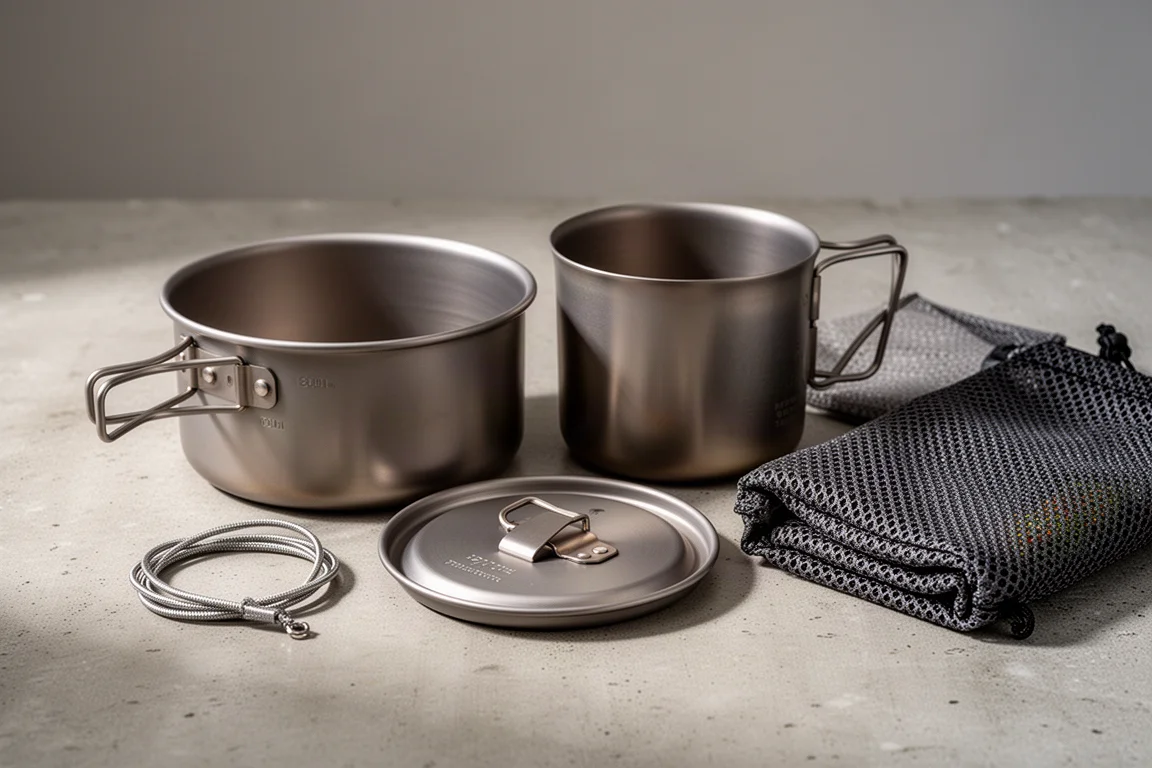
Boundless Voyage Titanium Mess Kit Review: An Ultralight Pot and Cup Set for the Trail
A titanium 600 ml pot and 300 ml cup set that weighs 8.2 ounces complete, with a fire hanging cable, a roomy stuff sack, and one small modification worth making.
Camping Cookware
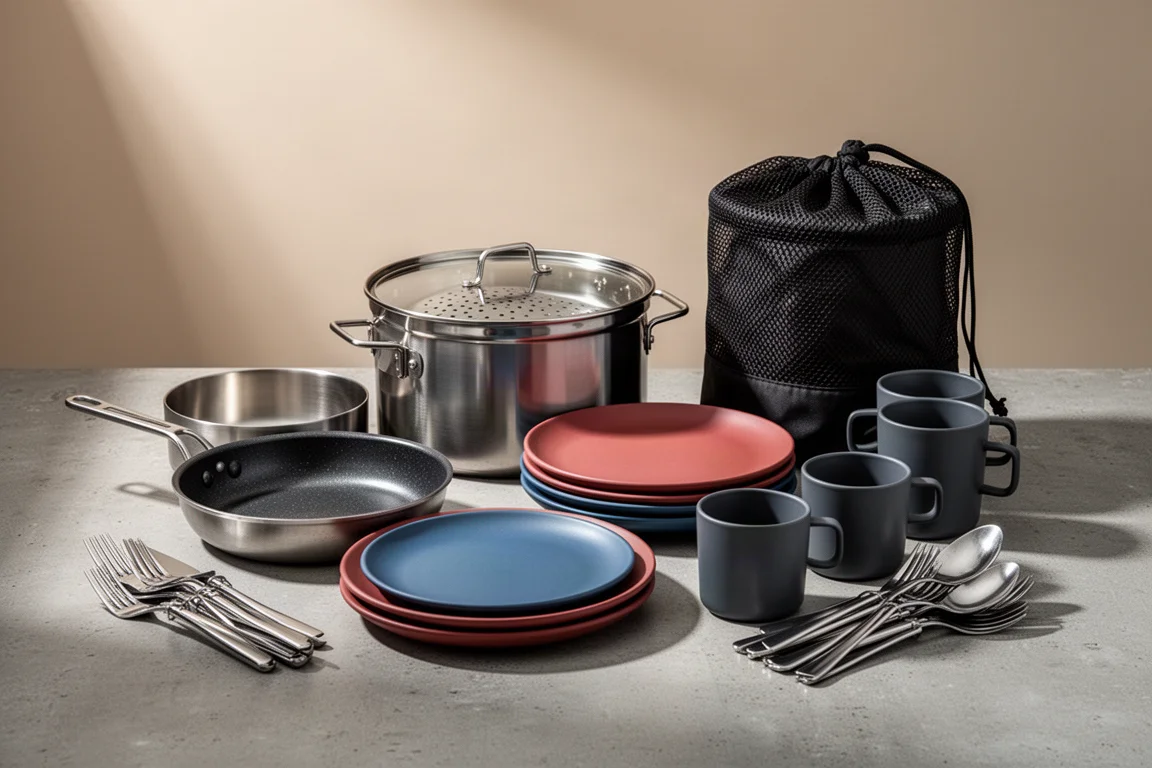
Decathlon Quechua 24-Piece Camp Cook Set Review: A Four-Person Kit for Car Campers
A close look at the Decathlon Quechua non-stick stainless steel four-person 24-piece camp cook set, covering what is inside, how it cooks, and the small quirks to know before buying.
Camping Cookware
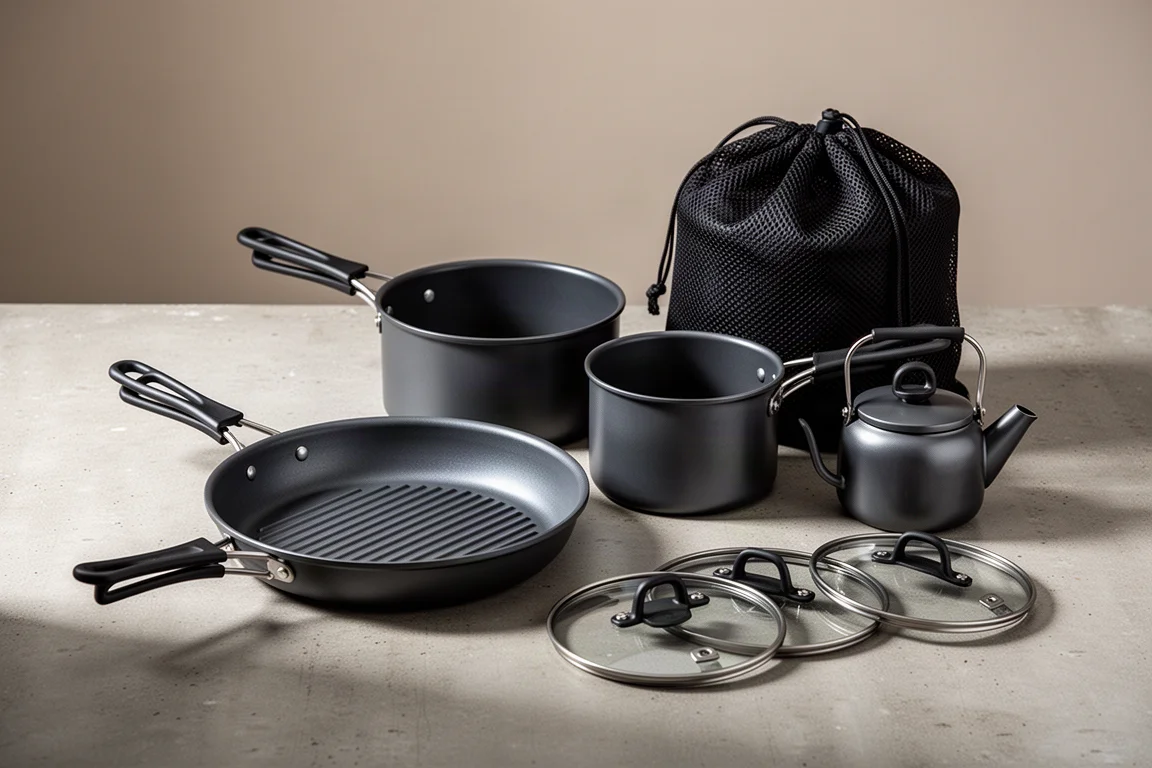
Fire Maple Feast 4 Cook Set Review: Strong Build, One Sticky Problem
A practical look at the Fire Maple Feast 4 Cook Set: excellent build quality and locking handles, generous pot capacity, and the sticking issue that will decide whether it suits your trips.