Backpacking Cookware
Best Backpacking Cook Systems and Stoves: From Boiling Water to Backcountry Baking
Nine backcountry cook systems and stoves, from tiny alcohol burners and a budget canister stove to an all-in-one kit and cookware built for real backcountry baking.
Introduction
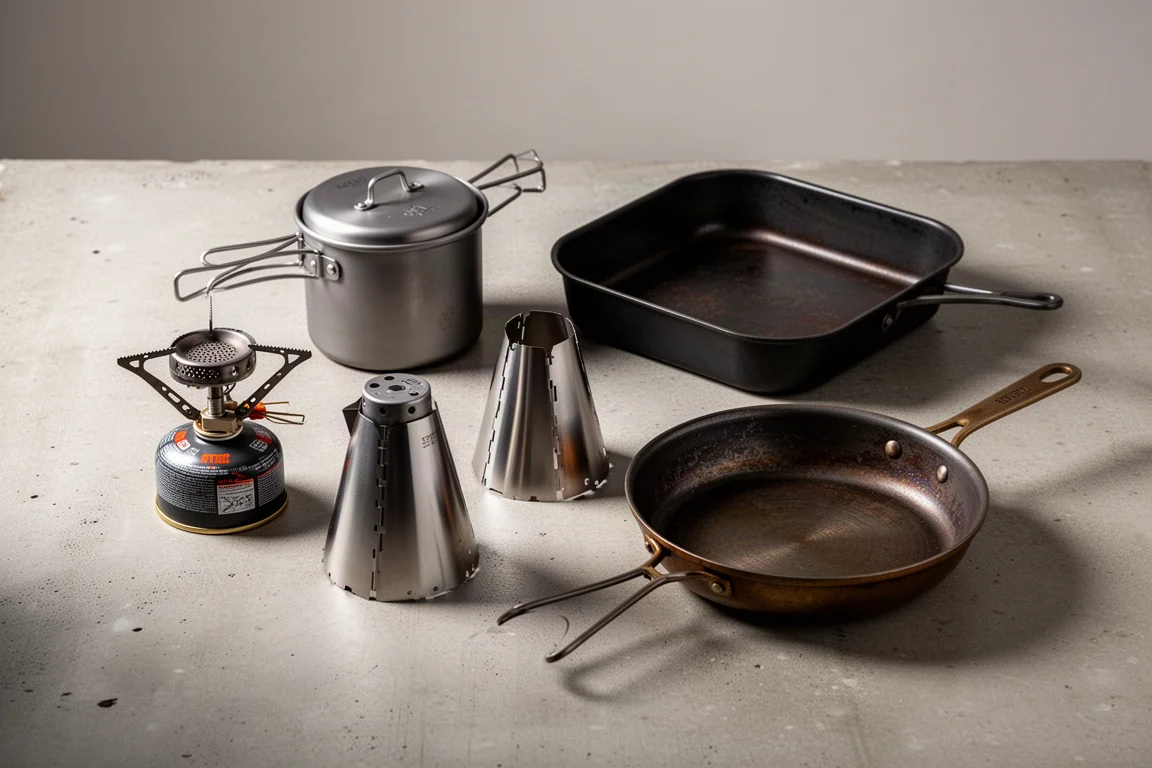
A backcountry cook system earns its place in your pack only when it matches the way you actually cook. On some trips that means nothing more than boiling water for a freeze-dried meal and a hot drink. On others it means fresh vegetables, a fish caught at the lake, or dough that has to bake in a pan over embers. The gear at those two ends of the spectrum looks completely different, and the differences come down to capacity, fuel type, and burner size.
This guide covers nine cook systems and stoves that span that full range, from a tiny handmade alcohol burner and a very inexpensive canister stove to a complete all-in-one kit and a heavy pan built for genuine backcountry baking.
How to Choose a Backcountry Cook System
Three questions settle most of the decision before you spend anything: how much water you need to boil, which fuel you are willing to carry, and how much surface area your burner can heat evenly.
Capacity: How Much Water Do You Need to Boil?
Most freeze-dried and dehydrated meals rehydrate with roughly two cups of water, and a hot drink adds a little more on top. A pot in the one-liter range covers a meal and a drink for two people, while a 550 to 700 milliliter pot is enough for one person eating from a bag. Buying more capacity than you need costs weight and pack space, and buying less usually means boiling twice.
Fuel Type: Canister, Alcohol, Liquid Fuel, or Wood
Canister stoves are the simplest option: screw on a canister, light it, and boil. They are fast, they need no priming, and the learning curve is close to zero, but you carry the empty metal canister until you get home.
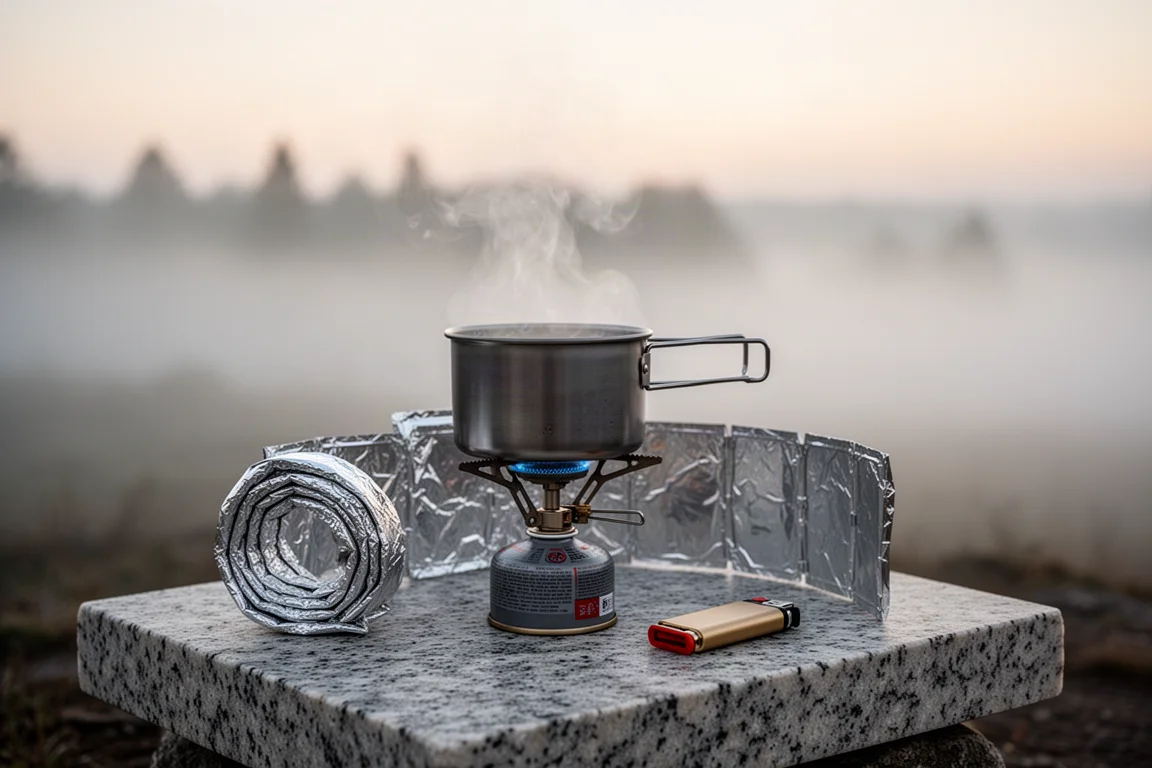
Alcohol stoves remove the canister entirely. There is no stove noise, and alcohol fuel is widely available as yellow bottle heat from grocery stores and gas stations, so you can resupply almost anywhere. The trade-offs are slower boil times, bulkier fuel bottles, and a little more practice to get consistent results. Liquid fuel stoves take a refillable bottle and a pump instead of a disposable canister, and they are the most reliable choice when temperatures drop well below freezing. Wood burning twig stoves sit at the other extreme: no fuel to carry at all, just what you gather on site.
Burner Size: Why It Matters for Real Cooking
A very small burner concentrates heat in one spot, which is fine for boiling water and poor for anything else. Put a fry pan on a tiny burner and you will scorch the center of the pan long before the food is cooked through. Wider burners spread heat across a larger area of the pan base, and that is what makes sauteing and baking realistic in the backcountry.
Best All-in-One Kit: Soto New River Pot
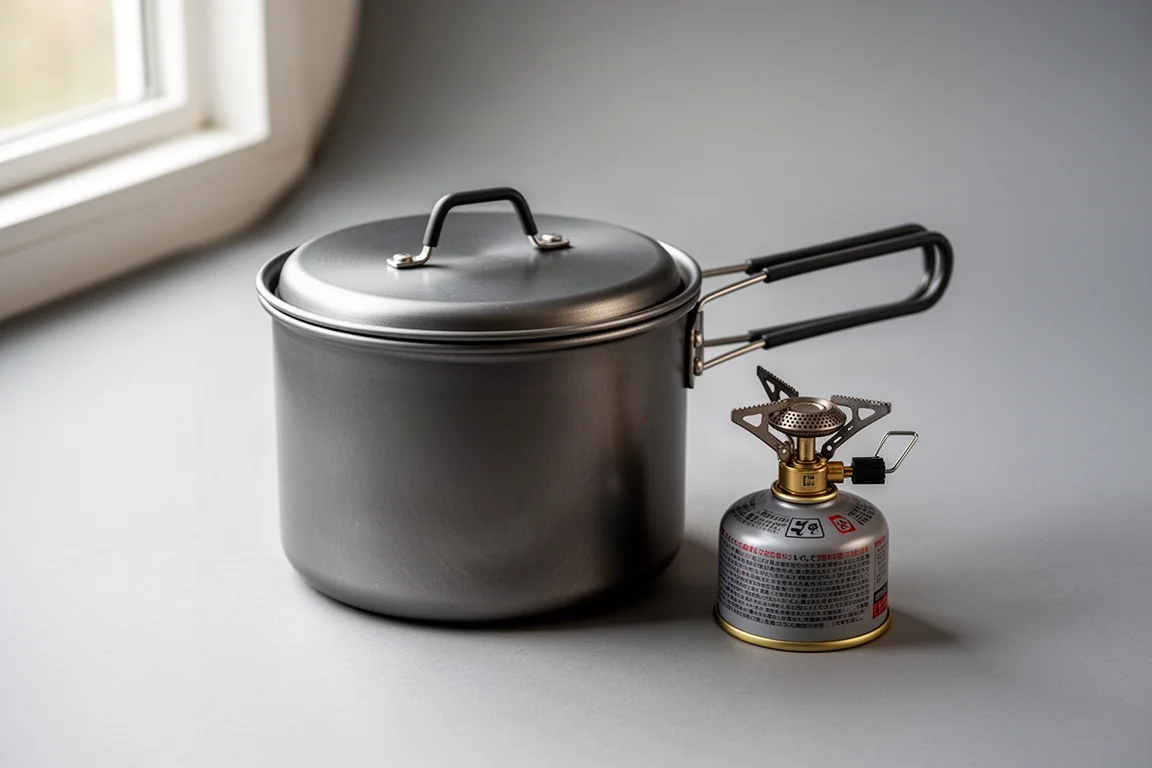
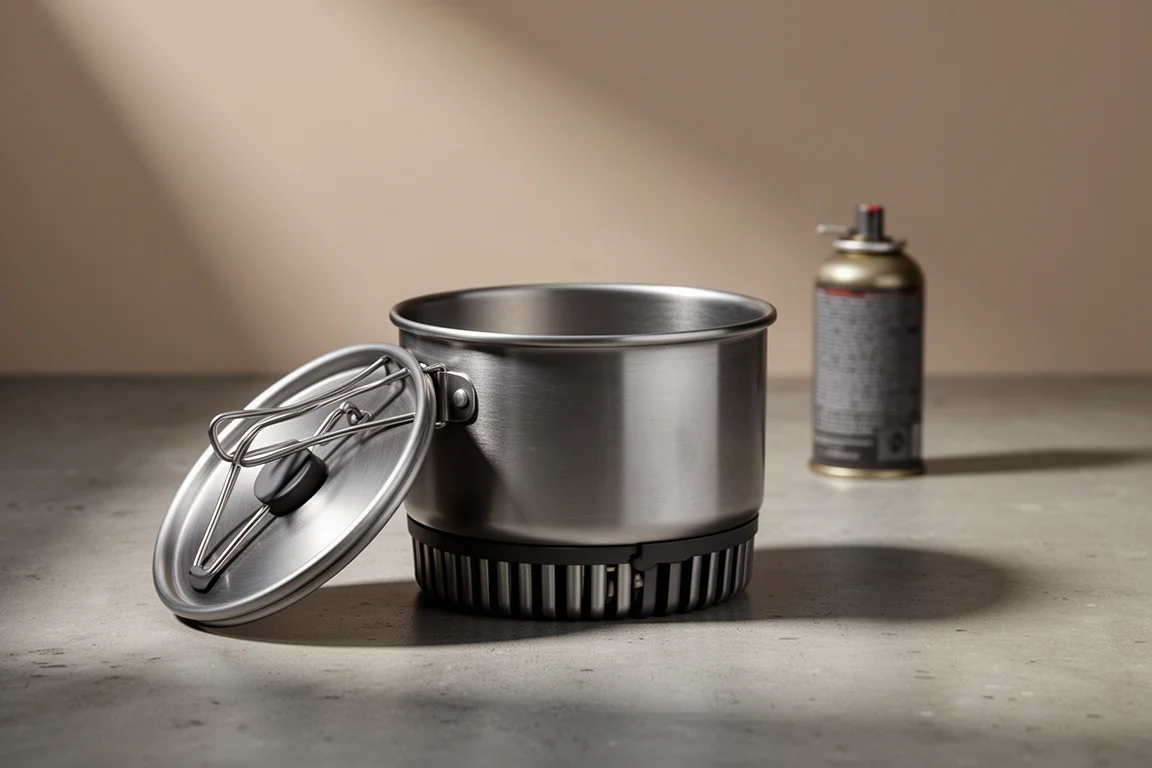
The New River Pot is an all-in-one kit: the stove and the pot arrive together as a single purchase, so there is nothing to match up afterward. The pot holds roughly a liter, enough to boil water for two people, whether that is freeze-dried meals, dehydrated meals, or a hot drink each.
The stove included in the kit is the Amicus, a lightweight canister stove with real output and a side-mounted igniter. It is noticeably quieter than some of the high-output canister stoves that dominate the market, which matters at a busy campsite or a shared shelter. A lighter still belongs in the kit as a backup, and the canister, stove, and lighter all fit inside the pot when everything is packed away.
Best Ultralight Canister Pot: Soto Thermostack
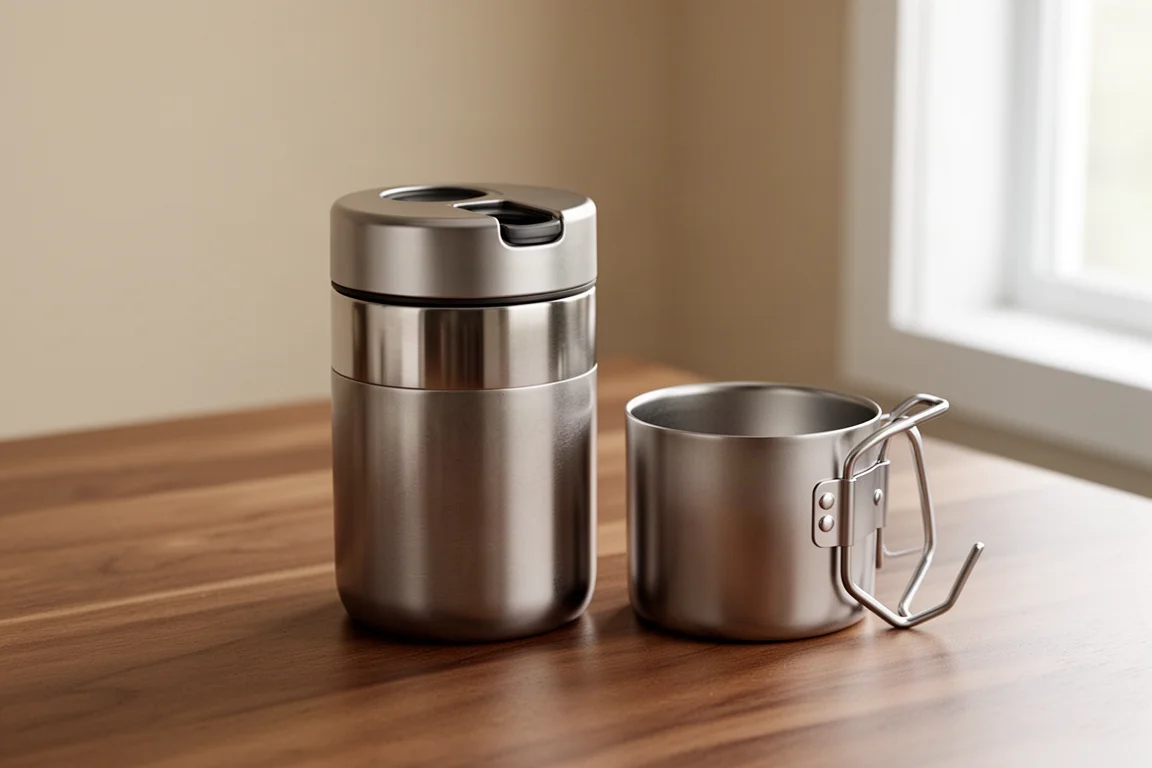
The Thermostack is the smallest system here that still does two jobs. It holds enough water for two cups, which covers the majority of freeze-dried meal bags, and it doubles as a double-wall insulated mug thanks to its lid system. A small pot grabber is included.
That combination makes it a strong choice for shorter trips where you want one vessel for both boiling and drinking. Paired with a tiny canister stove, it becomes a complete and very light setup for simple cooking.
Best Budget Canister Stove: BRS 3000T
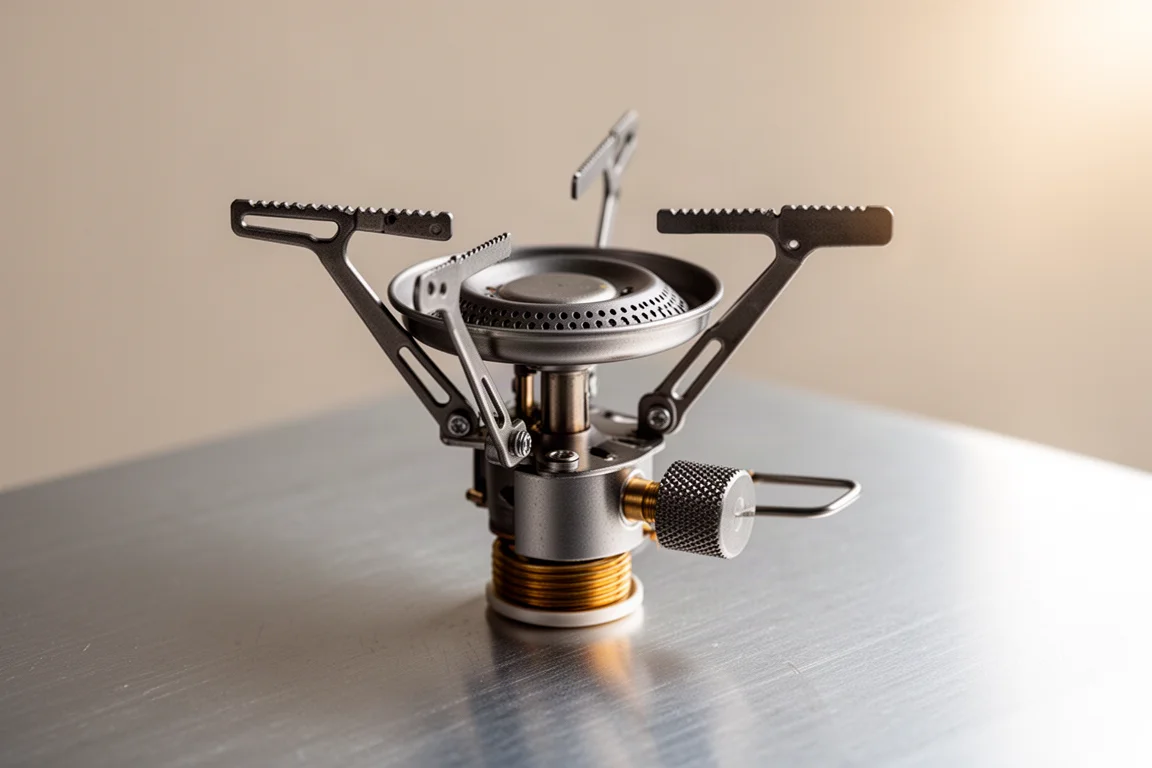
The BRS 3000T is one of the most popular backpacking stoves on the market, and at roughly twelve dollars it is also one of the cheapest. It is extremely small and light, and it works best with small pots, where a narrow and concentrated flame is exactly what you want.
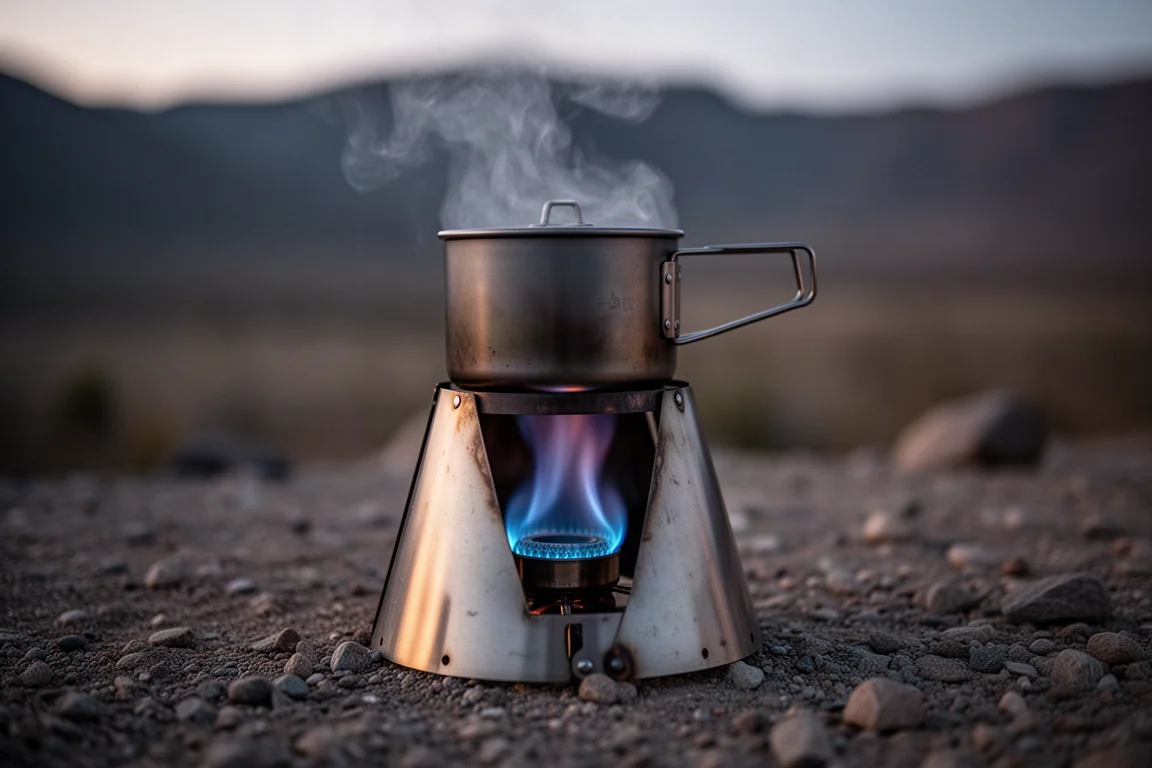
Its limits are the limits of any tiny burner. This is a boiling-water tool rather than a cooking tool, and it will scorch the base of a wide fry pan. For a one-person setup built around rehydrating meals, that is not a problem at all.
Best Alcohol System: Trail Designs Caldera Cone
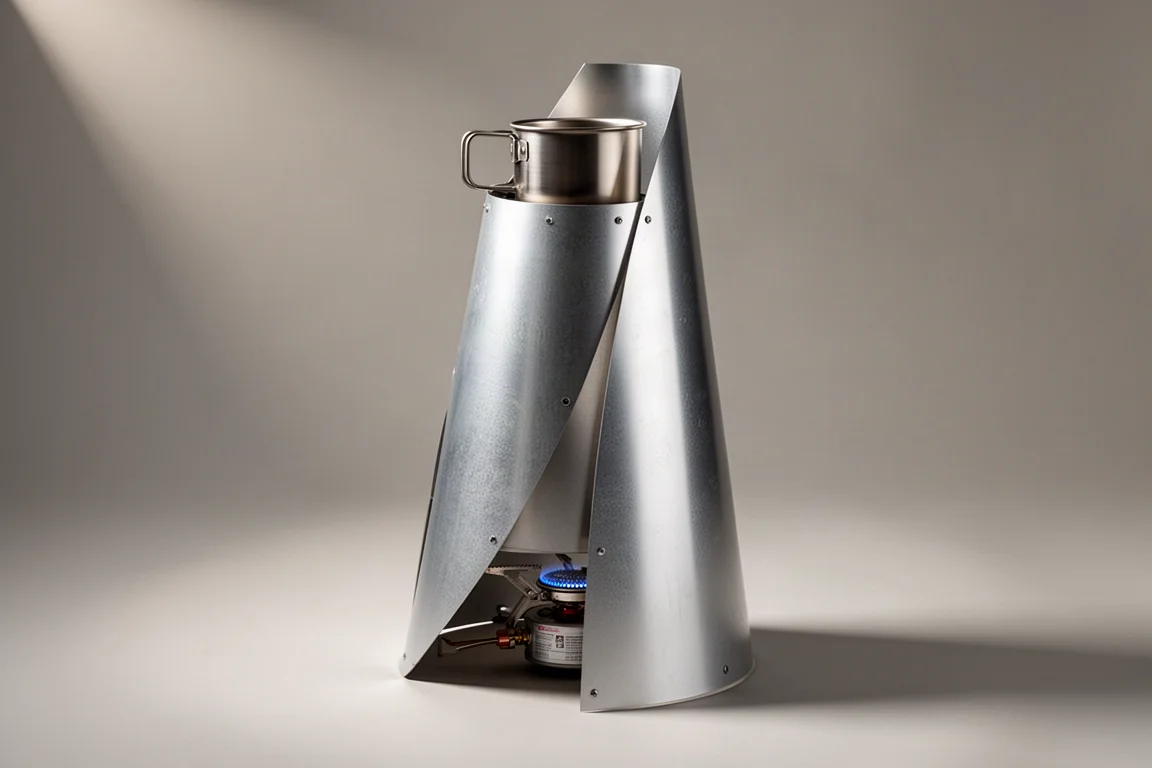
The Caldera Cone takes a different approach to an alcohol stove. Instead of a separate pot stand and windscreen, the cone itself does both jobs, wrapping around the pot and channeling heat up its sides. It pairs with a matching alcohol burner from the same brand, and the cone is fitted to a 700 milliliter titanium pot when you order it, so the whole system nests together.
The result is a very efficient boil for an alcohol setup, which closes some of the gap to canister stoves. The main drawback is bulk: the cone takes up more pack space than a folding canister stove, even though it weighs very little. The fuel itself is the other argument in its favor, since alcohol is easy to find almost anywhere.
Best Minimal Alcohol Stove: Batch Stoves Gram Weenie Pro
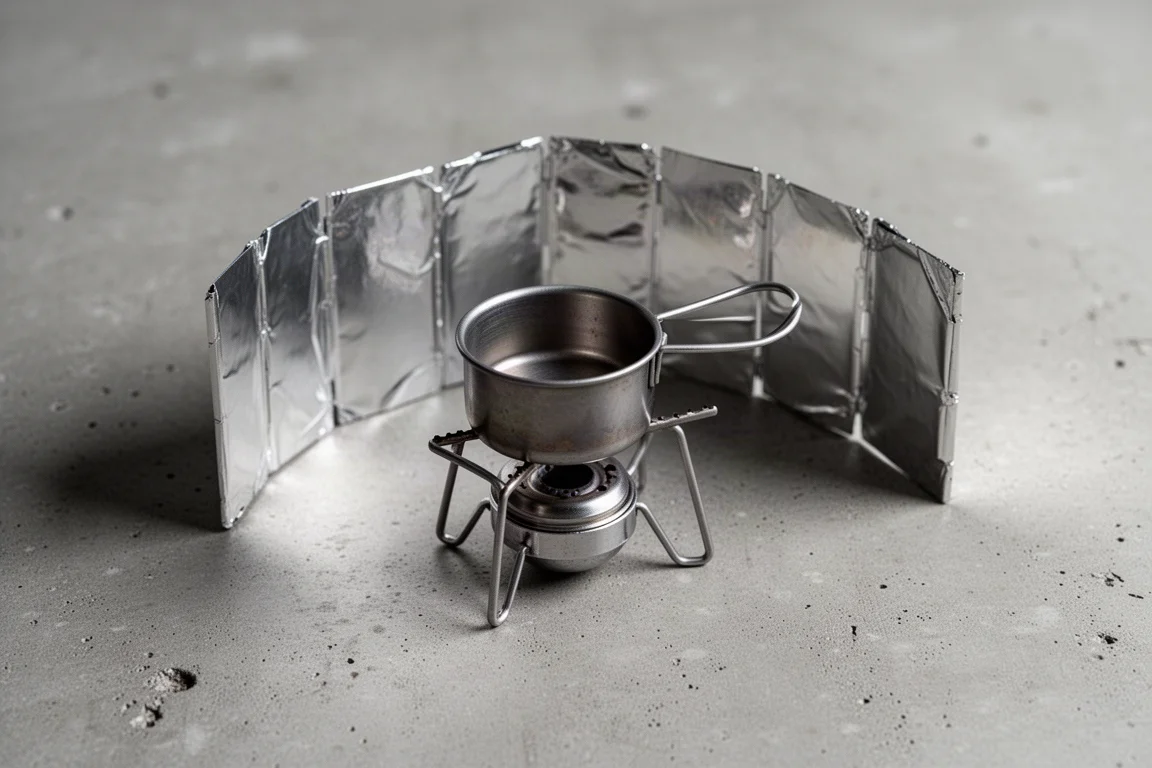
The Gram Weenie Pro is a handmade alcohol stove with a built-in pot stand, and it is tiny. Fill it with alcohol, place the pot directly on top, and wrap a lightweight windscreen around the whole thing. The stove, the windscreen, and a lighter all fit inside a 550 milliliter pot, which makes this one of the most compact setups in this guide.
What it does not do is cook. It boils up to about two cups of water for a freeze-dried meal, and that is the entire agenda. For backpackers who want the simplest possible routine at camp, that narrow focus is a feature rather than a shortcoming.
Best Cook Kit Accessory: Vargo Titanium Long-Handle Spoon
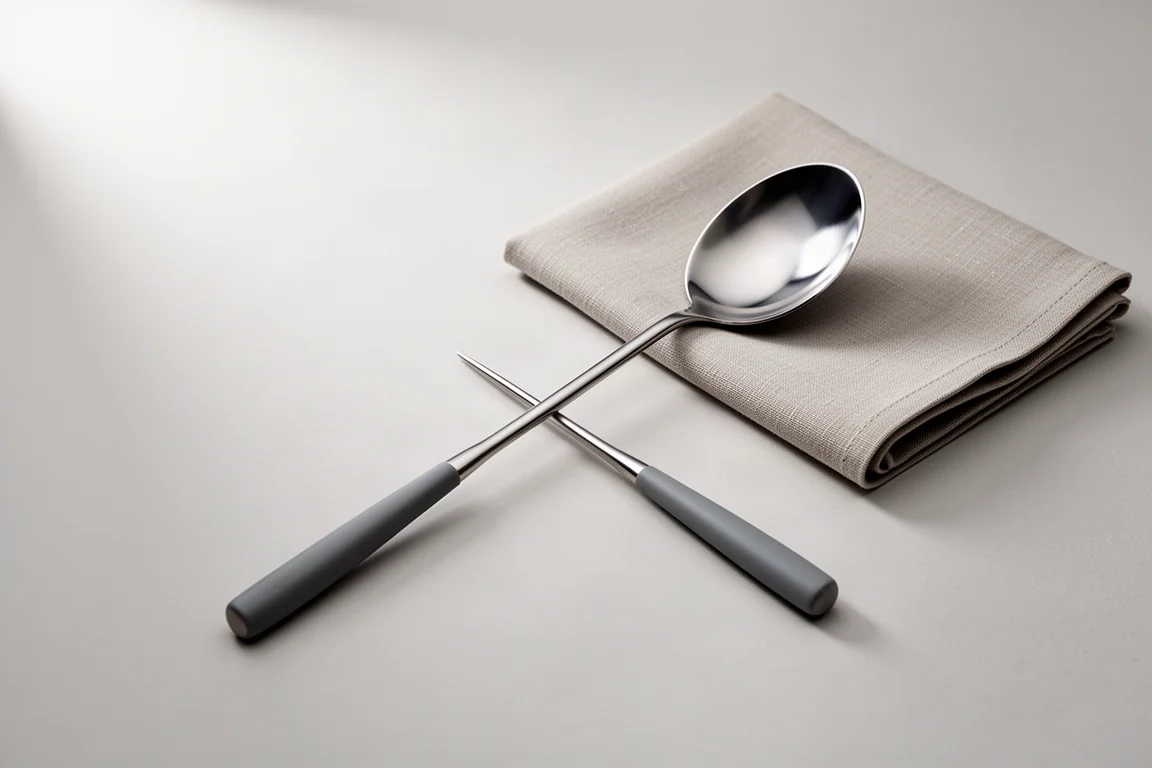
A long-handled titanium spoon is one of the highest-value items in any cook kit, and it costs somewhere around ten to twelve dollars. The long handle is the whole point: it lets you eat straight out of a rehydrated meal bag without getting food on your hands. Polished bowl versions feel smoother against the mouth, though the difference is minor.
The usual objection is that it does not fit inside a cook pot. It does not need to. A long spoon drops into a food bag, and you have to open that bag to eat anyway.
Best for Backcountry Baking: Fry-Bake 8-Inch Alpine Deep
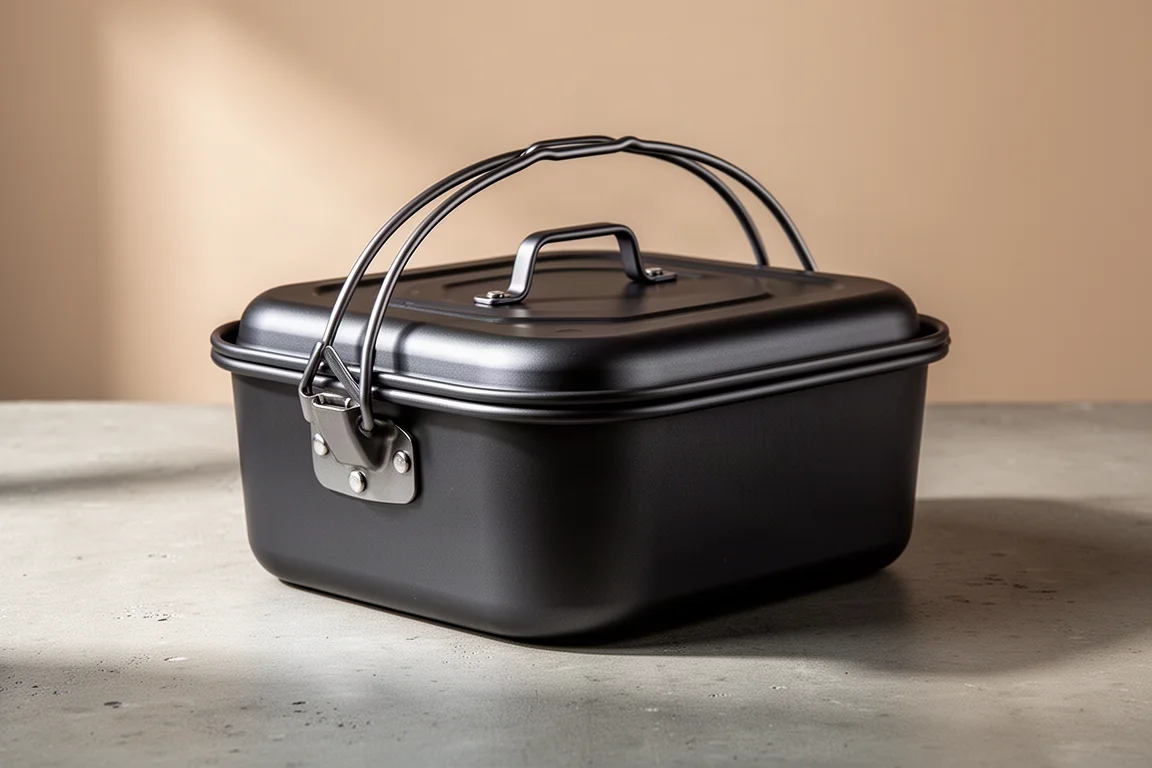
The Fry-Bake Alpine Deep is where backcountry cooking stops being about boiling water. It is a heavy, bulky pan, and it is the piece of gear that makes real baking possible over a fire or a wood stove. Cinnamon rolls, eggs with potatoes and bacon, calzones, and pizzas are all realistic in this pan.
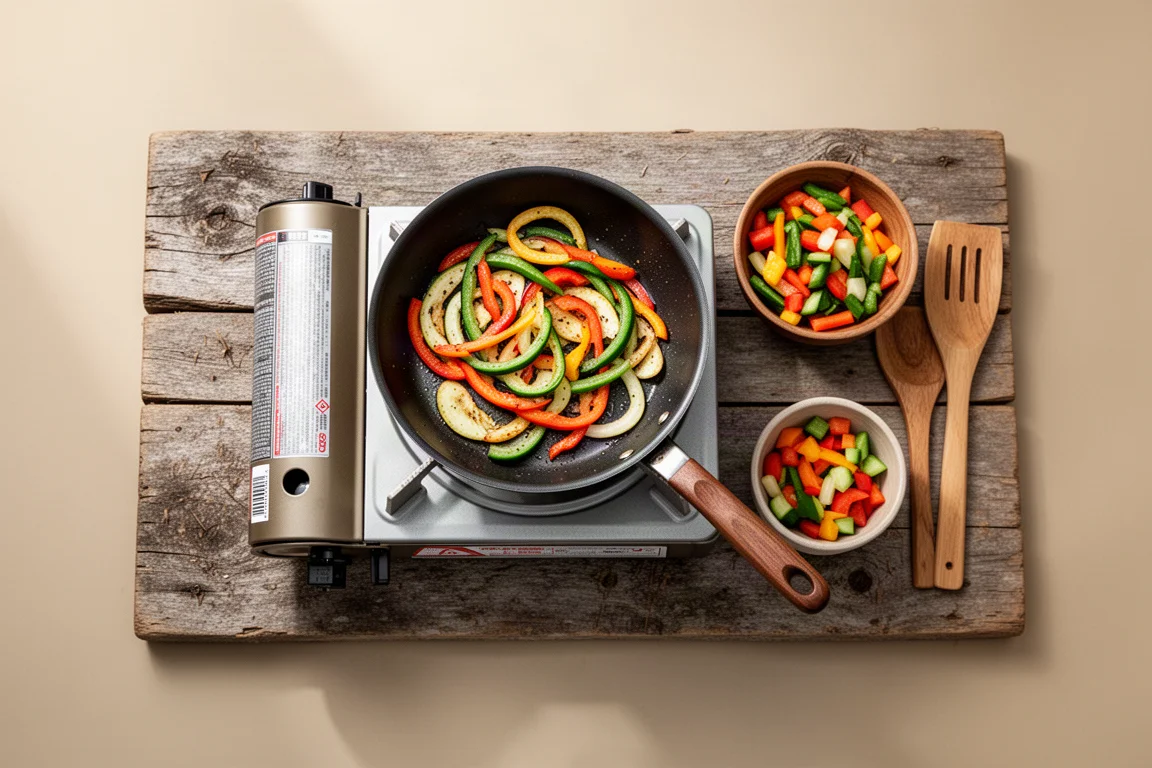
That capability is exactly why it is not for everyone. Compared with an ultralight pot and a tiny burner, the Fry-Bake adds a serious amount of weight and volume to your pack. It also needs a burner with a wide flame, or a wood fire, to heat the base evenly rather than in one scorching spot.
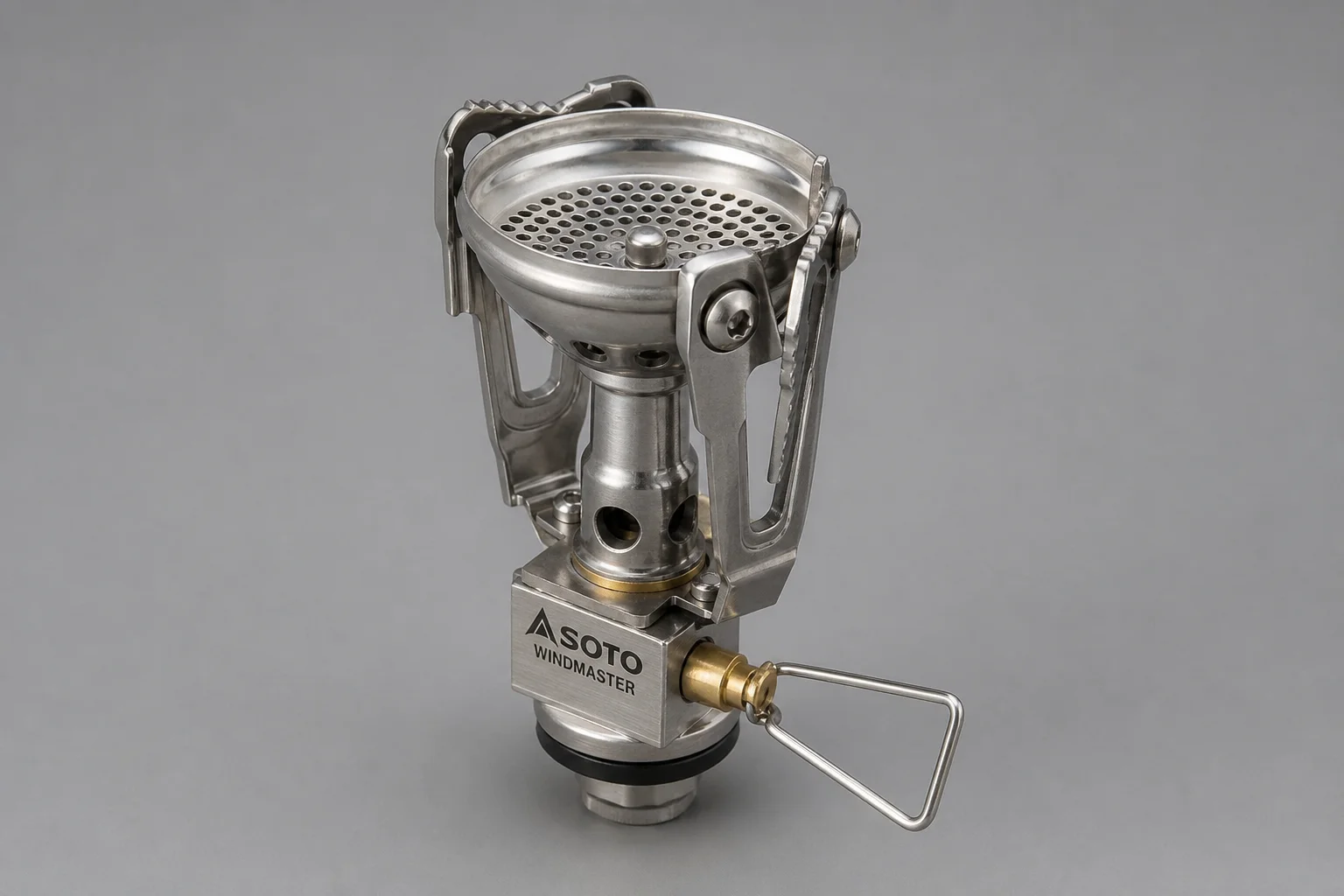
Best Wide-Burner Canister Stove: Soto WindMaster
The WindMaster is the canister stove to reach for when you are cooking rather than just boiling. Its burner is larger and sits on a wider base than a typical ultralight stove, so it spreads heat across more of the bottom of a pot or fry pan.
That wider flame is what keeps food from scorching in the middle of the pan, and it makes the stove a sensible partner for larger cookware and for the heavier pans used in more ambitious camp cooking. You keep the convenience of a canister, including simple lighting and no priming.
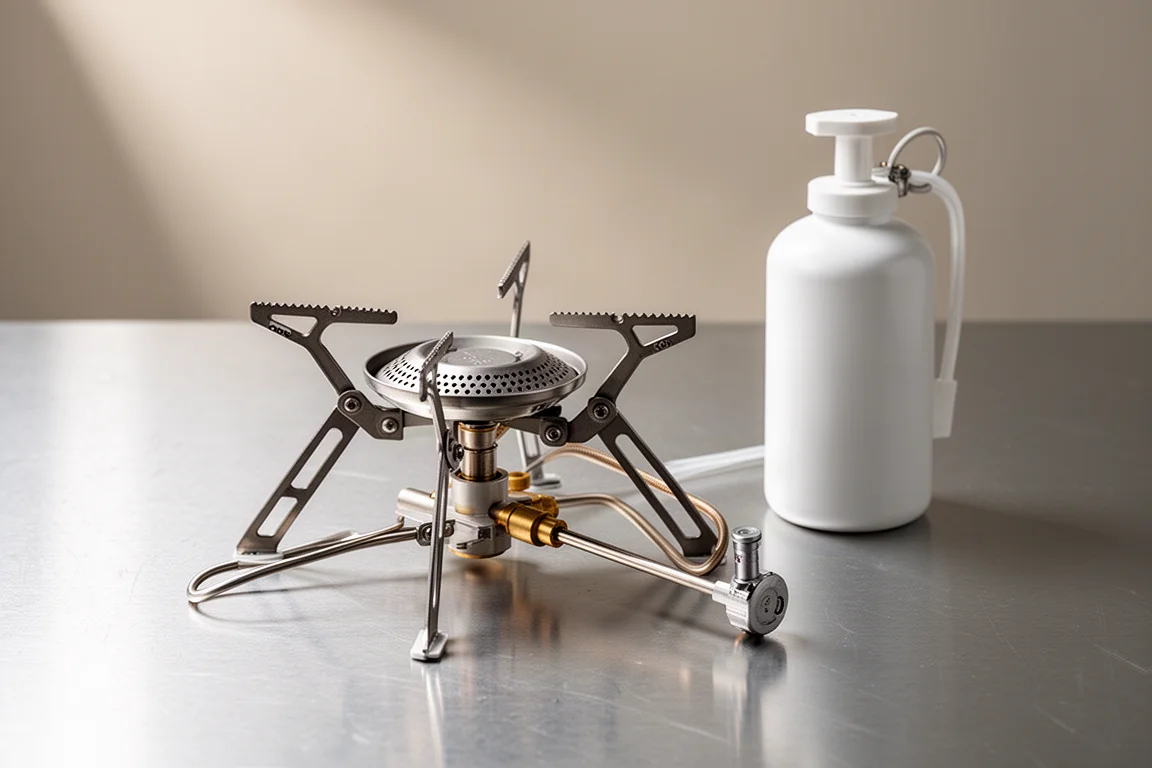
Best Liquid Fuel Stove for Cold Weather: MSR WhisperLite
The WhisperLite is a liquid fuel stove, and it is a beast: bulky, heavy, and built to run in conditions that stop canister stoves. Instead of disposable canisters, it uses a refillable fuel bottle with a pump.
The payoff is cold weather performance. Where a canister stove can lose pressure and struggle in low temperatures, a liquid fuel stove keeps running, which makes it the choice for four-season use and winter trips. It also has the output for real cooking, from sauteed fresh vegetables to fish, potatoes, and squash in a fry pan.
Buying Advice: Matching the Cook System to the Trip
Start with what you plan to eat, not with the gear. If every meal comes out of a bag, go as simple and light as you can: a small alcohol or canister stove with enough capacity for your meal, your coffee, and your hot cocoa. A 550 to 700 milliliter pot and a tiny burner will handle that indefinitely.
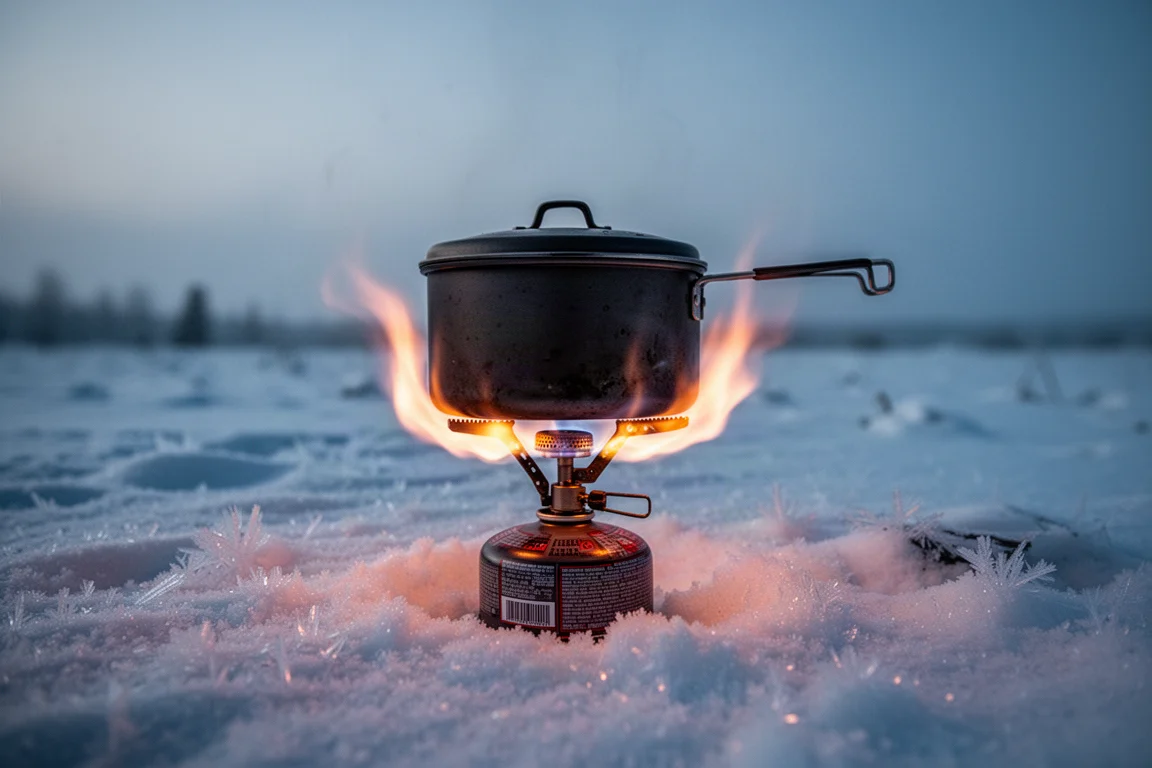
If you want to cook, budget for weight and bulk. That means a wider burner, a larger pot or pan, and a fuel choice that suits the season. Canister stoves are the easiest to live with in three-season conditions, liquid fuel is the reliable option when it gets genuinely cold, and alcohol is the lightest and most flexible for fuel resupply, at the cost of speed.
Whichever direction you go, buy the cook system to fit the cooking you will actually do. Extra capacity and heavier cookware only pay off if you use them, and a simple boiling setup is not a compromise for the many backpackers who only ever need hot water.
Conclusion
The right cook system is the one that supports the meals you actually make. A tiny alcohol burner and a 550 milliliter pot cover rehydrated dinners and hot drinks with almost no weight. An all-in-one kit like the New River Pot adds capacity and convenience for two people. And when the goal is fresh food, baking, or a fish cooked at the lake, the weight of a proper pan and a wide burner is the price of a genuinely good meal in the backcountry.
Further reading
Related Reviews
Backpacking Cookware
Best Backpacking Cook Kits and Stoves: Pots, Canister Stoves, and a Budget Setup That Works
A practical guide to backpacking pots and stoves, from ultralight titanium and solid fuel tablets to an all-in-one system and a budget kit that costs about as much as a takeout dinner.
Backpacking Cookware
Best Backpacking Cook Kits: Stoves and Pots for Simple, Reliable Meals
Nine stoves and pots that pair into dependable backpacking cook kits, from a budget canister stove to a heat exchanger pot built for fast, fuel-efficient boils.
Backpacking Cookware
Fire Maple G3 Petrol Review: A Compact Heat Exchanger Pot for Backpacking
A close look at the Fire Maple G3 Petrol, an aluminum heat exchanger pot with a 650 ml usable capacity, fast boil times, and room for a complete solo cook system inside.