Backpacking Stoves
SOTO Fusion Trek Review: A Remote Canister Stove Built for Real Camp Cooking
A close look at the SOTO Fusion Trek, a 182 g remote canister stove with 11,000 BTU output, a built-in micro regulator and exceptional low simmer control.
Introduction
Backpacking stoves tend to fall into two camps. There are tiny canister-top burners that exist purely to boil water fast, and there are remote canister designs that trade a little weight for stability and control. The SOTO Fusion Trek sits firmly in the second camp, and it pushes that idea further than most.
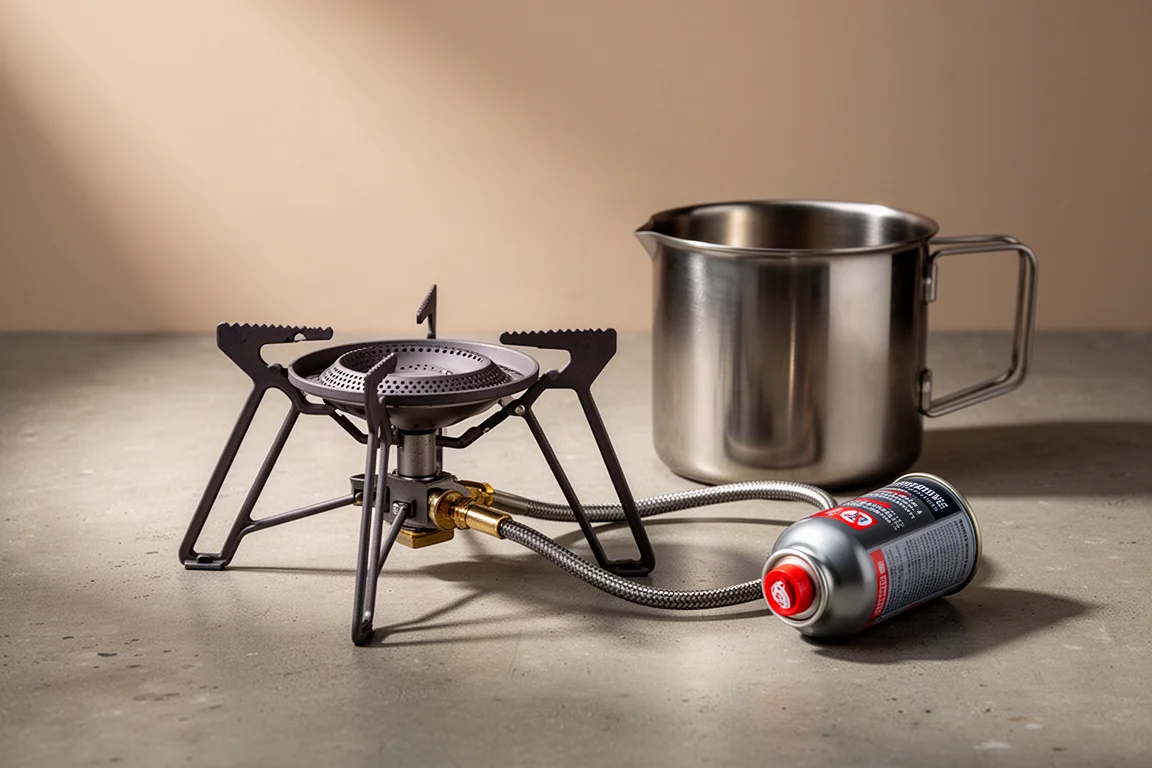
It is a remote canister stove with a folding frame, a wide burner head and a built-in micro regulator. SOTO is a Japanese company, and the Fusion Trek reflects the careful engineering the brand is known for. What makes it genuinely interesting is not only how hard it can burn, but how gently it can cook.
Who This Stove Is For
This stove makes the most sense for people who actually cook at camp rather than simply reheating water. If a typical trip involves porridge in the morning, a proper dinner in the evening, or anything that needs to sit at a low simmer without scorching, the Fusion Trek is built for exactly that.
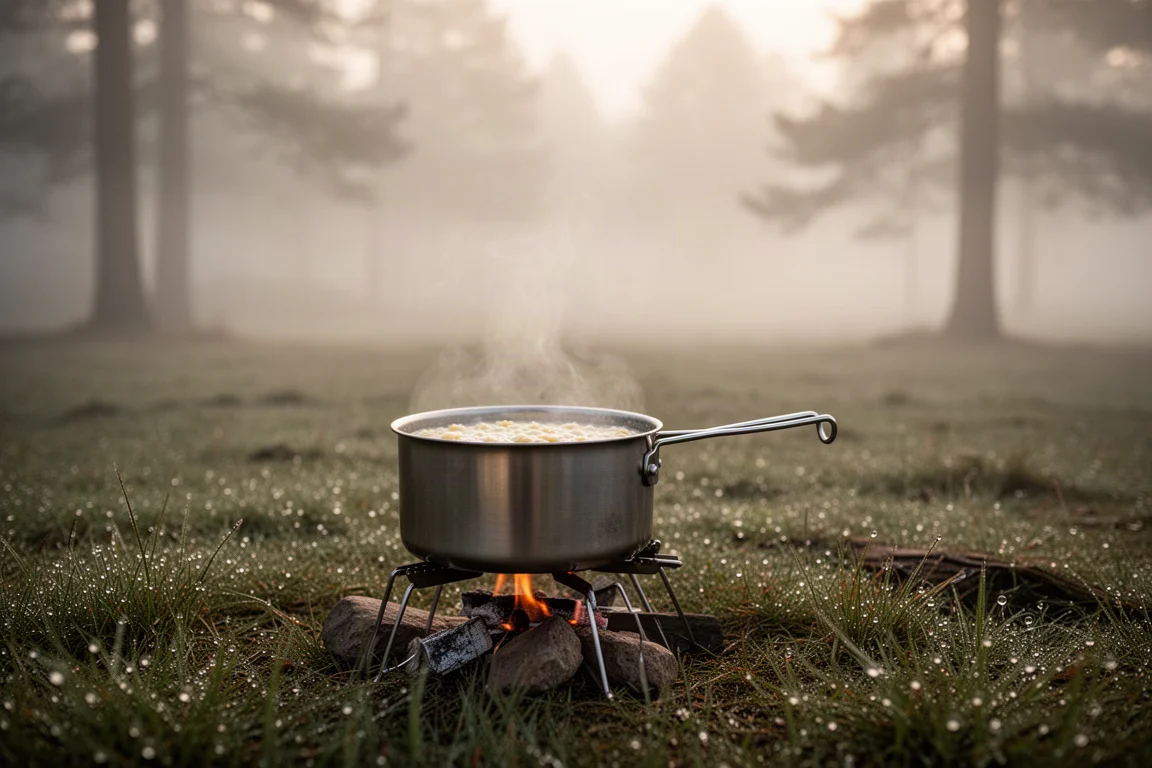
It is also a strong fit for anyone who has moved away from canister-top stoves toward remote designs. The lower centre of gravity and the wide arm spread create a stable platform, so larger pots and pans stay put instead of wobbling. That stability is usually the main reason campers make the switch in the first place.
Main Strengths
Burner Output and Wind Protection
The burner head measures roughly two inches across and carries around 300 holes. That is a large, wide flame pattern compared with most backpacking stoves, and it spreads heat across the base of a pan instead of concentrating it in a single hot spot in the middle.
Output is rated at 11,000 BTU at full power, which brings a pot of water up to a rolling boil quickly. The raised lip around the burner head shields the flame, so the stove copes better in breezy conditions than designs that leave the burner exposed. Because the burner sits low relative to the pot, wind has less opportunity to break up the flame.
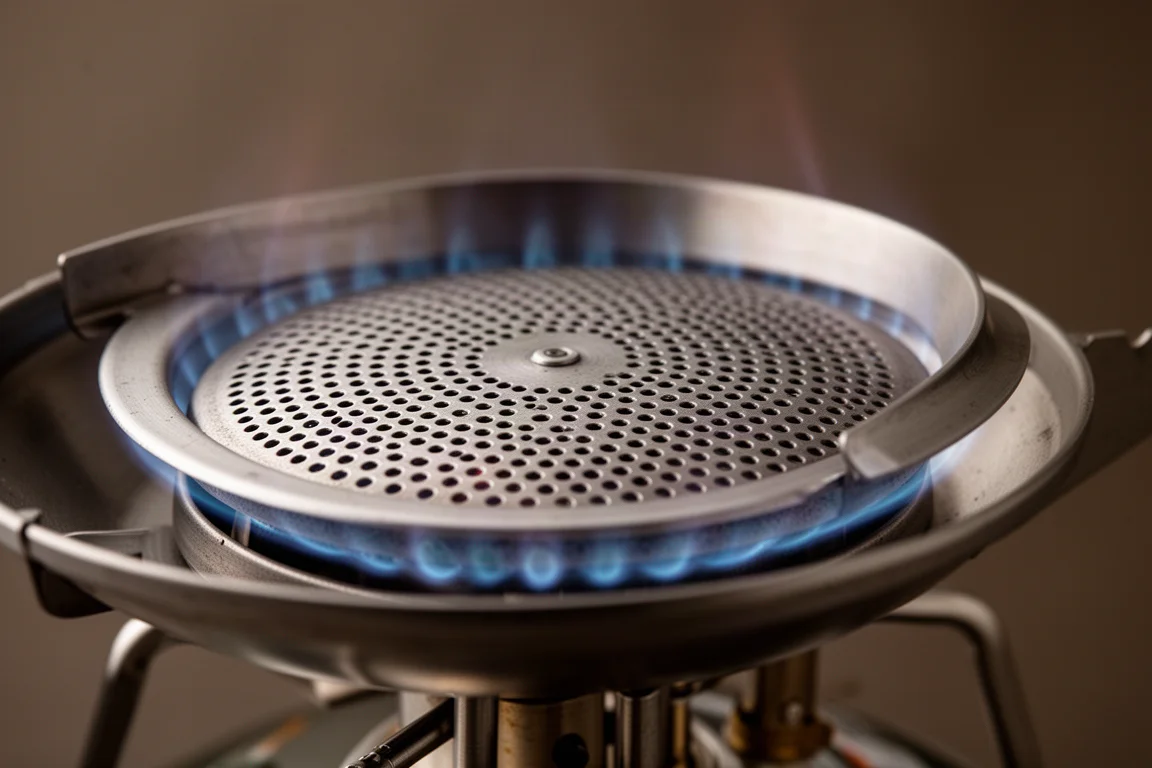
A wide burner also keeps the stove surprisingly quiet at full output, and the heat spreads far enough that searing and browning are realistic rather than a compromise.
Simmer Control and Everyday Cooking
Where the Fusion Trek really separates itself is at the bottom of the range. The flame can be turned down to something barely visible, closer to a candle than a campfire, and it stays lit and steady there.
That matters for anything delicate. Milk-based dishes are a good test, because they scorch the moment the heat becomes too aggressive. With a low, even flame and a decent pot, this stove handles them without burning. Over several weeks of use it has turned out omelettes, scrambled eggs and pancakes alongside simple boiled water, and the pot has come away clean rather than crusted.
Cold Weather and Fuel Flexibility
The built-in micro regulator is the feature that answers the usual objection to stoves without a preheat tube. It holds a constant pressure at the burner, so the stove keeps working in genuinely cold conditions rather than fading as the canister chills.
It also maintains pressure as the canister runs low, which means usable output right down to the end of the fuel instead of a weak final third. The stove works with any canister that uses a standard Lindal valve, and SOTO states it will run on butane, propane or isobutane blends. Larger canisters tend to hold pressure better over a long trip, even though they weigh a little more.
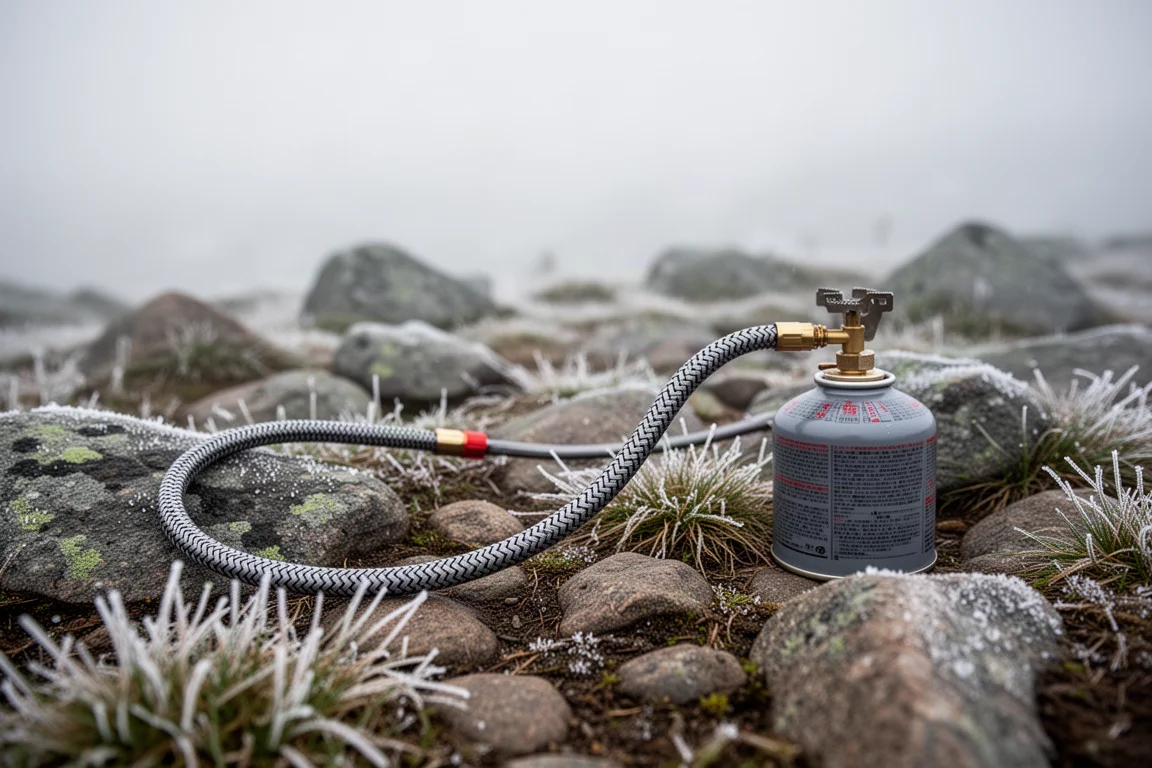
The hose between the burner and the canister is notably flexible. You can position the canister where you want it without the stove shifting or tipping, which is not always true of stiffer remote designs.
Things to Consider Before Buying
There is no built-in igniter, so you will need to carry a lighter or matches. That is a small detail, but it is worth knowing before you head out.
Weight is the bigger trade-off. At 182 g without the stuff sack, the Fusion Trek is substantially heavier than a minimalist canister-top stove, and it is bulkier too. If your goal is boiling water as light as possible, this stove is more than you need.
The canister itself does not fit inside the pot with the stove, so you will need space for it elsewhere in your pack. On the positive side, the stove folds down small, drops into the pot with the supplied plastic cup protecting the base, and clips in with almost no rattle.
Buying Advice
At $79.99, the Fusion Trek is not the cheapest stove on the shelf, and it is not trying to be. What you are paying for is range: a stove that can blast a pot to a boil and then settle down to a simmer gentle enough for milk. SOTO’s published figures suggest a canister of that size can run for around an hour and a half, and a low simmer setting will stretch that considerably further.
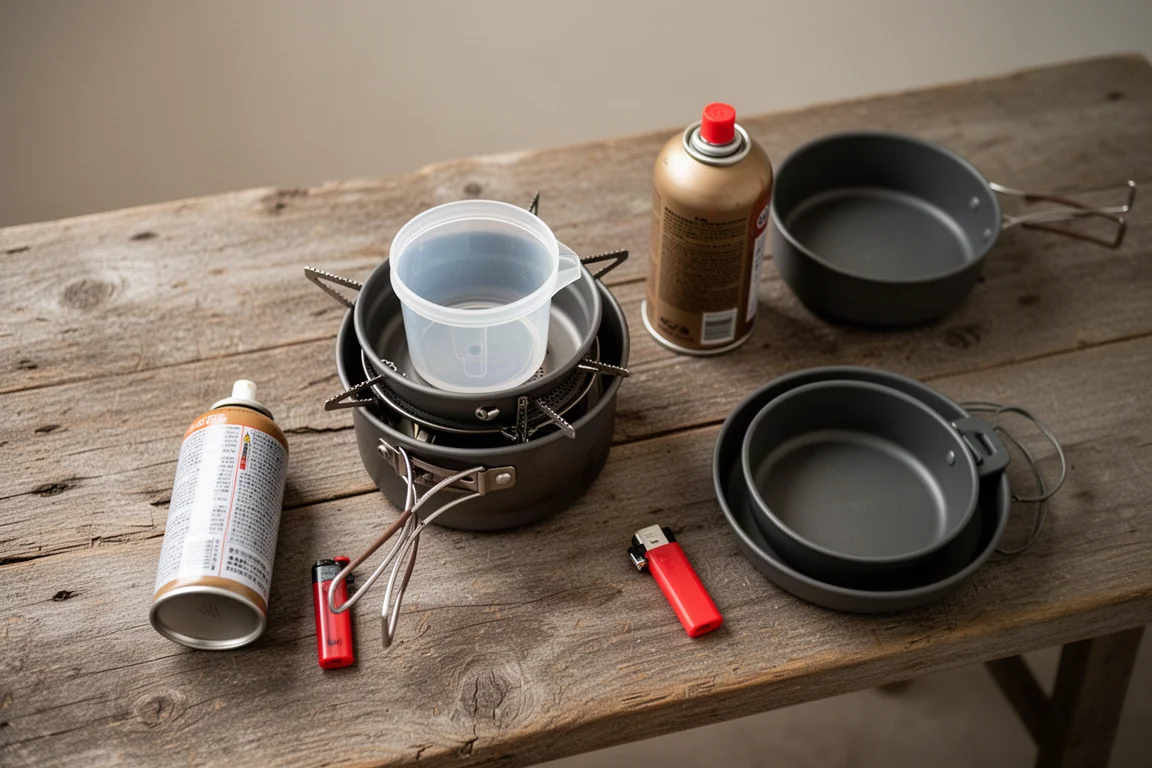
If you already carry a remote canister stove and find yourself wanting more heat, better wind behaviour or finer control, this is a straightforward upgrade. If you mostly boil water on fast, light trips, a simpler stove will serve you well and save weight.
For anyone who cooks properly at camp, the Fusion Trek is one of the most capable options in its size class, and it is easy to recommend on that basis.
Conclusion
The SOTO Fusion Trek behaves like a small kitchen hob in a package you can carry. It brings serious output, real wind protection, dependable pressure regulation in the cold and, above all, simmer control that few backpacking stoves can match.
It is heavier and bulkier than an ultralight burner, and it asks you to bring your own ignition. Those are fair trade-offs for campers who want to cook rather than simply boil. If that describes your trips, the Fusion Trek deserves a place on your shortlist.
Product link
View more details for SOTO Fusion Trek
This product is mentioned in the review. Check the specifications, options, and compatibility before buying.
View more details for SOTO Fusion TrekFurther reading
Related Reviews
Backpacking Stoves
Best Backpacking Stove and Pot Combinations: Budget to Premium
A practical look at fourteen backpacking stoves and cook pots, from inexpensive starter pairings to windproof all-in-one systems that cost close to $200.
Backpacking Stoves
Best Backpacking Stove Systems: Five Canister Stoves Compared
Five canister stove and pot systems compared on wind resistance, boil speed, packed size, and cooking control, from a bare titanium burner to a fully integrated cook system.
Backpacking Stoves
Best Backpacking Stoves 2026: Six Stove Types Compared and Ranked
A practical comparison of canister, white gas, wood burning, solid fuel, and alcohol backpacking stoves, ranked on speed, weight, fuel availability, and cost.