Backpacking Stoves
Best Backpacking Stove Systems: Five Canister Stoves Compared
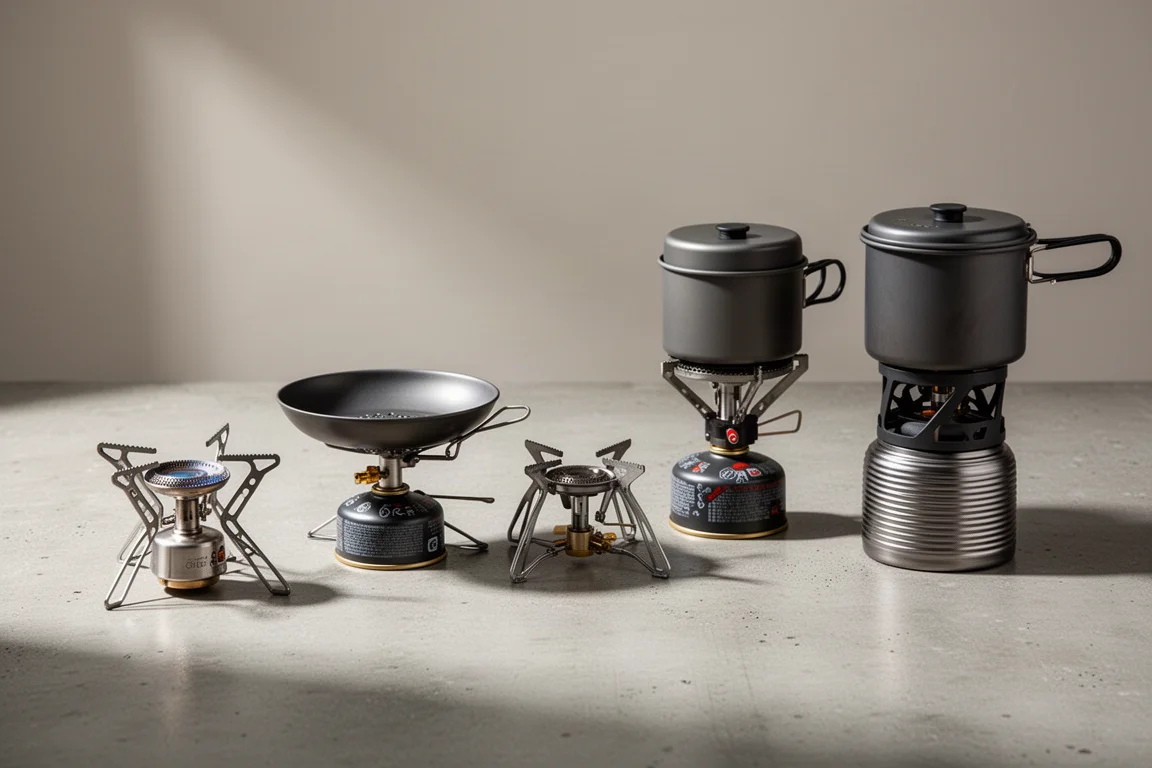
Five canister stove and pot systems compared on wind resistance, boil speed, packed size, and cooking control, from a bare titanium burner to a fully integrated cook system.
Introduction
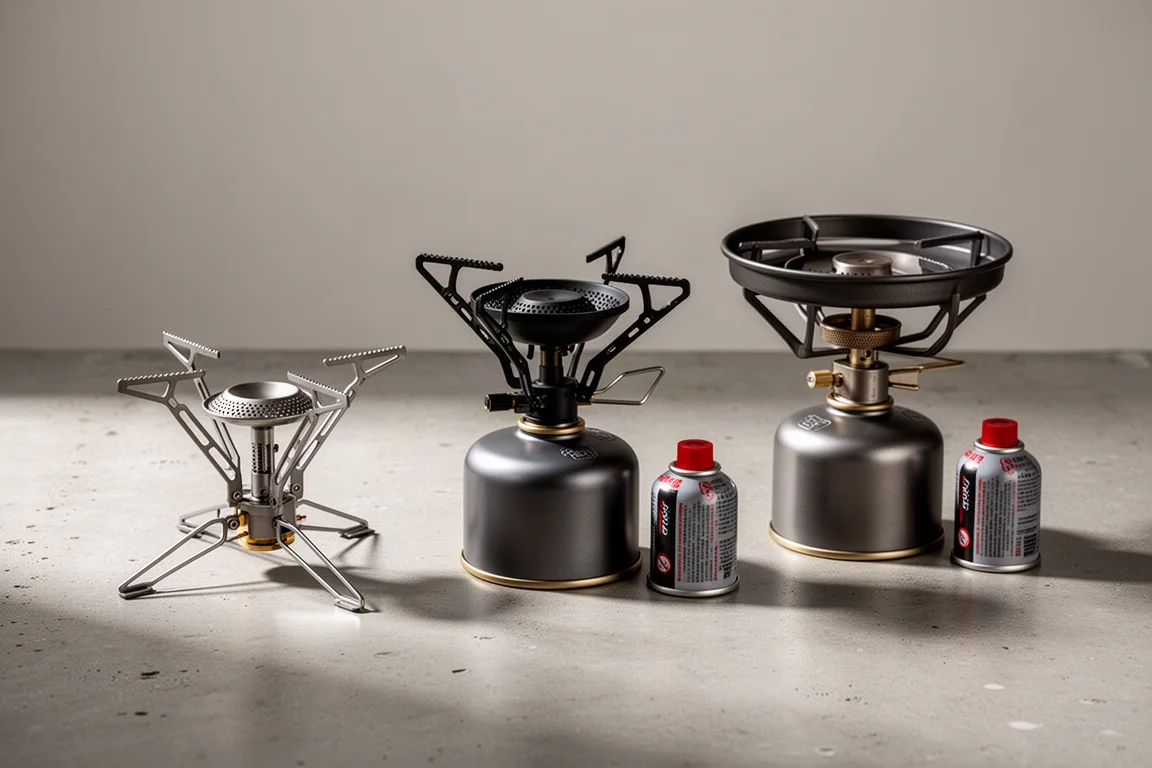
A stove and pot system is one of the few pieces of gear that every backpacker ends up depending on, and the differences between designs show up fast once you are cooking in wind or boiling water for more than one person. The five canister stoves below cover a wide spread of approaches, from a bare titanium burner to a fully integrated cook system, and each one has a distinct personality. A couple are outstanding all-rounders, one is the loudest stove you may ever use, and one asks a high price for performance that is easy to find for less.
This roundup runs from the system that disappointed most to the one that was the most enjoyable to cook with, with notes on weight, wind behaviour, ignition, and how each one handles real meals.
What Matters in a Backpacking Stove System
Packed size and weight are the first things most backpackers notice. A stove that folds down small and disappears inside a pot is pleasant to carry, but it still has to light reliably, hold a pot steady, and keep working when the wind picks up. Burner shape, wind resistance, pot stability, ignition, and simmer control all decide how a stove behaves once you are actually at camp.
Boiling speed matters most when your meals are freeze-dried or you are melting water for several people. If you like to actually cook, simmer control and a wider pot stand matter far more than a few grams of weight saved. The systems below are compared on those practical points rather than on spec sheets.
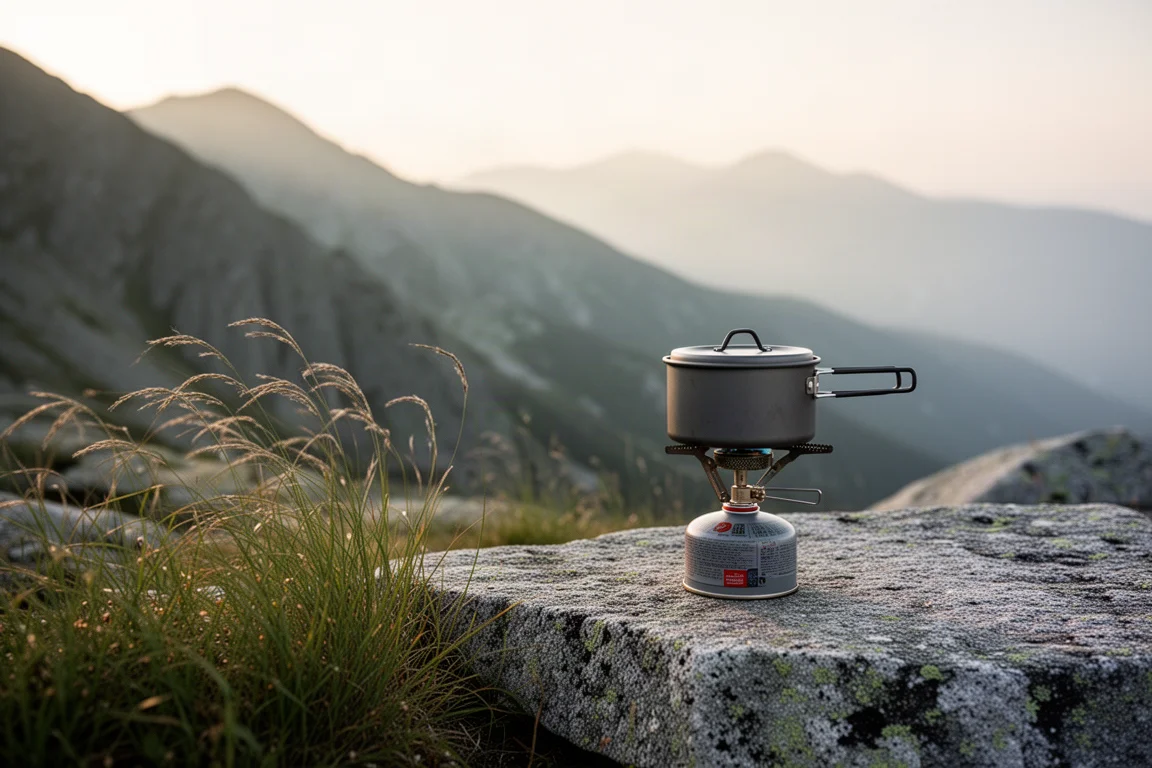
Capacity is the other half of the decision. A pot that suits one person can stretch to two in a pinch, while group trips reward a larger pot and a burner that can drive it efficiently. Think about the trips you actually take before choosing between an integrated system and a bare burner.
Jetboil Zip and the Value Question
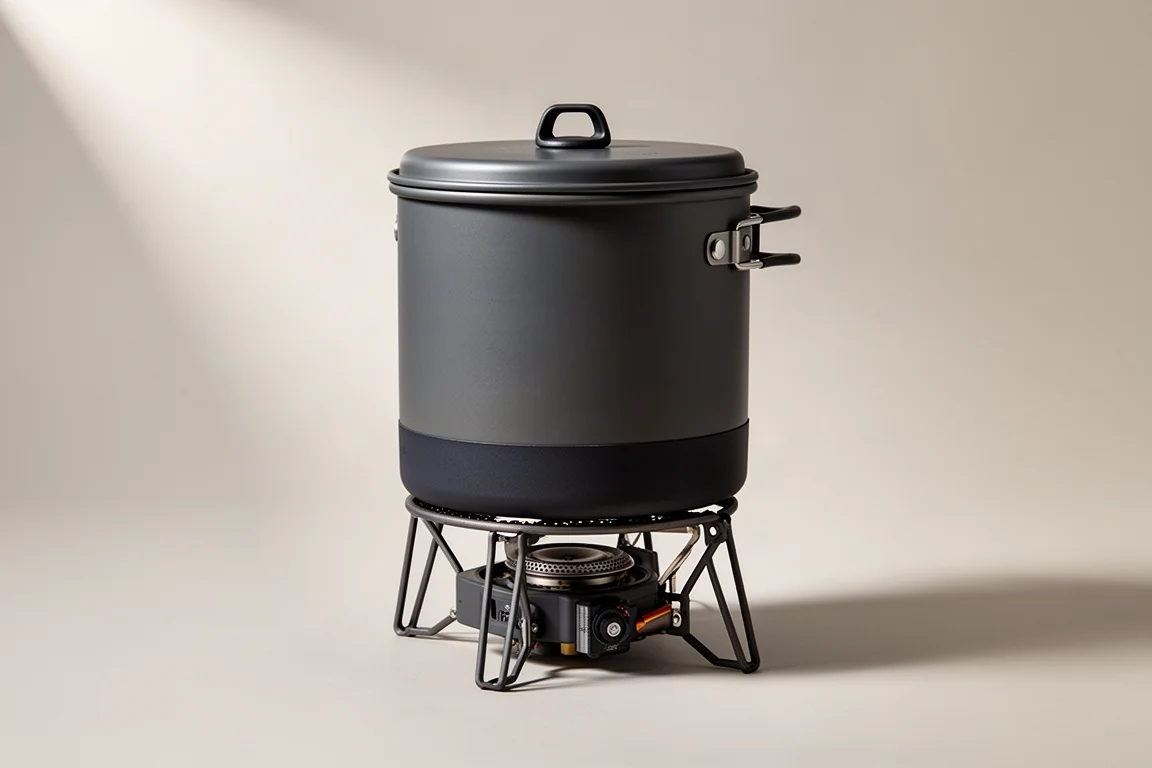
The Jetboil Zip is an all-in-one system, and that is its main appeal. The burner and pot lock together into a single unit, it boils water very quickly, and the pot has enough capacity for one person, with room to stretch to two. The burner itself is a decent size for the package.
The catch is the price. This system costs noticeably more than a simpler canister stove setup that can perform as well or better, which is hard to justify for what it offers. It is also a system built around boiling rather than cooking. There is no Piezo igniter and no regulator, so the extra bulk and weight of the integrated design buy less capability than the size suggests.
If your priority is a compact, quick-boiling unit that lives in one piece, the Zip delivers that. If you are weighing performance against money spent, a bare burner paired with your own pot is the smarter route.
Snow Peak LiteMax Stove and the Wind Problem
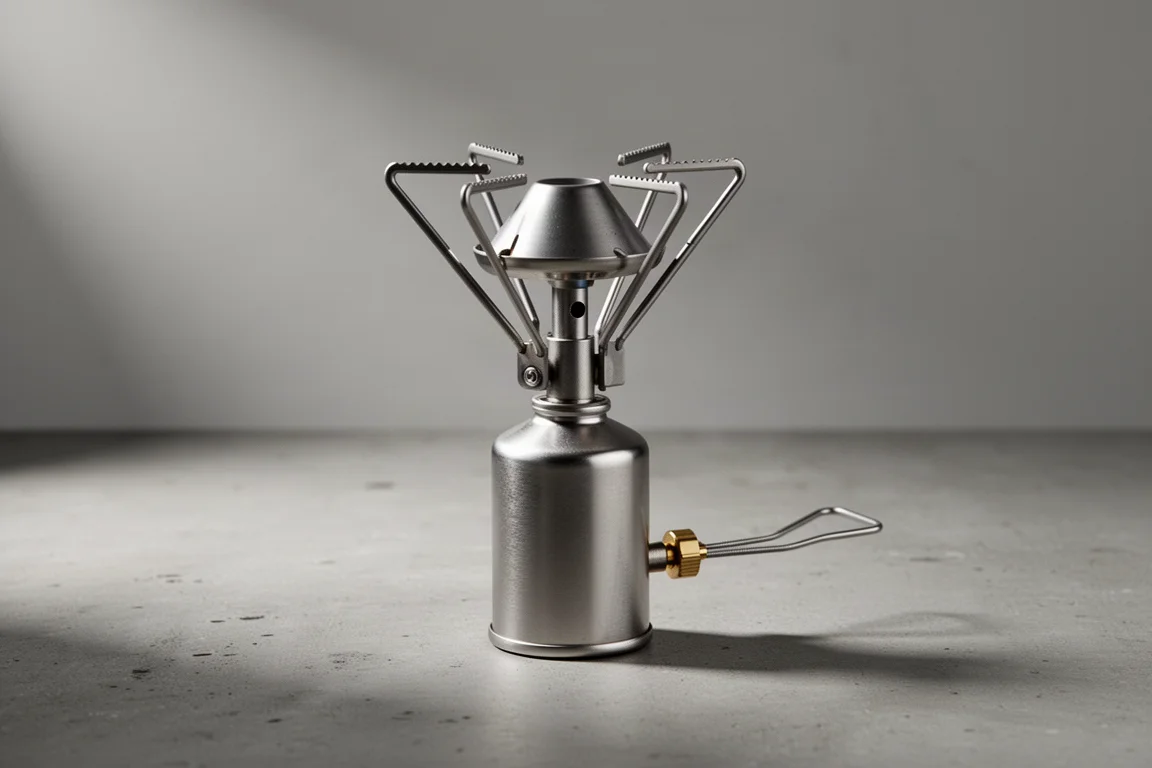
The Snow Peak LiteMax Stove is titanium and genuinely very light, which makes it appealing next to basic entry-level burners. Compared with a cheap budget stove, it offers a more stable platform for a larger pot, and paired with a matching pot it does the core job of boiling water in a very light package.
Wind is where it falls apart. There is no windscreen of any kind, and the cone-shaped burner does not always light across all of its sides. A steady breeze hits the burner directly, performance drops, and gas is wasted. For a canister stove, that is the behaviour you least want, and it undercuts the weight advantage.
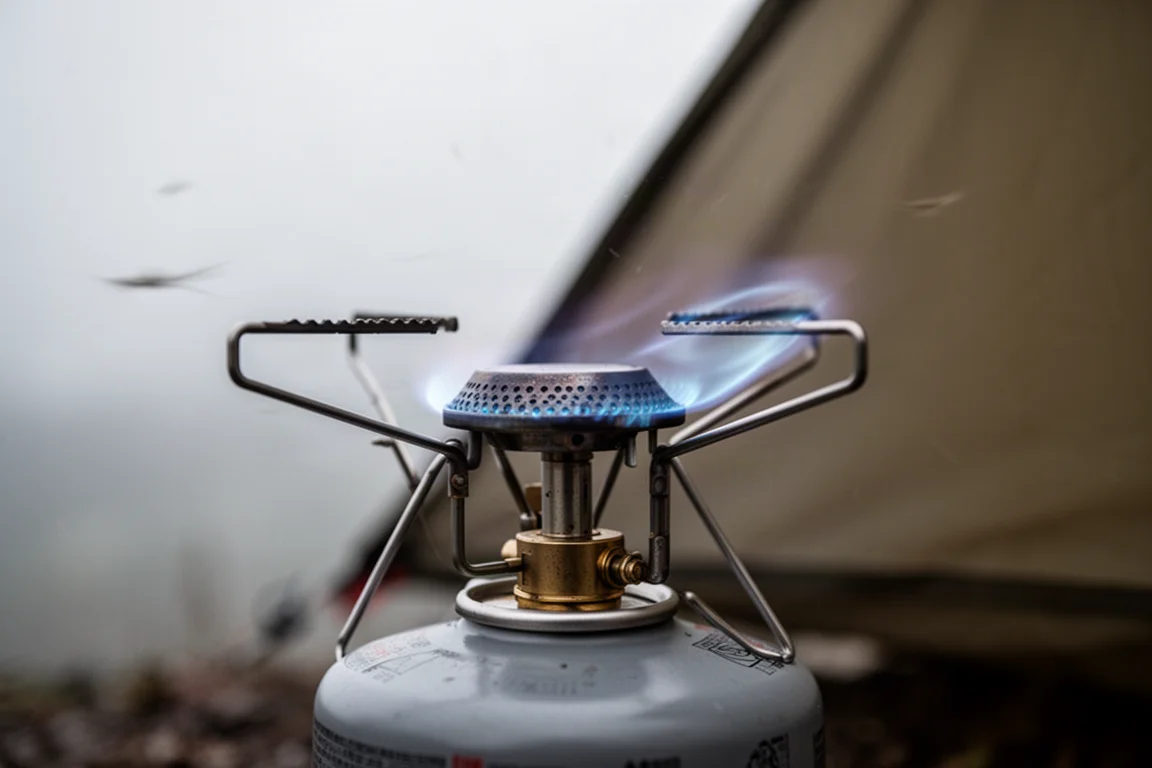
The result is a stove that hits its lightweight target but not much else. Efficiency, design, and wind capability all fall short of what a canister stove should deliver, so it makes sense mainly for calm conditions and simple water boiling.
Soto Amicus as the Reliable All-Rounder
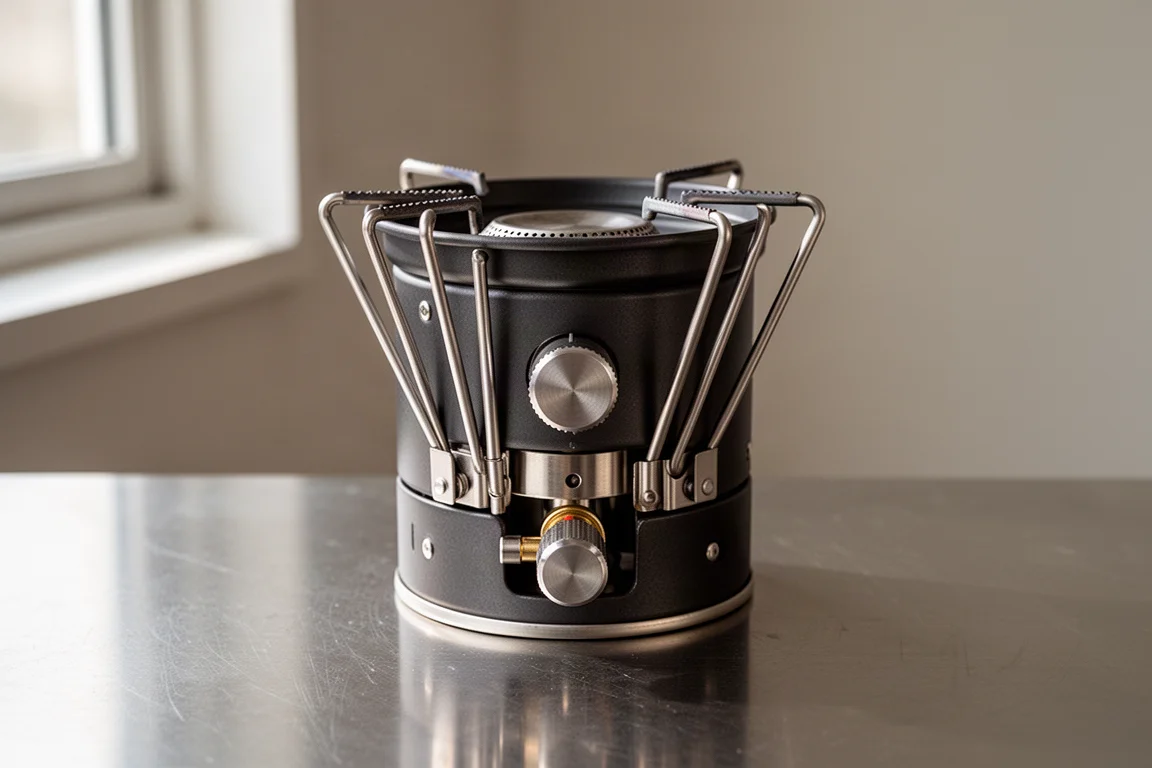
The Soto Amicus is a fantastic all-round backpacking stove and one of the easiest to recommend. The pot stand is wide, and it pairs naturally with a 550 ml or 700 ml pot and cup system. The Piezo igniter has proven reliable, and the stove breaks down small enough to fit inside a 550 ml pot.
The burner shape is the reason it handles wind so much better than a cone-style burner. It is concave, which shields the flame and keeps the pot close to the burner, and it shares that approach with other wind-focused designs. The burner head is larger than many alternatives, so bigger pots still get strong performance, and the simmer control is good enough that you can cook rather than only boil water.
For a simple, light stove that handles both water and real cooking, this is a hard package to beat.
MSR PocketRocket 2 and the Noise Trade-Off
The MSR PocketRocket 2 is a tried-and-true design and a high-quality stove. It performs well against the alternatives, and it is the kind of gear you can rely on to keep working for a very long time. The pot area is large enough for a frying pan or a bigger pot, so it boils a lot of water quickly and holds up well in a group setting.
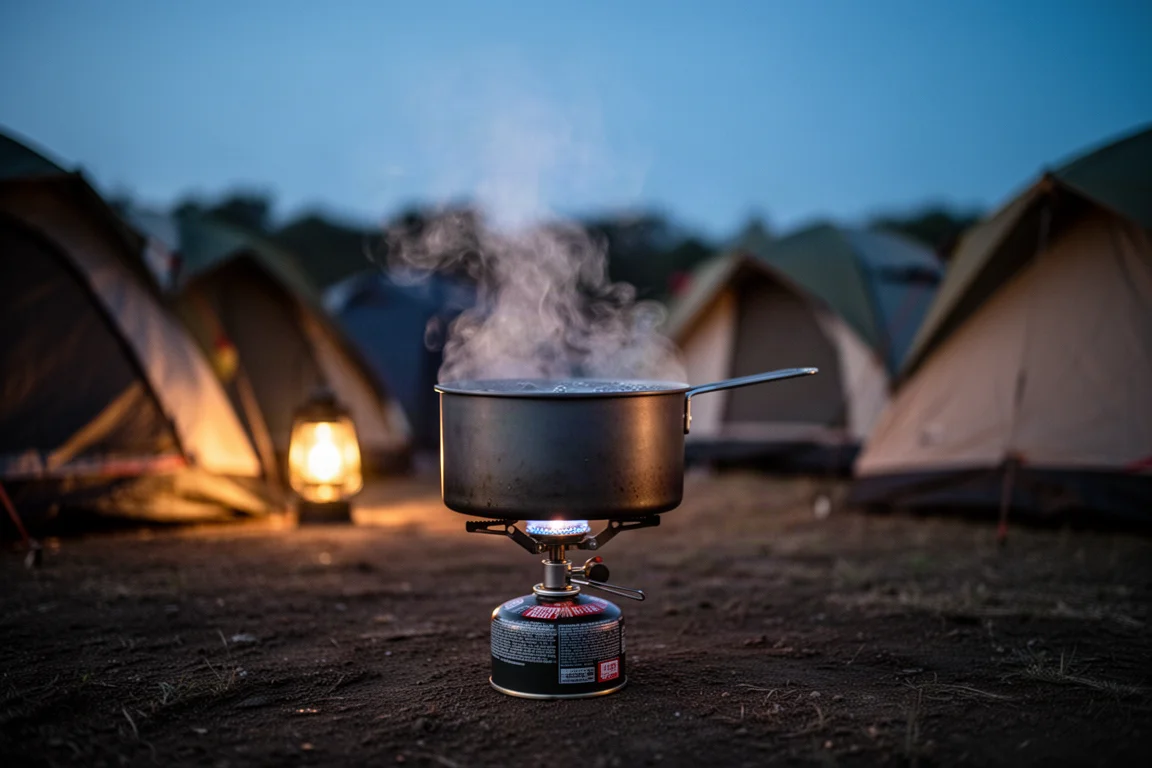
The trade-off is noise. This is by far the loudest stove in this group, and that is a real drawback at a busy camp, where it can make conversation difficult while it runs. If you cook alone or do not mind the roar, the reliability and the generous pot support make it a strong choice.
MSR WindBurner as the Top Pick
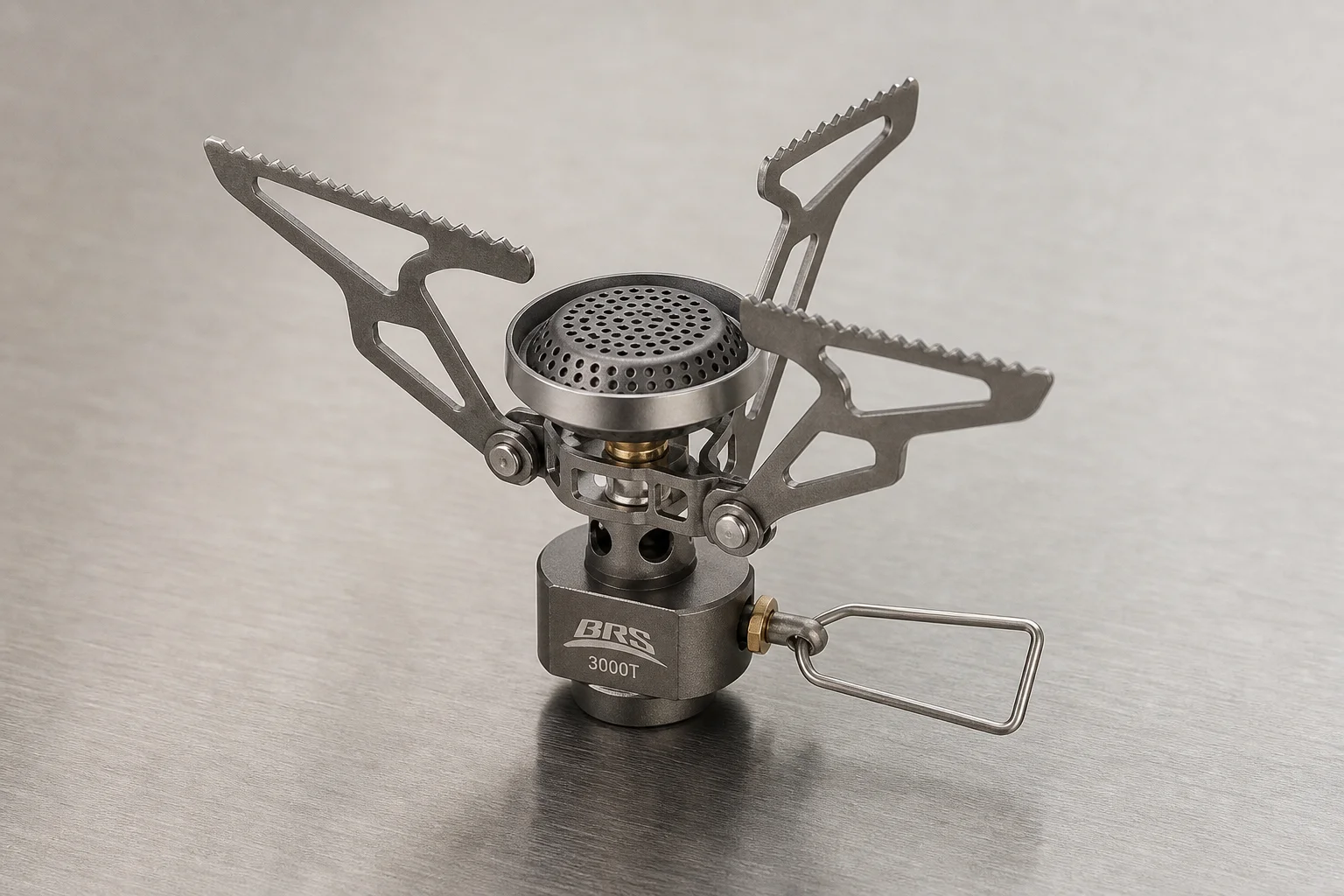
The MSR WindBurner was the most enjoyable cook system of the group. It looks similar to an integrated Jetboil-style system, which invites the assumption that it is heavy and bulky for no reason, but the performance explains the design. It boils water very quickly, and it can do that repeatedly, filling a bag of food and then refilling straight away, which is exactly what group and family trips demand.
The efficiency comes from how the burner and the pot are matched. The burner has a combed, cone-shaped profile that removes wind penetration, and the flame spreads wide rather than concentrating in the centre. The corrugated base of the pot is shaped to sit perfectly on the burner, producing a very efficient burn and strong wind resistance. The pot stand adds stability, everything nests inside itself, and the whole system is lighter than it looks.
Compared with an integrated system such as the Jetboil Zip, the WindBurner is simply far more efficient, and it handles cooking for several people without slowing down.
Buying Advice for a Stove and Pot System
Start with the trips you take most often. If you boil water for one and count every gram, a light bare burner paired with a small pot is the efficient answer, provided you accept its limits in wind. If you cook real meals, prioritise a wide pot stand, a burner that shields its own flame, and usable simmer control.
For group and family camping, an integrated system that boils large volumes quickly and repeatedly earns its place in the pack, even if it takes up more room. The most common mistake is paying integrated-system money for boiling-only performance. Match the system to the job and the value becomes obvious.
Conclusion
The five systems here sort themselves by purpose. The Jetboil Zip locks together neatly and boils fast, but it charges a premium for capability you can find for less. The Snow Peak LiteMax is impressively light and limited in wind. The Soto Amicus is the dependable all-rounder that handles wind and simmering alike. The MSR PocketRocket 2 is a long-lasting workhorse with a loud voice. And the MSR WindBurner is the standout for fast, repeated boiling and group cooking.
Pick the one whose strengths match your trips, and the stove you carry will stop being something you think about.
Further reading
Related Reviews
Backpacking Stoves
Best Backpacking Stove and Pot Combinations: Budget to Premium
A practical look at fourteen backpacking stoves and cook pots, from inexpensive starter pairings to windproof all-in-one systems that cost close to $200.
Backpacking Stoves
Best Backpacking Stoves 2026: Six Stove Types Compared and Ranked
A practical comparison of canister, white gas, wood burning, solid fuel, and alcohol backpacking stoves, ranked on speed, weight, fuel availability, and cost.
Backpacking Stoves
Best Backpacking Stoves Compared: BRS 3000, MSR PocketRocket 2, and Soto WindMaster
Three canister stoves compared on boil time and fuel efficiency across lid use, canister level, valve setting, and pot diameter.