Backpacking Stoves
Best Backpacking Stoves 2026: Six Stove Types Compared and Ranked
A practical comparison of canister, white gas, wood burning, solid fuel, and alcohol backpacking stoves, ranked on speed, weight, fuel availability, and cost.
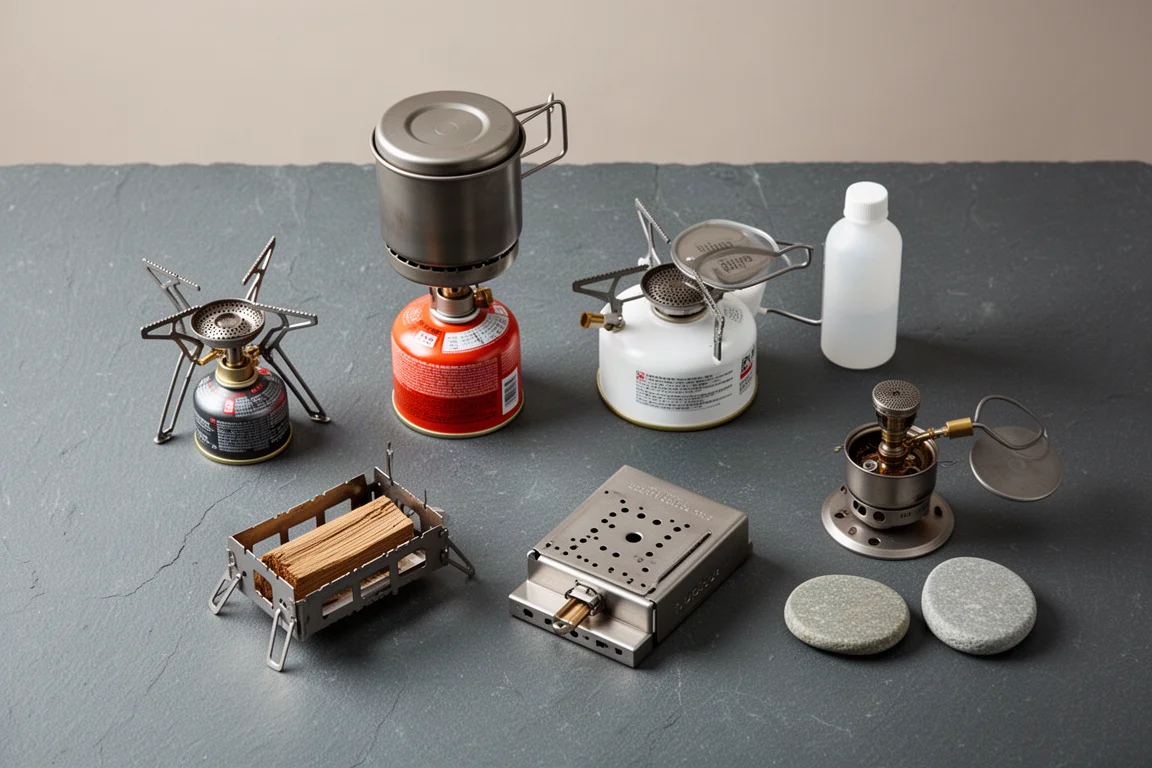
Introduction
Canister stoves dominate backpacking for good reason. They are fast, simple, and dependable. But canister fuel is not the only option, and the alternatives cover ground that a standard canister stove handles poorly, from genuinely cold temperatures to long gaps between resupply points.
This comparison covers six stove types, scored across ten evaluation areas that include boil speed, ease of use, price, weight, fuel availability, and cold weather performance. The results held a few surprises, including a lightweight alcohol design that outscored the canister standard on points before a stability issue pulled it back into a tie.
How These Stoves Were Evaluated
Each stove was rated from one to five in ten categories: how quickly it boils, how easy it is to use, purchase price, packed weight, how widely its fuel can be found, cold weather behavior, setup and priming time, cleanliness, whether fuel can be rationed for short trips, and whether the stove can be shut off once lit. Scores were then totalled out of a maximum of 50 points.
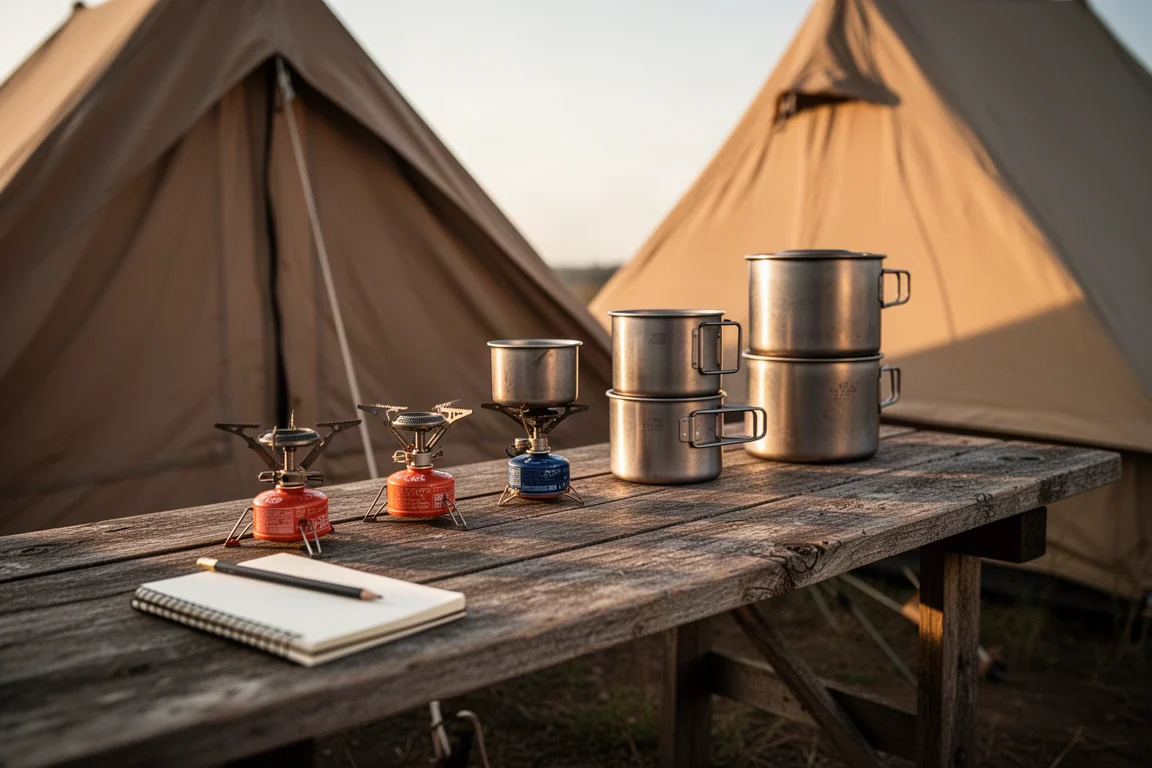
Weight figures include fuel where noted, because fuel weight is part of what a stove actually costs you on the trail. Fuel availability was judged on what can realistically be restocked in towns along a route, not just what can be ordered online.
MSR PocketRocket 2: The Canister Baseline
The PocketRocket 2 stands in for the canister stove category, and the formula is close to foolproof. Screw a canister on, light it, and cook. There is very little that can go wrong.
It is also genuinely fast, boiling one cup of water in just over a minute. It is lightweight, compact, and inexpensive at around $50. Because canister stoves are the most common type, fuel is readily available in most towns, particularly near popular trails. The PocketRocket Deluxe is a closely related variant with the same overall strengths.
The drawbacks are inherent to the fuel. Canister stoves lose performance in genuinely cold weather, they are a little noisy, and you cannot ration the fuel. A one or two night trip does not need a full canister, but there is no practical way to take only part of one. Empty canisters are also somewhat wasteful if thrown away, though a refill valve makes it possible to top them up.
All of that still added up to second place overall, which was unexpected given how well established the design is.
MSR WindBurner: A Faster Canister Chimney
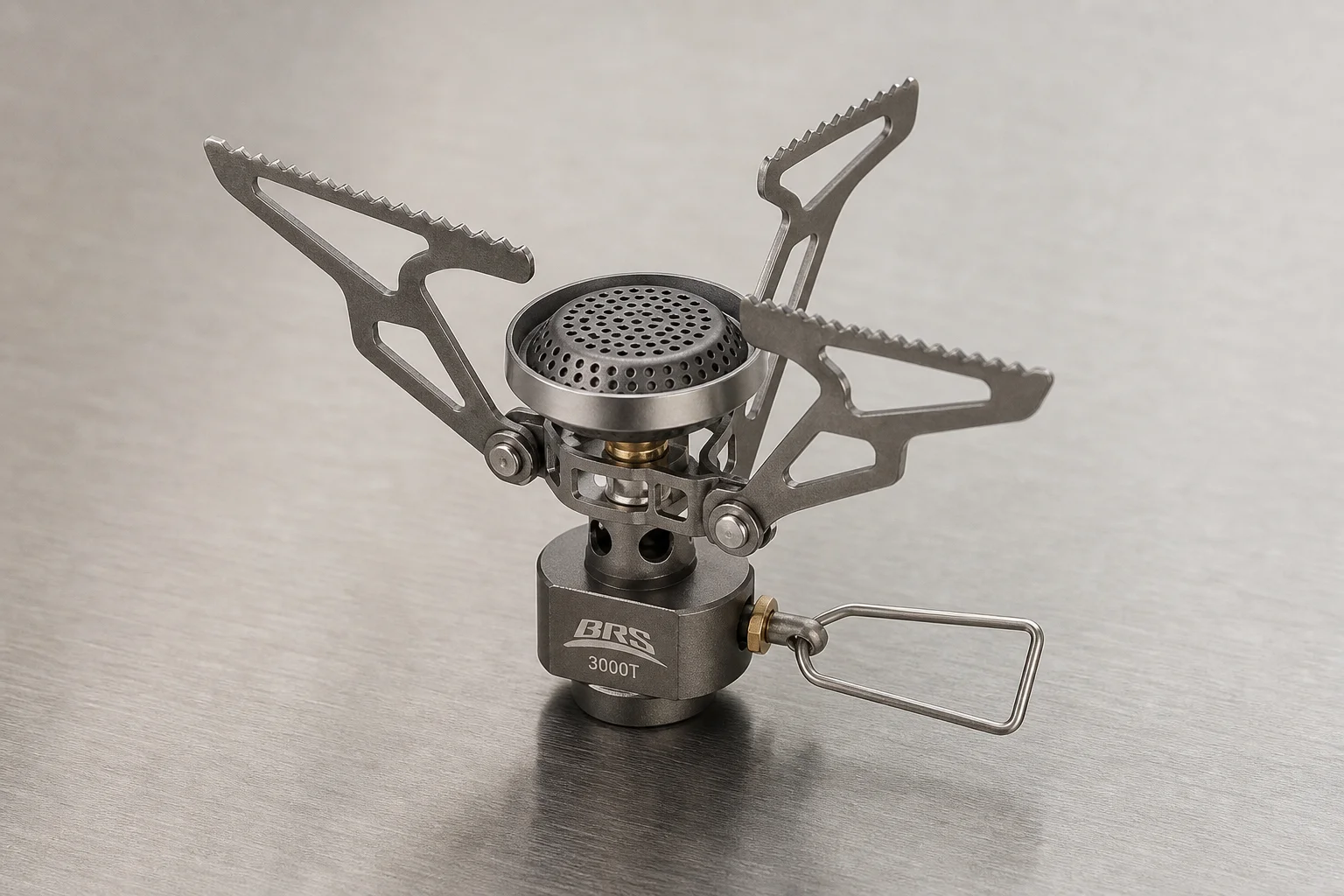
The WindBurner is a chimney style canister stove. It keeps most of the advantages of a standard canister stove and adds a large windproof burner, which makes it faster in moving air. It also packs down neatly into itself.
The trade-offs are significant. It is expensive at close to $200. It only works with the included pot or pots specifically designed to fit it, so it is not a stove you can pair with whatever cookware you already own. It is also heavy, weighing in at 1 lb 8 oz including fuel. It finished fifth overall.
MSR Whisperlite: White Gas for Cold Conditions
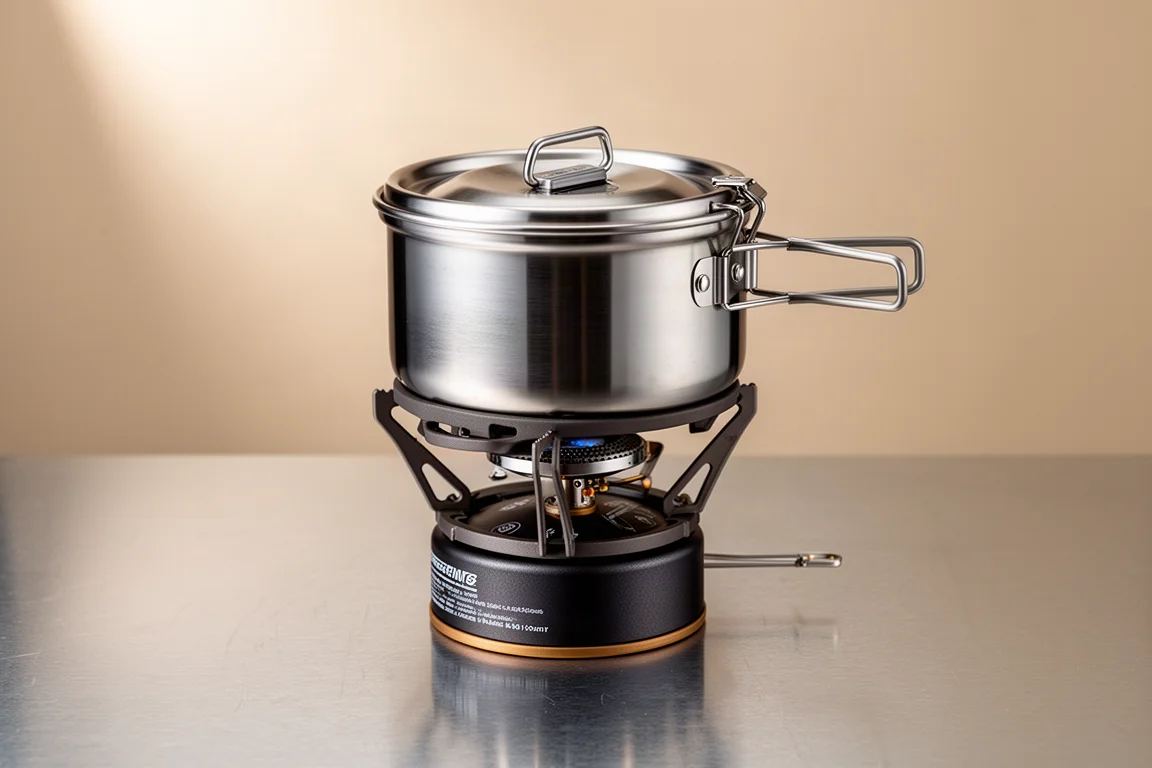
The Whisperlite is the classic white gas design. The current version can be converted between canister fuel and white gas, and it can run a canister upside down to draw liquid butane, which helps in very cold conditions. Converted to white gas only, it is a genuinely cold weather capable stove.
White gas is easy to find and often remains on shelves when canister fuel does not. The stove atomizes liquid fuel by passing it through the flame, which is why it needs priming: a small amount of fuel is pooled in the base and lit to warm the fuel line. For anyone who has not done it before, that process is intimidating, and it counts against the stove.
It is also expensive at almost $200, heavy at nearly 2 lb including fuel, and dirtier than butane, producing some soot. It needs a wider pot too, since a small titanium pot will not sit securely on its prongs. It scored 18 points out of 50, the lowest in this comparison.
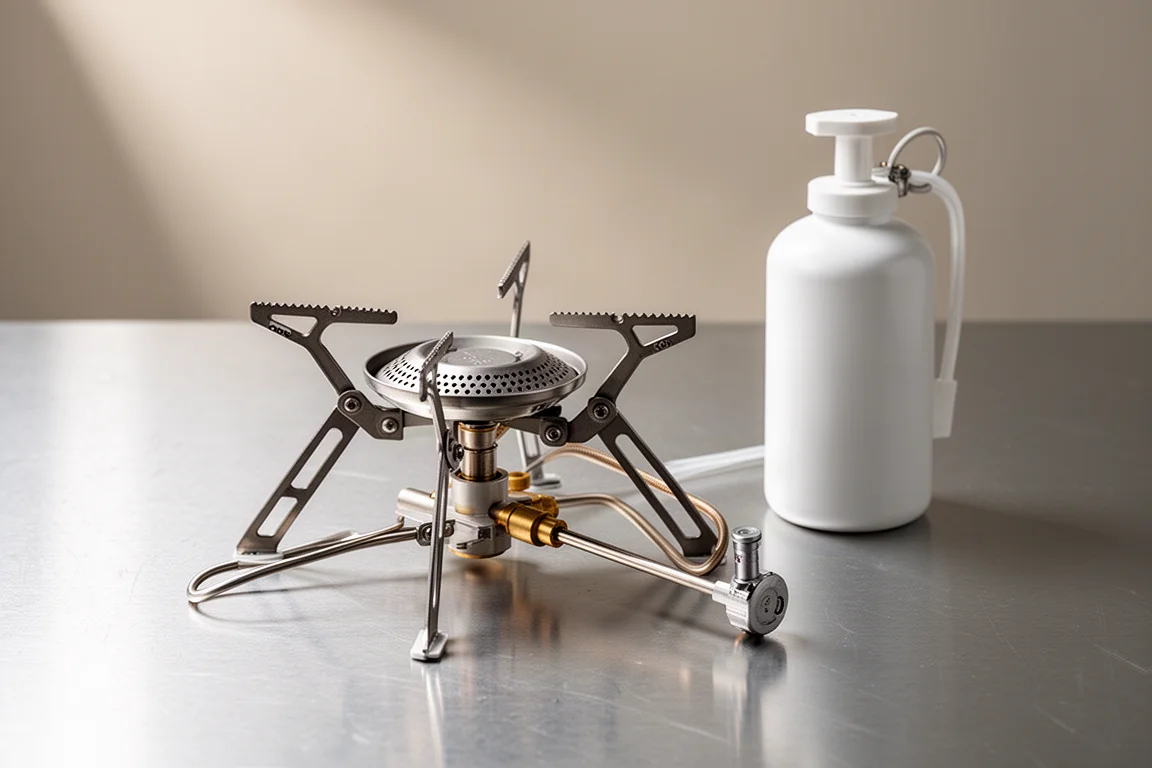
Toaks Wood Burning Stove: Free Fuel, Slow Boils
Wood burning stoves are the oldest approach here. This Toaks model is deliberately simple: it burns twigs gathered on site. Anywhere there are trees, fuel is effectively unlimited, and because you collect it as you go there is no fuel weight to carry. The stove itself weighs just over 5 oz and costs around $45.
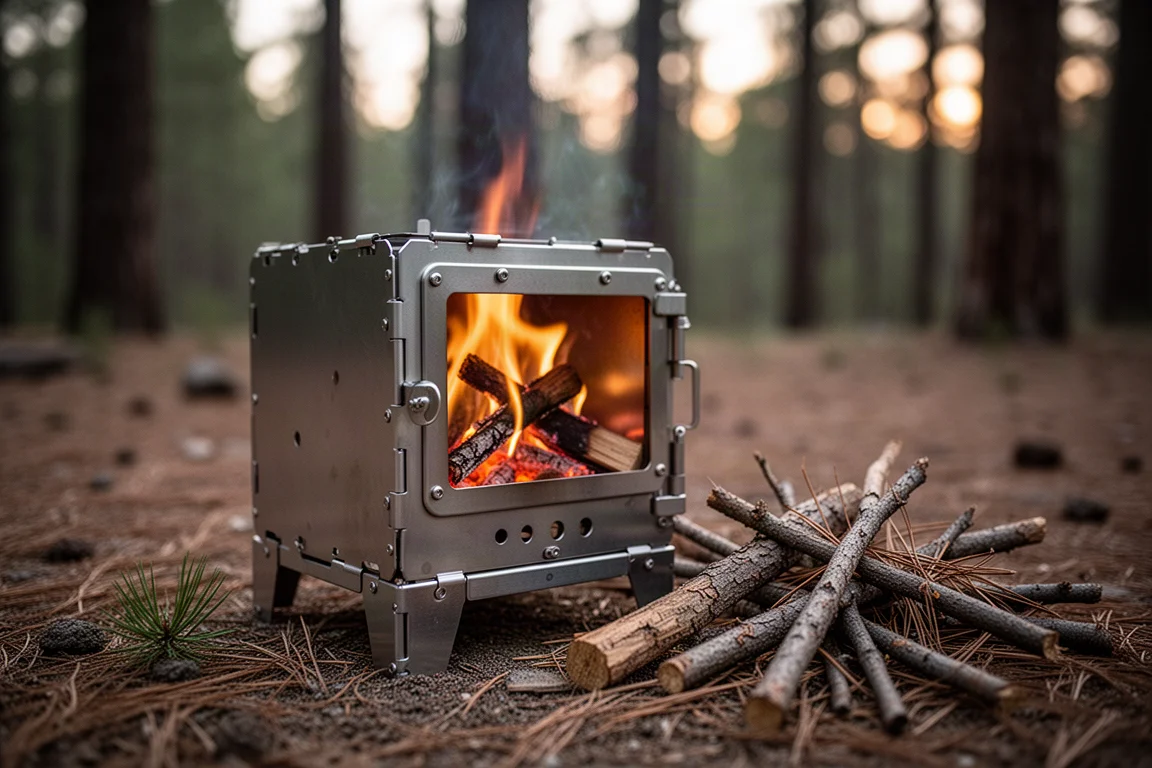
The limitations are practical. In high alpine terrain or after sustained rain, dry twigs are hard to find. It was also the slowest stove tested, taking about three minutes to get a fire established and another five minutes to boil one cup of water. Twigs burn down quickly, so a larger meal means continually feeding the fire. It is dirty, leaving soot caked on the bottom of the pot, and it is the only stove here that cannot be blown out or turned off once lit. It placed second to last.
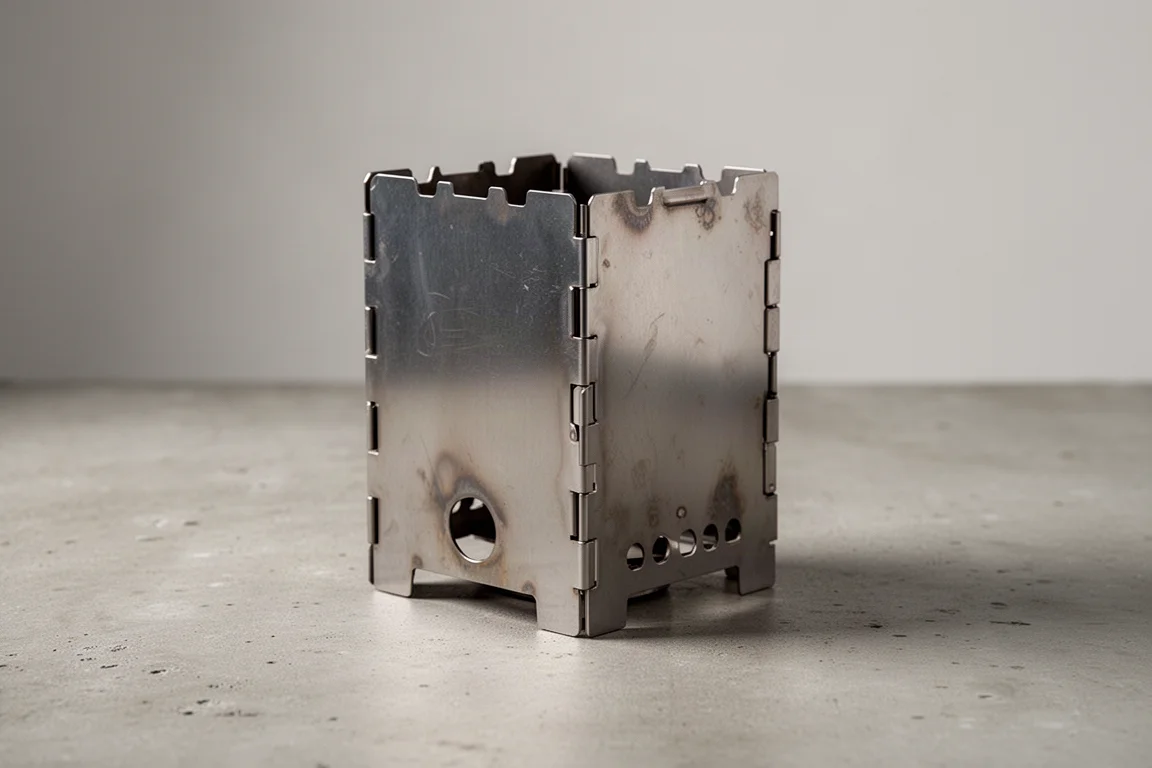
Vargo Titanium Stove: Solid Fuel and Alcohol in One
The Vargo titanium stove is dual purpose. One side burns alcohol, and flipping it over lets you burn solid fuel tablets. Its most striking quality is weight: at 2.2 oz including four fuel tabs, it is the lightest stove in this comparison, and four tabs is enough fuel for four nights on the trail.
The stove alone is $35, which would make it the cheapest option, except a windscreen is effectively mandatory. Adding a $10 titanium windscreen brings the total to $45. Boiling takes almost five minutes for one cup, but there is essentially no setup time.
Fuel availability is the real weakness. Solid fuel tabs were not available locally, and ordering them meant waiting over a week for delivery, which is a problem on a resupply day mid-route. The saving grace is that if tabs cannot be found, the stove still works with alcohol. Alcohol is the easier fuel to source: denatured alcohol is stocked at most hardware stores, and 91% isopropyl rubbing alcohol is available at grocery stores and pharmacies.
Alcohol mode boils a little more slowly and needs a short priming period to reach full output, and recapping leftover fuel is fiddly. Even so, it edged out the solid fuel mode on points purely because the fuel is easier to find.
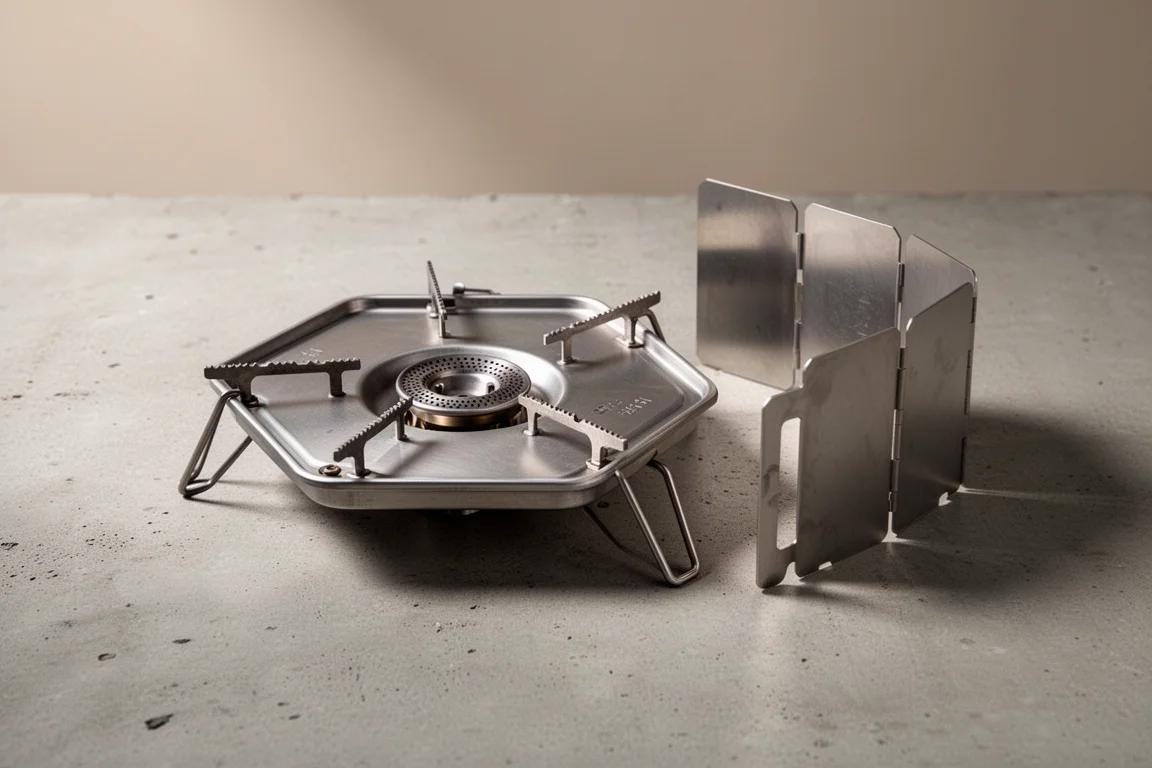
Pill Bottle Alcohol Stove: The Lightweight Surprise
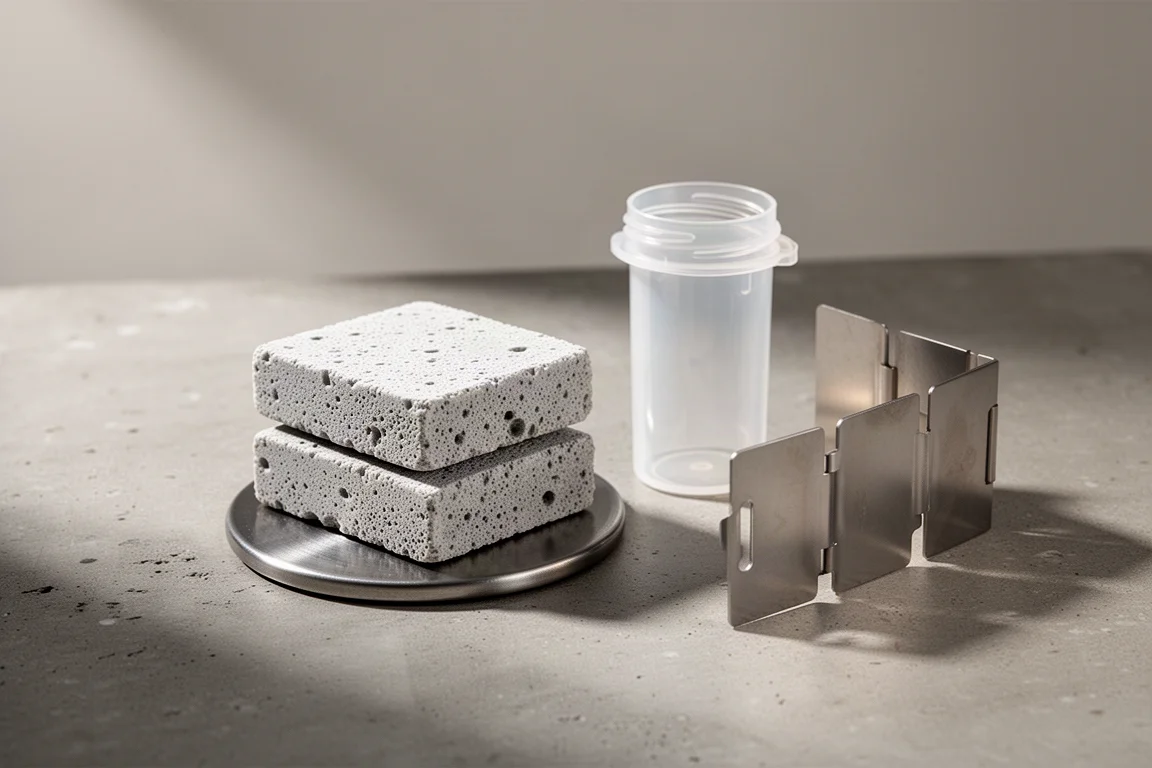
The pill bottle stove is a small maker design built around stone tablets made from the same material used in pizza oven firebricks. The tablets are charged by soaking them in alcohol for about ten minutes, either the night before a trip or immediately after use so they are ready next time. Two charged tablets stack on a small metal disc and are lit directly.
It boiled a cup of water in under three minutes with essentially no setup, and once blown out the tablets were cool enough to touch about 30 seconds later. Four fully charged tablets weigh 4 oz. At $39 for four tablets, a pill bottle, a small titanium windscreen, and the metal disc, it is the cheapest complete setup tested.
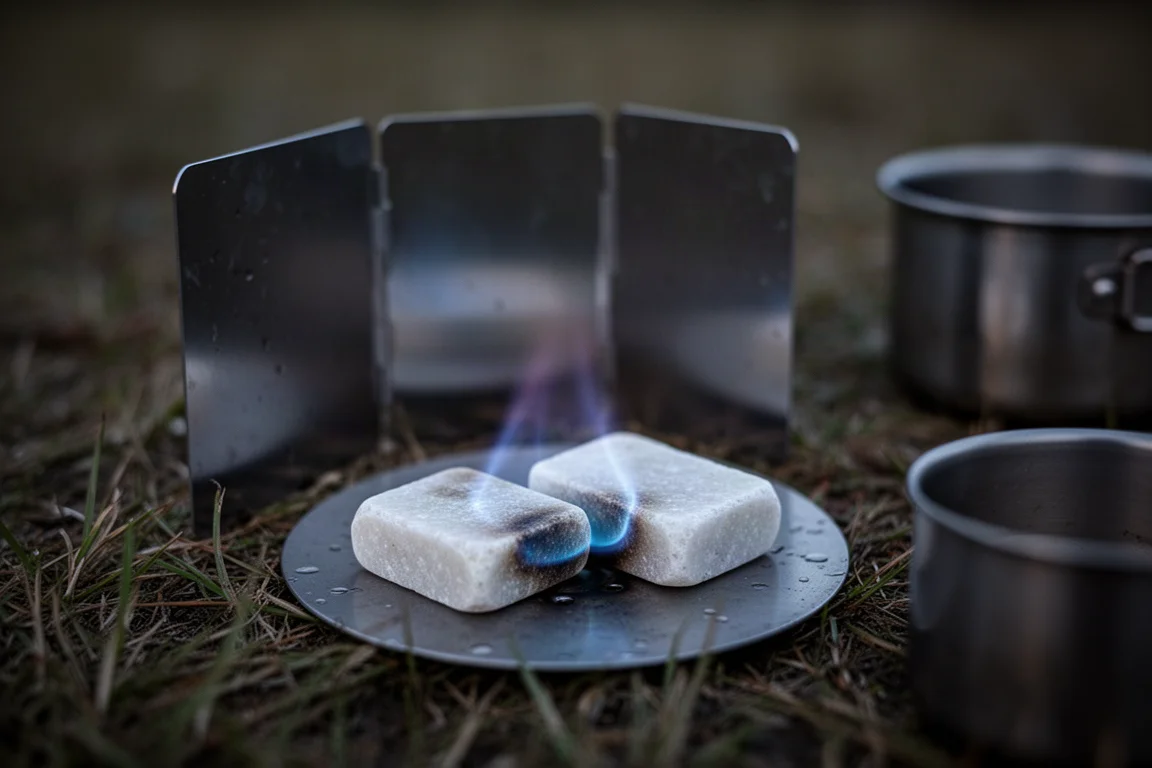
It scored highest of any stove in this comparison, earning points for speed, ease of use, low cost, low weight, widely available fuel, fast cooldown, clean burning, cold weather performance, and the ability to carry only as much fuel as a trip requires.
There is one caveat. On uneven ground it tipped over once, and it discharged its fuel the moment it hit the ground. Careful placement on level ground matters more here than with a canister stove. That knocked a couple of points off the total and brought it level with the PocketRocket Deluxe. It is a genuinely interesting design, though not necessarily a replacement for a dependable canister stove.
Overall Buying Advice
For most backpackers, a canister stove remains the easiest answer. It is fast, inexpensive, and simple, and fuel is easy to buy near popular trails. The PocketRocket 2 covers that need at around $50.
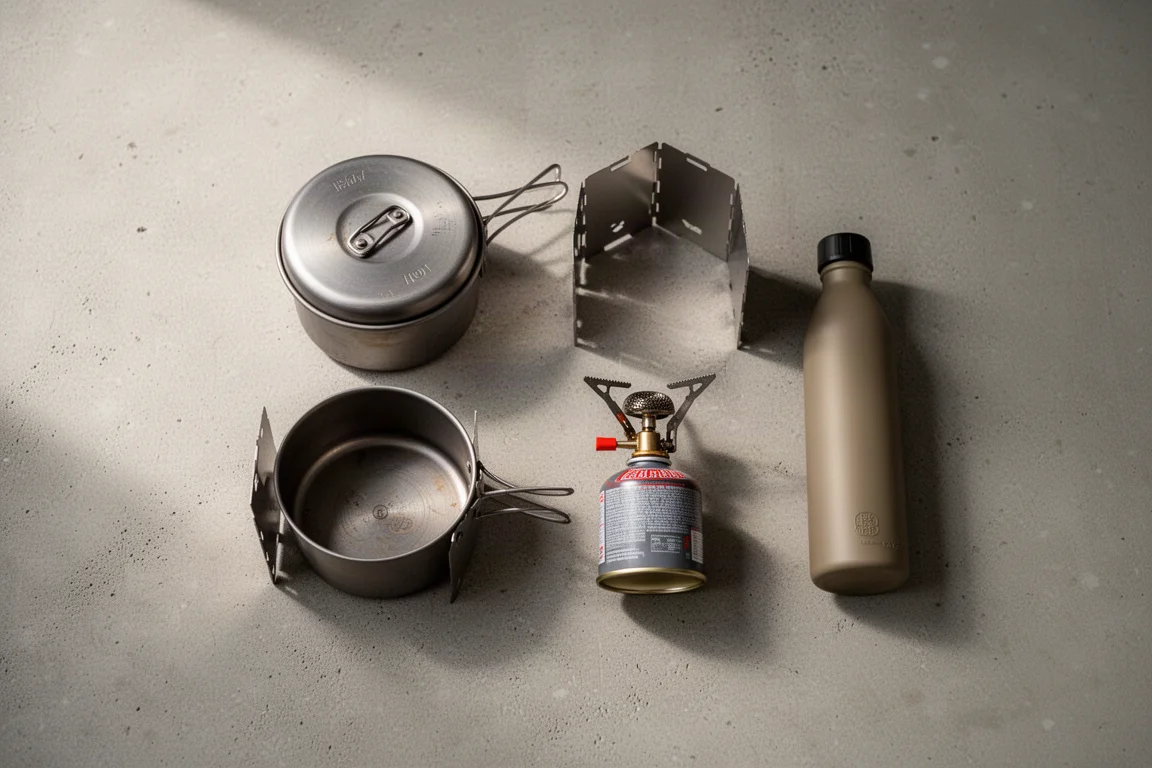
If you want faster boiling in wind and do not mind carrying more weight or being locked into one pot, the WindBurner is the quicker canister option. If you expect serious cold, or you want a fuel that stays available when canisters sell out, white gas remains capable, provided you are willing to learn the priming routine. For long trips where fuel weight matters most, the wood, solid fuel, and alcohol options remove fuel from your pack entirely, at the cost of speed and convenience.
One regulatory point is worth checking before any trip. In some areas canister stoves are the only type permitted by law, largely because of fire risk. Several of these stoves can start fires under the right conditions, so confirm local rules and current fire conditions before heading out.
Conclusion
Ranking the stoves made the trade-offs clearer than expected. The canister standard finished second rather than first, white gas came last despite its cold weather strength, and a $39 alcohol setup took the top score before a stability issue pulled it back to level with the PocketRocket Deluxe. The right choice still depends on the trip: canister for simplicity, white gas for cold, and wood or alcohol when fuel weight and availability matter more than speed.
Further reading
Related Reviews
Backpacking Stoves
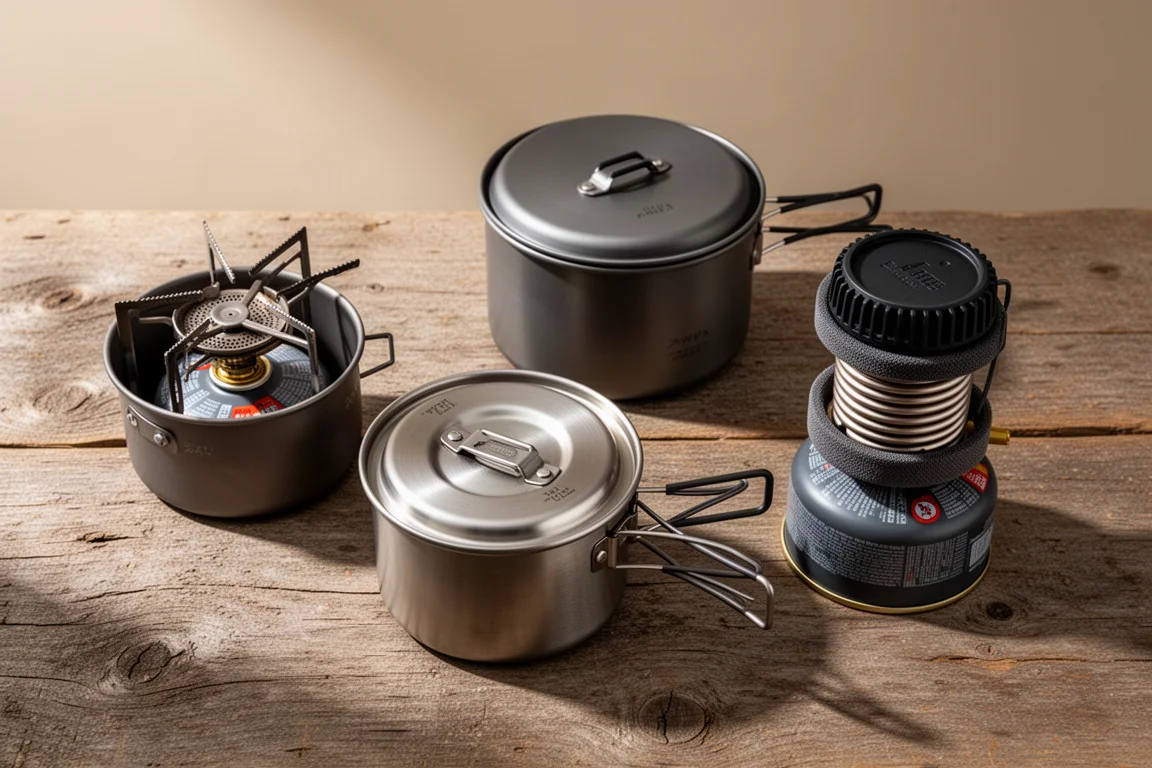
Best Backpacking Stove and Pot Combinations: Budget to Premium
A practical look at fourteen backpacking stoves and cook pots, from inexpensive starter pairings to windproof all-in-one systems that cost close to $200.
Backpacking Stoves
Best Backpacking Stove Systems: Five Canister Stoves Compared
Five canister stove and pot systems compared on wind resistance, boil speed, packed size, and cooking control, from a bare titanium burner to a fully integrated cook system.
Backpacking Stoves
Best Backpacking Stoves Compared: BRS 3000, MSR PocketRocket 2, and Soto WindMaster
Three canister stoves compared on boil time and fuel efficiency across lid use, canister level, valve setting, and pot diameter.