Backpacking Stoves
Best Backpacking Stove and Pot Combinations: Budget to Premium
A practical look at fourteen backpacking stoves and cook pots, from inexpensive starter pairings to windproof all-in-one systems that cost close to $200.
Introduction
A stove and a pot are the two pieces of backcountry kit that decide how quickly you eat and how much weight you carry to do it. Get the pairing right and you can boil water in minutes, rehydrate a meal, and make coffee without thinking about it. Get it wrong and you are either carrying more than you need or fighting a flame that keeps going out.
The options below cover eight cook pot and stove combinations, split out into fourteen individual products so you can see exactly what each piece brings. They run from genuinely inexpensive starter pairings all the way up to all-in-one systems that cost close to $200, and the honest question running through all of them is whether spending that much is necessary when your main job is boiling water.
What Actually Matters in a Stove and Pot Combo
Four things tend to separate a kit that works from one that annoys you.
Capacity is the first. If you are only boiling water for coffee and dehydrated meals, a small pot is enough. If you want to cook noodles, pasta or rice in the pot itself, you need more volume and a wider base.
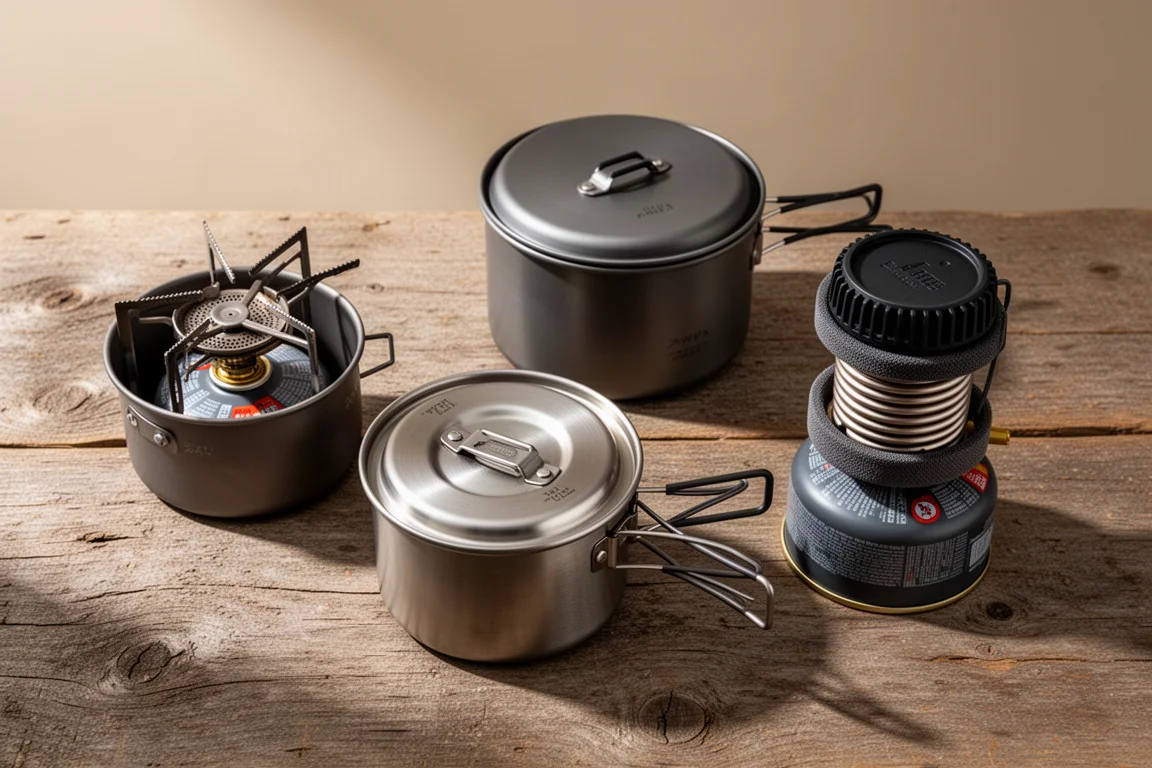
Packability is the second. The best setups let the stove and the fuel canister nest inside the pot, so the whole kitchen becomes one object in your pack.
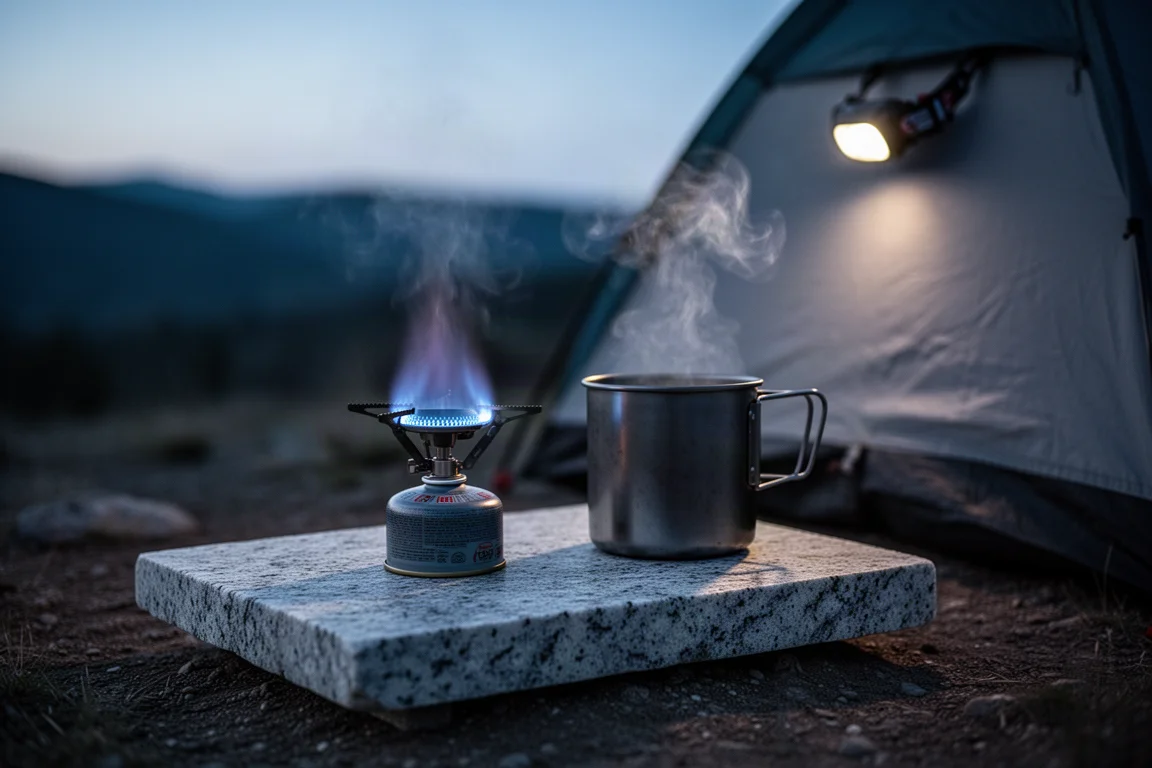
Wind resistance and boil speed matter more than most people expect. An exposed ridge or a windy alpine morning can turn an efficient stove into a slow one, and a pot with a heat exchanger or an integrated windshield changes that equation completely.
Finally, control. Some stoves are built purely to boil water as fast as possible. Others add a regulator, a wider burner or a separate pot stand, which opens up simmering, fry pan cooking and more ambitious meals.
None of these factors costs much on its own. The trick is deciding which ones you actually care about before you spend money on a system you do not need.
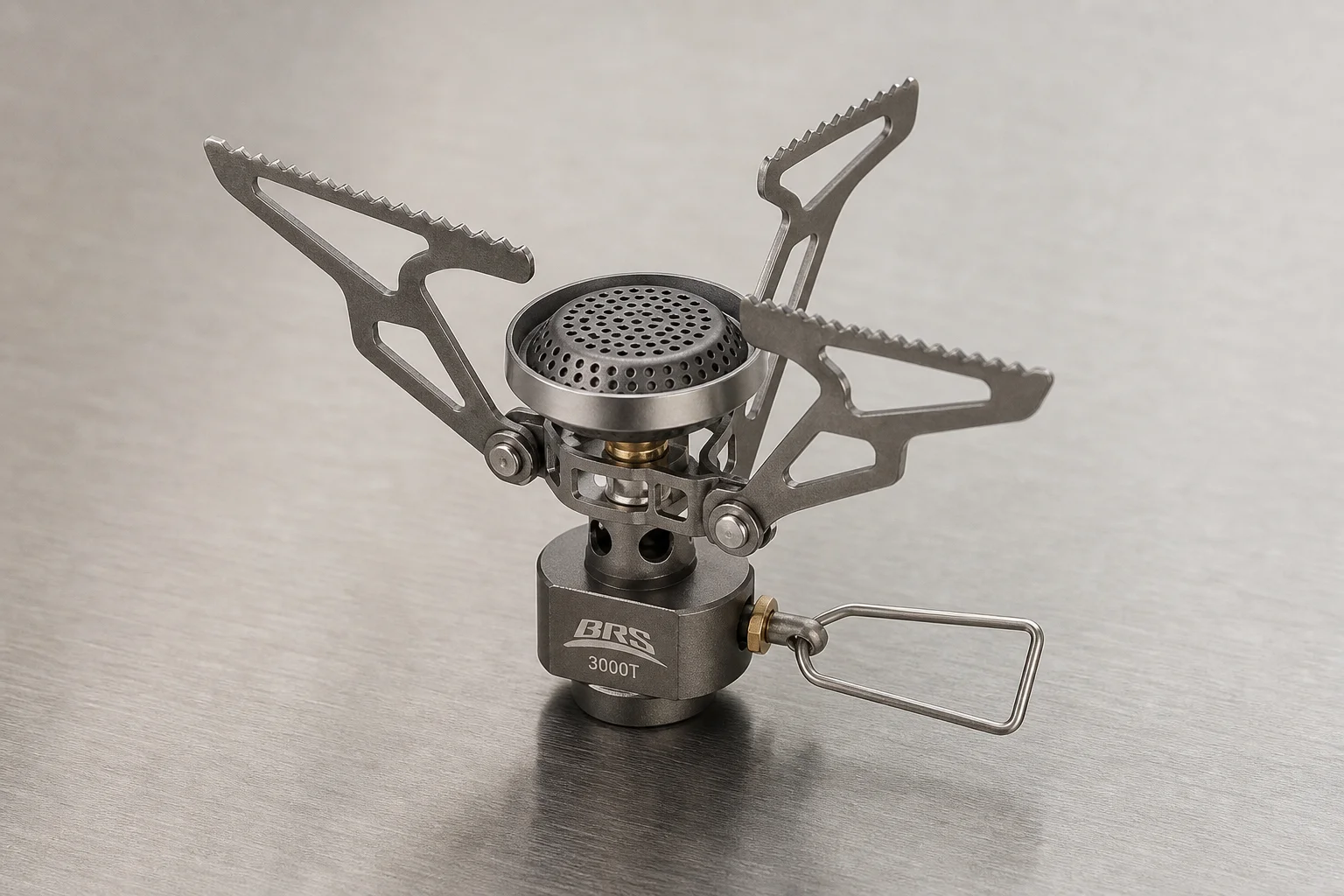
BRS 3000T: The Budget Benchmark
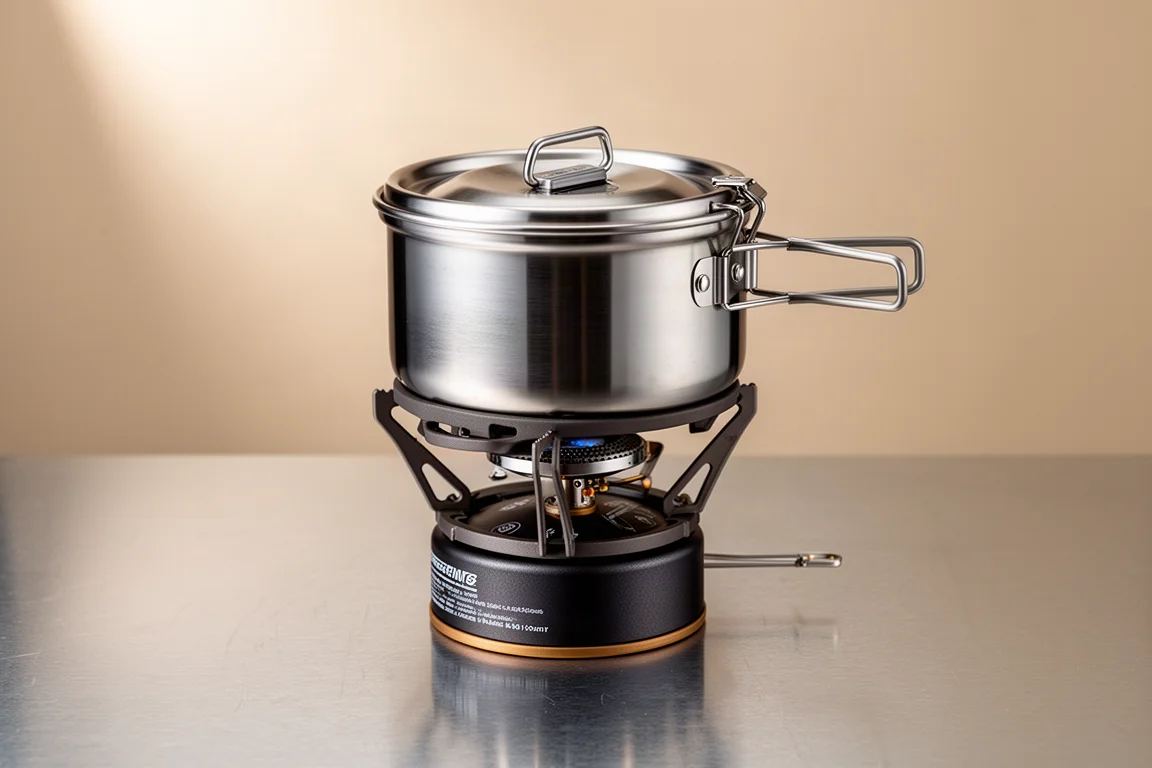
The BRS 3000T is the reference point for an inexpensive ultralight canister stove. It is the kind of burner that pairs with a simple stainless steel pot with a locking lid and a folding handle, and the whole combination stays inexpensive.
As a first kit, that pairing is hard to argue with. You get a stable base for boiling water, a pot that is not unreasonably heavy for backpacking, and a total outlay well below what an all-in-one system costs.
Olicamp Ion: The Same Simple Formula
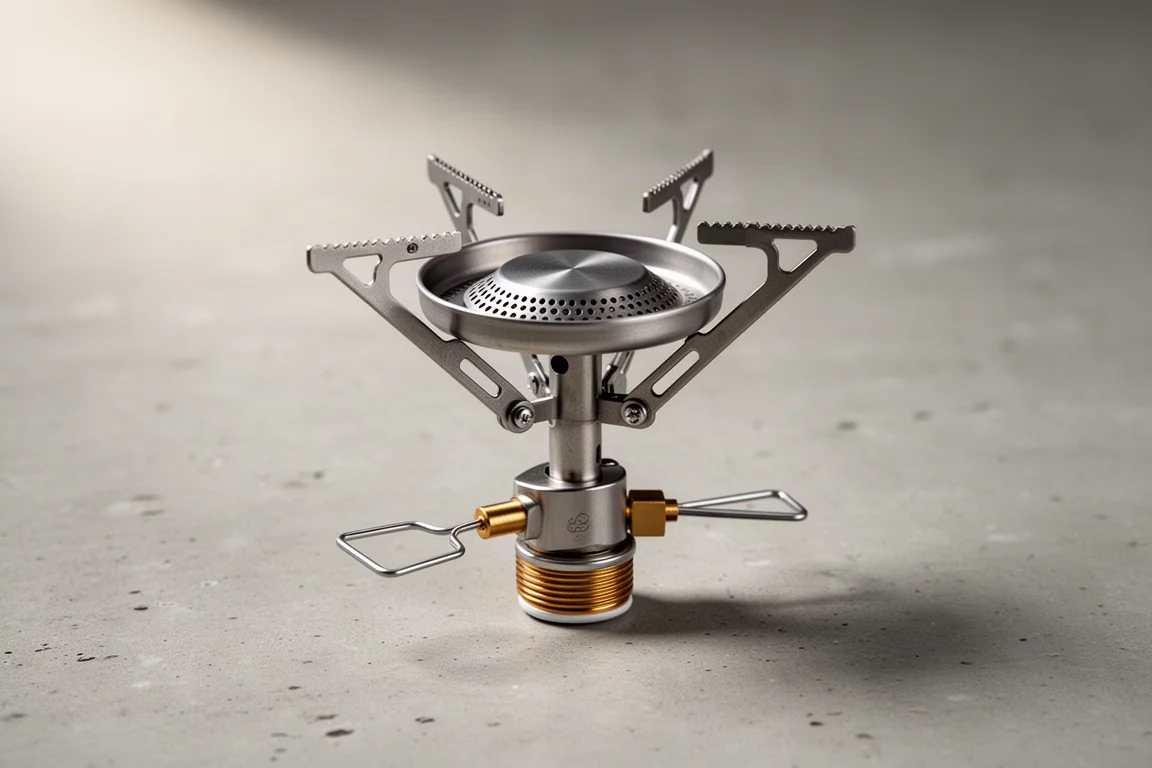
The Olicamp Ion follows the same mould as the BRS-style burners: a small, light canister stove with no extras to pay for. It is the sort of stove you buy when the goal is simply to boil water reliably.
Paired with a stainless steel pot it delivers the same budget-friendly result. There is nothing complicated here, and that is the point.
MSR PocketRocket 2: The Proven Workhorse
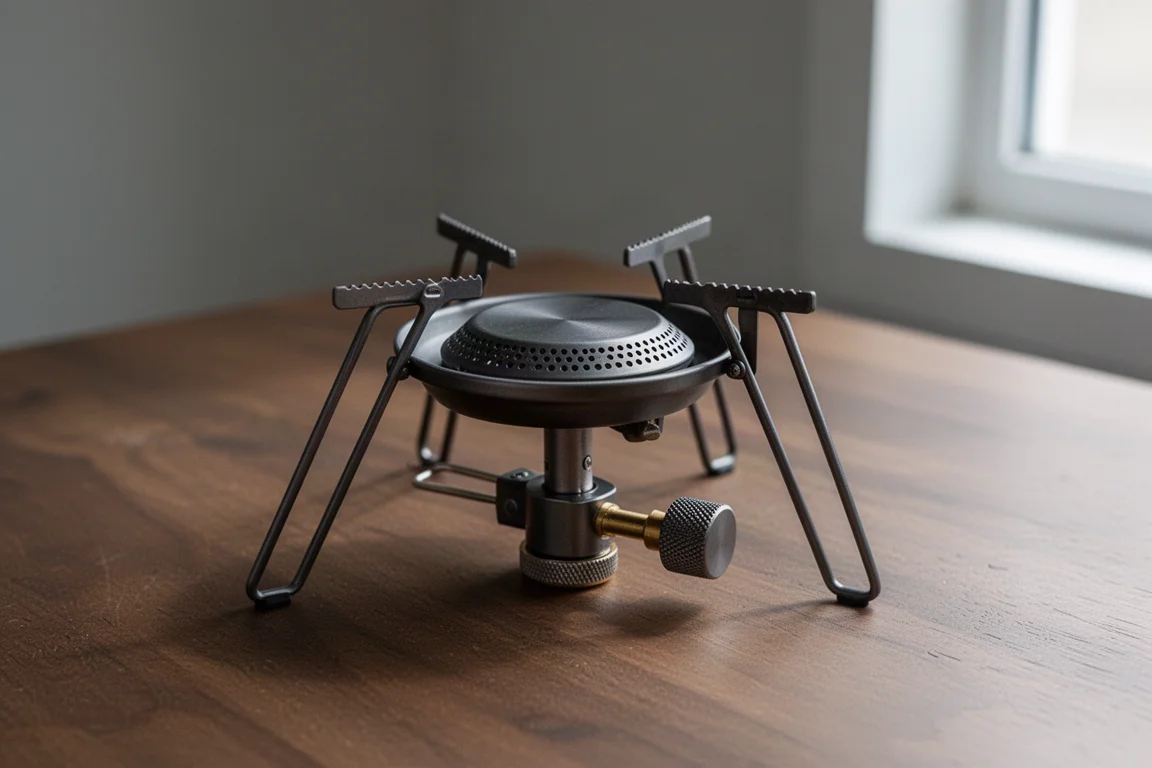
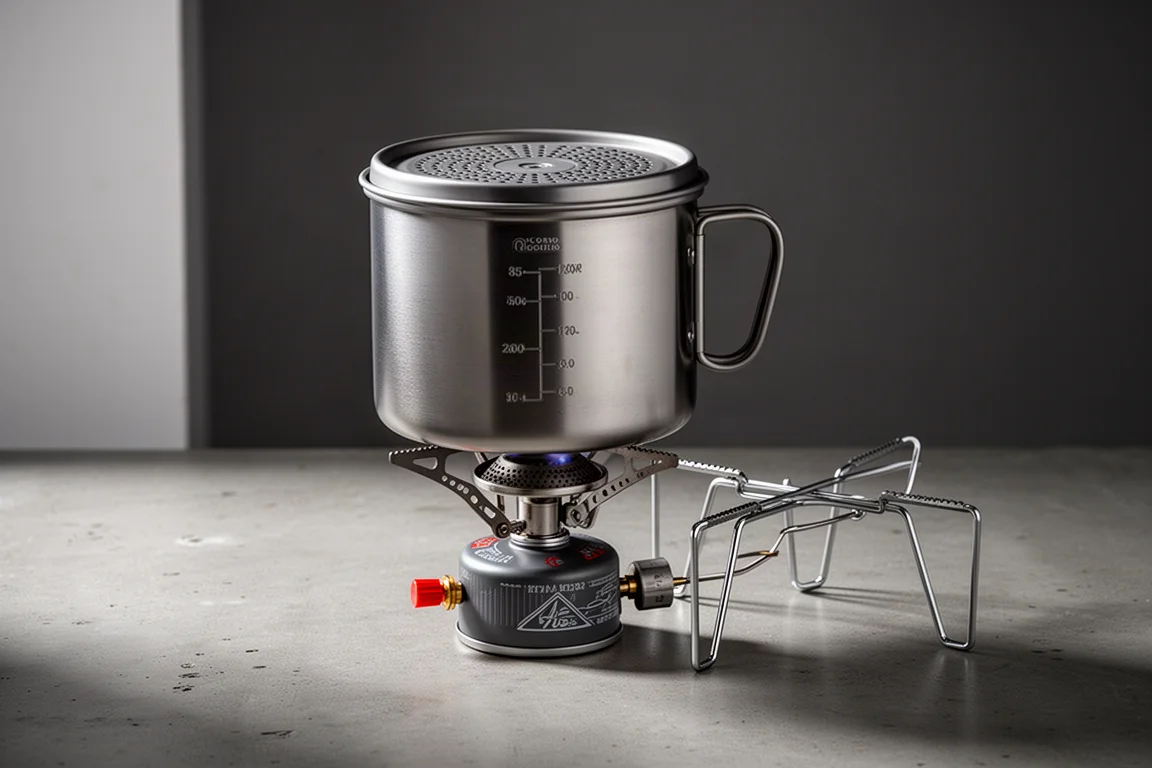
The PocketRocket 2 is one of the longest-standing designs in backpacking, and the kit built around it adds a graduated measuring cup and an aluminium pot. The measuring cup holds up to 12 ounces, doubles as a drinking cup, and is useful for mixing. The pot includes a grabber and a rubber ring around the body, which makes it easier to hold while you pour boiling water into a meal bag.
The trade-off is noise. The PocketRocket 2 is loud in use, and the pot itself is small for cooking noodles, pasta or rice in. For boiling water, making pour-over coffee and rehydrating meals, though, it is a very solid, very compact package. The whole kit comes in under $100.
Snow Peak LiteMax Stove: Small, Light, Efficient
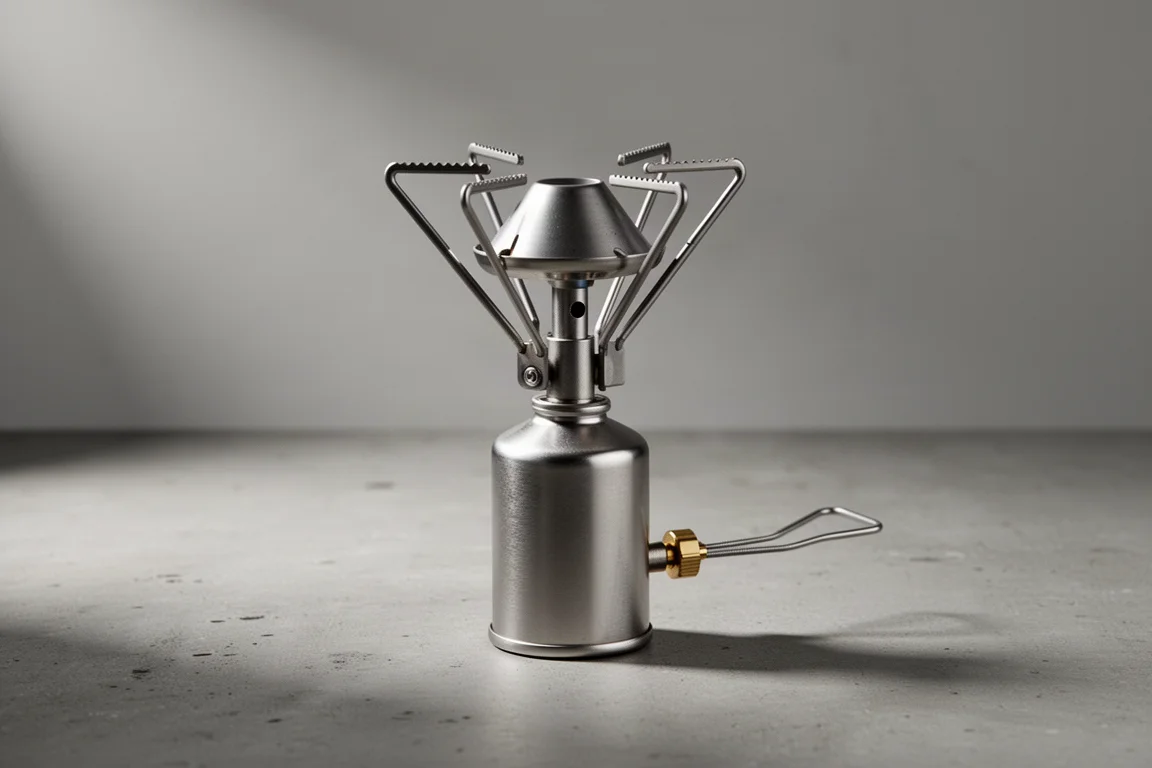
Snow Peak has a long reputation for light, durable gear, and the LiteMax is a good example. It is very small and very light, and it handles small pots easily. Fold-out arms let it take larger pots more securely.
The main limitation is wind. The LiteMax is not as wind resistant as something like the PocketRocket 2, so it is happiest in sheltered spots. Efficiency is excellent when conditions suit it.
Snow Peak Trek 700 Titanium Pot: Everything in One Pot
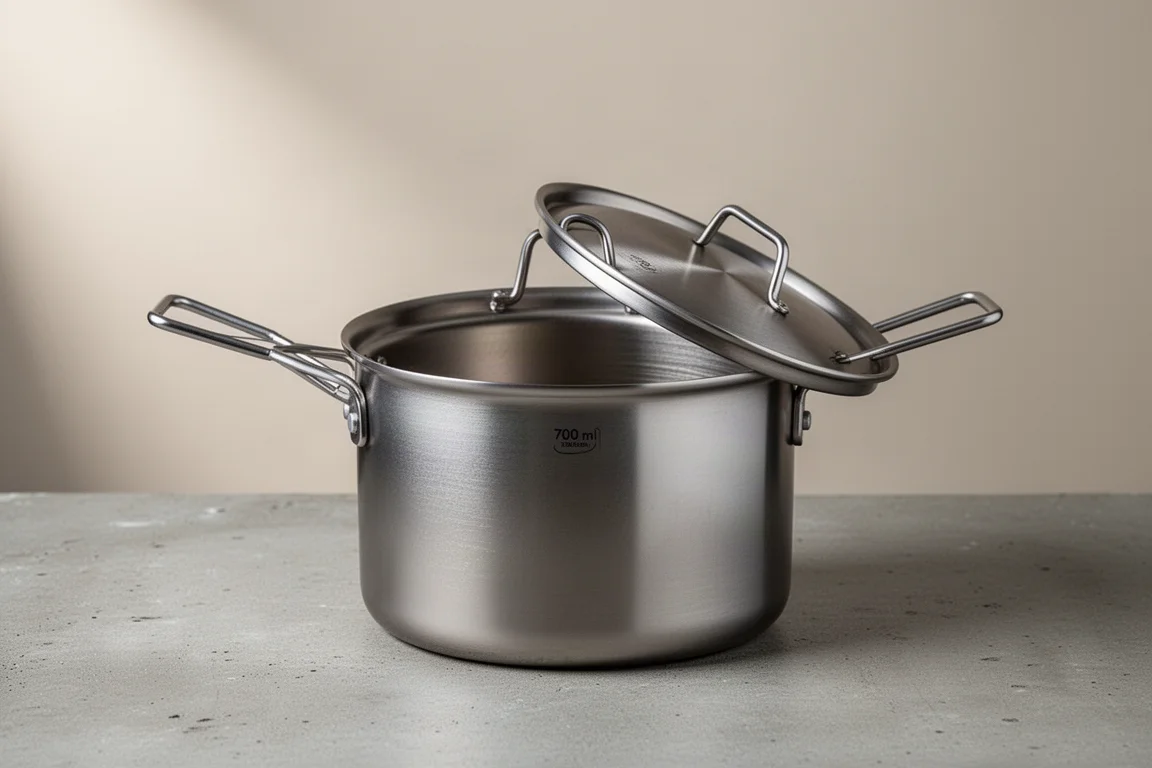
The Trek 700 is a 700 ml titanium pot, which is enough for more than two cups of water and comfortably covers rehydrating a dehydrated meal. Its best feature is containment: a compact stove and a fuel canister both fit inside, so your entire cook setup travels as a single unit.
Inside, graduation lines make measuring straightforward, and the handles are shaped for a comfortable grip. One thing to plan for is heat. The flame tends to wrap around the edges of the pot, so the body gets hot and a pot grabber or a cloth is worth having on hand.
Toaks 750ml Titanium Pot: More Room Inside
The Toaks 750 ml titanium pot takes the same idea and adds volume. That extra space is what lets a folding canister stove and a gas canister sit inside the pot rather than loose in your pack, and it leaves more headroom for a bigger meal.
It is a natural match for a compact stove with a built-in igniter, which is exactly how it tends to get used. Simple, light, and easy to live with.
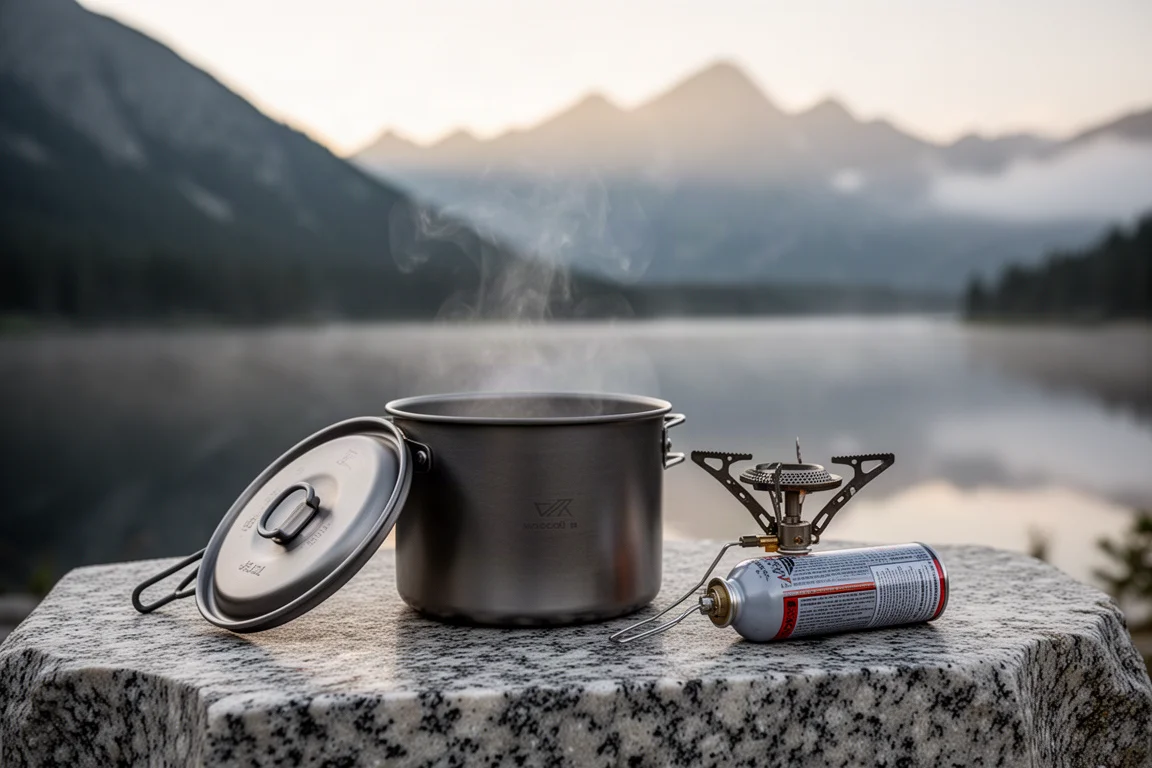
The 750 ml size also gives you a little more margin when you are feeding two people from one pot or cooking something more substantial than a dehydrated pouch, which is where the smaller titanium options start to feel tight.
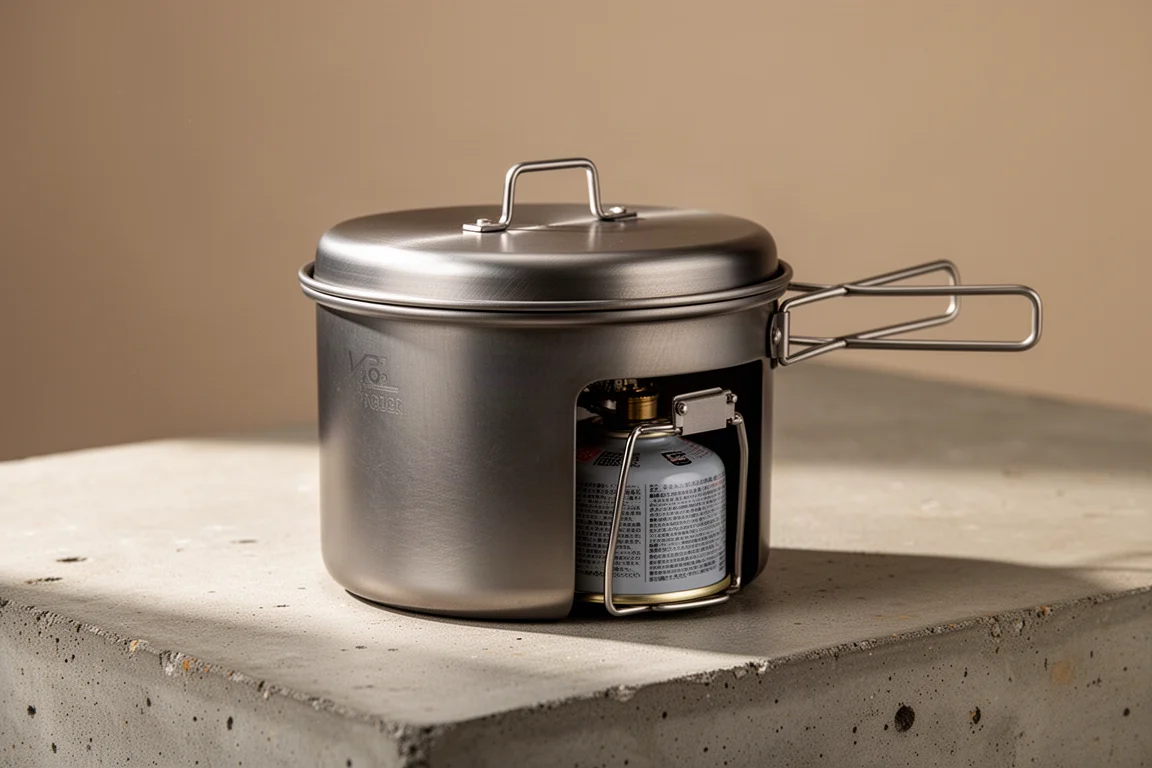
MSR PocketRocket Deluxe: Quiet, Lit, Compact
The PocketRocket Deluxe is a different proposition from the standard PocketRocket 2. It has an igniter built in, so there is no separate lighter to carry. It runs quietly. It handles wind well. And it packs small enough that it disappears into a titanium pot.
The trade-off is efficiency. A comparable Soto stove may edge it out slightly on fuel economy, but the Deluxe wins on compactness, which matters more when the whole kit has to fit inside one pot.
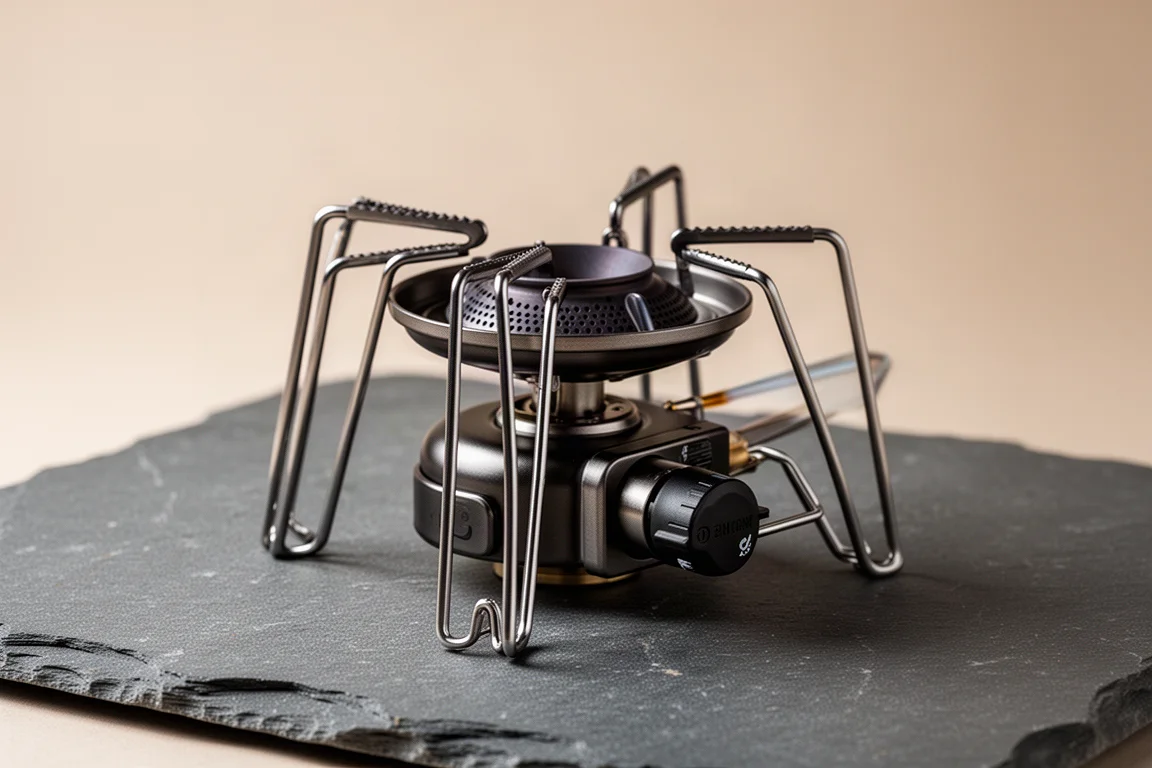
Soto WindMaster: Efficient, but Larger
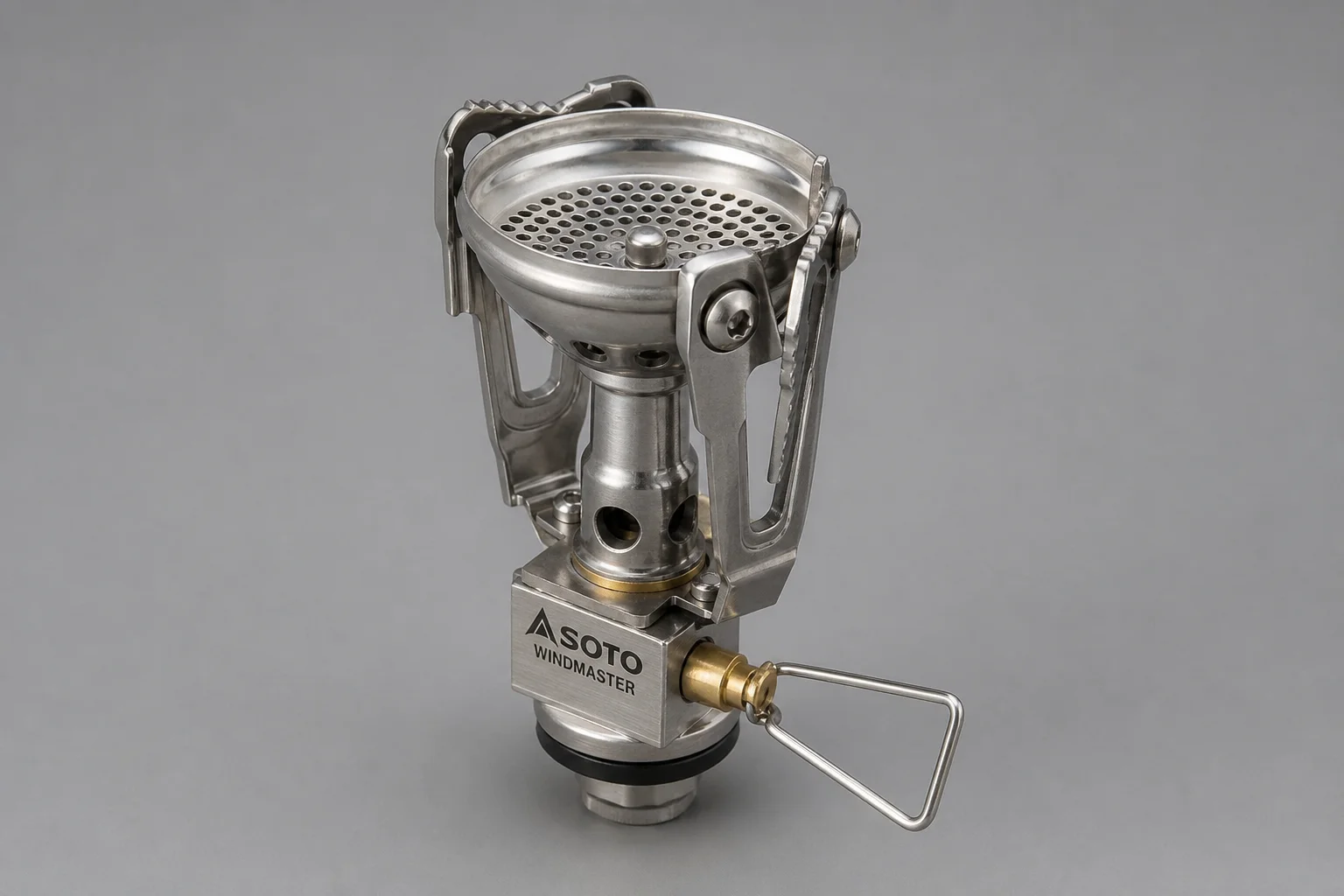
The WindMaster is a favourite for good reason. It is efficient, it deals with wind well, and it is one of the better stoves available for consistent performance in exposed conditions.
Its weakness is bulk. Compared with the PocketRocket Deluxe it takes up noticeably more room, which is the main reason it does not always win a place in a tight kit. If pack space is not at a premium, it is an excellent stove.
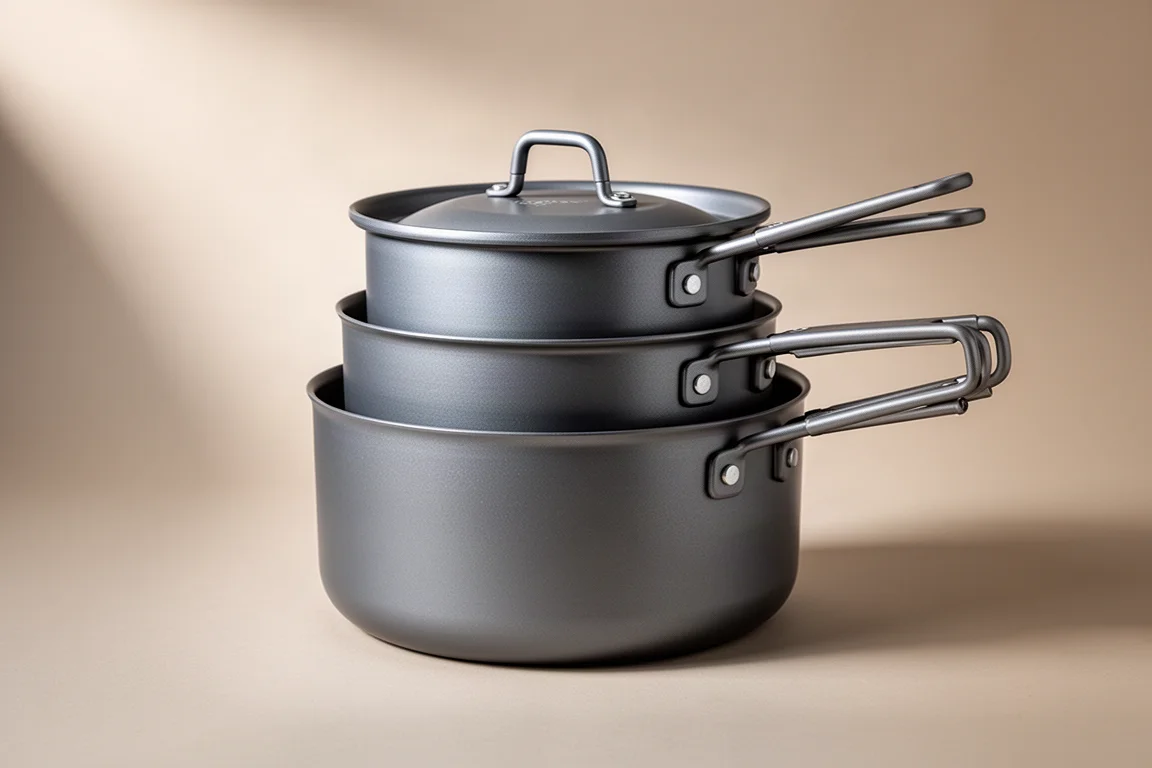
Soto ThermoStack Cook Set: A Matched Aluminium Pot
The ThermoStack is an aluminium pot system designed to sit alongside the Soto stove range rather than compete with titanium pots on weight. Aluminium heats quickly, and the set is built as a matched pairing with the stoves.
If you already run a Soto burner and want a pot that was designed with it in mind, this is the straightforward answer. It is less about shaving grams and more about a coherent, well-matched system.
Jetboil Zip: The Entry Point to All-in-One
The Zip is the simplest way into an all-in-one system. Everything is included: a lid, a stove and a measuring cup that forms the base of the unit. A canister stand adds stability so the whole thing is harder to knock over.
What you get for the money is speed. Systems of this type are exceptionally efficient at getting water to a boil, and the Zip comes in under $100. The compromises are capacity and control. It holds less than a litre, and because the cup is dark and not see-through, the measurement lines are hard to read. There is no regulator either, so simmering is limited.
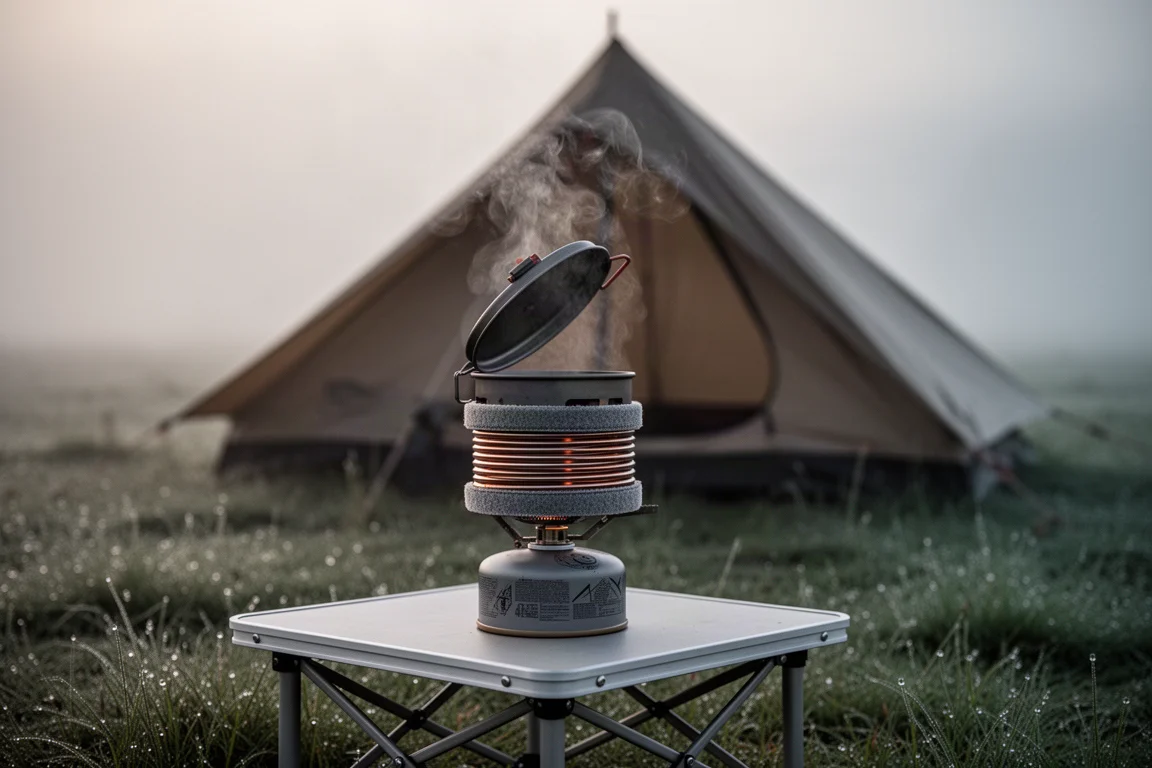
Accessories extend what it can do, including a French press for making coffee directly in the cup, which is a neat trick for a system this compact.
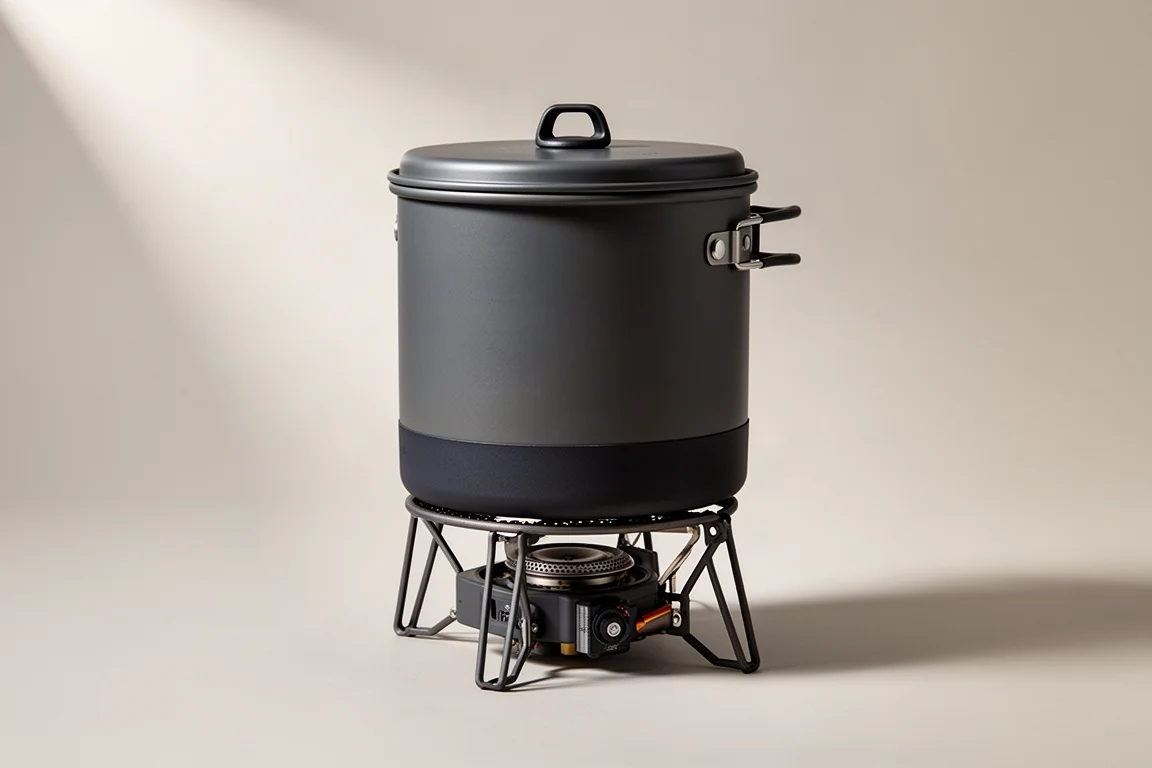
Toaks 550ml Titanium Pot: Minimum Viable Capacity
The Toaks 550 is the smallest pot here, and it is worth understanding what that means. It represents roughly the minimum capacity you want for rehydrating a single meal. Go smaller and you are making life difficult.
Within that limit it is excellent: very light, very simple, and it pairs neatly with a compact stove that has integrated pot supports. If your trips are short and your meals are dehydrated, this is all the pot you need.
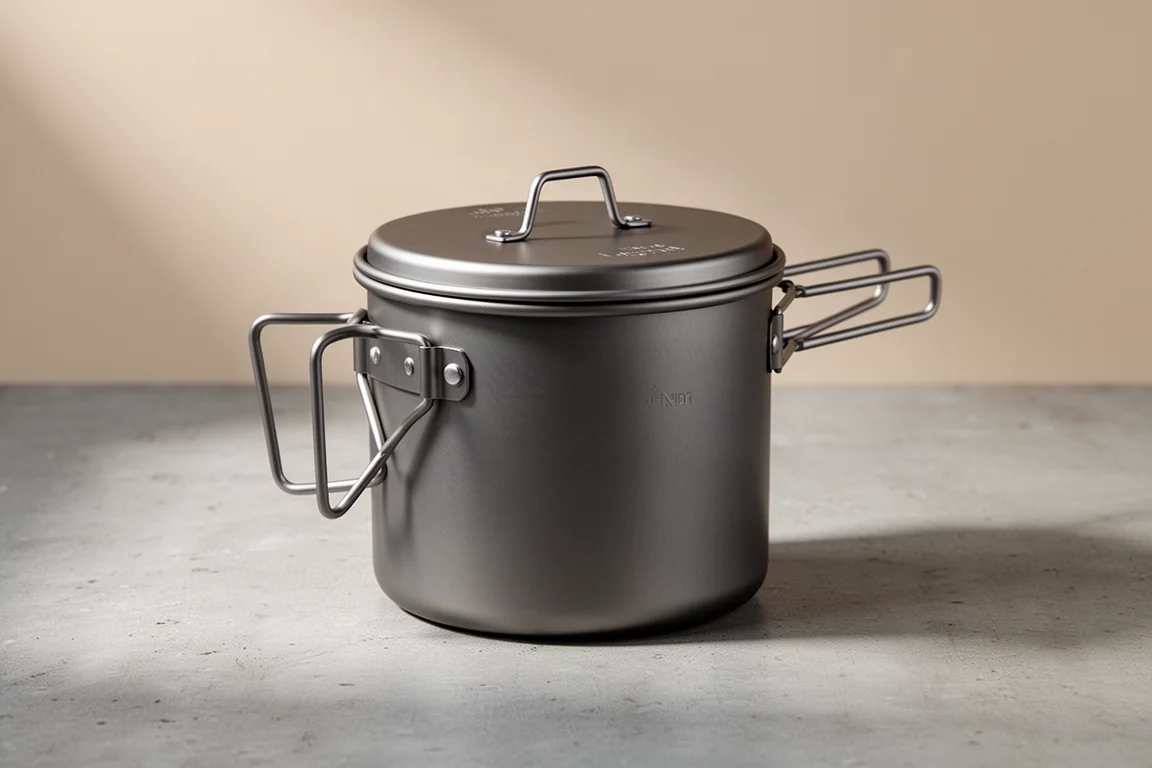
Soto Amicus: Compact and Self-Igniting
The Amicus is a smaller stove than the WindMaster, which is exactly why it works so well with compact pots. Its pot supports are integrated into the body, and it has a piezo igniter built in, so it lights without a separate spark.
For a very light, very simple setup it is one of the strongest options available, and it is the stove many people settle on after trying heavier systems.
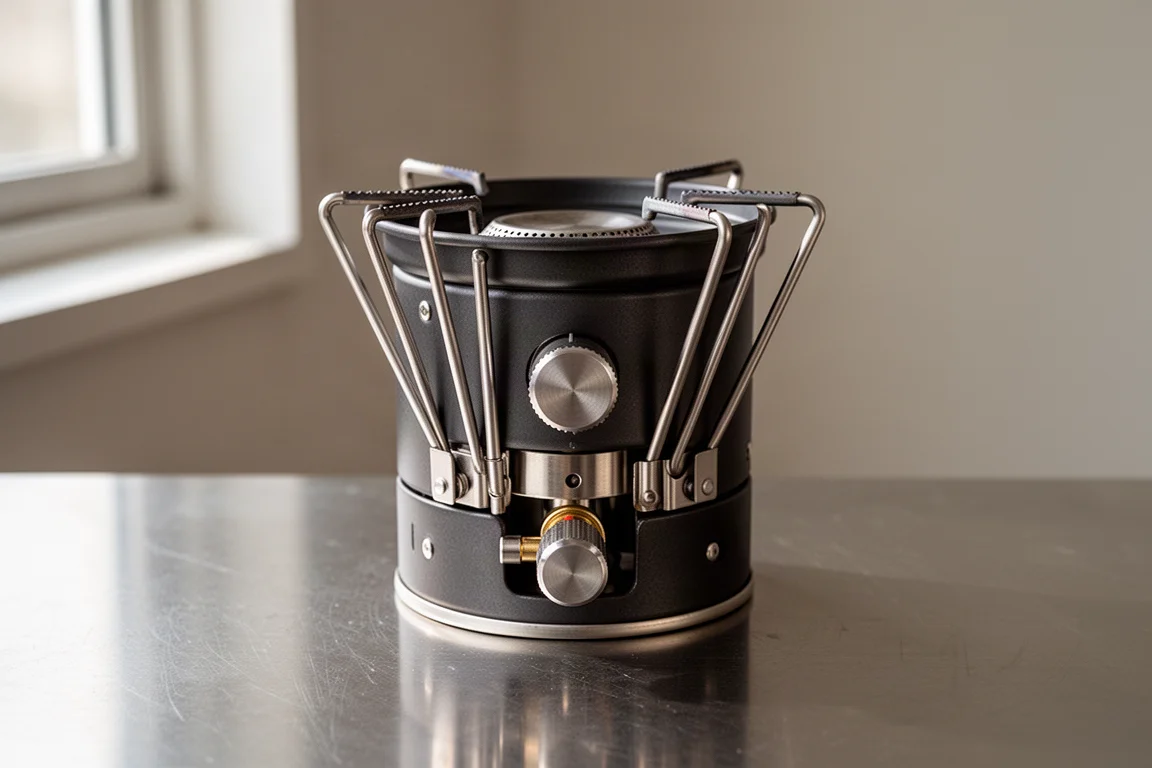
Jetboil MiniMo: More Versatile Than the Zip
The MiniMo is larger than the Zip, and the extra size buys genuine versatility. It uses the same corrugated metal heat exchanger that makes this style of system boil so quickly, and it includes a large cup with readable graduation lines.
The real difference is the stove. The MiniMo has a regulator for far better simmer control and a piezo igniter, and it ships with a separate pot stand that lets you put a fry pan on top. That combination opens up real cooking, from bacon and eggs to more involved meals. The cost is the price, which runs over $150, and a larger package overall.
MSR WindBurner: Built for Wind and Altitude
The WindBurner is the option to consider when conditions are the problem. In high alpine terrain, at higher elevation, or anywhere genuinely windy, its design sheds wind far better than a bare burner, and that shows up in boil times and cooking efficiency.
It is a tall system with a one litre pot, an insulated ring, and a lid that includes a strainer. It also comes with a cup similar to the one supplied with the PocketRocket kit. It costs close to $200, which is a lot for something whose main job is boiling water, but it is the system that stays useful across every season rather than only in fair weather.
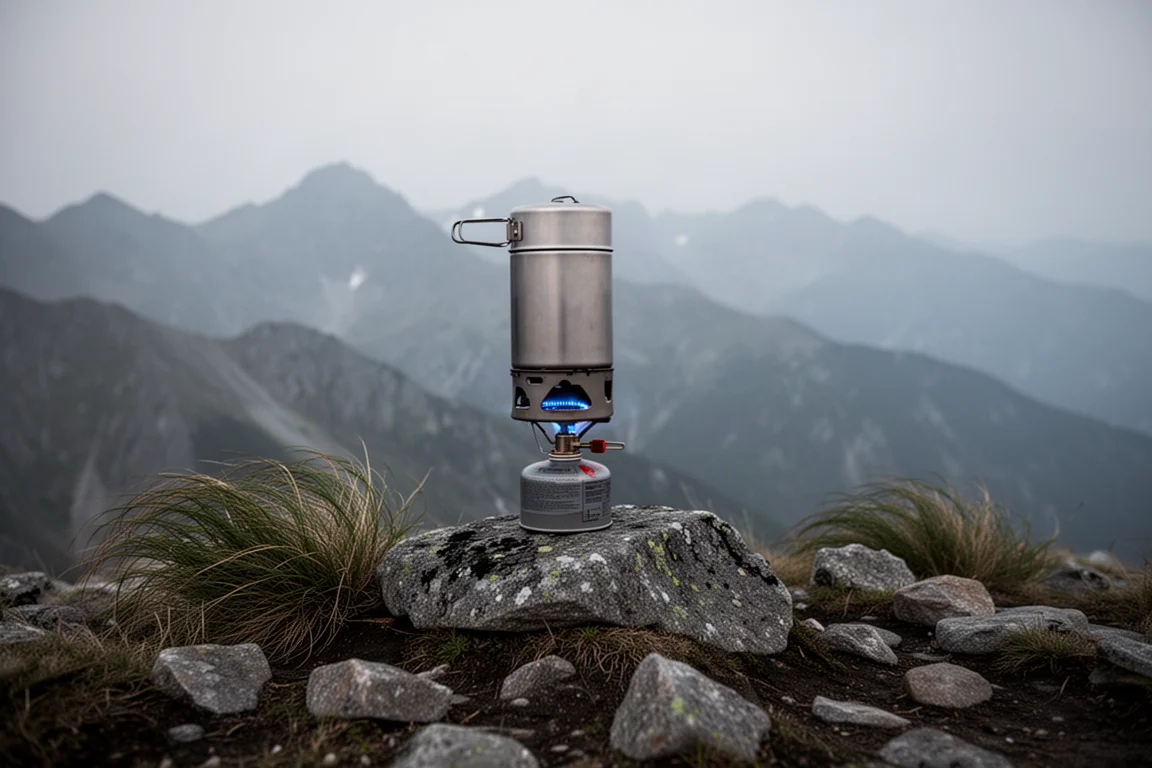
For backpackers who cook in exposed places regularly, that reliability is the whole argument for spending the money.
Buying Advice: Which Combination Suits You
If the goal is to spend as little as possible, a BRS-style or Olicamp Ion stove with a stainless steel pot covers boiling water and rehydrating meals for very little money. Nothing here suggests you have to spend more to eat well in the backcountry.
If you want one compact package that handles most trips, the MSR kit built around the PocketRocket 2 is hard to beat. It is efficient, lightweight and compact, includes a cup, and comes in under $100.
If you want the simplest possible ultralight setup, a Toaks 550 with a Soto Amicus is a long-standing favourite pairing: minimal, light, and self-igniting.
And if you cook in wind, at altitude, or across all four seasons, the MSR WindBurner is the system that justifies its price. Buyers looking at either MSR option are choosing from a company with a reputation for gear that lasts, which makes it closer to a one-time purchase than a recurring cost.
Conclusion
There is no single best stove and pot combination, only the one that matches how you actually cook. Decide whether you are boiling water or making meals, whether wind is a factor where you travel, and whether the stove and canister need to nest inside the pot. Answer those three questions and the right kit on this list becomes fairly obvious.
Further reading
Related Reviews
Backpacking Stoves
Best Backpacking Stove Systems: Five Canister Stoves Compared
Five canister stove and pot systems compared on wind resistance, boil speed, packed size, and cooking control, from a bare titanium burner to a fully integrated cook system.
Backpacking Stoves
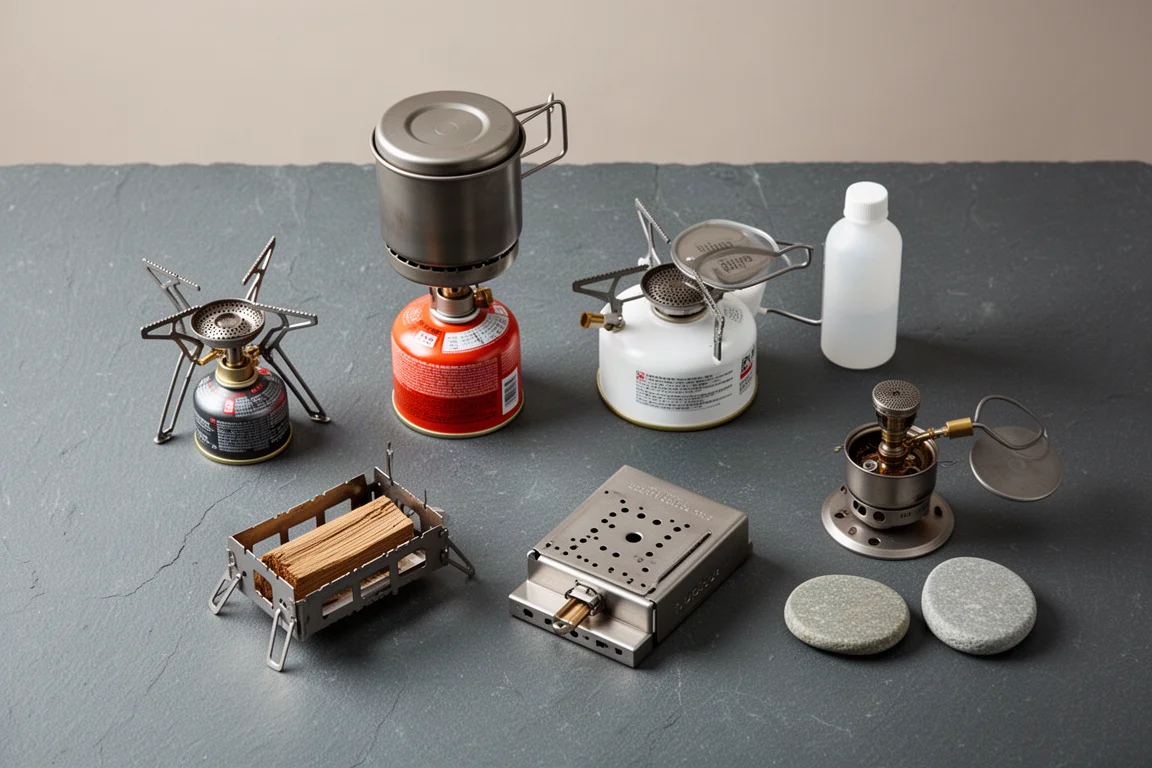
Best Backpacking Stoves 2026: Six Stove Types Compared and Ranked
A practical comparison of canister, white gas, wood burning, solid fuel, and alcohol backpacking stoves, ranked on speed, weight, fuel availability, and cost.
Backpacking Stoves
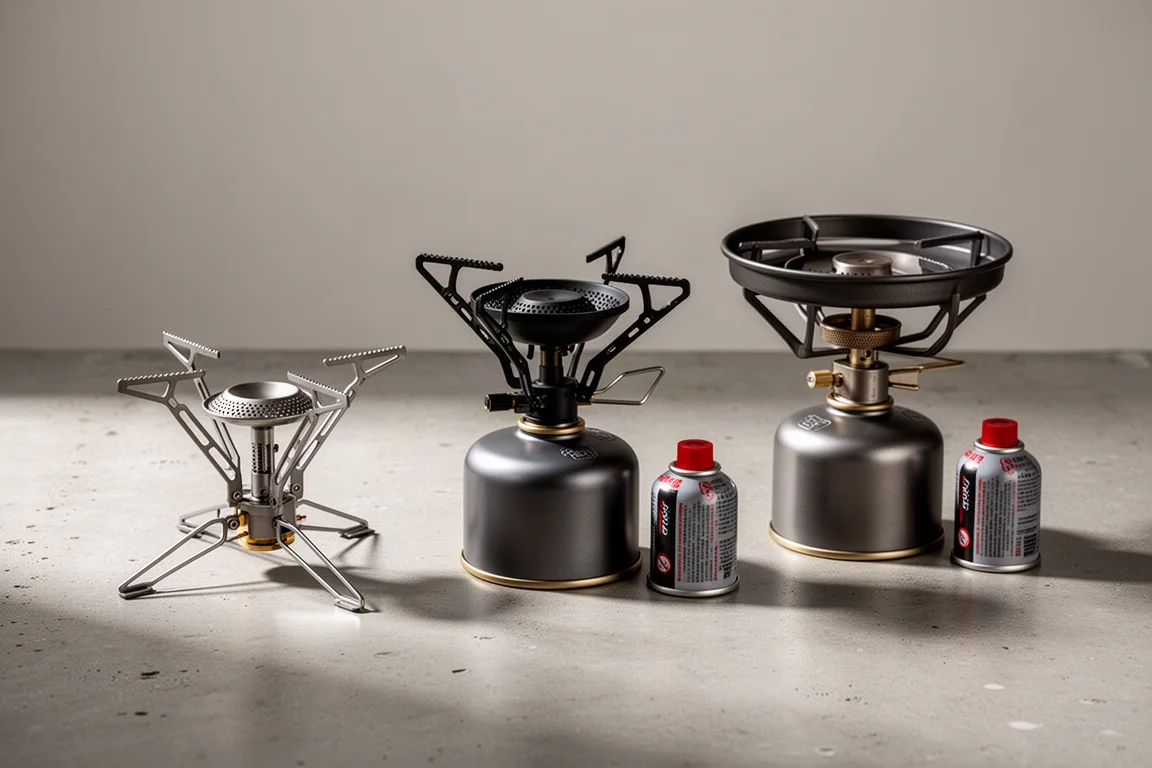
Best Backpacking Stoves Compared: BRS 3000, MSR PocketRocket 2, and Soto WindMaster
Three canister stoves compared on boil time and fuel efficiency across lid use, canister level, valve setting, and pot diameter.