Televisions
Sony XR98X90L Review: The 98-Inch Full Array LED TV That Stands Alone
A close look at Sony's 98-inch X90L, the company's only 98-inch full array LED television, covering picture accuracy, brightness, gaming support, and the practical trade-offs of going this big.
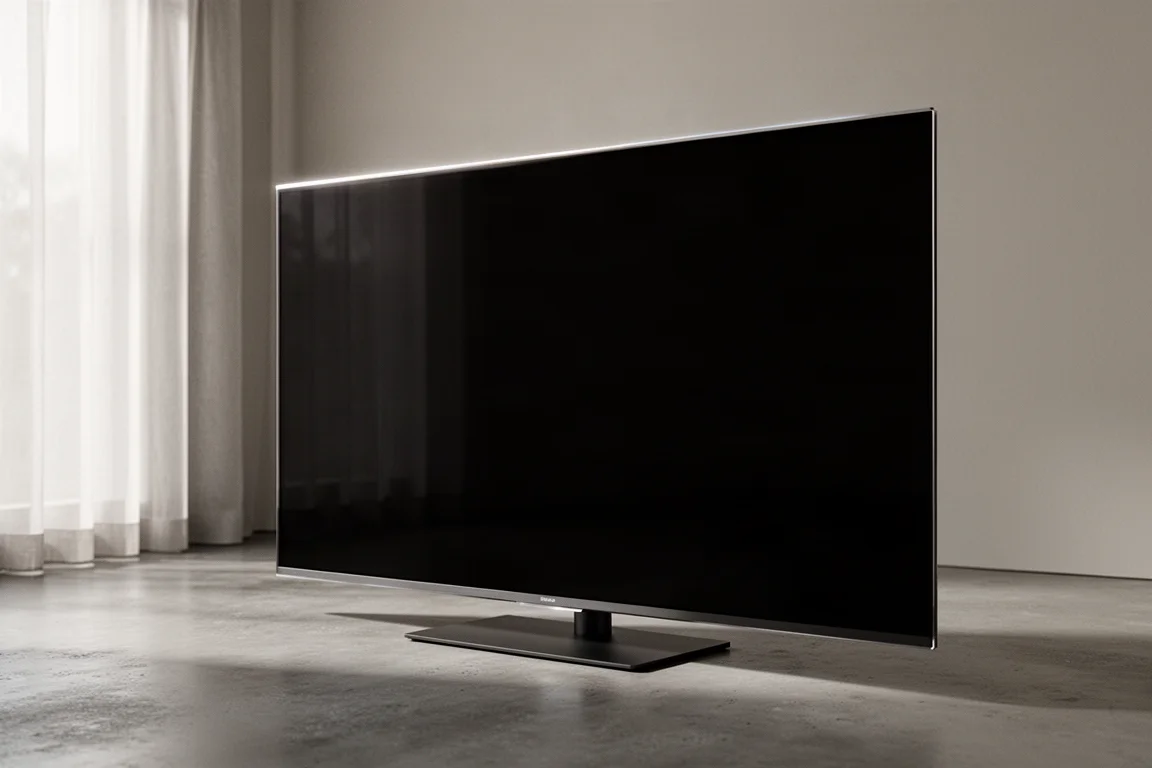
Introduction
Buying a television at 98 inches is a different exercise from picking out a 55-inch set. At this size the screen becomes the room, and the qualities that matter shift toward uniformity, contrast, and how gracefully the panel handles subtle gradation rather than how dramatic the peak brightness figures look on a specification sheet.
Sony’s XR98X90L occupies an unusual position in the company’s range. Sony did not introduce a new 98-inch model in its latest lineup, which leaves the 98-inch X90L as Sony’s only 98-inch full array 4K LED television. While the rest of the X90L series will eventually give way to the new Bravia 7 line, the 98-inch version continues on its own within what Sony calls its core line.
It is also a deliberate engineering choice. Sony kept a traditional full array LED backlight here rather than moving to mini LED, and paired it with the Cognitive Processor XR, which handles processing and scaling while also controlling the backlight system. Sony has said that finer control over conventional LED backlighting can rival, and in some cases beat, what competitors achieve with mini LED panels and their thousands of zones. That claim is the thread running through everything below.
Who This 98-Inch TV Is For
This television makes the most sense for a dedicated media room or a genuinely large living room where the seating distance supports the screen size. Movie-first viewers, sports fans, and gamers who want a cinematic big screen will get the most from it. If your seating is a three or four seat sofa, and perhaps a little beyond that, everyone in the room can still enjoy the same picture quality.
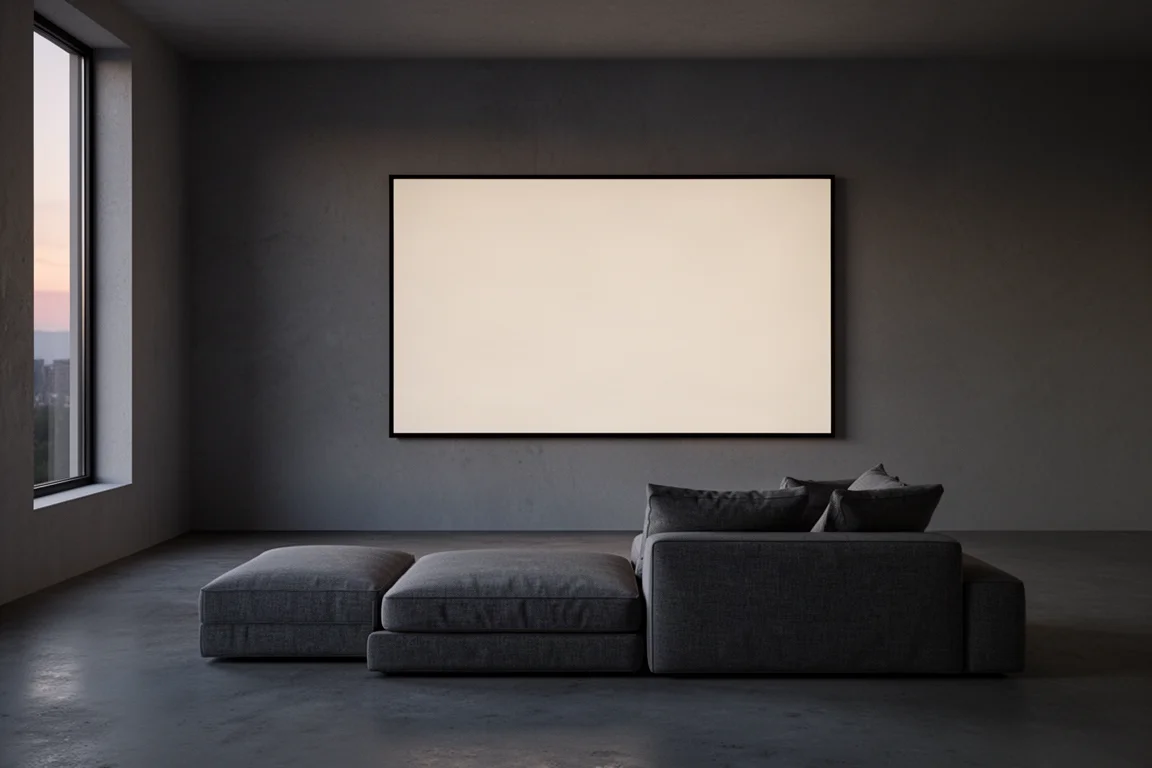
It is not a casual purchase in physical terms either. The 98-inch XR98X90L weighs more than 150 pounds, so plan on help getting it out of the box and onto a media cabinet or wall mount. Sony includes feet for cabinet placement, arranged to leave room for a soundbar underneath, but it is worth triple checking the weight capacity of any furniture before setting a television of this size on it. The same caution applies to wall mounts, which need a rating that comfortably covers the load.
Design, Setup, and Connectivity
Connectivity is generous but worth reading carefully. The XR98X90L provides four HDMI inputs, two of which are HDMI 2.1, and one of those is shared with the display’s ARC and eARC port. Depending on your setup, that can leave you with a single remaining HDMI 2.1 input for a current-generation console.
Gaming support is otherwise comprehensive, with VRR and ALLM plus full support for frame rates up to 4K 120 even in HDR. On the video side, most major HDR formats are supported including Dolby Vision, and the set is Dolby Atmos compatible as well. There are several sound-focused features too. Acoustic Center Sync uses the television’s built-in speakers together with the speakers inside compatible Sony devices such as a soundbar for a more immersive result, and Voice Zoom 2 aims to make dialogue easier to follow in films where speech can get lost in the mix.
Google TV serves as the operating system, giving access to major streaming platforms for film and music either pre-installed or downloadable from the Google app store. That means the set works with Google Assistant along with other smart home platforms such as Alexa, and it supports Wi-Fi, Bluetooth, and AirPlay 2.
Picture Quality and Processing
Out of the box the XR98X90L defaults to its Standard picture profile, and the measurements are not flattering. Gray scale error exceeded a delta E of 9 and color error exceeded 7, producing an image that was contrasty, saturated, and noticeably blue in tone. That is a familiar pattern with modern LED televisions, since viewers tend to read brighter, punchier, bluer images as clearer. The Vivid profile measured worse still, though it was brighter and even bluer. Cinema mode was a clear step up, with gray scale error around 4 and color error a little over 3.
The Custom profile is the one to choose. It arrives factory calibrated with gray scale and color both measuring below a delta E of 3, which is the threshold at which professional calibration is generally unnecessary. In the Custom profile, real world brightness measured around 450 nits with no further adjustment. Pushing the dynamic backlighting and contrast settings to their maximum produced readings above 1,000 nits, which is remarkable for a 98-inch non mini LED display, but that setting skews accuracy and none of the profiles meet the factory calibrated standard at that point. Leaving those same settings at low or medium keeps the Custom profile within tolerance while lifting brightness to roughly 800 nits.
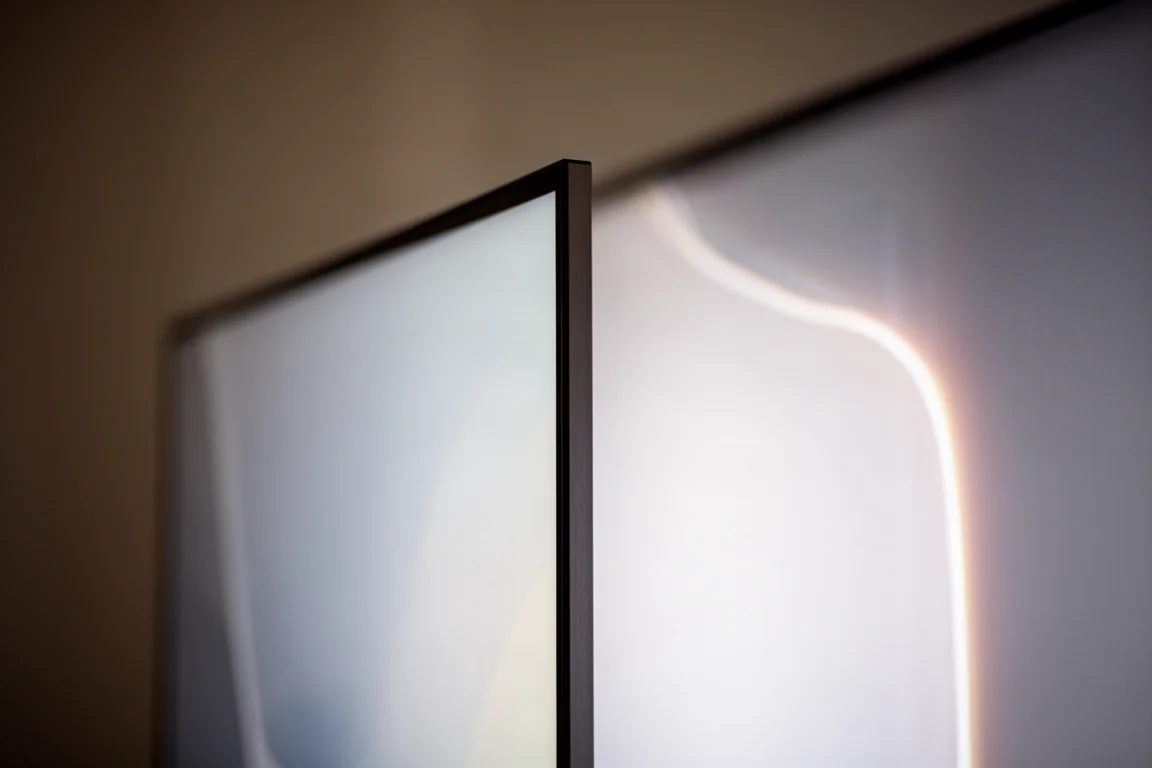
Uniformity is one of the strongest arguments for this set. Edge to edge light uniformity is close to perfect for a display of this size, with very little dirty screen effect visible on full screen gray patterns, and blooming is well controlled. If you watch a lot of subtitles, that control matters. A professional calibration brought gray scale and color error down to around a delta E of 1 with light output near 850 nits, though the result was not radically different from the Custom profile with dynamic backlighting and contrast set to low or medium.
Contrast is where the set separates itself. The gradation from light to dark is handled with more nuance than a brighter competitor manages, showing more dynamic range in standard contrast test patterns from absolute black toward absolute white. Color rendering is equally convincing, with muted, less saturated material and bright, primary-heavy science fiction both looking true to life rather than processed.
Motion, Upscaling, and Gaming
Motion interpolation is best left switched off, both for the artist’s intent and for a cleaner result. With motion aids disabled, the XR98X90L maintained the correct cadence for cinematic content and for live sport, with action tracking smoothly up and down the court during a broadcast basketball game and no distracting artifacts.
Scaling is another area where Sony continues to lead. Feeding the set HD or 1080p signals and letting it upscale to 4K produced results that, depending on the film transfer, could look indistinguishable from native 4K. Older DVDs remain respectable rather than impressive. Backing the sharpness control off slightly looked best.
Gaming on a screen this large is worth trying even for the skeptical. The combination of VRR, ALLM, and 4K 120 support means fast titles run as intended, and slower, more cinematic games gain a lot from the scale. One caveat: the built-in speakers are only okay. The dialogue enhancements function, but they mostly shift the frequency response toward the treble and reduce bass rather than transforming the sound.
Things to Consider Before Buying
The XR98X90L is a premium investment, and the running costs deserve a mention alongside the purchase price. The 98-inch panel gets warm. It never becomes too hot to touch, but in a warm climate the ambient room temperature can shift by a degree or two, which may be enough to bring an air conditioner on more often.
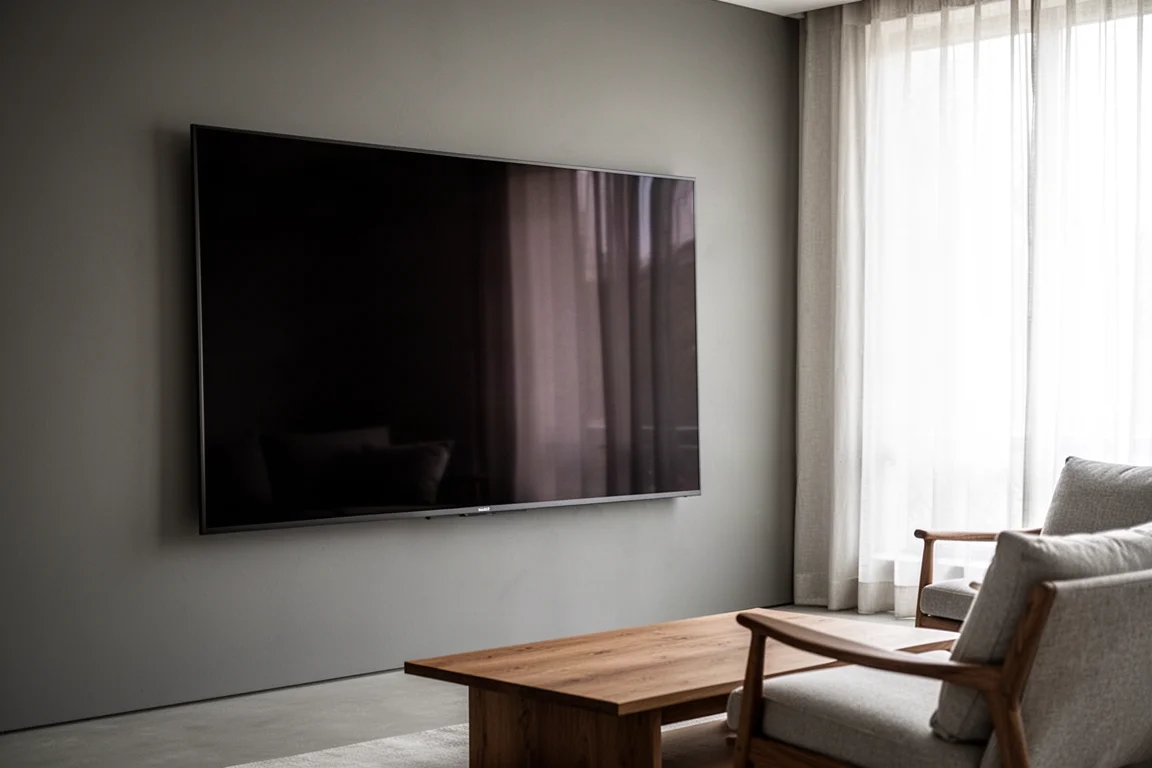
Viewing angle is better than the comparable TCL, though it still falls short of great. Everyone seated on a three or four seat sofa and slightly beyond keeps the same picture quality, but the image does degrade the further off axis you sit, which is worth weighing if your room has wide seating.
How the XR98X90L Compares to the TCL Q Class
The comparison with TCL’s 98-inch televisions, including the Q Class, is unavoidable. TCL undercuts the Sony substantially on price, and its mini LED panels hit harder on peak brightness out of the box, with the brightness punch and saturation that grab attention immediately.
The Sony takes a different route and does not lean on those tricks. In real world content, the fall-off of light surrounding bright peaks is more impressive on the Sony, and its subtle gradation from light to dark is simply better, which translates into more visible dynamic range. Setting price aside, the XR98X90L is the better overall display, even against a mini LED advantage. That said, if the budget cannot stretch to the Sony, the TCL Q Class remains a solid buy, and it is the more affordable way into a screen this size.
Buying Advice
Choose the XR98X90L if picture accuracy and uniformity matter more to you than the loudest brightness numbers. Select the Custom picture profile as soon as the set is running, and if you want the absolute brightest image the panel can produce while staying pixel accurate, a professional calibration is the route. Otherwise, setting dynamic backlighting and contrast to low or medium gets you close to that result at no extra cost.
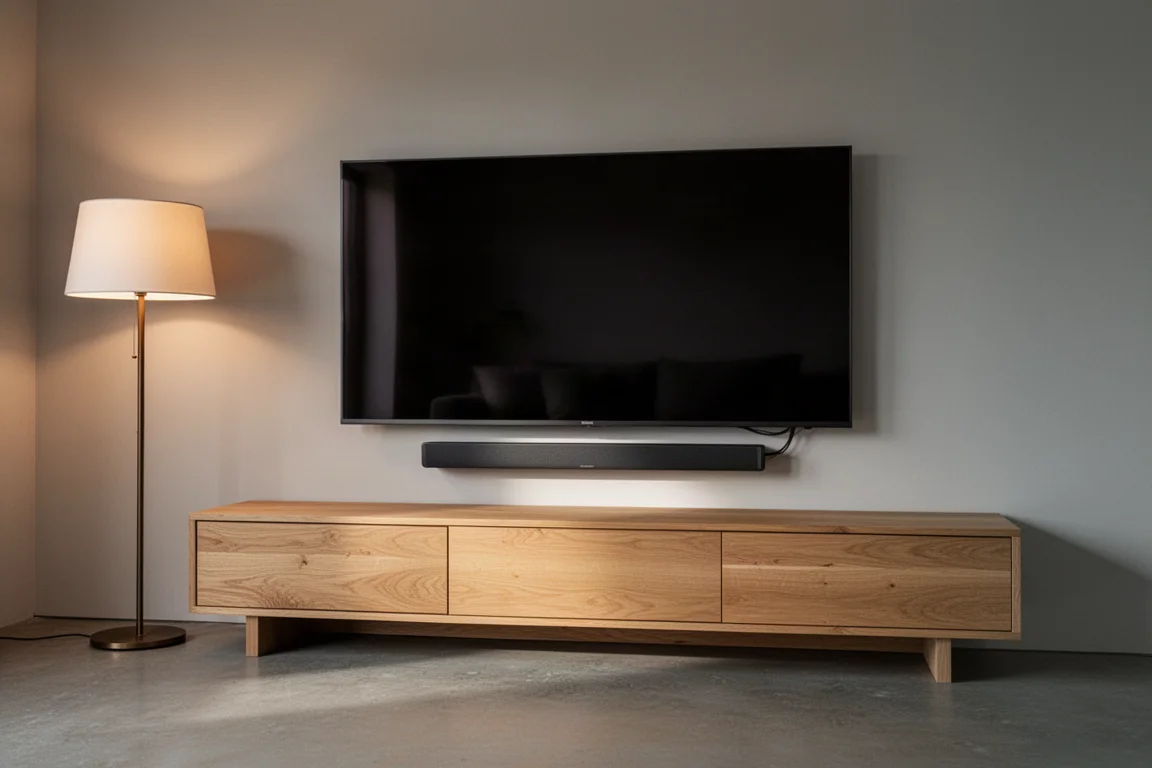
Plan the room around the television as much as the television around the room. Confirm furniture and wall mount ratings, leave clearance for a soundbar given the modest built-in audio, and think about where people will actually sit, since off-axis performance is acceptable rather than excellent. Get those details right and the size stops being a compromise.
Conclusion
The XR98X90L is a reminder that the best results do not always come from the newest technology on the specification sheet. Sony focused on light uniformity, contrast, and color fidelity instead of joining the race for peak brightness, and the outcome is a more satisfying picture than its hardware description suggests. For a buyer who wants a 98-inch screen that looks right out of the box, this is a compelling choice, provided the price, the weight, and the room itself are all part of the plan.
Product link
View more details for Sony XR98X90L
This product is mentioned in the review. Check the specifications, options, and compatibility before buying.
View more details for Sony XR98X90LFurther reading
Related Reviews
Televisions
LED vs OLED TVs: Choosing the Right Sony Model for Your Room
How LED and OLED televisions differ, the five factors that decide the right panel, and where the Sony X90K, X95K, Z9K, and A95K each fit.
Televisions
Samsung QN900B Review: The 8K QLED Flagship, Tested
A native 8K QLED with mini LED backlighting, measured brightness upwards of 1,800 nits, and an automatic calibration routine that genuinely delivers reference-grade accuracy.
Televisions
Sony Bravia 2026 Lineup: True RGB Explained Across Four Models
Sony's 2026 Bravia range brings true RGB backlighting to four models. Here is what the technology changes, and which television fits which room.