Home Audio
Sony SSCS5 vs Klipsch RP-600M Mark II: Can a $170 Speaker Hold Its Own Against a $750 Speaker?
A near-field comparison of the Sony SSCS5 and the Klipsch RP-600M Mark II, covering bass clarity, mid-range character, treble detail, imaging, and real-world efficiency.
Introduction
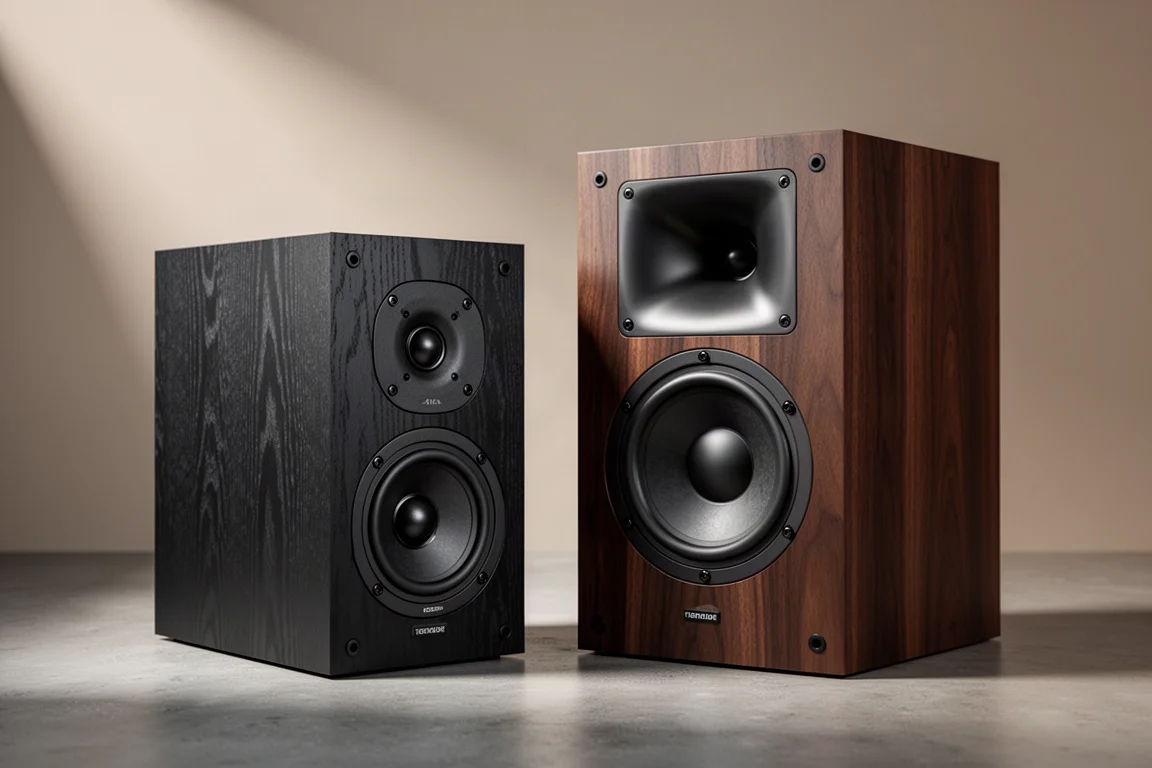
Two bookshelf speakers, one selling for around $170 and the other for around $750, sit at opposite ends of the affordable hi-fi market. On paper the gap looks decisive. The more expensive model promises higher sensitivity, a larger woofer, and a more dynamic presentation. The interesting question is whether that gap survives an actual listening session in the same room, on the same electronics, with the same tracks.
Both speakers share a family resemblance in tonal character. Each leans forward through the upper mid-range and tilts its top end upward rather than rolling it off. Where they part company is in how much emphasis they place on that forward region, and how much detail each one retrieves underneath it.
How These Two Speakers Were Compared
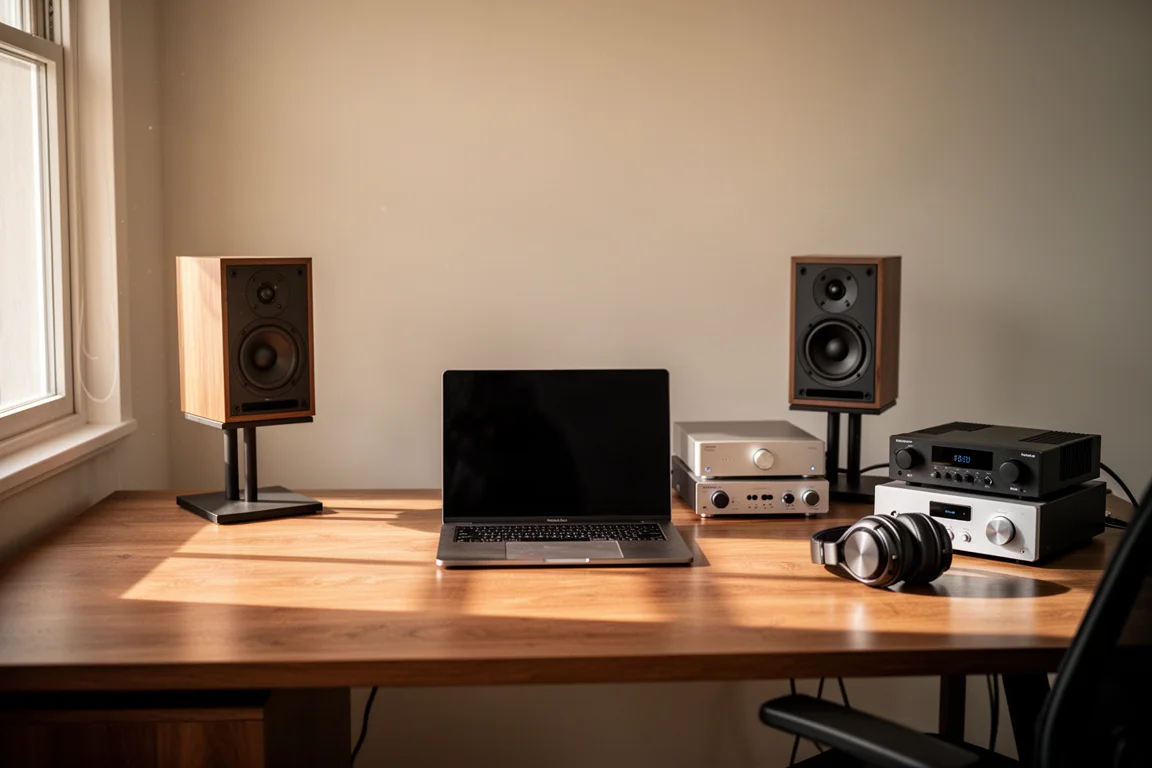
Both speakers were broken in before listening, then set up in the near field in an office roughly one meter from the listening position, with the cabinets about one meter apart to form as close to an equilateral triangle as the space allowed. They were driven by a dedicated DAC, a separate preamp, and a pair of monoblock power amplifiers whose combined cost far exceeded either speaker, so the electronics were never the limiting factor.
The material was a small set of streamed tracks spanning rock and acoustic material, including Even Flow by Pearl Jam, I Gave You All by Mumford & Sons, The Light by Disturbed, and Shoot to Thrill by AC/DC. Listening was done at moderate and then higher volumes, with levels checked in mono using a phone decibel meter held at the same position for each speaker.
The takeaway from every track was consistent, which is why the observations below apply across the whole session rather than to a single recording.
Sony SSCS5: Detail-First Performance
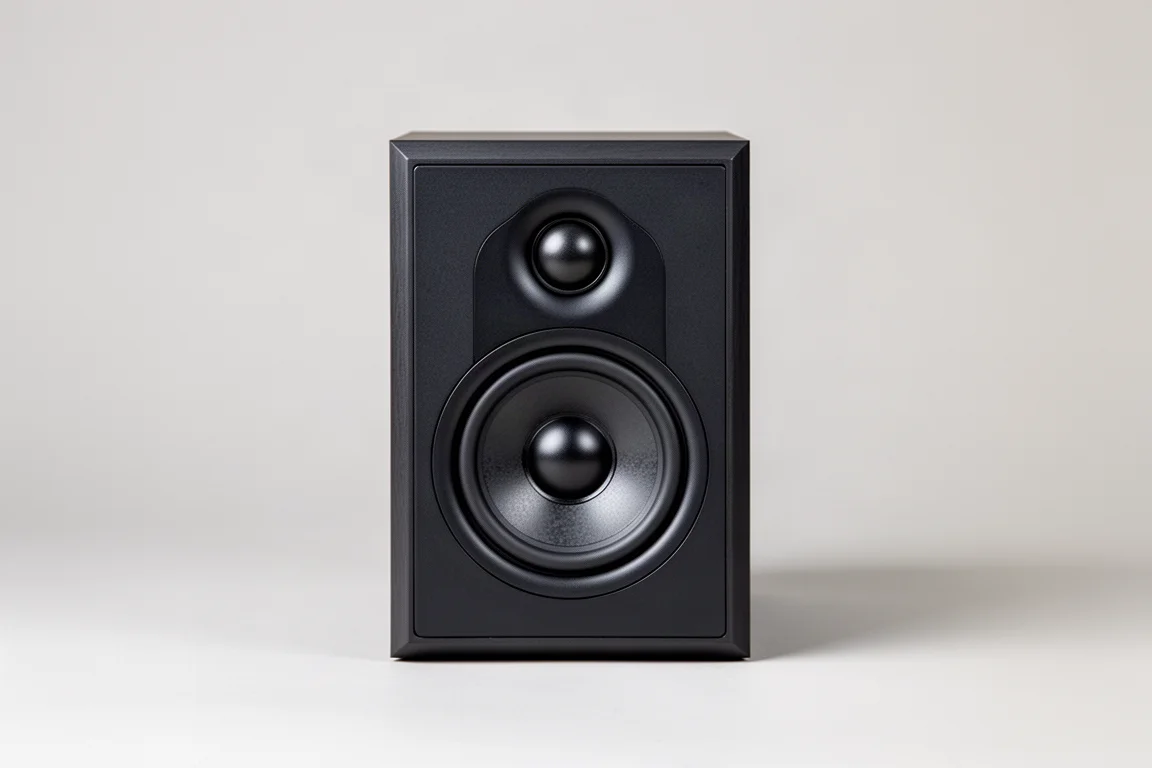
The SSCS5 is a two-and-a-half-way bookshelf design with a metallic-cone woofer and a rated sensitivity of 87 dB. It typically sells for around $170 and has dropped below $100 during past promotions.
What stands out is detail. Across bass, mid-range, and treble, the Sony pulled apart layers that the more expensive speaker tended to blur. Bass notes arrived with more clarity and texture, even though the SSCS5 produces noticeably less low-frequency output overall. Acoustic guitars carried more nuance, and breath sounds and small vocal inflections were easier to follow.
The top end is tilted upward in a way that some listeners will read as extra air and others as brightness. At times the treble can sound slightly artificial, and the speaker leans toward sibilance on material that already emphasizes those frequencies. Pushed hard, the SSCS5 begins to lose its composure: around 83 to 85 dB the instrument separation and fine detail start to fall apart, and that effect will be more pronounced in a larger room or at a greater listening distance.
Klipsch RP-600M Mark II: Dynamic and Forward Presentation
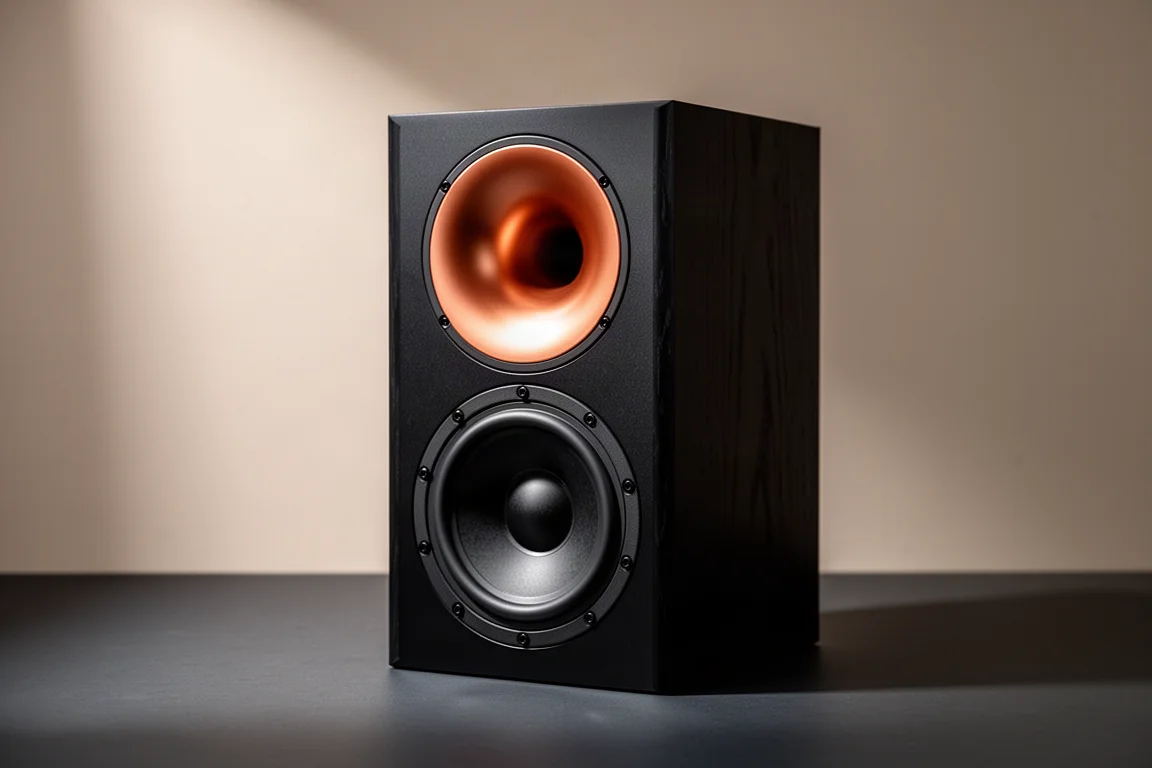
The RP-600M Mark II is a two-way design built around a horn-loaded tweeter and a single larger woofer. It is priced at $750, with the first-generation RP-600M discounted to around $400 at the time of this comparison.
Its strengths are energy and scale. There is substantially more bass presence, and the speaker punches harder and sounds more dynamic than the Sony. Low-frequency weight is easy to feel rather than merely hear. It also holds together better as the volume rises, keeping its character where the Sony begins to fray.
The trade-off is a very forward mid-range. Male vocals carry real weight, but the presentation is aggressive and, on some recordings, nasal. On Even Flow, the vocal around the 42-second mark sounded as though it were being projected through a horn, a stark contrast with the more natural mid-range of the Sony. The treble is not sibilant, but that forwardness tends to cover up quieter detail, and instruments sitting behind the mid-range become harder to pick out.
Bass: Presence Versus Clarity
This is the clearest dividing line between the two. The Klipsch delivers far more bass energy, and it is the speaker you feel in your chest. The Sony delivers far less of it, but what it does produce is cleaner and easier to follow, with more texture on bass lines and less smearing between notes.
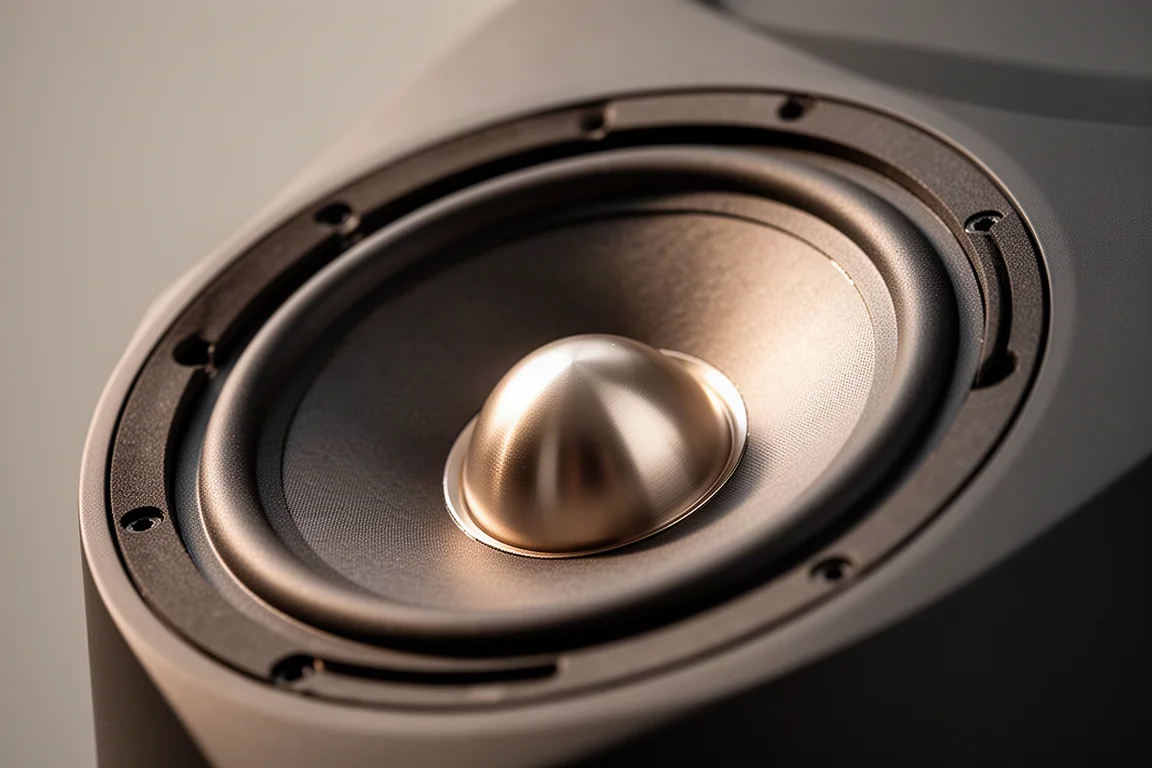
Part of that difference may come down to the room. With so much more low-frequency energy in play, the Klipsch can excite room modes and mask the detail sitting on top of the bass, even after trimming the low end. The result is a speaker that sounds bigger and more powerful, but also one that hides some of the information the Sony keeps intact.
Mid-Range: Forward Versus Natural
Upper mid-range emphasis is present in both speakers, but the degree is not close. The Klipsch is dramatically more forward, to the point where vocals sit well ahead of the rest of the mix. The Sony is forward too, just far less so, and it reads as the more natural of the two.
That difference matters most with acoustic material. On I Gave You All, the Sony surfaced more detail in voices and guitars, while the Klipsch pushed the same performance further into the room with a more forceful, less nuanced presentation. Male vocals had comparable weight on both speakers, but the character of the delivery was completely different.
Treble, Detail, and Instrument Separation
The Sony retrieves more treble information. A ride cymbal in the background of Even Flow was loud, clear, and distinctly placed on the Sony, and barely audible on the Klipsch, where the forward mid-range appeared to swallow it.
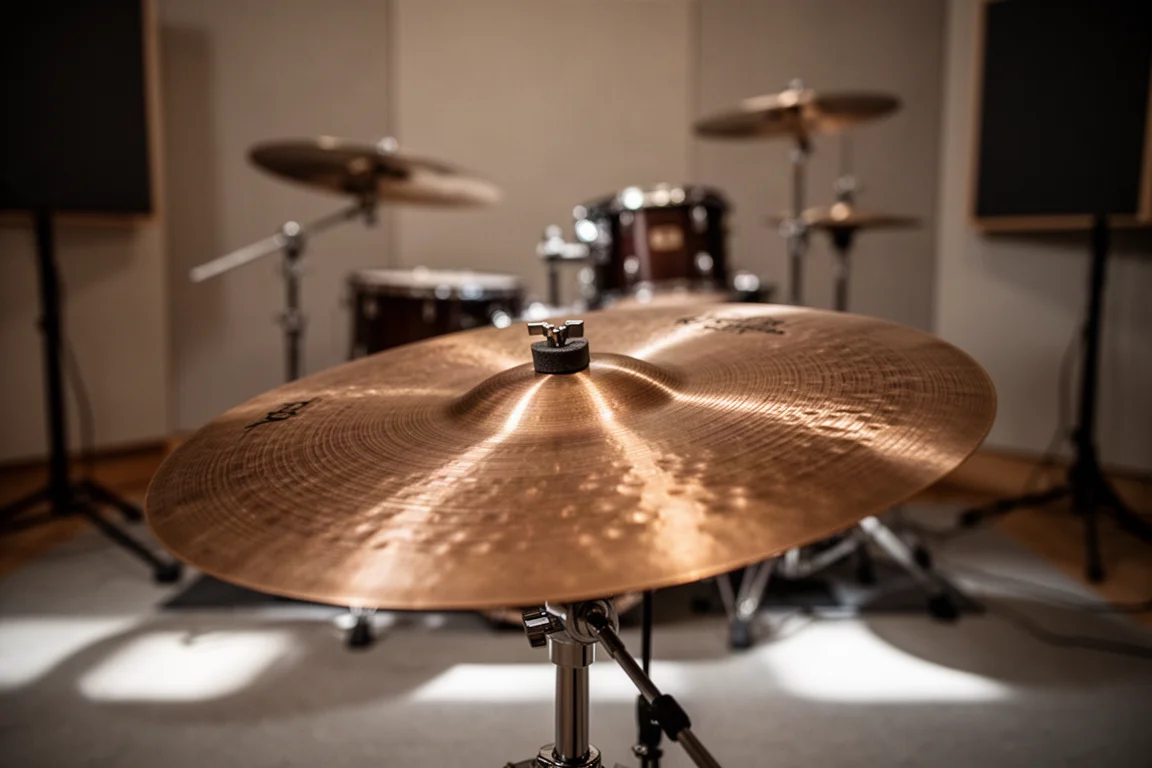
Neither speaker measures flat, and that context matters when interpreting what you hear. A perceived emphasis at a given frequency can come from the frequencies around it being pulled back rather than from that frequency itself being boosted, which is why cutting a neighboring band often sounds the same as boosting the target band. With both of these speakers, the tilted top end and the mid-range emphasis shape the sound as much as any single driver does. The Sony’s advantage in separation comes with a caveat: its treble can tip into sibilance and occasional artificiality, while the Klipsch stays smoother up top even as it buries detail.
Soundstage, Imaging, and Efficiency
Both speakers image well, and both place vocals above the tweeter axis, which gives the presentation convincing vertical height. Lateral placement is strong on each. The difference is depth. The Sony places the stage in line with the cabinets or slightly behind them, while the Klipsch pushes it forward into the room. Which you prefer is a matter of taste rather than quality.
Efficiency produced the most surprising result. The Klipsch carries a rated sensitivity well above the Sony’s 87 dB figure, so it should play noticeably louder at the same volume setting. Measured in mono with a phone decibel meter held at the same position for each speaker, the Sony was actually slightly louder, and the Klipsch needed a small level increase to match. Part of that could come down to measurement position, but the expected gap simply was not there. Either the Sony is more efficient in practice than its rating suggests, or the Klipsch falls short of its own figure.
Which Speaker Is Right for You
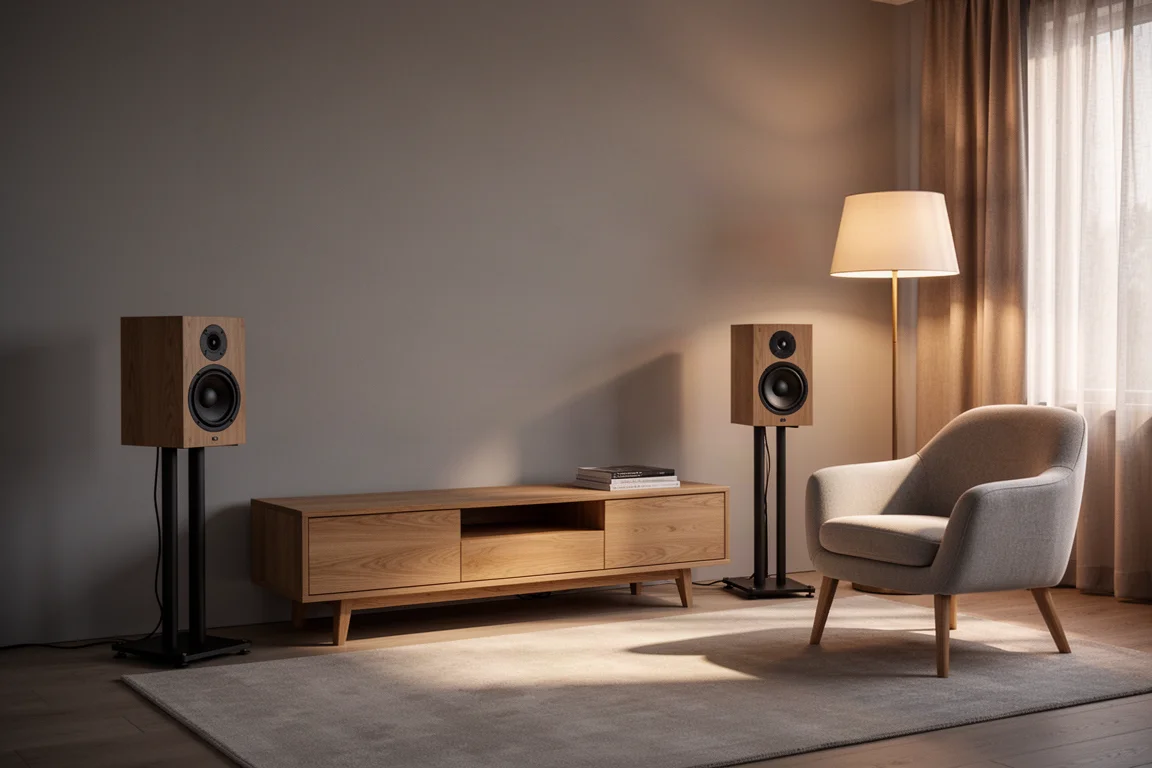
Choose the Sony SSCS5 if you listen in the near field at moderate levels and value detail above all else. It rewards close attention with clearer bass, a more natural mid-range, and better instrument separation, and it costs a fraction of the Klipsch. It suits smaller rooms, desktop setups, and anywhere the listening distance stays short.
Choose the Klipsch RP-600M Mark II if you want weight, dynamics, and a presentation that pushes performances forward. It plays louder without losing composure and delivers far more low-frequency impact, which makes it the more engaging option for larger spaces and for listeners who want to feel the music as much as hear it. The forward mid-range is a deliberate part of that character rather than a defect, though it will not suit everyone.
If the Mark II’s price is the sticking point, the first-generation RP-600M was discounted to around $400 at the time of this comparison and shares much of the same character. Both speakers also respond well to placement adjustments and modest equalization, so either can be tuned toward your preferences.
Conclusion
A $750 speaker does not automatically win. In near-field listening, the $170 Sony SSCS5 retrieved more detail, kept the mid-range more natural, and separated instruments more cleanly. The Klipsch RP-600M Mark II counters with genuine bass presence, greater dynamics, and better composure at higher volumes.
Neither is the better speaker in absolute terms. They simply prioritize different things, and the right choice depends on how loudly you listen, how far away you sit, and whether you would rather hear every layer or feel every hit.
Further reading
Related Reviews
Home Audio
Aperion Novus Tower and Center Review: Punchy Home Theater Sound With Real Refinement
A close look at the Aperion Novus tower and center speakers, from their layered paint finish and punchy bass to the 4-ohm load and what the price actually buys.
Home Audio
Arendal 1610 Tower Review: Flagship Dynamics in a Room-Friendly Tower
A compact floorstanding tower with three 8-inch aluminium woofers, a 5-inch carbon midrange, and the kind of bass heft usually reserved for much larger speakers.
Home Audio
Arendal 1723 S THX Review: A Reference Speaker Built Like a Tank
A practical look at the Arendal 1723 S THX, a sealed, THX-certified speaker with exceptional build quality, a very flat top end, and a midrange that responds beautifully to EQ.