Bookshelf Speakers
Sony SSCS5 Review: A Budget Bookshelf Speaker With a Properly Built Crossover
The Sony SSCS5 earns its reputation in the budget speaker class thanks to a crossover network that is better executed than the ones inside far more elaborate low-cost designs.
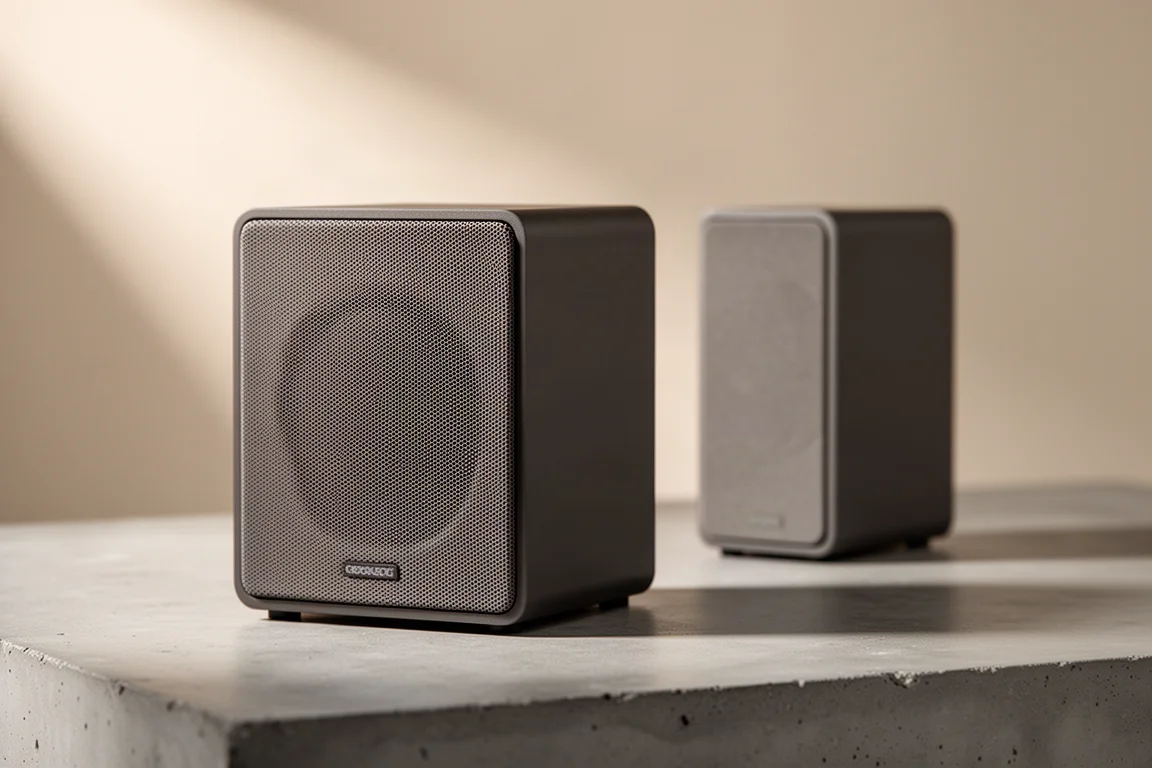
Introduction
Budget speakers are a category where appearances are easy and engineering is not. A cabinet, a grille, and a few drivers can look convincing in any product photo, while the network inside that splits the signal between those drivers is assembled from the least expensive parts available. That hidden board is usually what decides whether a speaker sounds coherent or simply looks the part.
The Sony SSCS5 is a small, affordable bookshelf speaker that has earned a steady reputation in this bracket. It is frequently named among the better budget options, and the reason is not cosmetic. The crossover network inside it is more carefully executed than the one found in far more elaborate three-way designs that cost more.
This review looks at where the SSCS5 makes sense, what it does well, and what buyers should realistically expect from a speaker at this price.
Who This Speaker Is For
The SSCS5 suits listeners assembling a first two-channel system, a desktop setup, or a second pair for a smaller room. It also appeals to a specific kind of buyer: someone who would rather pay for sound engineering than for a bigger cabinet with more drivers in it.
That distinction matters more than it sounds. A three-way design with a large mid-range dome and an angled cabinet looks impressive on a listing page, and shoppers naturally assume that more drivers means more performance. In practice, adding drivers also adds complexity, because each one needs to be handed only the frequencies it can reproduce cleanly.
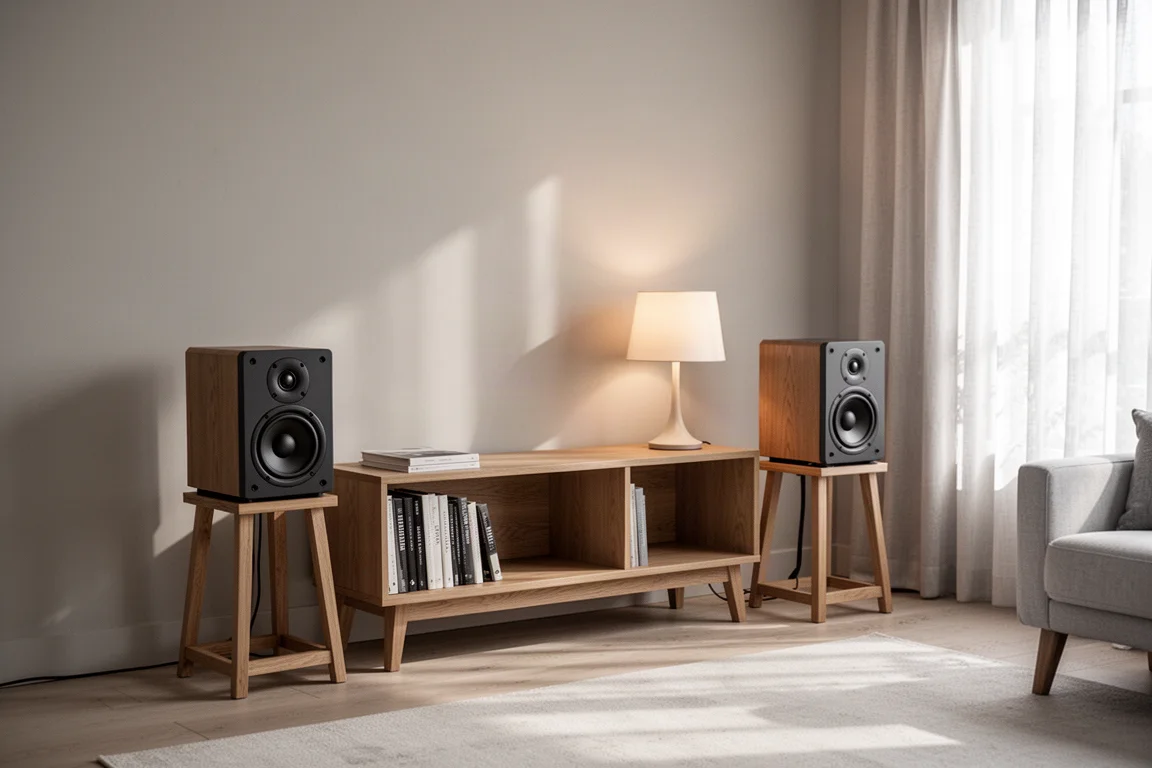
For anyone building a simple system around a modest amplifier, the SSCS5 is the low-risk choice in this price bracket. It is also a sensible pick for a desk or a small living room where a large floorstanding speaker would be impractical, and for listeners who would rather spend the bulk of their budget on music than on hardware.
Main Strengths
The headline strength is the crossover. In any multi-driver speaker, a network of resistors, inductors, and capacitors divides the incoming signal so that the tweeter receives the high frequencies, the mid-range driver receives the middle of the band, and the woofer receives the bass. Done properly, this keeps the drivers from overlapping and interfering with one another. Done cheaply, it produces peaks and valleys that colour everything you play.
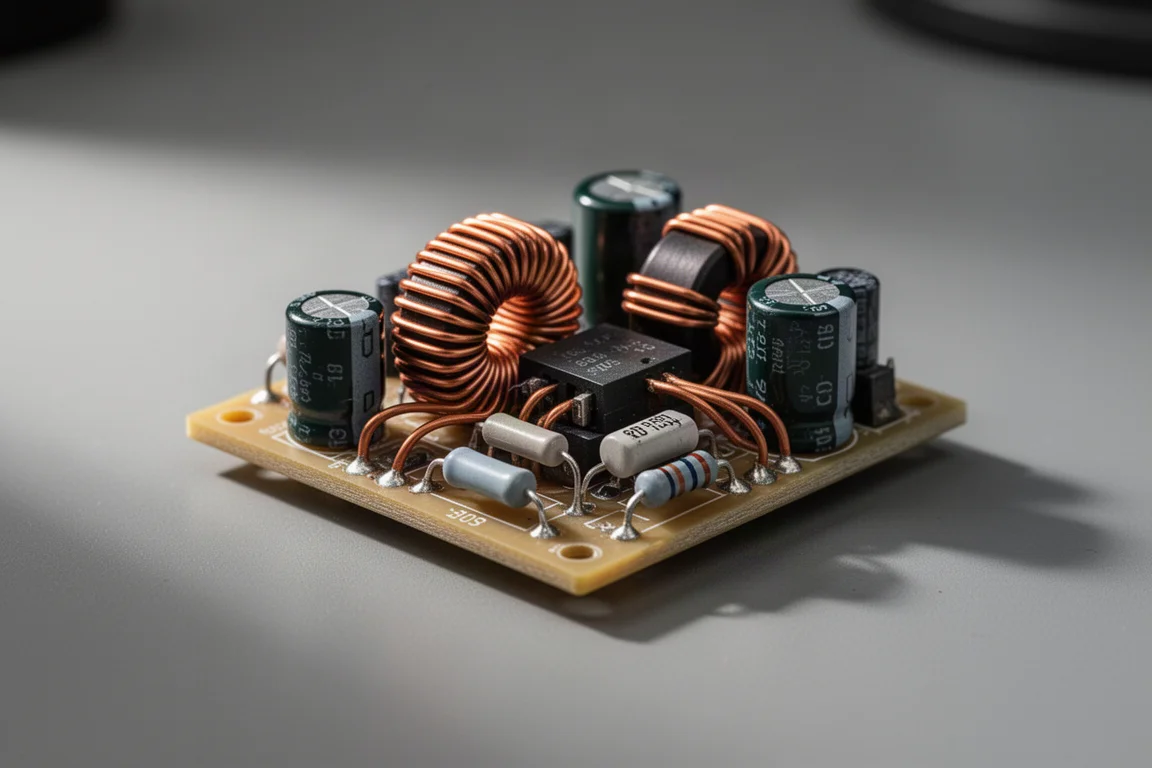
A three-way speaker raises the difficulty further. The mid-range driver needs a band-pass filter, which is a low-pass and a high-pass working on the same driver, so that neither the woofer nor the tweeter bleeds into its range. That calls for more parts and tighter tolerances, and it is exactly where low-cost three-way designs tend to fall short. The SSCS5, which sits at a lower price, handles the same job more convincingly.
The practical benefit is composure. A poorly integrated speaker tends to develop an aggressive upper mid-range that makes vocals and instruments jump forward unnaturally as volume rises. A well-built crossover is what prevents that peak from forming in the first place, and it is the main reason the SSCS5 holds up better than its price suggests.
Things to Consider Before Buying
Expectations should match the class. The SSCS5 is a value-first speaker rather than a premium one, and it is built to a price instead of to a specification sheet full of exotic materials. Buyers who want the reassurance of heavy cabinets and high-end finishes will find those elsewhere, at a higher cost.
Budget bookshelf speakers are also not designed to pressurise a large room. If deep low-frequency output is a priority, a larger cabinet or a separate subwoofer is the usual route, and that applies across this category rather than to one model in particular.
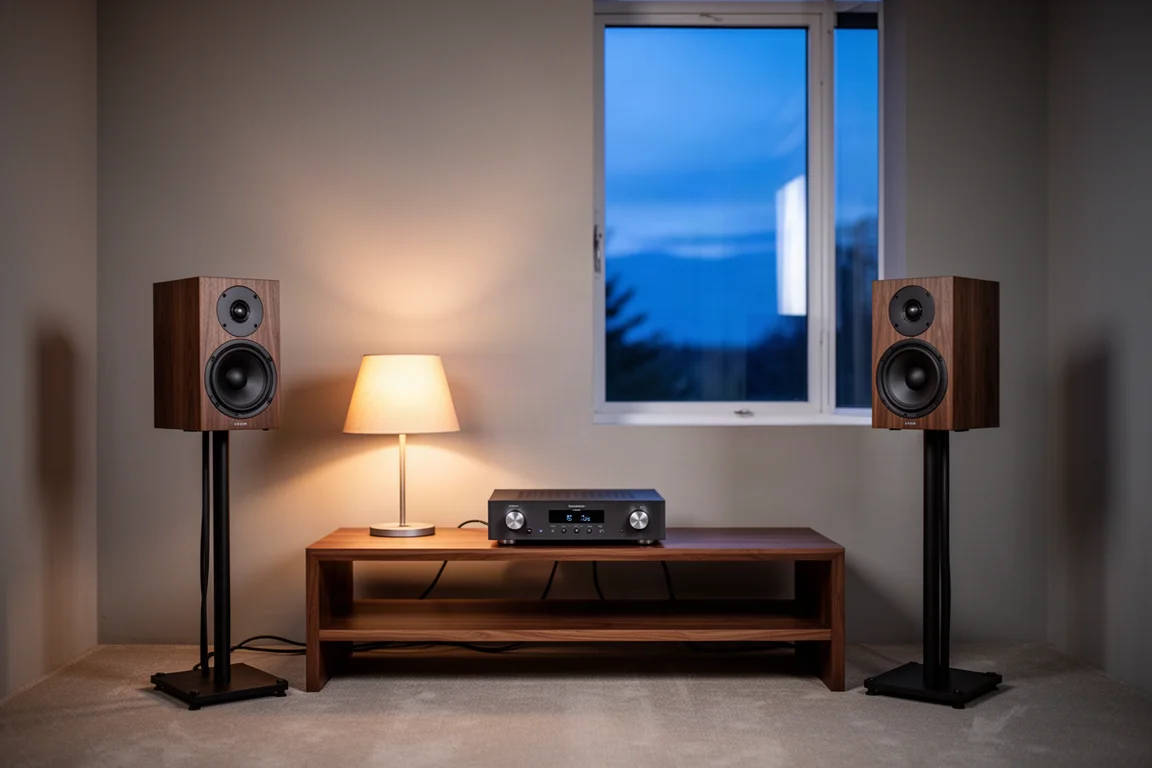
Placement and amplification deserve a little planning. A small speaker rewards being set on a stable surface at roughly ear height and angled slightly toward the listening position, and it pairs best with an amplifier that offers clean power rather than a high headline wattage. Buyers moving up from a portable speaker should also allow a little time for the difference in presentation to settle in.
Buying Advice
The clearest case for the SSCS5 is a first proper stereo system. If you are putting together a small setup for a desk, a bedroom, or a compact living space and you want a speaker that gets the fundamentals right, this is one of the safer places to put your money in the budget tier.
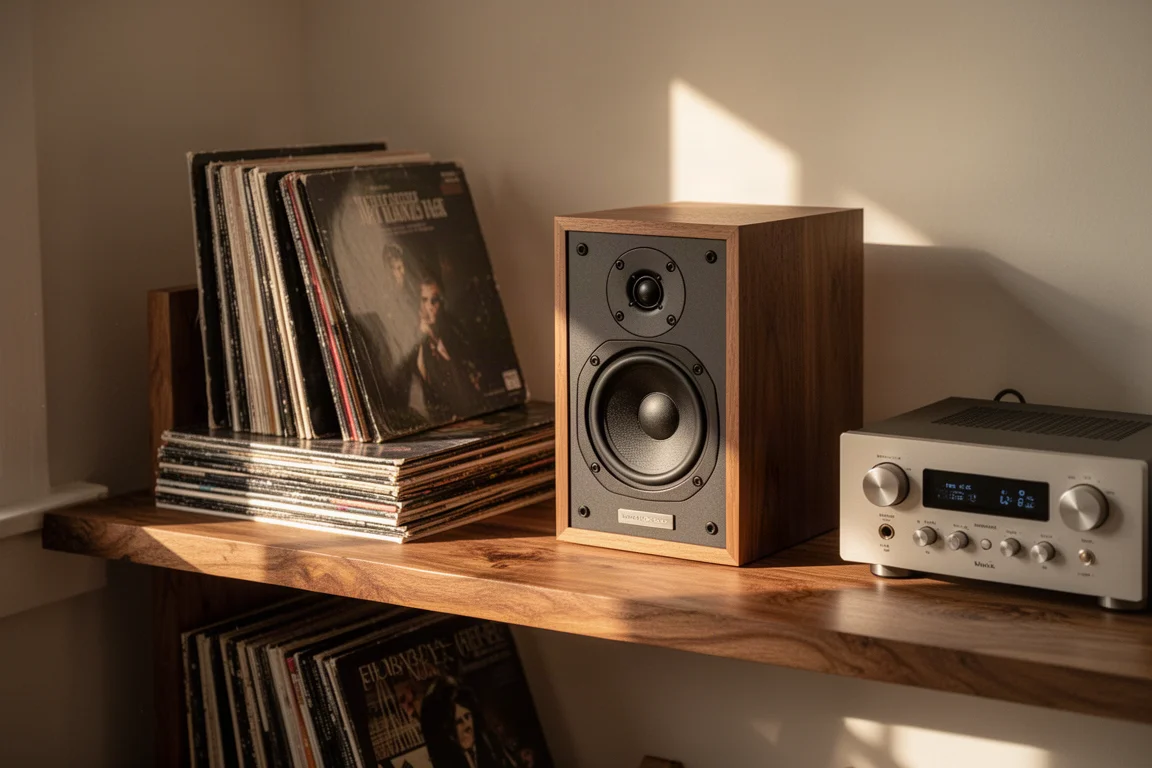
It is also worth considering if you have been tempted by inexpensive three-way speakers that advertise a large mid-range driver and a dramatic cabinet. Those designs often cost more and invest their budget where buyers can see it. The SSCS5 spends its budget on the part that shapes the sound.
If your priority is maximum output, deep bass extension, or premium materials, this is not the speaker for that job, and no budget bookshelf model will be. Buyers who simply want a well-engineered, affordable pair to build a system around should feel confident here.
Conclusion
The Sony SSCS5 earns its place in the budget conversation for a reason that is easy to overlook and hard to fake. Its crossover is better executed than the ones inside more elaborate and more expensive three-way speakers, and that single detail is what keeps the sound coherent instead of peaky. For a listener assembling a small, affordable system, that is a meaningful advantage, and it makes the SSCS5 a straightforward recommendation in its class.
Product link
View more details for Sony SSCS5
This product is mentioned in the review. Check the specifications, options, and compatibility before buying.
View more details for Sony SSCS5Further reading
Related Reviews
Bookshelf Speakers
Acoustic Energy A100 Mark II Review: A Compact Standmount With an Expansive Soundstage
The Acoustic Energy A100 Mark II brings clarity, natural tonality and a wide soundstage to an entry-level standmount, with a few setup details worth knowing first.
Bookshelf Speakers
Acoustic Energy AE-100 Mark II Review: Compact Bookshelf Speakers With Standout Imaging
A compact British two-way bookshelf speaker with deep, layered imaging, fast bass, and a slight treble lift to weigh against a crowded $500 field.
Bookshelf Speakers
Acoustic Energy AE100 MK2 Review: Measured Performance and Four Alternatives
A close look at the Acoustic Energy AE100 MK2 bookshelf speaker, what its measured performance reveals, and four alternatives with different trade-offs.