Bookshelf Speakers
Sony SS-CS5 Review: A Compact Bookshelf Speaker That Outperforms Its Price
The Sony SS-CS5 is a small, affordable bookshelf speaker with an exceptional midrange, a refined top end, and a few honest compromises worth knowing before you buy.
Introduction
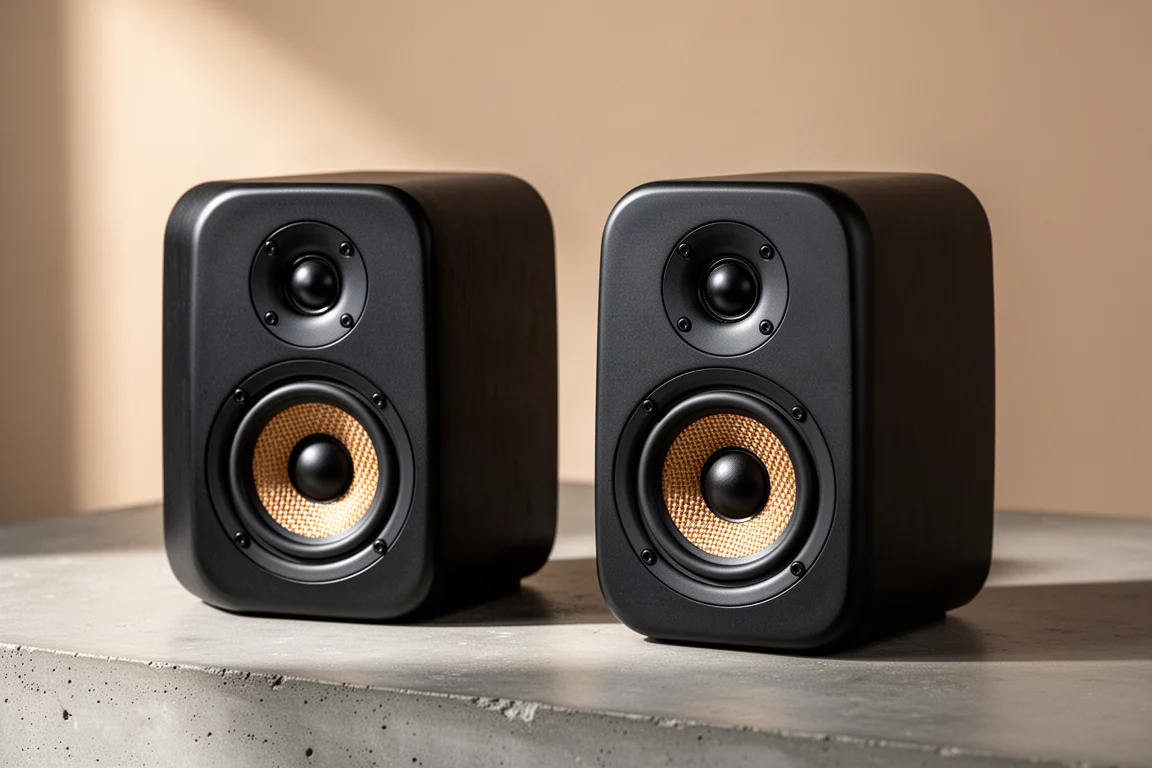
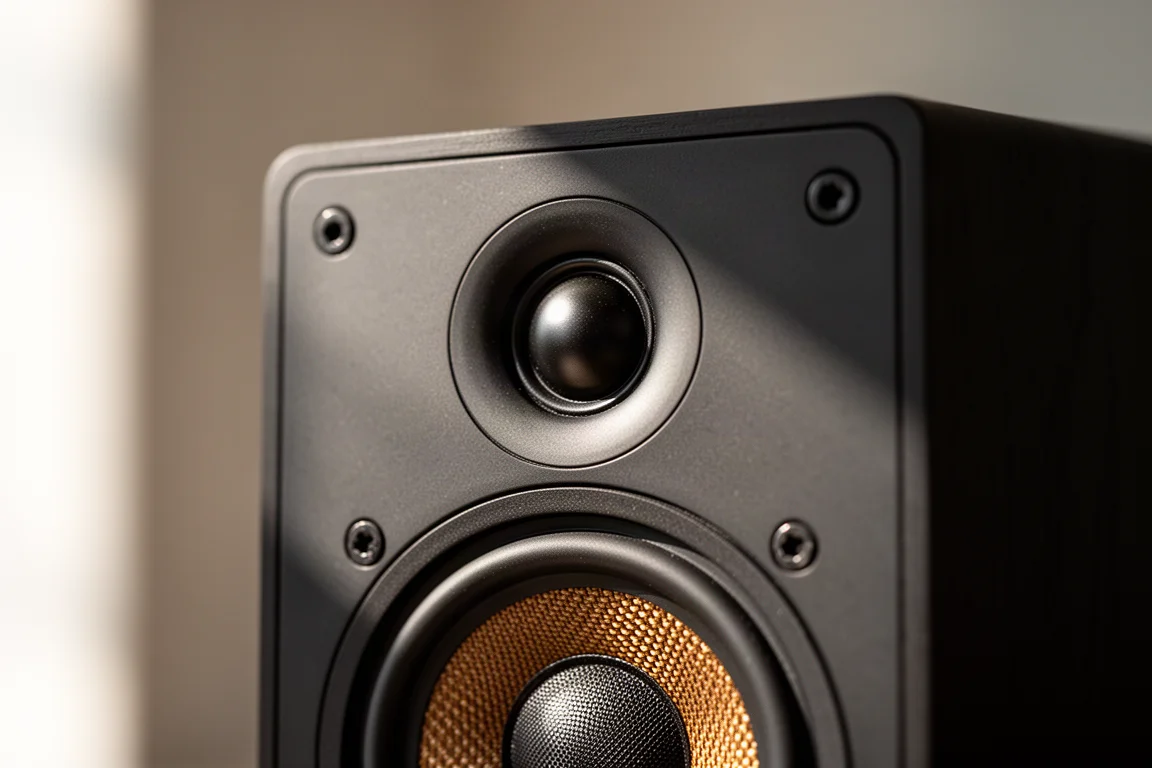
The Sony SS-CS5 is a compact bookshelf speaker that has sold for as little as $79 and as much as $200 depending on the deal, and it has quietly become one of the more interesting entry points into serious stereo listening. It is a small mini monitor with an unusual driver layout: a super tweeter, a conventional tweeter, and a midrange woofer working together in a three-way design, rather than the two-way arrangement most speakers at this price use.
That configuration would normally raise a flag. Super tweeters are rare below $200, and they often make a speaker sound bright when they are not integrated carefully. Here the opposite happens. The top end stays smooth, the midrange is the part that genuinely surprises, and the overall result is a speaker that sounds considerably more expensive than its price tag suggests.
This review covers what the SS-CS5 does well, where it falls short, and how to get the most from it if you decide to buy.
Who These Speakers Are For
This is a speaker for someone building a first proper two-channel system, or for anyone who wants a small second setup for a desk, a bedroom, or a television. It suits listeners who care most about vocals, acoustic instruments, and a clean center image rather than room-shaking output. It is also a genuinely effective way to introduce a friend to what a decent stereo can do without asking them to spend four figures.
It is not the right choice for someone chasing maximum bass weight in a large room, or for a listener who wants to run bass-heavy music at very high volumes for hours. Within its limits, though, it delivers a level of musicality that is unusual at this price.
Main Strengths
Midrange Tone and Texture
The midrange is what makes this speaker special. Small budget speakers frequently get this region wrong: the tone drifts, the texture disappears, the sound becomes thin or shouty. The SS-CS5 avoids all of that. Vocals sit dead center with real body behind them, and the lower octaves fill in underneath rather than leaving the voice floating and lean.
On a track with a strong female vocal, the presentation is full and room-filling even though the cabinets are tiny. There is very little grain, and the sound stays smooth and liquid rather than edgy. In the midrange, this is comfortably audiophile-quality performance, and it holds its own against speakers costing several times more.
What is striking is how clear and crisp the midrange remains while still being relaxed enough to listen to for hours. Instruments are not always rendered with absolute naturalism, but that is a small complaint at this price, and it takes nothing away from the enjoyment.
High Frequency Refinement
The top end is the second standout. The super tweeter could easily have made this speaker bright, but instead the high frequencies are refined, articulate, and free of harshness. You can follow lyrics clearly without any fatigue creeping in.
A useful test is a track where the vocalist suddenly projects hard on a single word. On many speakers that moment turns brittle and uncomfortable. Here it stays controlled and unforced, with just enough articulation to make every word intelligible. Bright speakers are not for everyone, and this one simply is not bright.
Bass, Placement, and Volume Limits
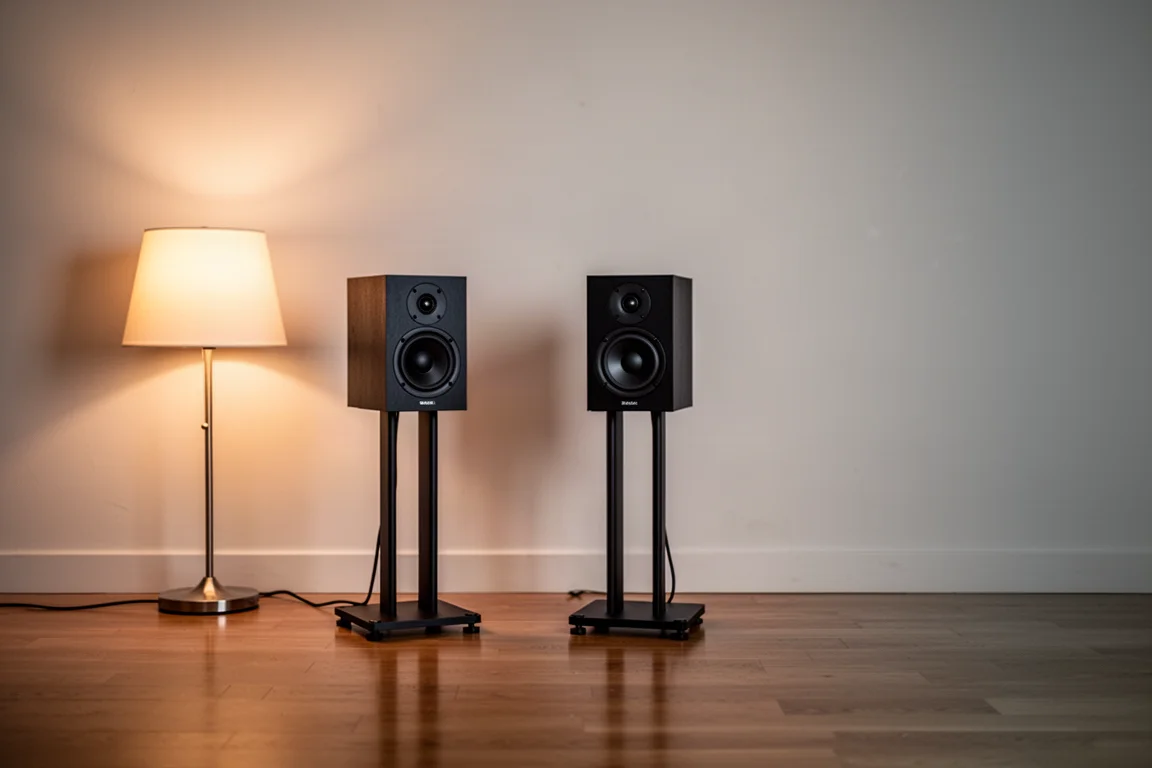
The SS-CS5 is a back-ported design, which makes placement important. Giving the cabinet roughly a foot and a half of space from the wall behind it lets room gain work in your favor, and the bass becomes genuinely impressive for a speaker this size. Toeing the speakers in toward the listening position sharpens the image as well.
The bass is satisfying but not especially tight. Some cabinet resonance is audible, and the low end only really comes alive at medium to loud volumes; at quiet levels there is not much happening down low. With bass-heavy material you cannot push the speaker to extreme levels without running into its limits.
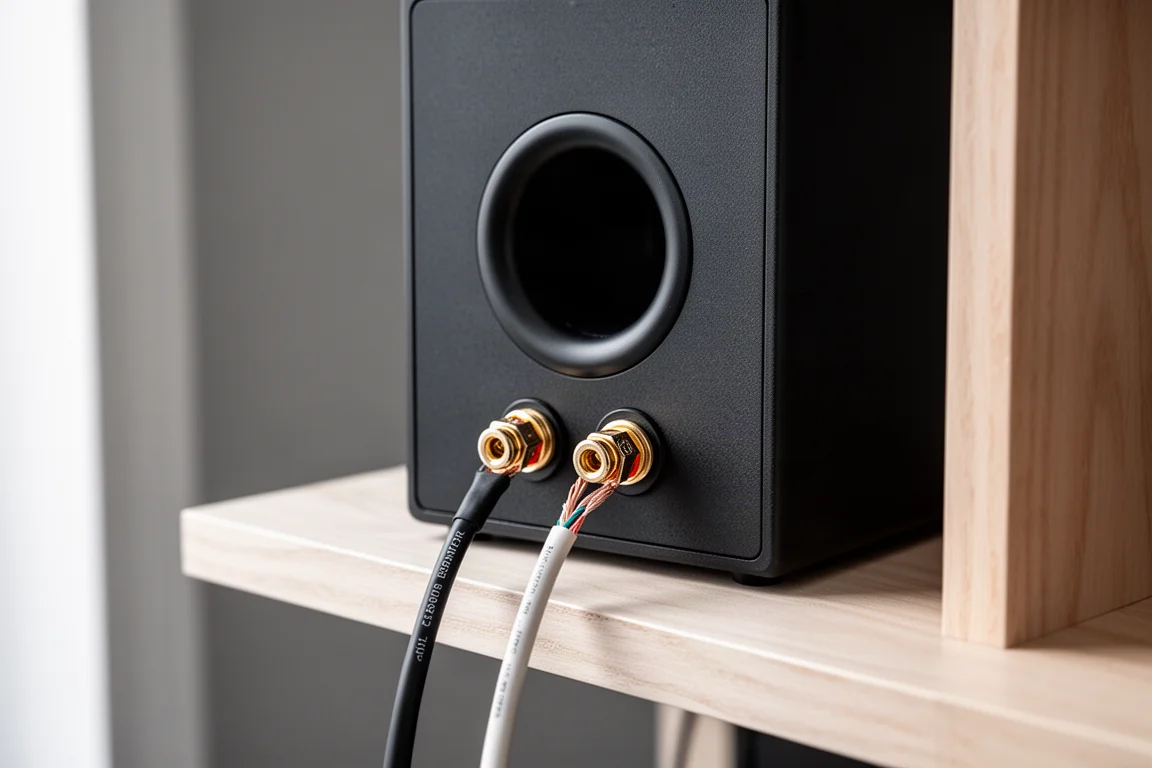
One note on the specification: the rear panel lists a maximum input power rating of 100 watts, and that number is widely misunderstood. It does not mean you must use an amplifier rated under 100 watts. It simply describes how hard the speaker can be driven before it runs out of headroom.
Imaging and Soundstage
Because this is a mini monitor, the imaging is precise. With the speakers angled in toward the listener, the center image locks in tightly and remains stable. The soundstage is surprisingly large for the cabinet size, and fine detail in the recording comes through without any sense of strain.
The effect is strongest on intimate material, where a single voice appears to float between the speakers with a full-bodied presence rather than a thin, tilted-up sound. Many small speakers chase a v-shaped response with boosted treble and loose bass. This one puts its effort into the midrange and the top end instead, and the result is a more balanced, more musical character.
Things to Consider Before Buying
Build Quality and Finish
The cabinet is the most obvious compromise. Fit and finish are basic, and in person the enclosure looks like something from a much cheaper speaker. Other brands at this price point offer noticeably nicer materials and detailing. If appearance and tactile quality matter a great deal to you, this is the part that will disappoint.
The trade-off is straightforward: the money went into the sound rather than the furniture. Buyers who can accept a plain black box in exchange for genuine performance will be well served.
Amplification and Scaling
The SS-CS5 responds strongly to better electronics. Paired with high-end amplification, it keeps improving rather than hitting a ceiling, which is rare at this price. That said, it makes little practical sense to pair a $79 to $200 speaker with equipment costing ten times as much.
Budget all-in-one amplifiers and compact class D units drive it perfectly well and make for a tidy, minimal system. For the best results, a dedicated integrated amplifier in the $500 to $1,000 range extracts the most from the speaker, though returns diminish quickly beyond that point. In terms of power, somewhere between 50 and 100 watts is plenty, and more headroom never hurts.
Recording Quality and Genre Fit
This is the most counterintuitive trait of the SS-CS5. It is unusually forgiving of mediocre and poorly recorded music. Tracks that sound harsh and unlistenable on expensive, highly revealing speakers remain enjoyable here, which makes it a superb everyday companion for streaming libraries full of imperfect recordings.
The flip side is that with exceptionally well recorded, audiophile-grade material, the speaker becomes less impressive relative to high-end alternatives. It still sounds good, but the gap closes in the opposite direction. If your library is dominated by reference-quality masters, the strengths of this speaker matter less.
Buying Advice
At $200 it is a strong value. At the $79 end of its price range it becomes close to a steal, and it is worth waiting for a sale if you are not in a hurry.
Setup matters more than any accessory. Give the cabinets room to breathe from the wall behind them, angle them toward your seat, and pair them with a competent amplifier rather than the cheapest one available. Do that, and the SS-CS5 delivers a midrange and treble performance that competes with speakers in the $500 to $1,000 bracket.
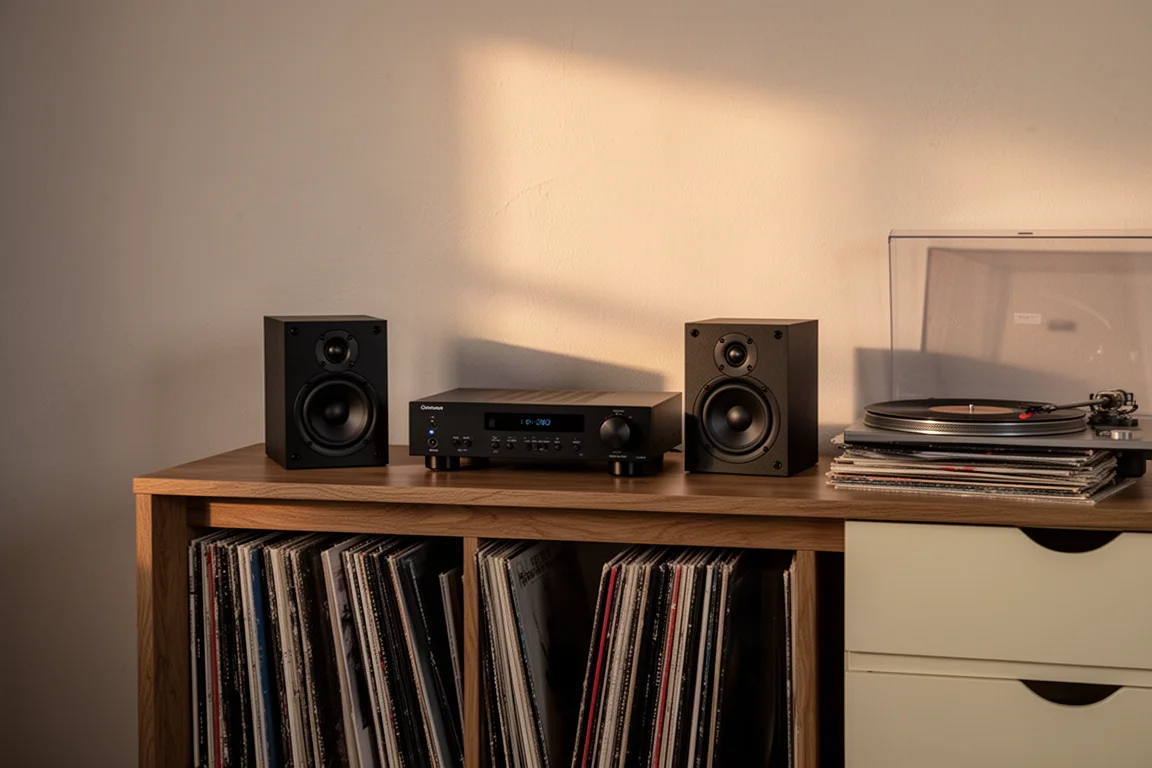
If you want a clear upgrade path later, a larger speaker with a tighter, more textured bass region is the logical next step, and it will also bring a more refined midrange tone. Even then, the SS-CS5 keeps a real advantage: its top end is smoother and less fatiguing than several more expensive options, which makes long listening sessions easy.
For a first serious system, a small room, a desktop setup, or a secondary television system, this speaker is easy to recommend. It is not the best speaker available at any price, and it does not pretend to be. For the money, it is remarkably good.
Conclusion
The Sony SS-CS5 earns its reputation through sound quality rather than looks. Its midrange is full, smooth, and detailed, its high frequencies are refined rather than bright, and its imaging is precise enough to disappear into the music. The cabinet feels cheap, the bass is not the tightest, and very well recorded audiophile material will not flatter it as much as it flatters expensive speakers. None of that changes the core conclusion: at this price, it is one of the most rewarding small speakers you can put in a room.
Product link
View more details for Sony SS-CS5
This product is mentioned in the review. Check the specifications, options, and compatibility before buying.
View more details for Sony SS-CS5Further reading
Related Reviews
Bookshelf Speakers
Acoustic Energy A100 Mark II Review: A Compact Standmount With an Expansive Soundstage
The Acoustic Energy A100 Mark II brings clarity, natural tonality and a wide soundstage to an entry-level standmount, with a few setup details worth knowing first.
Bookshelf Speakers
Acoustic Energy AE-100 Mark II Review: Compact Bookshelf Speakers With Standout Imaging
A compact British two-way bookshelf speaker with deep, layered imaging, fast bass, and a slight treble lift to weigh against a crowded $500 field.
Bookshelf Speakers
Acoustic Energy AE100 MK2 Review: Measured Performance and Four Alternatives
A close look at the Acoustic Energy AE100 MK2 bookshelf speaker, what its measured performance reveals, and four alternatives with different trade-offs.