Home Theater Audio
Sony Soundbar System vs AV Receiver: Two Ways to Upgrade the 85X95L
A practical look at two Sony home theater upgrades: the HT-A7000 soundbar with the SA-SW5 and SA-RS5, and the AZ7000ES AV receiver driving separate speakers.
Introduction
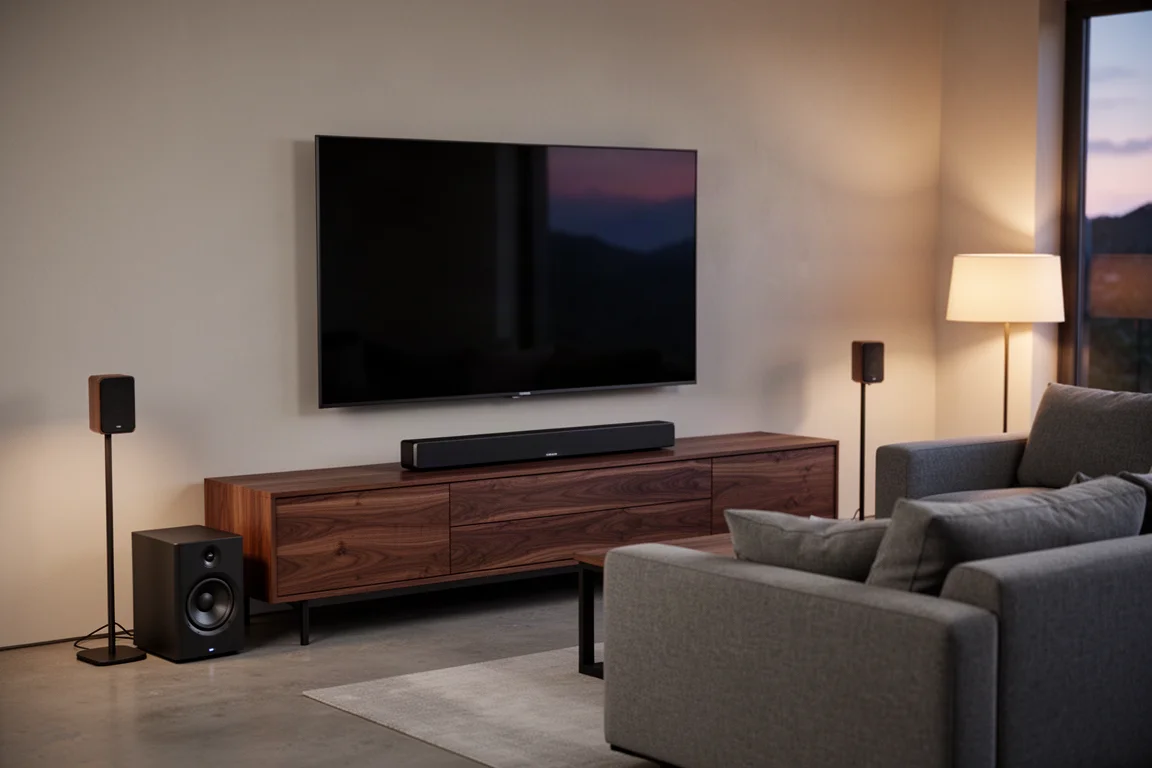
The Sony 85X95L is a mini LED television that already does more with its built-in audio than most slim panels manage, with frame-mounted tweeters and pairs of mid-range and subwoofer drivers firing from the lower edge of the cabinet. Even so, there is a ceiling on what an on-board speaker system can deliver, and there are two sensible ways to move past it.
The first is a Sony soundbar system: the HT-A7000 bar paired with the SA-SW5 wireless subwoofer and a pair of SA-RS5 wireless rear speakers. The second is a flagship AV receiver, the AZ7000ES, driving separate speakers, with the option of adding the same wireless subwoofer and surrounds.
This guide walks through what each option brings, where each one is strongest, and which setup makes more sense depending on your room and your priorities.
Two Ways to Upgrade a Sony 85X95L
Both paths start from the same place: a television whose internal speakers handle dialogue and casual viewing well but run out of output and bass when a soundtrack asks for more. Where the two options diverge is in how much control and separation you want.
A soundbar system keeps the footprint small. One long bar covers the front channels, up-firing drivers handle height effects, and a wireless subwoofer plus rear speakers fill in the low end and the space behind the seating position without a rack of electronics. Setup is mostly placement followed by an on-screen calibration pass.
An AV receiver approach trades that simplicity for flexibility. You choose the speakers, you choose how many channels to run, and you get a much wider range of speaker patterns and overhead configurations to work with. The trade-off is more wiring, more space, and a more involved setup.
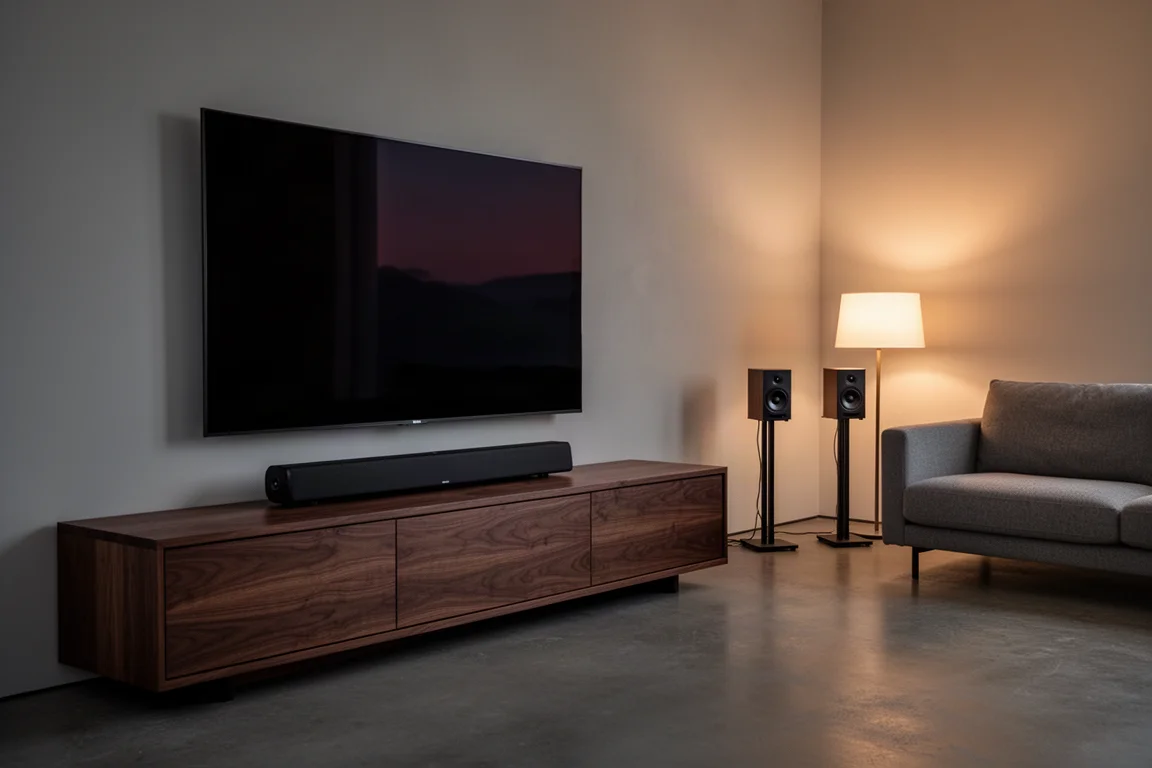
Price is part of the picture too. At the time of writing, the 85X95L sells for around $4,300, the HT-A7000 soundbar for $1,400, the SA-SW5 subwoofer for $700, the SA-RS5 surrounds for $600, and the AZ7000ES receiver for $3,300.
Sony 85X95L Mini LED TV
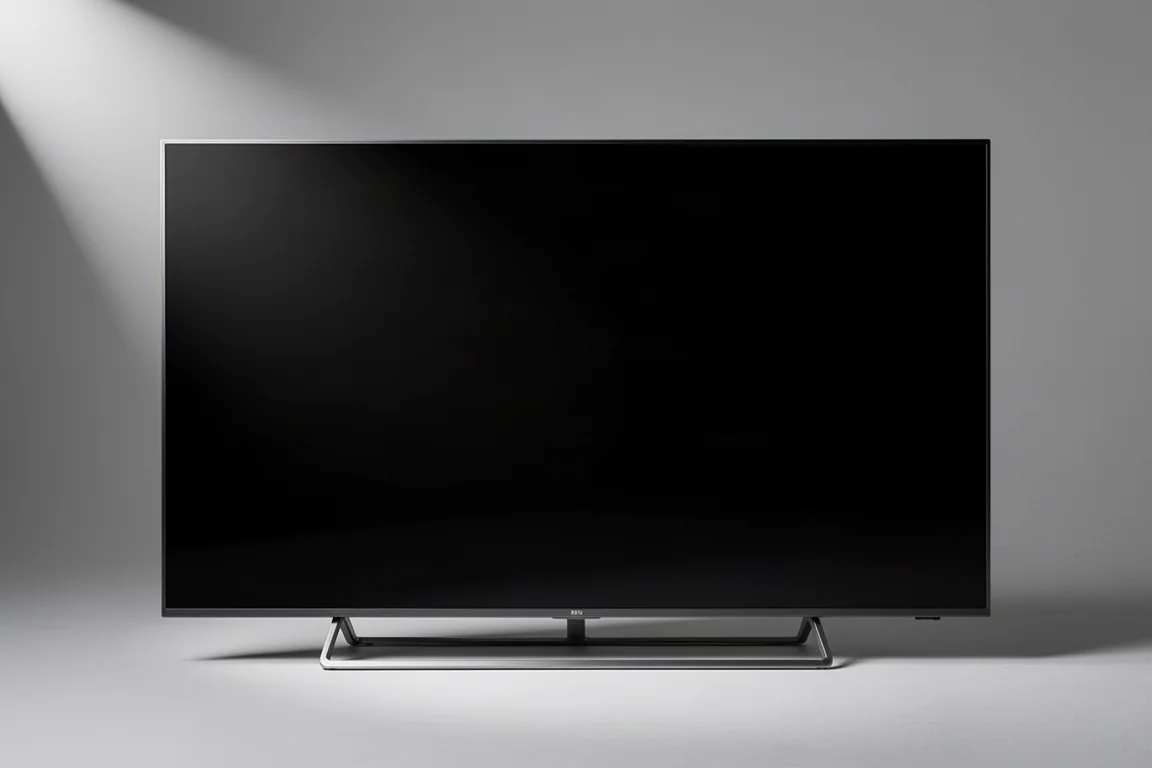
The 85X95L is the anchor of both setups. Its built-in audio uses tweeters mounted in the upper part of the frame so sound projects outward, plus two pairs of mid-range and subwoofer drivers at the bottom that fire through a narrow slot along the lower edge. From roughly 8 to 9 feet away, the effect is convincing enough that voices seem to come from the picture rather than from below it.
What the built-in system does not do is play especially loud, and bass is limited. Mid-range projection is solid, which gives dialogue and music some body, but action scenes and low-frequency effects are where the panel runs out of headroom. That gap is the reason to consider either upgrade path. At the time of writing, the 85X95L is priced at around $4,300.
Sony HT-A7000 Soundbar
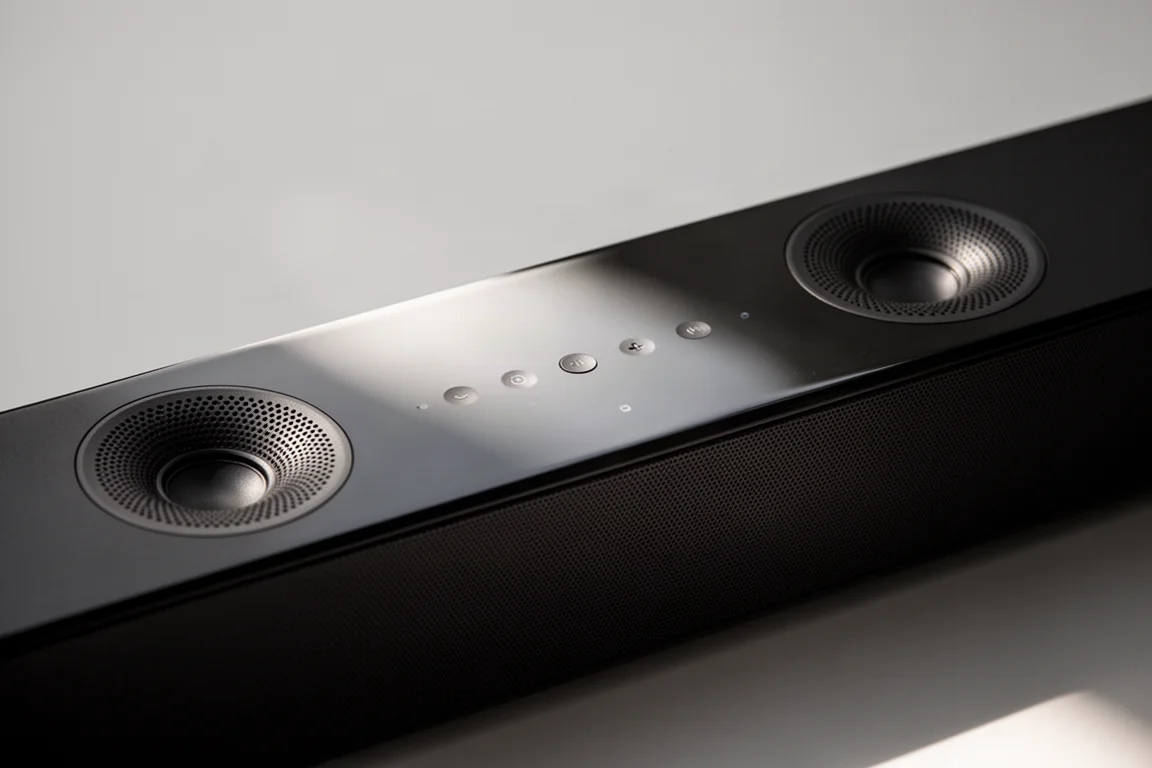
The HT-A7000 is a substantial bar: 51 inches long, 6 inches deep, and 3.25 inches tall, at 19 pounds. Sony rates it as a 7.1.2 system from a single cabinet. The seven listener-level channels are handled up front, including virtual side surrounds, the .1 comes from two internal subwoofer drivers housed in ported chambers, and the .2 comes from up-firing drivers at each end of the top panel.
The front array uses five drivers, with 16 mm wide dispersion tweeters on the left and right sides behind a grille that is not removable. Those side tweeters push sound outward to make the bar feel wider than its cabinet. The top surface has a glossy finish with power, source, Bluetooth, music streaming, and volume controls, and the bronze logo on the opposite end gives it a bit of class.
Connections cover USB, a 3.5 mm auxiliary input, HDMI in and out, a second HDMI input, optical, analog, and the TV input. Calibration steps through each channel, including front and rear height positions. Rear height effects were the least consistent part of the experience, though a sense of elevation was still present, and dialogue came through clearly. Front-to-back panning and flyover effects were convincing. Bass leans slightly boomy but has real weight behind it for big action sequences. Paired with a compatible Sony television, the TV center speaker mode uses the television’s own speakers alongside the bar to anchor dialogue to the screen, and it works well.
For a single-cabinet solution, the result is a clear step up from the television alone, with dedicated height drivers and enough output for a medium to large room. The bar sits best at the front edge of a stand so it does not reflect off the surface underneath. At the time of writing, it is priced at around $1,400.
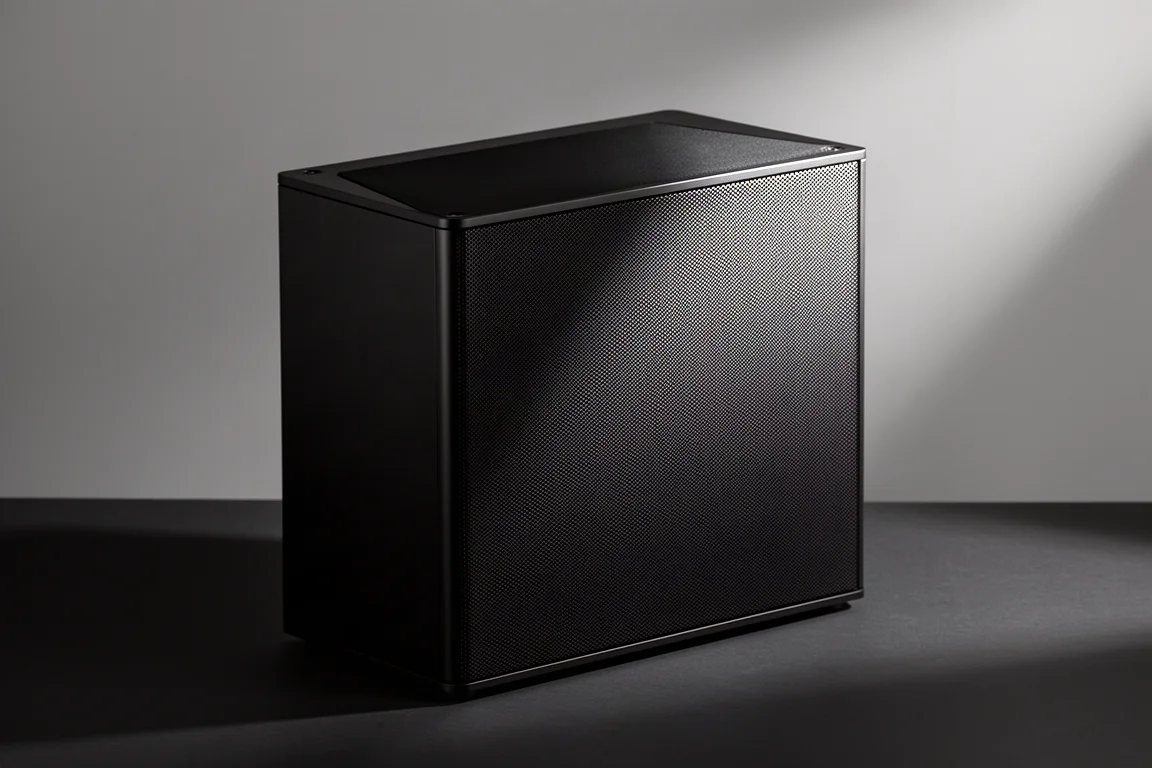
Sony SA-SW5 Wireless Subwoofer
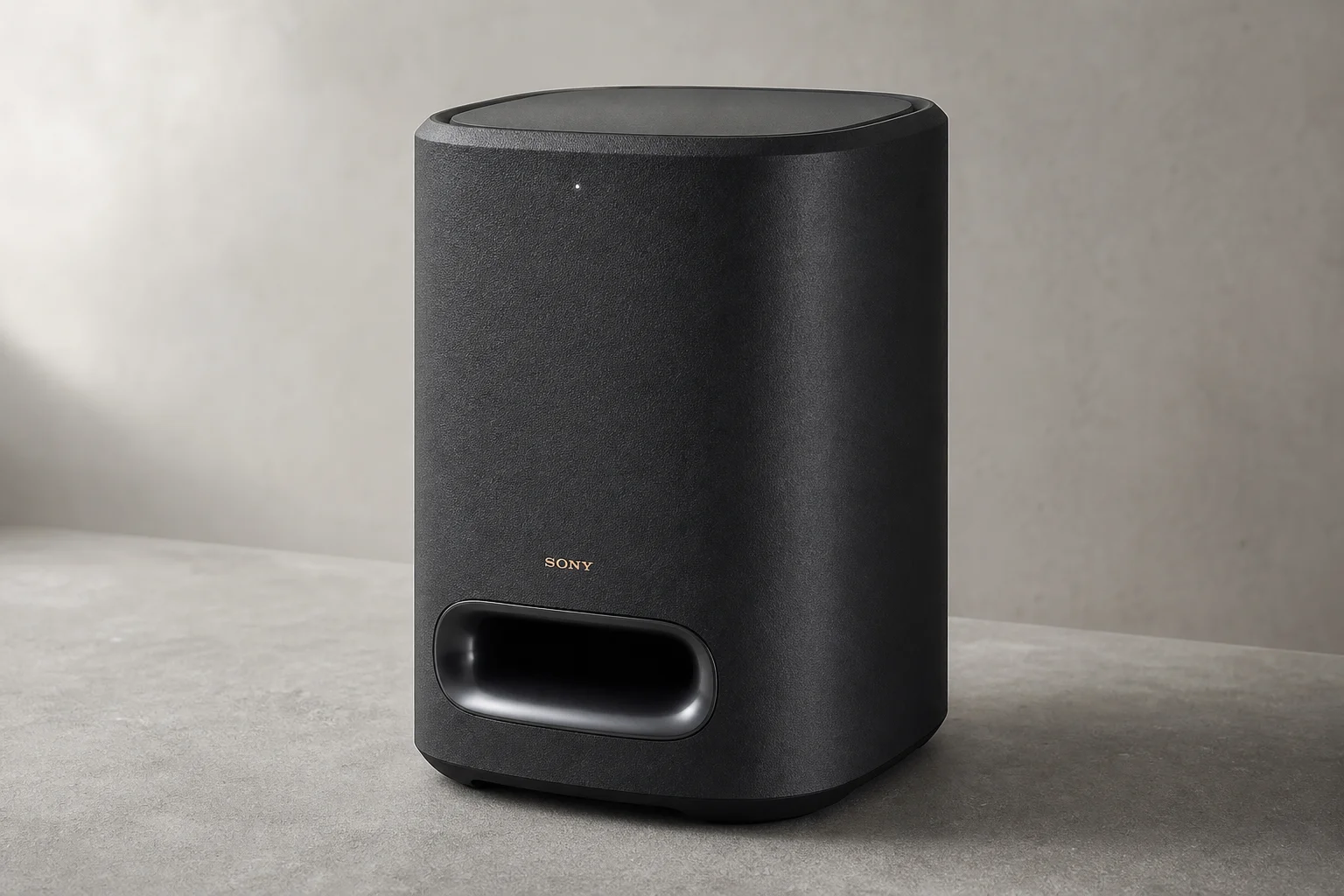
Adding the SA-SW5 to the HT-A7000 is the most direct way to solve the bar’s limited low end. It is a 300 W wireless subwoofer that links to the bar without a cable, and it houses a 7 inch driver on the front with a passive radiator on the bottom to extend its reach.
The cabinet has a textured leatherette finish with bronze branding on both sides, and it measures roughly 16 by 16 inches, so it tucks easily under or beside a television. Around the back you get the power input, a power button, and a link button for pairing. Floor placement under the TV is the straightforward option. At the time of writing, the SA-SW5 is priced at around $700.
Sony SA-RS5 Wireless Rear Speakers
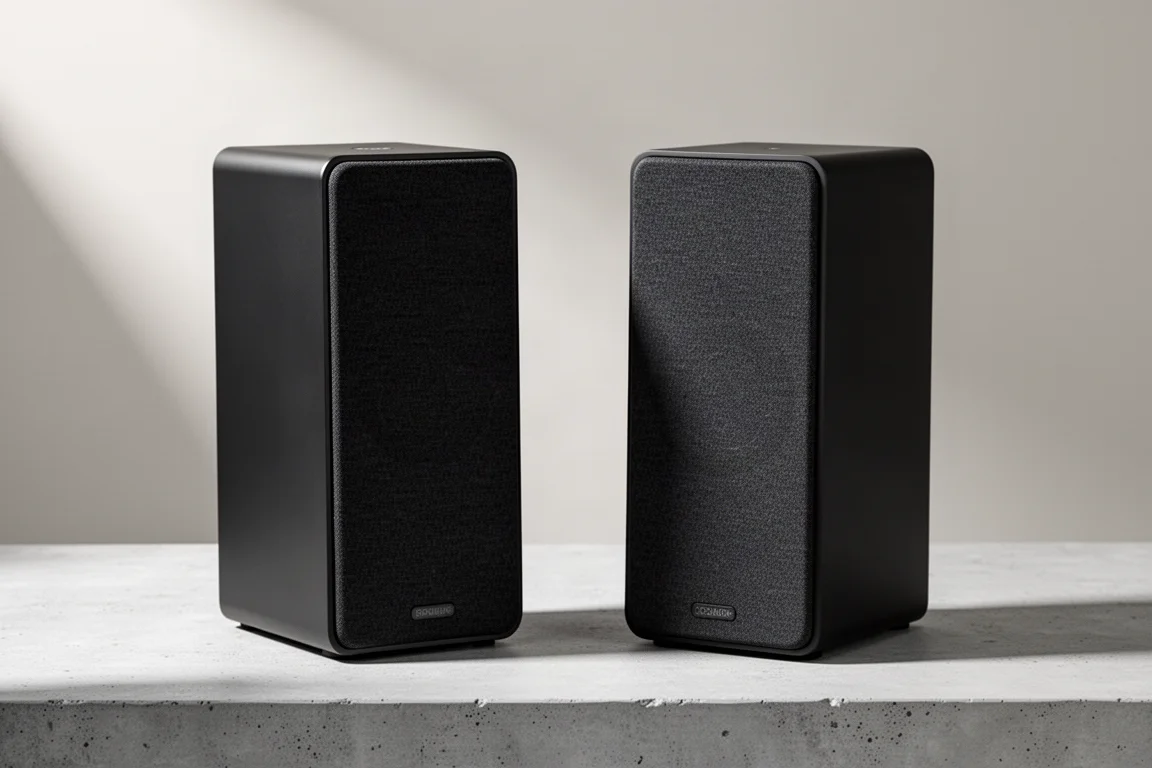
The SA-RS5 pair is what turns the soundbar setup into genuine surround sound. These are wireless speakers with up to 10 hours of battery life, and they can also be plugged in if you would rather not think about charging. A power inlet and power button sit on the bottom, while the top carries an up-firing driver for spatial audio and Dolby Atmos height effects, a power button, and an optimize button for room calibration.
Behind the cloth grille, each speaker uses a soft dome tweeter and a wide dispersion woofer, with two passive radiators on the sides. Output is rated at 90 W per speaker, or 180 W for the pair. Because they are battery powered, they can come out for a movie night and go back on the shelf afterward, which is a genuinely convenient arrangement in a shared room.
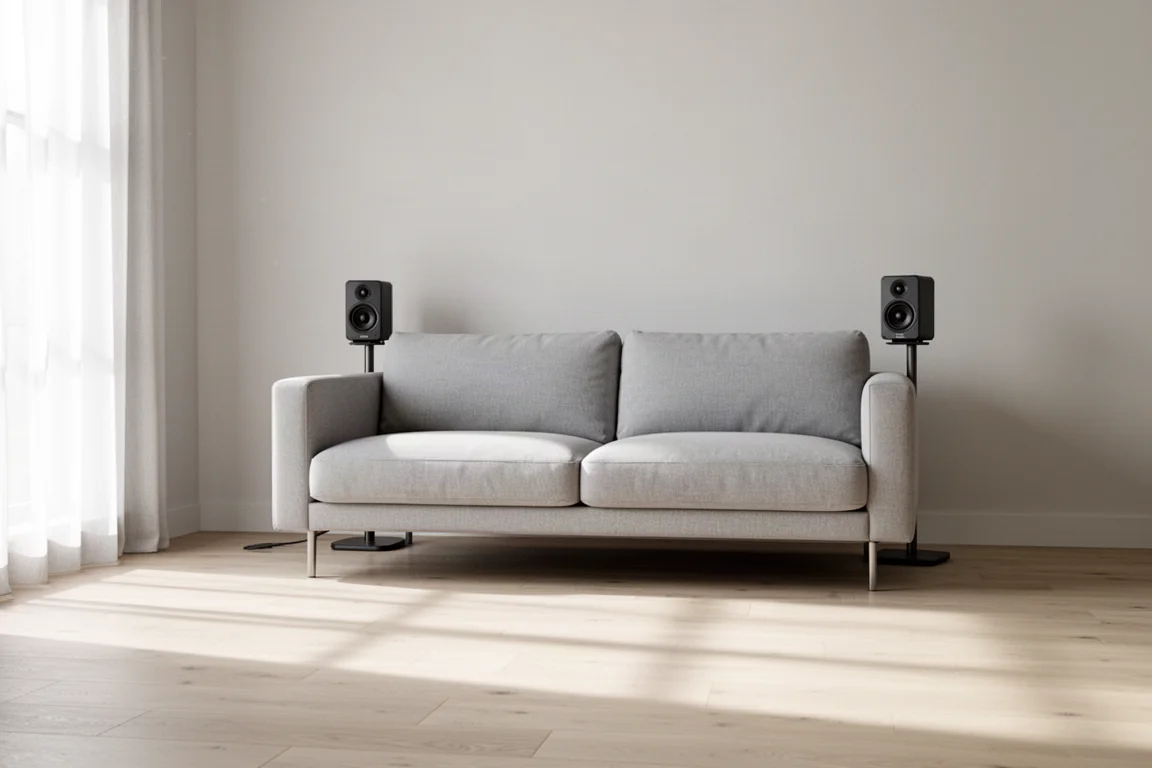
Placement matters more than anything else here: they belong behind the seating position, where they add the rear movement and ambience that a bar alone can only approximate. At the time of writing, the pair is priced at around $600.
Sony AZ7000ES AV Receiver
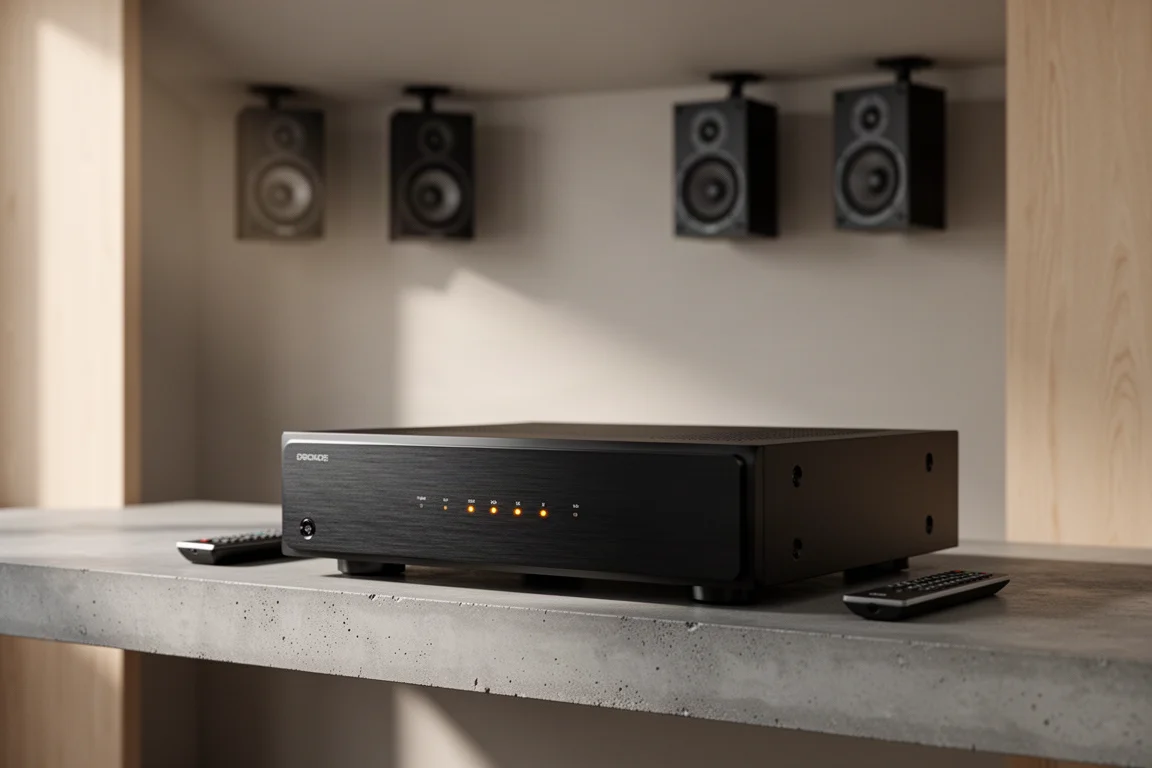
The AZ7000ES is the other path entirely, and it is a serious piece of hardware. Shipping weight is around 50 pounds, and the chassis measures roughly 17 inches wide, 16 inches deep, and 7.25 inches tall. The front panel is dense with controls, from power, speaker selection, and a calibration microphone input to zone 2 and zone 3 selection, sound field and direct input options, tone controls, and the volume knob at the far right. A hard plastic cover slides over the top of the panel if you prefer a cleaner look.
Around the back you get six HDMI inputs that all support 4K at 120 Hz, with four of them also handling 8K at 60 Hz along with VRR and ALLM for gaming. The receiver is HDMI 2.1 compliant and includes two HDMI outputs, with HDMI out A supporting eARC. There are pre-outs for all 13 channels, two subwoofer outputs, an S-Center output for compatible Sony televisions, optical and coaxial digital inputs, analog and zone 2 and 3 inputs, a coaxial antenna input, composite video connections, LAN, RS232, IR remote in, trigger outputs, and five-way binding posts for all 13 channels.
Power is rated at 150 W per channel with two channels driven, and it will be lower with all 13 channels running. Support extends to 13.2 channels, so a full immersive layout is possible in a large room. Speaker patterns run from simple 2.0 and 2.1 configurations up to 9.1 with front wides, and the height and overhead menu covers front height, top front, top middle, top rear, rear height, and a long list of Dolby up-firing combinations, which is far more flexibility than any single bar can offer.
As part of the ES lineup, the receiver uses a large capacity power transformer, a refreshed digital circuit board, a newly designed frame buffer board chassis, high power capacitors, an updated heat sink, a 32-bit DAC with its own buffer amp, and a redeveloped digital section. It is also Roon Tested. The TV center speaker mode available on the soundbar works here as well, blending the television’s speakers with the center channel, and the receiver can pair wirelessly with the SA-SW5 and SA-RS5 to cut down on cabling. At the time of writing, it is priced at around $3,300.
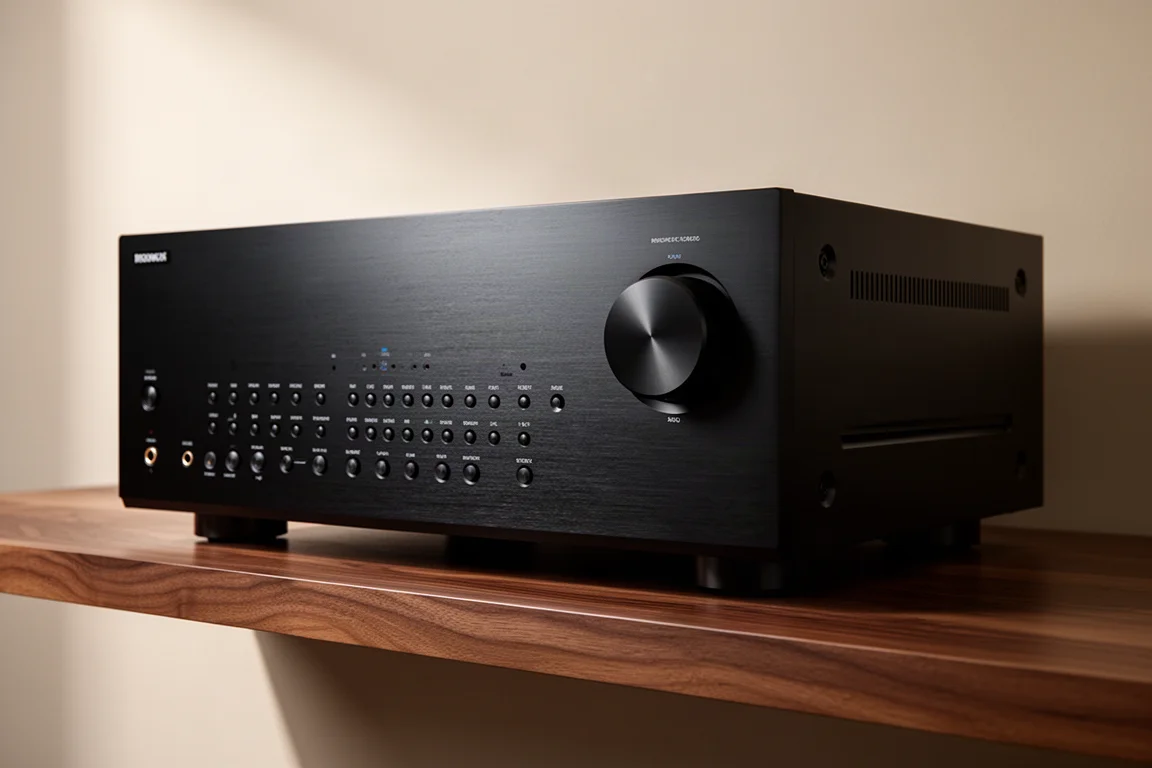
Soundbar System or AV Receiver?
The answer depends on how much you value separation over simplicity. A receiver with separate speakers isolates each effect in its own driver, which means less smearing between channels, more accurate placement, better surround movement, and a larger, more spacious stage. The soundbar packs an impressive number of drivers into one cabinet, but those drivers sit inches apart, so the result is a more approximate version of the same effect.
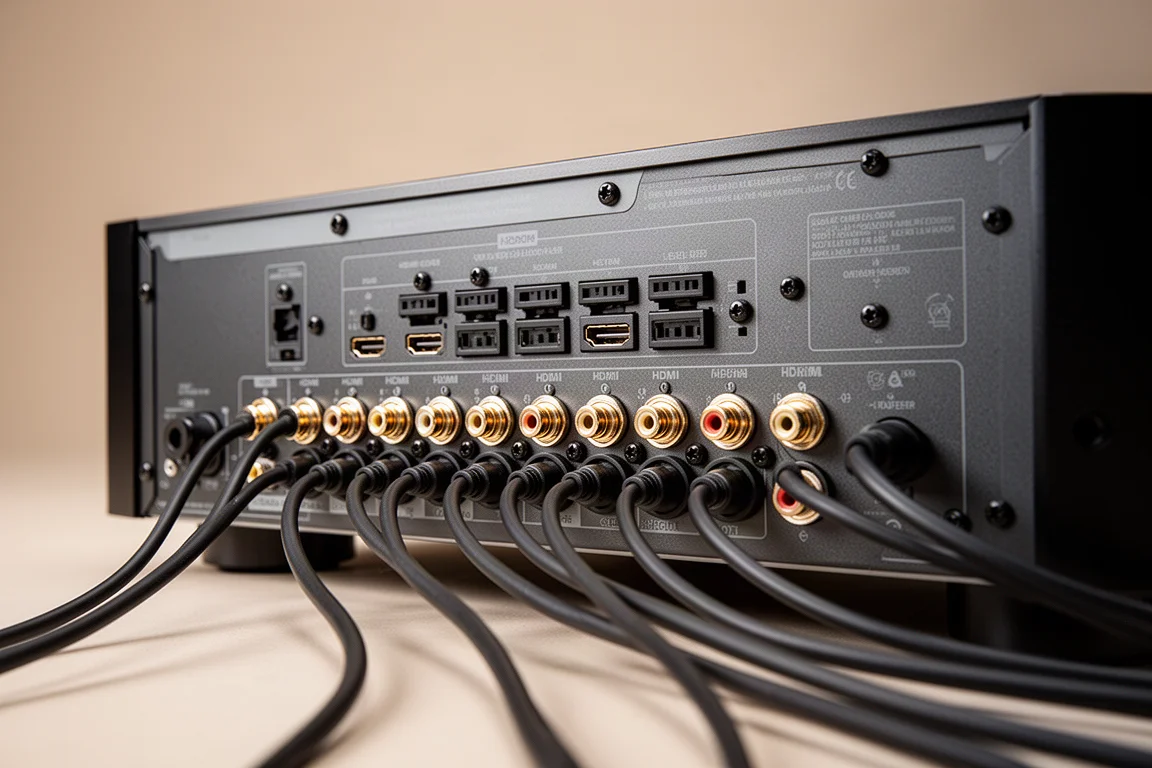
Against that, the soundbar system is easier to live with. There are fewer wires, less rack space, and a setup process that amounts to placing three components and running a calibration. The receiver asks for more: more cables, more speakers, more room, and more time. Both approaches can use the television’s speakers as a center channel, and both can link to the same wireless subwoofer and surrounds, so the decision comes down to budget, space, and how much you care about the last few percent of accuracy.
Conclusion
The 85X95L already sounds better than most televisions, but neither upgrade path is wasted on it. The HT-A7000 with the SA-SW5 and SA-RS5 is the pragmatic route: a real surround system with height effects, wireless rears, and a subwoofer that can shake the room, all without a rack of equipment. The AZ7000ES is the enthusiast route: more channels, more configuration options, more accuracy, and more setup work. Pick the one that matches the room you actually have.
Further reading
Related Reviews
Home Theater Audio
Best Center Channels for Home Theater: Six Designs and What Off-Axis Data Reveals
A practical guide to center channel design, covering six speaker options, why off-axis response matters, and how to choose for your seating layout.
Home Theater Audio
Dolby Surround vs Auro-Matic vs DTS:X: Comparing Three Upmixers for Two-Channel Music
A practical comparison of the Dolby Surround Upmixer, Auro-Matic and the DTS:X upmixer, covering how each one treats two-channel music, the settings that change the result, and the trade-offs to weigh before you commit.
Home Theater Audio
Dolby Surround vs DTS Neural:X vs Auro-Matic: Comparing 5.1 Music Upmixing
A practical comparison of Dolby Surround Upmixer, DTS Neural:X and Auro-3D Auro-Matic on a lossless 5.1 music mix, with the strengths and trade-offs of each.