Home Theater Audio
Dolby Surround vs Auro-Matic vs DTS:X: Comparing Three Upmixers for Two-Channel Music
A practical comparison of the Dolby Surround Upmixer, Auro-Matic and the DTS:X upmixer, covering how each one treats two-channel music, the settings that change the result, and the trade-offs to weigh before you commit.
Introduction
Upmixing is how most two-channel music ends up playing through a surround system. It takes a stereo recording and spreads it across the speakers you actually own, filling the surrounds and the height channels with information that was never separately recorded. None of the three main upmixers do this the same way, and the differences are easy to hear once the front stage is taken out of the equation.
This comparison covers the Dolby Surround Upmixer, Auro-Matic from Auro-3D, and the DTS:X upmixer, all judged on the same two-channel high-resolution material with heavily layered vocals and sharp percussive transients. The aim is to describe what each one does to an identical recording, and which settings change the outcome most.
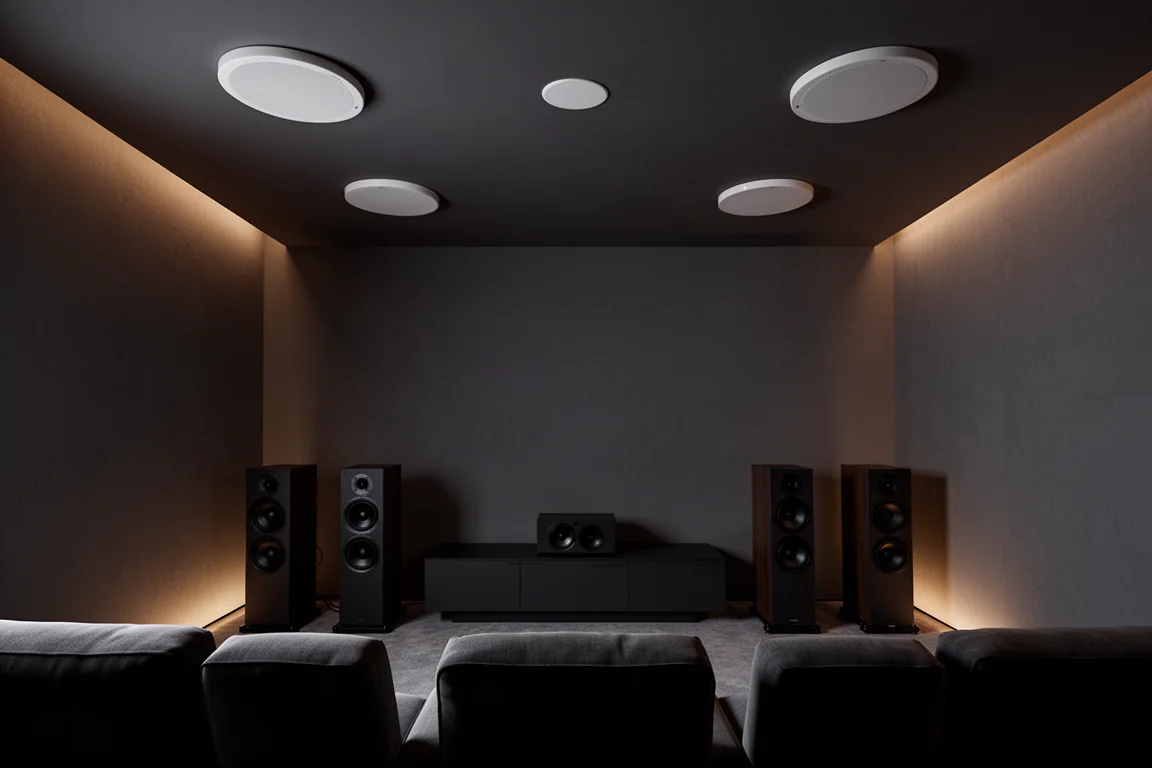
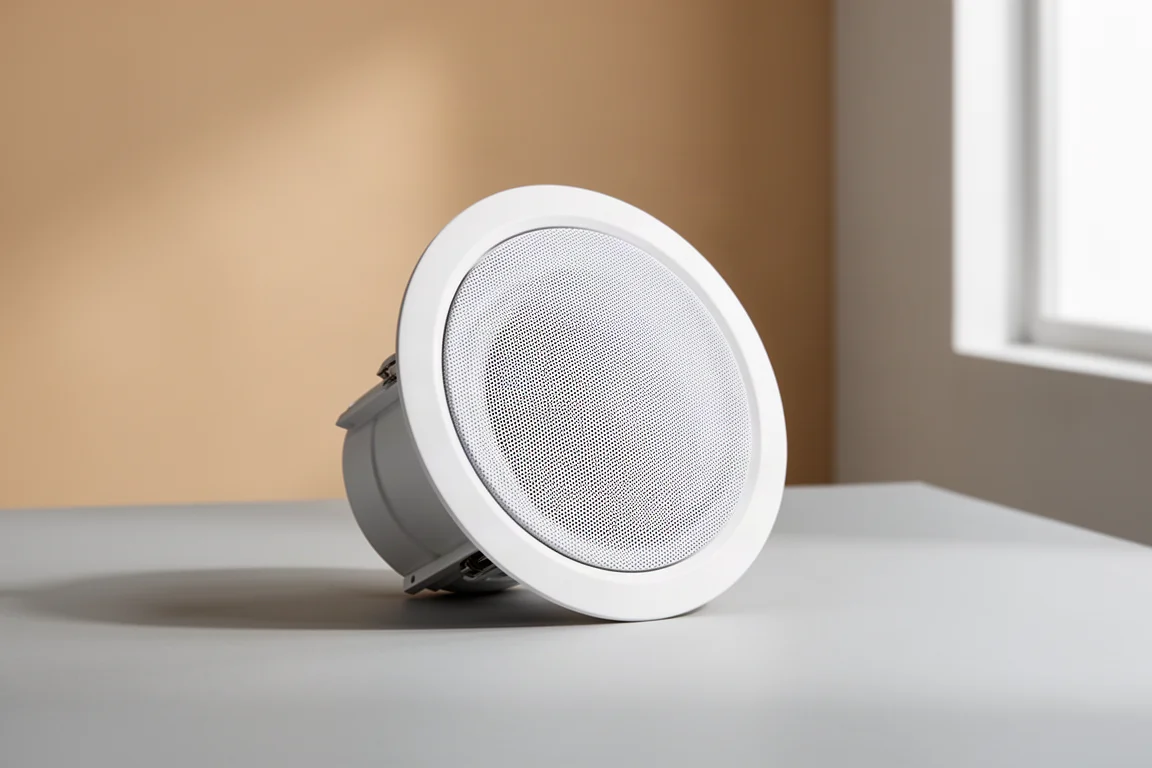
The system used for the comparison was a 9.4.4 layout: nine bed channels, with the wide channels mounted in the ceiling in 30-degree angled baffles firing down at the listening area rather than sitting on the floor, plus four height channels. Muting the front three channels made it possible to hear only what the surrounds and heights were being fed, which is the clearest way to judge what an upmixer is really doing with the signal.
How These Upmixers Compare in Practice
Every upmixer is a set of informed guesses. It examines the relationship between the left and right channels, decides what is correlated and what is not, and then steers content to the center, the surrounds and the heights with a combination of delay, filtering and level adjustment. Upmixing is not a perfect process, and artifacts appear in all three of these implementations at some point.
A useful reference track is a two-channel recording with dense vocal layering and crisp transients such as finger snaps and percussion. Those elements make it obvious which channels are being fed, how quickly the steering reacts, and whether the tonal balance of the original recording survives the process. Running the same passage through each upmixer in turn, first with the front three speakers muted and then with the full system active, reveals behaviour that is hard to hear otherwise.
Dolby Surround Upmixer: Ambience, Transients, and Center Spread
With the front three channels muted, the Dolby Surround Upmixer behaved more like careful ambient fill than a wholesale spread of the signal. Ambience already present in the recording stayed in the surrounds and the heights, while sharp transients such as snaps arrived from the side channels with their attack intact. When the recording moved into layered vocal passages, the surround speakers came alive and the presentation became genuinely immersive, close to what a discrete mix would deliver.
Tonality stayed balanced throughout. Bass and treble remained in proportion to the source, and nothing sounded artificially pushed or pulled. The effect is less about maximum output and more about placing the right information in the right speaker at the right moment.
One setting matters more than any other here: center spread. With center spread switched off, all the content common to the left and right channels is dumped into the center speaker, which collapses the stereo image and makes the main speakers sound narrow. That single behaviour explains a great deal of the criticism aimed at this upmixer. Enable center spread and the mains keep a proper stereo image while the remaining channels provide ambient fill and spot effects.
Auro-Matic: All-Channel Fill and Softer High-Frequency Detail
Auro-Matic takes a very different route. Rather than steering content selectively, it feeds the vocal almost everywhere: on the same two-channel material, the lead vocal appeared in nearly every speaker nearly all the time. The result is closer to stereo played through every channel at once than to a discrete surround presentation. There is a great deal of sound in the room, but little sense of individual elements being placed.
The high end is where the contrast is most obvious. Sharp transients were far less pronounced than with the Dolby upmixer, as though a low-pass filter had been applied to the upper frequencies, while bass weight was noticeably more generous. The overall impression is more output and less separation, and that trade-off is consistent across material rather than track dependent.
For listeners who want every speaker contributing at all times, that density is the point. For anyone chasing the sense of a discrete mix, it works against them.
DTS:X Upmixer: Detail and Forward Vocals With Audible Artifacting
The DTS:X upmixer extracts detail convincingly. Instrument placement differed from the Dolby presentation, with transients such as snaps arriving more from the back channels, and layered vocals pushed further forward and more in your face. In terms of pulling apart a busy recording, it came closer to the Dolby result than Auro-Matic managed.
What it does not do cleanly is hold a steady level. The upmix showed audible pumping, quieting in places and then swelling again, which is not natural behaviour for the source material. Bass hits also produced a sound like woofers bottoming out, even though that was upmix artifacting rather than the drivers running out of excursion. Every upmixer produces some artifacts, and these were simply more audible than the alternatives.
The missing piece is a center spread option. Earlier DTS music and cinema modes offered one, but the DTS:X upmixer does not, so content shared between left and right is dumped into the center channel and the main soundstage suffers as a result. Add a center spread control and this could become a genuinely strong upmixer, because the underlying extraction of detail is already competitive.
Downmixing a Native Immersive Mix: What You Lose
Some listeners deliberately downmix a native immersive track to 5.1 or 7.1 and then upmix it into another format so that more speakers stay active. That trade is expensive. Downmixing discards the wide channels first, usually the back channels along with them, and the objects in the mix lose the positional information they were authored with. A 5.1 downmix simply cannot carry what a larger immersive layout was built to reproduce.
If a native immersive mix is available, it remains the most faithful option, and it is worth hearing before deciding that an upmixed version sounds better. Upmixing a two-channel source is a compromise by design, but downmixing a native mix and re-expanding it adds a second layer of compromise on top of the first.
Choosing the Right Upmixer for Your System
Choose the Dolby Surround Upmixer when you want ambient fill that respects the recording and keeps transients intact, and enable center spread before you judge it. Choose Auro-Matic when you want every speaker contributing at all times and you appreciate a fuller bottom end, accepting softer high-frequency detail and vocals in nearly every channel.
Choose the DTS:X upmixer when detail and forward vocals matter most and you can live with the level artifacts, accepting that the center channel will carry shared content and the main soundstage will narrow as a result. If a center spread option ever arrives, that recommendation becomes considerably easier to make.
None of these are wrong choices. Upmixing comes down to taste, room, and what you want to hear from a two-channel recording. What is worth avoiding is judging any of them without checking the configuration first, because a single setting can change the outcome more than the upmixer itself.
Conclusion
The three upmixers occupy genuinely different positions. The Dolby Surround Upmixer aims for ambience and transient accuracy and depends on center spread to preserve the stereo image. Auro-Matic prioritises maximum speaker activity with softer high-frequency detail and more bass weight. The DTS:X upmixer delivers detail and forward vocals but introduces audible artifacting and lacks a center spread control.
For two-channel music in an immersive system, the practical advice is simple. Match the upmixer to what you value, verify your settings, and keep native immersive mixes as the reference point whenever they are available.
Further reading
Related Reviews
Home Theater Audio
Best Center Channels for Home Theater: Six Designs and What Off-Axis Data Reveals
A practical guide to center channel design, covering six speaker options, why off-axis response matters, and how to choose for your seating layout.
Home Theater Audio
Dolby Surround vs DTS Neural:X vs Auro-Matic: Comparing 5.1 Music Upmixing
A practical comparison of Dolby Surround Upmixer, DTS Neural:X and Auro-3D Auro-Matic on a lossless 5.1 music mix, with the strengths and trade-offs of each.
Home Theater Audio
JTR Kaos 265, 465, and Kaos 12 Review: A 7.1 System Built for Real Rooms
A closer look at a 7.1 JTR Kaos installation: the compact 265, the larger 465, and the sealed Kaos 12 subwoofer, plus what the system asks of your amplifier and your room.