AV Receivers
Sony ES Receivers Compared: STR-AZ1000ES to STR-AZ7000ES
A practical look at Sony's new ES receiver lineup, from the seven-channel STR-AZ1000ES to the 13-channel STR-AZ7000ES, and how to choose between them.
Introduction
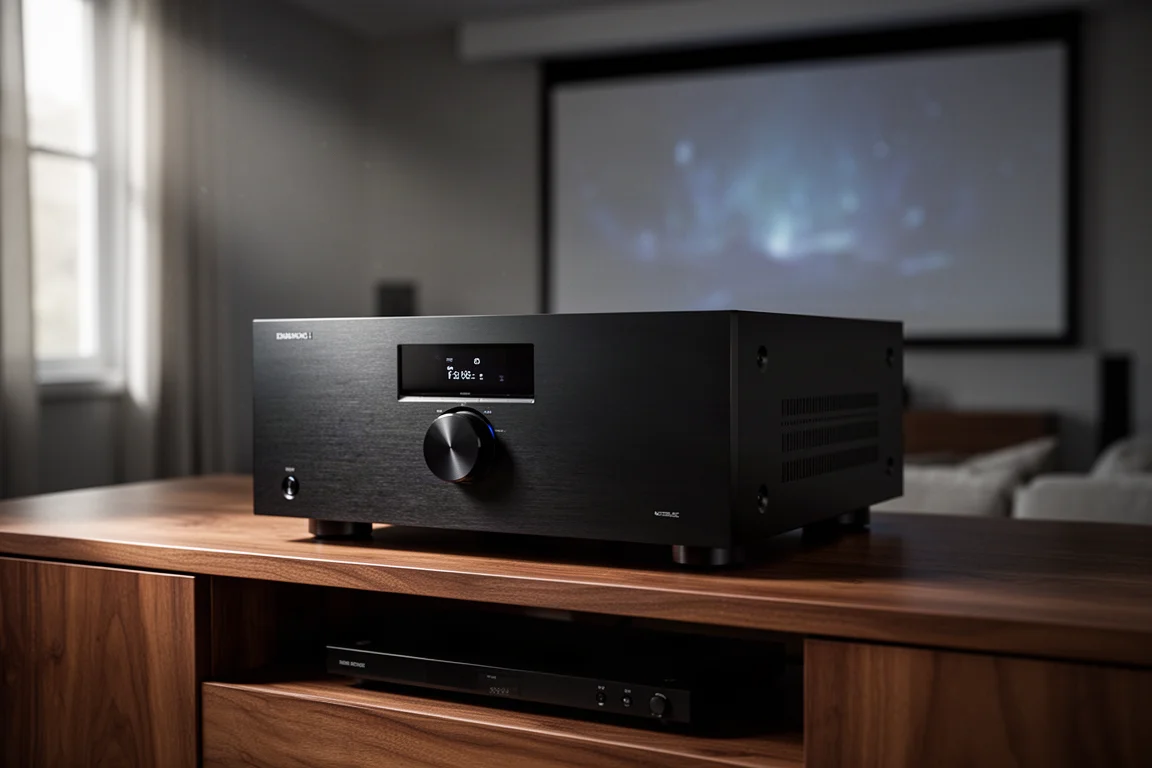
Sony’s ES receiver line went more than five years between generations, and the home theater world changed a great deal in that time. The new lineup arrives with four models: the STR-AZ1000ES, STR-AZ3000ES, STR-AZ5000ES and STR-AZ7000ES. They share an unusually long list of features, so the real question is not which one is best, but which one fits the room you actually have.
ES receivers have a long standing reputation for tank like build quality and a five year parts and labor warranty. The new models keep that character, and they add something genuinely new for the line: a speaker setup routine that asks for distances in several dimensions rather than just one.
What All Four Sony ES Receivers Share
Every model in the lineup is rated to the FTC power specification with both channels driven from 20 Hz to 20,000 Hz at low distortion, so the published figures describe a realistic two channel load rather than a single channel burst. Channel counts start at seven and climb to thirteen at the top of the range.
Wireless and streaming support is identical across the four. All of them include Bluetooth, Wi Fi, Chromecast built in, Spotify Connect and Apple AirPlay 2, and Google Assistant works with every model. Each one also carries the Works with Sonos certification, which matters if you already run a Sonos whole house music system. Setup can be handled through the web interface, the on screen display, or the front panel.
Immersive audio support covers Dolby Atmos and DTS:X on all four, and every model can add Sony’s SA-RS3S and SA-RS5 wireless surround speakers along with the SA-SW3 and SA-SW5 wireless subwoofers. That is a genuinely useful option for apartments and living spaces where running cable to the surrounds is not realistic. In the same spirit, these receivers can use the speakers in a compatible Sony TV as a center channel, though that is best treated as a fallback when there is no space for a proper center speaker. A phantom rear speaker mode is also available to simulate rear channels in a seven channel bed layer system.
Video connectivity is where the new models feel current. You get 8K and 4K 120Hz HDMI with HDMI 2.1 and HDCP 2.3, plus support for Dolby Vision, HDR10, Hybrid Log Gamma and IMAX Enhanced. For gaming there is 4K 120 support along with ALLM and VRR for low latency play.
The input menu is unusually well thought out. A large grid lets you assign video and audio to any input, and you can create additional entries that use the same video with different audio, which is handy if you want to watch a game while listening to a local announcer. Each input can carry its own offset levels and default surround mode, and up to two configurations can be stored. Lip sync is adjustable up to 300 milliseconds per input, and the subwoofer can be switched off per input or given a 10 dB boost for that source.
Speaker Setup: Distance Data, Calibration, and Spatial Mapping
The setup routine is the most distinctive part of these receivers. Like any home theater receiver, you enter the distance of each speaker from the main listening position. These models then ask for more: each speaker’s distance from the screen, each speaker’s distance from the floor, the height of your ears from the floor, and the ceiling height of the room.
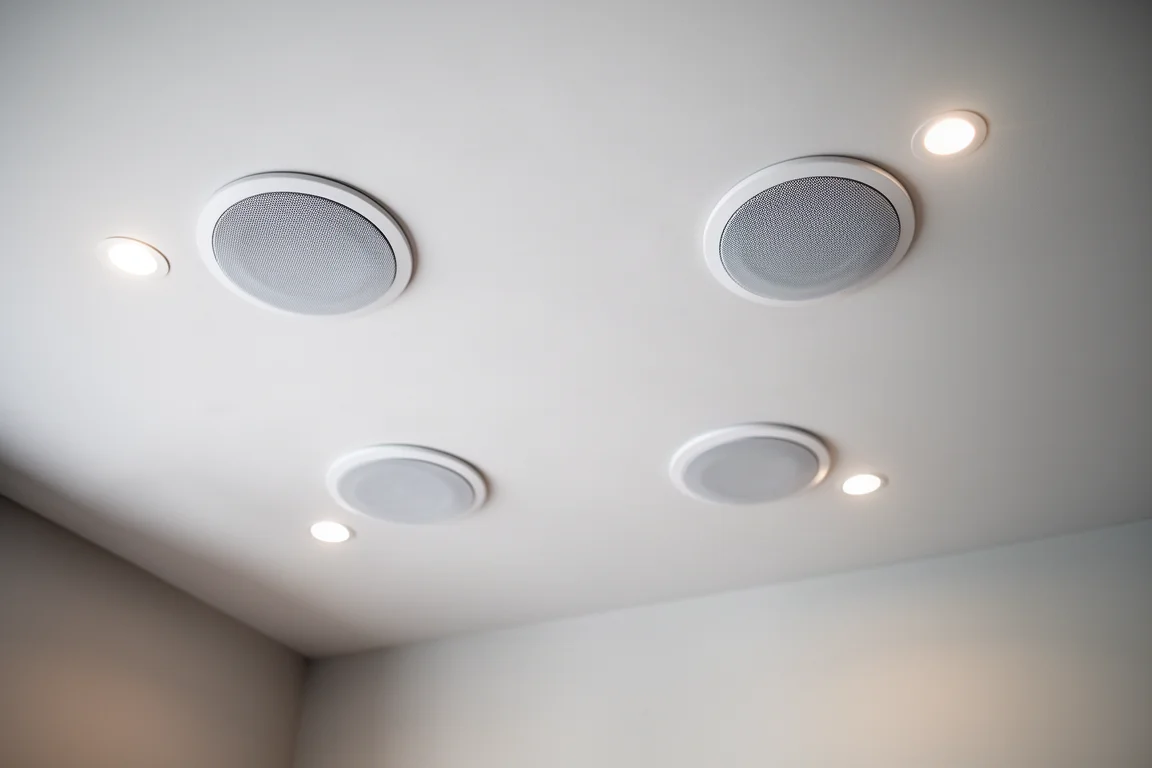
All of that data feeds Sony’s Digital Cinema Auto Calibration IX and 360 Spatial Sound Mapping. The thinking is that the extra measurements let the receiver place immersive objects within the surround field more precisely. The speaker pattern section reinforces it with graphics showing the possible height speaker types, so it is clear whether you have an in ceiling speaker, an upward firing one, or a freestanding speaker mounted to the ceiling and aimed at the listening area. Any combination of those can be configured, which removes much of the guesswork that makes height channel menus confusing.
Center Channel Lift depends on the same distance data. It requires front heights to be enabled, and it uses the center channel together with the front height speakers to raise the center image so dialogue appears to come from higher up the screen.
The supplied calibration microphone has two wings with clearly labeled left and right elements, and the routine asks for two passes at two different points. The small stand has cutouts for the microphone, and the assembly includes a threaded insert for a tripod. After calibration you can choose between flat, Sony engineer, and front reference EQ settings, with an additional step that offers to match the left and right speakers to each other. It is worth verifying the distances afterwards, since automatic calibration rarely gets every measurement exactly right.
Sony STR-AZ1000ES: The Entry Point
The STR-AZ1000ES follows in the footsteps of the entry level ES receivers that have always packed in a lot for the money. It has seven powered channels, and channels six and seven are unusually flexible: they can serve as surround backs, height channels, a powered Zone 3, or a bi amp for the front speakers. Zone 2 and Zone 3 also get preamp outputs.
HDMI provision includes two connectors that support 8K and 4K 120, plus four more for 4K, and there are two HDMI outputs with eARC on the main output and the second reserved for Zone 2. Digital audio comes from a single coax and optical input, alongside three analog audio inputs, two of which can accept composite video. Note that composite video is not upconverted to HDMI, so older sources such as a VCR need to run to a composite input on the television.
Sony STR-AZ3000ES: More Power and a Much Bigger Chassis
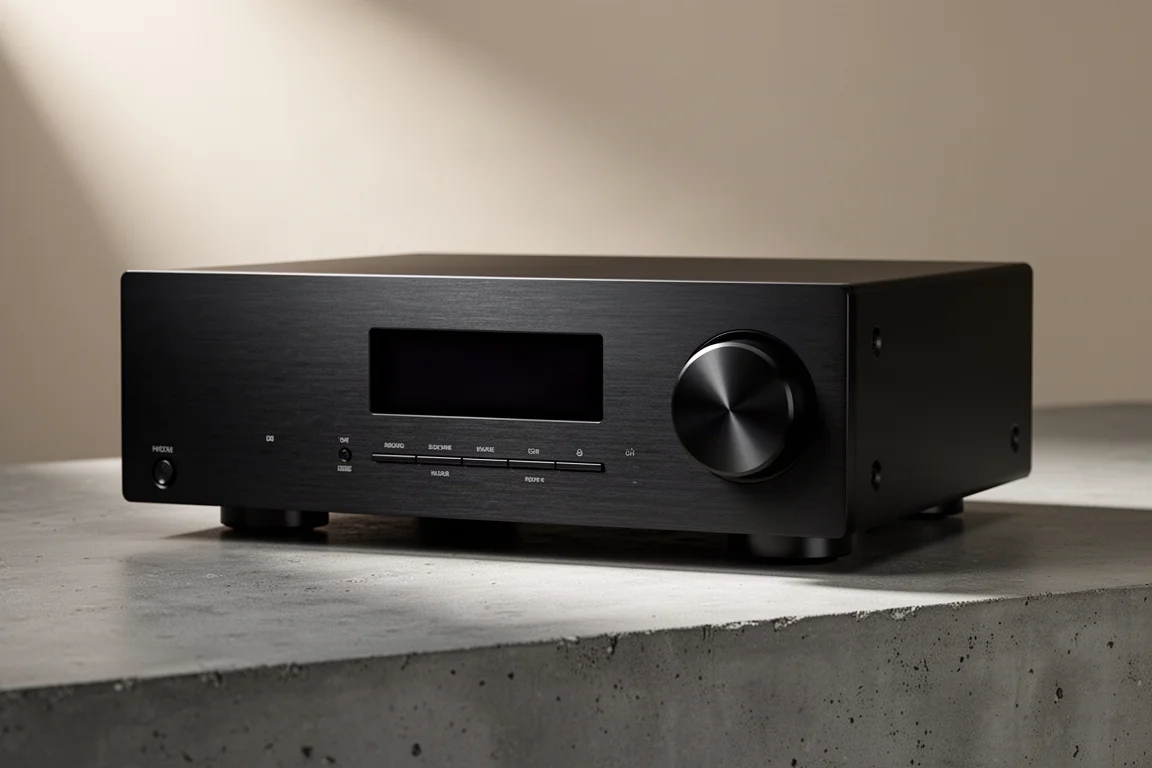
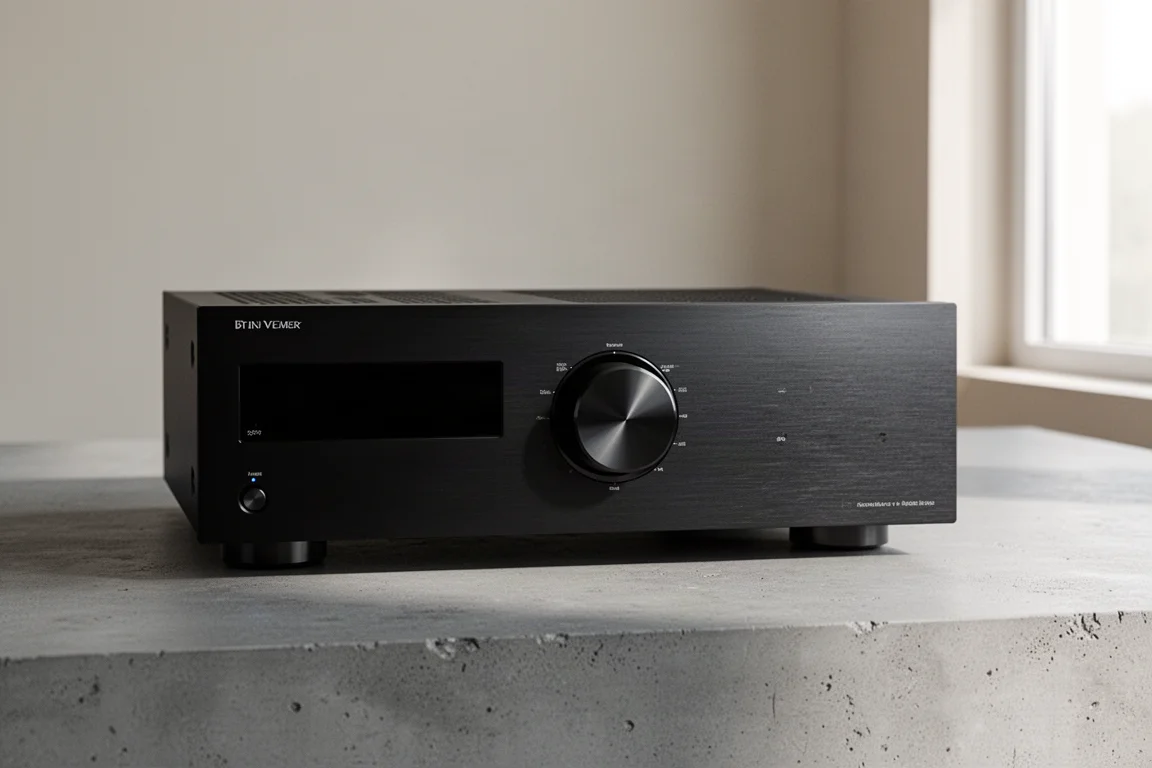
Moving up to the STR-AZ3000ES brings a receiver that weighs just shy of 43 pounds, which is substantial for a nine channel design. Power rises to 110 watts per channel, but the bigger story is the hardware underneath: the top three models in the lineup use a far more capable power supply and amplifier section, and that shows up in how confidently they drive demanding speakers.
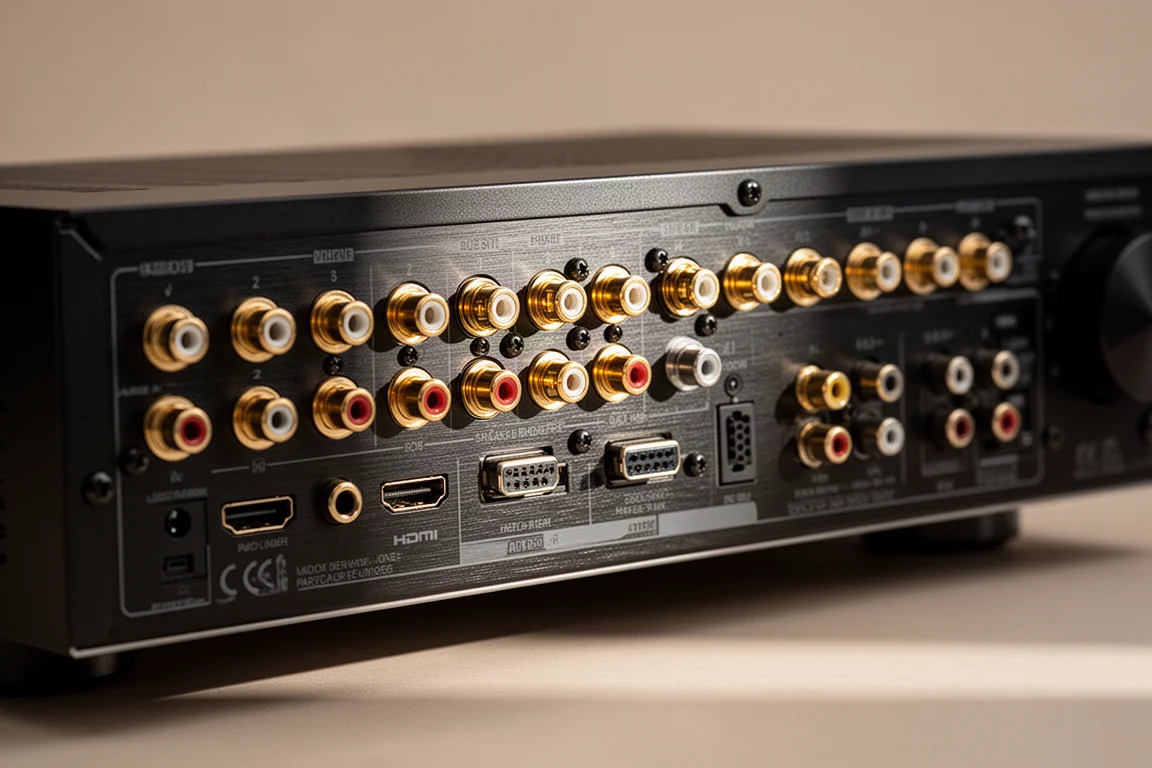
Connectivity grows as well. The AZ3000ES offers four 8K inputs plus two 4K inputs, an additional analog audio input for four in total, two optical and one coax digital input, and a trigger output that can be used for something like a drop down screen.
With nine powered channels you can build a popular Atmos layout of four height speakers and a pair of surrounds, then switch on Sony’s phantom surround processing to simulate eleven channels. Channels eight and nine offer the same flexible assignment options found on the AZ1000ES. The one limitation is that there are no preamp outputs on board for the nine channel processing, so there is no route to adding a power amplifier later.
For a room that needs four height speakers and a pair of surrounds, the nine channels are enough on their own. Buyers who already know they will want more channels down the road should look at the next model up.
Sony STR-AZ5000ES: 11 Channels and Preamp Outputs on Every Channel
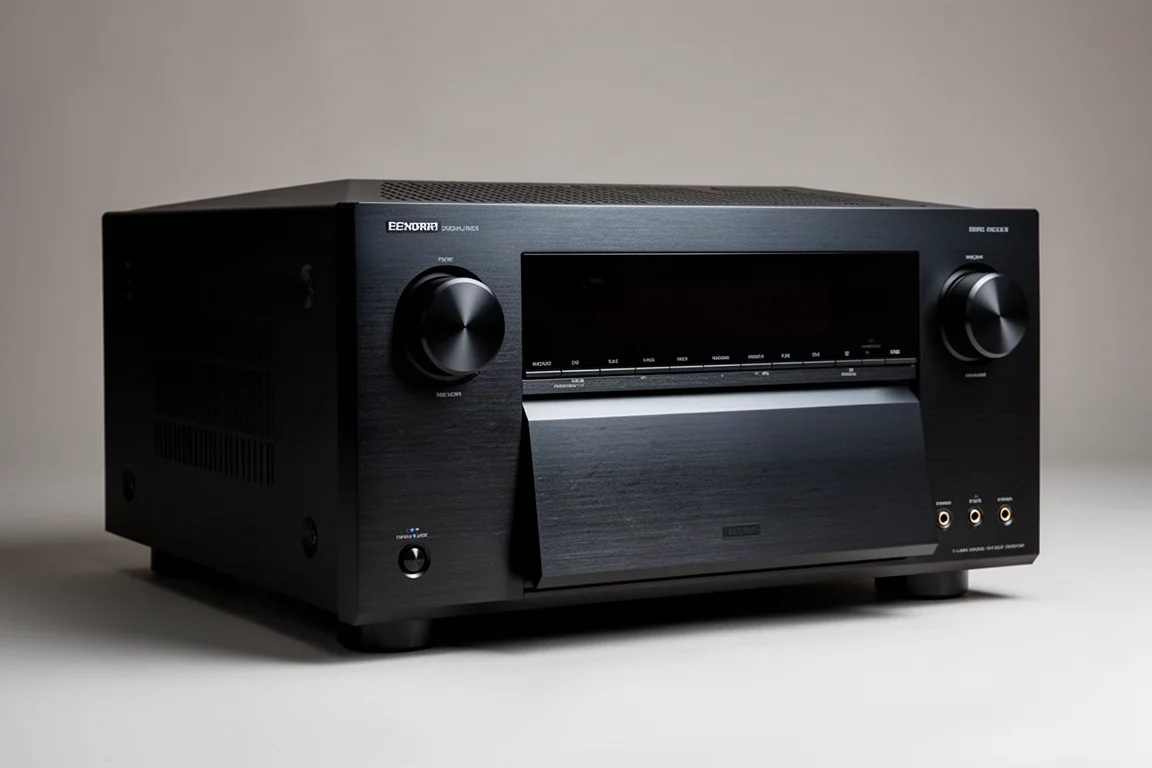
The STR-AZ5000ES raises power to 120 watts per channel and builds in eleven channels, and it keeps everything the AZ3000ES offers. The important addition is preamp outputs for every channel, which means any channel can be handed to a larger power amplifier later without replacing the receiver.
This model also adds a 4K HDMI input on the front panel for quick temporary connections, and the trigger count rises to three, enough to switch on additional power amplifiers. It introduces Dual Center Channel, a feature that uses two center speakers, one above and one below the screen, to place the center image in the middle of the display. The receiver’s distance data is what makes that alignment possible, but the trade off is that a pair of height channels has to be given up to do it.
Sony STR-AZ7000ES: 13 Channels at the Top of the Line
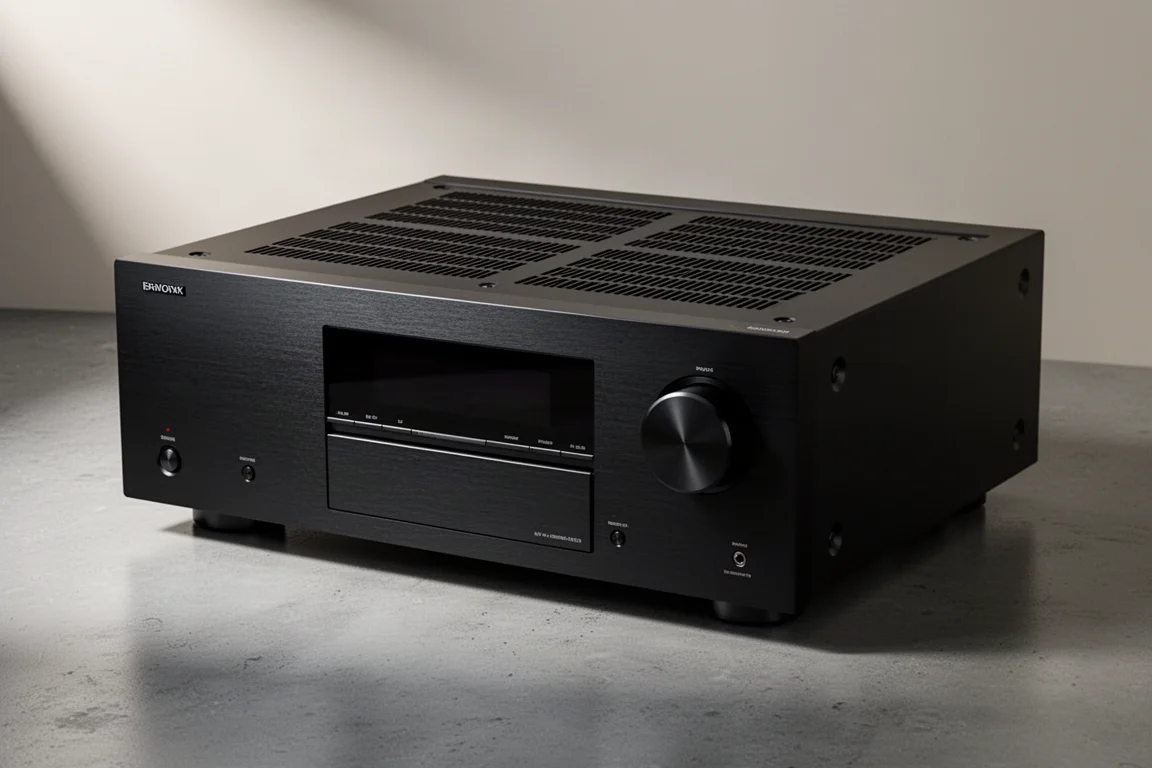
At the top sits the STR-AZ7000ES, with thirteen powered channels, 140 watts per channel, a chassis approaching 50 pounds, and an even larger power supply than the AZ5000ES. The two extra channels can be used as front wides or as a third pair of height speakers. If you prefer the Dual Center Channel approach, you simply lose the middle height speaker option instead, which may be the better compromise in many rooms.
Every amplifier channel has a preamp output, so external power remains an option, though the onboard amplification is unlikely to leave you needing it. The AZ7000ES can also anchor a whole house audio system: height 3 can power Zone 2 and the surround backs can drive Zone 3, while nine channels remain for the home theater.
That combination of channel count, power and zone flexibility is what separates the flagship from the rest of the range. It is a large, heavy receiver, and it is built for rooms where the speaker count justifies it.
Listening Impressions and Immersion Features
Two channel listening on the STR-AZ5000ES was a genuine surprise. The presentation was open and effortless, with a warmth that came close to a tube character, and it stayed musical in a way home theater receivers often do not. It does not deliver the ultimate bass control of a high end reference amplifier, and it does not match the rhythm and pacing of a dedicated British integrated amp, but neither is a fair expectation for an AV receiver.
In a demonstration theater running a 5.1.4 speaker system with a high mounted screen and no rear speakers, Atmos effects tracked cleanly across and above the listening position, and the immersive field held together well. The processing power and the extra distance data clearly do real work.
The immersion features themselves are a mixed bag. Center Channel Lift does move dialogue upward, but even at its smallest setting the processing introduced a slightly out of phase quality, so listeners who are sensitive to phase accuracy may prefer to leave it off. Phantom rear processing was more convincing: it creates a larger sense of sound behind the listener, with some added phase effects, and most people without rear speakers will likely enjoy what it does. It can be switched between concert and movie modes depending on the material. Dual Center Channel was not tested here, and it remains an interesting option for systems with very tall screens.
Buying Advice: Matching a Model to Your Room
The STR-AZ1000ES is the model most systems will gravitate toward. Seven channels cover a conventional Atmos layout, channels six and seven can be repurposed as heights, surround backs, a powered third zone, or a front bi amp, and the wireless surround speaker support solves the wiring problem in apartments and open living rooms.
Step up to the STR-AZ3000ES when you need nine channels for four height speakers plus surrounds, or when your speakers benefit from the stronger amplifier section. Step up again to the STR-AZ5000ES if eleven channels or a clear path to external amplification matters, and choose the STR-AZ7000ES if you want front wides, a third pair of heights, or a single component that can also run a whole house audio system.
Two features deserve a cautious approach. Using the speakers in a compatible Sony TV as a center channel works, but a dedicated center speaker will always be the better choice if you have the space. Phantom rear processing is a reasonable substitute when rear speakers are impossible, though it is a simulation rather than a replacement for real channels.
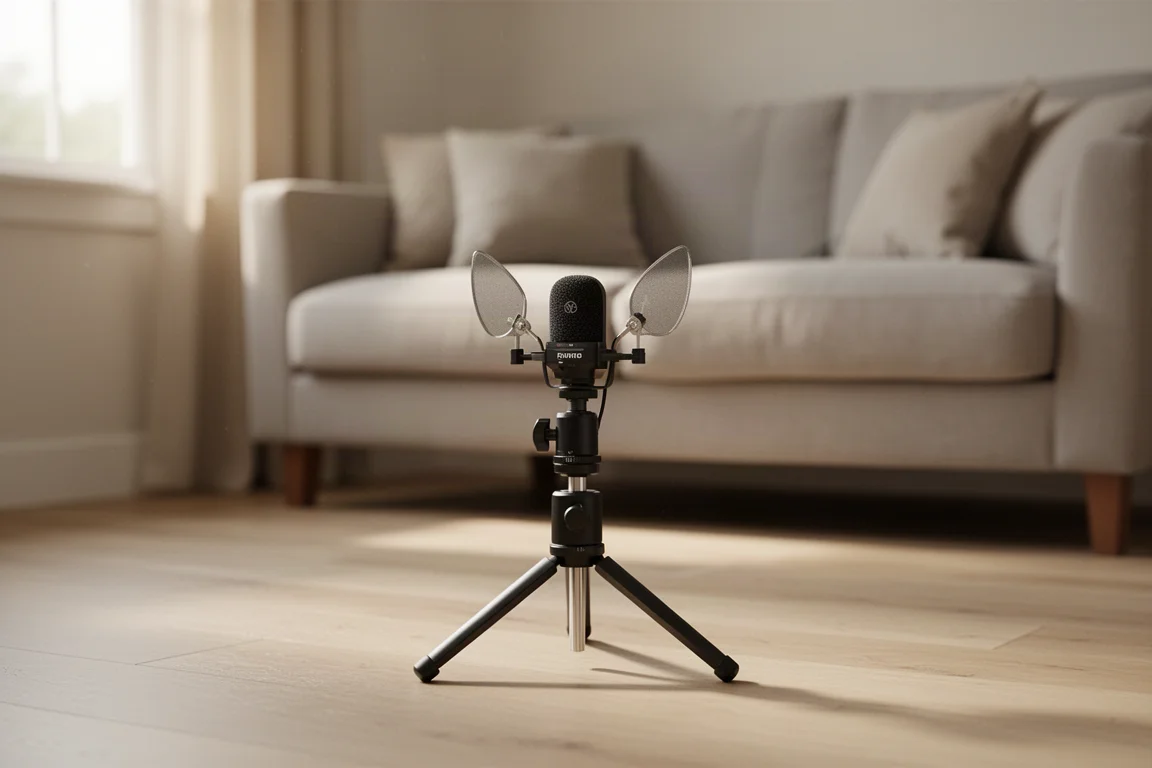
Whatever the model, plan for the setup process. Budget time for the distance measurements, keep a tape measure and a tripod on hand, and recheck the calibration results afterwards. The extra data these receivers ask for is what allows the spatial mapping and center channel processing to work, so it is worth doing properly rather than rushing through.
Conclusion
The new ES lineup covers a wide range of rooms without asking anyone to compromise on the shared feature set. Every model supports Dolby Atmos and DTS:X, 8K and 4K 120 HDMI, the full streaming and voice control package, and Sony’s wireless speaker ecosystem. From the AZ3000ES upward, the build quality and amplifier sections are the real story, and the flagship AZ7000ES is a genuinely large piece of hardware for listeners who need thirteen channels.
Match the channel count to your speaker plan, decide early whether you want preamp outputs, and the choice between the four becomes straightforward.
Further reading
Related Reviews
AV Receivers
Anthem MRX 740 8K Review: Composed Home Theater Sound With a Few Rough Edges
A close look at Anthem's mid-tier MRX 740 8K receiver, covering its sound, ARC Genesis room correction, HDMI 2.1 features and the daily quirks worth knowing before you buy.
AV Receivers
Anthem MRX 740 vs MRX 1140: Which AV Receiver Fits Your System?
A measured look at the Anthem MRX 740 and MRX 1140, covering preamp output performance, amplifier behaviour, bass management, and expansion headroom.
AV Receivers
Best AV Receivers for Home Theater: Denon, Onkyo, Marantz and Yamaha Compared
Four home theater receivers compared on features, sound character, setup and value, with clear guidance on which one fits which kind of buyer.