Home Theater Audio
Sony Bravia Theater Trio Review: How the Trio, Sub 9, Rear 9 and Quad Compare
A practical look at Sony's new Bravia Theater Trio package, plus how the Sub 9, Rear 9 and Quad compare for real living rooms.
Introduction
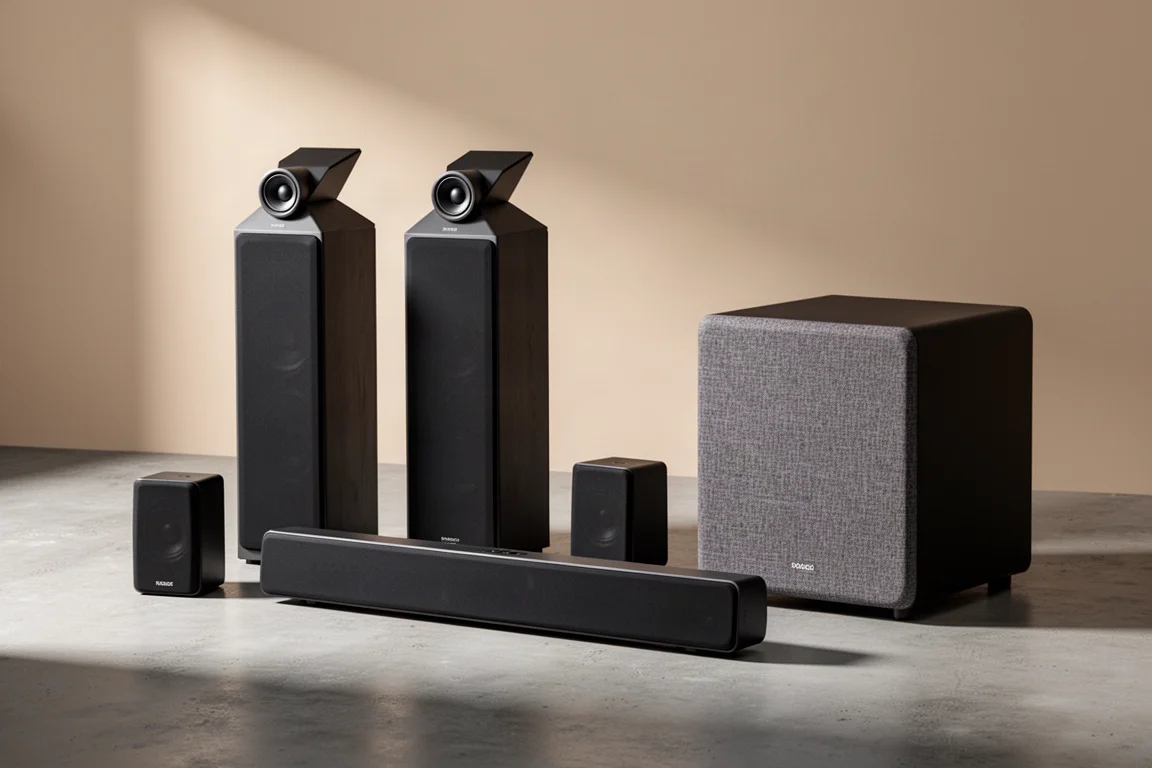
Sony’s Bravia Theater Trio is a three-speaker package that can be used on its own or as the anchor of a much larger Sony system. Buyers can add the Bravia Theater Rear 9 surrounds and up to two of the company’s new subwoofers. That flexibility is the entire pitch: the dedicated center channel and the bigger subwoofers that home theater enthusiasts have been asking Sony for, without the AV receiver box. This guide covers what each piece contributes, where the trade-offs land, and how the numbers work out once the system is fully built.
What the Sony Bravia Theater Trio Actually Is
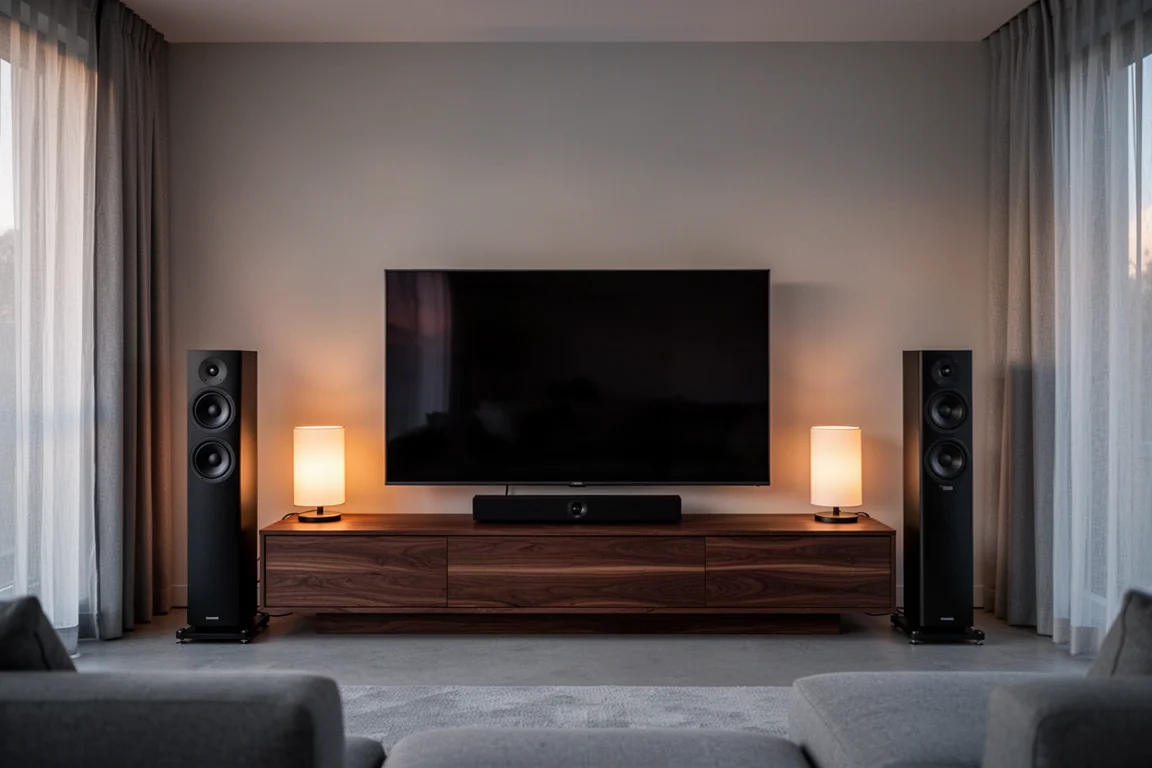
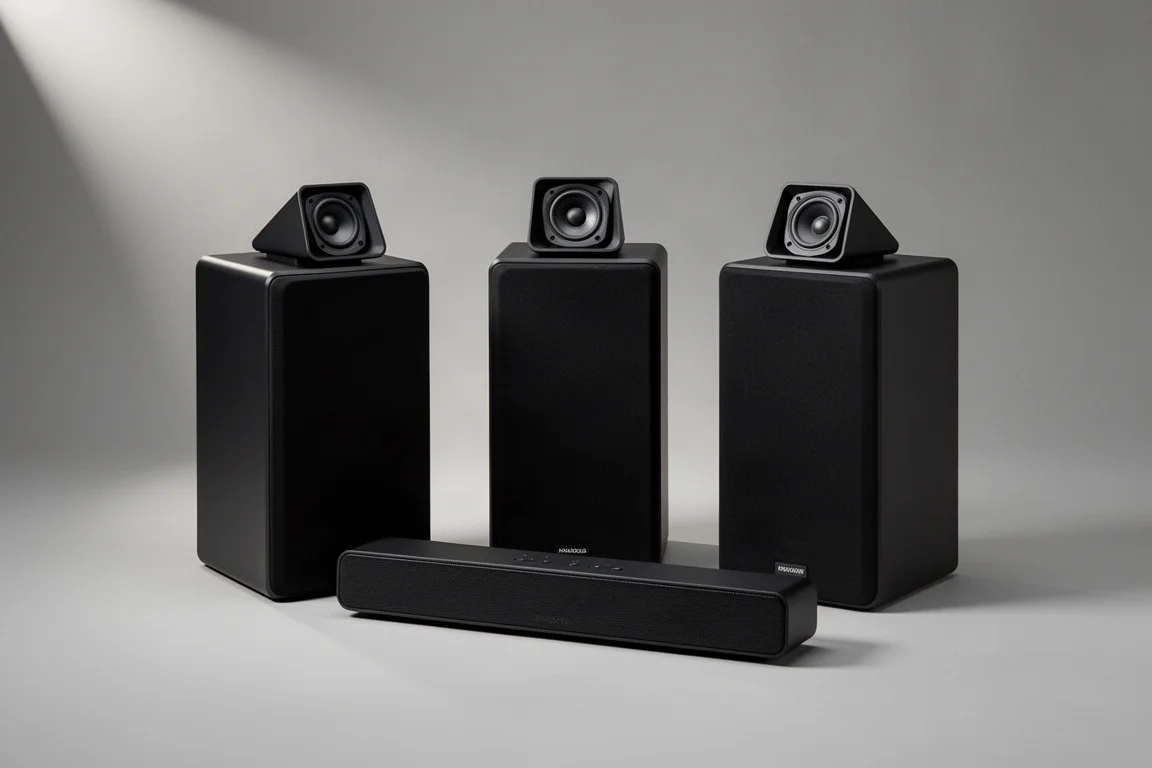
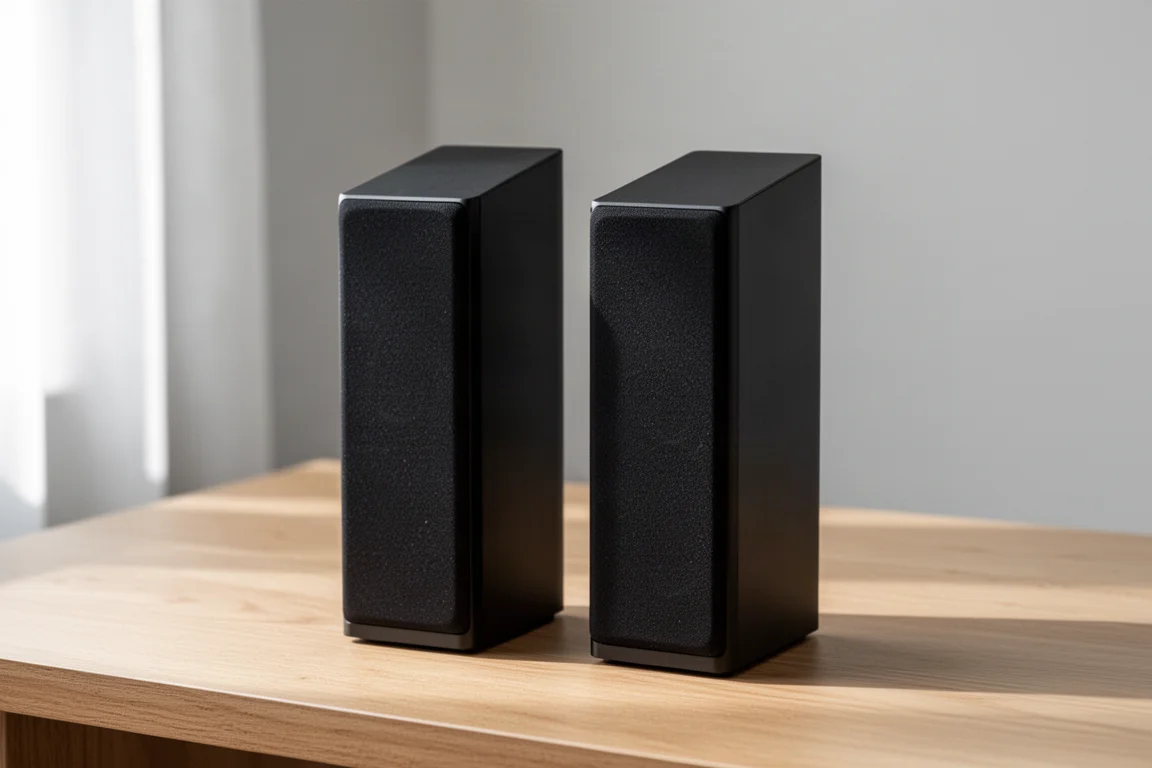
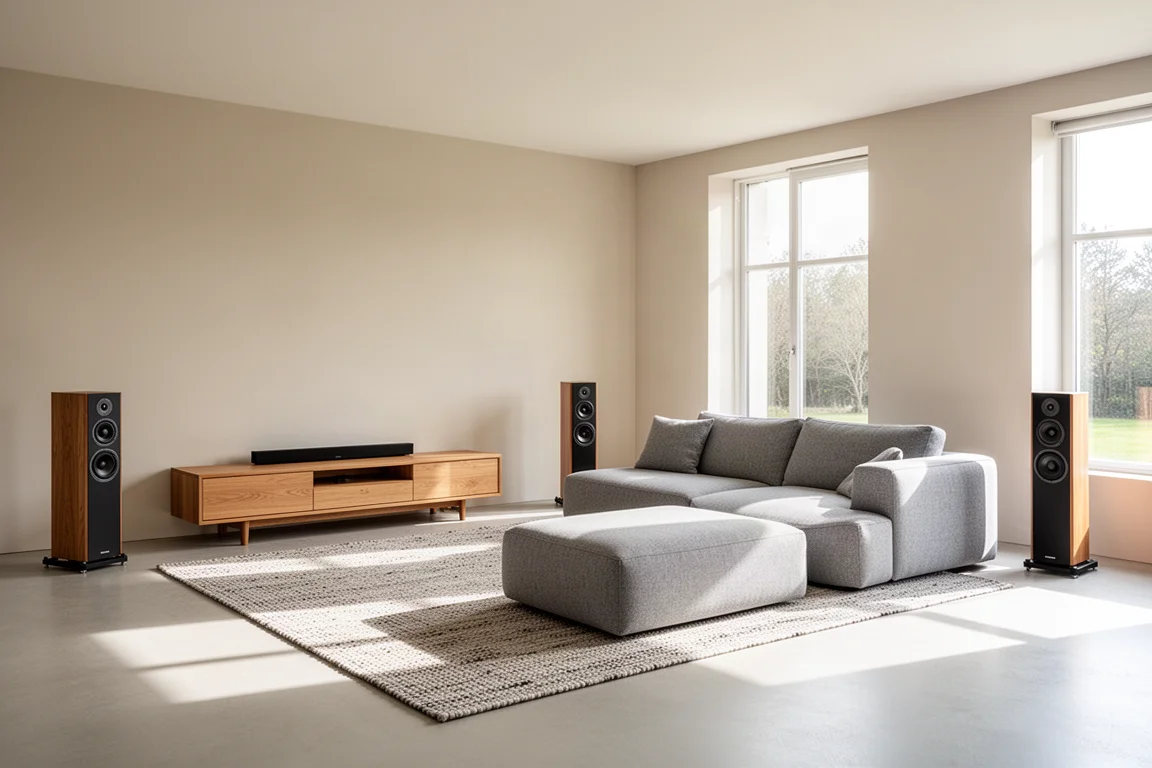
The Trio is an all-black three-piece package: matched left and right front speakers with upward-firing Atmos drivers, plus a slim center speaker that also serves as the system controller. That center adds an HDMI input capable of passing signals up to 8K60. Two features from the Quad’s controller are missing here: there is no Ethernet port, and Sony’s S-Center sync input is gone.
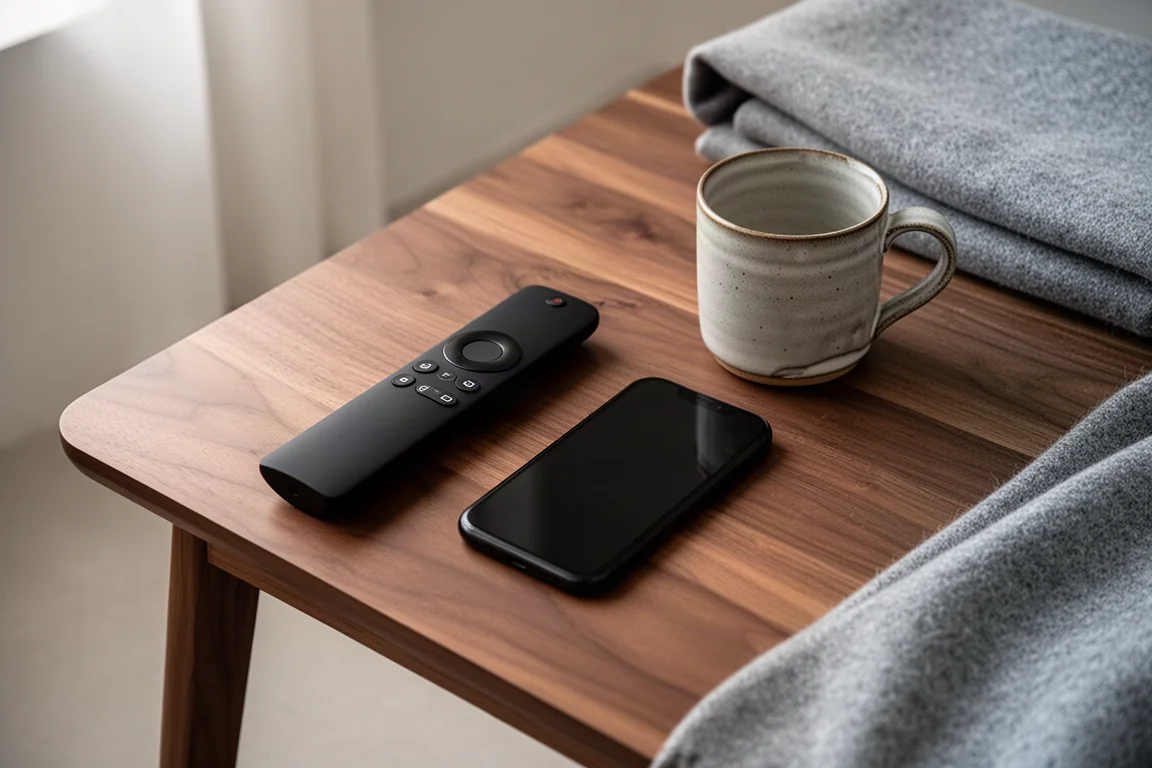
Setup runs through the Bravia Connect app. A remote is included, but most of the process happens on a phone. Getting the Trio onto a Wi-Fi network is straightforward, and the app also detected the Rear 9 surrounds and both Sub 9 units as they were added.
Once connected, the app prompts for 360 Spatial Surround mapping. It can be run with the phone’s built-in microphone or with the USB-C calibration microphone included in the box. Both routes produced broadly similar results, so the simpler phone option is a reasonable starting point. One practical note for Apple users: the included calibration mic requires a USB-C iPhone, so older Lightning-based models cannot use it.
Subwoofer support has changed as well. Sony now allows two subwoofers, but they must be the same model, with no mixing and matching. Dual sub support is limited to the newer Sub 7, Sub 8 and Sub 9. The earlier SW5 will work with the Trio, but only as a single unit. Whatever the configuration, the Trio wants a subwoofer in the chain.
Sony Bravia Theater Trio: Strengths and Trade-offs
Without a subwoofer, the Trio sounds acceptable but not complete. The front speakers do not have much meaningful bass reach on their own, and the overall balance leans upper-midrange and treble-forward. Some listeners will enjoy the crisp top end because it can make dialogue easier to follow, but thin or bright is a fair description of the bare Trio.
Where it does well is lateral spread. The Trio stretches sound across the front of a room better than most mainstream soundbars. Placement is less forgiving than a soundbar, though. Left and right mains placed roughly 12 feet (about 3.5 meters) apart was the practical limit before audible gaps appeared across the front, even with the center handling the middle. Virtual height effects were convincing, but when the mains sat too far apart, the center’s lack of upward-firing drivers affected overhead coherence.
The dedicated center is the headline addition, and it does anchor dialogue to the screen. Dialogue mode sharpens intelligibility further. The trade-off is tone: the smaller center can lack body in some vocal ranges, particularly without a subwoofer in play. On natural tone, weight and coherence across the front, the Quad’s phantom center remains the more convincing presentation. Because the app offers no basic treble controls, that forward character cannot be dialled back directly. The Trio makes the most sense as the starting point of a larger Sony system rather than a complete system on its own, and at nearly $2,200 that distinction matters.
Sony Bravia Theater Sub 9: A Bigger, Better Sony Subwoofer
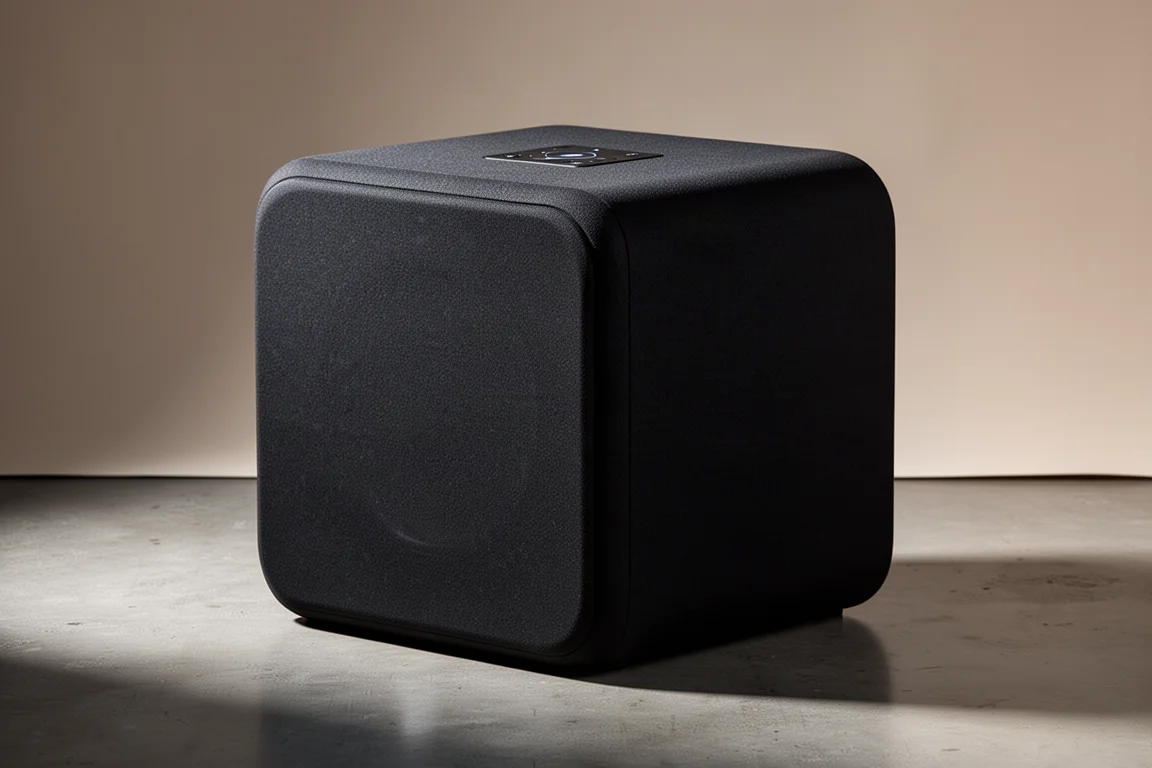
The Sub 9 retails just under $900 and is the largest of Sony’s new subwoofers. It weighs over 50 pounds, measures nearly 16 inches, and uses dual opposing 8-inch drivers with 600 watts of power. In a room it grounds the Trio immediately, giving the front speakers the weight they lack and producing a fuller, more seamless presentation.
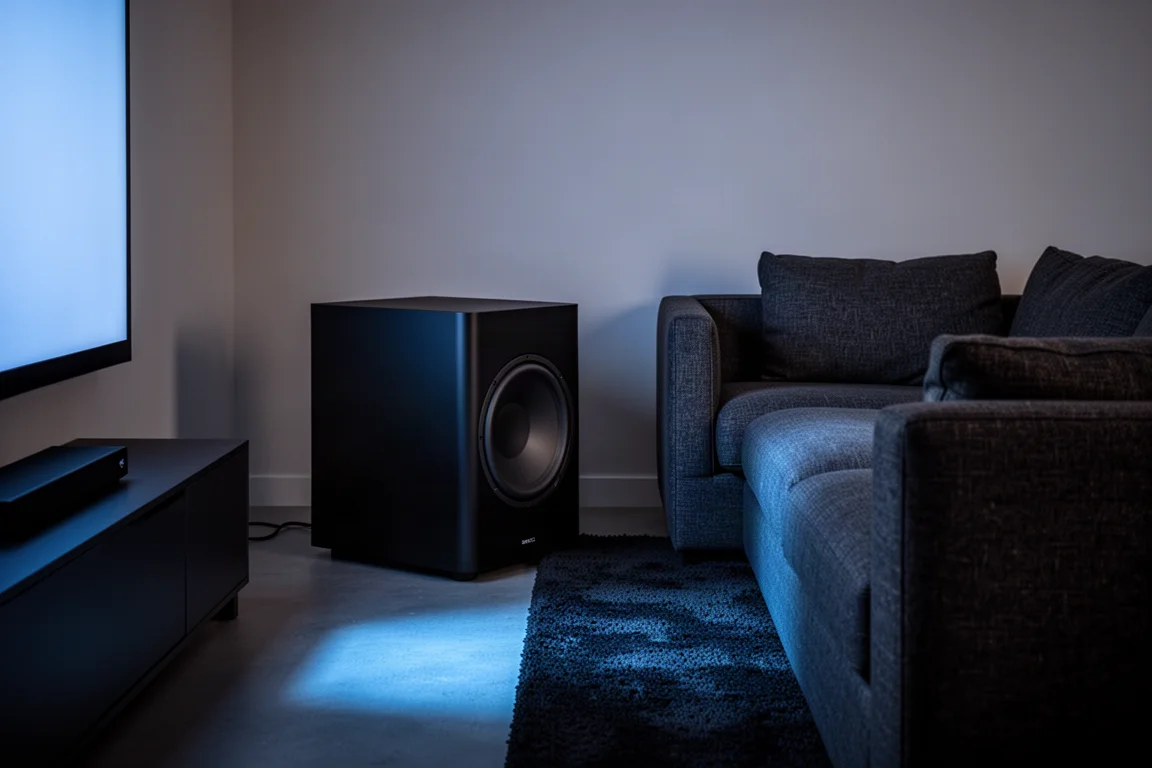
Two Sub 9s placed on opposite sides of the room produced a smoother, more even bass response than a single unit. Sony’s overall tuning has a distinctly V-shaped quality: bass is big and bold, and combined with the Trio’s sharper highs, action-heavy movie scenes sound genuinely exciting.
The Sub 9 is also the answer to one of the longest-running complaints about Sony’s wireless theater systems, and mostly a successful one. It plays lower than the SW5 and is better built, but it keeps a similar peaky character around 40 to 50 Hz, so the extra depth may not stand out to every listener. The gains are more size, more output, more impact and better build quality rather than more nuance. Lowering the bass control a little lets more of the Trio’s detail and texture come through. It is also not a subwoofer that hides easily, and two of them take up real space, which works against the tidy look that makes lifestyle systems appealing.
Sony Bravia Theater Rear 9: Completing a 5.2.4 Layout
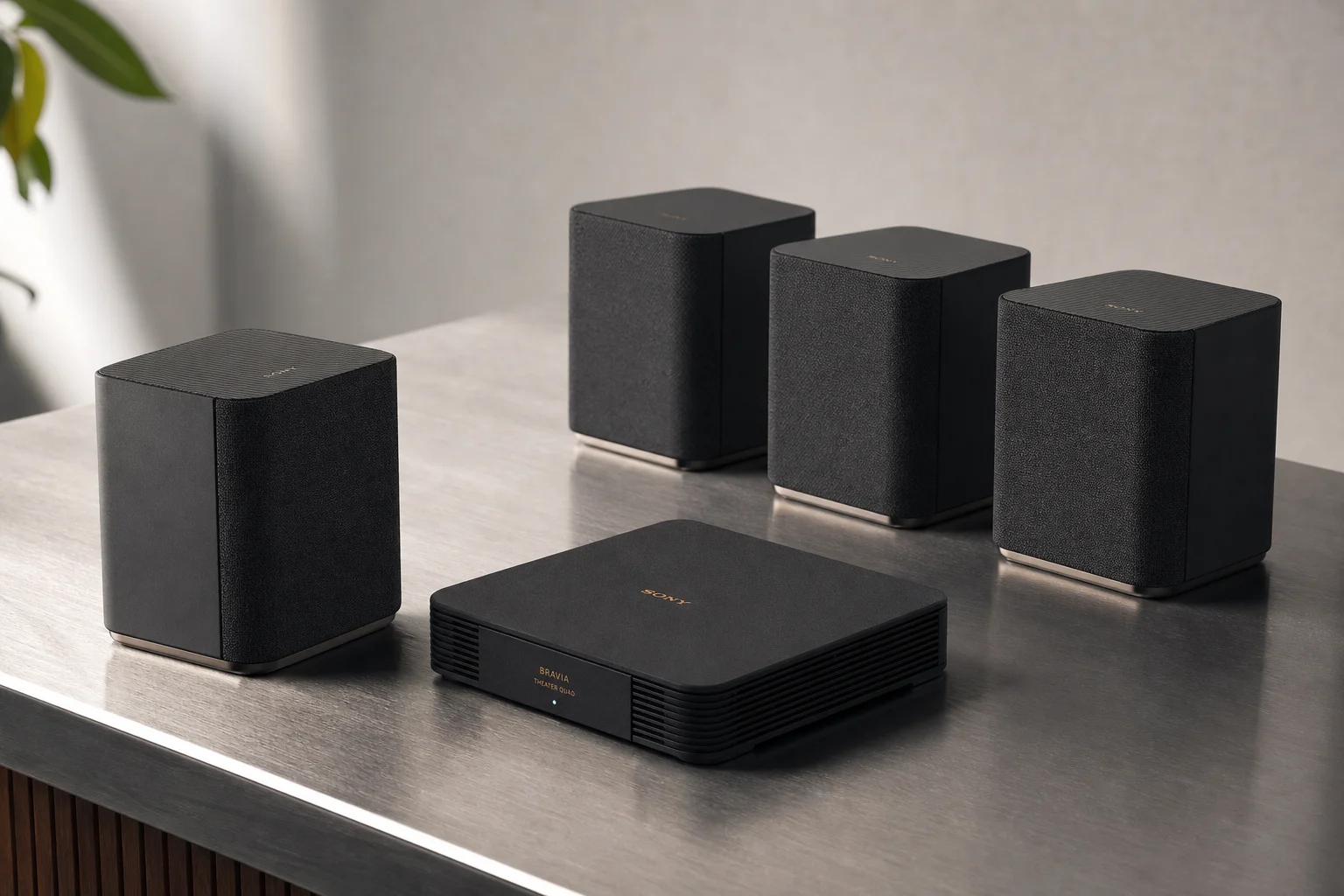
The Rear 9 surrounds are what turn the Trio from a front-stage system into a full one. Combined with the Trio and two Sub 9s, the result is a wireless 5.2.4 Dolby Atmos setup. As with the Quad, every connected speaker contributes to building the sound field rather than firing in isolation.
With all speakers and both subwoofers placed symmetrically in a 450 square foot room, the tone filled out, the scale grew, and the Trio finally sounded like one coherent system instead of a collection of parts. That is the configuration where the platform makes its strongest case. Placement takes more thought than it did with the Quad because the speakers are not identical, so the layout deserves more planning than a simple four-corner arrangement.
Upgrade paths are worth understanding before buying. The Rear 9 pairs with the Trio and the wider Bravia Theater range, and dual subwoofer support is restricted to the newer Sub 7, Sub 8 and Sub 9 models. Mixing an older SW5 with a new subwoofer is not possible, so matching pairs are the rule.
Sony Bravia Theater Quad: Still the Most Natural Sony System
The Bravia Theater Quad remains Sony’s better home theater in a box when no subwoofer or surrounds are added, and it originally delivered a legitimate Dolby Atmos system for less than $3,000. It is also still the more natural sounding of the two when compared directly. The Quad’s phantom center is less forward and less bright than the Trio’s dedicated center, which most listeners will read as more balanced. The Trio’s center is a little more intelligible, but that advantage comes with a tonal cost.
The new Sub 9 works with the older Quad, so existing owners have a clear upgrade path: improve the bass first. The catch is that the Quad still supports only one subwoofer. Running two requires stepping up to the Trio, and even then the two subs must match. Pairing the Quad with the new Sub 9 is the better value and the more natural sounding combination, and since the user experience between the two systems is essentially the same, replacing an entire Quad setup is rarely necessary. Placement is also easier to get right with the Quad’s matching speakers, and its spatial reproduction was already excellent.
Living With the Trio: Tuning, Content, and Day-to-Day Control
At its best, with the Rear 9s and Sub 9s in place and the right content playing, the Trio can sound epic. Even in a large room it can feel as enveloping as a comparably priced separates system, without the usual home theater clutter. The catch is how narrow that window is. The strongest results came in Sony’s 360 sound profile at movie-theater-like volumes, while other presentations were more hit or miss.
Content matters just as much. Older non-Atmos material, including television shows made decades ago, could sound aggressive even with Sony’s spatial processing engaged. Switching off the upmixing and theater acoustics mellowed the presentation considerably, but it also removed scale and low-mid bass impact while the forward tonal character crept back in.
The bigger issue is control. The app offers no more customization, tuning flexibility or adjustment than Sony’s previous systems, some of which date back five or six years. For a system at this price, the limited toolkit is a real consideration for anyone who likes to fine-tune.
Buying Advice: What the Full System Costs and What Else Fits the Budget
The fully built configuration, with the Trio, Rear 9 surrounds and two Sub 9s, retails for over $4,700. That is no longer a cheap route into home theater; it is real home theater money, and at that level a receiver-based setup with five or seven speakers and a subwoofer can match or beat the performance for less. A 5.1 speaker package at just over $1,500 paired with a receiver and two pairs of height speakers delivers a 5.1.4 Atmos layout below the cost of the full Trio system, and adding a second subwoofer for 5.2.4 still lands around $4,000. Staying inside Sony’s own ecosystem, an A-100 ES receiver with a speaker package, Atmos modules and two subwoofers comes in around $4,400, trading wireless convenience for more inputs, traditional bass management and a more flexible upgrade path.
Lifestyle alternatives deserve a look as well. A complete Bose system with a subwoofer and surrounds comes in at $2,596 before tax and is easier to set up and easier to live with, with a clear, natural presentation. On a tighter budget, a compatible-TV system with four speakers and a subwoofer delivers a 5.1.4 experience for roughly $1,500. The Trio still requires placing multiple speakers, buying stands, managing power cables and thinking through layout, so the simplicity argument only goes so far.
Conclusion
The Bravia Theater Trio delivers exactly what a vocal group of Sony owners asked for: a dedicated center channel and bigger, better subwoofers, with processing borrowed from Sony’s receivers but without the heavy AV receiver box. Fully built out with the Rear 9 surrounds and Sub 9 subwoofers, it can sound genuinely cinematic. But it reaches that level under specific conditions, the app leaves little room for tuning, and the complete system costs more than several well-regarded alternatives. Buyers who want the Sony ecosystem and will use it primarily for movies can feel confident building it out over time, starting with a subwoofer. Buyers who want one system that is easy to live with across every kind of content should compare carefully before committing.
Further reading
Related Reviews
Home Theater Audio
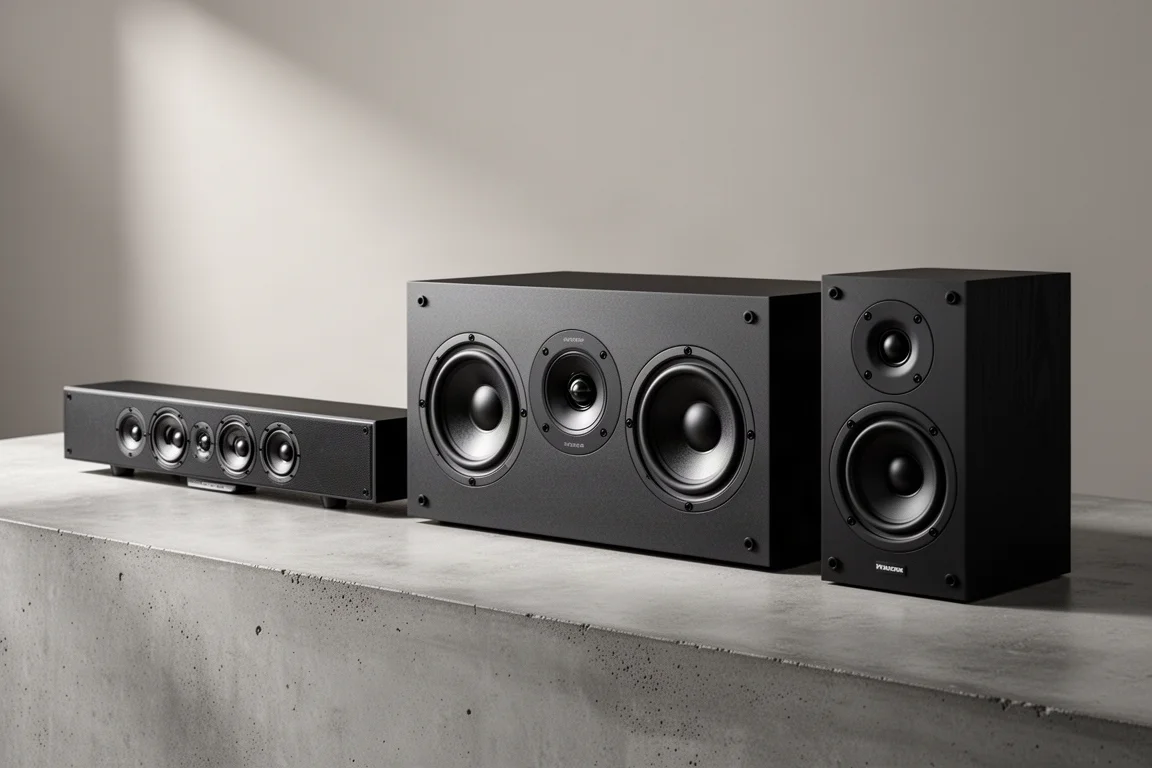
Best Center Channels for Home Theater: Six Designs and What Off-Axis Data Reveals
A practical guide to center channel design, covering six speaker options, why off-axis response matters, and how to choose for your seating layout.
Home Theater Audio
Dolby Surround vs Auro-Matic vs DTS:X: Comparing Three Upmixers for Two-Channel Music
A practical comparison of the Dolby Surround Upmixer, Auro-Matic and the DTS:X upmixer, covering how each one treats two-channel music, the settings that change the result, and the trade-offs to weigh before you commit.
Home Theater Audio
Dolby Surround vs DTS Neural:X vs Auro-Matic: Comparing 5.1 Music Upmixing
A practical comparison of Dolby Surround Upmixer, DTS Neural:X and Auro-3D Auro-Matic on a lossless 5.1 music mix, with the strengths and trade-offs of each.