Home Theater Audio
Sony Bravia Theater Quad vs HT-A9: Is the Upgrade Worth It?
How the Sony Bravia Theater Quad improves on the HT-A9, where the older four-speaker system still holds up, and who should consider making the move.
Introduction
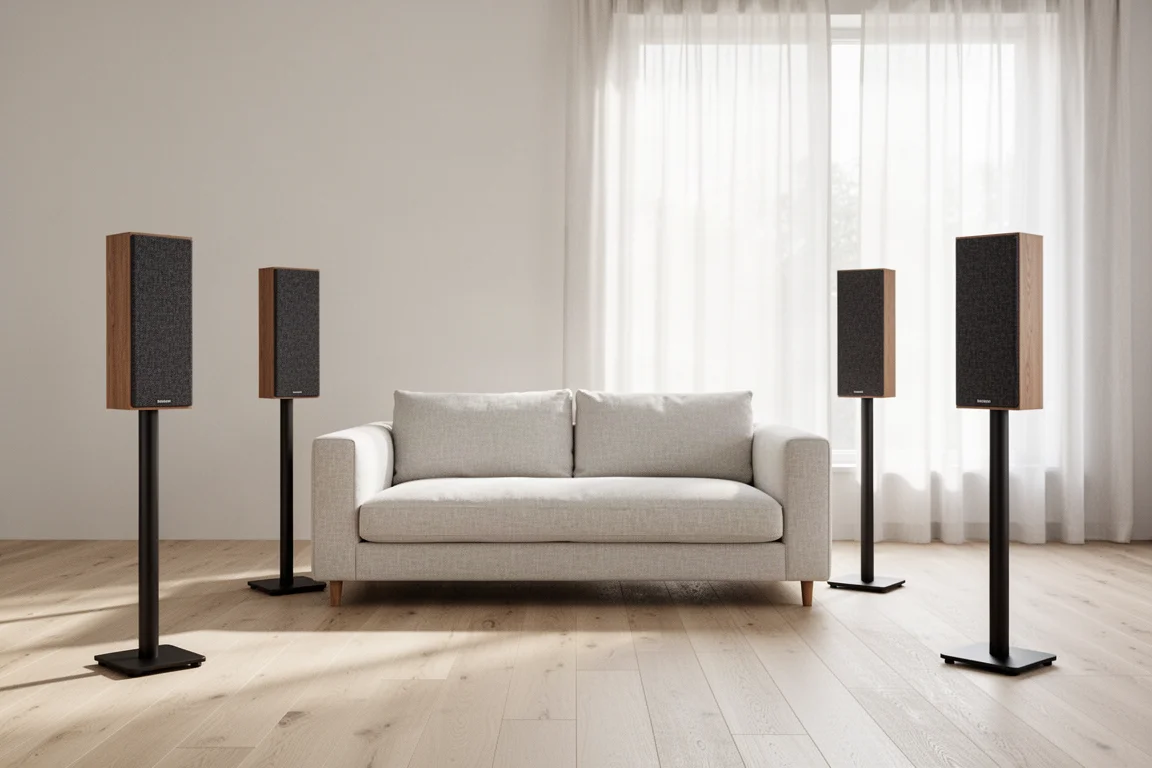
The Sony Bravia Theater Quad is the successor to a system that changed how a lot of people think about home theater. Four discrete speakers, no soundbar, no dedicated center channel, and a processing engine that places sound around the room. The question now is whether the newer system does enough to justify replacing an HT-A9 that still works.
The honest answer is that the Quad is not a radically different product, but it is a different one. It uses a new speaker design, a new wireless implementation, and a refreshed app experience. Whether that adds up to a worthwhile upgrade depends on what you already own and what you have been living with.
How the Bravia Theater Quad and HT-A9 Differ
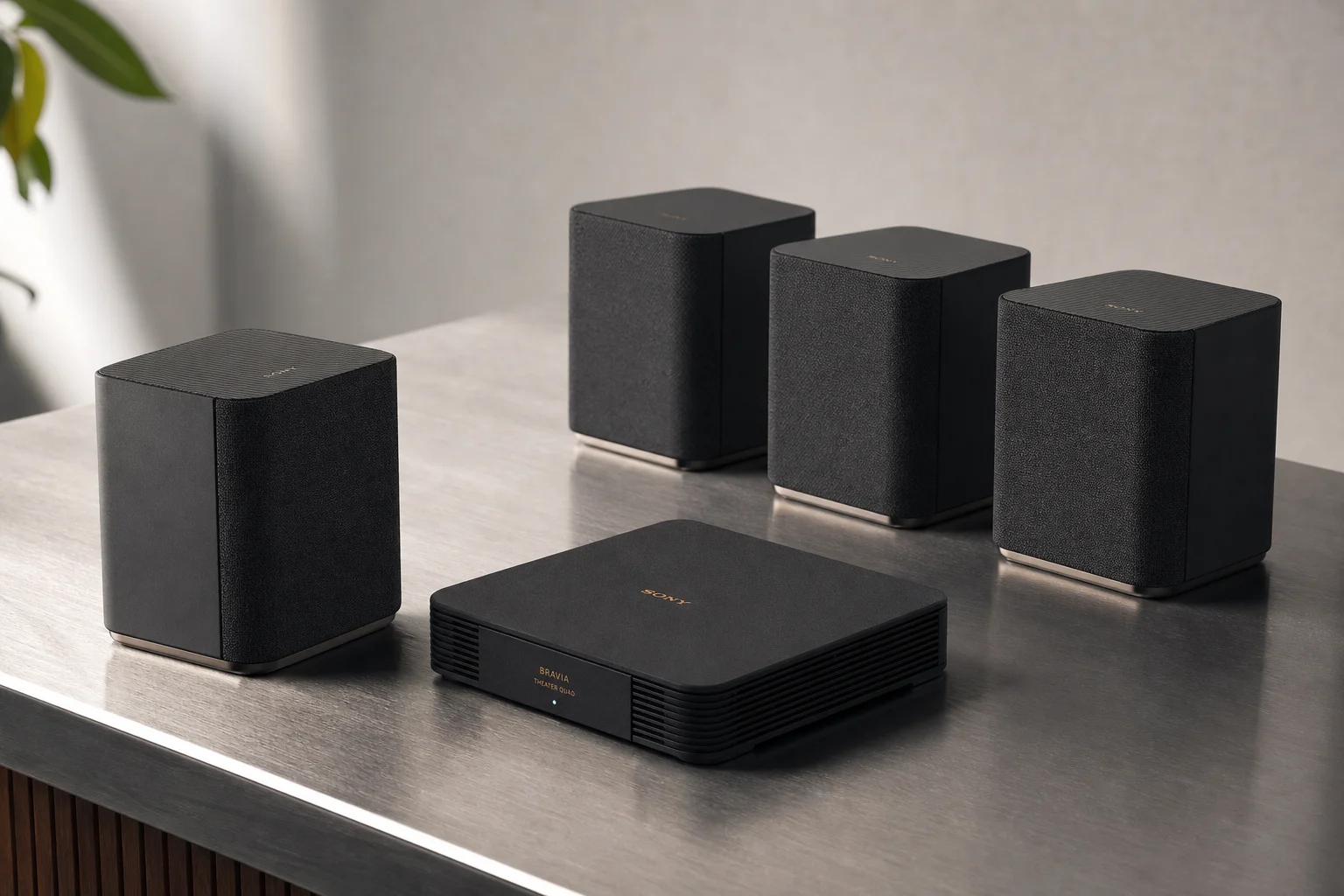
Both systems share the same basic idea: four speakers, Sony 360 spatial mapping, and a subwoofer that is sold separately. The differences sit in the hardware and the wireless layer.
The Quad uses flat, three-way speakers instead of the cylindrical two-way speakers of the HT-A9. It also runs different Wi-Fi protocols and newer antennas, which matters if the older system has ever suffered from dropouts or connectivity issues in your home. The app experience has been improved as well, though the overall user experience is not radically different.
In practice, that makes the newer system easier to live with day to day rather than dramatically different in character. The same subwoofer options carry over, so anyone upgrading is not starting over with bass.
Sony Bravia Theater Quad: What the Newer System Gets Right
The three-way design is the headline change on the audio side. It allows for a more even response with a little more mid-range linearity and neutrality than the HT-A9, and the result is a presentation that sounds more linear and less peaky across the range.
The phantom center is a genuine strength. Dialogue stays intelligible even when sitting off to one side rather than dead center, and the system offers a height of center image adjustment in the app that makes a noticeable difference depending on how it is set. Voice Zoom is available as an on/off control on the remote, and it helps at low volume, where it lifts treble detail in a way that resembles an old loudness button.
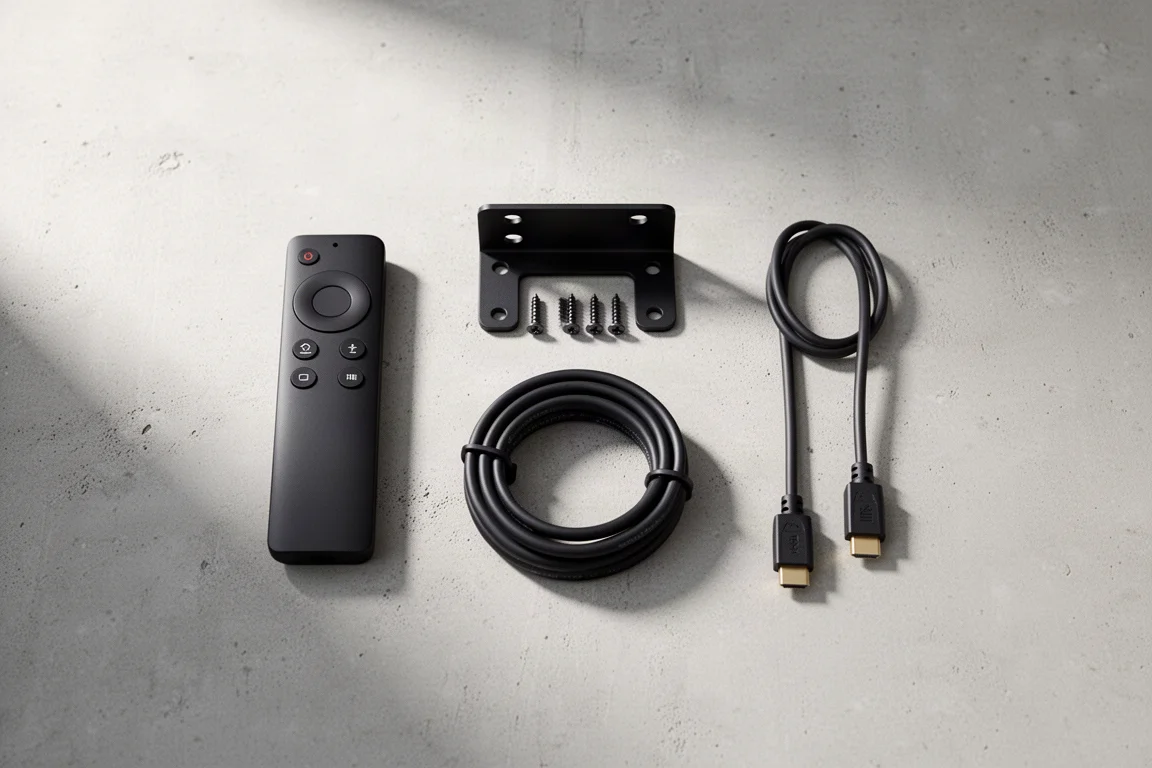
Placement is flexible. Wall-mount brackets and the necessary hardware are included in the box, so mounting the speakers is not a compromise, and the system was clearly designed with it in mind.
Sony HT-A9: What the Original Still Delivers
The HT-A9 is the system that introduced this approach, and it still does the core job well. It uses four cylindrical two-way speakers with the same 360 spatial mapping, and it works with the same Sony subwoofers.
Its limitations are mostly practical. The older wireless hardware has been more prone to dropouts and connectivity issues for some owners, and the app experience is a step behind the newer system. Sony has stated that its engineers continue to collaborate with Sony Pictures, Sony Music, and industry partners on emerging trends and formats, and that the HT-A9 received a feature and functionality update in fall 2023, two years after its 2021 launch.
Placement and Calibration in Real Rooms
Placement is more forgiving than the marketing of either system suggests, but it is not irrelevant. Good placement still gets more out of any spatial processing, and the rear speakers can sit directly behind the listener, slightly to the side, or further to the side and still produce convincing results.
Whatever you try, rerun the calibration after moving a speaker. The calibration matches the rear speakers to the rest of the system, and once it has run you can adjust the rear level to taste. Moving a speaker without recalibrating leaves the system working from the wrong measurements.
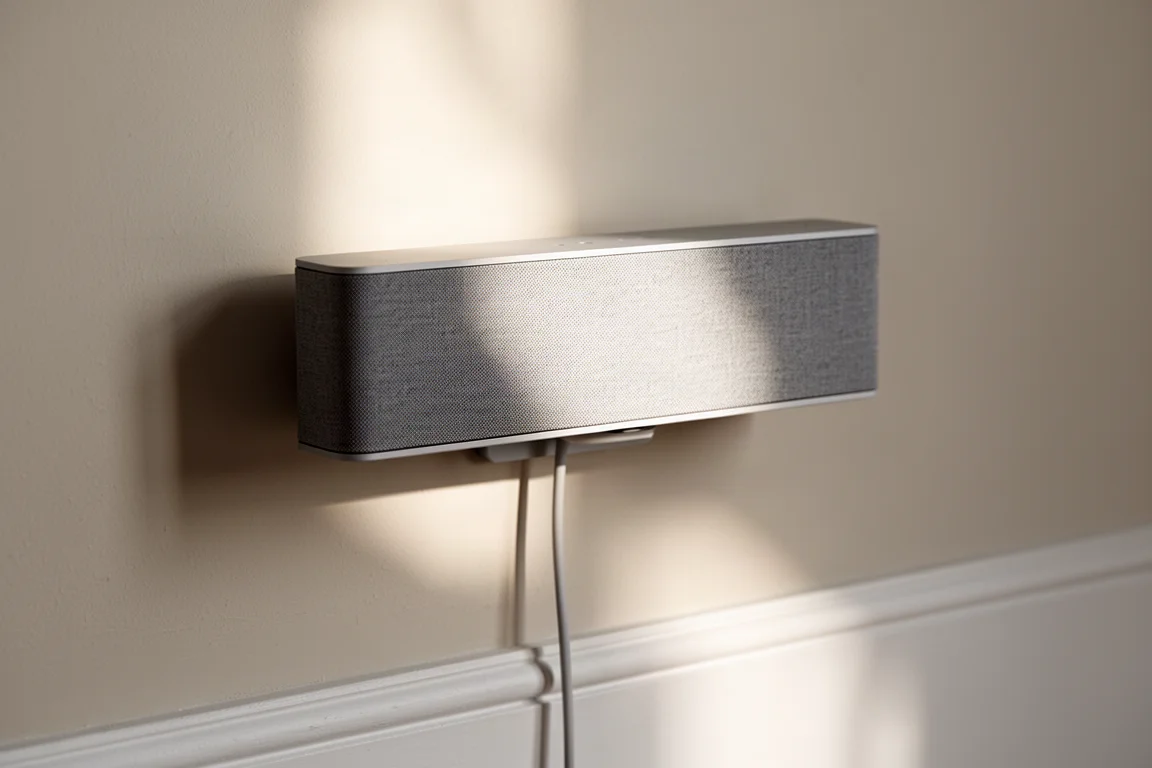
Wall mounting is not a downgrade either. The speakers are designed for it, and the brackets and hardware are included, so a wall-mounted setup should perform as intended.
Subwoofer Compatibility and System Flexibility
The subwoofer is the biggest practical constraint. Neither system includes one, only a single subwoofer can be used, and compatibility is limited to Sony’s SW3 or SW5. Third-party subwoofers are not supported.
That single subwoofer makes placement matter more than any processing trick can fix. If bass feels thin from the main seat, the likely cause is the subwoofer sitting in a null, or the listener sitting in one. Walking around the room while content plays usually reveals a spot with far more output, and that spot is a better home for the subwoofer than a corner chosen by appearance. Boosting the level to compensate risks driving the amplifier harder than it should be driven.
Inputs and user control are limited by design. This is a lifestyle-focused system built for people who want a simple setup rather than a rack of components, and the audience for it is not someone with an optical-only television or a stack of sources to juggle.
Voice Clarity, Phantom Center, and Off-Axis Listening
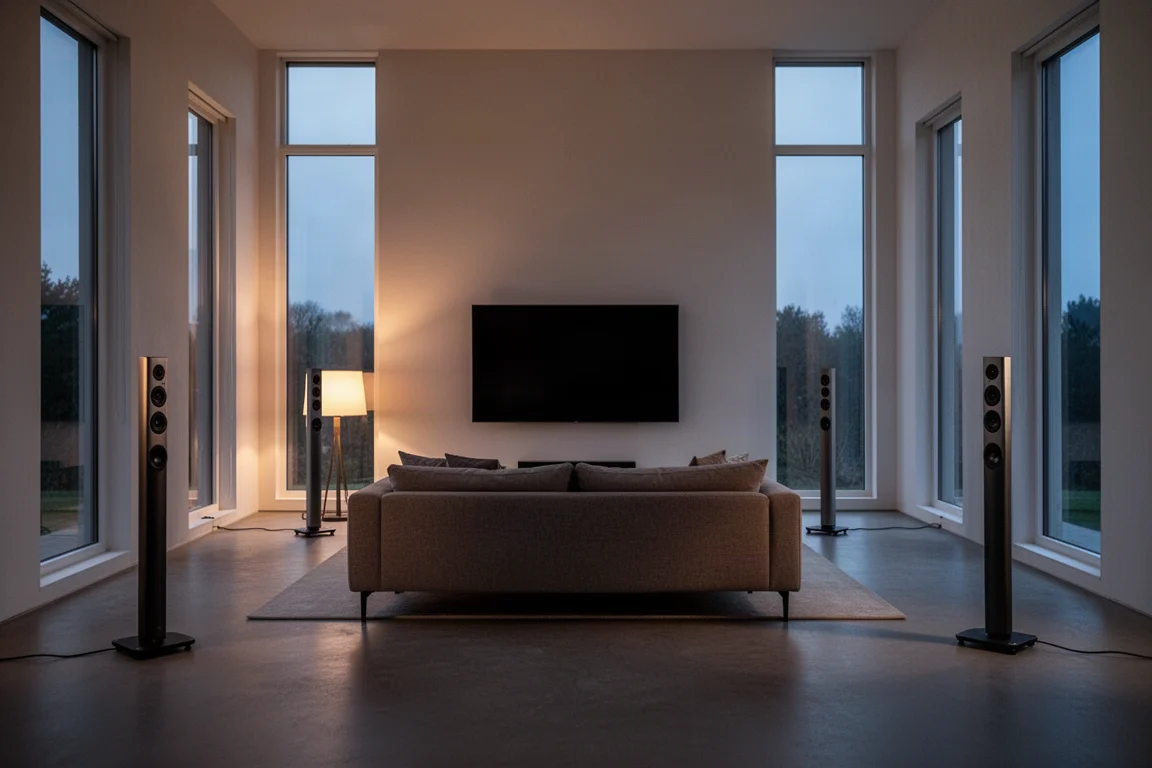
The absence of a dedicated center speaker draws the most skepticism, and it is worth addressing directly. Dialogue on the newer system is intelligible both with and without Voice Zoom, and it stays convincing when seated off to one side of the room rather than in the middle. With all four speakers on stands, effects are placed around and above the listening position, even with ceilings taller than average.
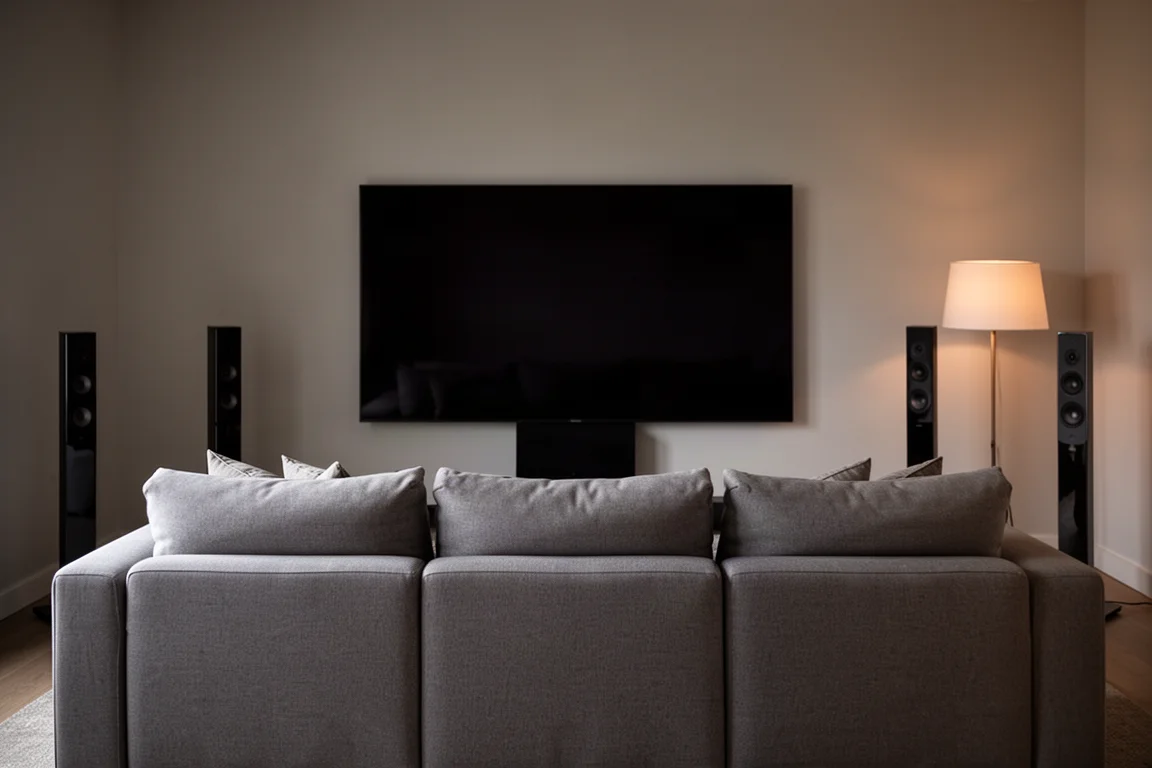
Part of the reason is that the center image is not necessarily created by a simple stereo pair. With four speakers, phase, delay, and the app’s center image height adjustment, the system can build the center image from more than two drivers, which is why that adjustment changes the result so noticeably.
A quality phantom center tends to sound natural and anchored to the screen. A dedicated center channel can sometimes improve intelligibility because it is so directional, but the trade-off is usually a less organic result.
What the Upgrade Really Costs
The move from the HT-A9 to the Quad is roughly a $1,000 step at retail, and that number is where most of the debate starts. Adjusted for the years since the HT-A9 launched, the gap narrows. The older system’s original full retail price, adjusted for inflation to today, would land close to the newer system’s asking price, which puts the real increase in the region of 10 to 13 percent rather than 40 percent.
None of that answers whether the money is worth it for you. Value depends on your budget, your room, and your listening habits, and those are things only you can weigh.
Buying Advice: Who Should Upgrade
Upgrade if reliability has been the problem. If the HT-A9 has suffered from dropouts or connectivity issues in your home, the newer wireless hardware and improved app experience are the clearest reasons to move, and the audio refinements come along with them.
Stay put if the HT-A9 has been working well and you are happy with it. The Quad is a step forward rather than a reinvention, and there is no requirement to chase it.
If you are buying into this kind of system for the first time, the decision is simpler. The newer system is the more polished and more flexible version of the same idea, and it is the one to look at first.
Conclusion
The Bravia Theater Quad refines the four-speaker concept rather than replacing it. Better wireless reliability, a more linear three-way speaker design, a stronger app experience, and a convincing phantom center make it the more capable system of the two. The HT-A9 remains a legitimate option for anyone who already owns one and has no complaints. The upgrade case rests on reliability and day-to-day usability more than on a dramatic change in sound.
Further reading
Related Reviews
Home Theater Audio
Best Center Channels for Home Theater: Six Designs and What Off-Axis Data Reveals
A practical guide to center channel design, covering six speaker options, why off-axis response matters, and how to choose for your seating layout.
Home Theater Audio
Dolby Surround vs Auro-Matic vs DTS:X: Comparing Three Upmixers for Two-Channel Music
A practical comparison of the Dolby Surround Upmixer, Auro-Matic and the DTS:X upmixer, covering how each one treats two-channel music, the settings that change the result, and the trade-offs to weigh before you commit.
Home Theater Audio
Dolby Surround vs DTS Neural:X vs Auro-Matic: Comparing 5.1 Music Upmixing
A practical comparison of Dolby Surround Upmixer, DTS Neural:X and Auro-3D Auro-Matic on a lossless 5.1 music mix, with the strengths and trade-offs of each.