Home Theater
Sony Bravia Theater Quad Review: Four Wireless Speakers, No Soundbar
A four-speaker wireless surround system that replaces the soundbar, with flexible placement, strong room calibration, a convincing phantom centre and a clear case for adding a subwoofer.
Introduction
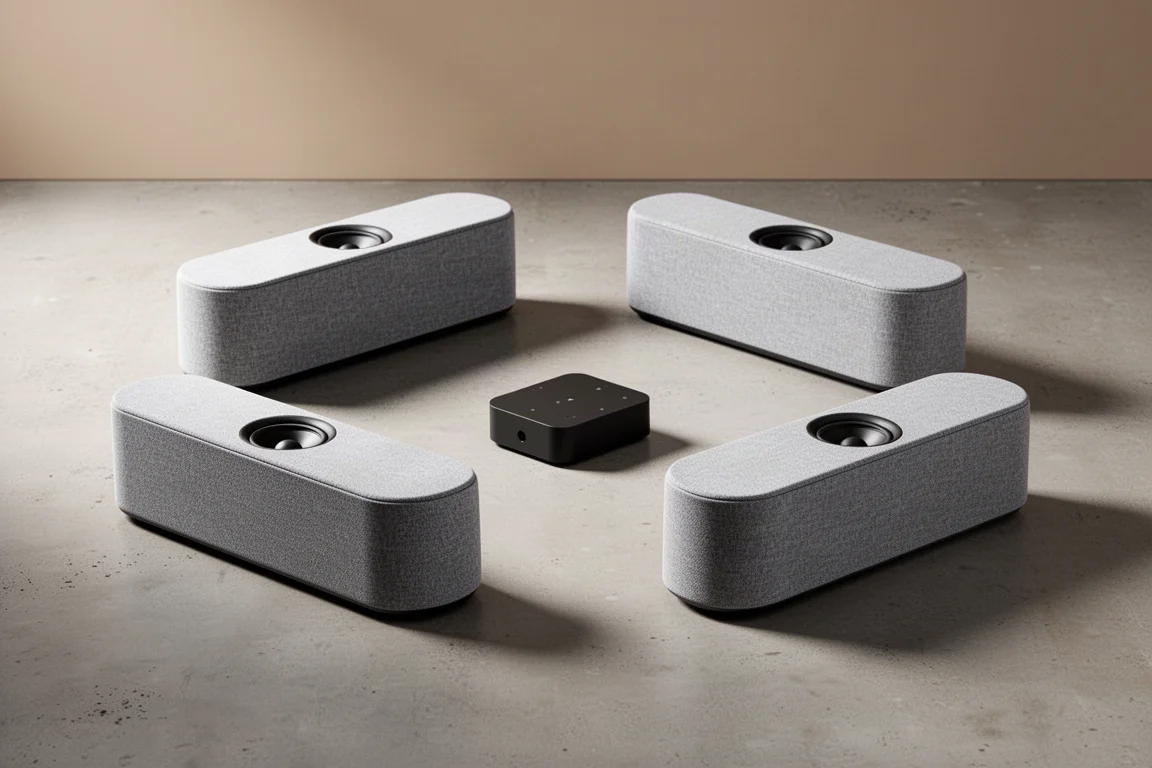
Sony’s Bravia Theater Quad replaces the HT-A9 in the company’s lineup, and it takes a noticeably different route to surround sound than most living room systems. Instead of a soundbar beneath the television, it relies on four identical wireless speakers and a separate control box, with no AV receiver and no speaker cable running around the room.
The appeal is straightforward. It offers a route to immersive, object-based home theater in rooms where a full wired setup is impractical, and it does so with hardware that is far easier to live with than a traditional speaker package. It is not an inexpensive system, and it does want one addition to sound its best, but for the right room it solves a problem that soundbars often cannot.
Who the Sony Bravia Theater Quad Is For
The strongest case for this system is a space where conventional surround speakers simply will not work. All four speakers can sit on a credenza, be mounted on stands, or be fixed to the wall using the included mounts, and the system is built to compensate when those positions are less than ideal.
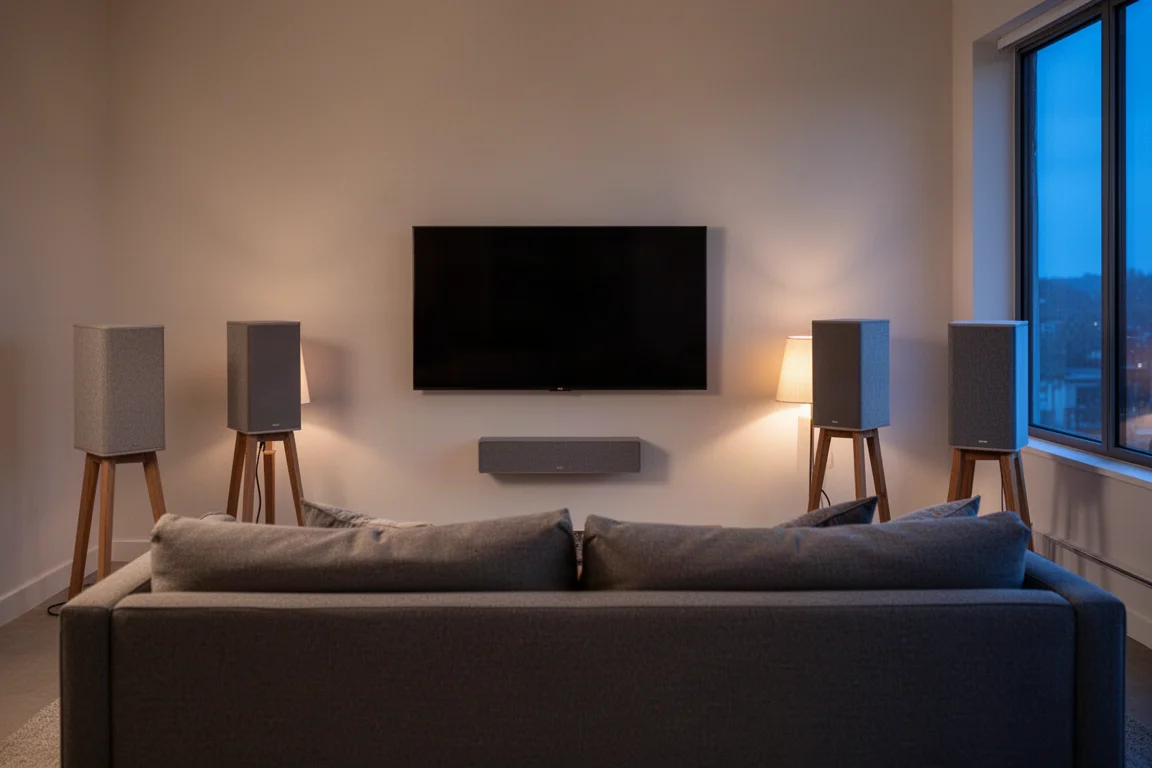
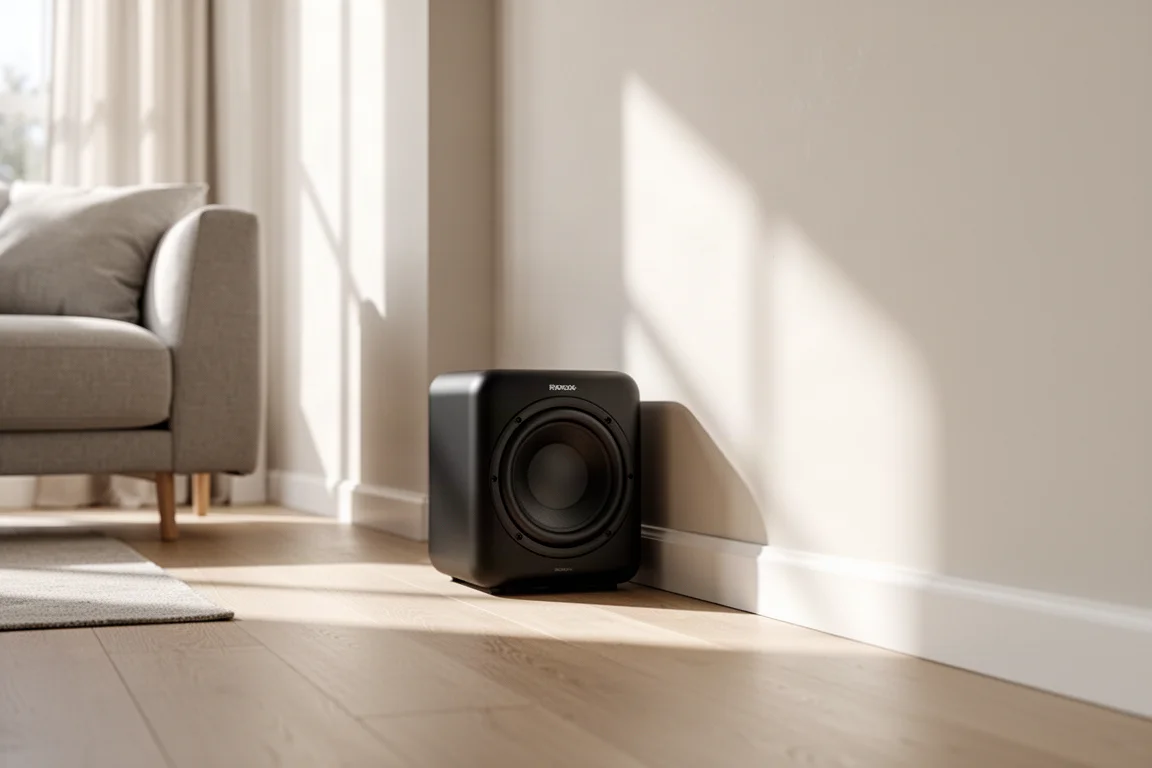
It also suits anyone who wants the hardware to disappear. Each speaker is compact at roughly 12 inches tall, 11 inches wide and 2 inches deep, and the move from a metal grille to a gray fabric wrap makes them much easier to blend into a living space.
It is not, however, a system for someone chasing maximum output at any cost. A dedicated AV receiver with wired speakers and separate overhead channels will still go further, but it also brings wiring, more components and a larger budget. The Bravia Theater Quad gets remarkably close without any of that.
Design and Placement Flexibility
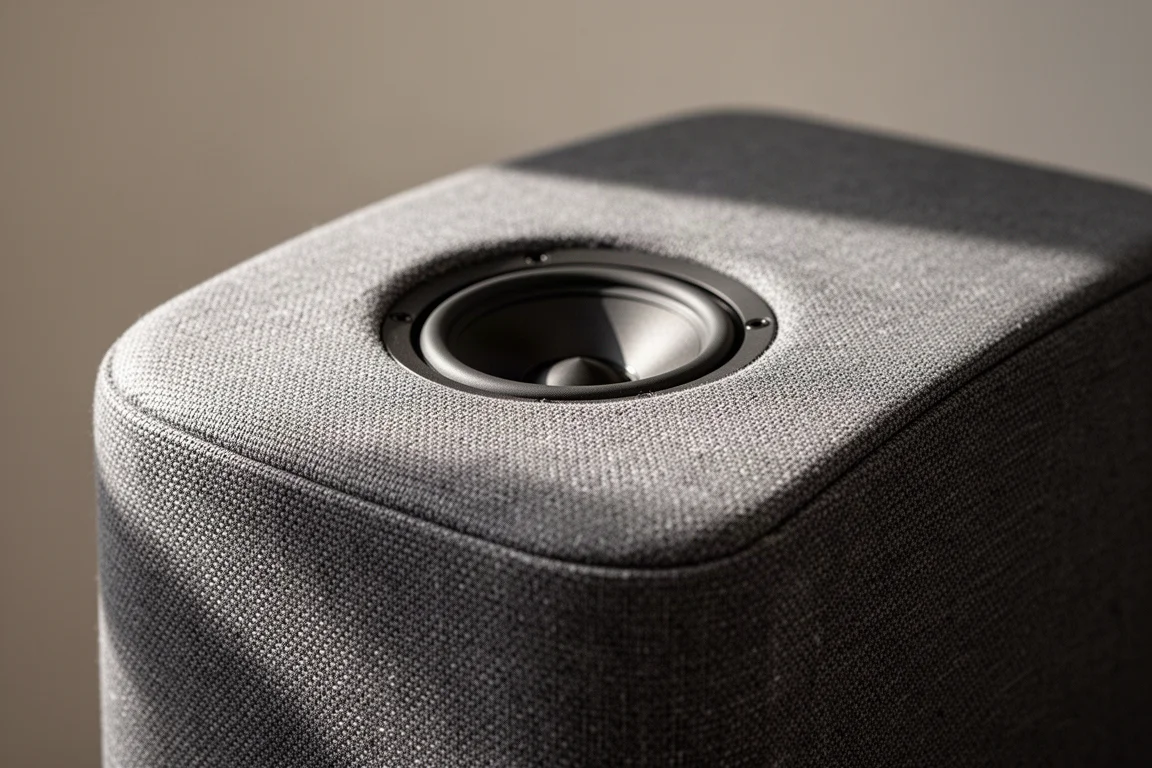
Every one of the four speakers is a three-way design, with a 3 3/8 inch woofer, a 2 3/8 inch mid-range driver and a 3/4 inch tweeter facing forward, plus a 3 1/8 inch upward-firing driver on top that handles height effects. Together the system is rated at 504 watts.
Because all four speakers are identical, there is no centre channel cabinet and no separate surround pair. The front image, the dialogue anchoring and the surround effects are all produced by the speaker array and the processing behind it. That is the core idea of the system, and it is also why placement matters less here than it would with a conventional package.
Setup, App Control, and Calibration
Setup is refreshingly simple. Each speaker is labelled front left, front right, rear left or rear right, so there is no guesswork, and each one ships with an approximately 10 foot power cable. Once the control box and the speakers are plugged in, they connect automatically and enter setup mode.
The Bravia Connect app then walks through the process, confirming that every speaker is connected and in the correct position. Sound Field Optimization plays a series of test tones and uses the microphone in your phone to calibrate the system to speaker positions, room acoustics and listening position. The calibration profile can be switched on and off in real time, which makes it easy to hear exactly what it is contributing. The improvement it brings is substantial.
The app also unlocks a useful set of controls. Night mode reduces bass for late viewing, and voice mode, Sony’s Voice Zoom 3, actively recognises human voices and adjusts their level so quiet dialogue stays clear. Bass can be set to low, mid or high, rear speaker level can be boosted for more surround effect, and the sound field can be switched between 360 Spatial Sound Mapping, Dolby Virtualizer and DTS Neural:X. Height effects can be raised or lowered to suit your seating position.
On the wireless side, Sony has increased radio output power by about 2.5 times and added a dual switchable antenna with frequency hopping, so the control box and speakers locate and hold the best frequency automatically. During extended testing the connection remained completely uninterrupted.
Movie Performance
The system handles demanding action material well. Fast, layered sequences place effects all around the listener rather than across the front of the room, and 360 Spatial Sound Mapping is powerful enough to create the impression of more speakers than are actually present.
Dialogue is the standout. Even without a dedicated centre channel, vocals sit firmly in the middle of the screen and stay locked to the actors, which is exactly what a centre channel is supposed to achieve. For films with uneven mixes, Voice Zoom 3 can lift quiet dialogue without pushing everything else out of balance.
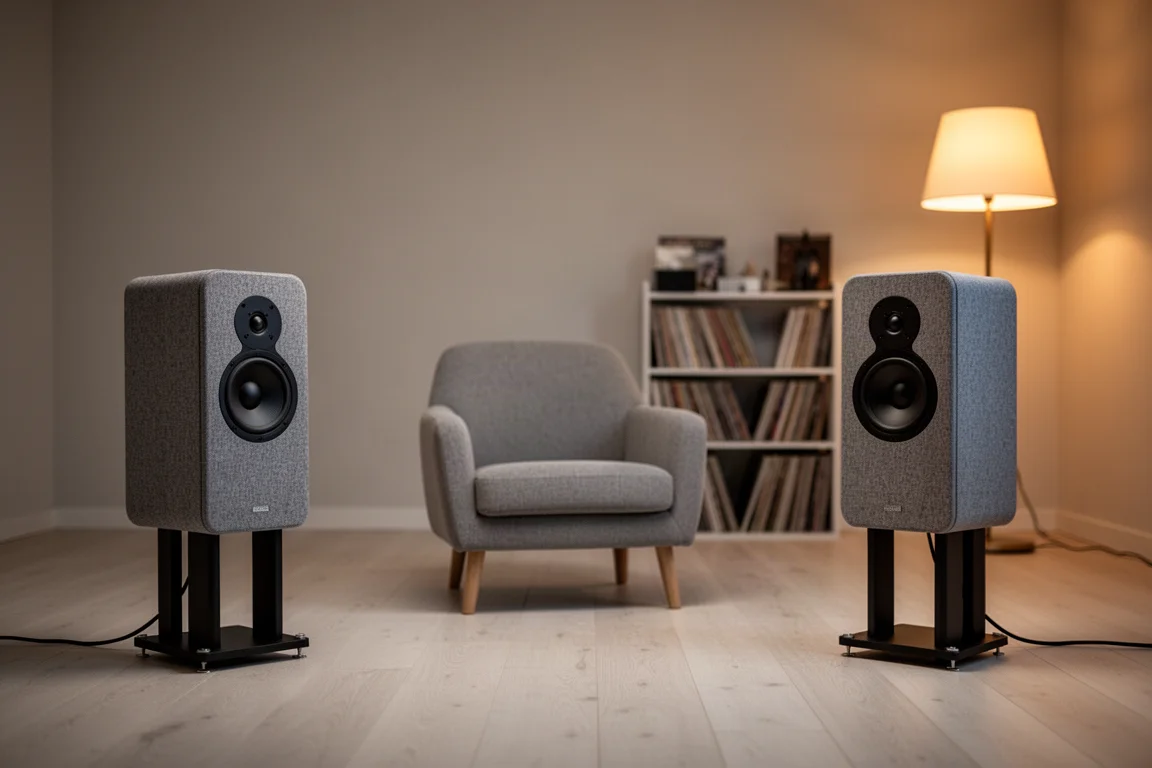
Placement still matters if you want the very best result. Speakers set at roughly ear height, at equal distances from one another, and spread a little wider than the television produced the most convincing front image.
Music Performance
Music is genuinely enjoyable here, provided a subwoofer is in the chain. Non-Atmos tracks are upmixed tastefully rather than aggressively, and the rear speakers fill in the gaps around the listener instead of pulling attention away from the performance. Object-based tracks move vocals from in front to behind and back again in a way that makes the room feel larger than it is.
Without a subwoofer, the low end is noticeably thin and far less satisfying, particularly on bass-driven material. That is the single biggest reason to plan for one from the start rather than treating it as a later upgrade.
Connectivity and the Control Box
The control box supports 8K HDR, 4K at 120Hz, Dolby Vision, 360 Reality Audio and high-resolution audio, and it passes through VRR, ALLM and SBTM for gaming with a PS5. Spotify Connect, Apple AirPlay and Bluetooth cover wireless playback.
The one hard requirement is the display connection. The box links to a television over HDMI eARC or ARC only, with no optical or 3.5 mm input available, so a compatible HDMI port is essential. A source device such as a streaming box can be plugged directly into the HDMI input on the back, and there is also an Ethernet port plus an S-Center out for Acoustic Center Sync with a compatible Sony television.
Using the television itself as the centre channel, however, did not match the system’s own phantom centre. The processing here is good enough that most listeners will be better served leaving the TV speakers out of the mix.
Things to Consider Before Buying
No subwoofer is included, and the system clearly wants one. A Sony SAS-SW3 or the larger SAS-SW5 wireless sub transforms the low end, and it is worth budgeting for it alongside the system rather than treating it as an optional extra. Only one subwoofer can be paired at present, so there is no path to running a pair.
There is also the input limitation to plan around. Without optical or analogue inputs, an older television or a setup built around a 3.5 mm connection will need a different approach.
Finally, calibration is impressive in imperfect rooms, but it is not a substitute for sensible placement. If you can get the speakers to roughly ear height and at even distances from one another, do it.
Buying Advice
If your priority is a room that stays visually calm while still delivering genuine surround sound, this system sits at the top of its class among all-in-one packages and soundbar-plus-satellite alternatives in the same range. It is the kind of product that rewards a sensible installation more than a perfect one.
The recommendation is simple. Buy the four speakers and a subwoofer together, then take twenty minutes to run the calibration properly. With a sub in place this is a convincing home theater solution for film and a genuinely fun way to listen to music. Without one, the system feels incomplete no matter how good the rest of it is.
Conclusion
Sony has built something genuinely useful here. The Bravia Theater Quad is not a gimmick, and it is not trying to replace a carefully assembled wired system. It is an all-in-one answer to a specific problem: how to get immersive home theater into a room that cannot accommodate one in the traditional way.
Add a subwoofer, place the speakers where they suit your space, and run the calibration. The result comes remarkably close to far more expensive and far more complicated setups, and for space-constrained rooms and clean-looking living spaces that combination is hard to argue with.
Product link
View more details for Sony Bravia Theater Quad
This product is mentioned in the review. Check the specifications, options, and compatibility before buying.
View more details for Sony Bravia Theater QuadFurther reading
Related Reviews
Home Theater
Anthem AVM 90 Review: A 15.4-Channel Flagship Preamp Processor
A close look at Anthem's flagship preamp processor, covering its dual ESS DAC architecture, 15.4-channel layout, ARC Genesis calibration and four independent subwoofer outputs.
Home Theater
Apple TV 4K With AirPods: A Best-Value Home Theater Setup
An Apple TV 4K paired with AirPods over Bluetooth makes a compact home theater setup for movies, spatial music and late-night viewing, and it can be assembled for as little as $300.
Home Theater
Arcam AVR15, AVR25, AVR35, and AVP45 Compared: Which AV Amplifier Fits Your System?
Four new Arcam home theater components share nine-channel amplification and Dirac Live, but differ in power, processing ceiling, and channel flexibility.