Home Audio
Sony Bravia Theater Bar 8 and Bar 9: Soundbar Buying Guide With Subwoofer and Rear Speaker Options
A practical look at Sony's Bravia Theater Bar 8 and Bar 9 soundbars, plus the SA-SW3 and SA-SW5 subwoofers and SA-RS3S and SA-RS5 rear speakers.
Introduction
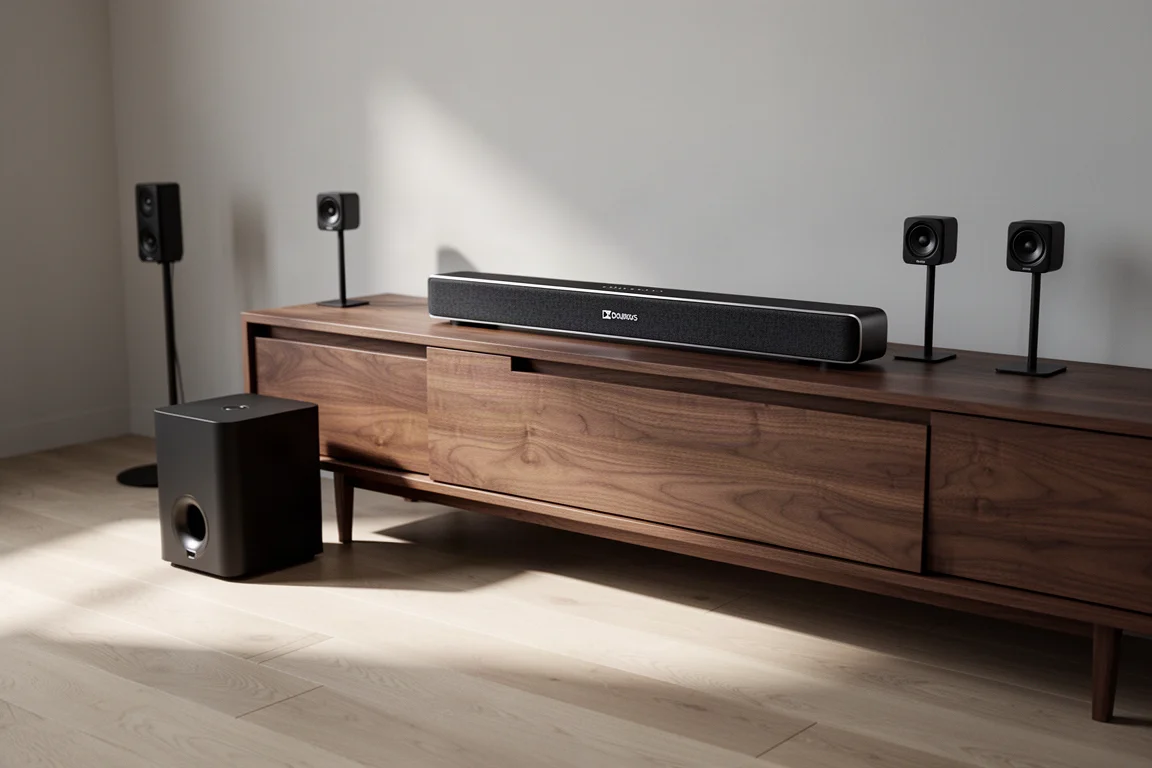
Sony’s Bravia Theater Bar 8 and Bar 9 are the newest Dolby Atmos soundbars in the lineup, and both are built around spatial sound mapping, room calibration, and a slim, understated cabinet. They follow the HT-A5000 and HT-A7000, carrying that clarity and height performance forward while adding new processing and new driver arrangements.
This guide covers what separates the two bars, what the optional subwoofers and rear speakers actually add, and which combination makes sense for a given room.
How Sony’s 360 Spatial Sound Mapping Works
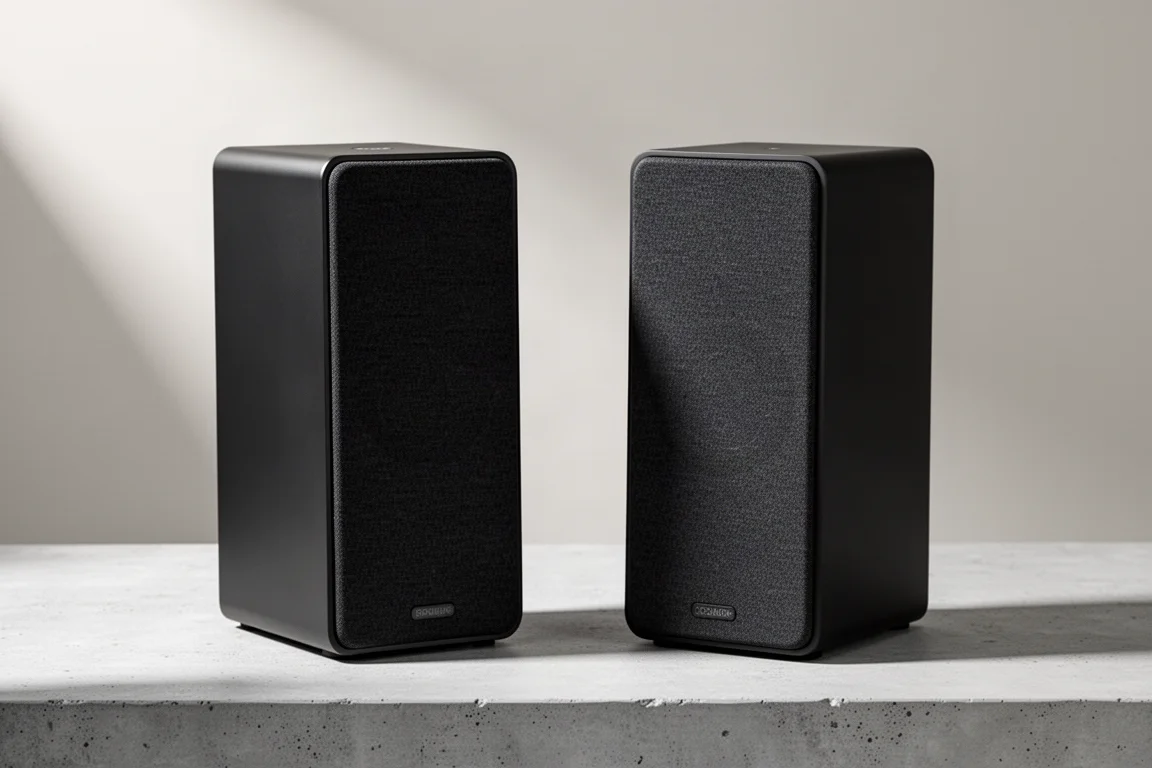
Both bars use 360 Spatial Sound Mapping to create phantom speakers through processing rather than physical drivers alone. The algorithms place phantom speakers to the left and right of the cabinet, widening the stage well beyond its real width. A third phantom speaker sits slightly above the bar so dialogue appears to come directly from the television. The upfiring drivers then bounce sound off the ceiling to place two phantom Atmos speakers overhead, completing an immersive bubble of sound.
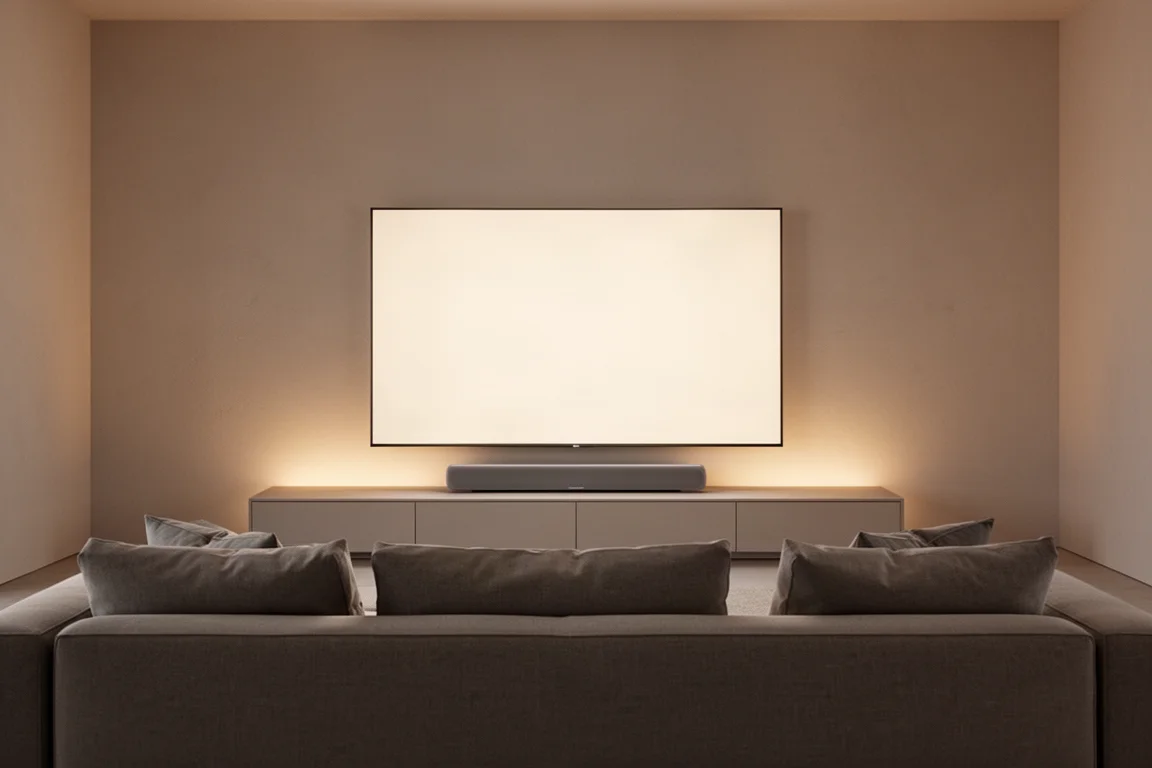
Adding a pair of wireless rear speakers unlocks a further step, with the processing creating eleven phantom speakers in total for a noticeably more realistic surround field. Both bars support Dolby Atmos and DTS:X, and adding rear speakers also brings IMAX Enhanced certification. Stereo music and films without an Atmos mix can be upmixed using Sony’s new upmixer, which extracts and redistributes individual objects around the listener and detects human voices so they can be isolated and made clearer.
Sony Bravia Theater Bar 8
The Bar 8 measures roughly 3 inches tall, 4.5 inches deep, and about 43 inches long. Inside are four front woofers, one large center tweeter, two smaller tweeters toward the edges, two side-firing drivers, and two upfiring drivers for height effects. The side-firing speakers are a meaningful addition compared with the earlier HT-A5000, because they bounce sound off side walls to help build the wider spatial presentation.
In use, the Bar 8 suits small to medium rooms. Bass is tighter and more realistic than a bar of this size would suggest, and dense action soundtracks stay composed rather than turning muddy or harsh.
Sony Bravia Theater Bar 9
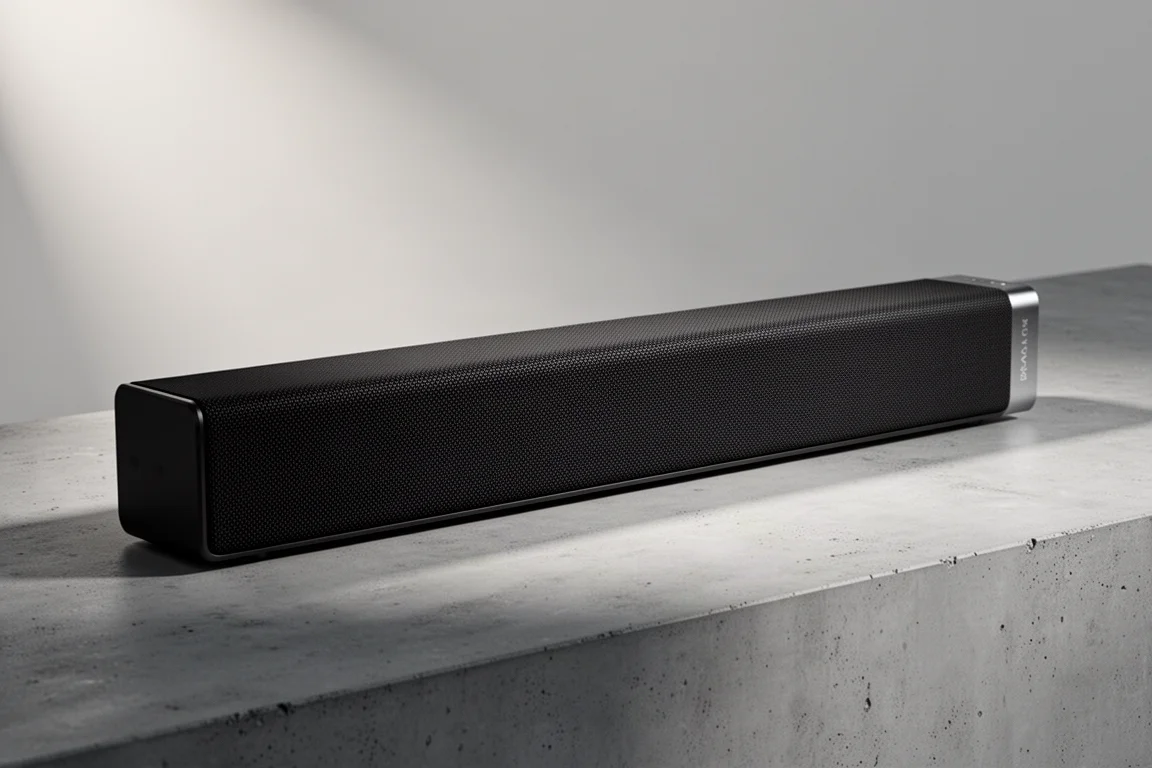
The Bar 9 keeps the same driver layout and adds two beam tweeters on the front, which diffuse sound horizontally for a wider stage. It also adds quad passive radiators facing upward next to the upfiring speakers to deliver deeper bass. The cabinet grows to roughly 51 inches long at the same 3-inch height and 4.5-inch depth.
The extra radiators give the Bar 9 a clear low-end advantage, and they take strain away from the other drivers so smaller details come through more easily during busy scenes. It is the better choice when the goal is filling a larger room.
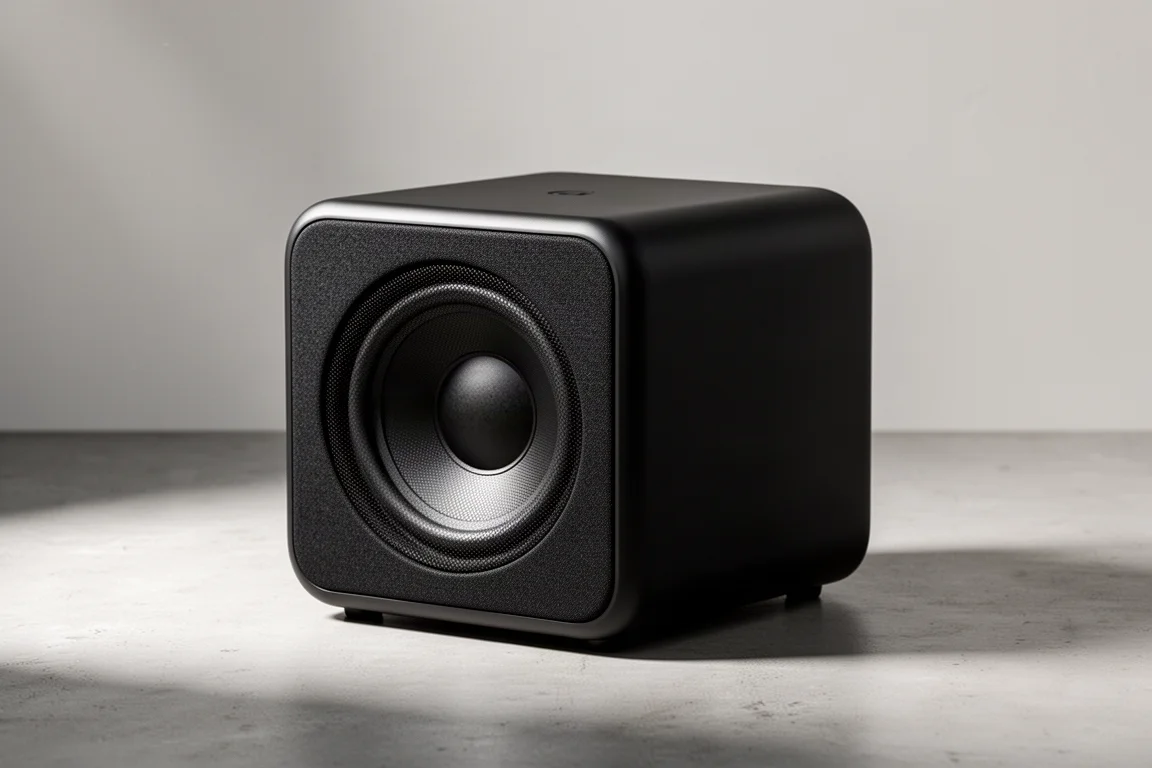
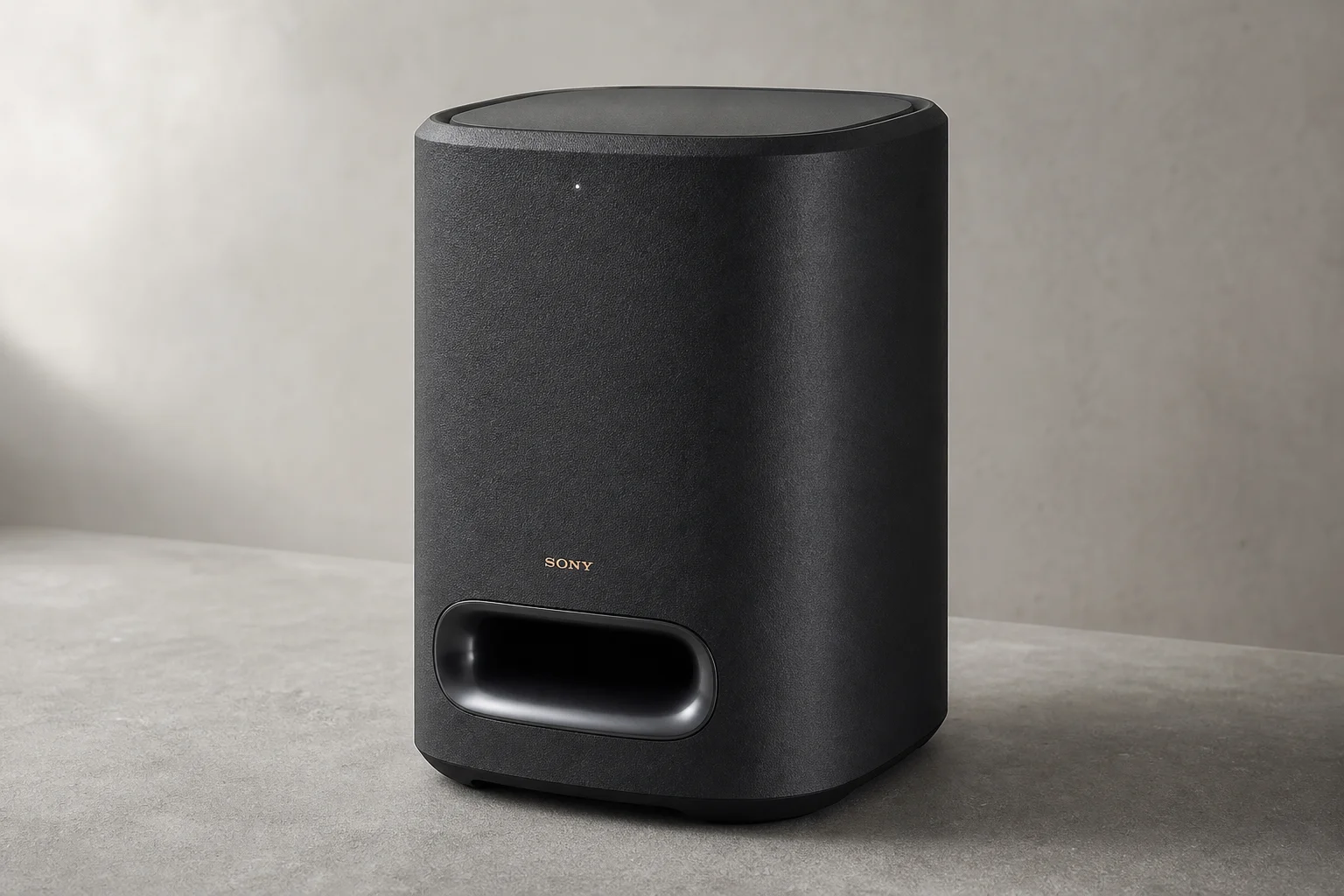
Sony SA-SW3 Wireless Subwoofer
The SA-SW3 is the smaller of the two wireless subwoofer options. Adding it to either bar takes over low-frequency duties and frees the soundbar to focus on vocals and height effects, which changes the character of the system more than almost any other addition. For movie watching, a subwoofer is close to essential if deep bass impact matters. Paired with a Bar 8, it produces a setup that performs slightly better than a Bar 9 on its own.
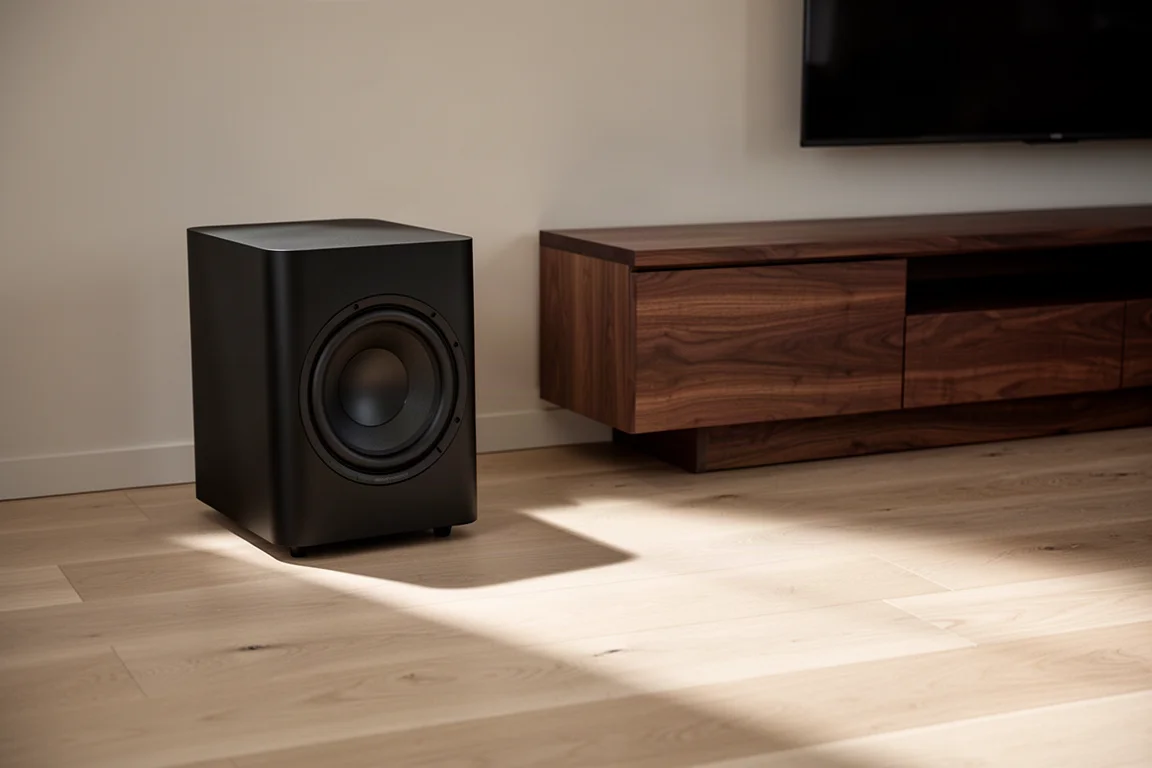
Sony SA-SW5 Wireless Subwoofer
The SA-SW5 is the larger subwoofer option and the natural partner for a Bar 9 in a bigger room. It extends the low end further and gives the system more headroom for demanding soundtracks, while the bars themselves handle the midrange and height channels with less effort.
One trade-off is worth weighing. A Bar 9 combined with the SA-SW5 and the larger RS5 surrounds lands in a price range where the Bravia Theater Quad with a subwoofer becomes a realistic alternative, and that system is worth considering for overall sound quality and immersion.
Sony SA-RS3S Wireless Rear Speakers
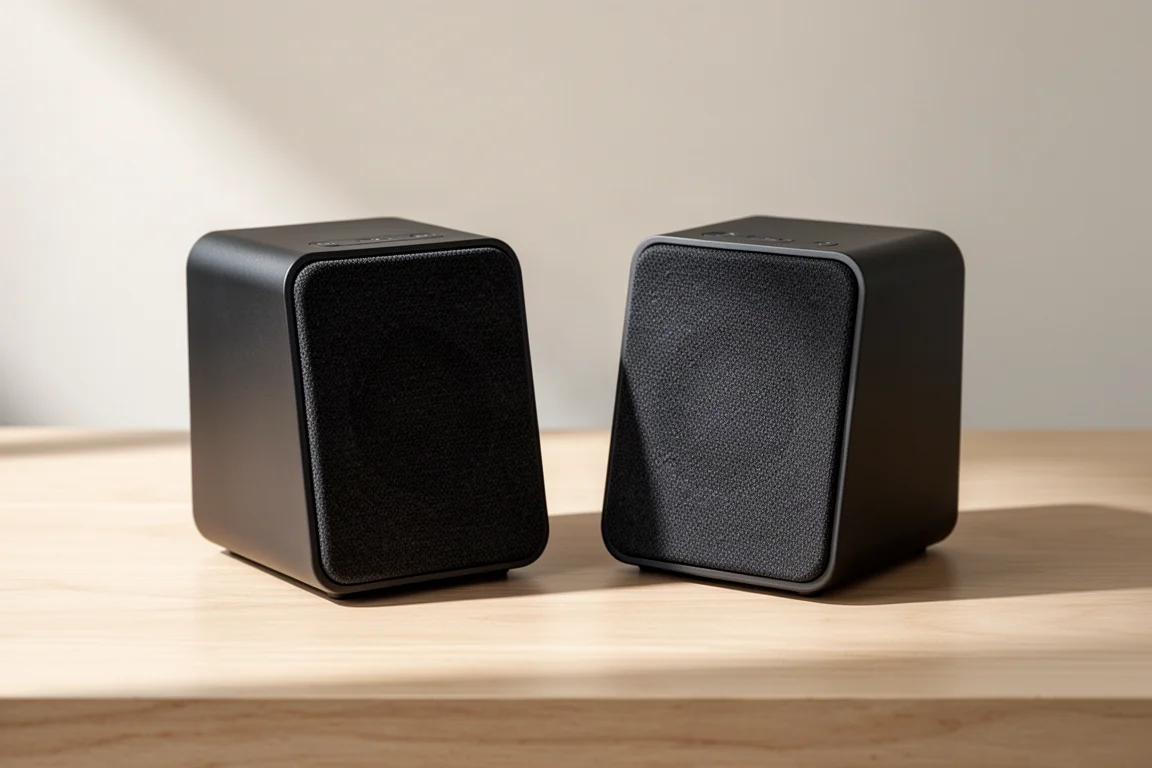
The SA-RS3S pair adds real speakers behind the listening position, which makes the surround bubble more convincing than processing alone. They are compact, and they do not sound as strong or as clear as the bars themselves, so at times the rear channels draw attention to themselves. They remain a sensible pick for smaller rooms where a little extra immersion is the goal.
Sony SA-RS5 Wireless Rear Speakers
The SA-RS5 is the larger rear speaker option and a much better match for a soundbar of this caliber, with more power and clarity than the compact pair. If the budget only stretches to one addition, a subwoofer should come first every time, with surrounds as the second step. At the price of the larger surrounds, other options in the market also start to make sense.
Setup, Calibration, and App Control
Setup is straightforward. Connect the bar to power and to the television’s HDMI port, then open the Bravia Connect app, which locates the system and walks through each step. Calibration uses a series of test tones measured with the phone’s microphone and accounts for the position of the bar, any optional rear speakers, and any optional subwoofer.
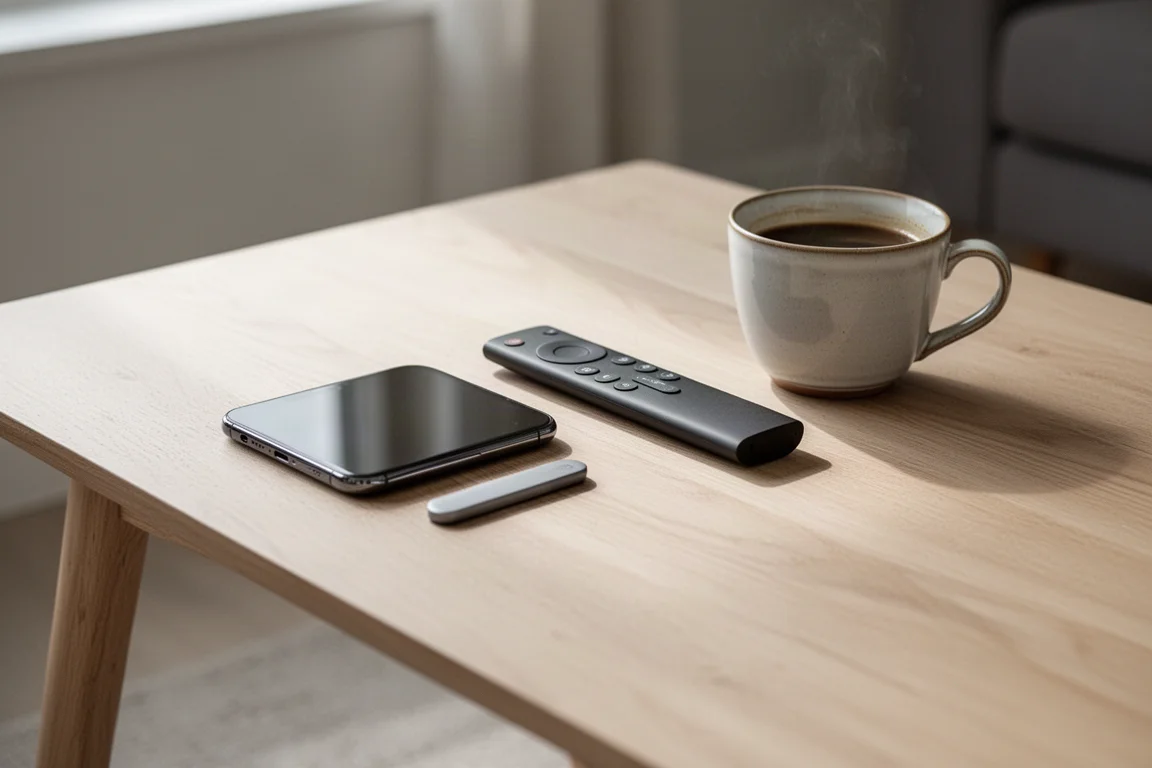
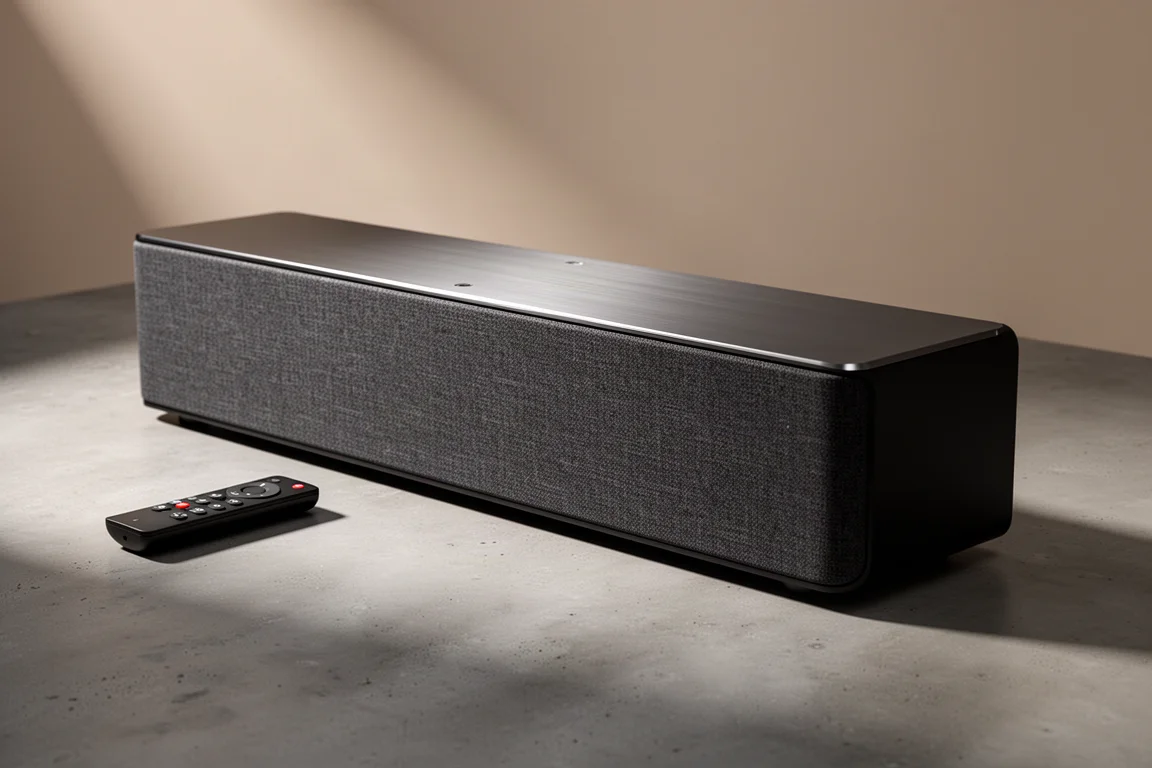
Completing that calibration is worth the few minutes it takes, because the improvement in a real room is substantial. From the app, listeners can control volume and bass level, switch the sound field between 360 Spatial Sound Mapping, Dolby Speaker Virtualizer, and DTS Neural X, raise or lower the height of the sound field, enable night mode to reduce bass late at night, and turn voice enhancement on or off. A small remote is included and covers everyday controls, while the app goes deeper for fine-tuning.
Connectivity, Formats, and Gaming
The rear panel carries a power inlet, an S-Center sync port, an HDMI 2.1 eARC port for the television, and one HDMI input for a source such as a streaming box. There is no optical or 3.5 mm connection, so a television with HDMI eARC is required. There is also no Ethernet port, and Chromecast is not supported.
On the format side, both bars handle 8K HDR, 4K 120, Dolby Vision, 360 Reality Audio, and high-resolution audio, and they include Spotify Connect, Apple AirPlay 2, and Bluetooth 5.2. With a PS5 and a compatible Sony television, gamers get optimized picture settings with auto HDR tone mapping and auto genre picture mode, plus VRR, ALLM, and SBTM support.
Living in the Sony Ecosystem
Acoustic Center Sync uses a compatible Sony television’s own speakers alongside the bar to act as a center channel. It works best with a Sony television from 2021 or newer, since older models play the television and bar independently rather than as a calibrated pair. The strongest results come from a set with updated speaker drivers or one with speakers mounted directly behind the screen.
With a compatible Bravia television, Quick Settings appear in the television menu and can be controlled with the television remote. Voice Zoom 3 uses machine learning to recognize human voices and raise or lower their volume for clearer dialogue, and it requires a recent Bravia model.
Overall Buying Advice
If value matters most, pair the Bar 8 with a wireless subwoofer. That combination performs slightly better than a Bar 9 on its own, and it covers small to medium rooms comfortably.
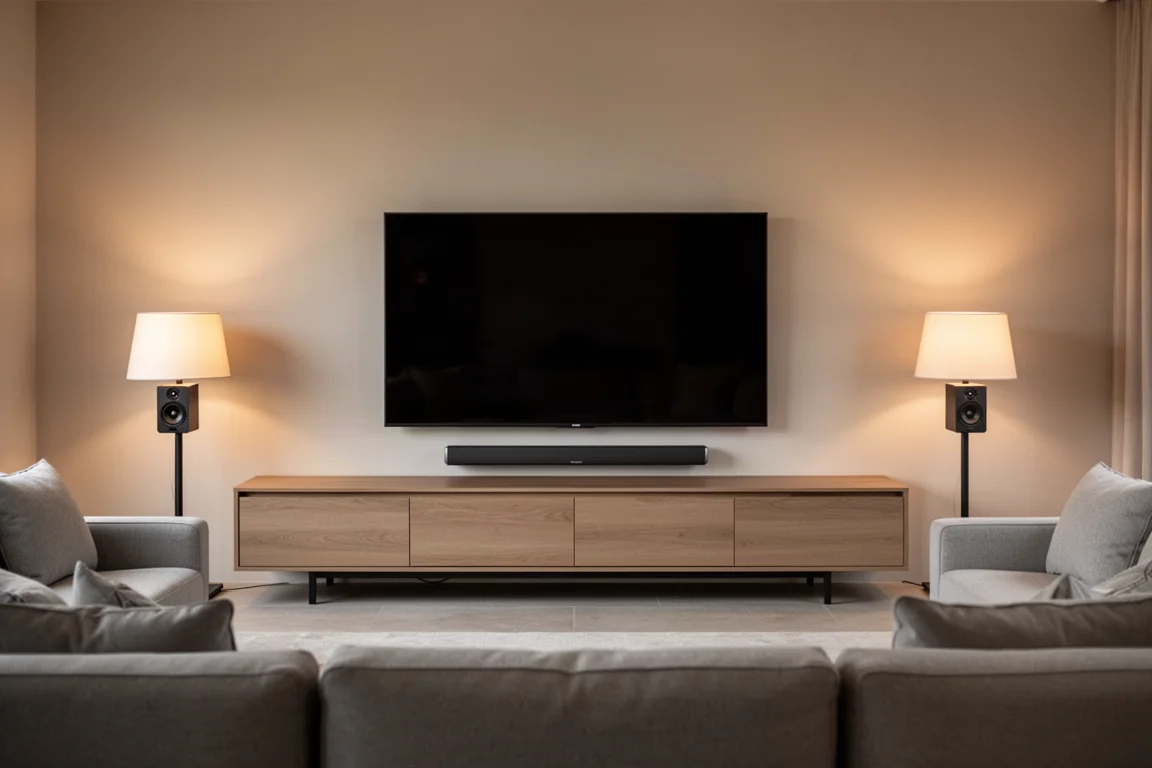
For a larger room or a movie-heavy setup where deep bass impact matters, step up to the Bar 9 and add a subwoofer. Both bars are strong on their own, but a subwoofer is the single addition that lets them perform at their best. Rear speakers make more sense in smaller rooms where a little extra immersion is wanted, and the larger RS5 pair is the better match if the budget allows.
Conclusion
The Bar 8 and Bar 9 are a clear step forward from the earlier HT-A5000 and HT-A7000, with side-firing drivers, tighter bass, and calibration that meaningfully improves the result in a real room. Choose the Bar 8 for small to medium spaces, the Bar 9 for larger rooms, and plan for a subwoofer before surrounds.
Further reading
Related Reviews
Home Audio
Aperion Novus Tower and Center Review: Punchy Home Theater Sound With Real Refinement
A close look at the Aperion Novus tower and center speakers, from their layered paint finish and punchy bass to the 4-ohm load and what the price actually buys.
Home Audio
Arendal 1610 Tower Review: Flagship Dynamics in a Room-Friendly Tower
A compact floorstanding tower with three 8-inch aluminium woofers, a 5-inch carbon midrange, and the kind of bass heft usually reserved for much larger speakers.
Home Audio
Arendal 1723 S THX Review: A Reference Speaker Built Like a Tank
A practical look at the Arendal 1723 S THX, a sealed, THX-certified speaker with exceptional build quality, a very flat top end, and a midrange that responds beautifully to EQ.