Home Theater
Sony Bravia 9 vs Bravia 8 vs Bravia 7: Which 2024 Sony TV Fits Your Room?
A practical comparison of the 2024 Sony Bravia 9 mini LED, Bravia 8 OLED, and Bravia 7 mini LED, and how to pick between them.
Introduction
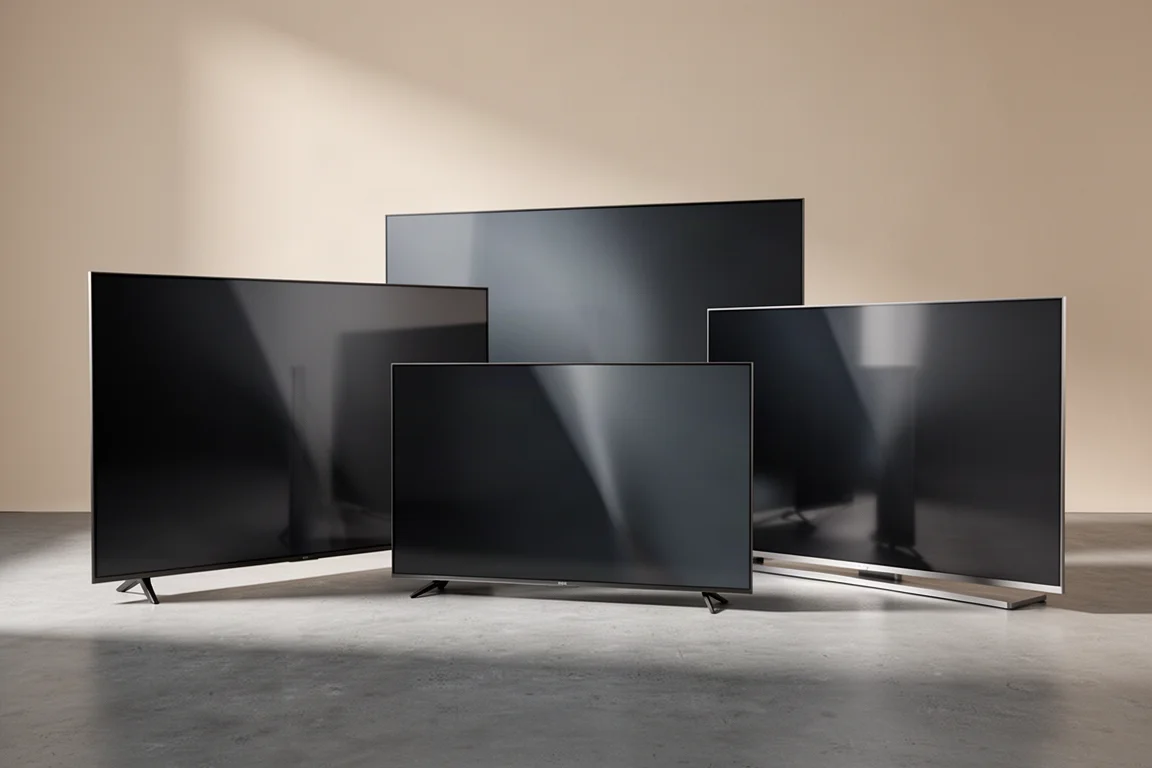
Sony’s 2024 television range arrives with a simple promise: cinema is coming home. The lineup has also been renamed for clarity, moving to the Bravia 3, Bravia 7, Bravia 8, and Bravia 9, and that simpler structure makes it much easier to see where each model sits.
This guide focuses on the three models carrying the most interesting technology: the Bravia 9 mini LED, the Bravia 8 OLED, and the Bravia 7 mini LED. Sony also offers the more affordable Bravia 3 LED, which does not include all of the upgraded features found further up the range, though it remains a capable television in its own right.
The goal here is practical rather than technical. Each of these three models is genuinely strong, but they suit different rooms, different viewing habits, and different budgets.
What Every 2024 Sony Bravia Shares
Sony’s approach to image quality starts with the Bravia Cognitive Processor XR. Instead of treating a frame as one flat image, the processor breaks every frame into thousands of elements and processes them simultaneously. It was designed to work in a way that resembles how the human brain handles real life, where attention naturally lands on certain parts of a scene more than others. The result is separate processing for the components that matter most: color, contrast, motion, and clarity.
Two further processing features appear across the range. XR Clear Image intelligently converts content to near 4K while minimizing noise, and XR Triluminos Pro maps colors from a wider palette to reproduce finer gradients of shades and hues, with the latest version widening the color space further through 3D color algorithm processing.
For the mini LED models, the Bravia 7 and Bravia 9, the key hardware advantage is the size of the LEDs themselves. Mini LEDs are five times smaller than the LEDs used in a standard LED television, which allows far more of them to be fitted across the panel. More LEDs means better contrast, higher peak brightness, and finer dimming control in the dark parts of an image, with less blooming. Sony’s XR Backlight Master Drive analyzes each frame and uses a Sony-developed local dimming algorithm to control thousands of these ultra-dense mini LEDs with precision and independence.
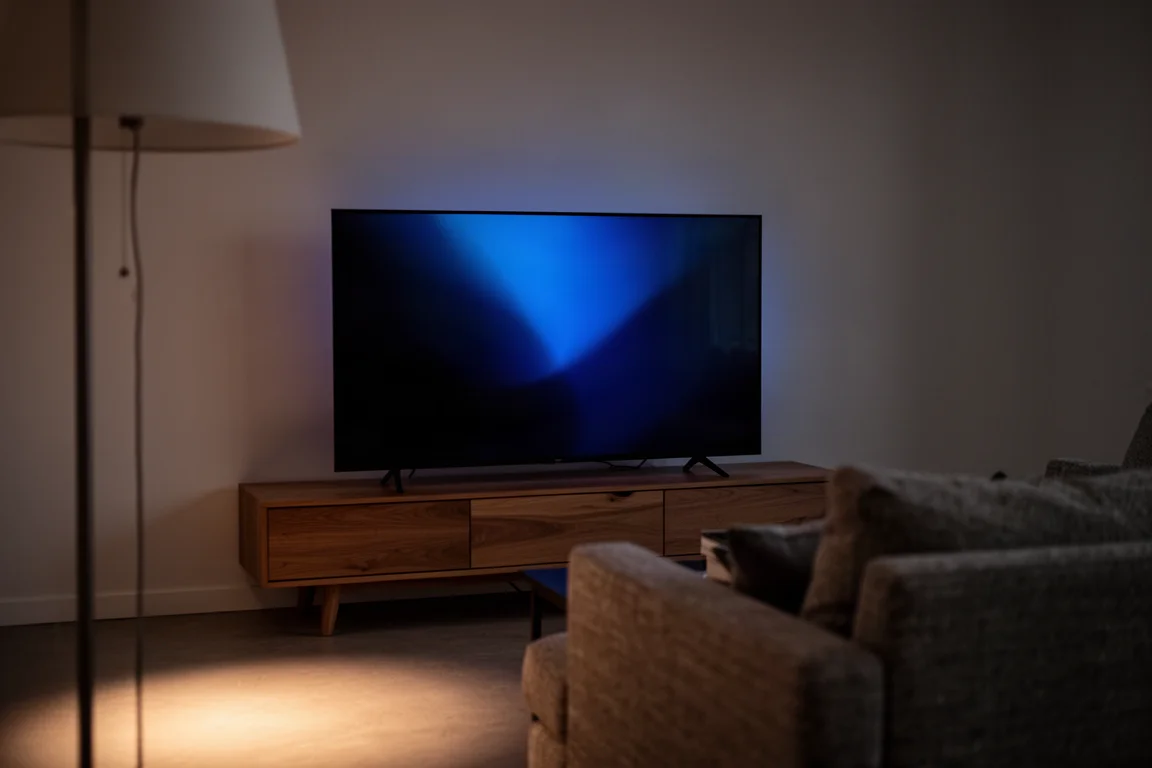
Both mini LED models also include XR Motion Clarity, which synchronizes the backlight with movement on screen. The Bravia 9 adds X-Anti Reflection and X-Wide Angle, which cut glare and keep the image consistent from seating positions across the room.
Sound has not been neglected either. These models include Voice Zoom 3 for clearer dialogue, 3D surround upscaling, and support for Dolby Atmos and DTS:X, along with 360 Spatial Sound Mapping and Acoustic Center Sync for a more immersive result when paired with compatible audio equipment.
Sony Bravia 9: Sony’s Brightest Mini LED
The Bravia 9 is the brightest 4K mini LED television Sony has made. Sony re-engineered the mini LED driver to reduce resistance in power delivery, which allows finer control over how each individual LED dims and boosts. Compared with the 2023 mini LED X95L, that work translates to roughly 50 percent more brightness, 325 percent more dimming zones, and 20 percent lower power consumption.
The practical benefit shows up in the details that usually expose an LED television. Blooming, sometimes called the halo effect, happens when light from a bright object bleeds into darker surroundings, which is easy to spot around a street light at night, stars in a dark sky, or bright subtitles. By adding more dimming zones and pairing them with XR Backlight Master Drive, the Bravia 9 can control neighboring zones with far more granularity than a television that essentially switches zones on and off. The outcome is minimal blooming and a wide dynamic range, with deep blacks that hold up even on 75-inch and 85-inch screens.
Audio on the Bravia 9 uses frame and beam tweeters. The beam tweeters sit on the top rear of the television and reflect sound off the wall and ceiling to create a height effect, while the frame tweeters vibrate the frame to add width to the overall presentation. Sony also includes High Peak Luminance, XR Contrast Booster 30, and newly added source-based tone mapping for gaming.
Sony Bravia 8: OLED Depth With More Brightness
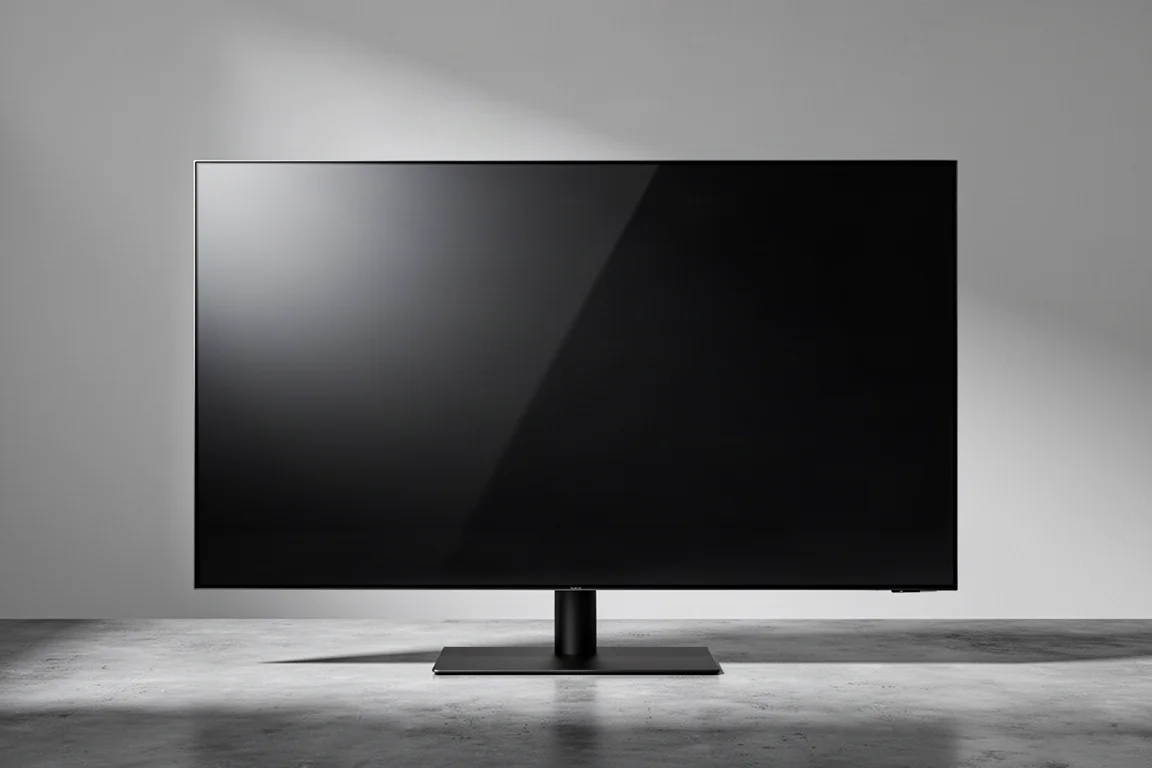
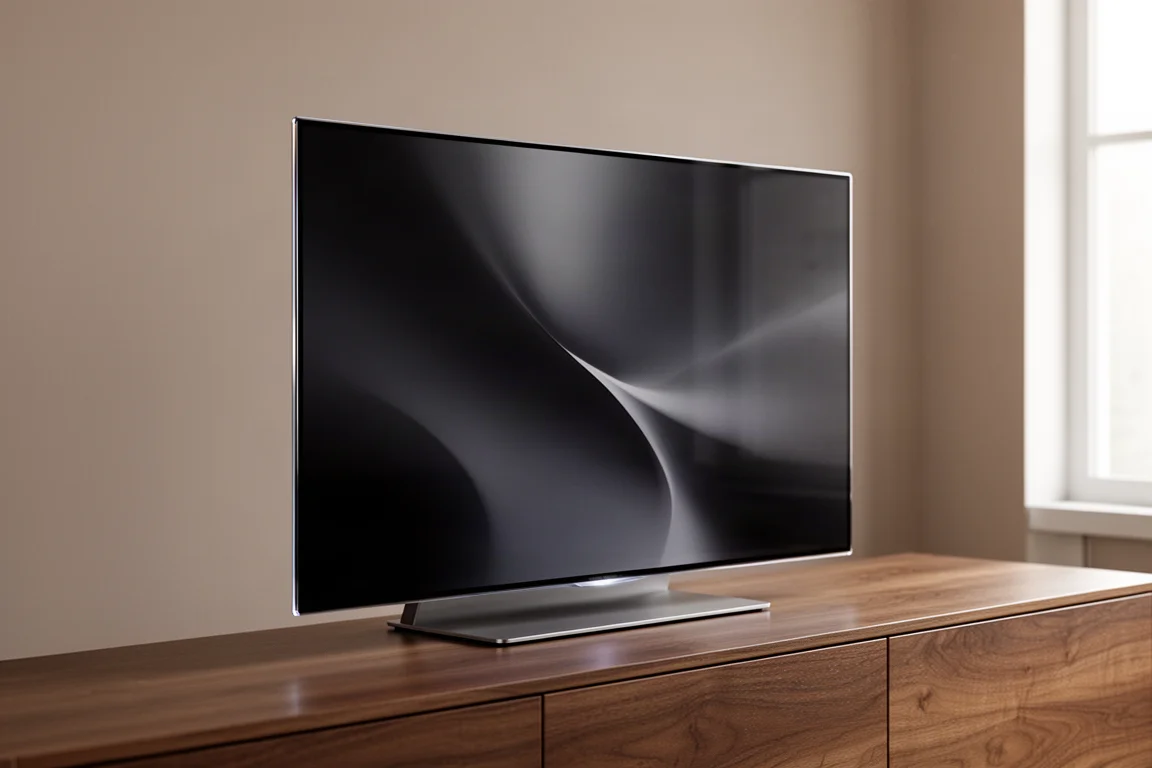
The Bravia 8 is an OLED television and the successor to the A8L OLED. It arrives with a refined processing algorithm that increases brightness over the A8L rather than a wholesale hardware redesign. It is available in 55-inch, 65-inch, and 75-inch sizes, and the previous A8L remains available for anyone who wants an 83-inch screen.
OLED’s long-standing trade-off has been brightness, and historically these panels have been recommended for rooms where light can be controlled and the room can be made very dark. Sony’s approach pairs a high luminance OLED panel and a temperature sensor with XR Contrast Booster technology to lift color and contrast even in rooms with a fair amount of ambient light, so the deep blacks of OLED arrive with more brightness than the format once delivered.
The Bravia 8 supports HDR10 for streaming and 4K Blu-ray content, and Dolby Vision adjusts brightness and color levels scene by scene in response to the video signal. With 8 million self-lit pixels, it produces the pure blacks that video enthusiasts look for. The design has been refined as well: the case is around 31 percent thinner and the bezel is up to 29 percent slimmer. Sound comes from Acoustic Surface technology, where the audio is produced behind the panel itself rather than from separate beam tweeters.
If your room offers decent light control and black level matters more to you than maximum brightness, this is the model in the range built around that priority.
Sony Bravia 7: Big-Screen Mini LED Value
The Bravia 7 is effectively the smaller sibling of the Bravia 9 and shares a great deal with it, including the XR processor with XR Clear Image, XR Motion Clarity, and XR Backlight Master Drive. What it does not share is the updated LED driver structure, so it misses out on the newly engineered drivers that deliver more dimming zones, more brightness, and lower power consumption. That omission is precisely what makes the Bravia 7 considerably more affordable.
Even so, it is a very capable mini LED television and a substantial step up from the X90L it effectively replaces in the range. It moves from XR Contrast Booster 10 to XR Contrast Booster 20, and it switches from a full array LED panel to a mini LED panel. It is also Sony’s first 55-inch mini LED television.
For anyone who wants a large, bright screen at a more approachable price, the value case is straightforward. A 65-inch Bravia 8 is priced the same as a 75-inch Bravia 7, so the real question is how much low-end contrast you are willing to trade for a considerably larger picture.
Gaming and Smart Features Across the Lineup
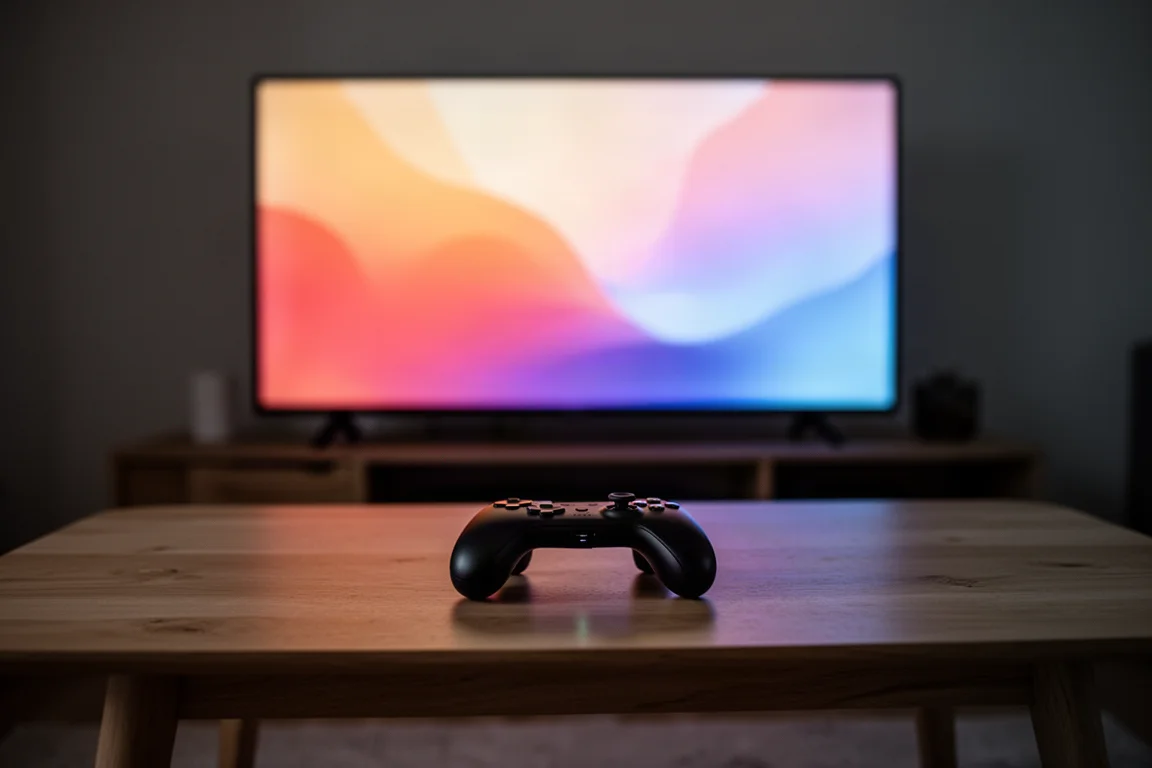
The Bravia 7, Bravia 8, and Bravia 9 all include two HDMI 2.1 ports that support up to 48 Gbps peak bit rate and 120 frames per second at 4K. Combined with auto low latency mode and variable refresh rate, that makes for a solid setup for casual and even fairly competitive gaming. It will not match a dedicated gaming monitor, but for a television it is a strong package. PlayStation 5 owners also get auto HDR tone mapping and Dolby Vision support, and the game menu provides quick access to a wide range of gaming features.
All three run Google TV as the smart platform, which brings access to Sony Pictures Core, formerly Bravia Core. That service was developed jointly by Sony TV engineers and Sony Pictures specialists to bring studio-quality picture mastering directly to the television. Typical streaming services deliver content at around 15 to 25 megabits per second, while Sony’s Pure Stream works with Sony Pictures Core to reach up to 80 megabits per second, which means more detail in the image and better audio quality, close to what a Blu-ray disc delivers.
Netflix Adaptive Calibrated Mode is also on board, and the 2024 models add a new Amazon Prime calibrated mode. The feature adjusts television brightness to match ambient room conditions and calibrates the image as closely as possible to the monitors used in post-production movie studios. It first appeared for Netflix in 2018 and has been refined for this generation. Sony’s Bravia Cam and the Bravia Connect app add further features for anyone who wants them.
Design, Stand, and Everyday Setup
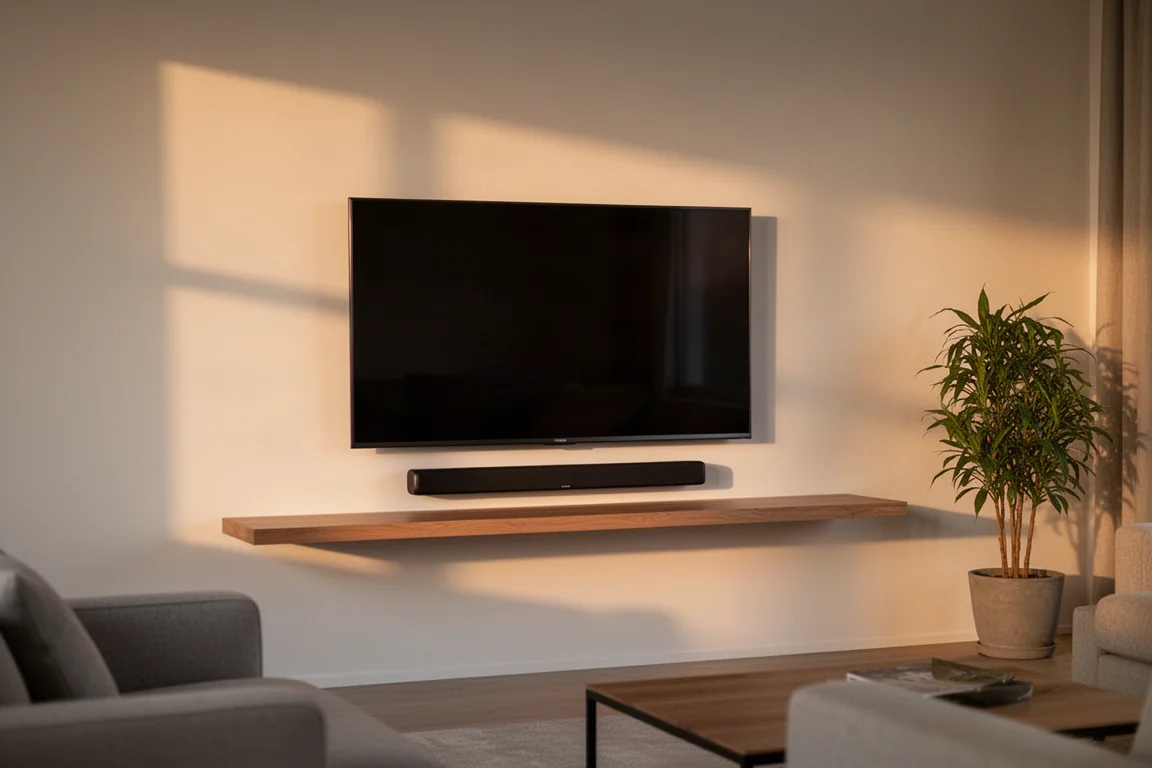
All three models use a multi-purpose stand with four height positions. You can set the television flush with a credenza, or raise it so a soundbar fits neatly underneath without covering any part of the screen. The stand legs can also be positioned toward the outside edges of the television or closer to the center, which helps when the surface you are using is narrower than the screen.
Sony has also introduced two new soundbars and a surround sound theater system for buyers who want to move beyond the built-in audio, and Acoustic Center Sync lets a compatible soundbar work together with the television’s own speakers.
How to Choose the Right Bravia for Your Room
The decision comes down to room conditions and priorities more than raw specifications.
If your room has a lot of windows or you watch a great deal of bright daytime content, the Bravia 9 is the model built for that situation. Its combination of brightness, dimming zones, X-Anti Reflection, and X-Wide Angle makes it the most flexible of the three in challenging light, and it is the natural choice if you want the largest and most impactful picture in this range.
If your room already offers decent light control and you value black level above all else, the Bravia 8 OLED delivers the pure blacks and per-pixel contrast the format is known for, in a noticeably slimmer design.
If budget and screen size matter most, the Bravia 7 gives you mini LED brightness and a large panel for less. You give up some low-end contrast and the Bravia 9’s extra dimming precision, but the performance gap is modest relative to the price difference.
Conclusion
Sony’s 2024 Bravia range is unusually coherent. Each model has a clear reason to exist, and the differences between them map onto real differences in rooms and viewing habits rather than marketing tiers. The Bravia 9 leads on brightness and dimming control, the Bravia 8 leads on black level and contrast, and the Bravia 7 brings mini LED performance to a larger screen at a more accessible price.
Further reading
Related Reviews
Home Theater
Anthem AVM 90 Review: A 15.4-Channel Flagship Preamp Processor
A close look at Anthem's flagship preamp processor, covering its dual ESS DAC architecture, 15.4-channel layout, ARC Genesis calibration and four independent subwoofer outputs.
Home Theater
Apple TV 4K With AirPods: A Best-Value Home Theater Setup
An Apple TV 4K paired with AirPods over Bluetooth makes a compact home theater setup for movies, spatial music and late-night viewing, and it can be assembled for as little as $300.
Home Theater
Arcam AVR15, AVR25, AVR35, and AVP45 Compared: Which AV Amplifier Fits Your System?
Four new Arcam home theater components share nine-channel amplification and Dirac Live, but differ in power, processing ceiling, and channel flexibility.