OLED TVs
Sony A95L Review: A QD-OLED Flagship Built for Bright Rooms
The Sony A95L pairs a second-generation QD-OLED panel with Sony's Cognitive Processor XR. Here is what stands out, what to watch for, and who should buy it.
Introduction
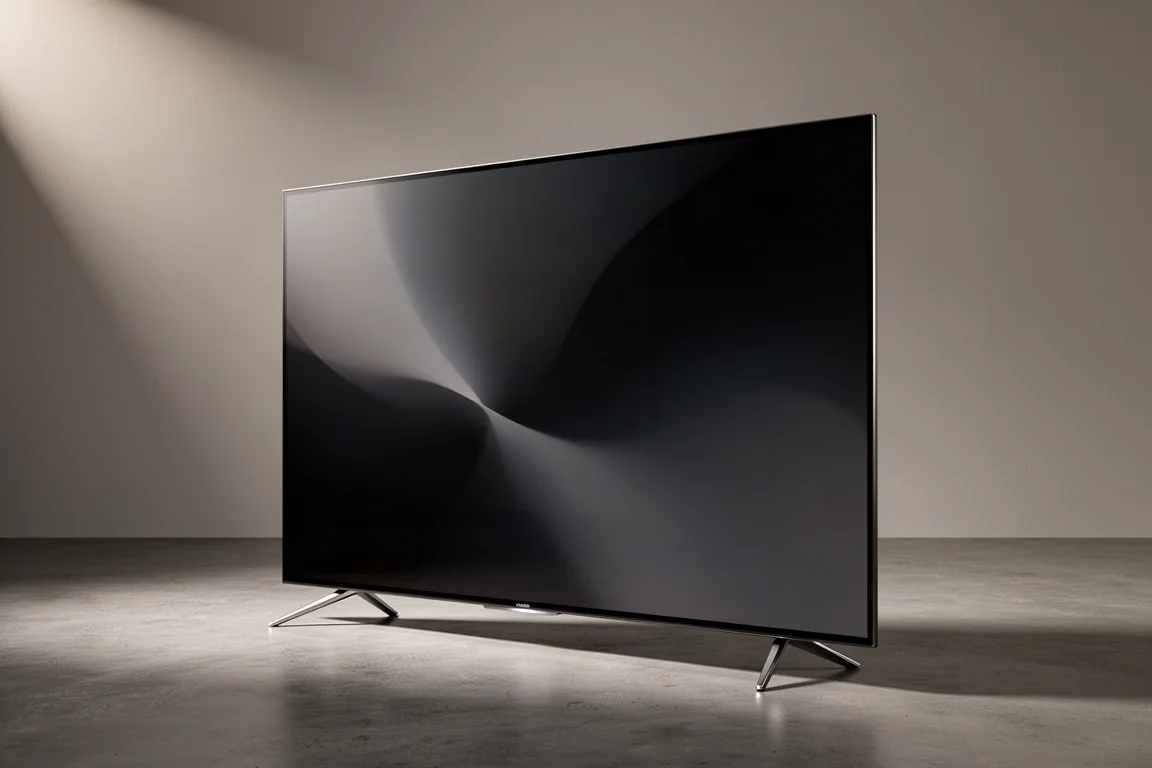
The Sony A95L is the successor to Sony’s first quantum dot OLED television, and it arrives with a clear brief: keep the deep blacks and wide colour range that QD-OLED is known for, then add brightness and processing on top. The panel has moved to a second generation, the range now includes a 77-inch option alongside 55-inch and 65-inch sizes, and the set has already been described as one of the most capable televisions on the market.
This review covers what the QD-OLED technology actually delivers, where the A95L stands out, and which trade-offs are worth weighing before you commit.
Who This Product Is For
The A95L is aimed at viewers who want OLED picture characteristics but do not have full light control in their room. Conventional OLED panels rely on colour filters to produce red, green and blue, and those filters reduce brightness, which is why a bright room has traditionally pushed buyers toward an LED television instead. A QD-OLED panel uses a quantum dot layer to generate colour rather than conventional filters, so it can reach high brightness while still producing deep blacks, without the motion blur, ghosting or viewing angle distortion that can affect LED sets.
Because the panel holds consistent luminance from every seat and the surface reduces glare and reflections, this is a television that can sit in a media room without blackout curtains. The available sizes, 55, 65 and 77 inches, cover everything from a small apartment setup to a dedicated room.
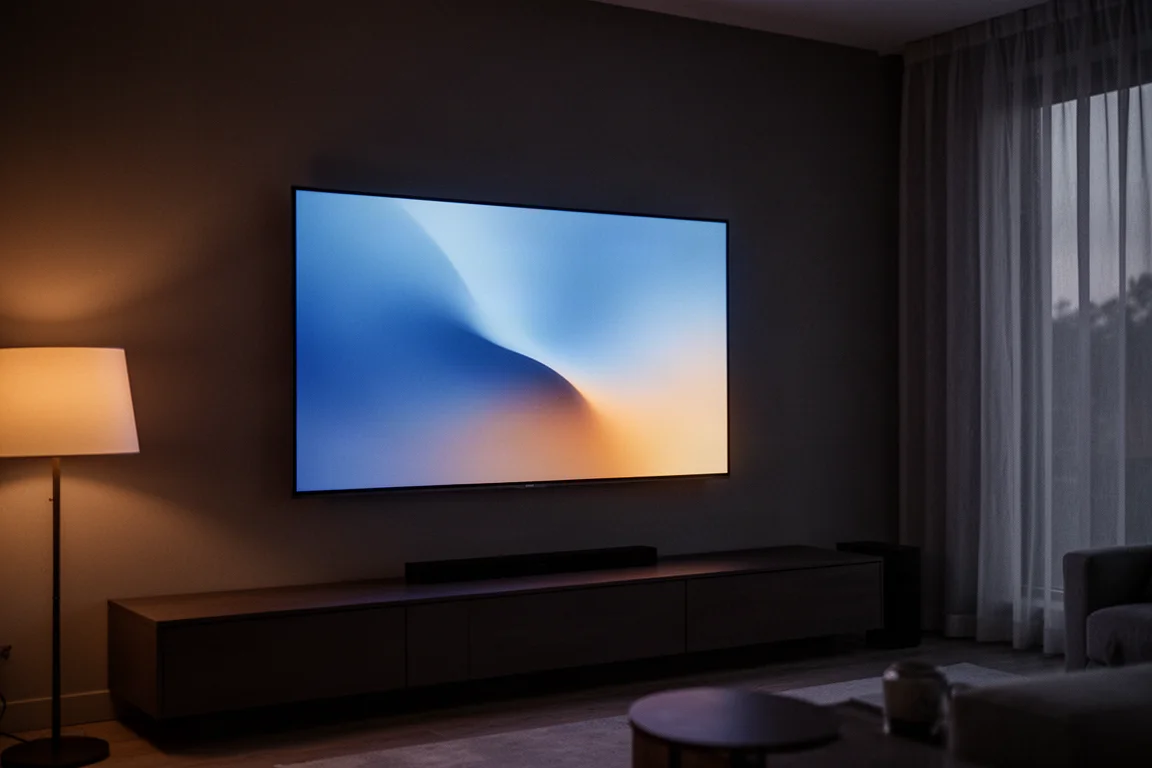
It is also a natural fit for mixed households, where one person watches films, another follows sport, and a third plays games. The set is designed to hold up across all three rather than specialising in only one.
Design and Connectivity
The A95L uses a minimalist, premium look with Sony’s One Slate panel design, where the picture appears to merge into an extremely thin bezel. The rear covers and cable management sections are thorough enough that the back of the television stays tidy from any angle you view it from.
The stand has changed from a large base plate to two individual feet. They can be placed at the edges for a low profile, or raised a few inches so a soundbar fits in front of the screen. On the 77-inch version, the feet can also be positioned toward the centre of the television to fit narrower furniture.
Connectivity covers four HDMI inputs, of which two are HDMI 2.1 and capable of the full 40 Gbps bandwidth needed for 4K at 120 Hz. One of those HDMI 2.1 inputs is also eARC, which leaves a single HDMI 2.1 port free for a console or gaming PC. That limitation can be worked around with a soundbar or receiver that supports HDMI 2.1 pass-through, though purists who prefer a direct connection between device and television will see the extra link in the chain as a compromise.
Main Strengths
Picture Quality and Brightness
The headline change from the previous generation is peak brightness. The earlier model reached around 1,000 nits; the A95L is rated at roughly 2,000 nits. That is a peak figure rather than a sustained one, but in use the difference is easy to see, and it is the main reason this set can be considered for rooms that would normally rule out OLED.
Brightness is only part of the story. A high luminance panel and a heat diffusion sheet work together to dissipate heat and control light precisely, while the panel maintains the same luminance from every viewing angle. Sony’s XR Triluminos Max handles colour, delivering vivid shades, hues and realistic textures at all brightness levels. The combination produces the kind of deep, inky blacks OLED is known for alongside highlights that stay controlled rather than clipping.
Picture modes are worth understanding before you settle in. Vivid is extremely bright but not the most accurate representation of most films, Cinema adjusts brightness and contrast for less than ideal viewing conditions, and Professional was created with Sony Pictures engineers to represent content as closely as possible to the creator’s intent. In practice, a Blu-ray played in Professional mode showed accurate colours, reference-level contrast, detailed shadows and natural skin tones, without any manual calibration. Dolby Vision Dark and Bright, IMAX Enhanced and Netflix calibrated mode are all supported, and the Netflix mode now adapts to lighter or darker rooms and to the colour temperature of the room lighting.

Processing and Motion Handling
Sony’s Cognitive Processor XR does the heavy lifting here. Rather than treating a frame as a single unit, it looks at colour, contrast, motion and clarity, breaks the frame down into thousands of elements, and processes them simultaneously. It also applies cognitive intelligence to work out which parts of an image a viewer’s eye would naturally focus on, then enhances those areas to add depth and realism.
XR Clear Image is new to this processor and improves sharpness while suppressing noise. It uses zone division and dynamic frame analysis to make lower quality broadcasts look cleaner and to reduce blur in fast action. XR 4K Upscaling goes a step further than most: it can identify the resolution of the source material even when that source arrives from an external player, and it analyses bitrate and encoding parameters so it can apply adaptive noise reduction and adaptive super resolution as needed. XR OLED Motion inserts frames between the original ones to keep sport and action sequences smooth and clear.
Gaming Performance
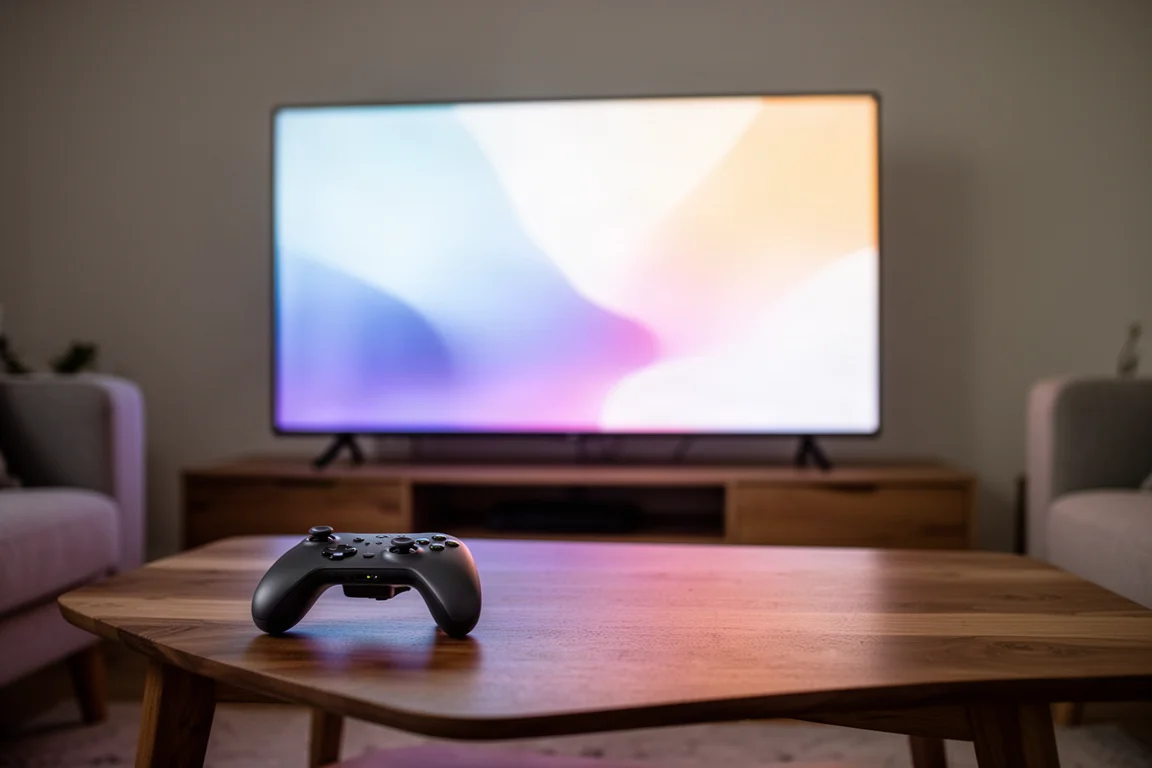
For gaming, the A95L covers the essentials and then some. The HDMI 2.1 inputs support 4K at 120 frames per second, input lag sits at around 8.5 milliseconds, and variable refresh rate and auto low latency mode are both on board. This is Sony’s first television to support Dolby Vision at 120 Hz for gaming, which lifts colour accuracy, contrast and brightness in supported titles.
The game menu collects settings and assist functions in one place. Separate profiles exist for first person shooters and real time strategy games, and you can adjust motion blur reduction, the black equaliser for lifting shadow detail, crosshairs, and even screen size, which competitive players sometimes reduce so more of the action fits within their field of view. PlayStation 5 owners also get Auto HDR tone mapping and auto genre picture mode, which switches picture quality automatically between gaming and streaming.
Sound Quality
The built-in audio is stronger than most flat panels manage. Acoustic Surface Audio Plus uses actuators built into the panel itself, vibrating the screen in the way a speaker driver moves, so effects feel like they come from the exact area of the screen where the action is happening. XR Surround, Voice Zoom 2 and Acoustic Center Sync round out the feature set, and when a compatible Sony soundbar is connected, its settings appear directly in the television menu.
Dialogue is clear and movie effects are satisfying for everyday viewing. That said, a television at this level rewards a proper sound system, and the built-in speakers are best treated as a capable starting point rather than the end goal.
Smart Features and Bravia Core
Google TV is the operating system, giving access to more than 700,000 movies and television episodes along with over 10,000 apps and games, including the major subscription services. Google Assistant handles voice requests across those apps, which makes finding something to watch straightforward.
Bravia Core is Sony’s own streaming service and streams 4K at up to 80 Mbps, far closer to the 128 Mbps maximum of an Ultra HD Blu-ray disc than the 25 Mbps typical of most streaming platforms. Titles are IMAX Enhanced certified, and the service supports DTS:X and Dolby Atmos. Sony recommends a connection speed of at least 115 Mbps and suggests using Wi-Fi rather than ethernet, since the wireless connection is faster on this set.
The A95L is also the only model in the range with the Bravia Cam, which detects your position in the room and optimises brightness and sound, supports hand gestures, adjusts microphone volume for video calls, and issues proximity alerts if you sit too close to the screen. Multi View, also exclusive to this model, opens two apps at once in a picture-in-picture layout, which is genuinely useful when you want a tutorial running alongside a game.
Things to Consider Before Buying
There are a few practical points worth knowing. Once eARC takes one of the two HDMI 2.1 inputs, only a single full bandwidth port remains for a console or gaming PC, so multi-device gamers may need a pass-through soundbar or receiver to avoid swapping cables.
The matte anti-reflective coating that keeps reflections under control has a visible side effect: when the television is switched off in a brightly lit room, the panel looks slightly grey rather than black, and the black bezel stands out a little more. The set loses a touch of its seamless look when powered down, although this is not something most viewers will notice in normal use.
It is also worth reading brightness figures carefully. The roughly 2,000 nit rating refers to peak brightness at the top of what the panel can reach, not to every scene you watch, and the brightest picture mode is not the most accurate one for films.
Finally, the built-in speakers, while impressive for a television, do not equal a full home theatre system.
Buying Advice
The A95L makes the most sense for buyers who want OLED contrast and colour in a room that is a little too bright for a standard OLED panel. If your space has large windows or you watch a lot during the day, the extra brightness and the glare-resistant surface are the reasons to choose this set over a conventional OLED.
Choose your size by room rather than by specification. The 55-inch suits smaller spaces, the 65-inch is the natural middle ground, and the 77-inch gives the most immersive result, with the added benefit of centre-mounted feet for narrower furniture. If you are fitting a soundbar, the raised foot position keeps everything tidy.
On setup, there is no need to plan for professional calibration to get a strong picture. Professional mode is the most technically accurate option straight out of the box, and Cinema mode is a sensible compromise when your room conditions are less than ideal. If gaming matters, the 4K 120 Hz support, low input lag and the game menu make the setup process quick.
If you are building the room around the television rather than the other way round, budget for a soundbar or receiver as part of the purchase, and confirm you have the internet speed for Bravia Core if that service appeals.
Conclusion
The Sony A95L shows what happens when a top quality QD-OLED panel is matched with a high quality processor. Brightness is roughly doubled over the previous generation, colour and contrast hold up from every seat, and the gaming and smart features are comprehensive enough that most buyers will not need to add much. The caveats are real but narrow: a single free HDMI 2.1 port after eARC, a panel that looks slightly grey when off in bright light, and peak brightness figures that describe a ceiling rather than everyday performance.
For a bright room, a mixed-use household, or anyone who wants OLED picture quality without giving up daytime viewing, the A95L is a confident recommendation.
Product link
View more details for Sony A95L
This product is mentioned in the review. Check the specifications, options, and compatibility before buying.
View more details for Sony A95LFurther reading
Related Reviews
OLED TVs
Samsung S95F vs LG C5: Two 4K OLED TVs Compared
A practical comparison of the Samsung S95F QD-OLED and the LG C5 OLED, covering picture accuracy, brightness, viewing angles, room light, and value.

Backpacking Gear
Building a 10 lb Base Weight: An Ultralight Backpacking Gear List
A practical walkthrough of the ultralight pieces behind a 10 lb base weight, from a 765 g pack and a roomy one-person tent to a full camp chair and a dependable water filter.

Road Bikes
10 New Road Bikes Worth Watching: Aero, Titanium, Steel and Endurance Standouts
A practical roundup of 10 new road bikes, from aero flagships chasing single-watt gains to titanium, steel and endurance platforms built for real roads.