Home Theater Receivers
Sony 7000ES Review: A Neutral Flagship Receiver With Outstanding Spatial Placement
Sony returns to the ES receiver line with a 13.2 channel flagship that prioritizes neutral sound and precise three-dimensional placement, plus a few design compromises worth knowing.
Introduction
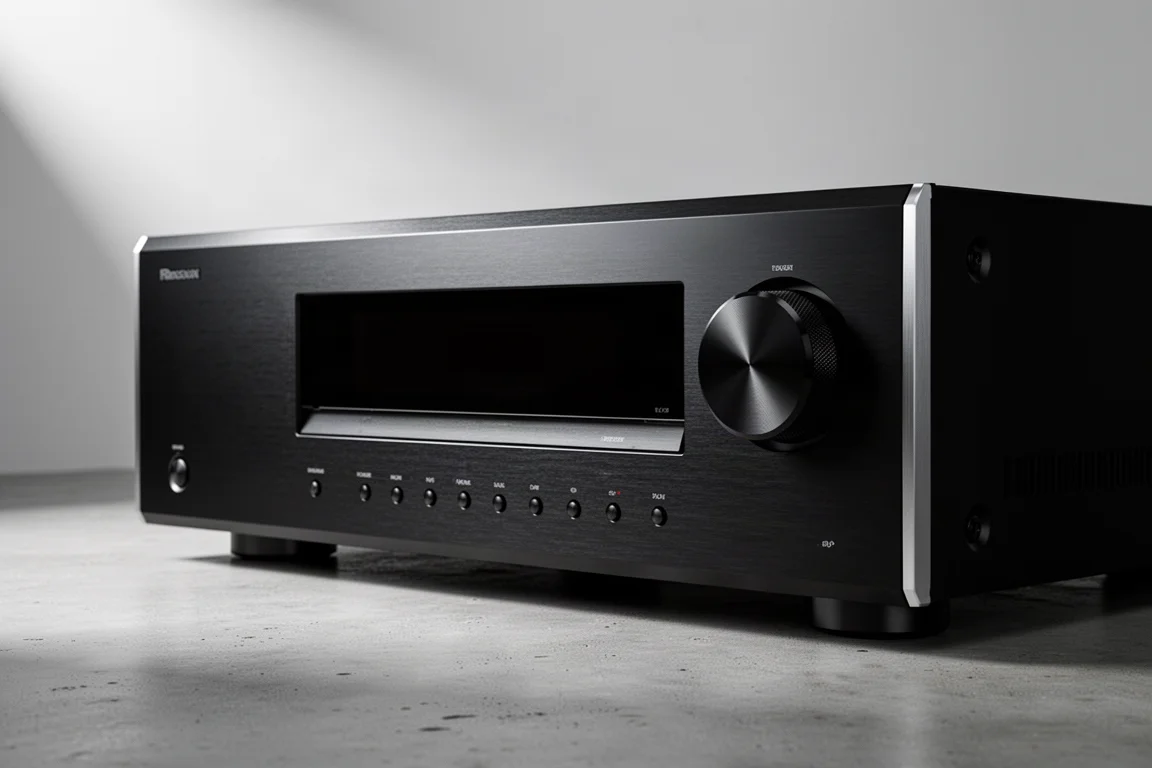
Sony’s ES home theater receiver line went quiet for close to eight years, and the company has returned with four new models rather than one. The flagship is the 7000ES, a 13.2 channel Dolby Atmos and DTS:X receiver rated at 150 watts per channel into 8 ohms in stereo. Sony does not publish a power figure with all channels driven, but the combination of new transformers and the higher rating suggests it can drive most speakers on the market today, including designs that dip as low as 4 ohms. Full preamp outputs for all 13.2 channels are there for anyone who would rather add external amplification later.
At just under $3,300, this is a serious purchase. The question is whether the 7000ES earns that money through sound quality, features, and long-term flexibility.
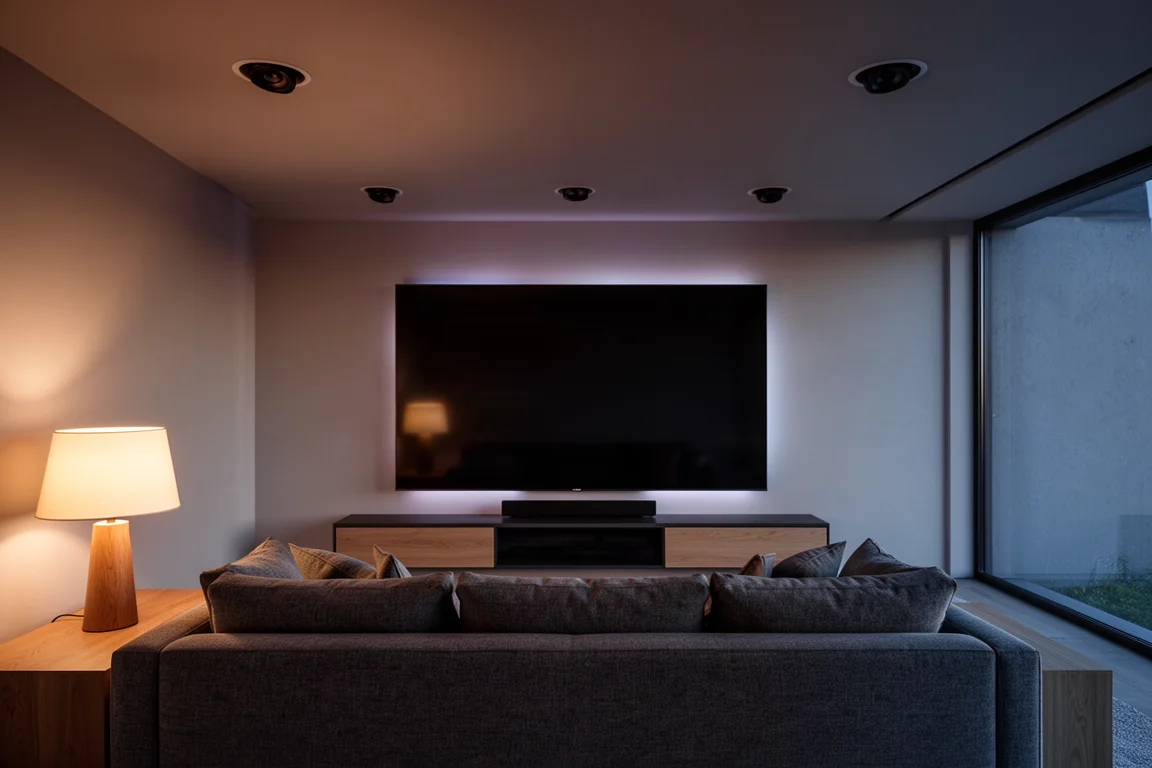
In use across three different 5.1.4 configurations, including mixed front-stage speaker sets with in-ceiling surrounds, the receiver held its composure. Mixing and matching speakers across the front three channels did not trip it up.
Who This Receiver Is For
The 7000ES is aimed at listeners building a serious multi-channel home theater who want headroom and channel count without moving to separates. Thirteen channels of amplification and preamp outputs for up to 13.2 channels cover large Atmos layouts, and the power rating suggests it can handle speakers with low impedance dips.
It is also a fit for anyone who wants wireless surround. Sony’s own wireless speakers and subwoofers can handle up to two channels of surround sound without running cable to the back of the room. Custom installers get third-party control options and installer-focused features, and the five-year factory warranty is longer than most buyers would expect at this level.
If you are shopping for a compact nine-channel receiver for a modest room, this is more machine than you need.
Main Strengths: Neutral Sound and 360 Spatial Sound Mapping
The 7000ES does not impose a character on your speakers. It is not warm, not cool, and not forward. Measured results support the neutral tuning, and anyone who picks a receiver specifically to change the sound of their system should look elsewhere.
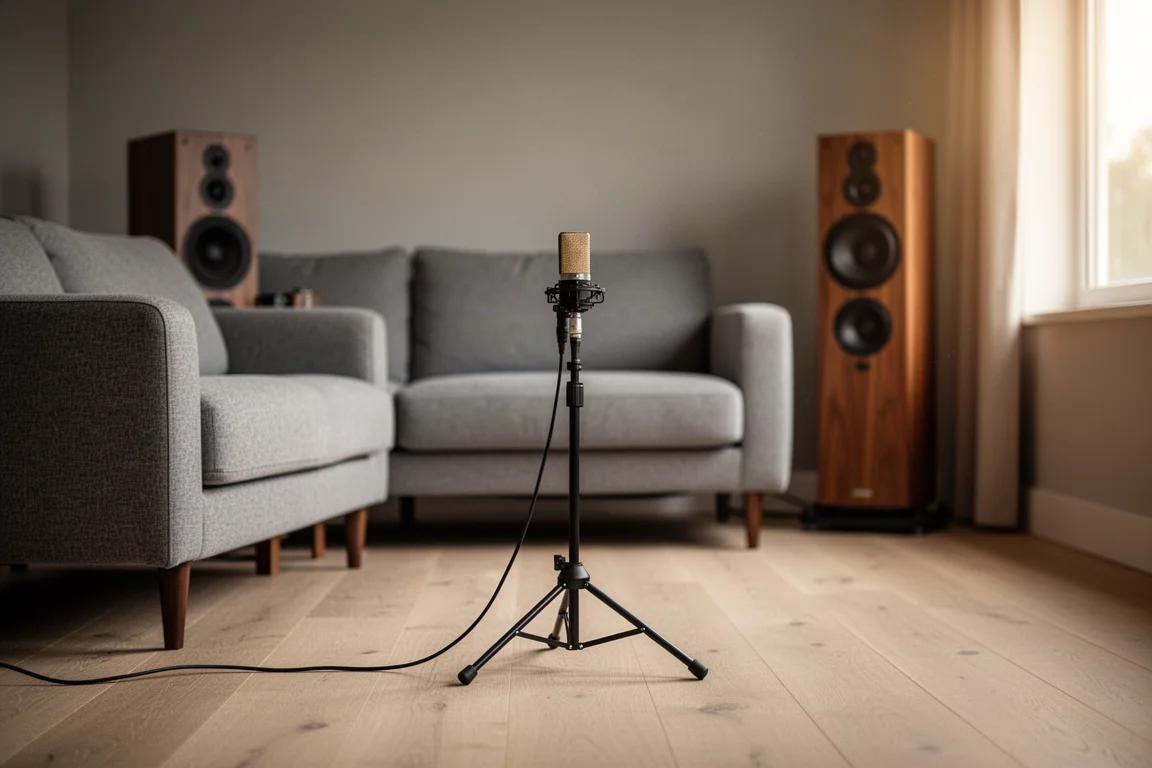
Where it separates itself is spatial placement. Sony’s 360 Spatial Sound Mapping, driven by the Digital Cinema Calibration 9 auto room correction procedure, measures the room in three dimensions, including height, and then either virtualizes channels or combines existing ones to sharpen effects such as the center image. The receiver can support up to two center speakers and can even use a compatible Sony TV as a center channel.
Reaching that requires some manual input. Before the automated portion runs, you enter seated ear height, ceiling height, distance from the screen, and screen height. A laser measuring tool makes the job quicker, and the extra few minutes are worth it. Manual configuration is also deep enough to satisfy listeners who would rather tune by hand.
The payoff is placement accuracy that stands out against other receivers at this price. Dense, layered film and series mixes placed effects, dialogue, and instruments more precisely than the alternatives, whether the receiver ran in its native Dolby Atmos mode or with the spatial enhancements engaged. The same quality carries into two-channel music, where performers and instruments occupy distinct positions in the room, which gives the 7000ES a credible second life as the centerpiece of a music system. For games, the spatial processing makes it easier to locate opponents by sound in first-person shooters.
Connectivity, Gaming, and Setup
Four of the seven HDMI inputs handle HDMI 2.1 at 8K60 and 4K120, and those inputs are capped at 40 Gbps. The remaining three are limited to 4K60. There are dual HDMI monitor outputs, one of which supports ARC and eARC, and legacy sources can be upscaled to 8K with a compatible display and source devices.
Gamers get auto low latency mode and variable refresh rate, and HDR support covers the major formats including Dolby Vision and IMAX Enhanced content.
Wireless connectivity is finally current: Wi-Fi, Bluetooth, AirPlay, Chromecast, Spotify Connect, and Sonos compatibility. Setup is straightforward, particularly for anyone who has owned a Sony receiver before.
How the 7000ES Compares With Other Receivers
At just under $3,300, the 7000ES lands against the Marantz 815 and Cinema 50. The Sony brings more channels of internal amplification, more power, and preamp outputs for up to 13.2 channels, while the Cinema 50 counters with Audyssey room correction, a planned Dirac option, and no comparable restriction on its HDMI 2.1 inputs. Marantz still has the edge on build quality and on-screen interface, but the Sony delivers more per dollar in channels and power, which is why it belongs on the shortlist next to either Marantz model for buyers shopping upmarket.
Against the Denon X8500, the Sony matches the 13.2 channel count and 8K capability while costing nearly $1,500 less than an older design, which makes it the more sensible buy in that pairing. The Anthem MRX 1140 costs more while offering less power and fewer channels. A fair like-for-like comparison would be Yamaha’s A8A, but that model was not in finished form when last assessed, so a firm verdict there is not possible yet.
Within Sony’s own lineup, the 5000ES arrives at just over $2,000 with 11.2 channels of amplification at 130 watts and the same feature set as the flagship, which makes it the value pick for most rooms. The 7000ES is the right choice when channel count and headroom are the priority.
Things to Consider Before Buying
The front panel display is a genuine weak point. It is difficult to read at any time of day, which is a strange outcome for a company known for its displays. The Sony Music Center app is basic, and the supplied remote feels inexpensive, so the on-screen interface carries more weight than it should.
The industrial design is also barely changed from ES receivers of roughly eight years ago. On a retailer page next to competing models, it is hard to tell the new flagship apart from its predecessors.
One setup quirk is worth knowing. During room correction, the receiver flagged a center channel error with a Klipsch RP-500C and would not continue past the initial steps until the receiver was factory reset and both the receiver and the speaker were unplugged. The same speakers had completed the procedure without issue on an earlier attempt, and the problem did not appear with B&W speakers, so it may be an isolated case that a firmware update can resolve.
Also worth noting: Sony does not publish an all-channels-driven power rating, and the four HDMI 2.1 inputs are limited to 40 Gbps.
Buying Advice
Buy the 7000ES if you want a neutral, placement-focused 13.2 channel receiver with real headroom, preamp outputs for future expansion, wireless surround options, and a five-year warranty. It suits listeners who care about where sounds sit in the room more than about a specific tonal signature.
If your room and budget point to fewer channels, Sony’s 5000ES at just over $2,000 keeps the same feature set with 11.2 channels at 130 watts and is likely the better value. Buyers who need Audyssey or Dirac, or who want every HDMI 2.1 input unrestricted, should compare carefully before committing.
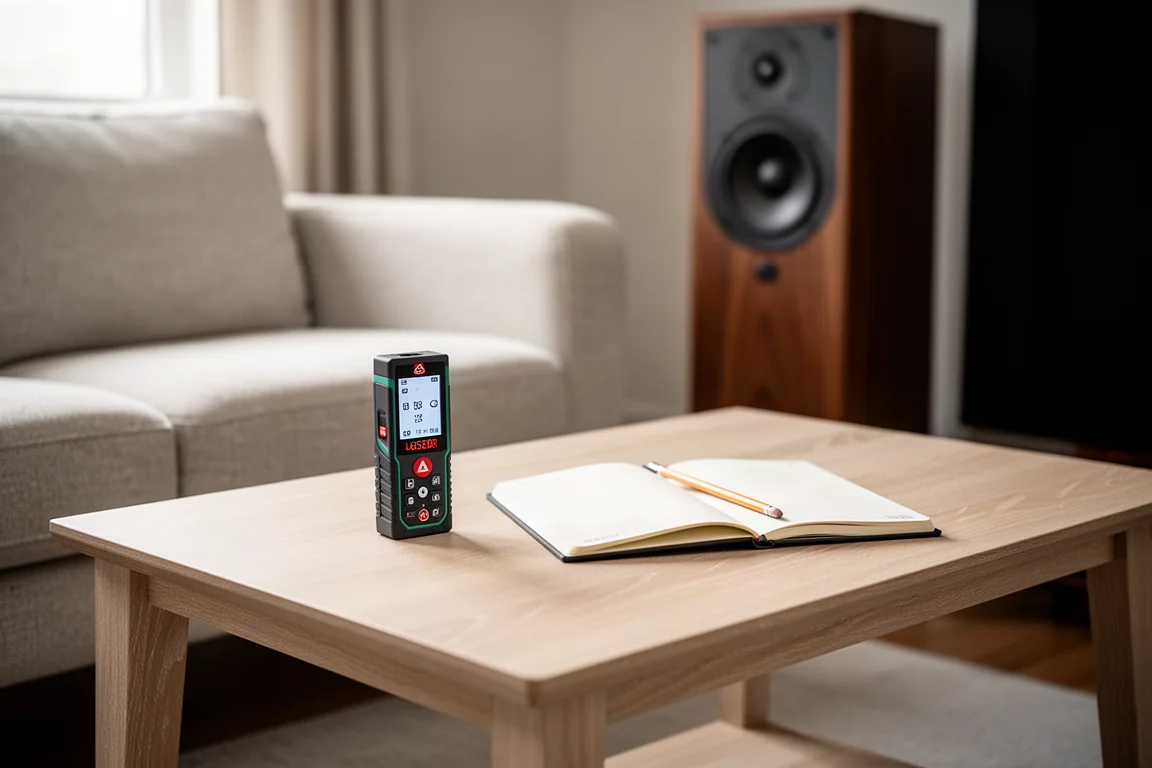
Budget for a laser measuring tool before calibration, since the manual measurements are required for the spatial sound features to work as intended. It is a small expense that removes most of the frustration from setup.
Conclusion
Sony’s return to the ES receiver line is a strong one. The 7000ES is neutral rather than characterful, generously equipped, and unusually good at placing sound in three-dimensional space, and the five-year warranty and full preamp outputs give it room to grow with a system. The unreadable front display, dated industrial design, and basic app are real annoyances, but they do not undermine what the receiver does where it matters. For buyers building a large Atmos system who want precise, immersive placement without moving to separates, the 7000ES deserves a place at the top of the list.
Product link
View more details for Sony 7000ES
This product is mentioned in the review. Check the specifications, options, and compatibility before buying.
View more details for Sony 7000ESFurther reading
Related Reviews
Home Theater Receivers
Arcam AVR11, AVR21, AVR31 and AV41: Inside the Current Home Theater Lineup
Three AV receivers and one surround processor share Arcam's house sound and a complete modern feature set. Here is how they differ and which one fits your room.
Home Theater Receivers
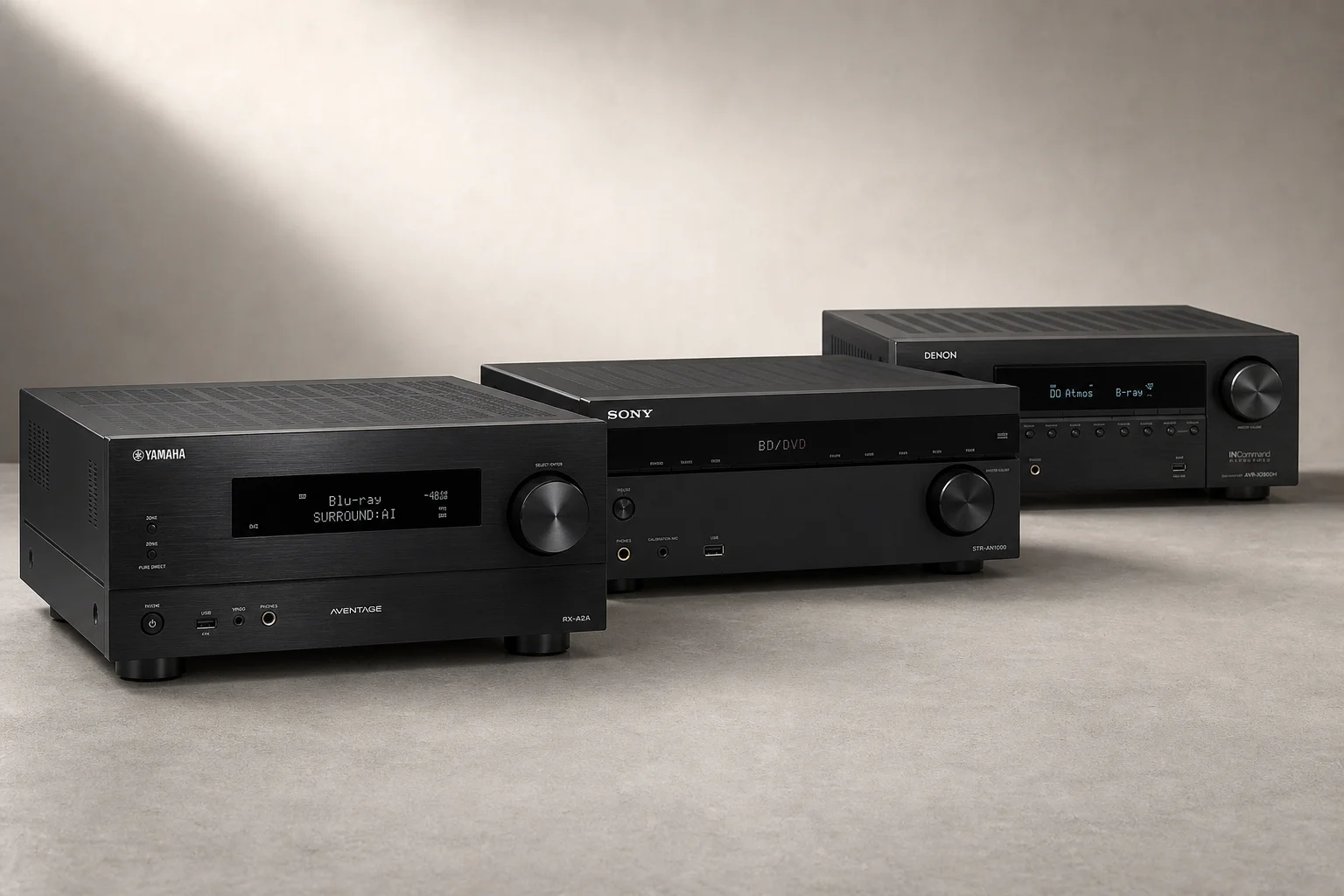
Best Home Theater Receivers 2026: Ten Picks From Entry Level to Flagship
A practical roundup of ten home theater receivers, from an affordable 5.1.2 model to a 15-channel flagship, with the features that matter most before you buy.
Home Theater Receivers
Best Home Theater Receivers: Eight Picks From Entry Level to Audiophile
Eight home theater receivers compared on channels, amplifier headroom, room correction, subwoofer outputs, and expansion, from an entry-level pick under $750 to audiophile flagships.