Home Theater Receivers
Arcam AVR11, AVR21, AVR31 and AV41: Inside the Current Home Theater Lineup
Three AV receivers and one surround processor share Arcam's house sound and a complete modern feature set. Here is how they differ and which one fits your room.
Introduction
Arcam earned its reputation on two-channel hi-fi: warm, engaging sound from components that delivered far more than their price suggested. Home theater was a side interest for years. That changed after the brand joined the Harman group in 2017, bringing access to software and HDMI engineering depth that smaller specialist companies rarely keep in house. Arcam’s first Atmos receivers sounded excellent but arrived with software rough edges, and that is no longer part of the story in this generation.
The current range is made up of three AV receivers and one surround processor: the AVR11, AVR21, AVR31, and AV41. They share a house sound, a chassis family, and a long list of technology. The useful question is not whether they sound good, but which one matches your speakers, your room, and the way you listen.
Shared Technology Across the Lineup
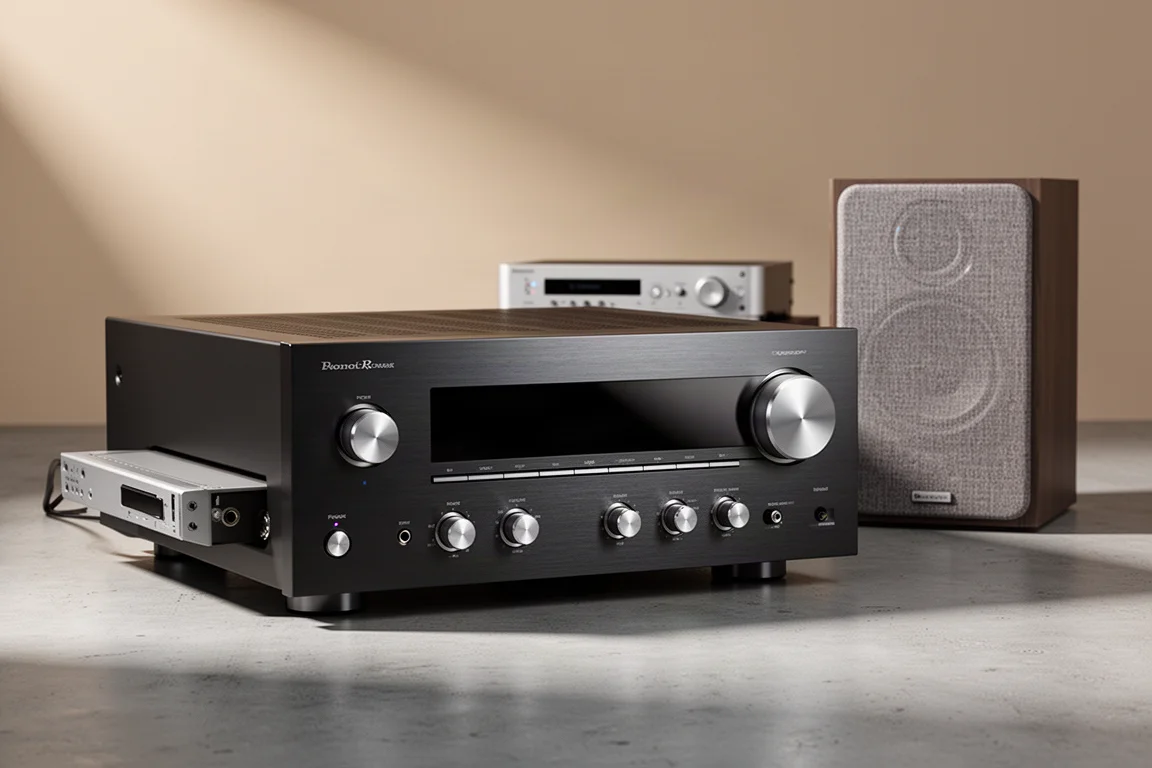
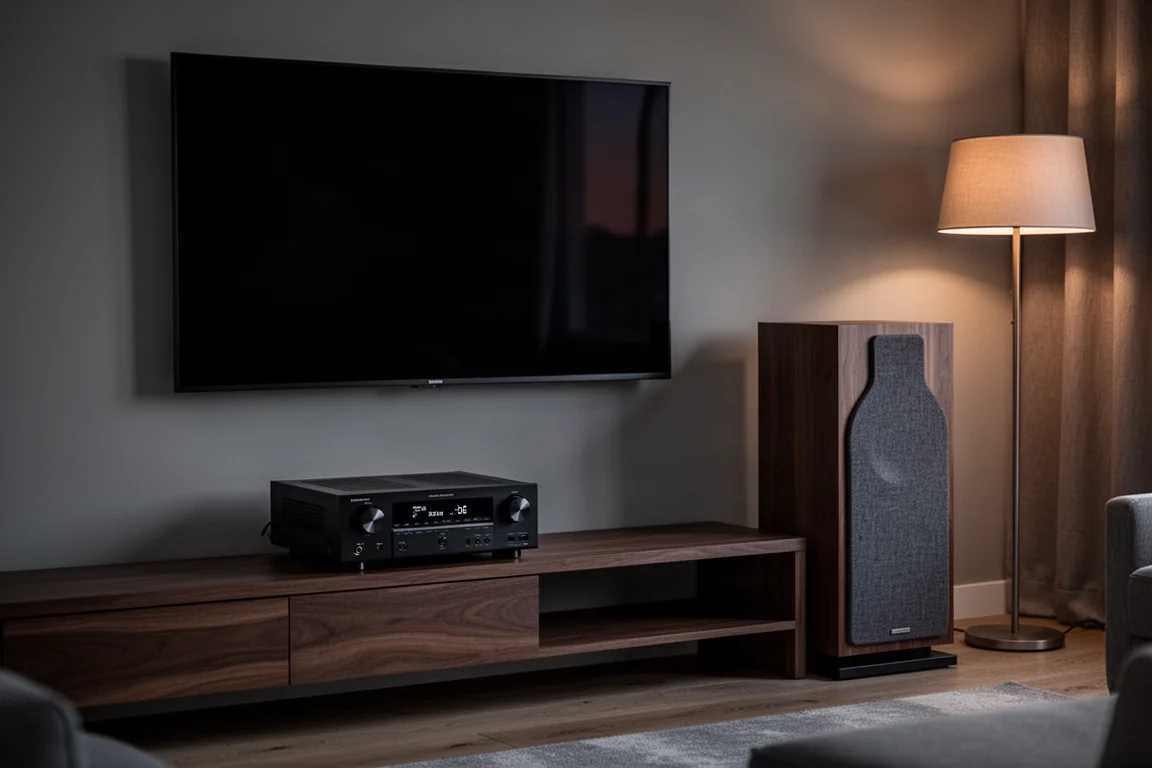
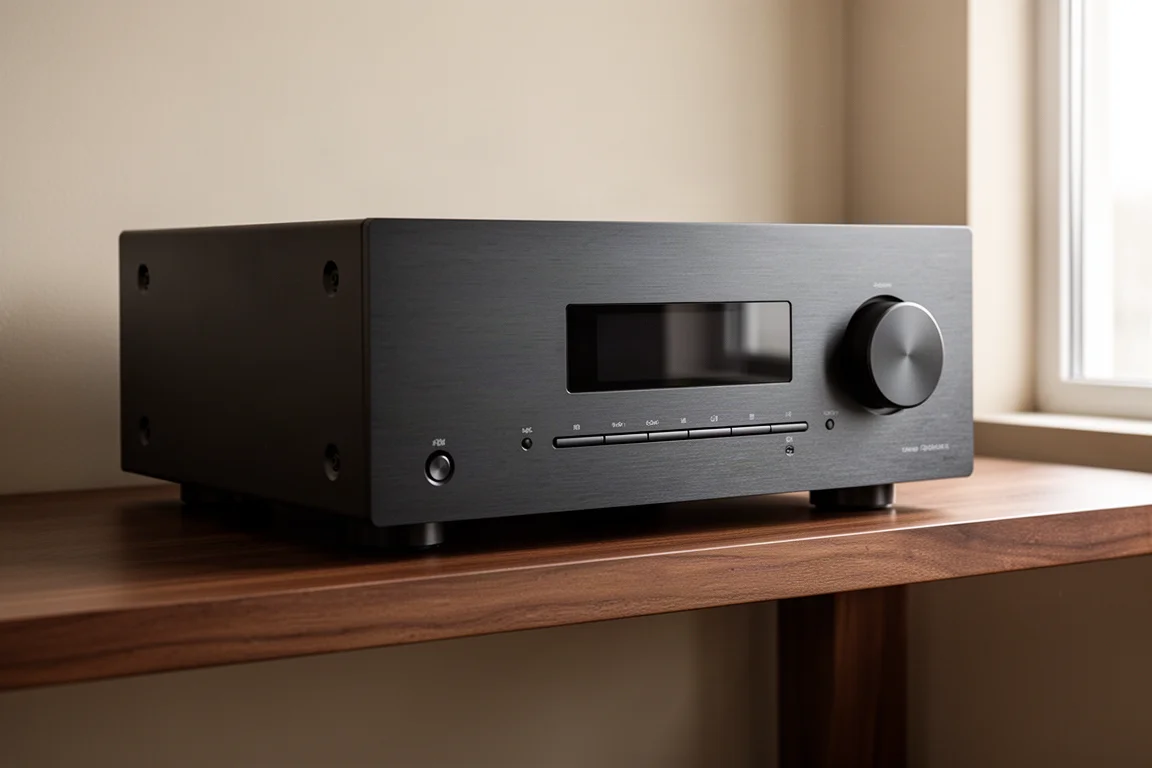
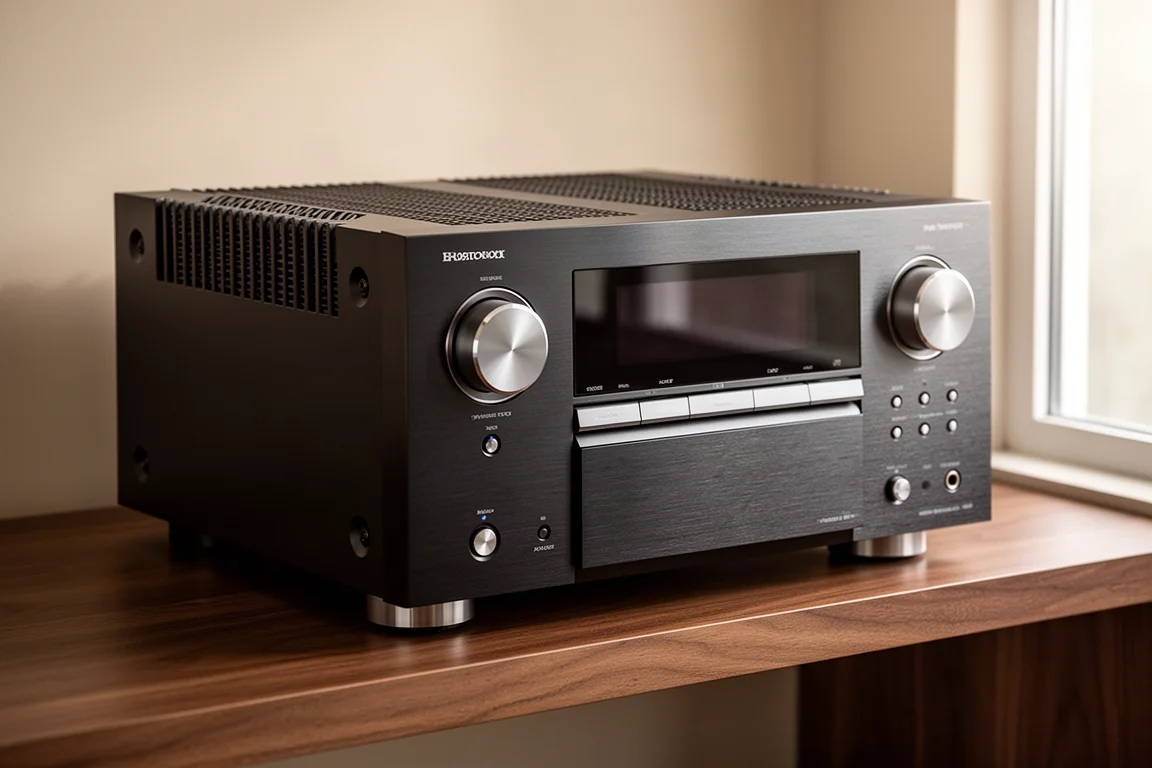
All four models share the same visual language: a darker gunmetal finish with silver knobs and buttons, and a chassis that pairs cleanly with Arcam’s companion amplifiers. Build quality and fit and finish are what you would expect in this category. The front-panel display is a genuine usability strength. It is large enough to read at a glance, and the menus are clear enough that a full setup can be completed from the front panel rather than through an app.
Surround formats cover the bases with Dolby Atmos, DTS:X, and Auro-3D. On the video side, every model offers HDMI 2.1 with HDCP 2.3, plus Dolby Vision, HDR10+, HDR10, and HLG support. All inputs accept 8K at 60 frames per second and 4K at 120 frames per second. Connectivity runs to seven HDMI inputs, one of them eARC capable, along with four coaxial and three optical digital inputs.
Streaming is handled by Google Chromecast, Apple AirPlay 2, and Bluetooth with aptX HD, with Harman’s MusicLife app covering Tidal, Qobuz, Deezer, and Napster. All four units are Roon ready and support MQA.
Setup flexibility goes deeper than most receivers at any price. Crossover points can be set in 10 Hz increments, and crossover slopes can be switched between 12, 24, 36, and 48 dB per octave. Digital conversion is identical across the range: two ESS ES9026PRO Sabre DACs, a 32-bit eight-channel design intended for high-end audio equipment. In a two-channel system with quality speakers and a power amplifier, that DAC section reveals fine detail at a level you would expect from a dedicated high-end DAC and preamp combination.
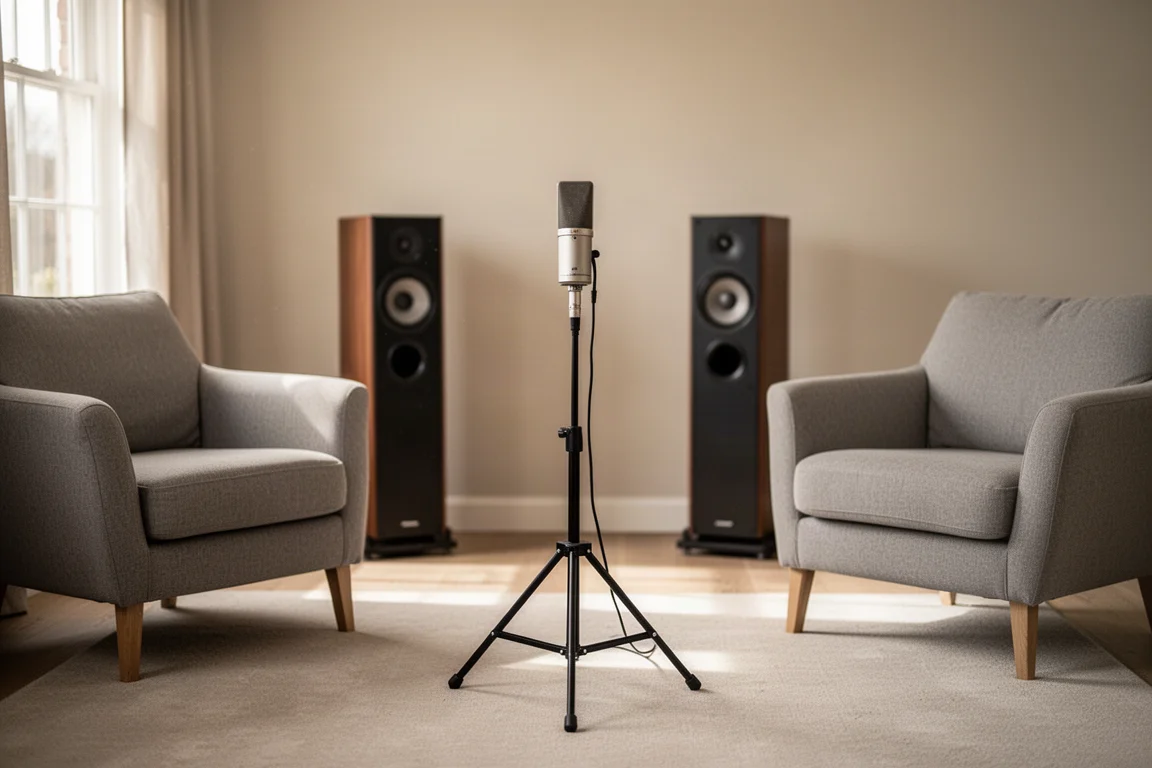
Room correction comes from Dirac Live, and all four models run the latest version. Three separate Dirac curves can be stored and assigned to individual inputs, so a single-chair curve, a two-seat curve, and a full-room curve can all live in the same unit and be called up with the source. Dirac Live Bass Control, which improves how multiple subwoofers blend with the main speakers, is available as an additional purchase, and only a small number of home theater receivers can run it at all. A measurement microphone is included, though a better aftermarket model is a worthwhile upgrade for anyone chasing accuracy.
The only notable omission is a phono preamp. At this level, an external phono stage is the better route anyway.
Arcam AVR11: The Entry Point to the Range
The AVR11 carries all of the shared technology with 12 channels of surround decoding and seven powered channels on board. Its Class AB amplifiers are rated at 80 watts per channel into 8 ohms, with 104 watts available into 4 ohms. The important detail is that preamp outputs are provided for all 12 channels. You can start with a 5.1.2 Dolby Atmos layout and later add a four-channel power amplifier to reach 7.1.4 without replacing the receiver.
Arcam AVR21: More Headroom and More Processing
The AVR21 keeps seven powered channels but upgrades the power supply to a more robust toroidal transformer design. Output rises to 110 watts per channel into 8 ohms and 175 watts into 4 ohms, which comes closer to the ideal of doubling power as impedance halves. In practice that means greater dynamic range and better control, particularly with speakers that dip to low impedances.
Processing is where the AVR21 pulls further ahead. It offers 16 channels of processing on board and four additional assignable outputs beyond the seven powered channels. Those outputs can be configured for a larger layout such as 9.1.6, or assigned individually as subwoofer channels. Subwoofers can run in stereo or mono, and bass management can be set per input.
That flexibility matters most in rooms with more than one subwoofer or more than one listening position, where a single fixed configuration rarely suits every source.
Arcam AVR31: Class G Amplification for Music and Movies
The AVR31 matches the AVR21 for decoding and processing and keeps seven built-in amplifier channels. The difference is the amplifier class. Class G delivers Class A power up to roughly 20 watts per channel, then switches to Class AB above that point, with an expected 120 watts per channel on tap. Class A operation keeps the output transistors conducting across the entire waveform, which is why it is prized for purity, and Class G captures that benefit without the heat of a full Class A design.
With reasonably sensitive speakers, most listening will sit inside the Class A window. That is where the AVR31 earns its place for anyone who wants serious two-channel music from a home theater receiver alongside convincing movie sound. If movies come first and critical stereo listening is rare, the AVR21 remains the more sensible spend.
Arcam AV41: The Separate Processor
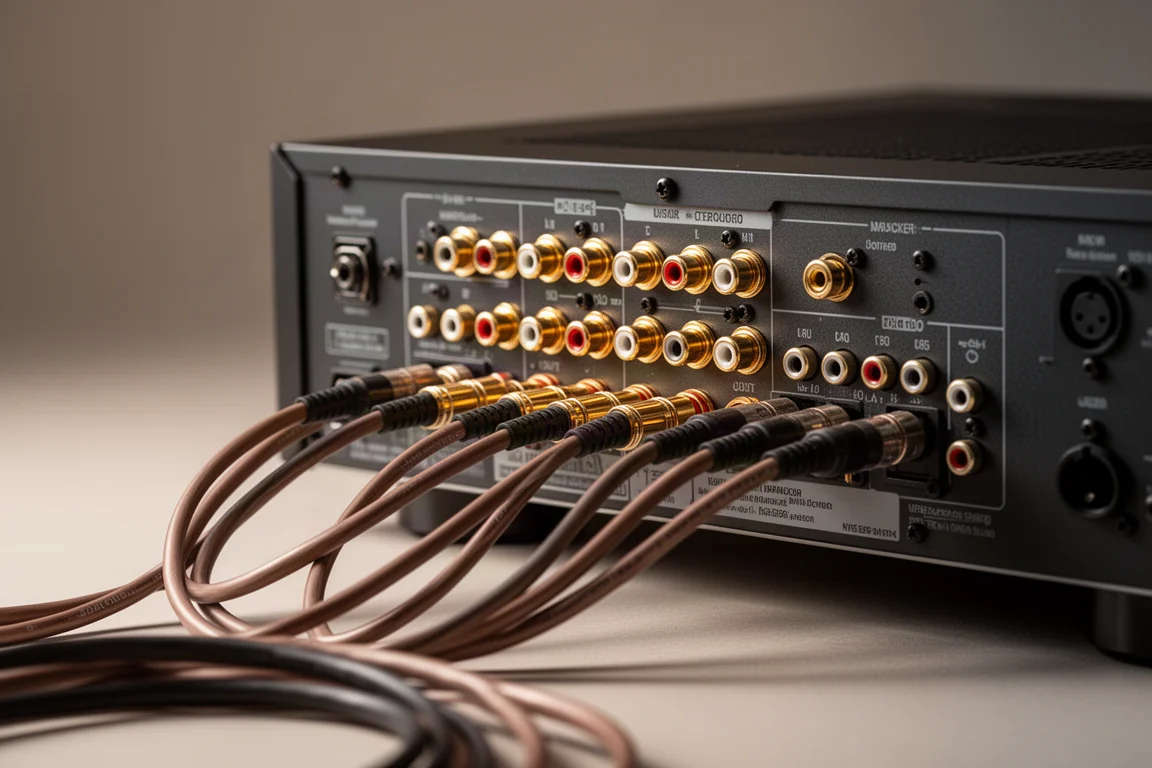
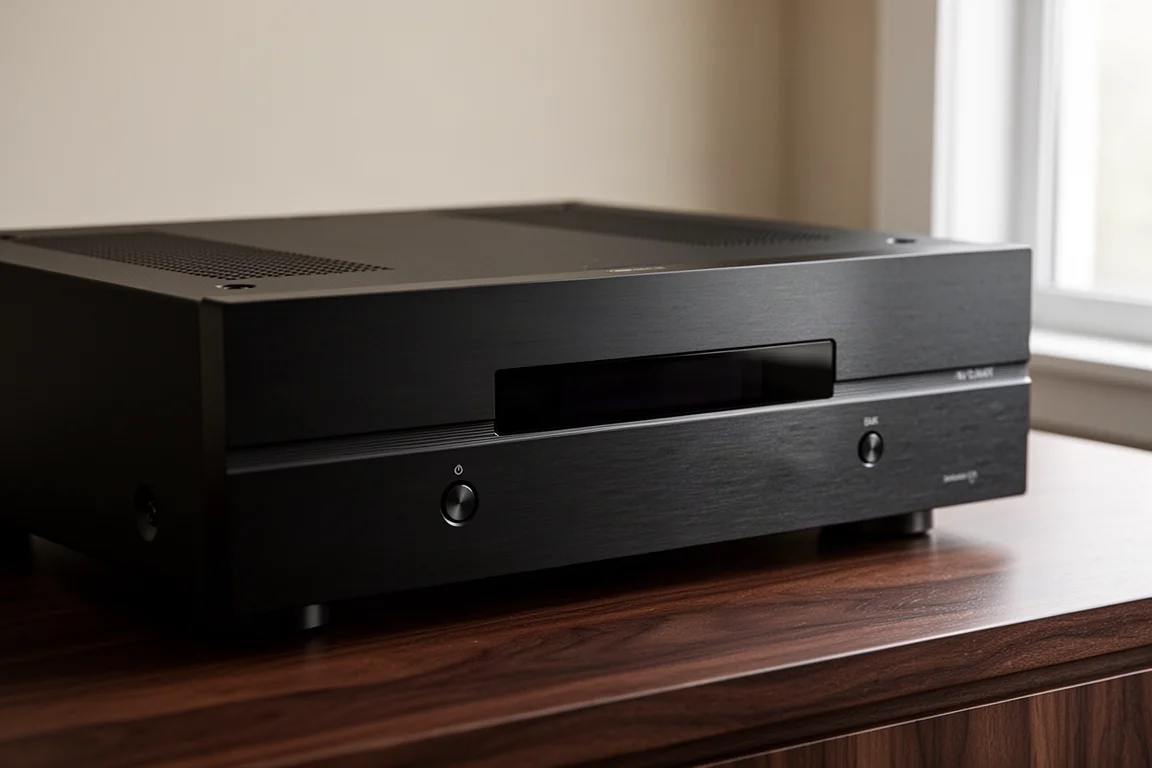
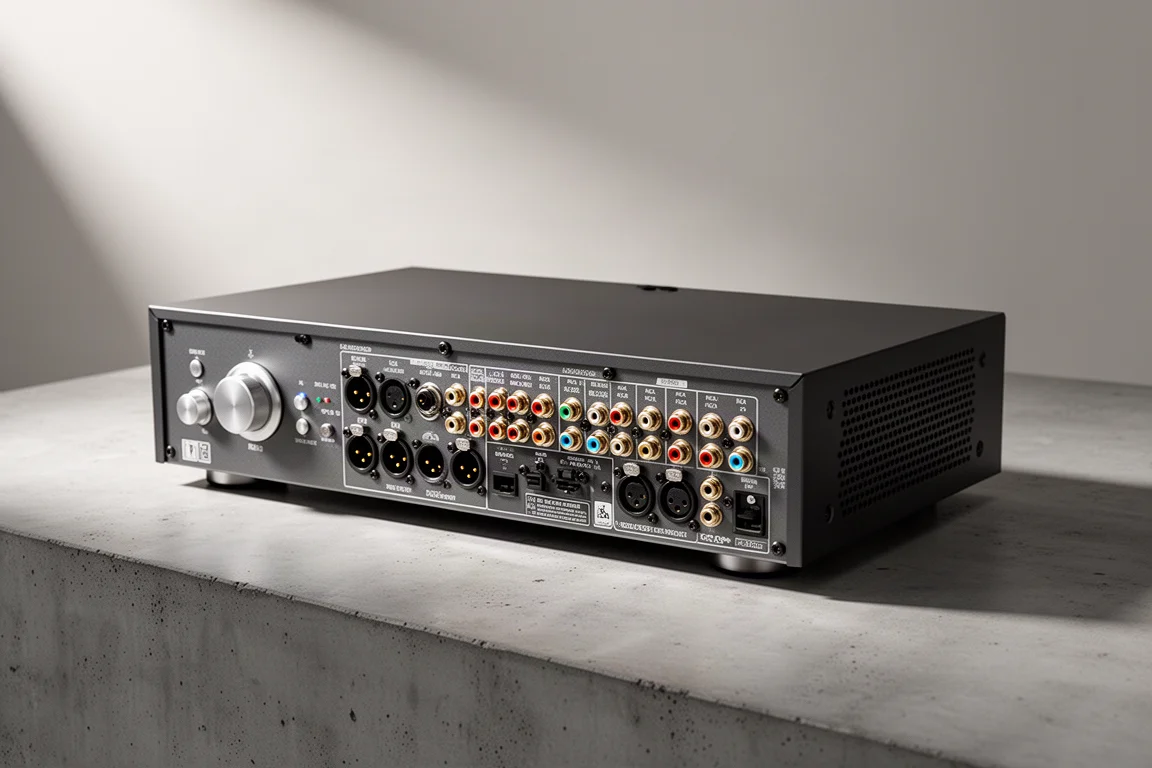
The AV41 takes the input and output flexibility of the AVR21 and AVR31 and removes the amplifiers entirely, making it a surround processor for systems built around separate power amplification. It provides 16 balanced and 16 RCA outputs, and the two types can be mixed and matched to suit each channel. Balanced connections reject the noise a cable can pick up, which is why professional touring systems rely on them, and the connectors themselves are physically more robust.
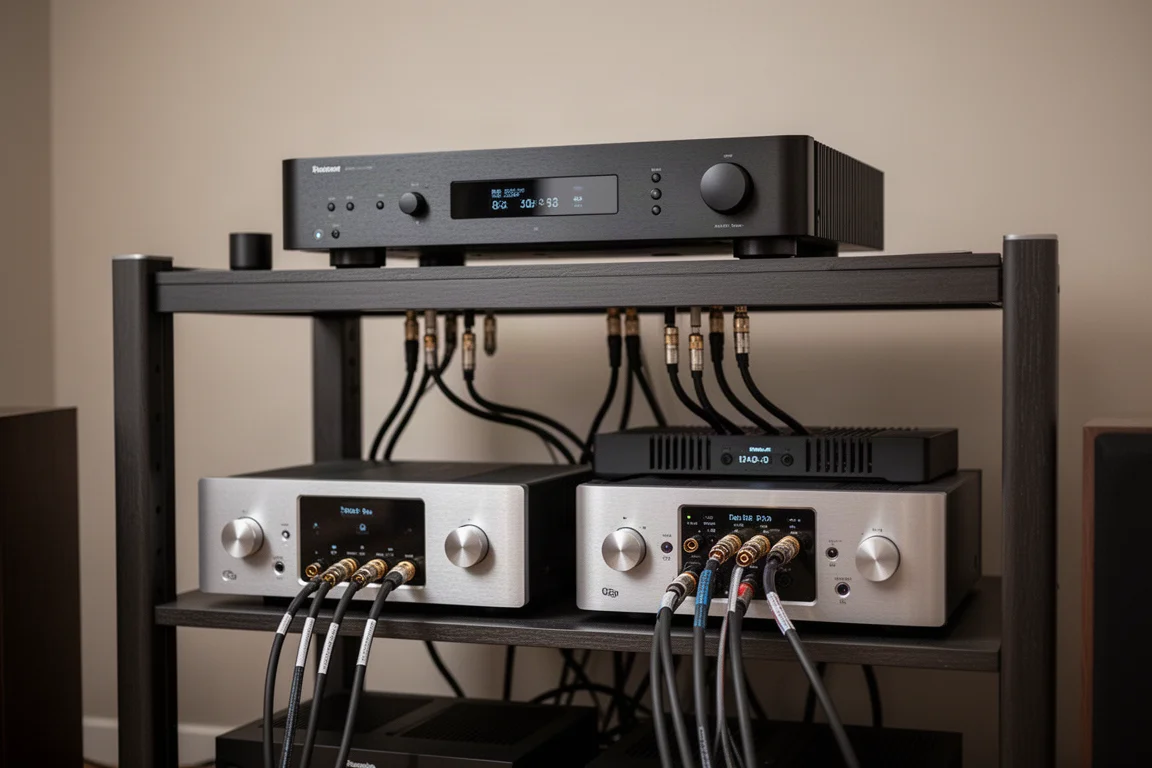
Everything else carries over: 16 channels of processing, the same ESS DAC pair, Dirac Live, DTS:X, Dolby Atmos, Auro-3D, and the full streaming suite. Among separate surround processors, the AV41 stands out for how much processing and configuration it offers at its price.
System Matching and Setup Notes
A few practical points apply across the range. Dirac Live measurements can be focused on a single chair, a pair of seats, or the entire room, and the correction follows whichever you choose. That is what makes the three stored curves so useful in everyday use. The supplied microphone is adequate, but an aftermarket measurement microphone such as the miniDSP model is a sensible upgrade for anyone who wants the most accurate result.
None of the four includes a phono preamp, so plan for an external stage if vinyl is part of your system. The AV41 also needs external amplification for every channel, which is a real budget consideration when moving up from a receiver.
Which Arcam Model Fits Your Room?
The AVR11 is the right starting point for a 5.1.2 Atmos system that may grow later, particularly in a small or medium room with reasonably efficient speakers. Its preamp outputs keep the upgrade path open at every step.
The AVR21 suits a movie-first system that needs more dynamic headroom and more processing options: larger rooms, low-impedance speakers, multiple subwoofers, or a plan to expand to 9.1.6.
The AVR31 speaks to a different listener, someone who wants music and film from the same system and has speakers sensitive enough to spend most of their time in Class A operation.
The AV41 is the choice for anyone already committed to separate power amplifiers, or anyone who wants balanced outputs and the cleanest possible signal path.
Price is the one point worth being honest about. None of these sit at the bottom of the home theater cost stack, and the optional Dirac Live Bass Control licence is a separate purchase. What you get in return is a combination that is genuinely uncommon: audiophile-level sound, a complete modern feature set, and room correction capable of transforming how a real room performs.
Conclusion
Arcam’s current home theater range brings the brand’s two-channel character into multichannel systems without leaving out anything a modern room depends on. All four models share the same DACs, surround formats, HDMI 2.1 capability, streaming options, and Dirac Live room correction. The choice between them comes down to amplifier class, power, processing headroom, and whether you want amplification built in at all. Match the model to your speakers and your listening habits, and any of the four will reward the investment.
Further reading
Related Reviews
Home Theater Receivers
Best Home Theater Receivers 2026: Ten Picks From Entry Level to Flagship
A practical roundup of ten home theater receivers, from an affordable 5.1.2 model to a 15-channel flagship, with the features that matter most before you buy.
Home Theater Receivers
Best Home Theater Receivers: Eight Picks From Entry Level to Audiophile
Eight home theater receivers compared on channels, amplifier headroom, room correction, subwoofer outputs, and expansion, from an entry-level pick under $750 to audiophile flagships.
Home Theater Receivers
Best Home Theater Receivers Under $1,000 in 2026: Five Picks Worth Considering
Five home theater receivers at or around $1,000, compared by channel count, HDMI 2.1 support, room correction and everyday usability.