Home Theater
Best Home Theater Receivers 2026: Three Strong Contenders for Music and Movies
Three capable AV receivers that balance home theater performance with music listening, each with distinct strengths in power, connectivity, and room calibration.
Introduction
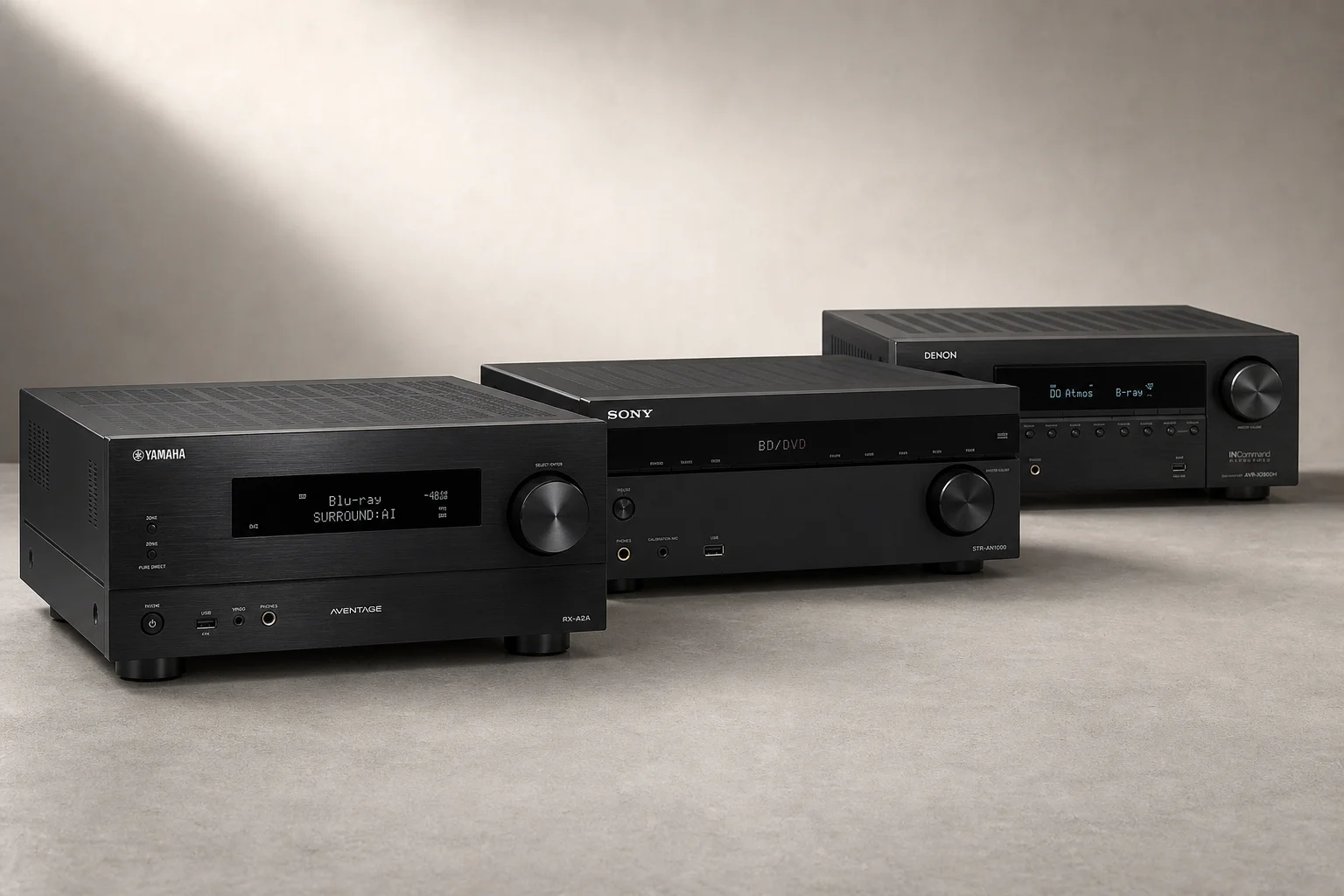
Finding the right home theater receiver means balancing several priorities: clean movie sound, music playback quality, flexible speaker configurations, and reliable connectivity. Three receivers stand out in the mid-to-premium range for delivering on all these fronts without unnecessary complexity.
Yamaha RX-A2A: Versatile Performance and Premium Sound
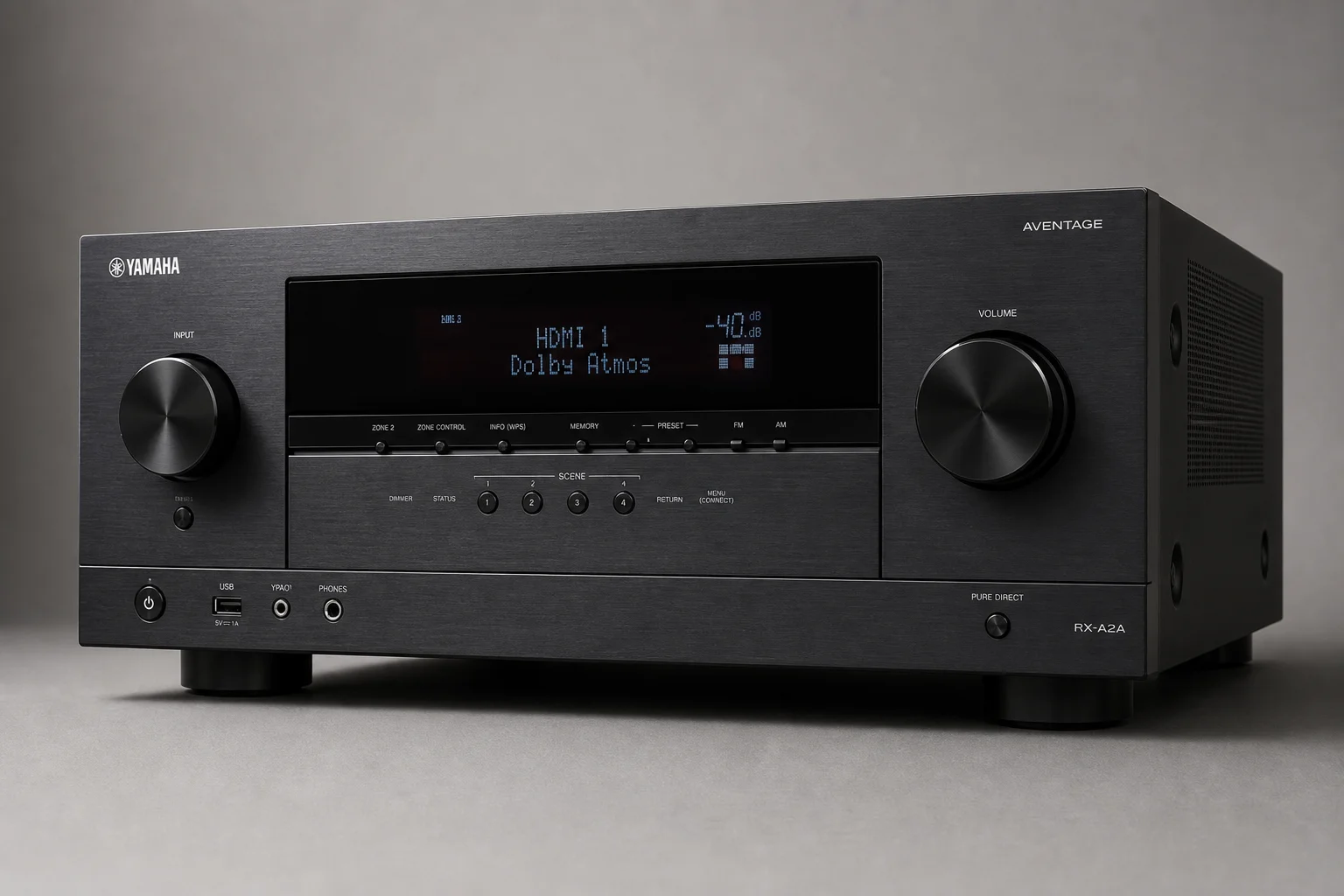
The Yamaha RX-A2A is a 7.2 channel receiver that belongs to Yamaha’s Aventage series, their premium line designed with meticulous craftsmanship and careful attention to every electrical path and component. The receiver delivers 100 watts per channel into 8 ohms using fully discrete power amplification, which contributes to clean, dynamic sound across both movies and music.
What sets the RX-A2A apart is its dual focus on home theater and music listening. It includes a high-quality Burr-Brown DAC supporting 384 kHz and 32-bit resolution, making it capable of playing high-resolution audio files such as FLAC and DSD. For those less interested in high-resolution formats, the receiver supports wireless music streaming via Spotify Connect, TuneIn Internet Radio, AirPlay 2, and Bluetooth. It also integrates with Yamaha’s MusicCast ecosystem for whole-home wireless audio when paired with compatible speakers.
The receiver features Yamaha’s intelligent amp assignment, which automatically allocates amplifier channels based on your chosen speaker layout and content type. Anti-resonance technology (ART) uses a fifth foot in the chassis base to dampen vibrations from the power transformer and speakers, contributing to focused and accurate sound reproduction.
Connectivity and Inputs
The RX-A2A offers seven HDMI inputs supporting 4K at 120 Hz and 8K at 60 Hz, a moving magnet phono input for turntables, optical and coaxial digital inputs, three analog audio inputs, and an Ethernet connection. For outputs, you get HDMI eARC, front speaker preamp outputs, zone 2 preamp outputs, a front-panel headphone jack, and dual subwoofer outputs.
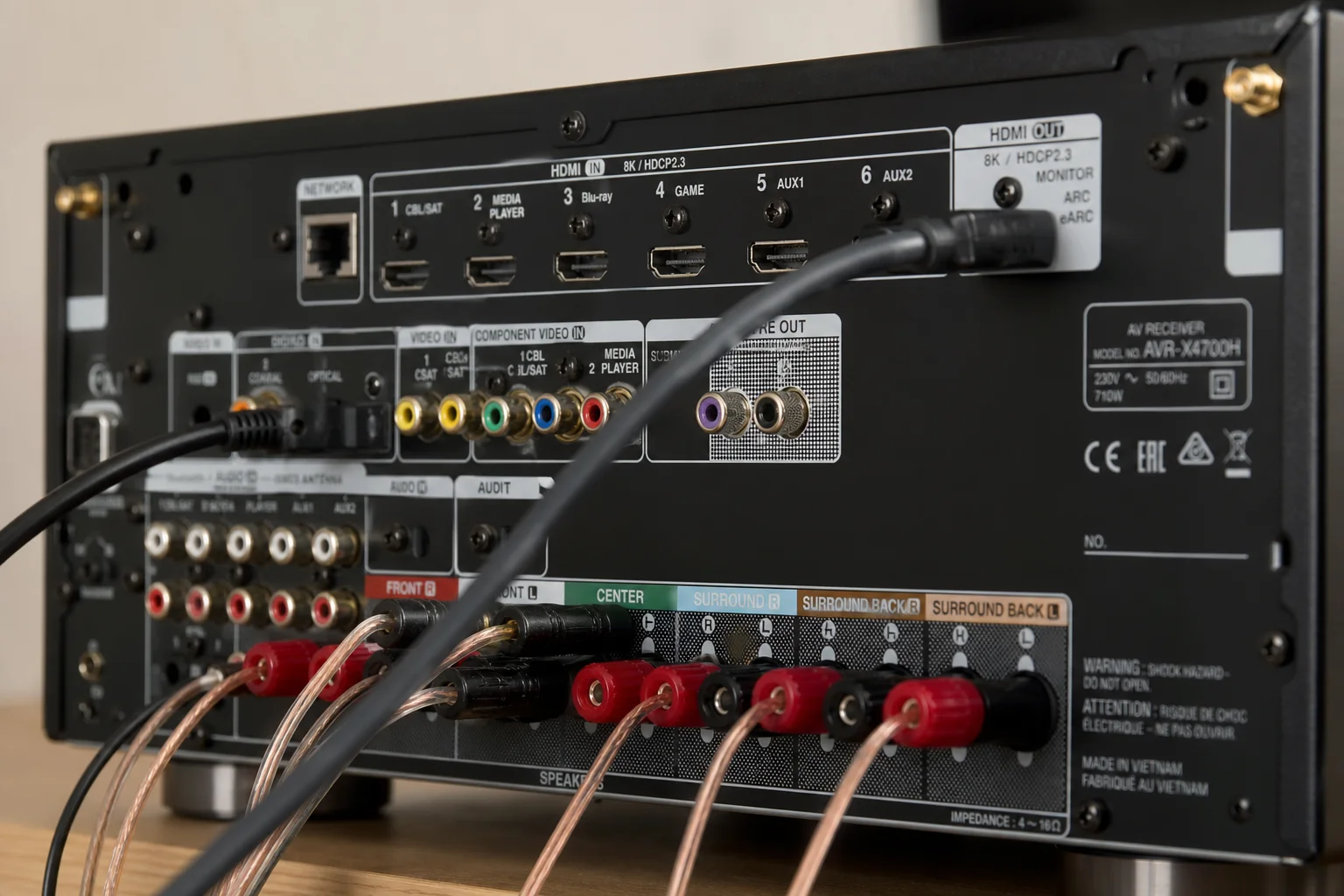
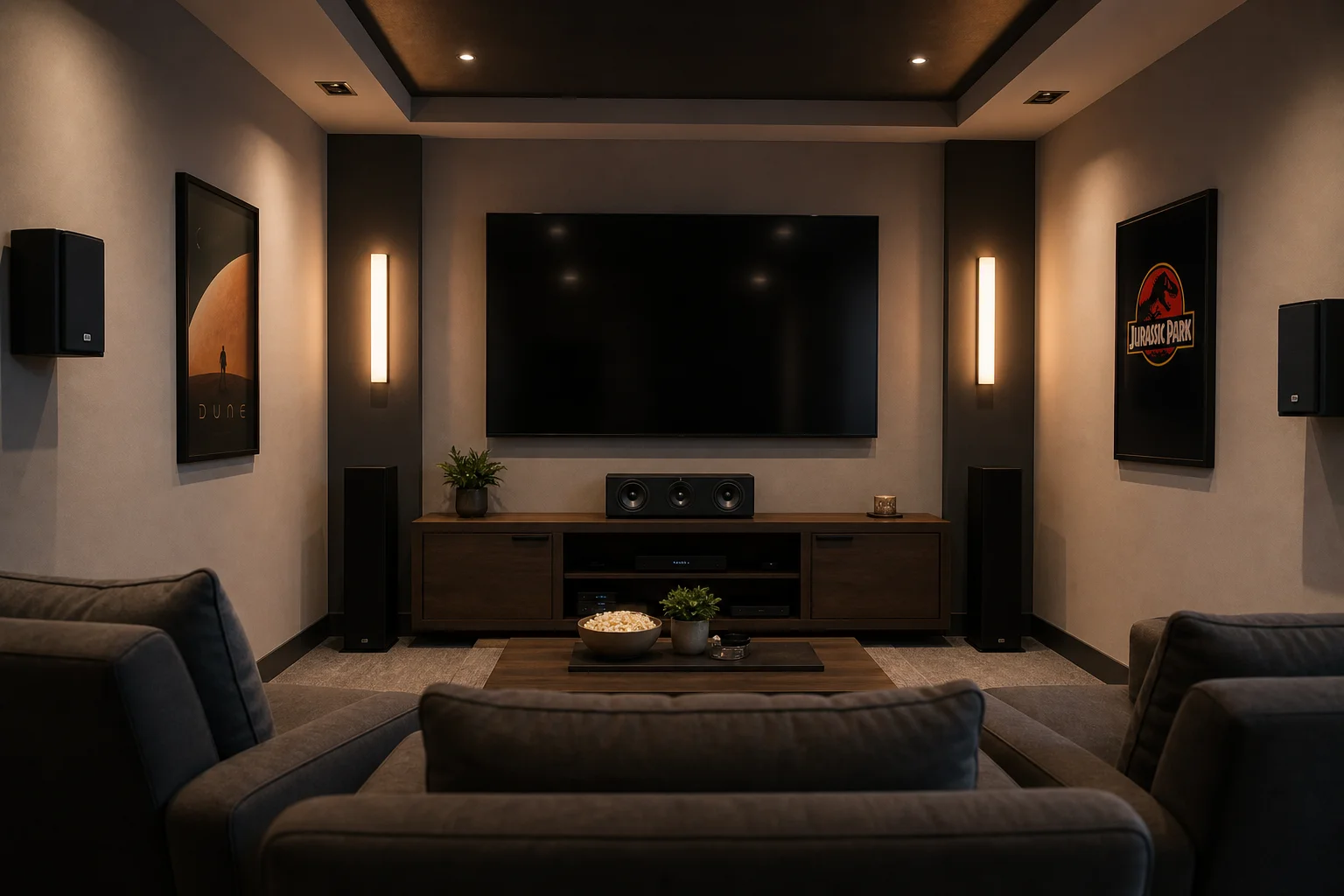
Speaker configuration flexibility is substantial. You can connect up to nine speakers total, with the receiver amplifying seven of them. Configuration options include 7.1 channel, 5.1.2 channel with Dolby Atmos, or 5.1 channel biamped mode. If you skip Atmos height speakers, the receiver offers Dolby Atmos height virtualization, which creates virtual overhead effects by applying specialized filters to height audio components and mixing them into your main speakers.
Room calibration is handled by YPAO (Yamaha Parametric Room Acoustic Optimizer), an automatic speaker calibration system that analyzes your room acoustics and adjusts for unwanted reflections. Yamaha includes the calibration microphone in the box.
Sony STR-AN1000: Compact Alternative
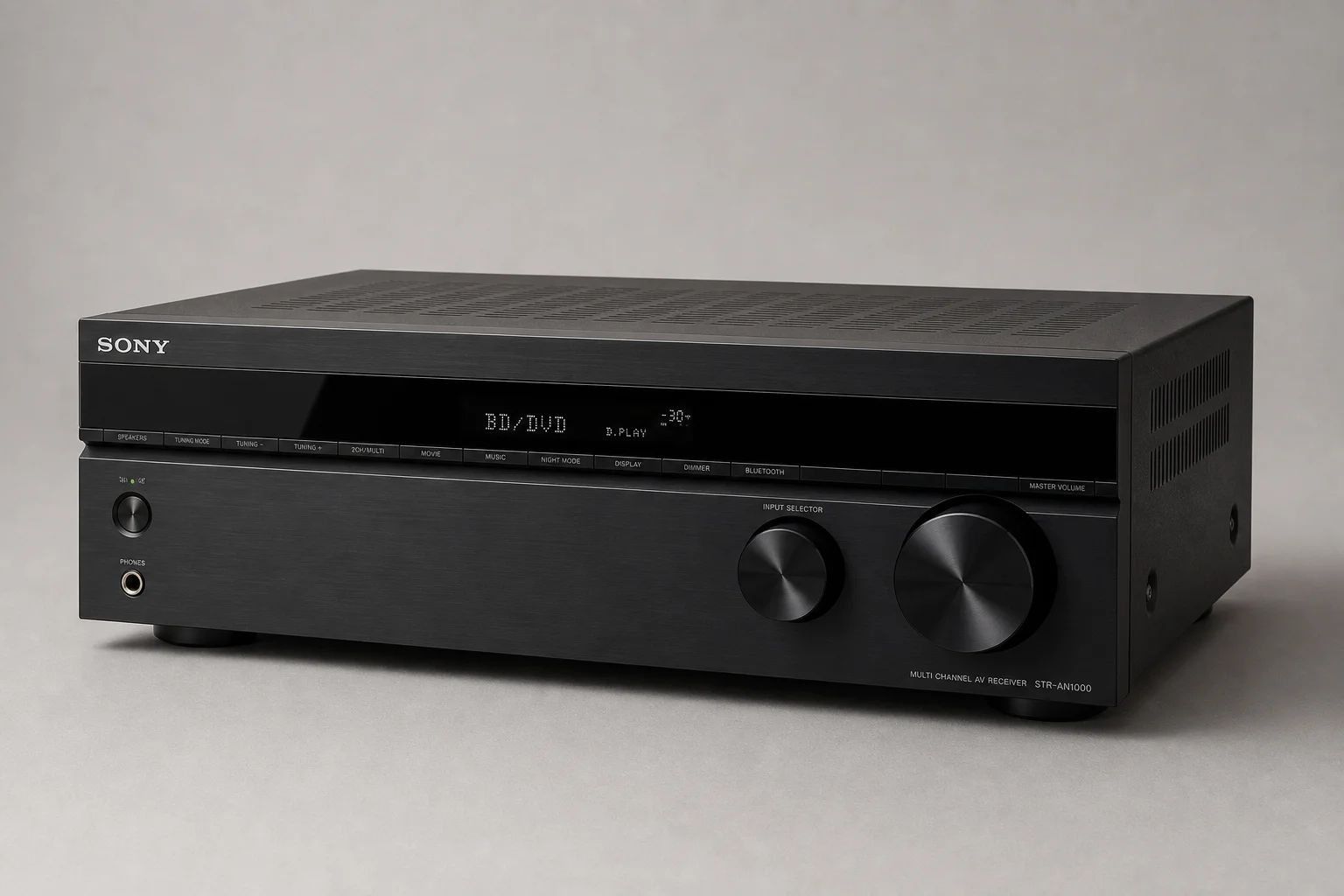
The Sony STR-AN1000 is a more compact option with six HDMI inputs and no phono connection, but it adds a second HDMI output and expands to three zones instead of two. Its rated power output is 70 watts per channel, lower than the Yamaha’s 100 watts.
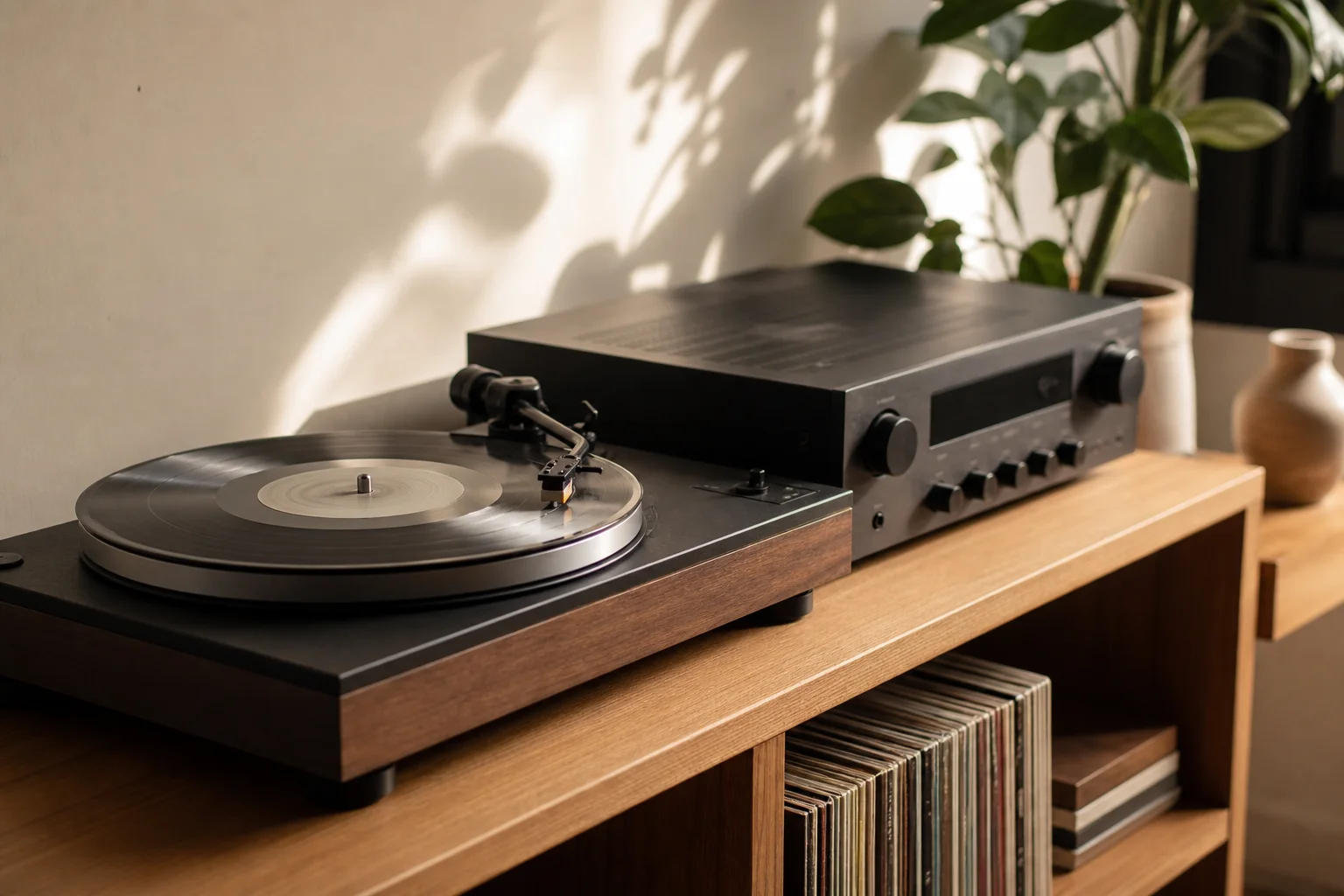
Sony does not offer a proprietary multiroom wireless speaker ecosystem comparable to Yamaha’s MusicCast, which may influence your choice if you plan to expand your audio system beyond the receiver itself.
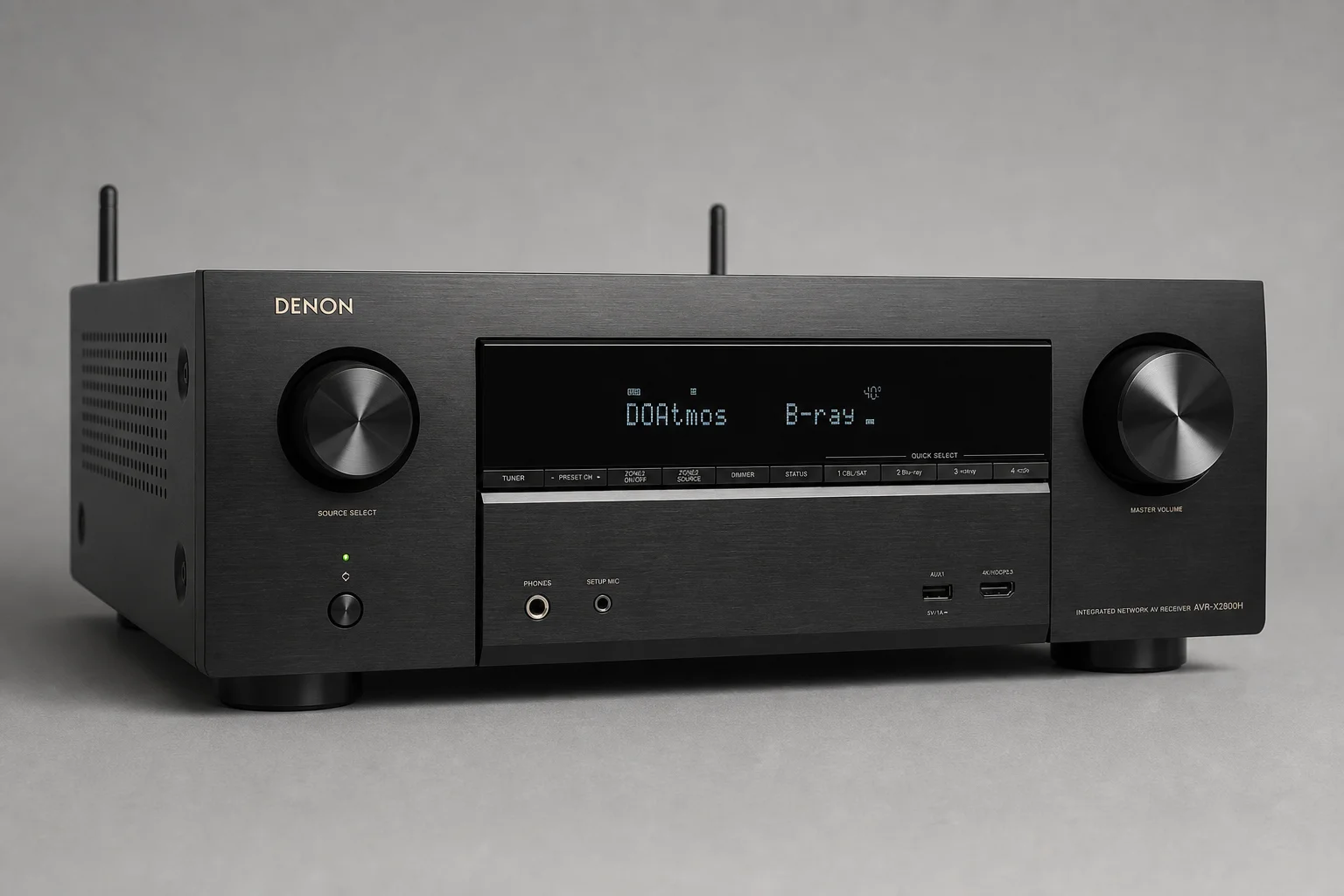
Denon AVR-X2800H: Feature-Rich Competitor
The Denon AVR-X2800H is very similar to the Yamaha in power output, features, and overall sound character. The main distinction is that the Yamaha edges it slightly in DAC performance. Both receivers support their respective wireless multiroom ecosystems: Yamaha uses MusicCast while Denon uses HEOS. Your choice between them may depend on which multiroom products you already own or intend to purchase.
Wireless Connectivity and Control
All three receivers support wireless music streaming and smartphone control. The Yamaha includes a free MusicCast controller app for iOS and Android that lets you control the receiver, select rooms and sources, browse music content from online services, and manage playback. You can also use the app for basic functions like power and volume control.
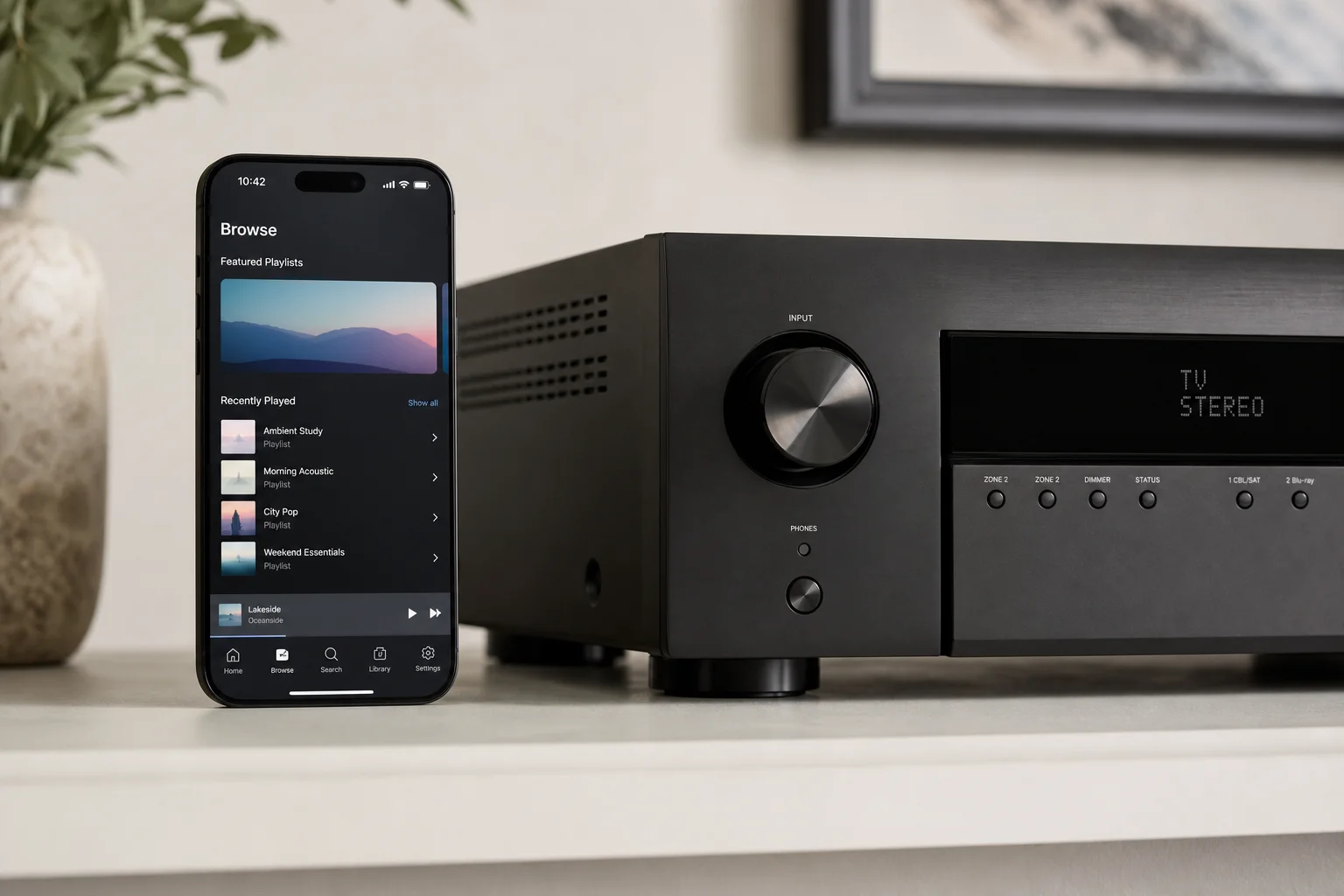
Setup for any of these receivers is straightforward. The Yamaha guides you through onscreen prompts that walk you through settings, speaker placement, and calibration. Once configured, these receivers adapt to your room and speaker choices automatically.
Conclusion
The Yamaha RX-A2A stands out as a versatile choice for listeners who value both movie sound and music playback, with its premium DAC and MusicCast integration. The Sony STR-AN1000 suits those who prefer a more compact footprint and expanded zone capability. The Denon AVR-X2800H remains a strong alternative if you’re already invested in the HEOS ecosystem. All three deliver reliable performance and flexible configurations for a range of home theater setups.
Further reading
Related Reviews
Home Theater
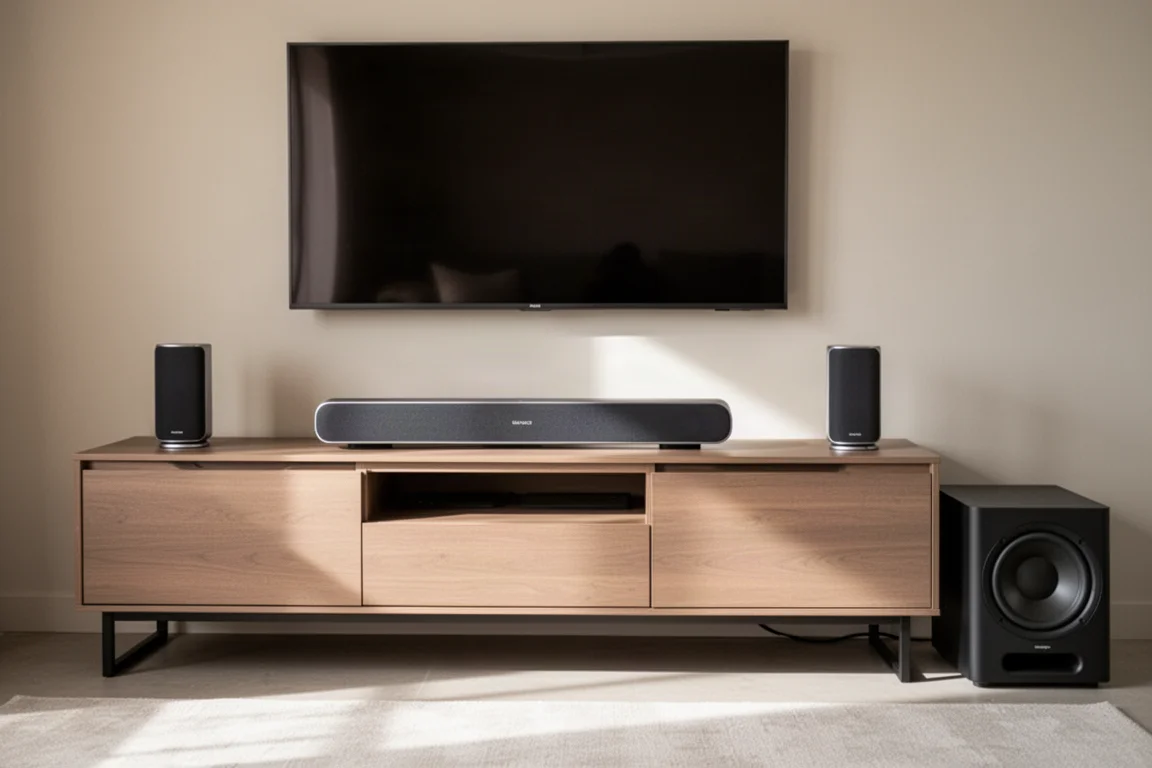
Best Premium Soundbar Systems 2026: Eight Flagship Setups Compared
Eight premium soundbar systems from $1,000 to $4,000 tested for vocal clarity, sound stage, surround effects, height performance, and bass.
Home Theater
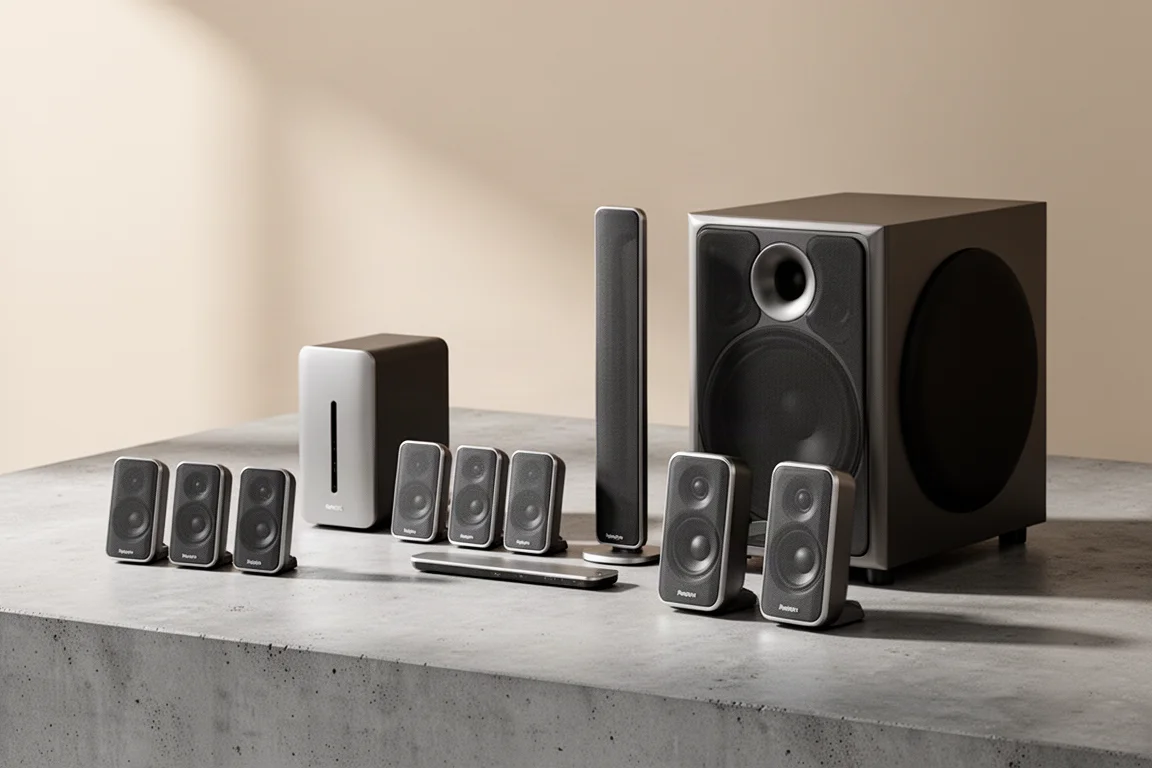
Best Wireless Surround Sound Systems 2026: Three Options Compared
We compare three wireless surround sound in a box systems from Highense, Valyrian, and Sony to see which offers the best home theater experience without the hassle of running speaker cables.
Home Theater
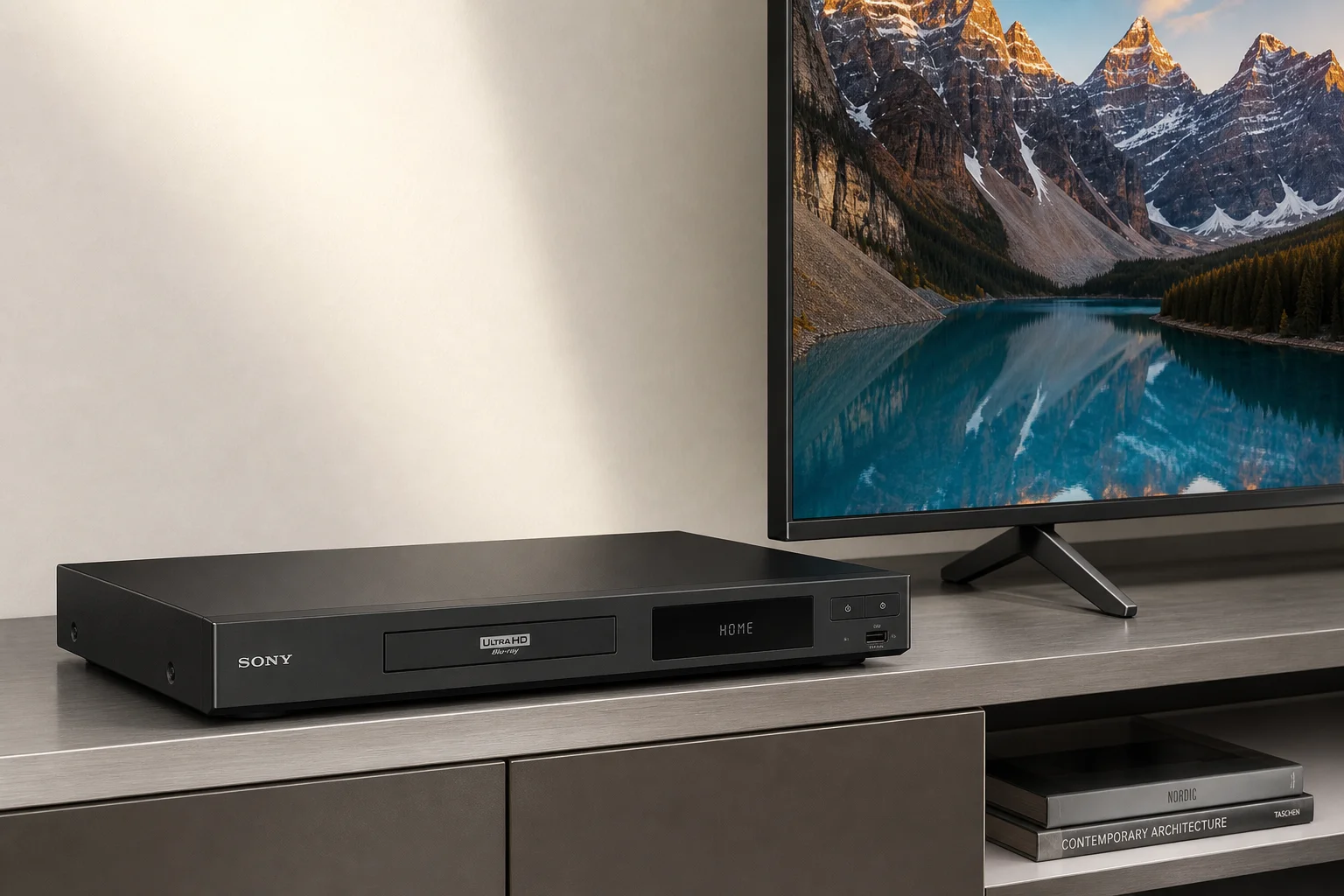
Blu-ray Players vs Game Consoles, 70-Inch TVs, and HDMI eARC Explained
Why dedicated 4K Blu-ray players differ from game consoles, whether 70-inch TVs are worth buying, and how eARC and HDMI 2.1 actually work together.