Hi-Fi Speakers
Sonus Faber Sonetto Generation 2 Lineup: Seven Speakers Built on Flagship Technology
A model-by-model guide to the Sonus Faber Sonetto Generation 2 range, from the compact bookshelf models to the floorstanders and home theater options.
Introduction
Sonus Faber has been building loudspeakers in Italy since 1983, and the Sonetto Generation 2 collection is the clearest recent example of how the company moves flagship engineering into more attainable models. The Suprema system, a $750,000 flagship, introduced the camelia mid-range driver and the cork internal chamber. The Sonetto G2 range carries both ideas into cabinets that fit more rooms and more budgets.
Seven models make up the line: two bookshelf speakers, three floorstanders, a center channel, and a wall-mounted surround. They share a family sound, a common driver philosophy, and the same design language, so the choice between them comes down to room size, amplifier quality, and how much low-frequency extension you actually want.
That consistency matters. Every model in the range keeps the same overall sound signature, which means a system assembled from different Sonetto G2 models stays tonally coherent for both music and film. The differences between the models are about scale, bass reach, and how much resolution the cabinet and drivers can deliver.
Shared Technology and Design Across the Lineup
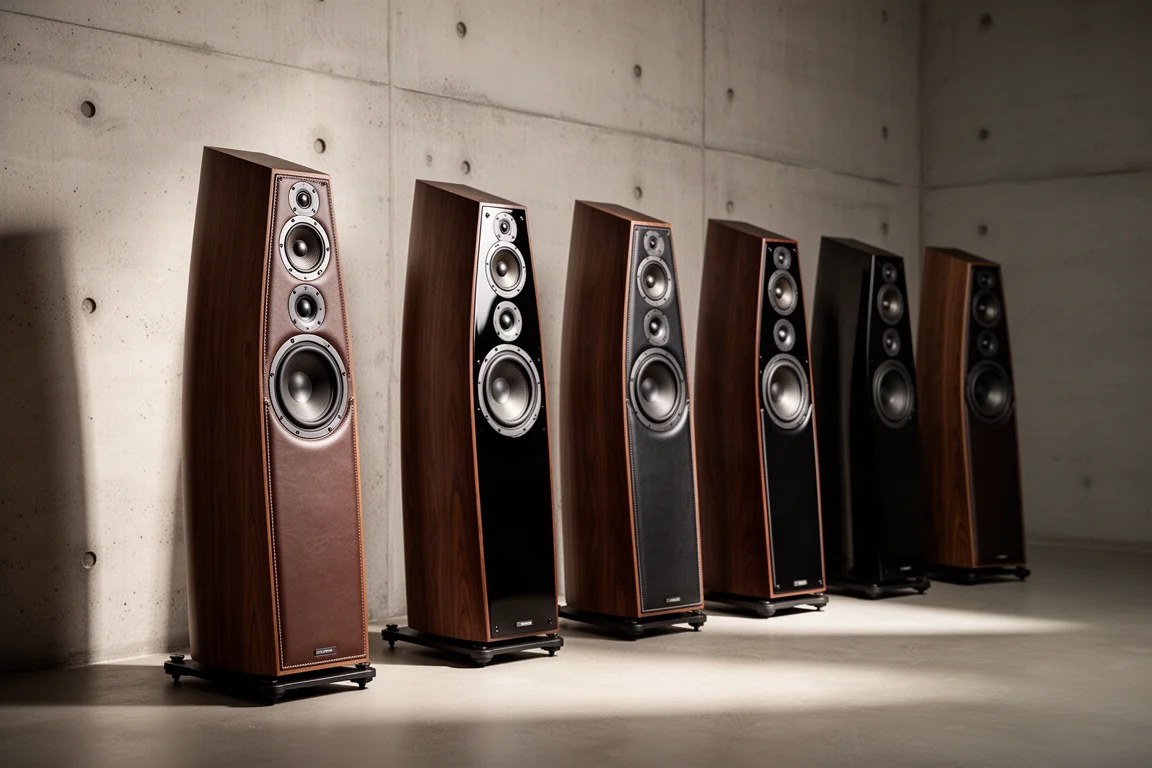
The cabinets use a lute-shaped profile that improves sound dispersion and helps the speakers visually disappear in a room. Each floorstanding and bookshelf model sits on a new concrete base that adds stability and manages vibration. Finishes are Walnut and Piano Black, both with an open-pore finewood treatment that lets the grain read clearly and feel more tactile.
The mid-range and tweeter unity flange is wrapped in leather, a cue taken from the Stradivari and Olympica Nova lines. The top panel veneer is angled at 45 degrees and embossed with the SF logo, and each driver gets a metal-finished ring plus its own separate grille.
Woofers and midwoofers use a paper pulp sandwich cone for a natural tone and a precise, dynamic bass response. The surround carries a camelia pattern that reduces interference and improves dispersion.
The tweeter is a 1.1-inch silk dome with a damped apex dome. On conventional soft domes the apex can fall out of phase with the rest of the dome, which causes high-frequency rolloff as the driver approaches 20 kHz. A lens corrects that phase behavior and lets the tweeter perform out to 40 kHz. That headroom keeps the in-band response more linear and more controlled, and it can also influence what listeners perceive in lower frequencies.
The camelia mid-range driver, taken directly from the Suprema, is shaped like the camelia flower. Its form avoids the resonances associated with round mid-range drivers. The cone is left raw and unpainted, and it is mounted on an asymmetrical organic basket with an aluminum phase plug, with spokes shaped to improve airflow for the driver’s back wave.
The cork inner chamber, first developed for the Suprema, uses natural cork for its damping properties to improve resolution and natural sound quality. Its organic shape avoids square walls and straight panels, which reduces standing waves and resonances feeding back into the driver. The Sonetto V G2, Sonetto VIII G2, and Sonetto Center G2 all receive the camelia mid-range and the cork chamber.
Sonus Faber Sonetto I G2: The Compact Bookshelf
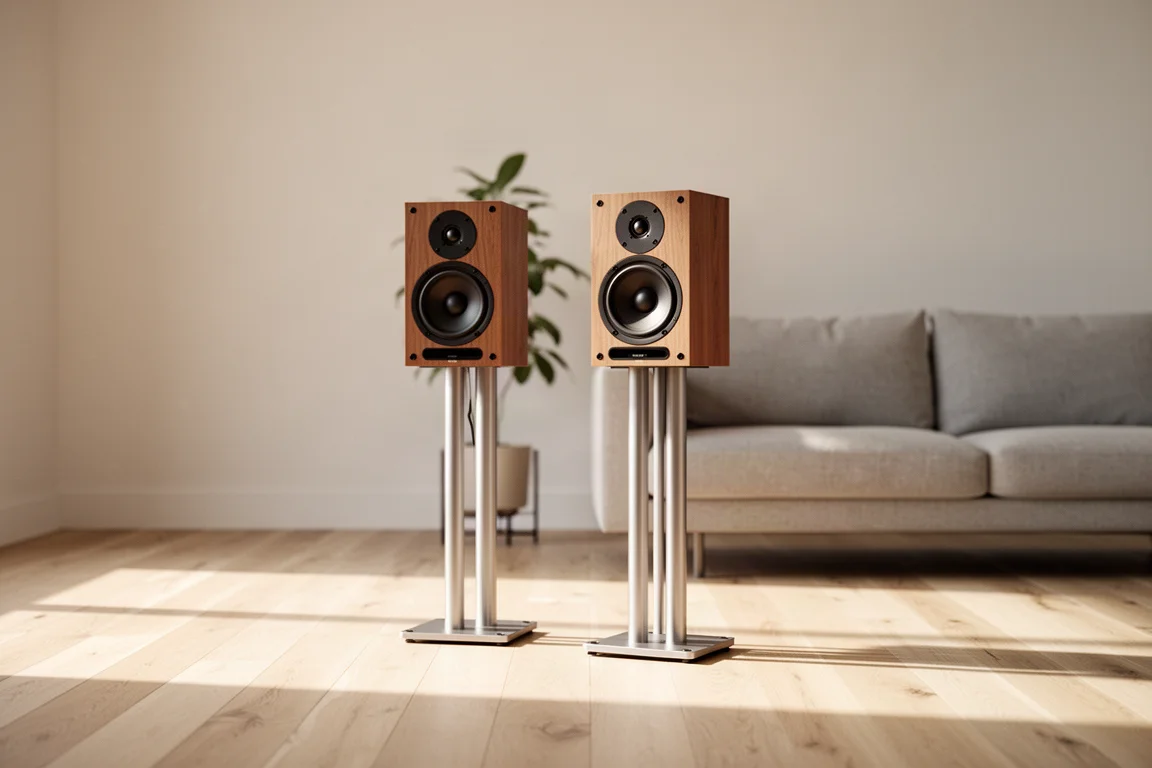
The smallest model in the range is a two-way design with the 1.1-inch DAD soft-dome tweeter and a 5-inch midwoofer. Sensitivity is rated at 86 dB and bass extends down to 52 Hz, which is a respectable figure for a cabinet this size.
Its reflex duct is front firing, so it behaves better in bookcase-style placements than designs that vent to the rear. Like any strong compact speaker, it gives its best performance on a stand and positioned away from room boundaries, and there is real value in experimenting with placement before settling on a final position.
Sonus Faber Sonetto II G2: More Bass From a Bookshelf Cabinet
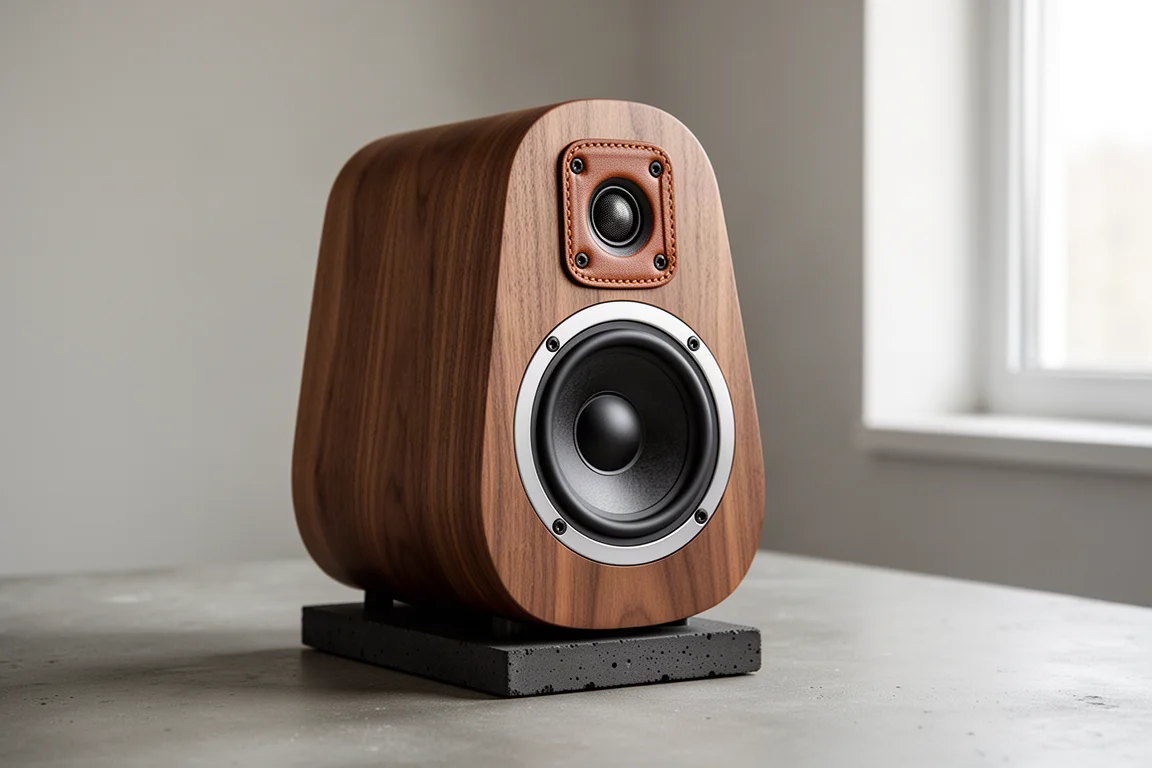
The Sonetto II G2 keeps the same two-way layout and the same 1.1-inch tweeter, but steps up to a 6.5-inch midwoofer. Sensitivity rises to 87 dB and bass extension reaches 42 Hz, a meaningful gain over the smaller model for listeners who want a fuller foundation without moving to a floorstander.
It also uses a front-firing reflex duct. The trade-off is the same as with the Sonetto I G2: these are speakers that reward good current from the amplifier and a stand-mounted position away from the walls.
Sonus Faber Sonetto III G2: The Compact Floorstander
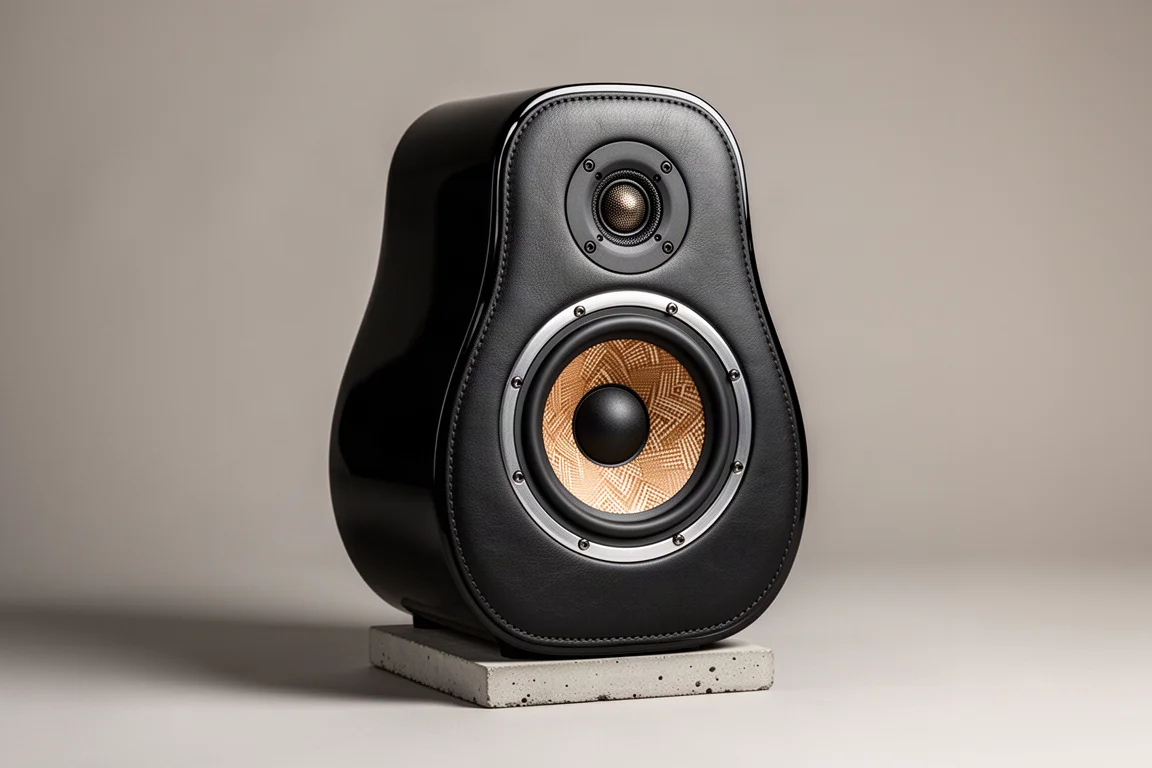
The Sonetto III G2 is a 2.5-way mini tower built around the 1.1-inch DAD tweeter and two 6.5-inch woofers, one handling bass duty only and the other covering both mid-range and bass. Sensitivity is 88 dB, so it is a little easier to drive than the bookshelf models, though quality power still pays off.
All three towers use a downward-firing reflex port, which gives noticeably more freedom in where they can be placed, and the concrete base provides a solid platform underneath. For a small to medium-sized room this model does an excellent job, and with careful setup it delivers impressive imaging and a very natural mid-range.
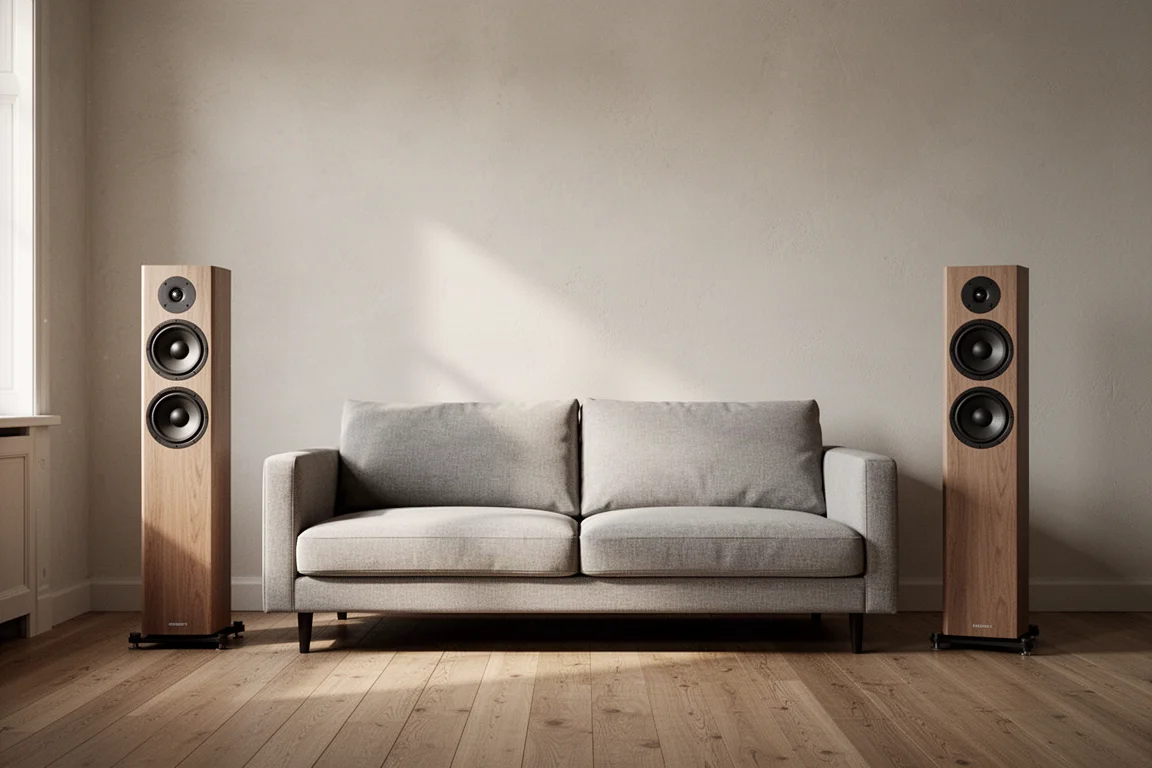
That combination of a downward-firing port and a stable base is what makes the tower models so easy to live with in normal rooms, where a rear-ported cabinet would demand far more distance from the wall.
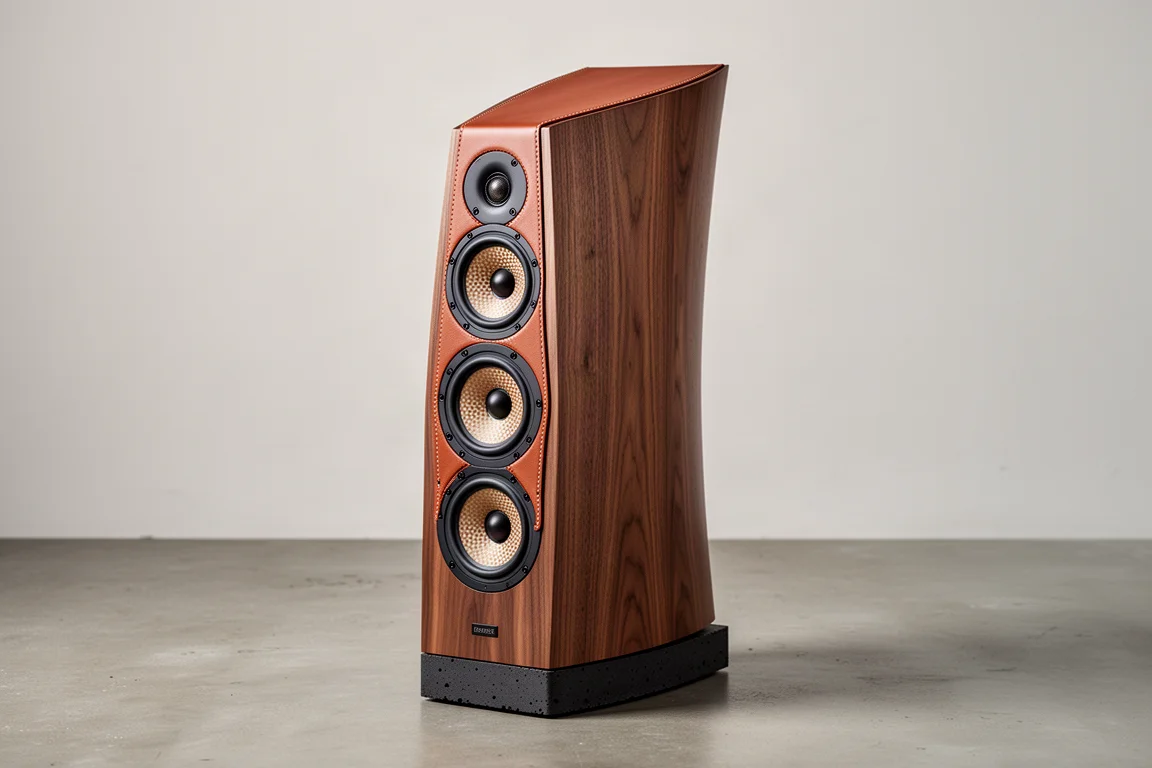
Sonus Faber Sonetto V G2: The Mid-Size Tower
The Sonetto V G2 is where the flagship technology becomes most obvious. It pairs the 1.1-inch tweeter with the 6.5-inch camelia mid-range driver and the cork inner chamber, then adds two 6.5-inch woofers for bass extension down to 35 Hz. Sensitivity is 89 dB.
The mid-range driver and cork cabinet make a substantial difference to how the speaker communicates detail and texture, and it is the natural fit for small to medium-sized rooms where the larger tower would be more than the space can support.
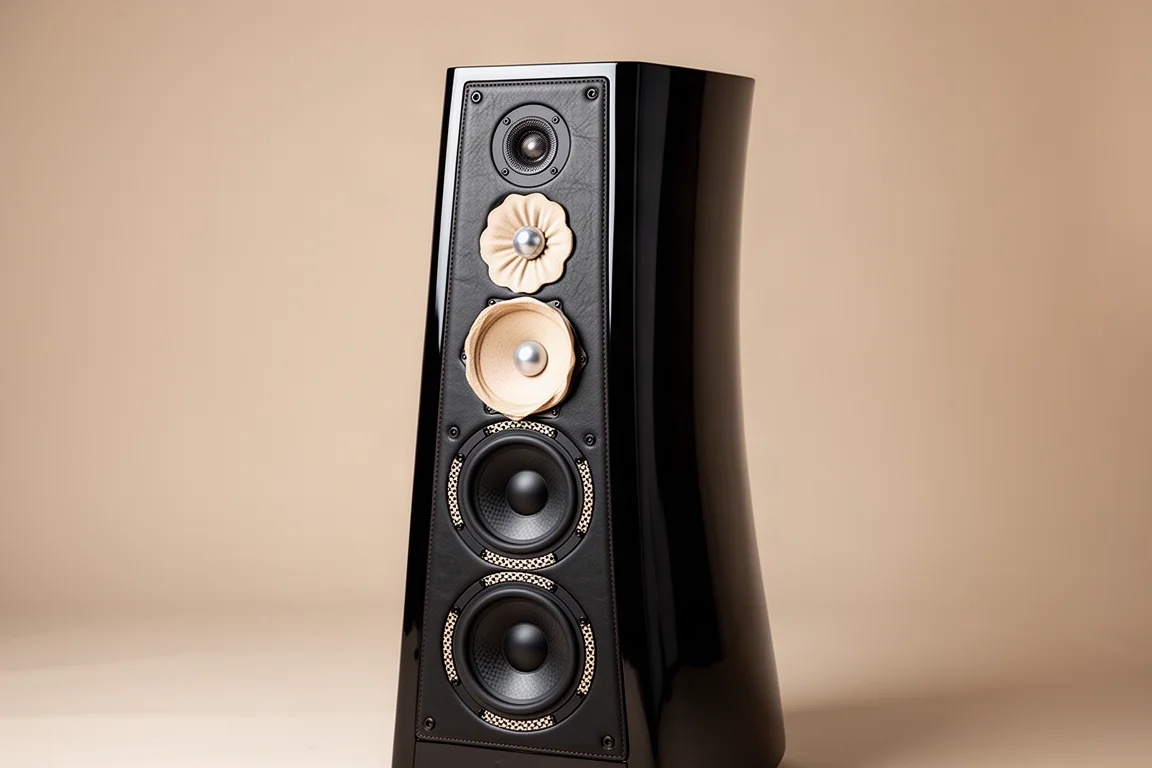
Sonus Faber Sonetto VIII G2: The Large-Room Tower
The flagship of the Sonetto G2 floorstanders uses the same camelia mid-range and cork chamber but replaces the twin 6.5-inch woofers with two 8-inch units, extending bass down to 33 Hz. Sensitivity is rated at 90 dB, making it the easiest model in the range to drive.
On paper the extra bass extension over the Sonetto V G2 looks modest. In practice the added power and impact are far more than the numbers suggest, and a fairly large space is where this model makes the most sense.
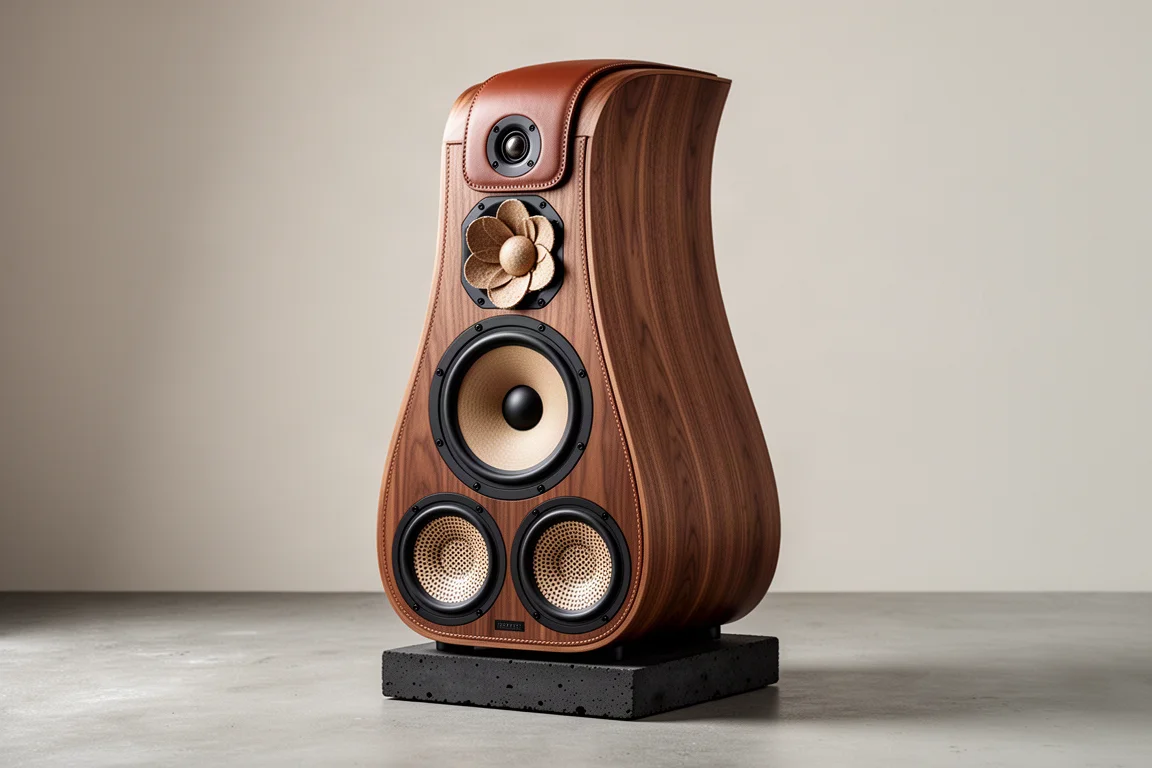
Sonus Faber Sonetto Center G2: The Dialogue Anchor
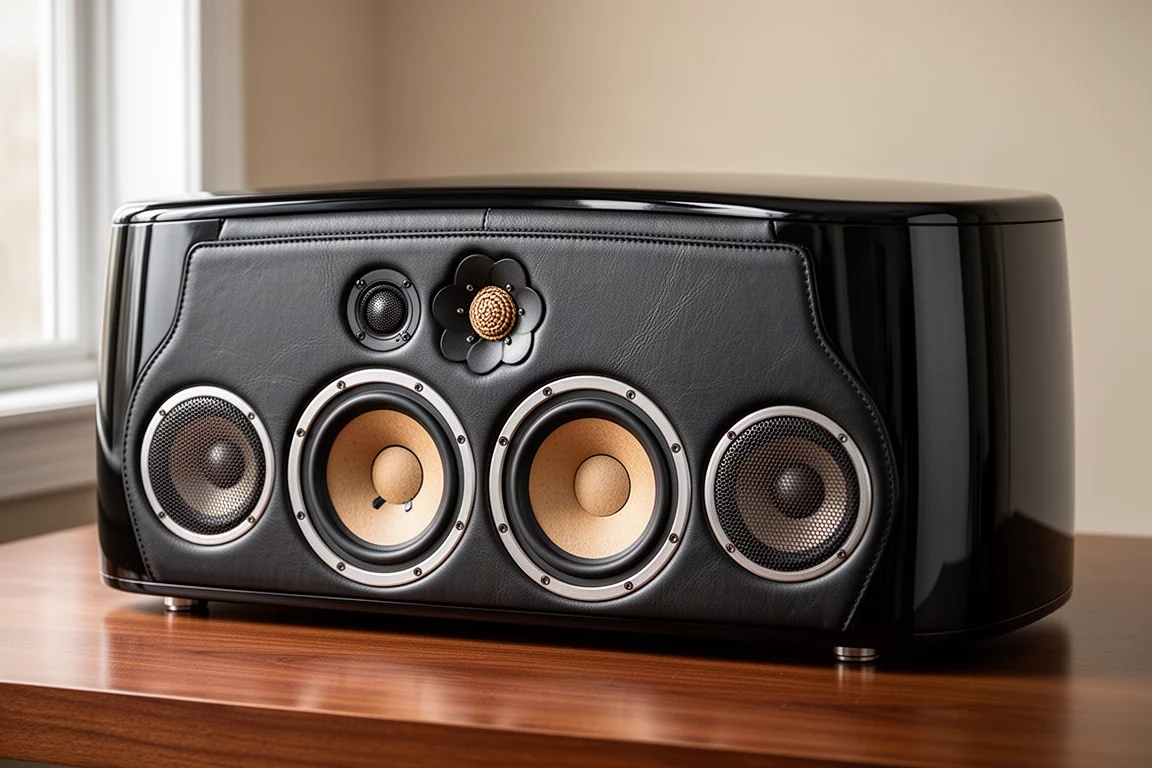
The center channel completes the range for home theater use. It uses the 1.1-inch DAD tweeter, a 4-inch camelia mid-range driver, and two 6.5-inch woofers, and it also benefits from the cork inner chamber.
That camelia mid-range gives the center channel remarkable vocal clarity, which is exactly the job it has to do, and it anchors dialogue with a level of realism that is rare at this level of the market.
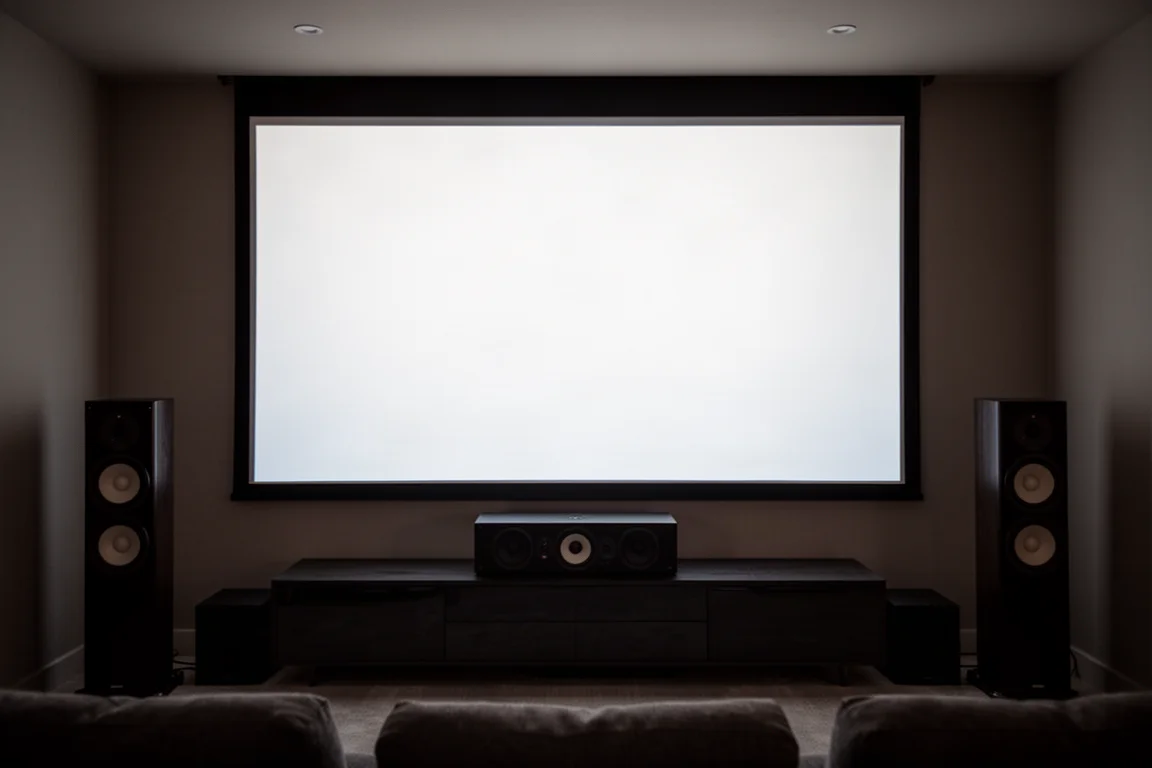
Tonal accuracy across the front stage is a big part of the story here, because a center channel that drifts away from the character of the main speakers undermines the whole soundtrack.
Sonus Faber Sonetto Wall G2: Surround Channels
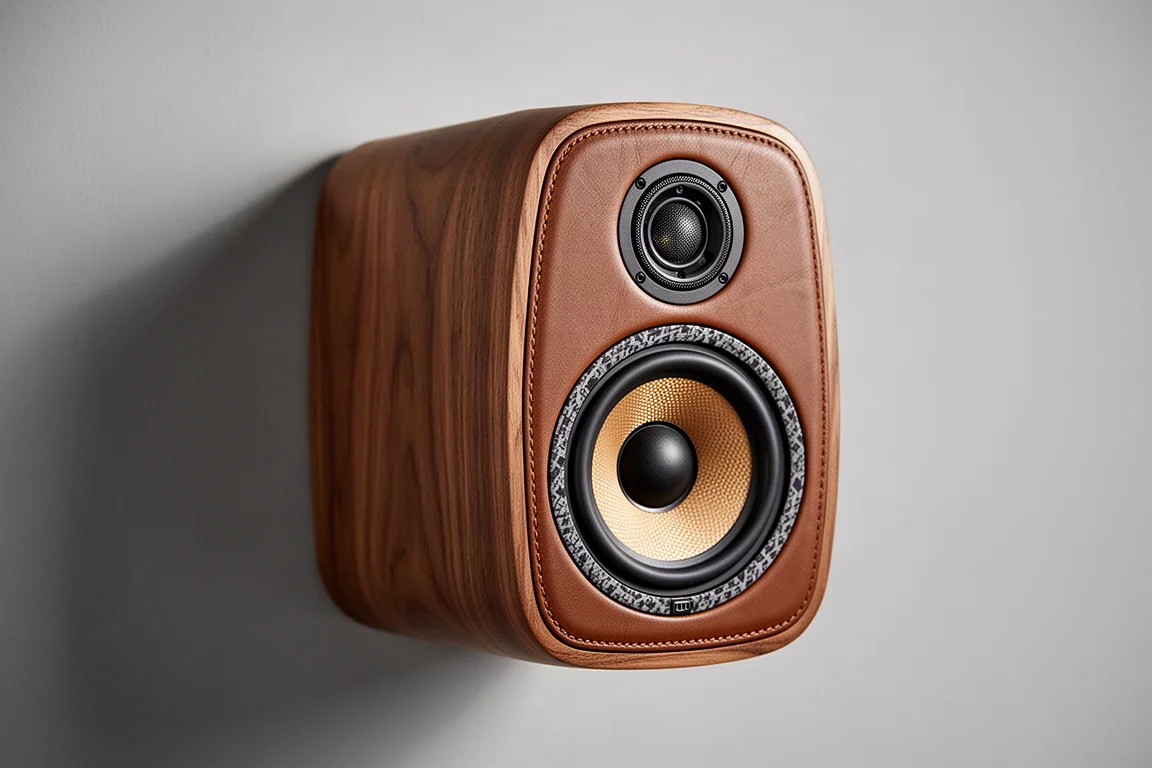
The Sonetto Wall G2 is a wall-mounted home theater speaker that carries the same 1.1-inch DAD tweeter and 6.5-inch woofer as the Sonetto II G2. That driver match makes it a natural partner for the surround channels, keeping the soundfield consistent around the listener.
For a speaker in this form factor, its bass extends surprisingly low, which helps effects and ambience feel connected rather than thin.
Amplification, Placement, and Room Matching
The whole range is rated at 4 ohms with sensitivities in the high 80 dB range. These are speakers that benefit noticeably from high-quality amplification, and a more robust amplifier produces a more effortless sound with greater headroom.
Placement is straightforward for the tower models thanks to their downward-firing ports, while the front-firing ducts on the bookshelf models make them more flexible than rear-ported alternatives in tighter spots. Listening sessions paired the Sonetto V G2 and the Sonetto II G2 with a two-channel integrated amplifier, and the home theater models with a separate AV processor and five-channel amplifier.
With music, the vocal clarity of the camelia mid-range stands out first, along with a sense of realism and transparency that exposes detail in dense, eclectic recordings. The treble from the 1.1-inch DAD soft dome stays sweet and detailed without peakiness, and the bass is dynamic, punchy, and realistic with good definition. These are speakers that can be listened to for hours without fatigue, and with the right setup they image superbly and simply disappear.
With film, the lineup handles movie dynamics without strain or compression. The center channel delivers tremendous dialogue clarity, and the system invited higher and higher volume without the harshness that creeps into lesser designs. Across every model the tonal signature stayed consistent.
Buying Advice
Start with the room. The Sonetto I G2 and Sonetto II G2 suit smaller spaces and listeners who want a compact system with genuine bass reach. The Sonetto III G2 covers small to medium rooms as a compact tower, the Sonetto V G2 is the sweet spot for small to medium spaces where the camelia mid-range and cork chamber matter, and the Sonetto VIII G2 is the right call for a large room that needs weight and impact.
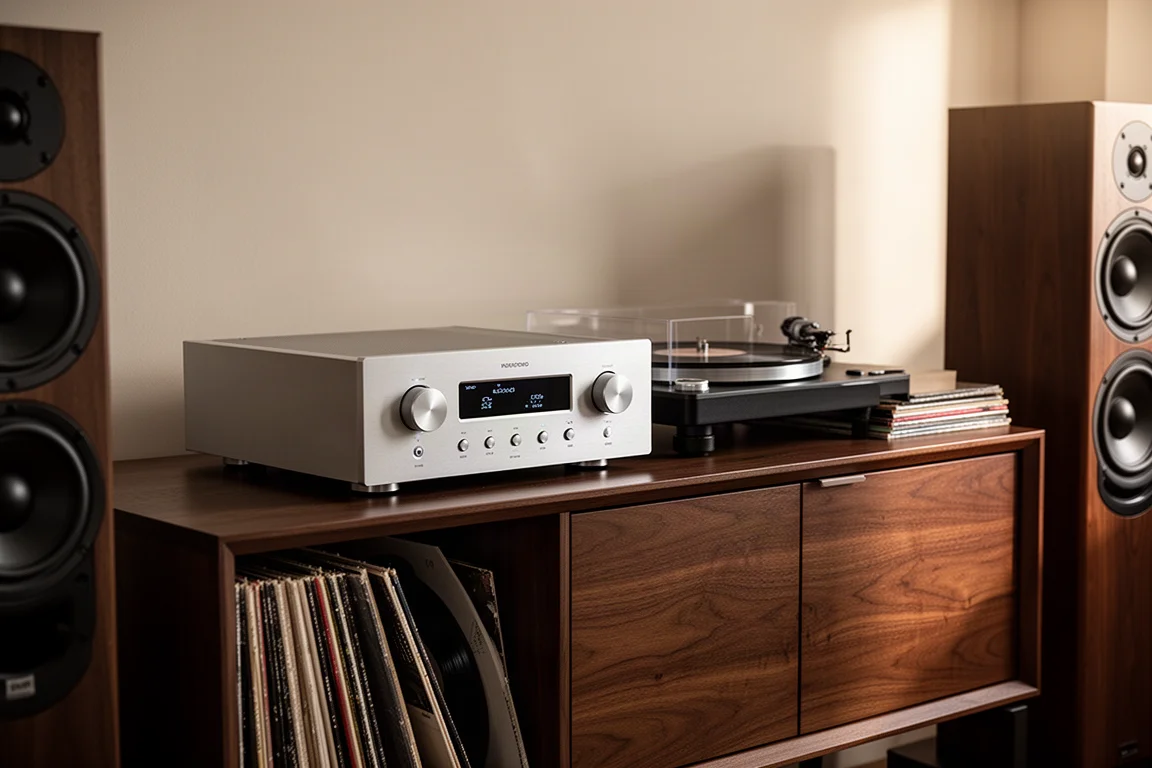
Budget for amplification as carefully as you budget for speakers. Every model here is a 4-ohm load with sensitivity in the high 80 dB range, and the quality of the amplifier will shape how much of the range’s resolution and composure you actually hear. Binding post quality across the line makes connection to a wide range of systems straightforward.
If home theater is part of the plan, the Sonetto Center G2 and Sonetto Wall G2 complete a system that shares drivers and voicing with the stereo models, so a combined music and film setup stays coherent. As always, spend time on setup. Careful attention to placement and fine tuning rewards these speakers generously, and the improvements scale as the rest of the system improves.
Conclusion
The Sonus Faber Sonetto Generation 2 lineup does something genuinely useful: it takes the camelia mid-range driver and cork internal chamber from the Suprema flagship and makes them available to listeners who do not have the room or the budget for a flagship system. Every model keeps the smooth, musical character the brand is known for, and moving up the range brings more clarity, focus, and refinement rather than a different sound.
That consistency is the strongest argument for the range. Whether the goal is a compact two-channel system or a full surround build, the models match each other tonally and scale with the equipment around them. Combine that with the craftsmanship and finish quality, and the lineup is a well-judged way into high-end Italian loudspeakers.
Further reading
Related Reviews
Hi-Fi Speakers
1723 THX Tower vs 1528 Bookshelf: Which Speaker Fits Your Room?
Two speakers at roughly the same price, built very differently. How the 1723 THX tower and the 1528 bookshelf compare on construction, bass, power needs, and sound.
Hi-Fi Speakers
Acoustic Energy AE 300 Review: Deep Bass From a Compact Standmount
A two-way standmount with real wood veneer, surprising low-end weight, and a warm, easygoing character. Here is what to know before buying.
Hi-Fi Speakers
Acoustic Energy AE1 40th Anniversary Review: A Modern Take on a British Classic
A compact standmount that revives a 1980s favorite with all-new parts, a warm mid-centric balance, and a price of £1,499 per pair.