Hi-Fi Speakers
Sonus faber Maxima Amator vs Electa Amator III: Two Heritage Speakers, Two Different Sounds
A practical comparison of Sonus faber's solid walnut floorstander and its third-generation bookshelf, covering craftsmanship, sound character, setup and which one suits your room.
Introduction
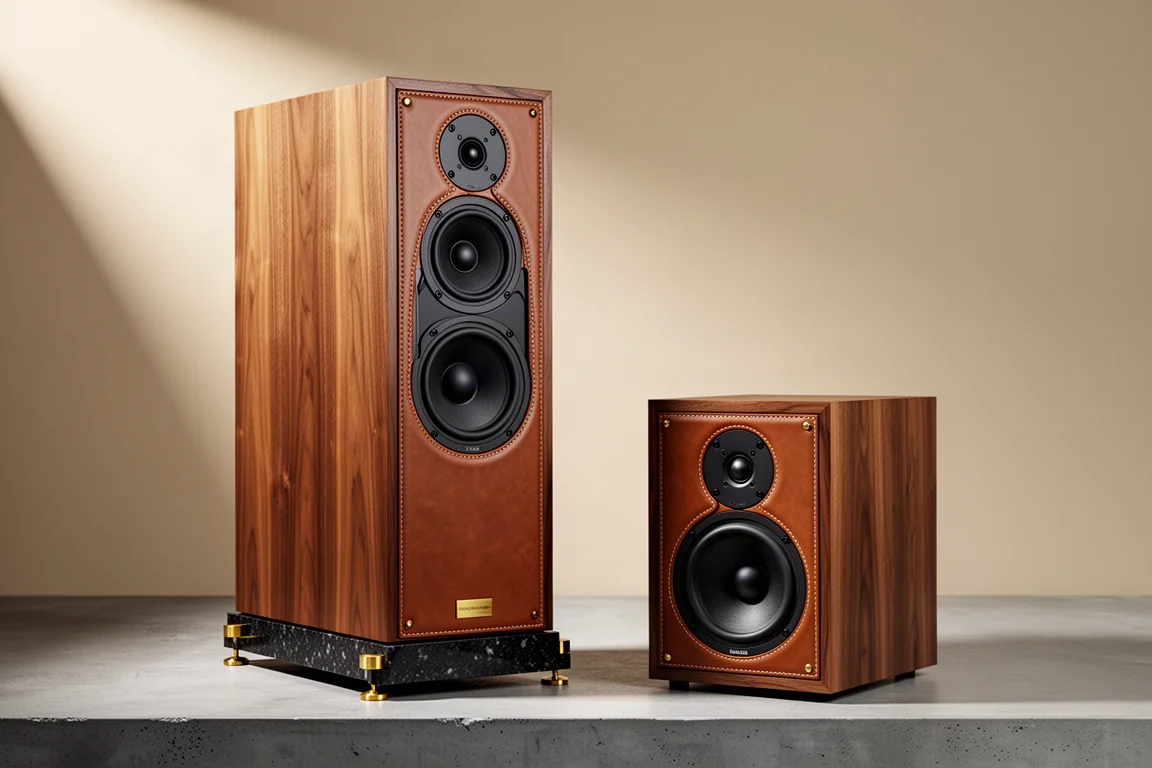
Sonus faber’s Heritage collection leans on traditional materials and hand-built cabinets, and the Maxima Amator and the Electa Amator III sit at two very different points within it. The Maxima Amator is a floorstanding two-way built around a solid walnut cabinet, a form the company had not attempted before. The Electa Amator III is the third generation of a bookshelf model with real lineage behind it, refined over successive versions with newer technology and better craftsmanship.
They look related, and they share a recognisable family character. Spending months with both makes one thing clear: they are not interchangeable, and choosing between them comes down mostly to the room you have and the presentation you prefer.
What Makes the Maxima Amator a Different Kind of Sonus faber
The Maxima Amator exists because Sonus faber solved a manufacturing problem. A floorstanding cabinet of this size in solid walnut is difficult to produce, because solid wood behaves far less consistently than MDF or particle board. The density has to be right, and each piece of wood has to be structurally suited to become a speaker cabinet. The material goes through a long drying and selection process before it is used, and the result is a cabinet built more like a musical instrument than a box.
The driver complement is deliberately familiar. The Maxima Amator uses the DAD tweeter found in the flagship Aida, paired with a 6.5-inch paper pulp woofer in a two-way configuration. Inside, the cabinet is divided into three chambers: one for the top section, one for the bottom section, and one for the crossover. The lower chamber uses inert material and internal fillings to keep unwanted resonances under control.
That combination explains why this speaker is not simply a stretched version of the bookshelf. The shared drivers suggest a family resemblance, but the cabinet volume, the chamber layout and the mass at the base change how the speaker loads a room.
Sonus faber Maxima Amator: Cabinet and Craftsmanship
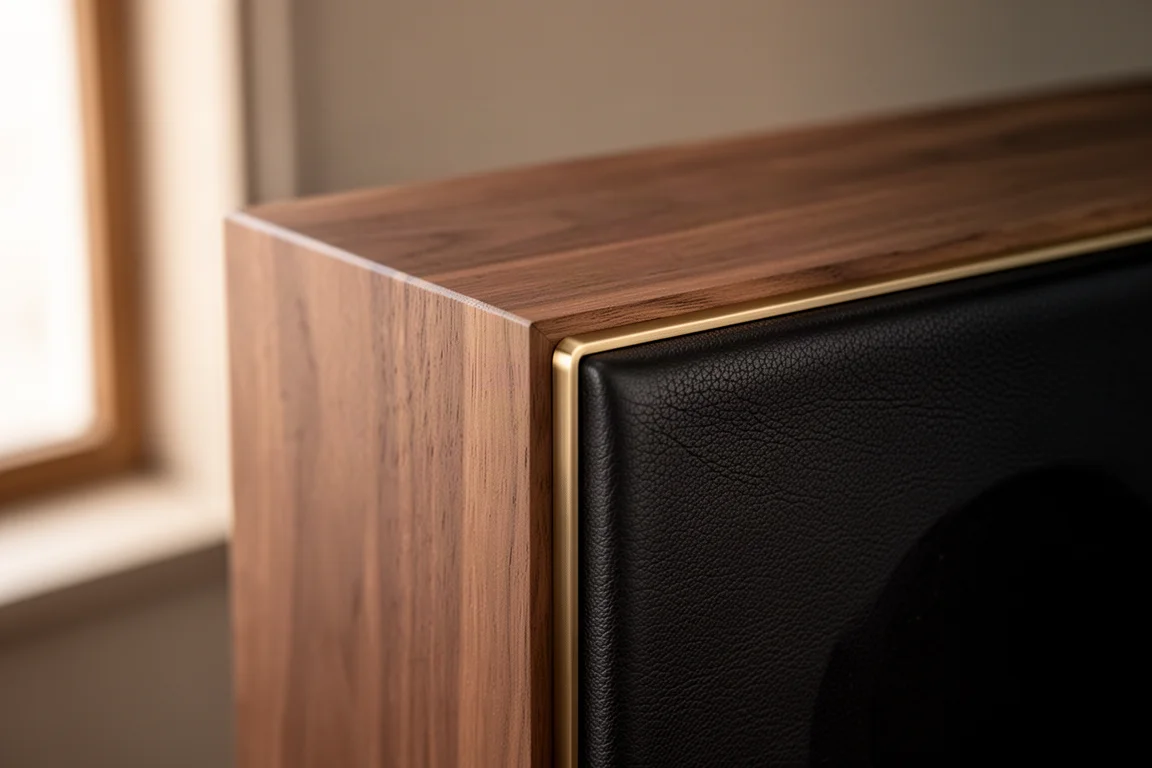
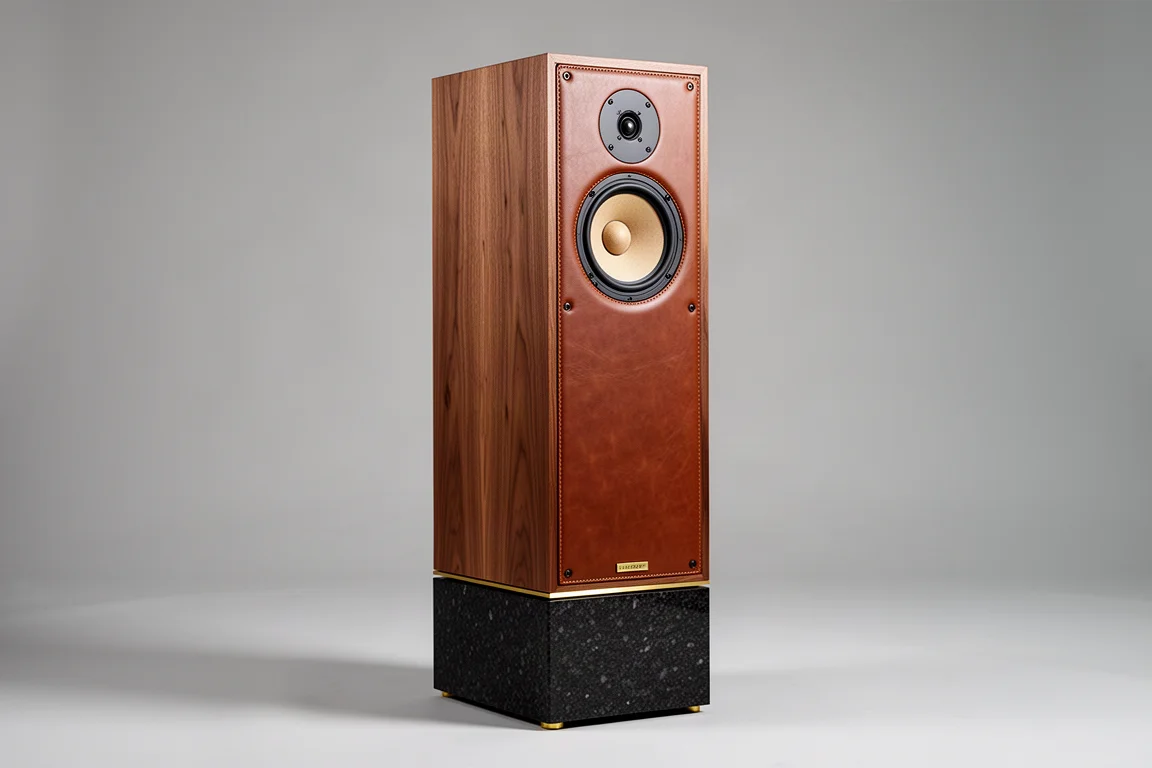
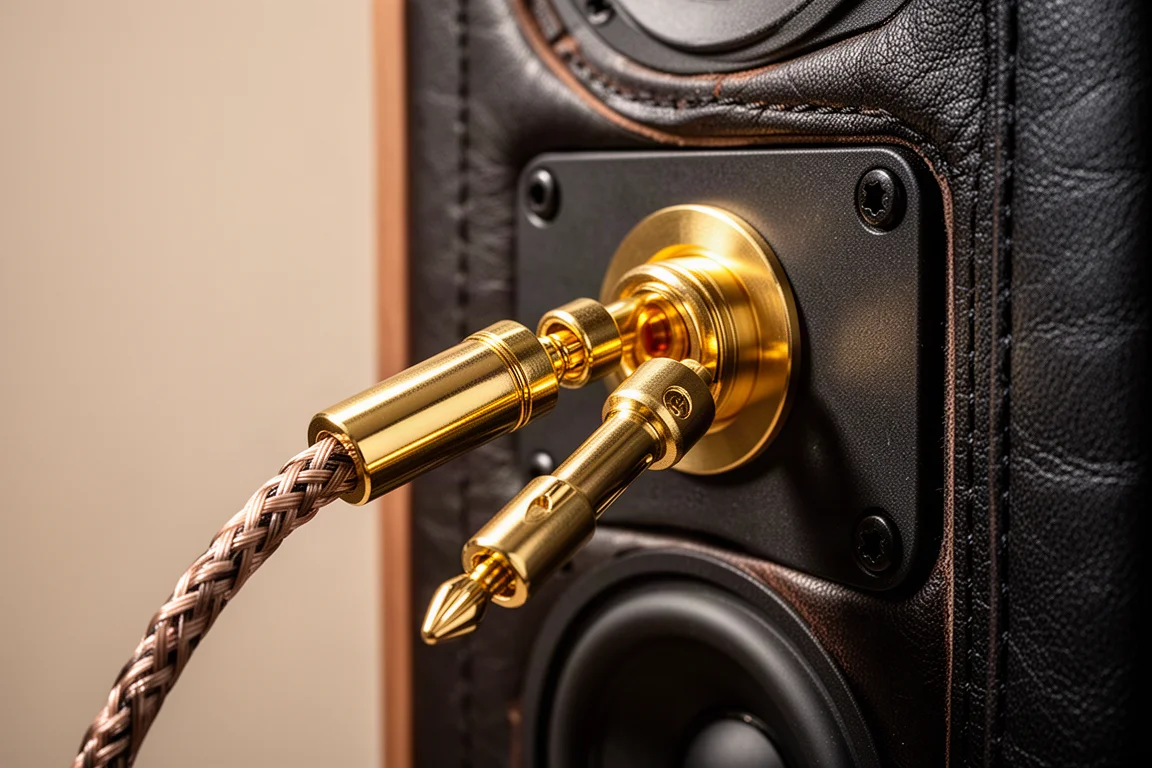
The finish work is where the Maxima Amator separates itself from almost everything else at its level. The front baffle is wrapped in leather, and so is the back panel, a surface most owners rarely look at. The base is African black granite, a dense and heavy material that gives the cabinet a very low centre of gravity. Brass accents run through the design, including the binding posts, which are substantial enough to make cable changes genuinely pleasant rather than a chore.
The speaker is built in Italy, and the rear of the cabinet exposes the crossover, where ClarityCap and Mundorf capacitors sit alongside high quality inductors. It is unusual to see this level of componentry presented so openly, and it reinforces the sense that the cabinet is treated as an instrument rather than a container.
One practical note: because so much of the weight sits in the granite base, the speaker is awkward to move alone. It is not impossible to lift, but pivoting it into position is far easier than carrying it.
Sonus faber Maxima Amator: Sound Quality
The most immediate difference compared with the bookshelf is bass. As expected from a floorstander, the Maxima Amator extends noticeably deeper, and it does so with unusual authority for a two-way design. The low end is textured and direct, with a punch that can be felt in the chest rather than merely heard. In a suitable room it reaches further than the published frequency response would suggest.
The overall frequency response is also more linear than the Electa Amator III. Where the bookshelf emphasises the mid-bass, the Maxima Amator keeps that region even, which makes the presentation read as more neutral and more modern. High frequencies are more extended, with greater detail and nuance across the treble and midrange.
That does not mean the character disappears. There is still a trace of the mid-bass energy that defines the Sonus faber sound, just applied with more restraint. Tonally, the Maxima Amator sits closer to the more neutral approach of the Olympica line than to the older, warmer Heritage voicing, even though it belongs to the Heritage series.
Sonus faber Electa Amator III: The Bookshelf Alternative
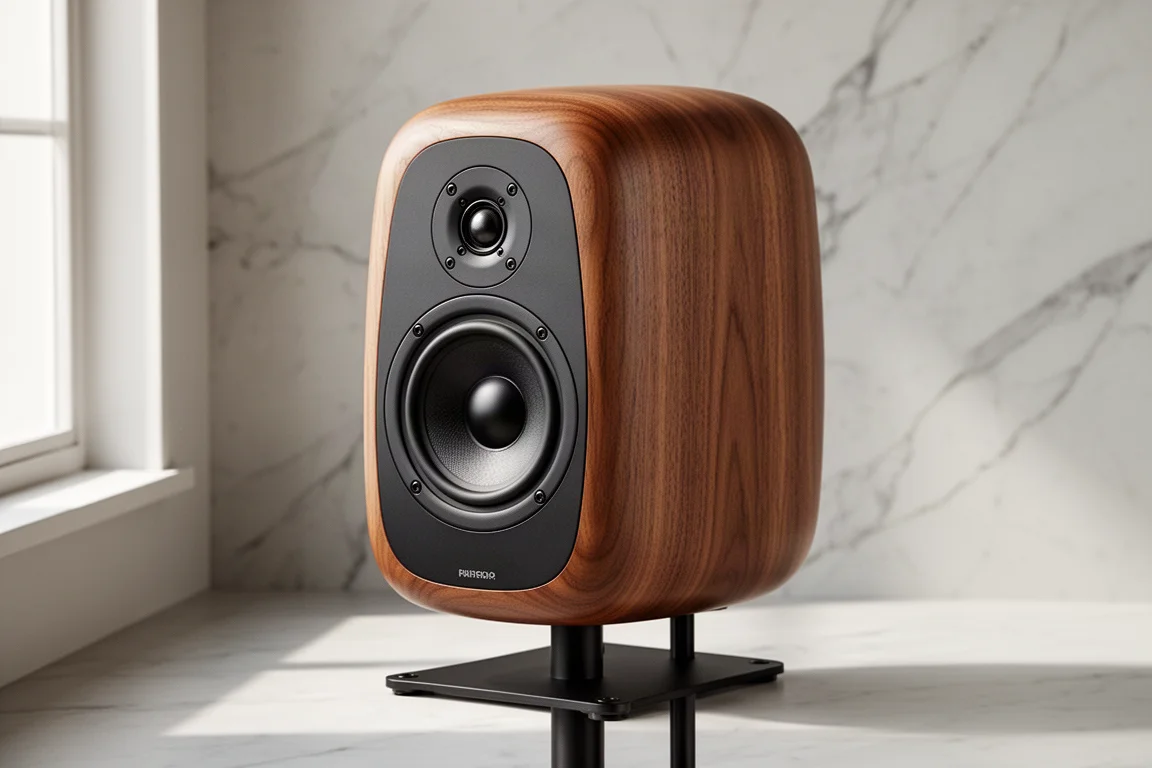
The Electa Amator III is the third iteration of a speaker with real history behind it, and the generational naming reflects a line that has been improved rather than replaced. It uses the same DAD tweeter and the same 6.5-inch paper pulp woofer as its floorstanding sibling, but houses them in a compact standmount cabinet with its own distinct voicing.
Its strength is mid-bass presence. The Electa Amator III has punch, dynamic drive and a slight bloom in the mid-bass that adds body to male voices in roughly the 100 Hz to 200 Hz region. Instruments such as bass and cello take on a grander, thicker character. The effect is richer and more coloured than the Maxima Amator, and it is the main reason the two speakers sound so different despite sharing drivers.
For listeners who grew up with the classic Sonus faber presentation, this is the more familiar voice. It is less faithful to the recording than the floorstander, but it is also more immediately persuasive on certain material.
Soundstage, Imaging, and Tone: How They Differ
Conventional wisdom says a bookshelf speaker images wider than a floorstander, and physics usually supports that. In practice, the Maxima Amator produced the wider stage of the two, provided it was set up properly: positioned out towards the room with only a slight amount of toe-in, roughly 5 to 10 degrees, which balanced imaging against stage width.
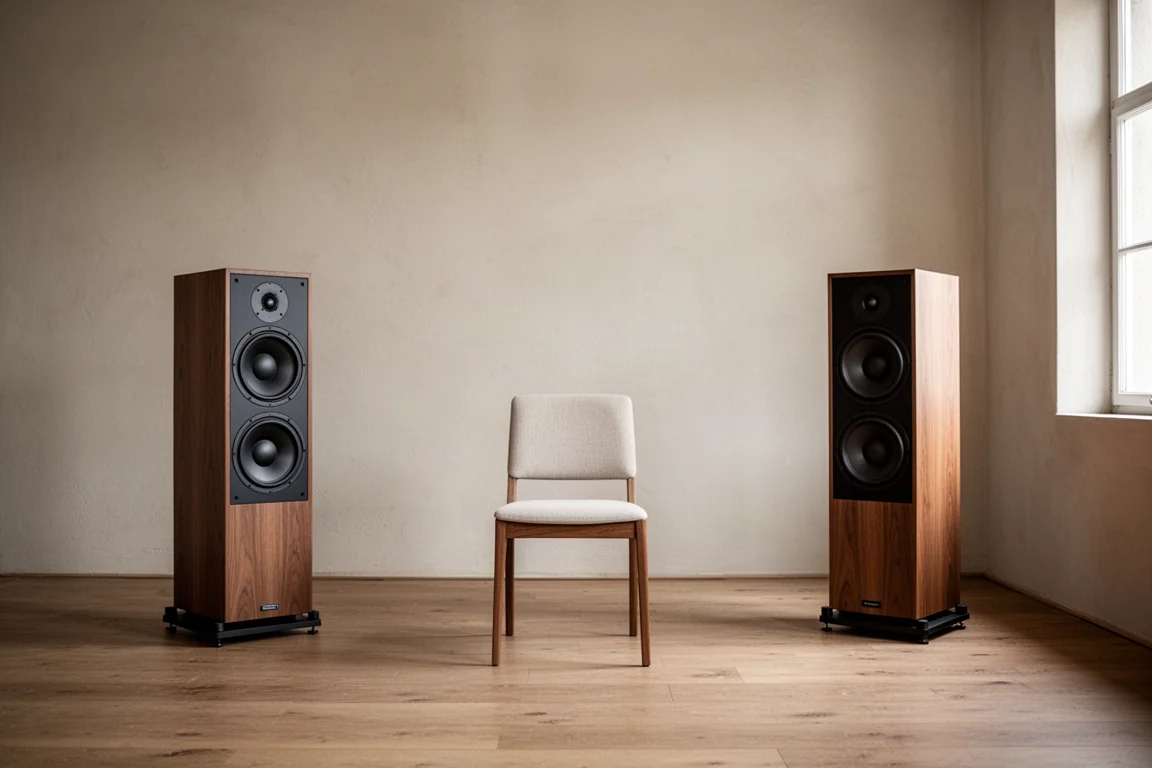
Depth is where the floorstander pulls further ahead. The Maxima Amator layers instruments at different distances behind and between the speakers, so individual parts remain distinguishable rather than collapsing onto a single plane. That sense of space between performers is one of the most convincing arguments for the larger cabinet.
Imaging is equally disciplined. With the speakers correctly spaced and only lightly toed in, anything recorded centre stays locked in the centre rather than drifting toward one channel. You do not need to aim the speakers directly at the listening seat to achieve this.
In tonal terms, the split is straightforward. The Electa Amator III gives you mid-bass weight, warmth and thickness. The Maxima Amator gives you a flatter, more reference-like balance with more extended highs and finer detail retrieval, plus a small amount of that mid-bass energy kept in reserve.
Setup and System Matching
The Maxima Amator performs well with tube amplification, but it benefits from a powerful transistor amplifier with plenty of drive and reservoir capacity. A robust solid-state design complements the speaker’s own bottom-end weight rather than fighting it. A high-resolution DAC with strong micro-detail and a good sense of space also pays off here, because it helps resolve the layering the speaker is capable of.
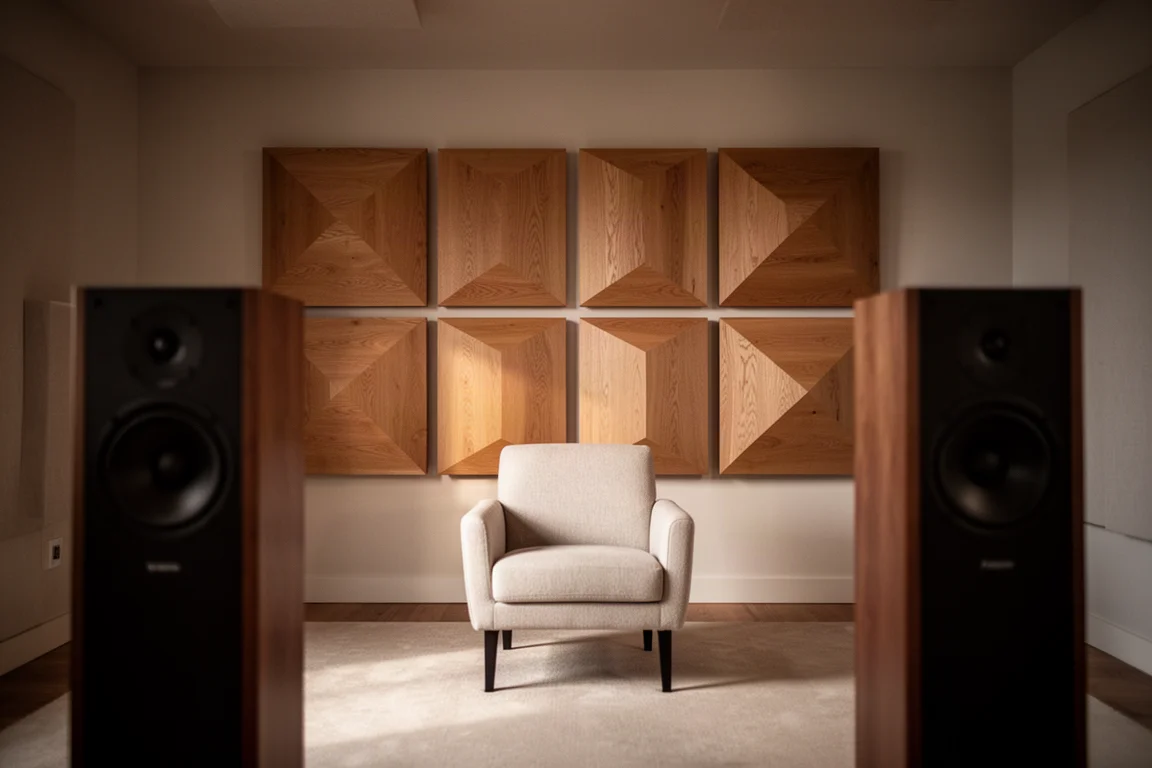
Analog sources suit both speakers. A quality turntable and, where available, reel-to-reel tape remain the most rewarding formats for this level of system. Room treatment matters as well: a space fitted with large quadratic diffusers gave the soundstage noticeably more room to breathe, and the effect was not subtle.
Placement is worth experimenting with. Pushing the speakers out into the room and applying only a slight toe-in produced the best balance of width, depth and centre focus in this setup.
Buying Advice: Which Speaker Suits Your Room
Choose the Maxima Amator if you want the more neutral, more extended and more detailed presentation, deeper bass extension, and a larger, better-layered soundstage. It rewards a serious amplifier and a room that can accommodate a floorstander placed away from the front wall.
Choose the Electa Amator III if you prefer mid-bass punch, warmth and the classic Sonus faber character, or if your room simply suits a compact standmount. It is the more coloured of the two, and that colour is precisely what many listeners are looking for.
Neither speaker is an impulse purchase. Both sit at the top of the range in materials, construction and component quality, and both deserve a system that can do them justice. The deciding factors should be room size, amplifier capability and the tonal balance you enjoy most.
Conclusion
The Maxima Amator and the Electa Amator III are two expressions of the same design philosophy rather than two versions of the same speaker. One prioritises neutrality, extension and scale; the other prioritises mid-bass richness and character. If you can live with only one, match it to your room and your amplifier, and you will not spend much time second-guessing the decision.
Further reading
Related Reviews
Hi-Fi Speakers
1723 THX Tower vs 1528 Bookshelf: Which Speaker Fits Your Room?
Two speakers at roughly the same price, built very differently. How the 1723 THX tower and the 1528 bookshelf compare on construction, bass, power needs, and sound.
Hi-Fi Speakers
Acoustic Energy AE 300 Review: Deep Bass From a Compact Standmount
A two-way standmount with real wood veneer, surprising low-end weight, and a warm, easygoing character. Here is what to know before buying.
Hi-Fi Speakers
Acoustic Energy AE1 40th Anniversary Review: A Modern Take on a British Classic
A compact standmount that revives a 1980s favorite with all-new parts, a warm mid-centric balance, and a price of £1,499 per pair.