Hi-Fi Speakers
Sonus Faber Lumina II Amator and Lumina V Amator: Two Updated Italian Speakers Compared
A closer look at the two Amator updates to the Lumina line, including the new 45-degree angled veneer finishes and the raised crossover points.
Introduction
Sonus Faber has been building loudspeakers in Italy since 1983, and the brand’s reputation rests on combining traditional craftsmanship with modern driver engineering. The Lumina line arrived in 2020 as a way to bring that approach to a more accessible price point, carrying ideas and construction methods from models costing many times more.
For 2024 the company revisited two of the line’s most popular designs. The Lumina II bookshelf and the Lumina V floorstander have both been reissued in Amator versions, with a new cabinet finish and a revised crossover. This guide covers what changed on each model, what stayed the same, and which one is likely to suit a given room.
What the Lumina Amator Update Brings
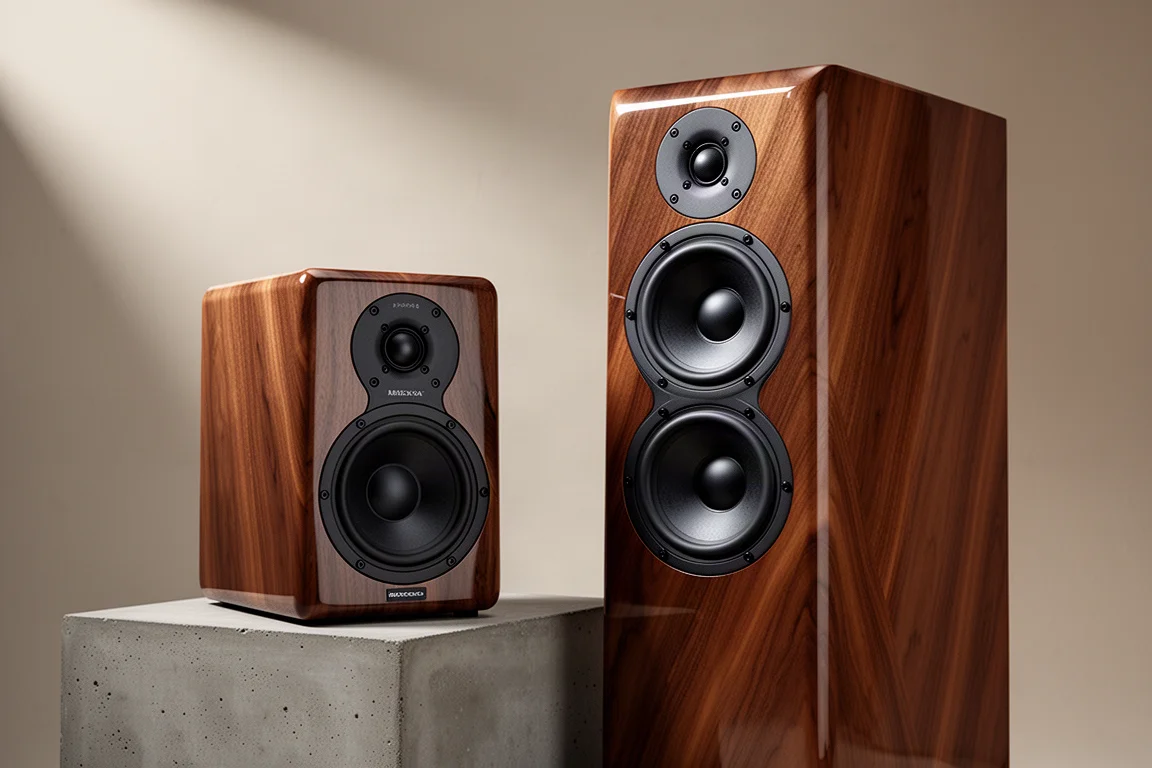
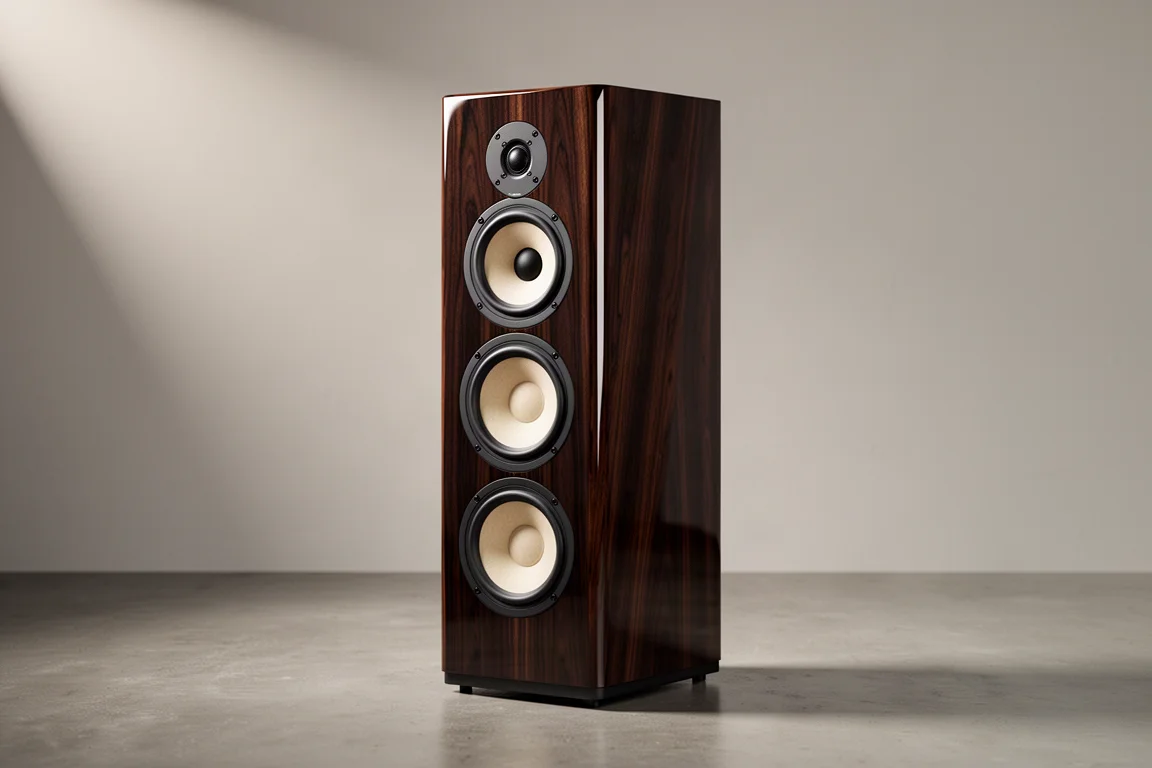
The first thing most people will notice is the finish. Both Amator models wear a new 45-degree angled veneer, a detail that separates them from the rest of the Lumina range. Three high-gloss colour options are offered: red, wenge, and walnut. The cabinets are built in Italy, and the series is positioned as much as long-term furniture as it is audio equipment.
The second change is less visible. Sonus Faber kept the overall cabinet design of the standard Lumina II and Lumina V rather than starting over, and focused instead on the crossover. That decision is where most of the performance story sits.
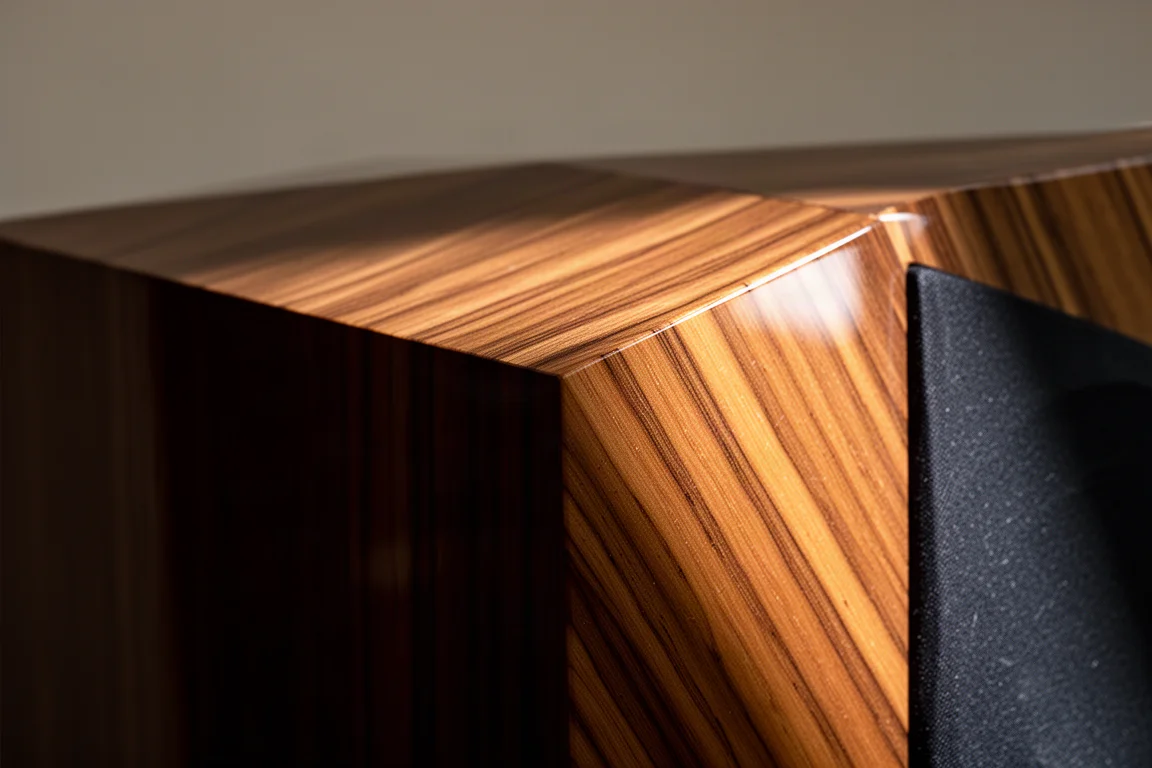
Keeping the existing design makes the Amator models an evolution rather than a new platform, which is useful context for anyone weighing them against the standard Lumina versions. What you are buying is a familiar speaker with a retuned crossover and a more distinctive finish, not a wholesale redesign.
Crossover Changes and Staging Precision
The crossover revision grew out of work Sonus Faber had already done on the Amati G5 and Guarneri G5 crossovers. The company tested whether a higher crossover frequency would improve driver performance in the Lumina models, and found that raising the crossover point improved the precision of staging as well as the perception of bass and timing. The practical result is more realism and resolution, and a more convincing three-dimensional soundstage.
The figures differ by model. On the Lumina II Amator the crossover point moves up to 2,600 Hz, compared with 1,800 Hz before. On the Lumina V Amator it rises to 2,850 Hz, which is 250 Hz above the standard Lumina V.
Sonus Faber Lumina II Amator: The Bookshelf Option
The Lumina II Amator is a two-way design built around a 29 mm soft dome tweeter and a 150 mm cone mid-bass driver. It uses the same damped Apex Dome tweeter and cellulose cone mid-bass driver found in the standard Lumina series, so the change here is the crossover rather than the driver complement.
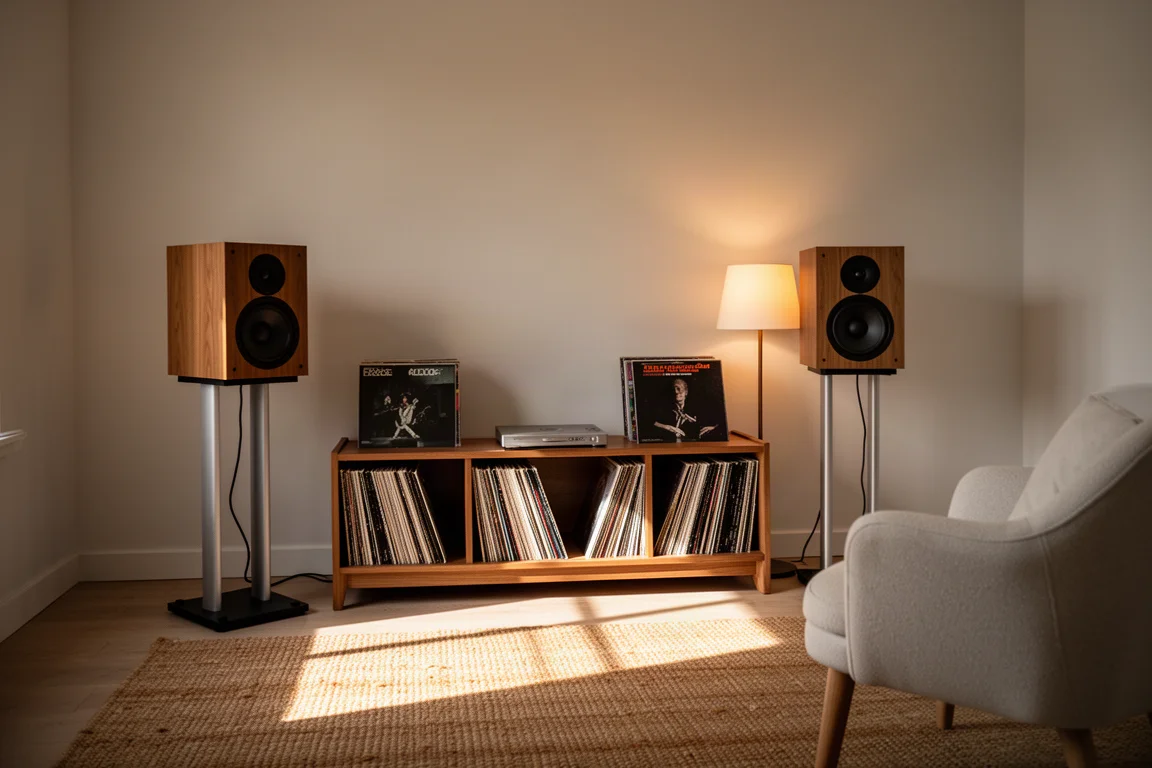
In practical terms, that combination keeps the compact cabinet and the smooth, natural character the Lumina line is known for, while the higher crossover point is intended to sharpen imaging and give bass notes a clearer sense of timing. It is the more flexible of the two for smaller rooms, secondary systems, and spaces where a floorstanding cabinet would simply take up too much floor.
Sonus Faber Lumina V Amator: The Floorstanding Option
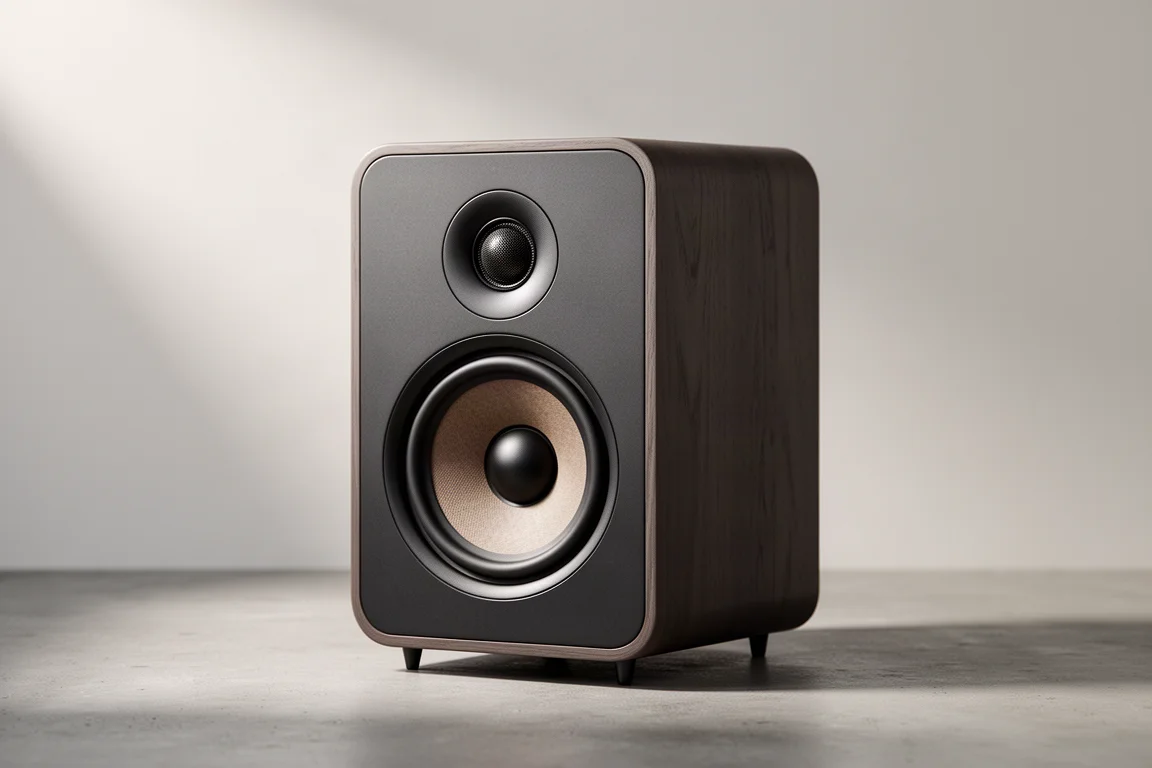
The Lumina V Amator keeps the same 29 mm tweeter and adds a 150 mm mid-range driver with a pulp cone. Below that sit two 165 mm woofers using all-natural pulp sandwich cones for bass duty. Its crossover point is set at 2,850 Hz.
The additional woofer pair is what separates the floorstander from the bookshelf model in physical terms. A taller cabinet with dedicated bass drivers moves more air and gives the design more low-frequency headroom, which matters in larger rooms and in setups where the speakers sit further from the listening position.
Drivers, Tonality, and the Voice of Sonus Faber
Both Amator models share the material choices that define the Lumina sound. Pure pulp in the mid-range cones and natural material in the soft dome tweeters give the series its smooth and natural tonality. Sonus Faber manufactures its drivers in house, which allows each driver to be designed around the cabinet it will live in rather than selected from an existing catalogue.
The result is the character the company calls the voice of Sonus Faber: a neutral signature that stays out of the way of the recording. The strength is the way small dynamic shifts come through, so the expression in individual voices and instruments remains audible. Because that character runs across the range, moving between models feels like a change of scale rather than a change of sound.
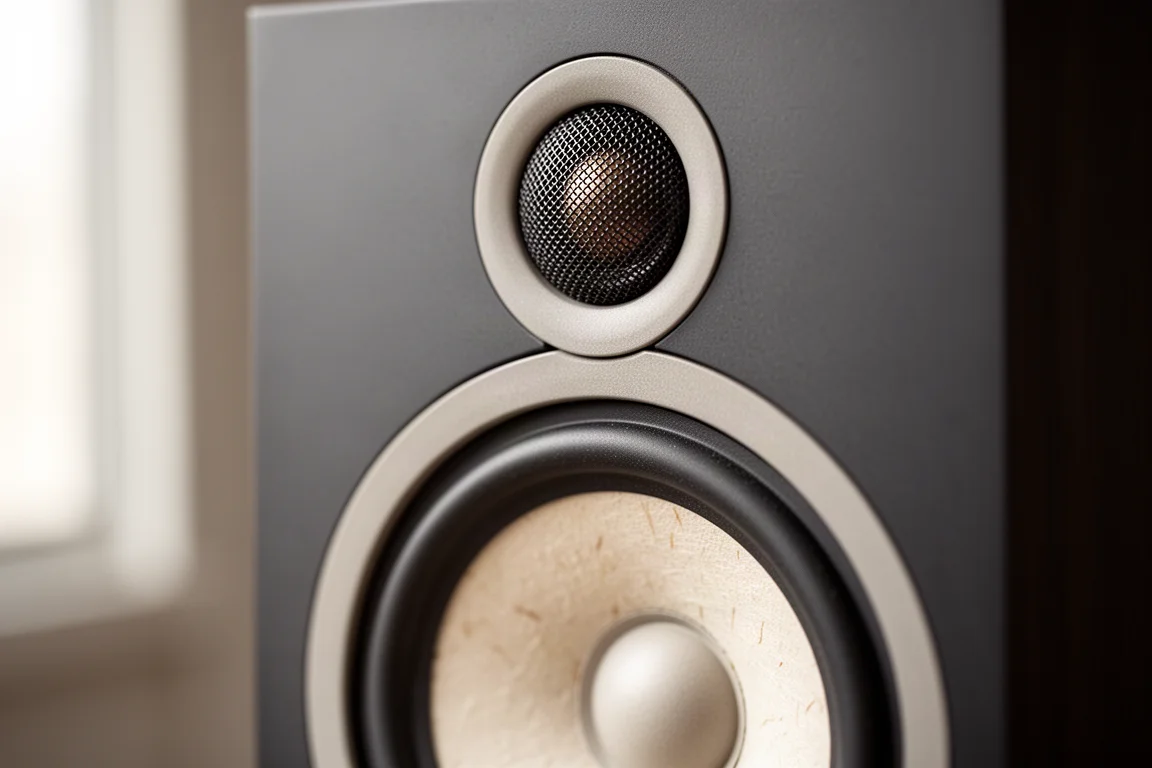
It is worth noting that these qualities are shared with the standard Lumina II and Lumina V. The Amator versions build on that foundation rather than replacing it.
Which Model Suits Your Room and System
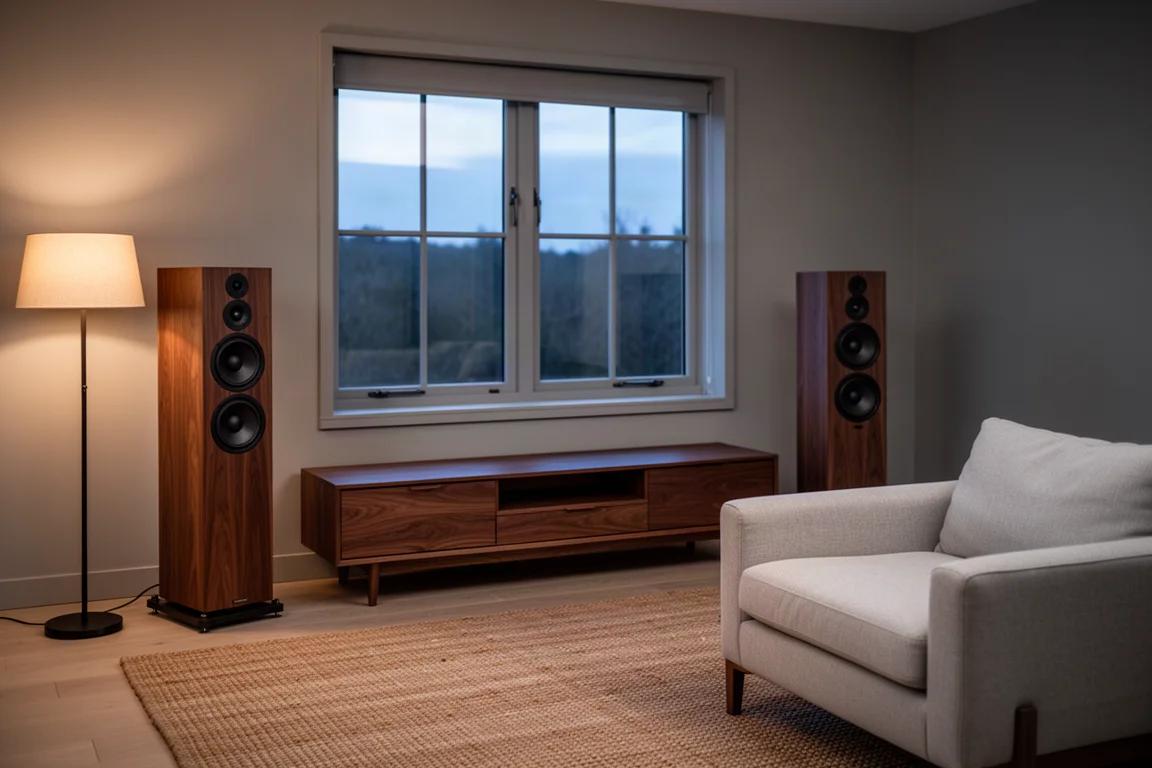
The choice between the two comes down mostly to space and scale. The Lumina II Amator is the easier fit: a compact two-way that works on stands in a small room, in a study, or as part of a media setup where a tower would dominate the space. The Lumina V Amator is the option for listeners who want the extra bass weight that two dedicated woofers provide and who have the floor area to place a pair properly.
Both models share the same tweeter size and the same overall tonal approach, so the decision is less about sound signature and more about how much low-frequency output and physical presence you need.
Value and Buying Advice
The Amator versions cost more than the standard Lumina II and Lumina V, and the premium is modest next to the changes involved. If you were already drawn to the Lumina line but wanted more finish options or a step up in performance, these two models address both points directly. If the standard versions already suit your room and taste, the Amator update is best treated as a refinement rather than a reason to replace what you own.
For anyone buying new, the sensible approach is to start with the room. Choose the floorstander if the space and placement allow it, and the bookshelf model if it does not. Either way, the crossover work and the new veneer are the two things that define the Amator experience.
Conclusion
The Lumina II Amator and Lumina V Amator are careful updates rather than reinventions. Sonus Faber kept the design and the drivers that made the Lumina line successful, raised the crossover points, and added a distinctive 45-degree angled veneer in three gloss finishes. The result is a pair of Italian-built speakers that carry the same neutral, expressive character as the rest of the range, with a little more precision in the staging and a finish that sets them apart.
Further reading
Related Reviews
Hi-Fi Speakers
1723 THX Tower vs 1528 Bookshelf: Which Speaker Fits Your Room?
Two speakers at roughly the same price, built very differently. How the 1723 THX tower and the 1528 bookshelf compare on construction, bass, power needs, and sound.
Hi-Fi Speakers
Acoustic Energy AE 300 Review: Deep Bass From a Compact Standmount
A two-way standmount with real wood veneer, surprising low-end weight, and a warm, easygoing character. Here is what to know before buying.
Hi-Fi Speakers
Acoustic Energy AE1 40th Anniversary Review: A Modern Take on a British Classic
A compact standmount that revives a 1980s favorite with all-new parts, a warm mid-centric balance, and a price of £1,499 per pair.