Bookshelf Speakers
Sonus Faber Lumina II Review: A Bright Bookshelf Speaker With Real Strengths
The Sonus Faber Lumina II pairs low distortion and wide radiation with a deliberately lifted top end. Here is what that balance means for real rooms and real listening.
Introduction
The Sonus Faber Lumina II is a compact two-way bookshelf speaker that leans unapologetically bright. Its top end is lifted well above the midrange, which gives vocals, strings, and percussion a forward, energetic character with plenty of bite. That tuning is clearly deliberate, and it shapes almost everything about who this speaker suits and who should look elsewhere.
The interesting part is that the Lumina II is not a one-note design. Its distortion performance is genuinely strong, its bass holds together well within its limits, and it responds well to equalisation above the upper midrange. This article walks through what the speaker does well, where its tonal balance creates real trade-offs, and how to get the most out of it if its character appeals to you.
Who This Speaker Is For
The Lumina II suits listeners who actively enjoy a forward, detail-forward presentation. If you like cymbals and strings to sit at the front of a mix and you find neutral monitors a little flat or polite, this is a speaker that will feel lively rather than reserved. A lifted treble can also reveal artifacts and inner detail that a flatter speaker tends to smooth over, and some listeners find that quality genuinely exciting.
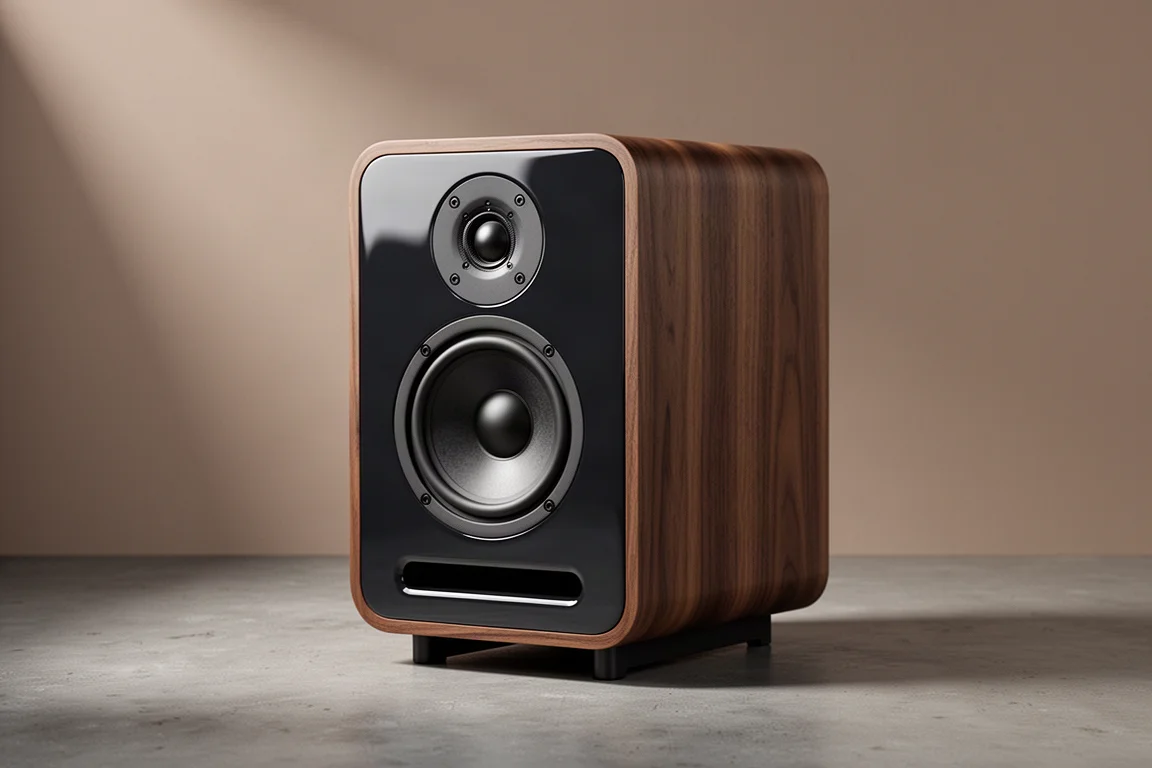
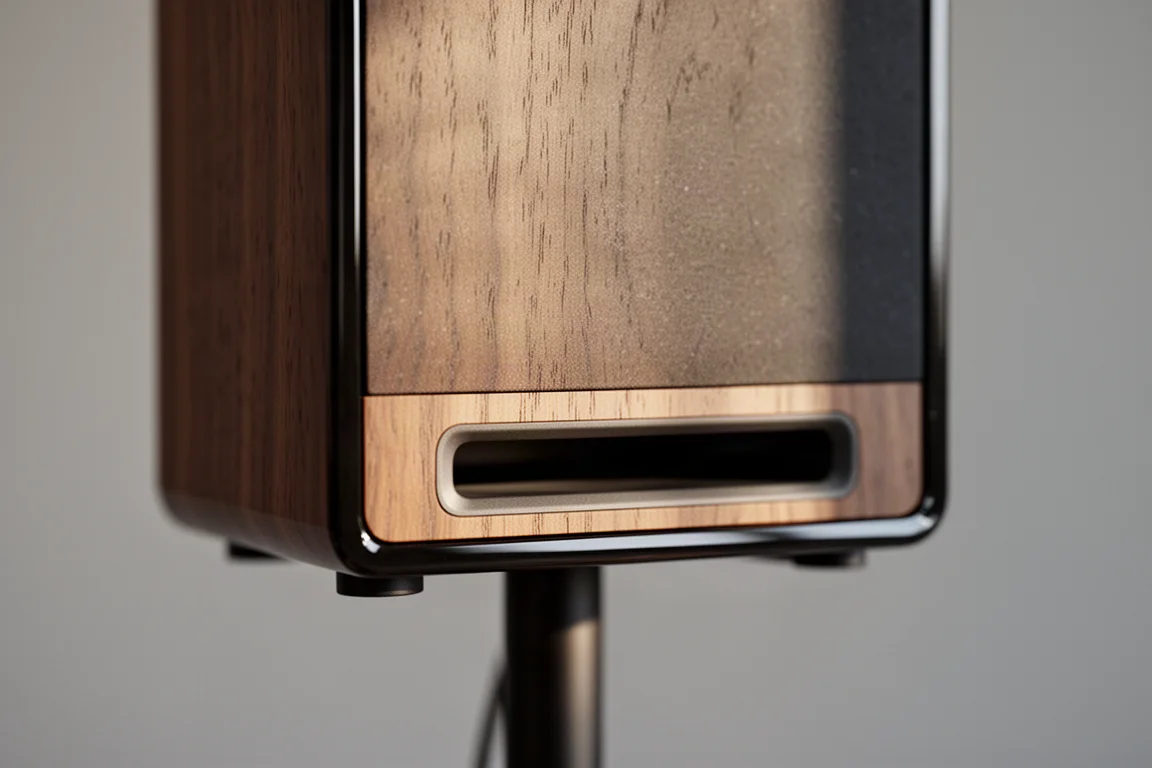
It also has appeal for buyers who care about the ownership experience. The Sonus Faber name carries a certain status, and the cabinet backs that up with a gloss finish on the front panel and vinyl wrapping around the rest of the body. The bass port sits at the bottom of the cabinet rather than as a large round opening on the front or rear, which keeps the baffle visually clean and reads as a thoughtful design choice at this size.
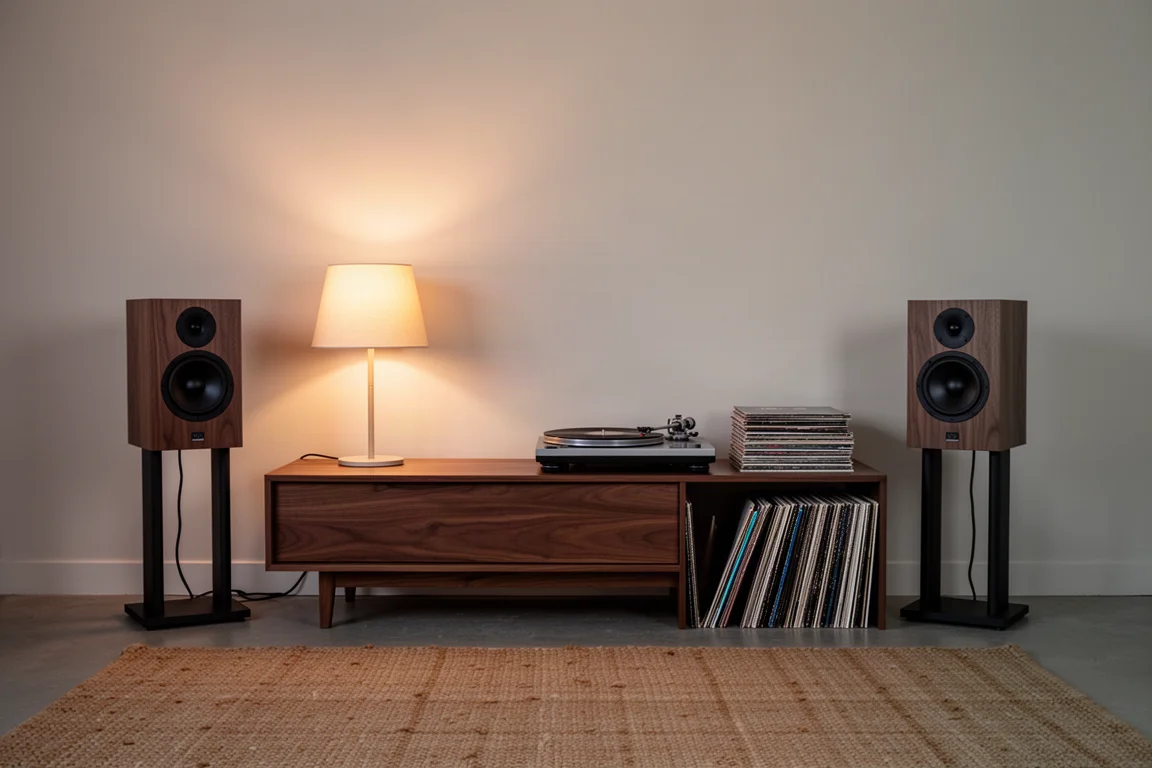
It is a less obvious fit for anyone who wants a neutral reference straight out of the box, or for listeners who would rather not touch tone controls at all. Those buyers will find more satisfaction with a flatter speaker, and the rest of this article explains exactly where the Lumina II departs from neutral.
Main Strengths
Bass performance is solid within its limits. The Lumina II reaches roughly 50 Hz in room, which is about par for a bookshelf of this size rather than a standout. What matters more is how it gets there: compression is mild and distortion figures are good, so the low end stays composed at higher volumes and at listening distances beyond a couple of metres. Below about 50 Hz, both distortion and compression rise sharply, which is where a subwoofer becomes relevant.
Distortion and dynamic capability are the strongest technical arguments for this speaker. Harmonic distortion measures well at both 86 dB and 96 dB, and multitone distortion looks good too. Around 96 dB at one metre for a single speaker, the design stays composed. Projected into a room as a pair, roughly 105 dB at one metre and 93 dB at four metres should be manageable, which works out to about 20 dB of usable dynamic range at a typical four-metre seat. For most music, that is enough headroom for instruments to attack and vocals to open up without the response shifting.
Radiation is wide. The speaker disperses at roughly plus or minus 60 degrees, and the horizontal window stays usable to about 60 to 70 degrees depending on frequency. Above about 8 kHz the tweeter begins to narrow and focus its energy into a tighter wavefront.
Equalisation is unusually effective above the upper midrange. Above roughly 800 Hz the early reflections track the listening window closely enough that tone adjustments work with good success. Trimming the treble by 2 to 4 dB made a meaningful difference, with about 4 dB being the point where the balance felt right. On-axis output averages about 86 dB, matching the manufacturer’s stated sensitivity. Crossing the speaker over at 80 Hz also reduced multitone distortion slightly in the lower vocal region, which suggests a subwoofer can help clarity in the lower midrange as well as add depth.
Things To Consider Before Buying
The tuning is not neutral. High-frequency output runs about 6 dB above the mean sensitivity, landing between roughly 89 and 92 dB against a midrange average near 86 dB. The practical result is a forward, bright presentation with a pronounced sense of bite. If you have not spent time with speakers that carry a treble lift, this one will sound noticeably different from a neutral monitor.
The lift does not disappear off axis. Angling the speakers 20 to 30 degrees away from the listening position, so they point more into the room, left the high-frequency bump in place. It also persisted when the speaker was placed against the wall, when it was pulled about three feet into the room, and across two different listening distances. Placement is not a fix for the tonal balance.
A nasal coloration sits around 1 kHz. A resonance in that region adds a nasal quality to the presentation. Cutting that area back noticeably reduced it, which is useful to know if the character bothers you.
There are dips through the midrange and presence region. The on-axis response shows a midrange trough, plus a scoop in the 2 to 3 kHz area. That scoop takes some of the bite and attack out of brass, piano, and strings, which is a real trade-off for listeners who value instrumental texture.
Deep bass is limited. With F3 at 60 Hz and F10 at 41 Hz, and useful in-room output only down to about 50 Hz, content with genuine low-frequency information needs a subwoofer. Below roughly 500 Hz the room dominates the response regardless of what the speaker itself is doing, so placement and room treatment will shape that region more than the cabinet will.
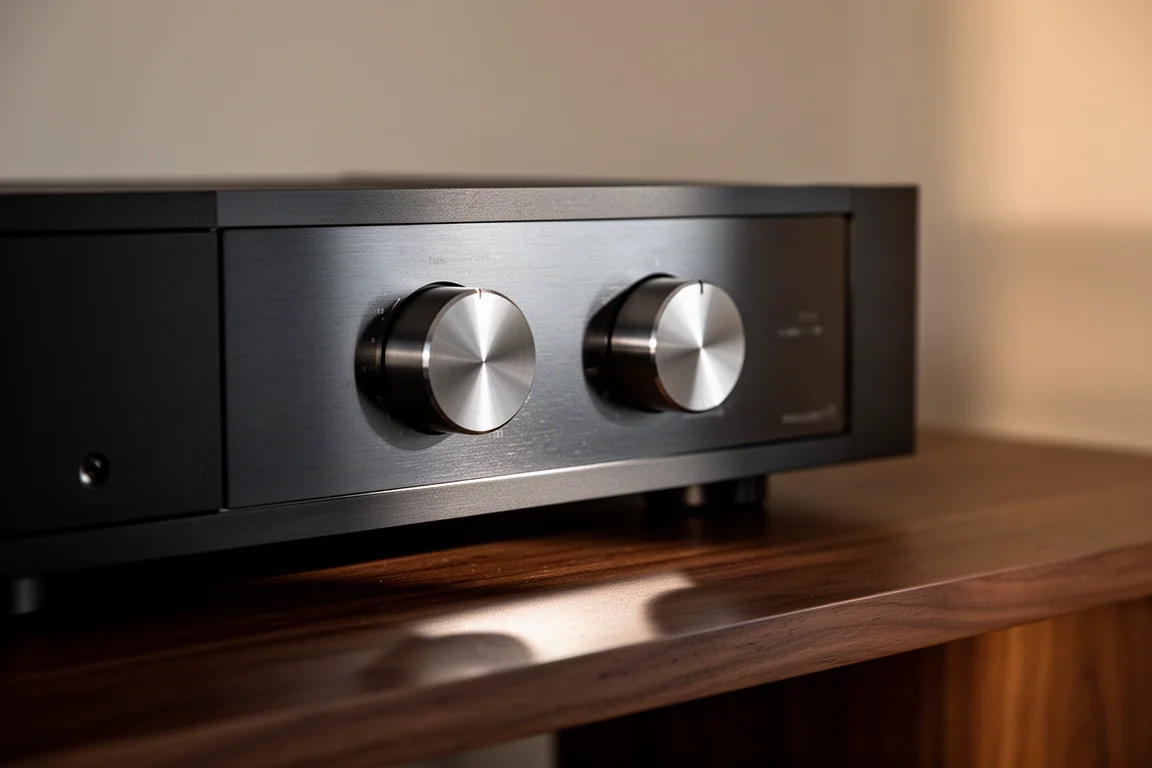
Amplifier demands deserve attention. Nominal impedance is about 4.1 ohms, with resonances visible near 500 Hz and 700 Hz. A home theatre receiver may drive it, but a dedicated amplifier may be the safer route. Starting with a receiver and adding a separate amplifier later is a sensible way to test the pairing without committing up front.
Group delay appears near 500 Hz. About 1.5 milliseconds of group delay shows up around that frequency, which lined up with an impression of a slightly boomy midrange that sat behind the vocals. Whether that delay is the cause is not certain, but the correlation is worth flagging.
Vertical placement matters. The tweeter is the reference point, and staying within roughly plus or minus 10 degrees vertically is advisable, ideally with ears level with the tweeter. Standing up reduces energy through the midrange and treble, softening attack, clarity, and the dynamic feel of vocals.
Compression becomes a factor at very high levels. At 102 dB the speaker loses midrange output while distortion rises. Around 96 dB is a more realistic ceiling for sustained listening. Finally, the early reflections directivity index shows resonances through the 500 Hz region, which makes some of the crossover-area behaviour harder to correct with equalisation.
Taken together, these points are not reasons to dismiss the Lumina II. They are reasons to go in with clear expectations, and to plan on using tone controls, a subwoofer, and careful vertical placement rather than relying on the speaker to behave neutrally on its own.
Buying Advice
The decision comes down to whether you want the speaker’s character or want to correct it. If a neutral reference is your goal, the Lumina II is not the right tool, and no amount of adjustment will turn it into one. If you enjoy a lively, forward top end and you are willing to shape the response, this speaker delivers a lot of what makes the brand appealing, including low distortion, wide radiation, and a clean, well-finished cabinet.
Plan on using tone controls. A preamp, DAC, or receiver with treble adjustment centred near 1 kHz will let you bring the top end down by roughly 4 dB, which is where the balance felt most satisfying. Pair the speaker with a subwoofer if your music reaches below 50 Hz, and cross it near 80 Hz, where the lower vocal region benefits from a small reduction in distortion. Try an existing home theatre receiver first, and add a dedicated amplifier only if the 4.1 ohm load proves demanding in practice.
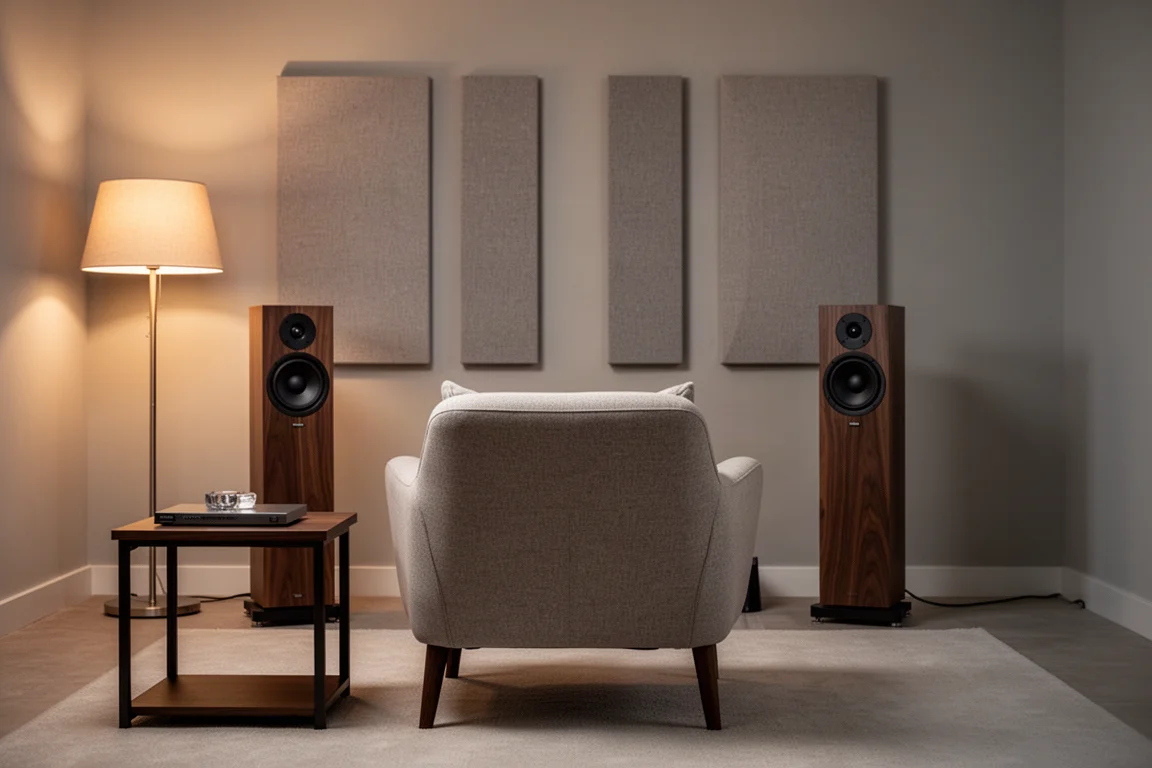
On placement, keep your ears level with the tweeter and stay within about 10 degrees vertically for the best results. Toe-in is a matter of taste here, since the treble lift remains whether the speakers point directly at you or 20 to 30 degrees outward, though a room with very few reflections may benefit from angling them out. Give the speakers room to breathe away from the wall if you can, and accept that the region below 500 Hz will be shaped largely by the room itself.
Conclusion
The Sonus Faber Lumina II is a well-built compact bookshelf speaker with low distortion, wide radiation, solid bass down to about 50 Hz in room, and a bright, forward character that will delight some listeners and frustrate others. Buyers who enjoy that energy and who are willing to trim the treble by a few decibels and add a subwoofer for deep bass will get a great deal of enjoyment from it. Buyers who want a neutral reference out of the box should look at a flatter design instead. Neither choice is wrong, but the Lumina II is a speaker that rewards knowing exactly what you are buying.
Product link
View more details for Sonus Faber Lumina II
This product is mentioned in the review. Check the specifications, options, and compatibility before buying.
View more details for Sonus Faber Lumina IIFurther reading
Related Reviews
Bookshelf Speakers
Acoustic Energy A100 Mark II Review: A Compact Standmount With an Expansive Soundstage
The Acoustic Energy A100 Mark II brings clarity, natural tonality and a wide soundstage to an entry-level standmount, with a few setup details worth knowing first.
Bookshelf Speakers
Acoustic Energy AE-100 Mark II Review: Compact Bookshelf Speakers With Standout Imaging
A compact British two-way bookshelf speaker with deep, layered imaging, fast bass, and a slight treble lift to weigh against a crowded $500 field.
Bookshelf Speakers
Acoustic Energy AE100 MK2 Review: Measured Performance and Four Alternatives
A close look at the Acoustic Energy AE100 MK2 bookshelf speaker, what its measured performance reveals, and four alternatives with different trade-offs.