Hi-Fi Speakers
Sonus Faber Lumina II Review: Finding an Amplifier That Suits It
A close look at the Sonus Faber Lumina II, its lively upper midrange, its revealing tweeter, and the amplifier pairings that made the most sense at a sensible price.
Introduction
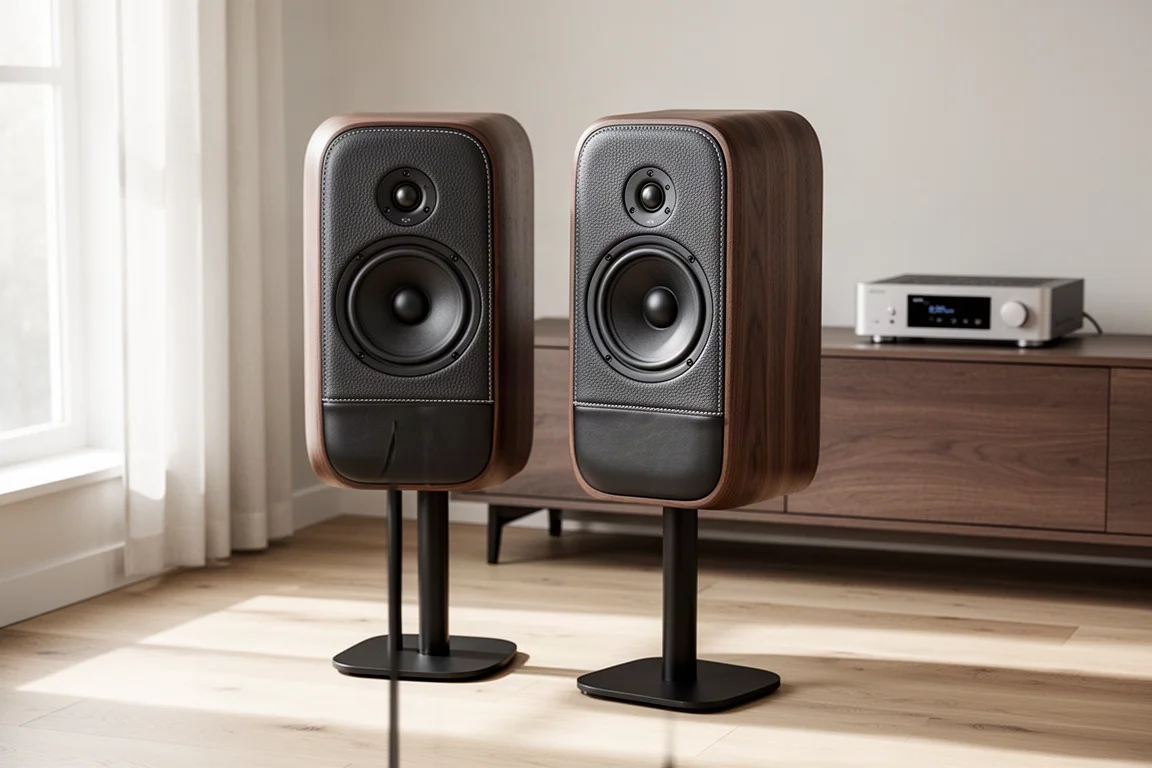
The Sonus Faber Lumina II is a compact stand-mount loudspeaker priced at around 1,100 euros per pair, and it has a personality that is easy to enjoy but not always easy to partner. It does not chase bass weight, and it is not one of those small speakers that surprises everyone with how much low end it can produce. Instead, it leans on an expressive upper midrange and unusually good microdynamics, and those two traits pull the listener towards the front of the chair.
That liveliness has a consequence. The tweeter is more communicative than most at this price, which means it tells you a great deal about the amplifier, the phono stage, and the source in front of it. Spend time swapping electronics and the speaker makes those differences obvious, sometimes more obvious than other stand-mounts do.
Sonus Faber recommends an amplifier rated between 30 and 150 watts per channel. Within that window, the question is less about raw power and more about tonal balance and current delivery.
Who this product is for
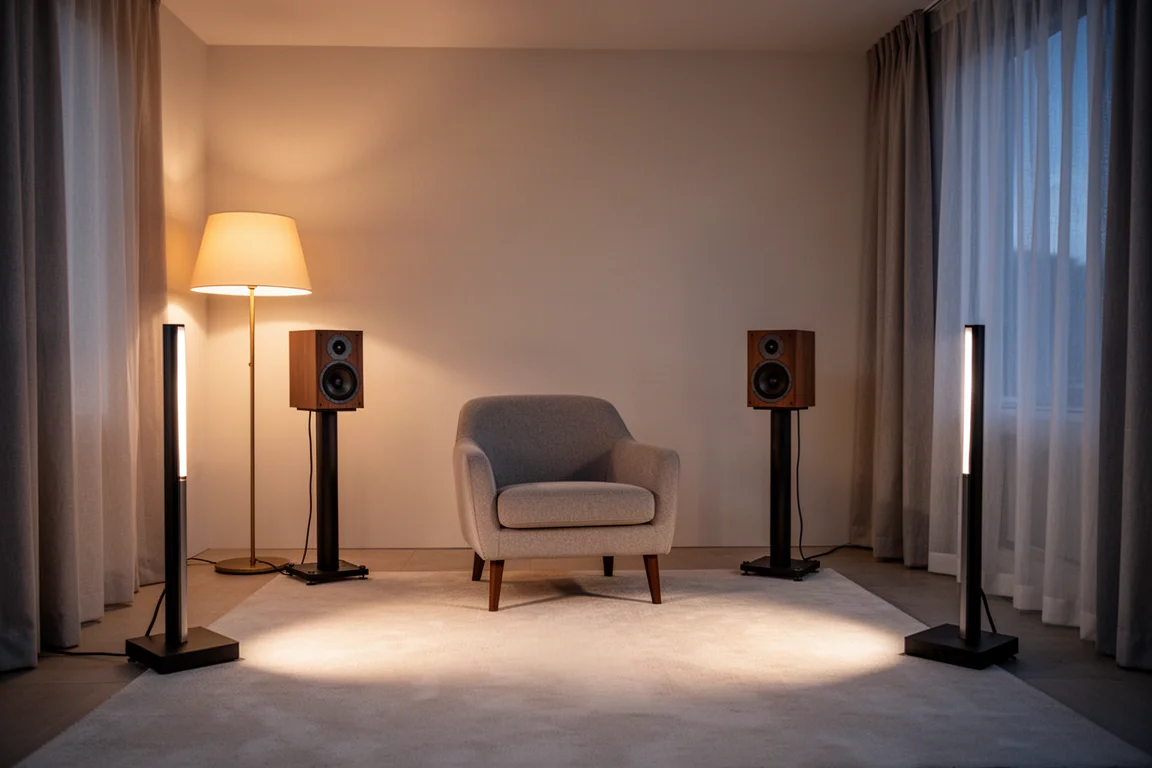
The Lumina II suits listeners who value immediacy, texture, and detail over weight and scale. If your library leans towards acoustic recordings, electronic music with dense percussion, or anything that rewards a sense of presence, this speaker plays to those strengths. It is also a natural fit for smaller rooms, where a large floorstander would overload the space.
It is not the obvious choice for anyone who wants a full, deep low end from a small box, or for listeners who prefer a relaxed, laid-back presentation. This is a lean-in speaker, not a lean-back one.
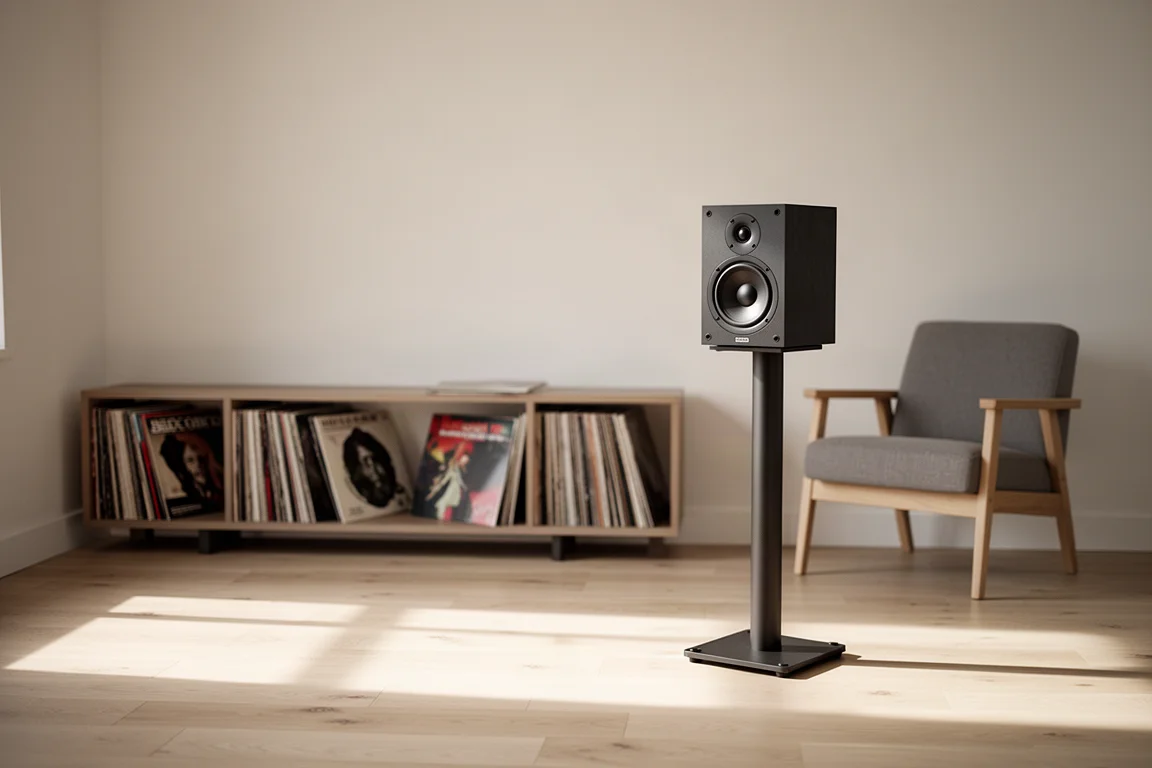
Room and placement matter as much as the amplifier. A compact stand-mount on proper stands, positioned a little away from the rear wall, will let the upper midrange breathe without hardening. Buyers moving up from a budget bookshelf model should expect a clear step in resolution rather than a step in bass output.
Main strengths
The first thing that stands out is the upper midrange. There is a slight push in that region which gives voices and instruments a forward, energetic quality. Combined with the speaker’s strong microdynamics, the result is a presentation that feels alive at modest volume levels rather than one that only comes together when pushed hard.
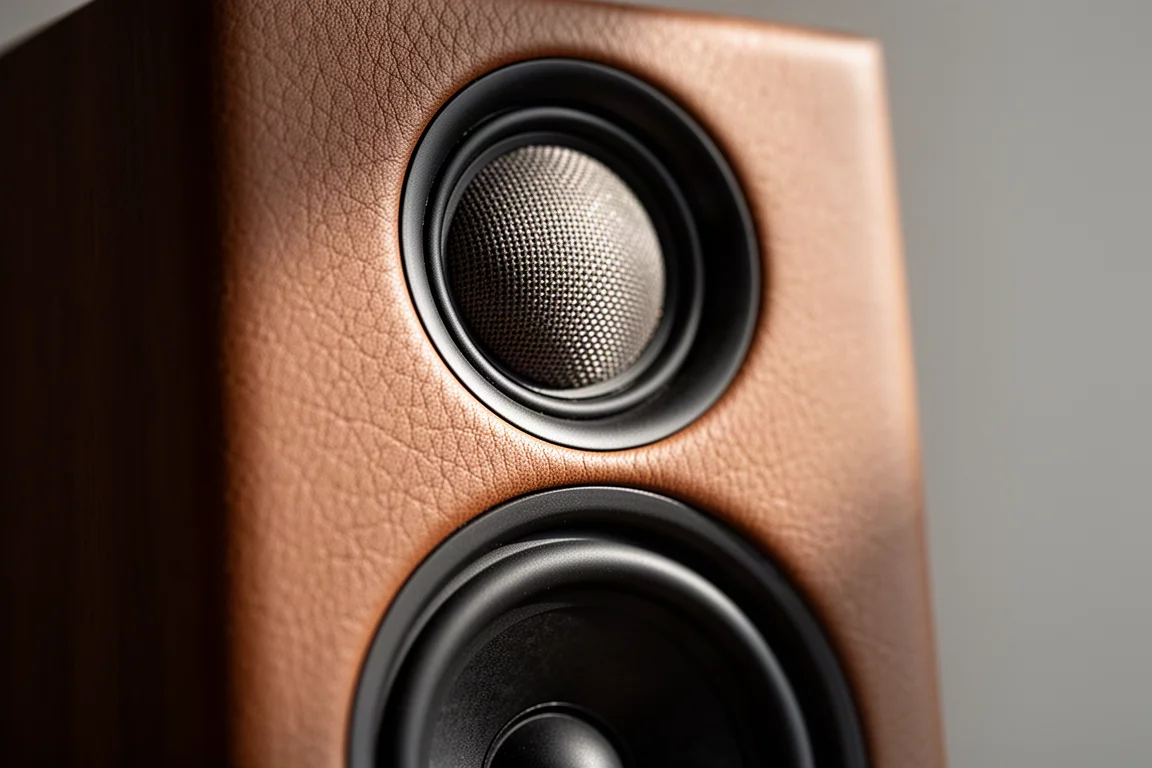
Microdynamics, the small shifts in level and texture that carry phrasing and timing, are genuinely strong here. Macro dynamics, the big swings from quiet to loud, are more modest, which is normal for a speaker of this size.
A tweeter that reveals the chain
The tweeter is livelier than some well known alternatives in the same category, yet it does not become irritating or make you wince. What it does do is expose the character of whatever is upstream. A slightly hard or tense source will be heard as slightly hard or tense. A calm, well sorted front end will be heard as exactly that.
Amplifier pairing in practice
A pair of 80 watt monoblock amplifiers, confirmed by their designer as safe to use into a four ohm load, drove the Lumina II without shutting down but sounded a touch edgy. The suspicion was not a lack of watts but a lack of current delivery. That is a useful reminder that the recommended power range is a starting point, not a guarantee.
Amplifier pairings that worked
Several combinations were tried at different price points, and the results were consistent enough to be useful for anyone building a system around these speakers.
A sensible budget starting point
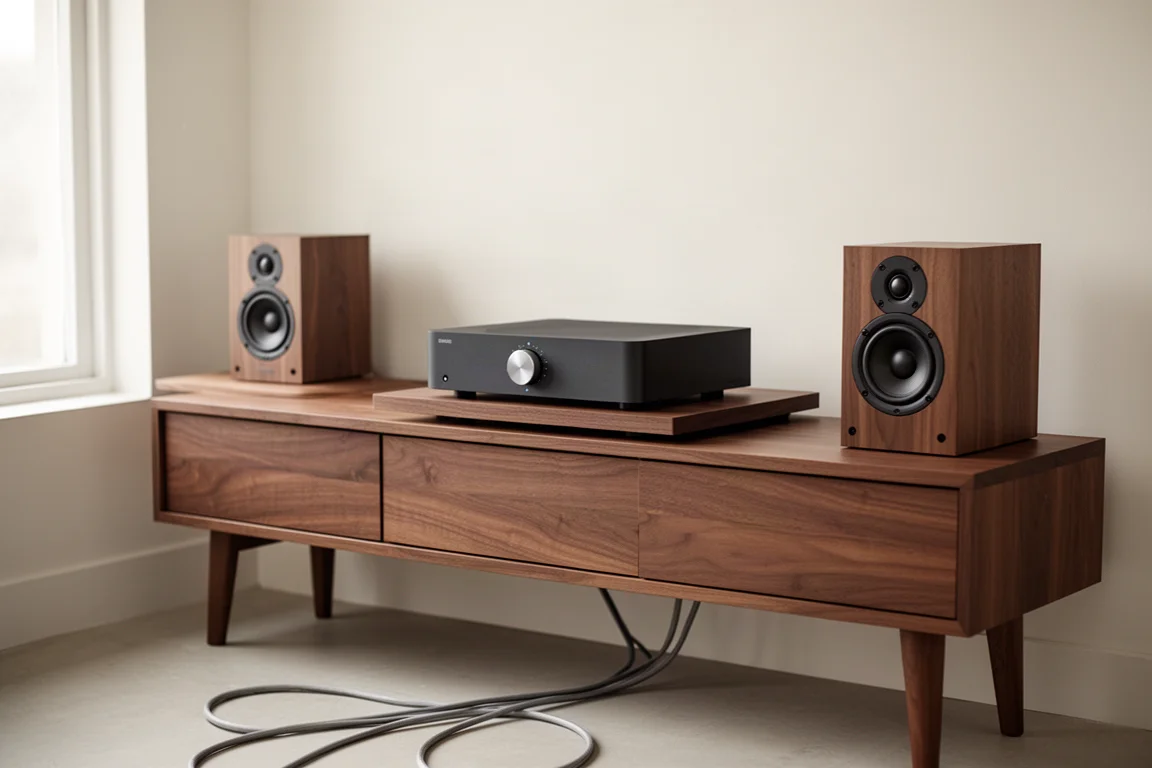
A NAD C316BEE integrated amplifier paired with a Bluesound Node streamer makes a complete system for roughly 900 euros, which is a price appropriate match for the speakers. It is punchy and dynamic, and it would keep most listeners happy while they save for something better. It is also slightly hooded and less clear than the more expensive options, which is simply what the price difference buys.
A more expensive amplifier that did not make sense
A Peachtree GaN 400 power amplifier, a unit costing around 3,000 dollars, sounded beautiful, extended, and large. It was also financially out of proportion: a power amplifier costing several times the price of the speakers, before adding a preamplifier, a phono stage, and a DAC, is a mismatch most buyers would rightly question.
A darker amplifier as a counterbalance
A Mytek Brooklyn amplifier has a darker, more hooded top end than the Peachtree, and that character turned out to be a better sonic fit for the Lumina II, even though the more expensive amplifier is arguably the better piece of equipment. The hooded treble counterbalanced the speaker’s lively disposition instead of doubling down on it.
The best match found
The Naim Uniti Atom produced the most satisfying result of the whole exercise. It combines streamer, DAC, and amplifier in a single compact box, and the pairing delivered all the extension you could want without glare and without sounding rolled off. One streaming amplifier plus a pair of speakers, nothing else.
Part of the appeal is practical. Because the streaming, conversion, and amplification are designed together by one manufacturer, the internal matching is already resolved. The system also looks minimal on a sideboard, and the volume control is a pleasure to use.
What did not work as well
The phono stage mattered more than expected. With a modest phono stage in front of a Pro-Ject Debut Pro turntable, an acid house record sounded tense. Swapping in a considerably more expensive phono stage relaxed the whole presentation, even though the music itself is intense. That is a strong signal that the Lumina II rewards spending on the front end.
Things to consider before buying
Budget for the whole system, not just the speakers. The 1,100 euro asking price looks reasonable next to the competition, but the Lumina II will make an underperforming amplifier or source obvious, and that can lead to a chain of upgrades.
Also accept the speaker’s priorities. Bass depth is limited and macro dynamics are modest. If those two things matter more to you than presence and microdetail, a different design will serve you better.
Finally, think about tonal balance when choosing an amplifier. A bright, forward amplifier on top of a lively tweeter is a risk. A slightly darker or warmer amplifier, or an all-in-one with well sorted internal matching, tends to work better.
Buying advice
If you want a simple, coherent system, a one box streaming amplifier is the most straightforward route, and the Naim Uniti Atom was the combination that worked best here. If the budget is tighter, a NAD C316BEE with a Bluesound Node is a legitimate starting point that will hold you over until you can afford something better.
If you already own separates, look for an amplifier with a relaxed top end and genuine current delivery rather than the highest wattage figure. The 30 to 150 watt recommendation from Sonus Faber is a wide window, and the quality of the watts matters more than the quantity.
For vinyl listeners, do not underestimate the phono stage. It was one of the most audible differences in the entire exercise.
Conclusion
The Sonus Faber Lumina II is a stand-mount that trades bass weight for presence, and it does so convincingly. Its upper midrange and microdynamics make it an engaging speaker for smaller rooms, and its revealing tweeter makes it a speaker that responds clearly to good electronics. Pair it with something calm and current capable at a sensible price and it is easy to live with for a long time.
Product link
View more details for Sonus Faber Lumina II
This product is mentioned in the review. Check the specifications, options, and compatibility before buying.
View more details for Sonus Faber Lumina IIFurther reading
Related Reviews
Hi-Fi Speakers
1723 THX Tower vs 1528 Bookshelf: Which Speaker Fits Your Room?
Two speakers at roughly the same price, built very differently. How the 1723 THX tower and the 1528 bookshelf compare on construction, bass, power needs, and sound.
Hi-Fi Speakers
Acoustic Energy AE 300 Review: Deep Bass From a Compact Standmount
A two-way standmount with real wood veneer, surprising low-end weight, and a warm, easygoing character. Here is what to know before buying.
Hi-Fi Speakers
Acoustic Energy AE1 40th Anniversary Review: A Modern Take on a British Classic
A compact standmount that revives a 1980s favorite with all-new parts, a warm mid-centric balance, and a price of £1,499 per pair.