Hi-Fi Speakers
Sonus Faber Electa Amator III vs GR Research X-LS Encore: Premium Sound Against a DIY Kit
A blind A/B comparison of a premium standmount and a do-it-yourself kit speaker, and what the real differences in tone, staging, and value mean for buyers.
Introduction
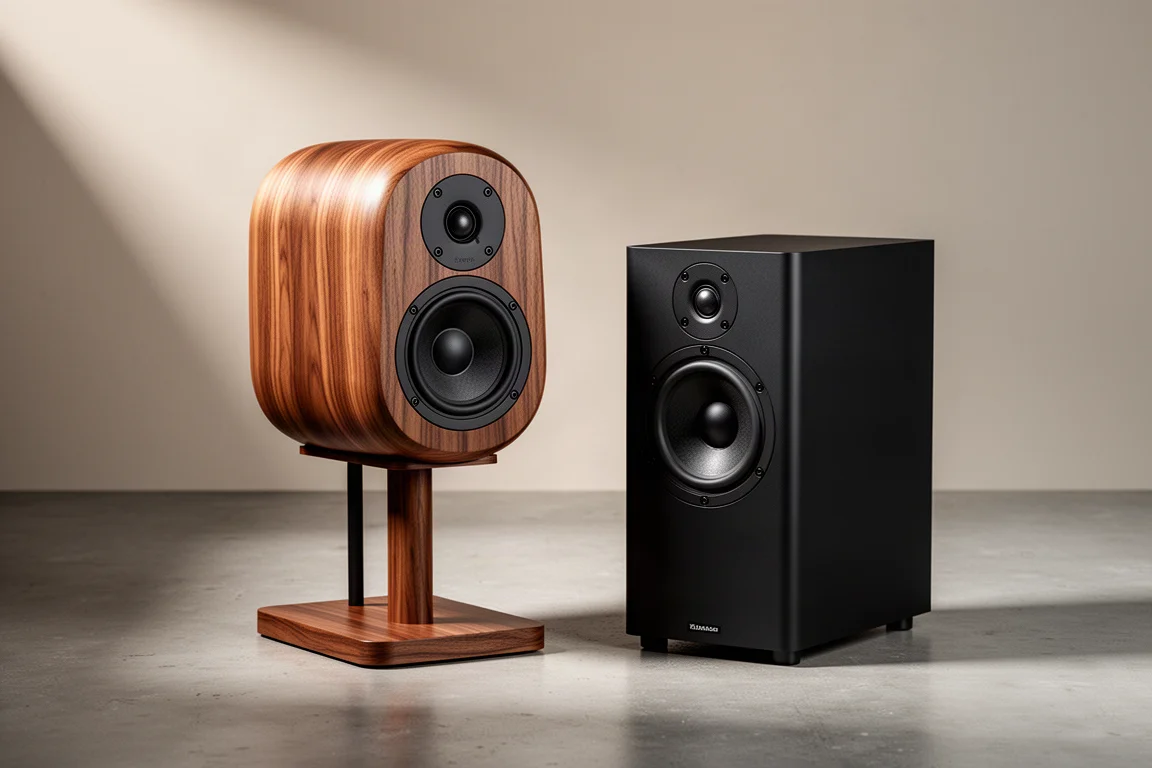
Speakers at very different prices rarely get compared directly, and that is exactly what makes this pairing interesting. On one side sits the Sonus Faber Electa Amator III, a premium standmount that sells for roughly $10,000 USD with its stands included. On the other sits the GR Research X-LS Encore, a two-way design available as a do-it-yourself kit for about $720 USD with all upgrades, or around $1,400 USD assembled with the same upgrades.
The gap is enormous, and that is the point. The question is not simply whether the more expensive speaker wins, but what the extra money actually buys and where a well-executed budget design can genuinely hold its own.
How the Comparison Was Set Up
Both speakers were driven by the same system, a chain of DAC, streamer, preamplifier and amplifier worth roughly $5,000 to $6,000 in total. That figure was chosen deliberately, since it sits between entry-level and high-end electronics and keeps neither speaker artificially flattered or held back.
Level matching was handled carefully. Each speaker was matched using a 1 kHz tone and then white noise, and the two were aligned to within roughly 0.01 dB as measured with a microphone and a multimeter. Placement was identical for both, with the cabinets positioned about 1.5 feet from the wall behind them, and the speakers were swapped as quickly as possible so listening impressions stayed fresh.
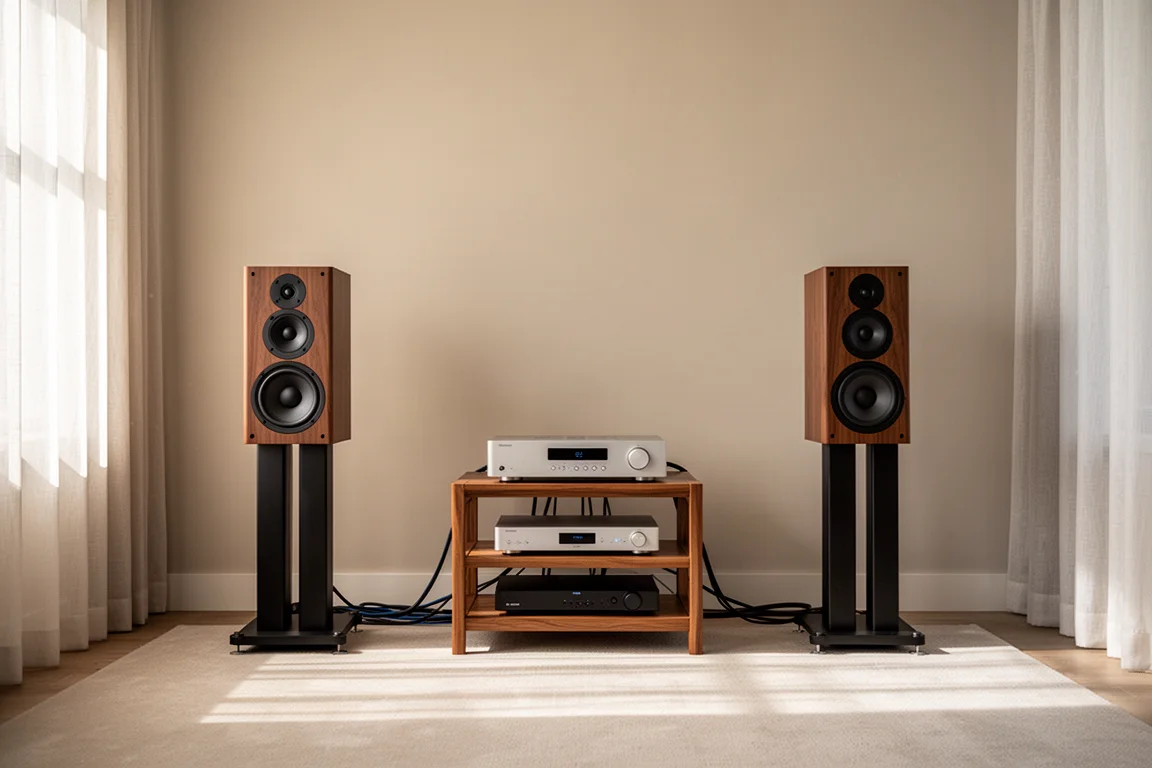
The session ran as a blind A/B comparison across a mix of audiophile recordings, classical repertoire, jazz and modern productions. One listener picked the Sonus Faber on all ten comparisons. A second listener with a classical music background chose the Sonus Faber six times and the GR Research four times. Both outcomes are useful, because they show how much personal taste shapes the result.
Sonus Faber Electa Amator III: The Full-Bodied Reference
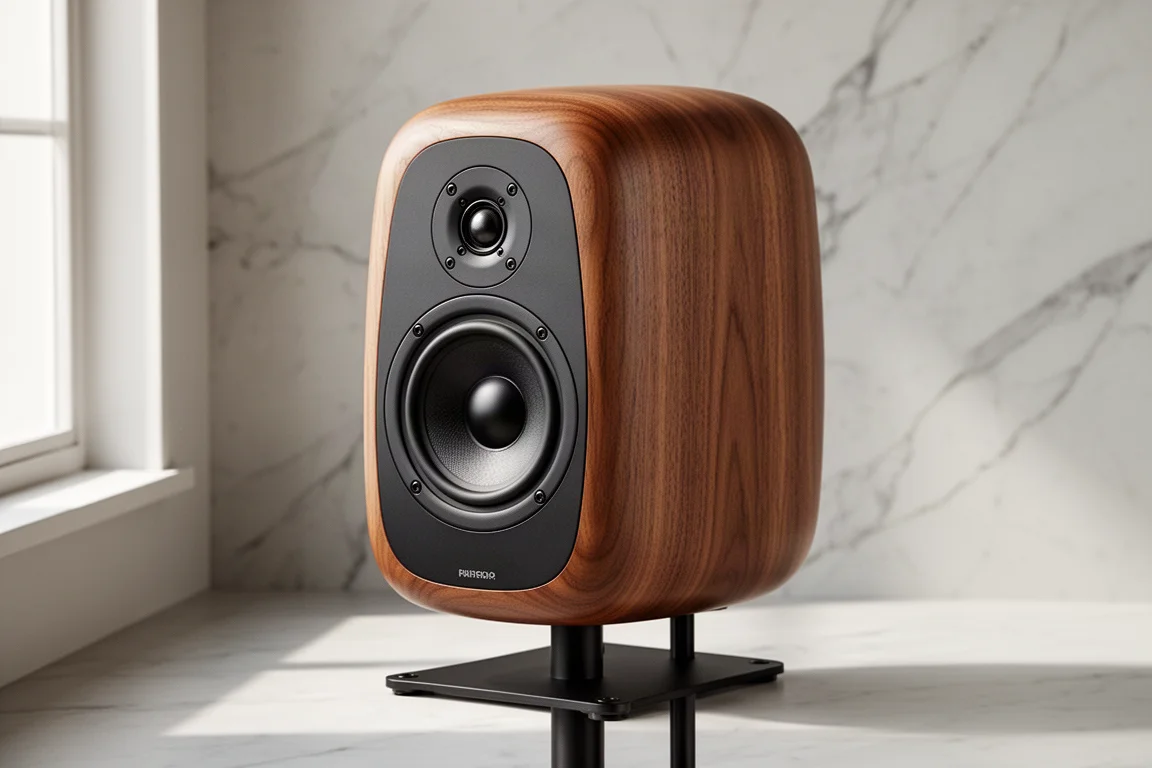
The Electa Amator III came across as the fuller sounding of the two, with more body across the frequency range and greater presence in the room. Its dynamic range felt less compressed, which mattered most on recordings with wide swings between quiet and loud passages. On aggressive string passages, the tone felt more realistic and more immediate.
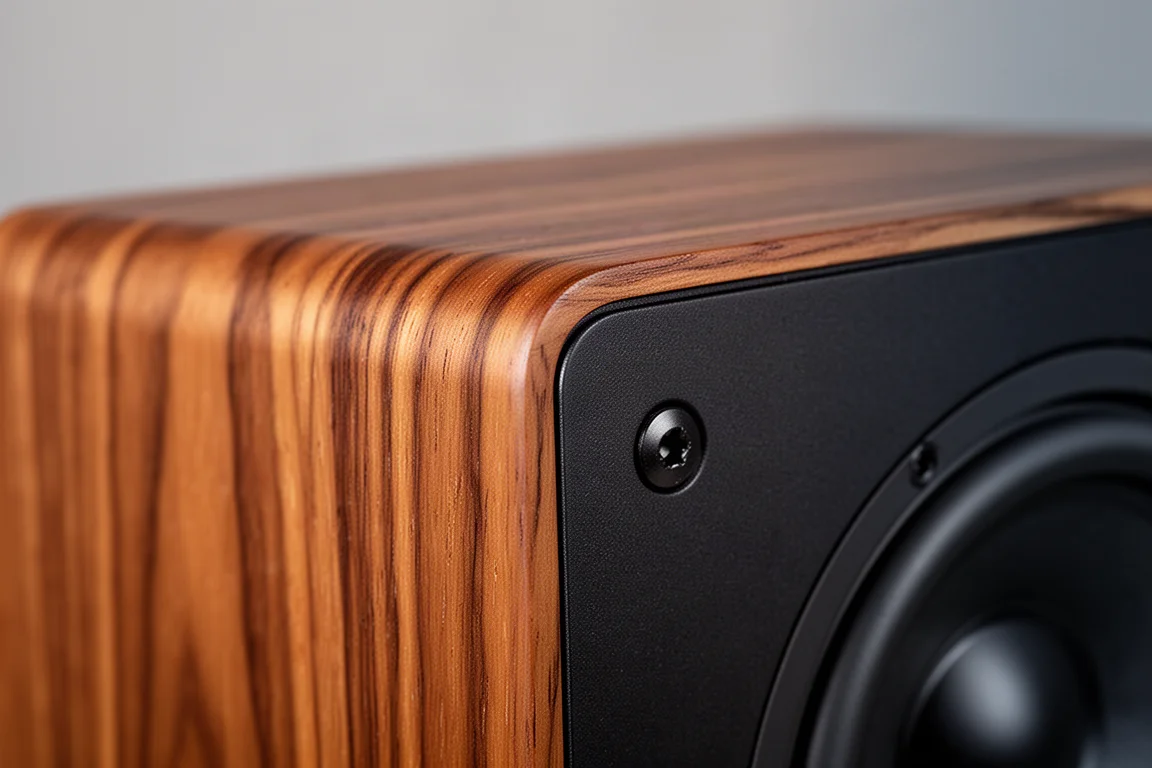
The cabinet finish also drew praise, and it is part of what the price reflects. This is a speaker you live with rather than simply listen to, and the materials and execution are clearly a step above the kit alternative.
There are practical considerations. At roughly $10,000 USD including stands, this is a serious investment, and the electronics used in this comparison sat below what many owners would likely pair with it. Better upstream gear would, in principle, separate the two speakers further rather than close the gap.
GR Research X-LS Encore: A DIY Kit With Genuine Strengths
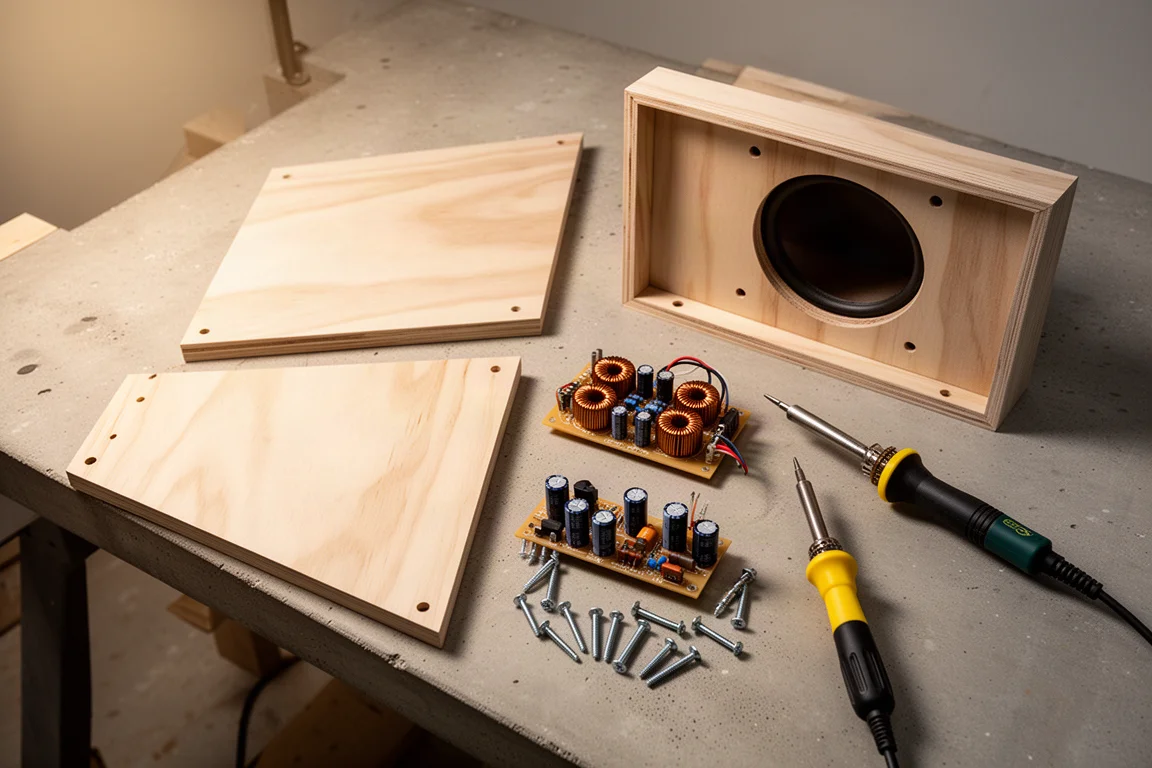
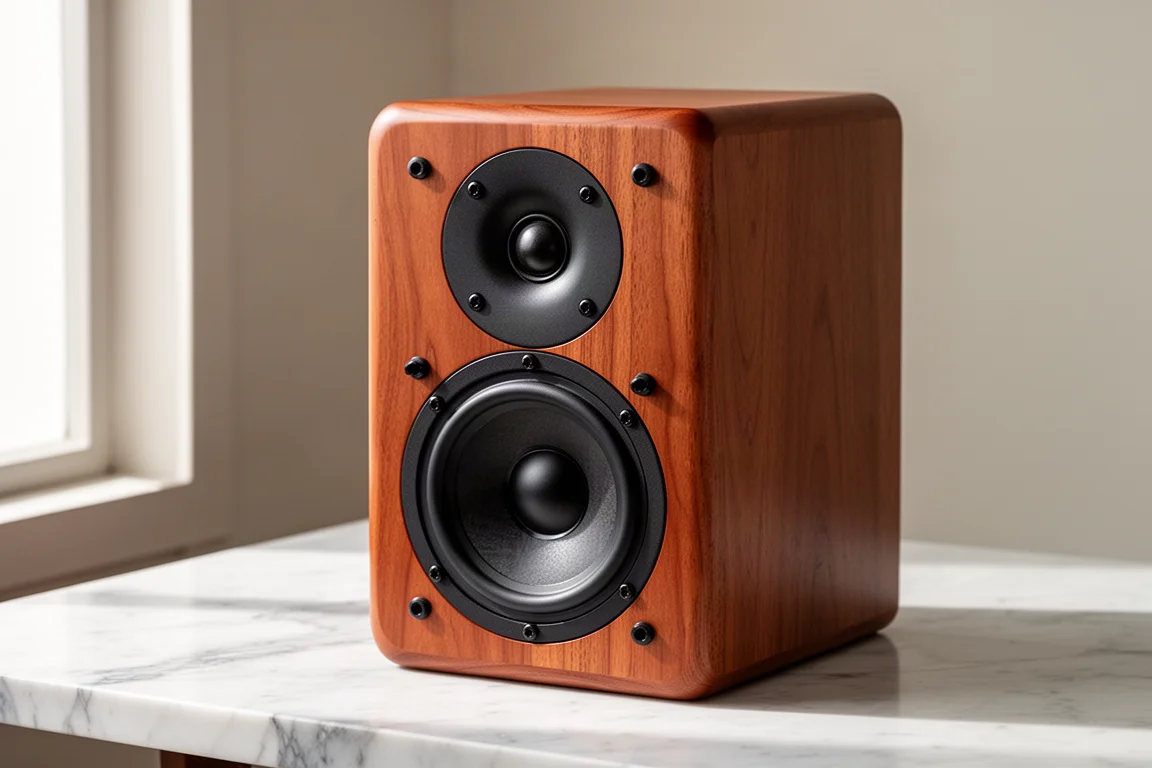
The X-LS Encore is sold as a kit. With all available upgrades, the DIY version costs about $720 USD, and a fully assembled pair with the same upgrades runs around $1,400 USD. Buyers receive the parts and, if they want it, a flat pack of cabinet panels, then build the enclosure and assemble the crossover themselves. That means soldering and cabinet work, and the instructions and tutorials available online are what make the process realistic for a first-time builder.
The kit format has an upside beyond price. Because you built it, you can keep tweaking it: swapping components, refining the cabinet and upgrading over time. The finished pair used here was assembled by an experienced builder and then measured to confirm it met specification before listening began.
Sonically, the X-LS Encore earned real respect. Listeners noted a wide and deep sound stage, strong imaging and excellent separation between instruments, sometimes matching or exceeding the far more expensive speaker on those specific qualities. The mid-bass was singled out as particularly good.
The trade-offs are equally clear. Bass is on the thin side for a two-way standmount, and the overall presentation came across as more dynamically compressed, with a slightly smoother midrange. Some listeners will read that smoothness as easygoing and fatigue-free, which is exactly why one listener chose it on four of ten comparisons. As a two-way design, it also leaves the door open to adding a subwoofer later for deeper low-end extension.
Where the Two Speakers Diverge
Strip away the price tags and the differences come down to priorities. The Sonus Faber leans toward fullness, tonal realism and dynamic contrast. The GR Research leans toward sound staging, imaging and separation, with a gentler and less fatiguing character.
The string-heavy track that closed the session illustrated this neatly. With the bass largely out of the picture, the two speakers sounded much closer than they had on fuller arrangements, and the choice became a matter of taste rather than capability. One listener preferred the Sonus Faber for its more lifelike tone. The other found the GR Research easier to listen to for long stretches and preferred its staging on that particular piece.
Build Quality, Finish, and Long-Term Ownership
The Sonus Faber is the more polished object. Its finish was judged clearly better, and the stands are included at the quoted price, which matters when you are comparing totals rather than just cabinets. It is the kind of purchase that is meant to be lived with as delivered.
The X-LS Encore takes the opposite approach. Its value comes from what it teaches you about how a speaker is put together, and from the freedom to modify it. For someone who wants to understand crossovers, cabinet construction and driver integration, that is a genuine part of the appeal rather than a compromise.
Buying Advice: Matching a Speaker to the Listener
Start with the honest arithmetic. The Sonus Faber is not ten times better than the GR Research, even though it costs roughly ten times as much. On the listening evidence here, it is perhaps two to two and a half times better in overall enjoyment, and that ratio is a matter of judgment rather than measurement.
If your priority is a full, dynamic and tonally rich presentation, and you have the budget for a premium standmount, the Electa Amator III delivers exactly that. If your priority is value, sound staging and the pleasure of building and refining your own speaker, the X-LS Encore is remarkable for the money. Both listeners agreed the kit punches well above its price, and both still preferred the Sonus Faber overall.
Conclusion
Two speakers, two very different propositions. The Sonus Faber Electa Amator III earns its price with a fuller, more dynamic and more tonally convincing presentation, plus a finish that reflects the investment. The GR Research X-LS Encore costs a fraction as much, yet it matched the premium speaker on staging and separation at times, and it is easy to listen to for hours.
If the budget allows and the goal is the most complete sound, the Electa Amator III is the safer choice. If the goal is maximum value, a project you can build and refine yourself, and sound that punches well above its price, the X-LS Encore is the more interesting purchase. Hearing both before deciding remains the best possible starting point.
Further reading
Related Reviews
Hi-Fi Speakers
1723 THX Tower vs 1528 Bookshelf: Which Speaker Fits Your Room?
Two speakers at roughly the same price, built very differently. How the 1723 THX tower and the 1528 bookshelf compare on construction, bass, power needs, and sound.
Hi-Fi Speakers
Acoustic Energy AE 300 Review: Deep Bass From a Compact Standmount
A two-way standmount with real wood veneer, surprising low-end weight, and a warm, easygoing character. Here is what to know before buying.
Hi-Fi Speakers
Acoustic Energy AE1 40th Anniversary Review: A Modern Take on a British Classic
A compact standmount that revives a 1980s favorite with all-new parts, a warm mid-centric balance, and a price of £1,499 per pair.