Hi-Fi Speakers
Sonus Faber Concertino G4 Review: Cork, Walnut, and a Composed Sound
A 30th-anniversary bookshelf speaker built with a cork enclosure, solid walnut side panels, and plant-based leather, with a smooth sound that asks for a capable amplifier.
Introduction
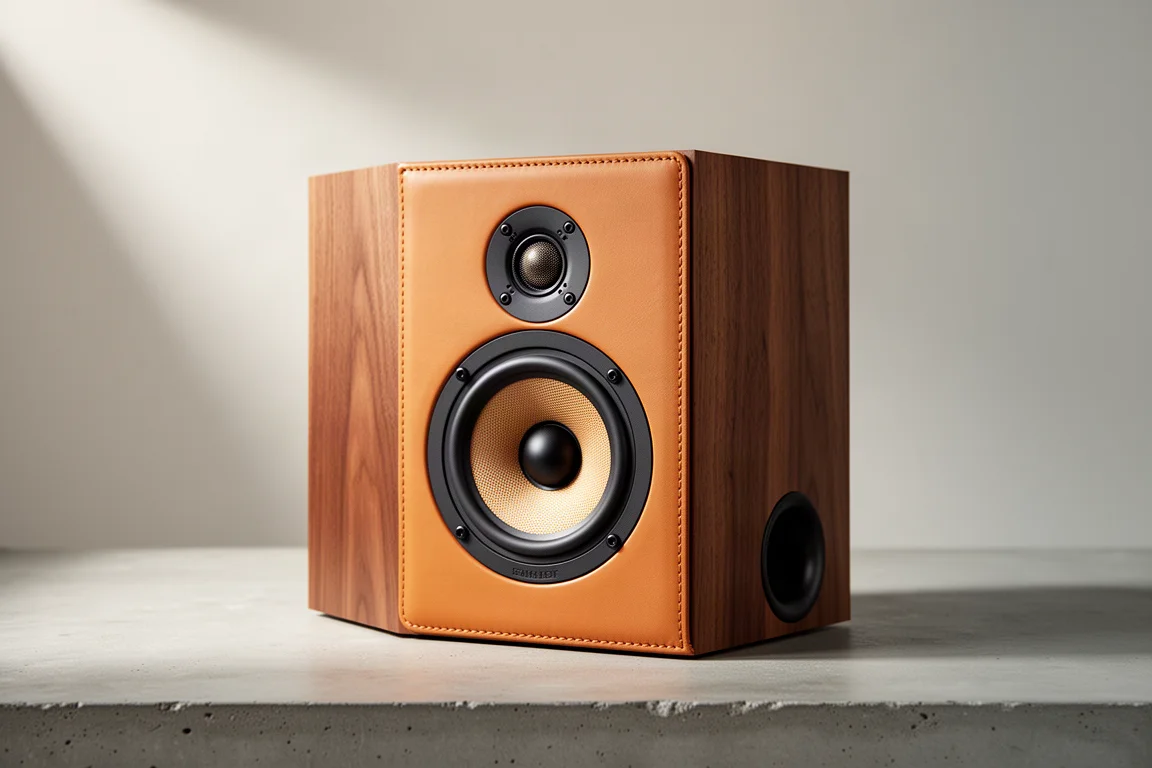
The Concertino name turns 30 this year, and Sonus Faber has marked the milestone with the Concertino G4, a two-way ported bookshelf speaker that keeps the line’s familiar silhouette while changing what it is made of. The most striking decision is the enclosure, built from cork. Cork is a sustainable material because it can be harvested without harming the tree, and the bark regenerates, which means it can be harvested repeatedly over the tree’s lifespan. Sonus Faber also says cork reduces internal resonances and lowers the need for additional damping material inside the cabinet, which cuts down on waste.
Inside, a 1-inch silk dome tweeter with DAD technology is paired with a 5-inch long-throw paper midbass driver, and a rear-facing port handles the low end. The quoted frequency response spans 60 Hz to 25 kHz. Nominal impedance is 4 ohms and sensitivity is 85 dB, which places this speaker firmly in the camp that rewards a robust amplifier.
At $5,000 for the pair, with matching stands adding about $1,500, the Concertino G4 is a luxury purchase rather than a mass-market one, and expectations rise accordingly. What follows is what it does well, where it asks for care, and who should consider it.
Who the Concertino G4 Is For
This is a speaker for listeners who value composure over excitement. Its presentation is smooth and natural, with a mellow quality that still carries enough contrast in the upper midrange and treble to stay interesting. If you are drawn to a bright, forward, brittle sound, the G4 is not that speaker. If you want something you can listen to for hours without fatigue, it very much is.
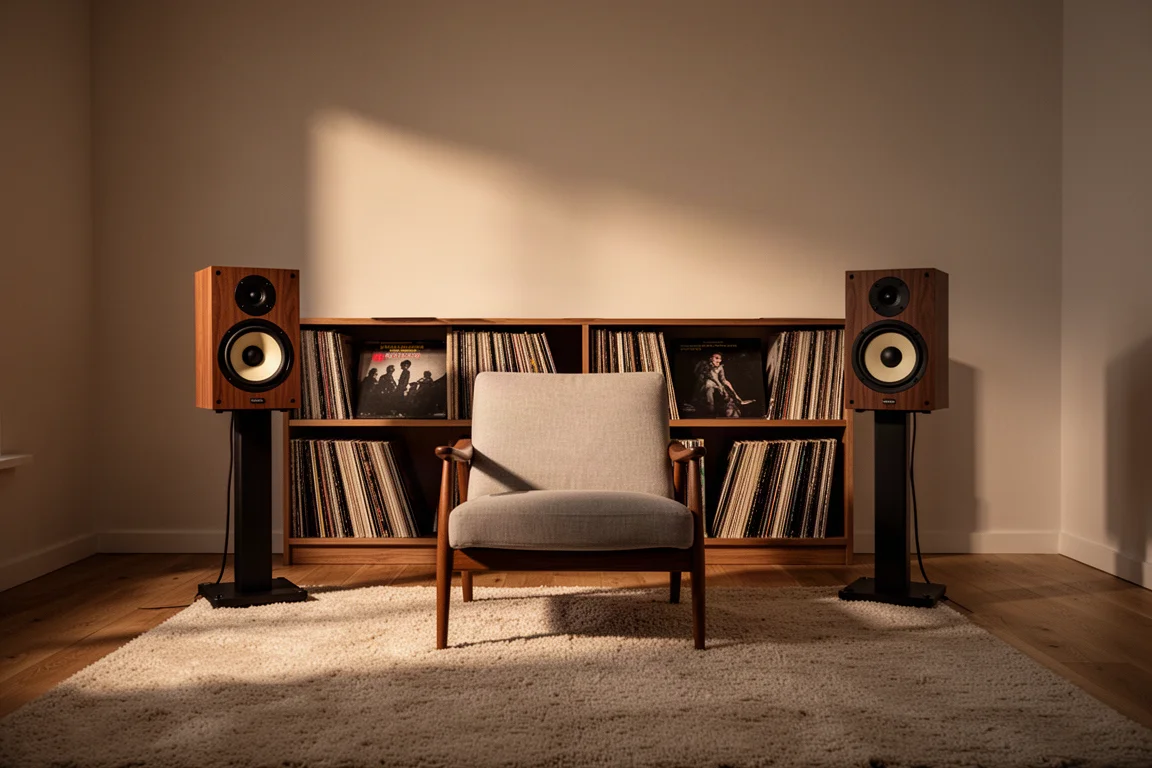
It also makes the most sense for someone who can give it room to breathe and is prepared to pair it with an amplifier that has real current delivery. Think of it as a speaker for a considered two-channel system rather than a background music appliance, and one that suits a dedicated listening space or a carefully arranged living room.
Design and Build: Cork, Walnut, and Sicilian Leather
The enclosure is the story here. Cork is the primary material, and the reasoning is twofold: it is renewable, and it is good at damping. By reducing internal resonances, cork allows Sonus Faber to use less added damping material inside the cabinet. The result is a cabinet that should be quieter in principle and leaner in its material footprint.
Around that core, the G4 keeps the line’s trademark wood side panels, now cut from solid walnut. They are not purely decorative: the walnut contributes to the cabinet’s overall rigidity while dressing the speaker up. The outer wrap is a plant-based leather made from Sicilian oranges and pears. Skepticism about faux leather is reasonable, but this material looks and feels authentic in person.
The speaker is more compact than its footprint suggests, and its asymmetrical shape disguises its visual presence. In person it can read as smaller than the Lumina II even though the two occupy roughly the same space.
Sound Character: Smooth, Neutral, and Never Fatiguing
The Concertino G4’s defining quality is its composure. It sounds smooth and natural, with a seductive, mellow character that still carries enough contrast in the upper midrange and treble to avoid blandness. Treble extension is good without ever becoming fatiguing as the volume climbs. This is not a bright, forward, or brittle speaker.
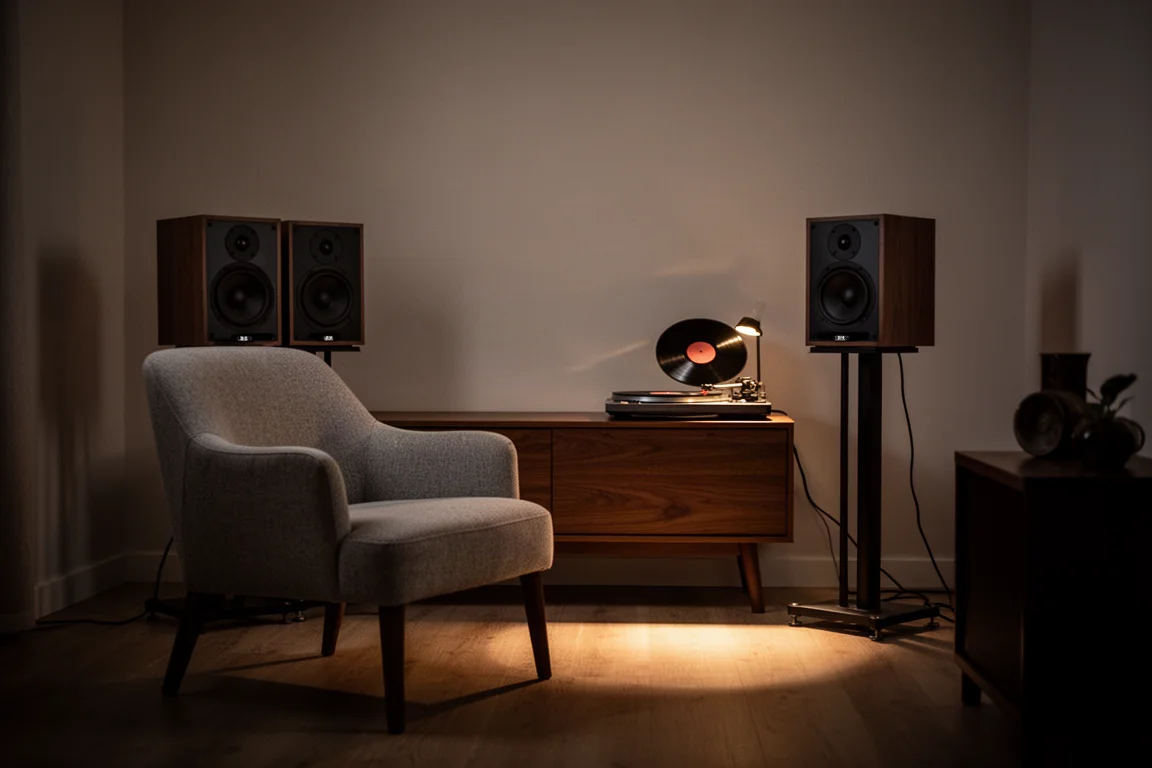
The midrange is where the speaker is easiest to enjoy. It responds well to power and volume, yet it is genuinely satisfying at ambient, background levels, which makes it a lovely partner for jazz and other acoustic material. For maximum intelligibility with lyrics and dialogue, in-room levels above 60 dB give the best results. Push it harder and the timbre does not shift: instruments and vocals scale rather than change in tone, which is exactly what you want at this price.
Bass, Soundstage, and Dynamics
Bass is respectable for a cabinet this size, with good weight, but it is not true bass. Movies and demanding electronica will find the limits quickly, and a subwoofer is required for proper full-range playback. What low end exists is focused and detailed rather than chesty or resonant, and it avoids the boom that small cabinets often fall into. Against a less expensive sibling with a similar footprint, the G4 can even sound slightly smaller in overall scale, though Sonus Faber has coaxed a great deal out of a 5-inch woofer.
Soundstage is one of the speaker’s strongest suits. It images exceptionally well and disappears into a nicely appointed stage that is composed and slightly recessed rather than forward. Center imaging is solid, with very little audible drift even when moving along a wide sofa. Do not expect a live, you-are-there presentation: this is studio-intimate, cozy rather than stadium-like. Dispersion between the speakers is good, but it will not transform the entire front wall of a room into a venue.
Dynamics follow the same philosophy. The G4 is not an explosive speaker, but it has good reflexes and enough liveliness here and there to stay enjoyable. It handles volume and dynamic shifts without turning aggressive or distorting when pushed.
Setup and Amplifier Matching
Sonus Faber recommends placing the speakers about 3 feet (1 meter) from any boundary or wall, with at least 6 feet (2 meters) between them. In practice, they sounded at their best around 18 inches off a fabric wall with roughly 9.5 feet between them, so there is room to experiment within those guidelines. Set up this way, the in-room response was respectable, with bass rolling off between 40 Hz and 50 Hz and a predictable downward slope through the rest of the range.
Amplification matters as much as placement. The 4-ohm nominal impedance and 85 dB sensitivity mean the G4 needs an amplifier with genuine muscle. In listening sessions, a cooler, more clinical integrated amplifier pairing initially made the speakers hard to like, while a Musical Fidelity integrated and a McIntosh MC312 power amplifier with an MX200 processor serving as preamp delivered the most immersive and enjoyable results. All three setups had enough power to push the speaker to its limits; the difference was in character rather than headroom.
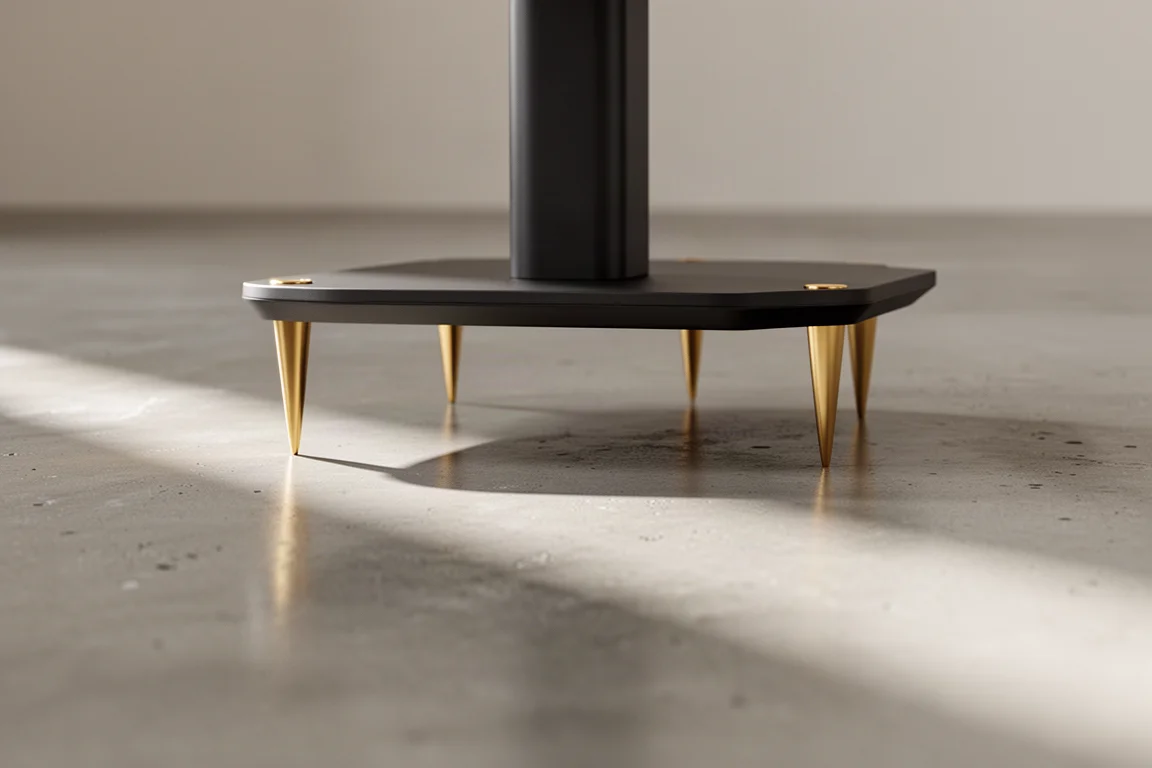
The optional matching stands are worth budgeting for if you want the intended look, and they add about $1,500 to the total. They ship with substantial gold-finish spikes. On hard floors, isolation feet are a sensible alternative if you want to protect the surface.
Things to Consider Before Buying
First, budget for the whole system, not just the speaker. At $5,000 per pair, the G4 sits in a price class where the amplifier and the room matter as much as the cabinet itself.
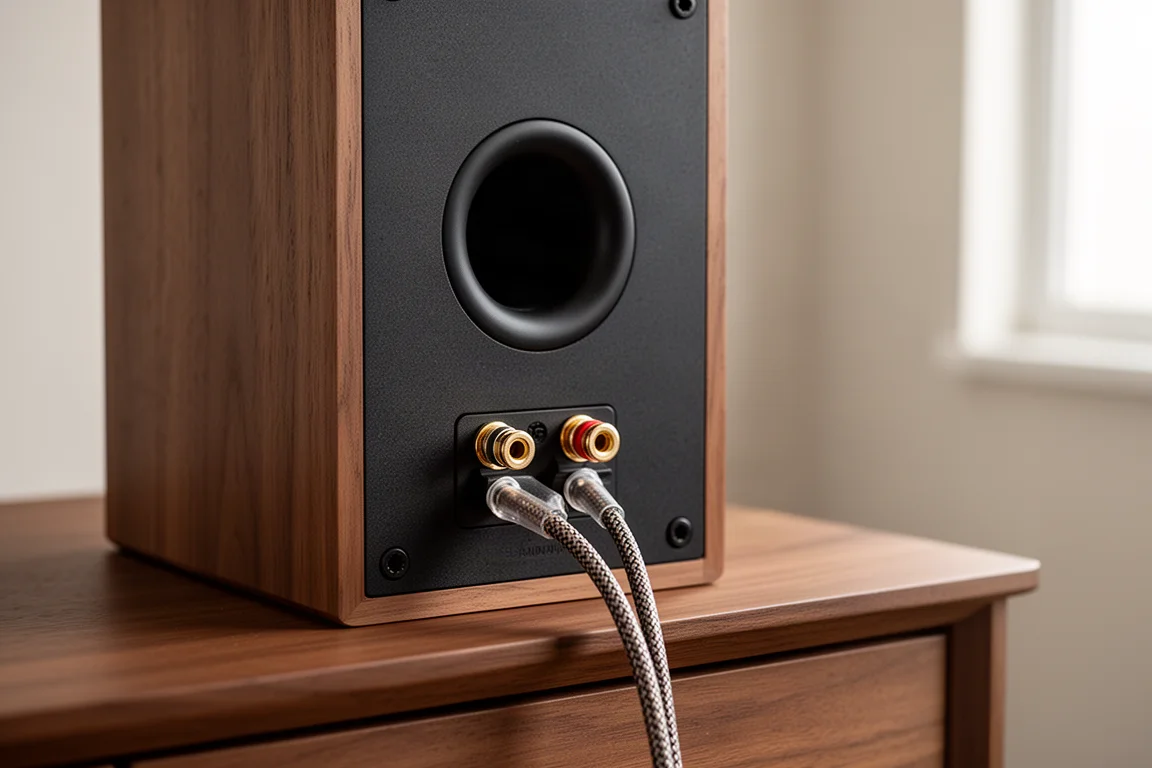
Second, be realistic about bass. The 5-inch midbass driver delivers good weight for its size, but full-range playback means adding a subwoofer.
Third, placement is not optional. Give the speakers space from boundaries and a generous distance between them, or much of what makes them special will not come through.
Finally, there is the Maestro Edition detail. The first 300 pairs are designated Maestro Edition and carry a unique plaque marking their status. Apart from that plaque, there are no other features that distinguish those pairs from later production. The plaque is fitted on the same side of each speaker rather than in a mirrored or book-matched arrangement, which is a small miss for a product positioned as luxury craftsmanship. Whether that matters is a personal call, but it is worth knowing before paying a premium for an early pair.
How the Concertino G4 Compares With Other Speakers
Within Sonus Faber’s own range, the Lumina II is the obvious alternative and costs roughly a fifth as much. The G4 is more damped top to bottom, which reads as more composed, neutral, and refined, while the Lumina II is livelier and carries a bit more attitude. The G4 is objectively the better speaker, but not every listener would choose it in a direct comparison. With the budget and the willingness to build around its more specific needs, the G4 should offer the better long-term ownership experience. For most of the way there with more flavor, the Lumina II remains compelling.
Outside the family, the picture is genuinely subjective. At a similar price, the Radiant Acoustics Clarity 6.2 is arguably the more objectively capable speaker and plays lower, and both designs need a good amplifier to give their best. Even so, the Concertino’s warmer overall tone is easier to prefer over the Clarity’s ultra-precise presentation. For roughly $500 less, the Bowers & Wilkins 705 S3 Signature is a completely different animal in its limited-edition finishes: more interesting, engaging, and exciting, at the cost of the handmade pedigree and the organic material choices found here. And for anyone tempted to skip separates entirely, the Sonus Faber Duetto is an active speaker that sounds larger, plays with more bass, and is more dynamic than either the Concertino G4 or the Lumina II, delivering the house sound and look for less than a pair of Concertinos.
Buying Advice
If you want the Concertino G4 at its best, plan the purchase as a system. Set aside budget for a capable amplifier, allow for proper placement, and decide early whether you need a subwoofer for the material you listen to most. The matching stands are optional, but they complete the intended look and add about $1,500.
It also helps to be honest about the alternatives. If you want a livelier, more affordable speaker from the same family, the Lumina II delivers a large share of the experience. If you want the most engaging and exciting option, the Bowers & Wilkins 705 S3 Signature makes a strong case at around $500 less. If you would rather skip separates altogether, the Sonus Faber Duetto is the simpler route with more bass and more dynamic punch. The G4 earns its place for listeners who want a composed, refined two-way speaker with distinctive materials and a real sense of craftsmanship.
Conclusion
The Concertino G4 is a thoughtful anniversary speaker. Cork, solid walnut, and plant-based leather give it a material story few rivals can match, and its smooth, neutral, non-fatiguing sound is easy to live with over long sessions. It asks for a good amplifier, space around it, and a subwoofer if you want full-range output, and the Maestro Edition plaque is a small detail that does not quite live up to the luxury positioning.
Even so, it lands in a genuine sweet spot: an entry into Sonus Faber ownership for listeners who are curious about the brand, willing to pay for Italian craftsmanship, but not ready to go all in on the higher-end models.
Product link
View more details for Sonus Faber Concertino G4
This product is mentioned in the review. Check the specifications, options, and compatibility before buying.
View more details for Sonus Faber Concertino G4Further reading
Related Reviews
Hi-Fi Speakers
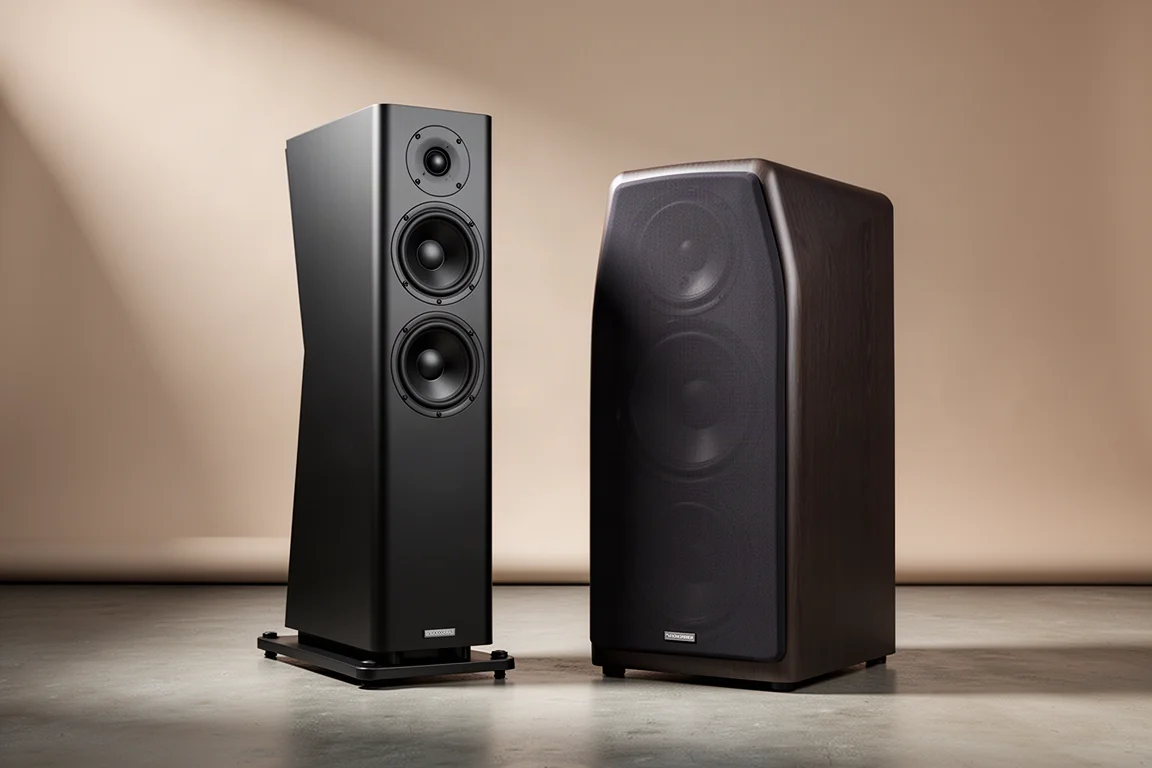
1723 THX Tower vs 1528 Bookshelf: Which Speaker Fits Your Room?
Two speakers at roughly the same price, built very differently. How the 1723 THX tower and the 1528 bookshelf compare on construction, bass, power needs, and sound.
Hi-Fi Speakers
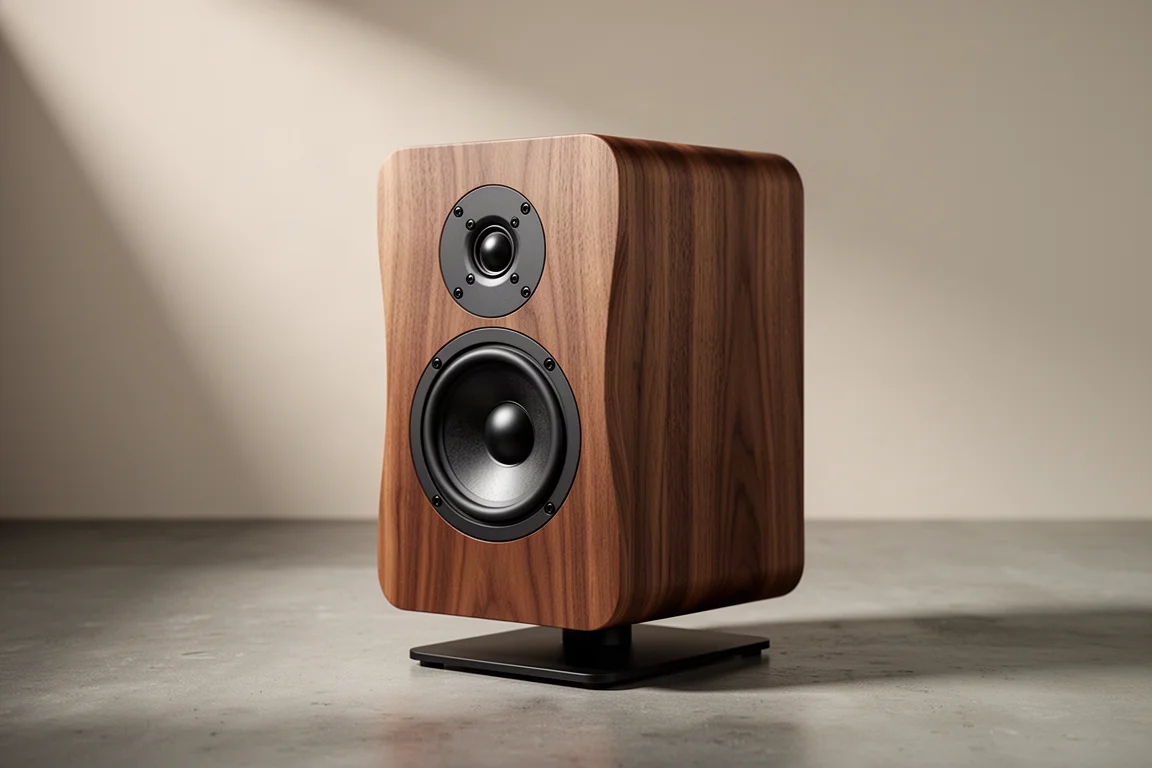
Acoustic Energy AE 300 Review: Deep Bass From a Compact Standmount
A two-way standmount with real wood veneer, surprising low-end weight, and a warm, easygoing character. Here is what to know before buying.
Hi-Fi Speakers
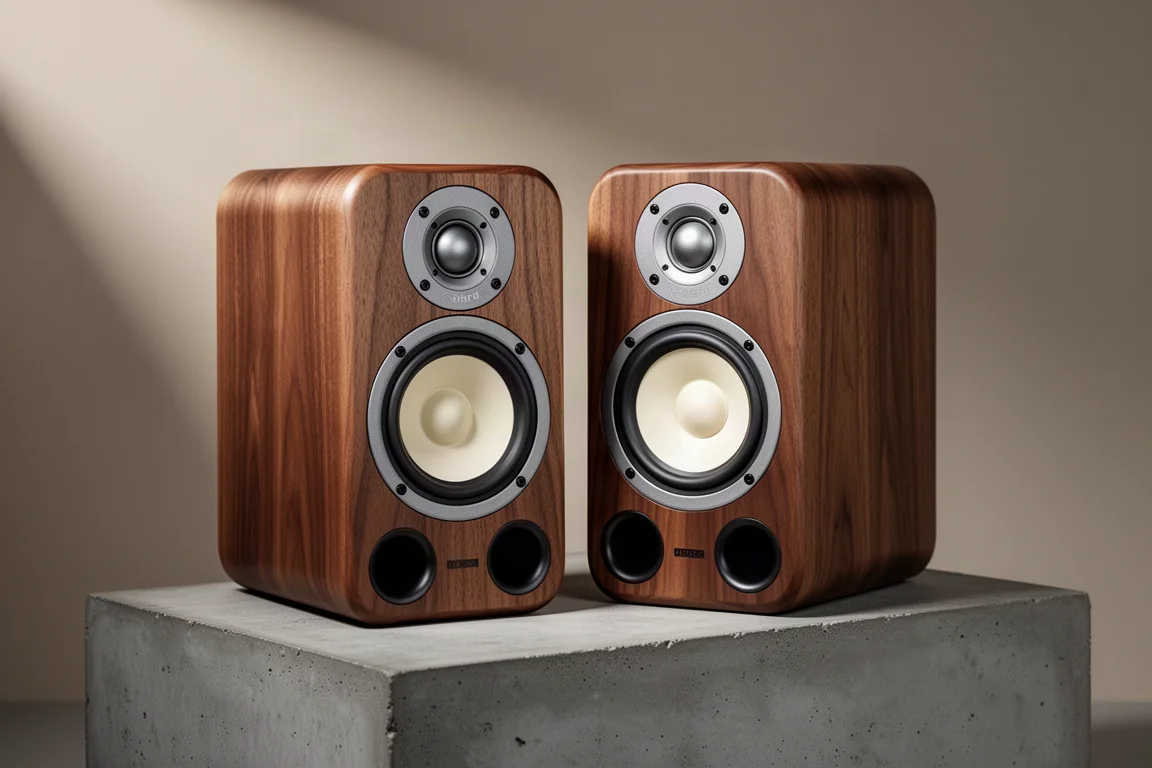
Acoustic Energy AE1 40th Anniversary Review: A Modern Take on a British Classic
A compact standmount that revives a 1980s favorite with all-new parts, a warm mid-centric balance, and a price of £1,499 per pair.