Home Theater Audio
Sonos Arc Ultra, Era 300 and Sub Gen 4: Is the Full System Worth It?
A practical look at the Sonos Arc Ultra, Era 300 surrounds and Sub Gen 4, and how the three pieces work together as a home theater system.

Introduction
A full Sonos setup asks a simple question: can three powered boxes replace a rack of separates? The Arc Ultra, a pair of Era 300 surrounds and a Sub Gen 4 make the strongest case yet, and each piece earns its place in a different way.
This guide covers what each component actually contributes, how they behave together, and where the system makes more sense than a traditional receiver and speaker package.
How the Three Pieces Work Together
The Arc Ultra is a single bar that decodes a 9.1.4 signal and then distributes it across the drivers inside the cabinet, so the processing built into the bar addresses those drivers as discrete channels. Add Era 300 surrounds and a subwoofer and the effective channel count climbs past 9.1.4.
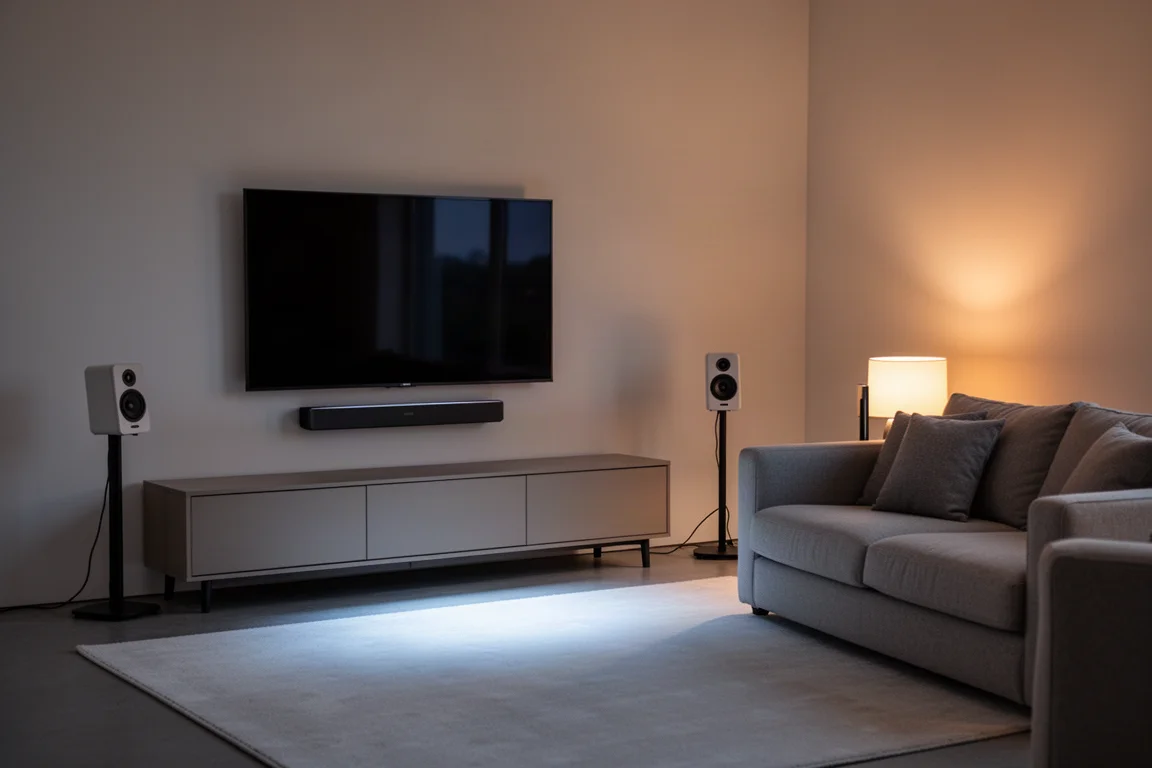
That architecture explains why the system scales so cleanly. The bar owns the center image, which is the part a soundbar does better than almost any pair of separate speakers, while the surrounds and sub extend width, height and depth around the listening position.
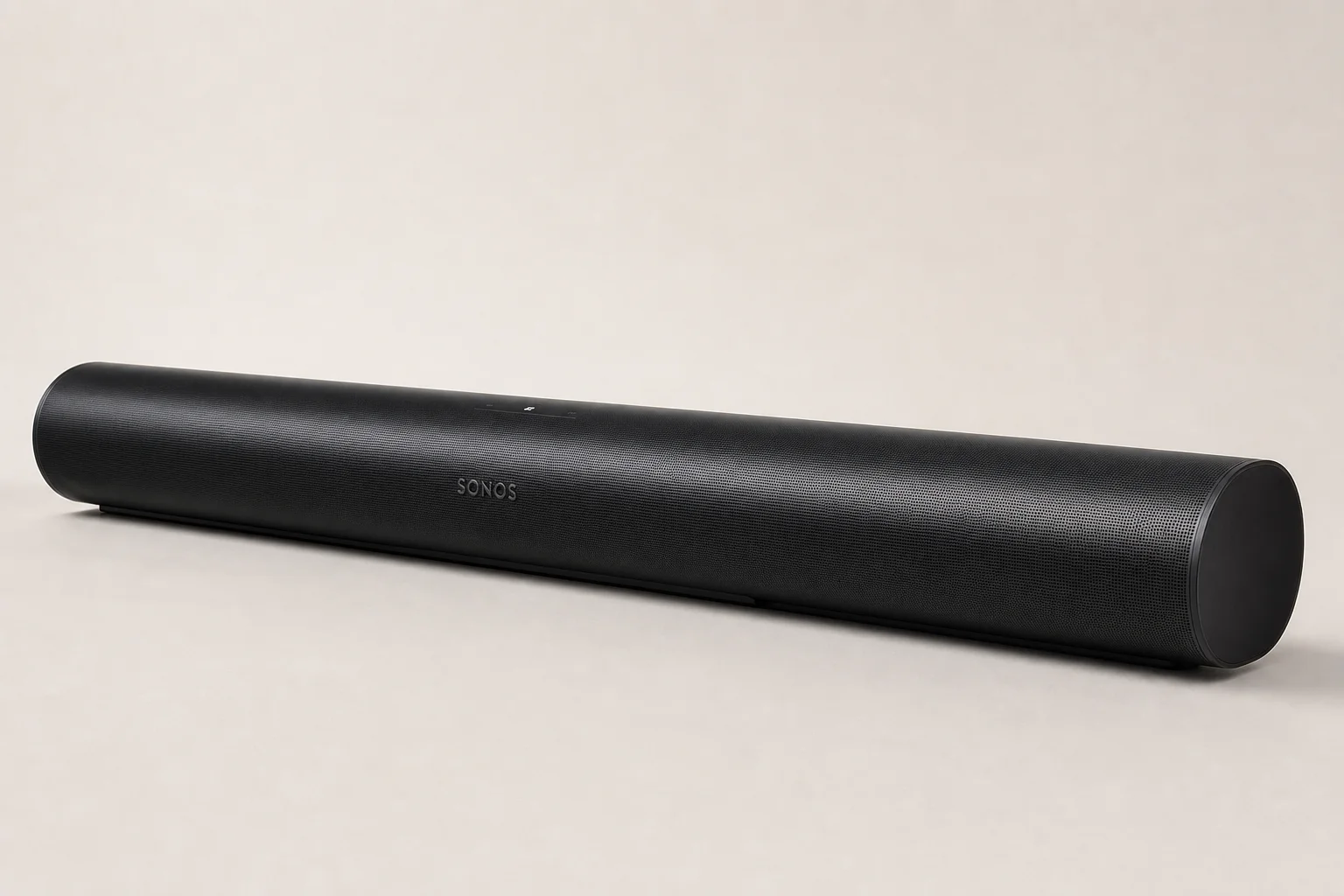
Sonos Arc Ultra: The Centerpiece of the System
On its own, the Arc Ultra is more capable than its size suggests. Low-frequency output from the bar alone is genuinely surprising, and the 9.1.4 decoding happens inside the bar rather than in an external receiver. The Arc Ultra also adds Bluetooth, which the original Arc never had, so audio can be sent straight from a phone without touching the network.
What is not in the box is a remote. Everyday control runs through the Sonos app, a TV remote or voice, and once the system is dialed in that is rarely a friction point. Buyers who like a dedicated handset will notice the omission.
Sonos Era 300: The Surround Pair
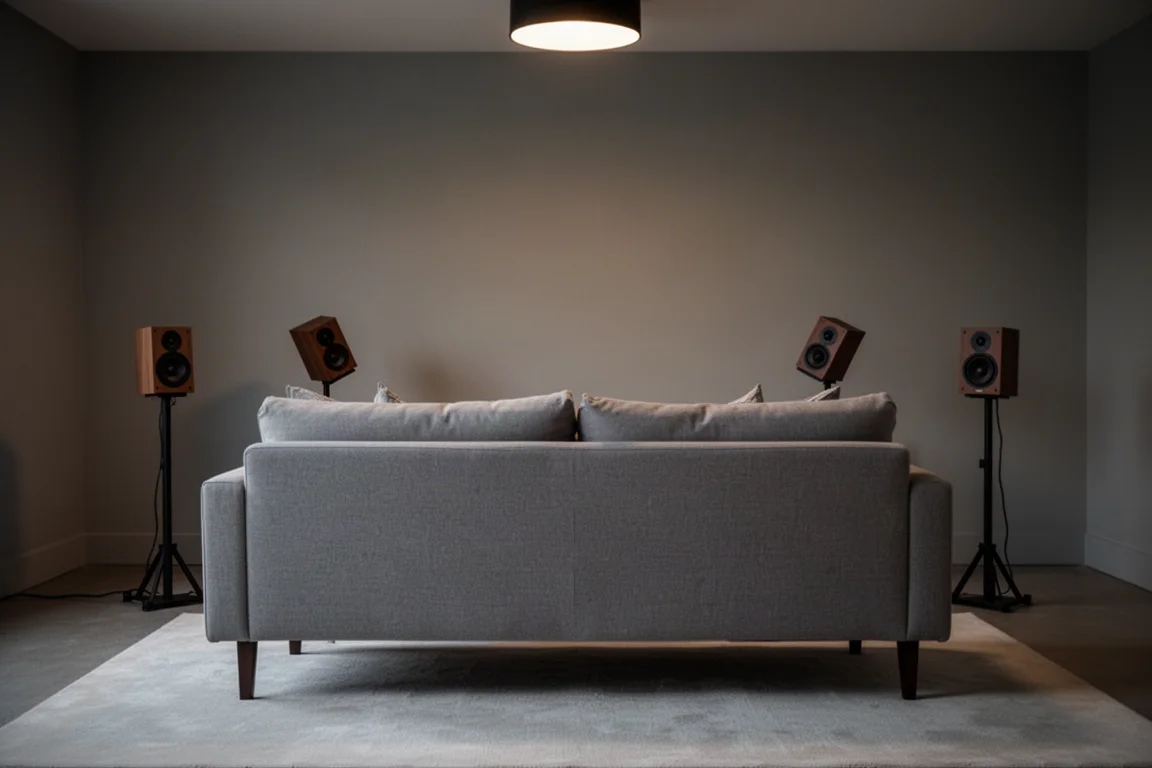
The Era 300 has upward-firing drivers, and that is exactly what a surround pair needs. As rears behind the Arc Ultra they deliver height effects a bar cannot produce by itself, and they place those effects closer to the listener than ceiling speakers typically do. Positioned within roughly six feet of the listening position, they envelop the seat rather than sitting at the far end of the room.
On their own, the Era 300s are a less obvious proposition: capable, but not the reason to buy them. Their value is in the pairing, where the height channels and rear staging make Atmos material feel considerably larger.
Content has also caught up with them. There is more Atmos-mixed music available than there was when the speakers launched, which gives the height drivers more to work with.

Sonos Sub Gen 4: The Low-End Foundation
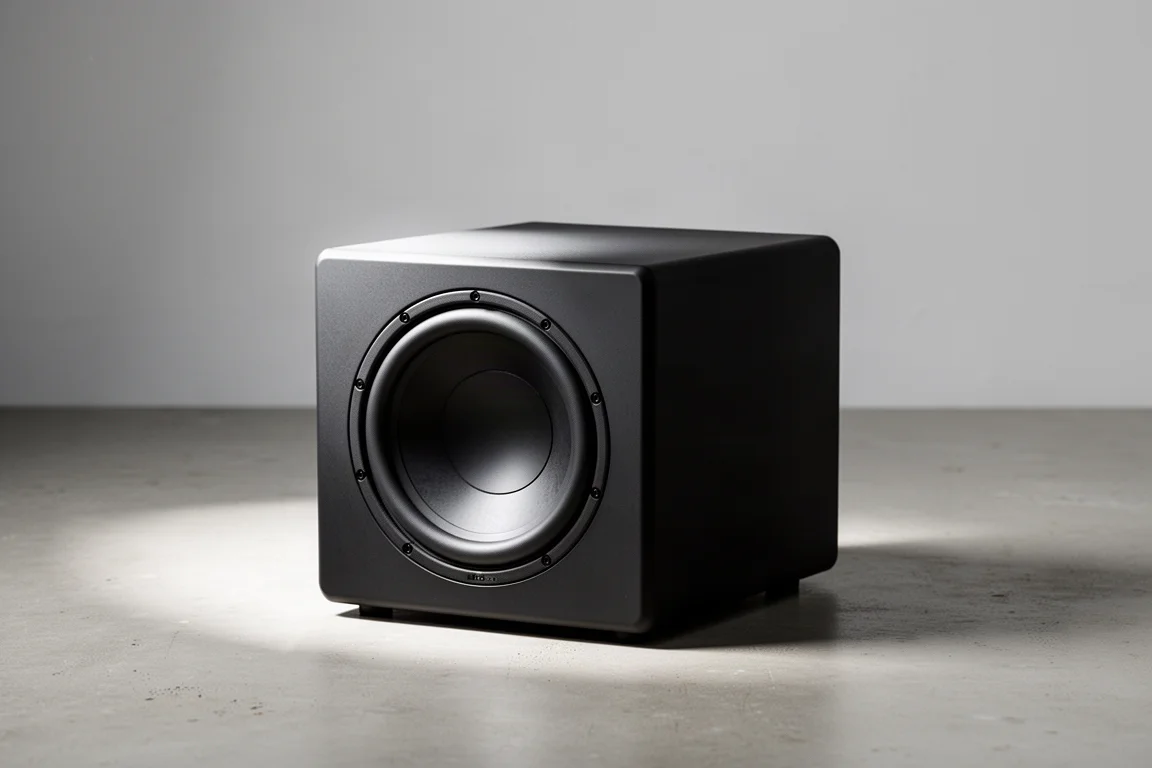
The sub is what turns a very good bar into a system. It adds confident output in the 20 to 40 Hz region, which is where the bar alone runs out of headroom, and it holds up when listening levels are pushed into the 75 to 80 dB range. Tuning stays consistent from roughly 25 Hz upward, which is why the low end reads as refined rather than boomy.
One sub is enough in most rooms. A second sub made an appreciable difference in a larger listening space, but it is an upgrade rather than a requirement, and smaller rooms can often get by with the more compact option in the range.
Room Size and Placement: What Actually Matters
In a roughly 12 x 15 foot listening area, the Arc Ultra with two Era 300s and a single sub fills the space comfortably. Rooms that open into a much larger area benefit most from keeping the surrounds close to the seating position and letting the open space absorb the rest. Parallel sidewalls and open space behind the listener tend to work in the system’s favor rather than against it.

What you watch also changes the calculus. Dialogue-driven drama, broadcast news and sports rarely need a subwoofer at all, while action-heavy films are the content that makes the low-end investment worthwhile. If you are unsure, start with the bar and a sub, live with it for a few months, and add the surrounds later.
Setup, App Control and Format Support
Setup runs through the Sonos app, and a full system can be up and running quickly. The app is also where you check what the system is receiving: Dolby formats appear with their own labels, while DTS tracks show up as multichannel audio, because Sonos does not handle DTS the way it handles Dolby formats. If you have a DTS soundtrack, sending multichannel PCM from the source through the television is the common workaround.
Room correction is a genuine strength. Tuning can be applied across the system, and it also works with third-party speakers connected through a Sonos Amp, which means in-ceiling speakers can be aligned with the bar and sub instead of standing out as a different voicing.
What to Consider Before Buying
Sonos went through a difficult stretch with app-related disruption that left some owners frustrated, and that history is fair to weigh. In extended day-to-day use, though, a fully assembled system has proven reliable, and the platform has settled since.

Longevity is the other consideration. The original Arc stayed current for around four or five years before the Ultra arrived, which is a slower cycle than most television and AV brands run. Passive speakers paired with a receiver still offer the longest possible service life and the most flexibility, but they also demand more space, more cabling and more setup work. A powered system trades that flexibility for simplicity, and for most buyers that trade is the point.
Conclusion
The Arc Ultra, Era 300 and Sub Gen 4 work best as a set. Start with the bar if you want the simplest possible improvement, add the sub when low-end headroom matters, and add the surrounds when you want height and rear effects. Bought together, they deliver a cinematic experience that is easy to live with and simple to operate.
Further reading
Related Reviews
Home Theater Audio
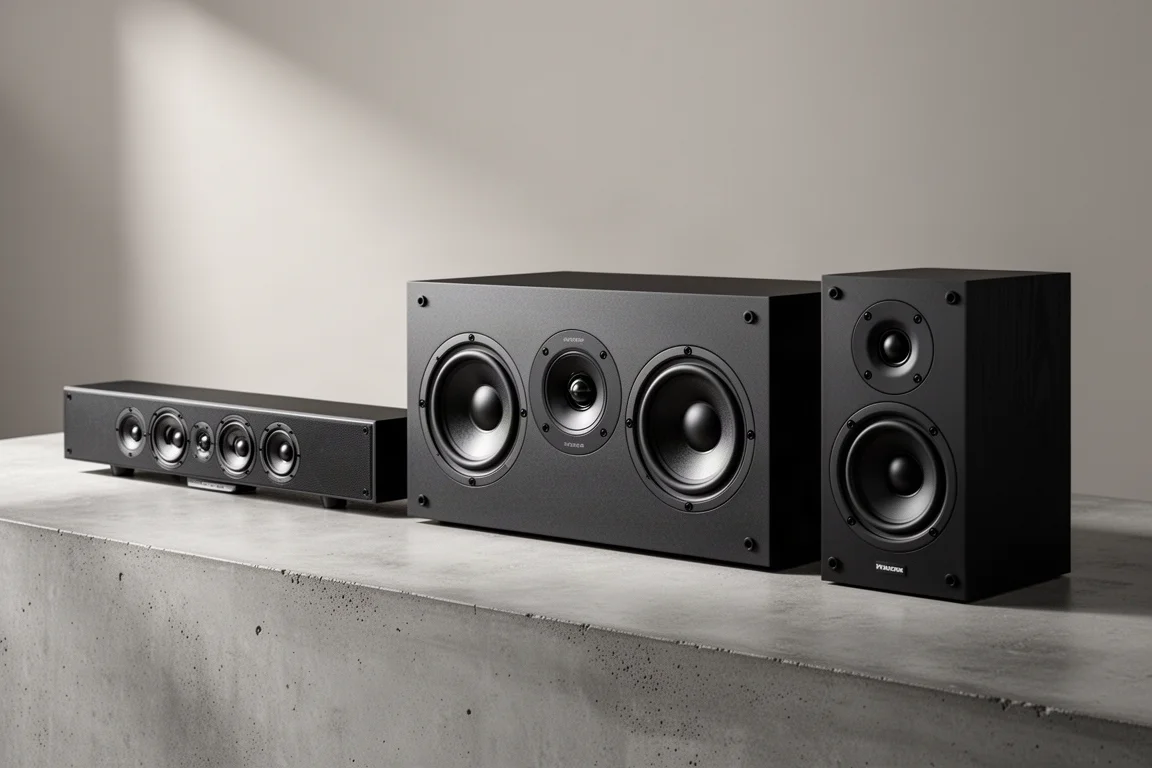
Best Center Channels for Home Theater: Six Designs and What Off-Axis Data Reveals
A practical guide to center channel design, covering six speaker options, why off-axis response matters, and how to choose for your seating layout.
Home Theater Audio
Dolby Surround vs Auro-Matic vs DTS:X: Comparing Three Upmixers for Two-Channel Music
A practical comparison of the Dolby Surround Upmixer, Auro-Matic and the DTS:X upmixer, covering how each one treats two-channel music, the settings that change the result, and the trade-offs to weigh before you commit.
Home Theater Audio
Dolby Surround vs DTS Neural:X vs Auro-Matic: Comparing 5.1 Music Upmixing
A practical comparison of Dolby Surround Upmixer, DTS Neural:X and Auro-3D Auro-Matic on a lossless 5.1 music mix, with the strengths and trade-offs of each.