Backpacking Gear
Solo Backpacking Gear Reliability Test: Seven Items Worth Trusting
A desert field test of seven solo backpacking essentials, from satellite communication to shelter, water treatment, cooking, and sleep.
Introduction
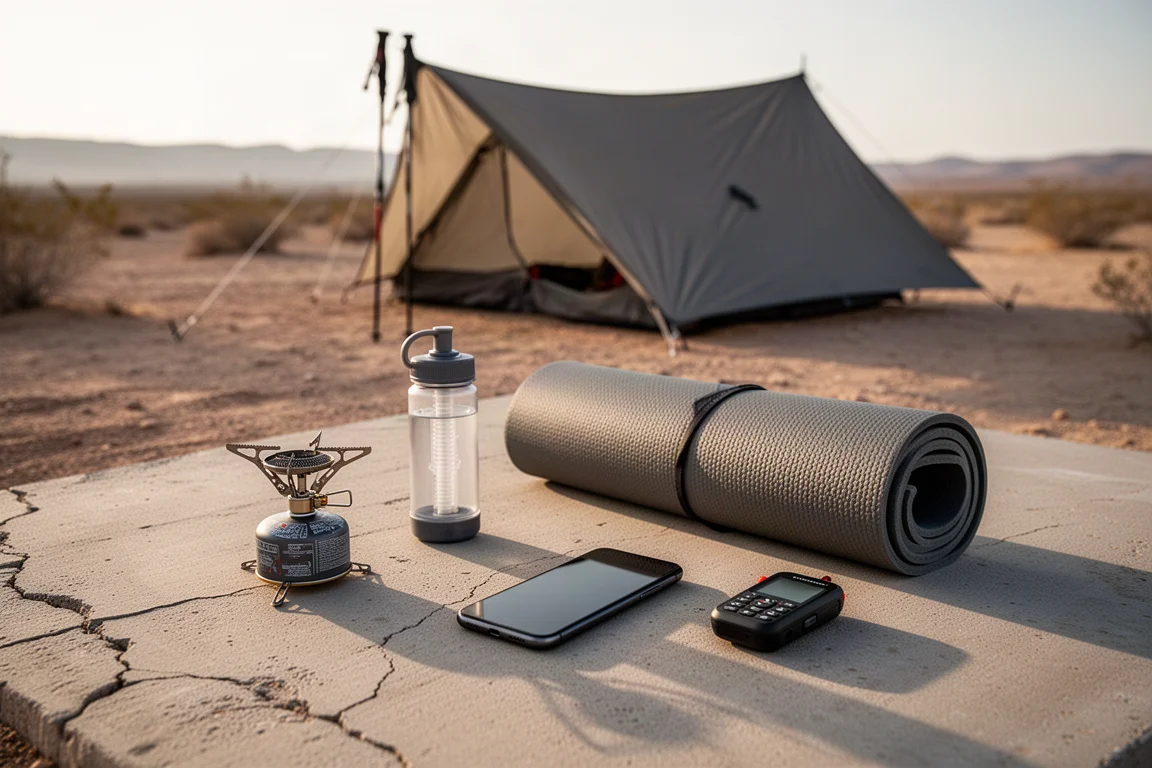
Solo trips put gear under a different kind of scrutiny. There is no one to borrow from, no one to split a load with, and no second chance if something fails at the wrong moment. On a recent solo backpacking trip in the Arizona desert, daytime temperatures hovered around 20°C with overnight lows near 3°C, strong winds were forecast, and conditions shifted enough that snow was a real possibility despite the mild forecast.
That setting made a useful proving ground for a simple question: which items can you actually trust when you are alone? Seven pieces of gear came along, covering emergency communication, shelter, water treatment, cooking, and sleep insulation. Each was assessed on safety, ease of use, and reliability.
How These Items Were Evaluated
The kit covered the categories that matter most on a solo trip: emergency communication, water treatment, shelter, cooking, and sleep insulation. Each item was judged against three criteria.
Safety comes first. Can the item do its job when conditions are poor, when you are tired, and when there is no backup? Reliability follows closely, because gear that fails in the field is worse than gear you left at home. Ease of use matters too, especially for anything you might need to operate with cold hands or in fading light.
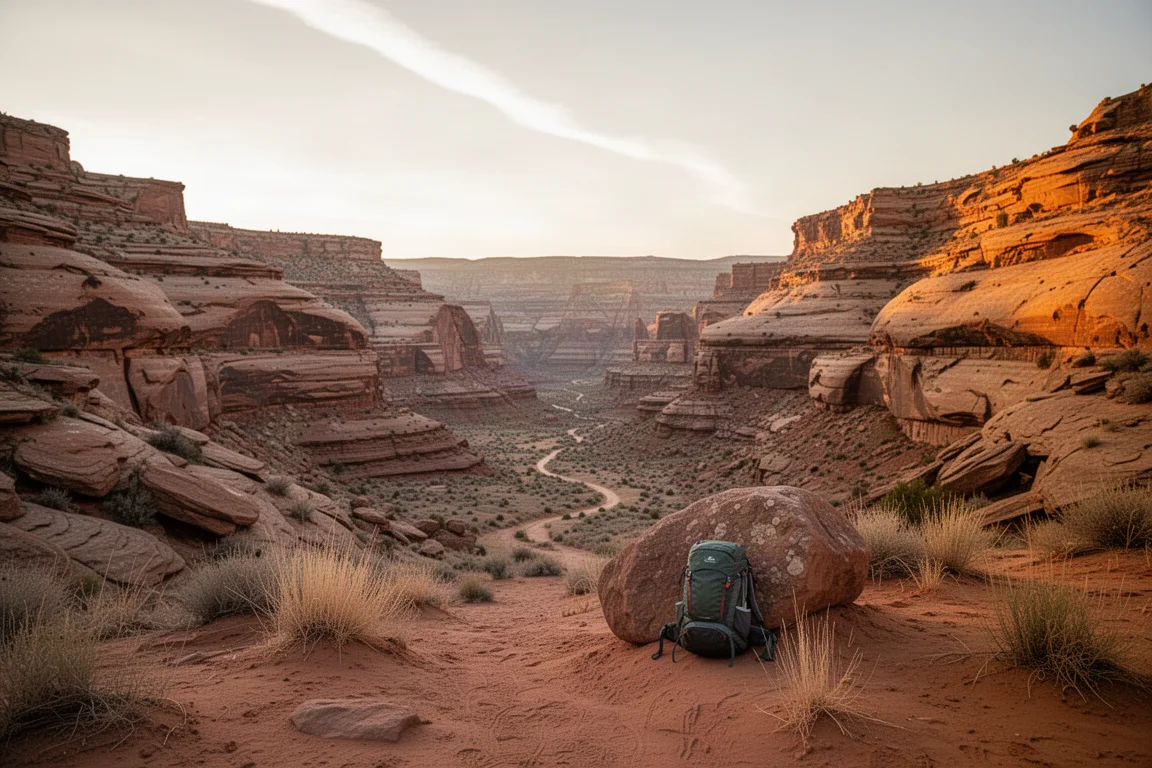
The testing environment was deliberately mixed: a narrow canyon with limited sky, light tree and shrub cover, open desert with clear views, and a campsite exposed to wind. Temperatures swung from roughly 20°C during the day to well below freezing overnight, colder than the forecast suggested, which put the sleep system and the electronics under real pressure.
Apple iPhone: Satellite SOS Without a Dedicated Device
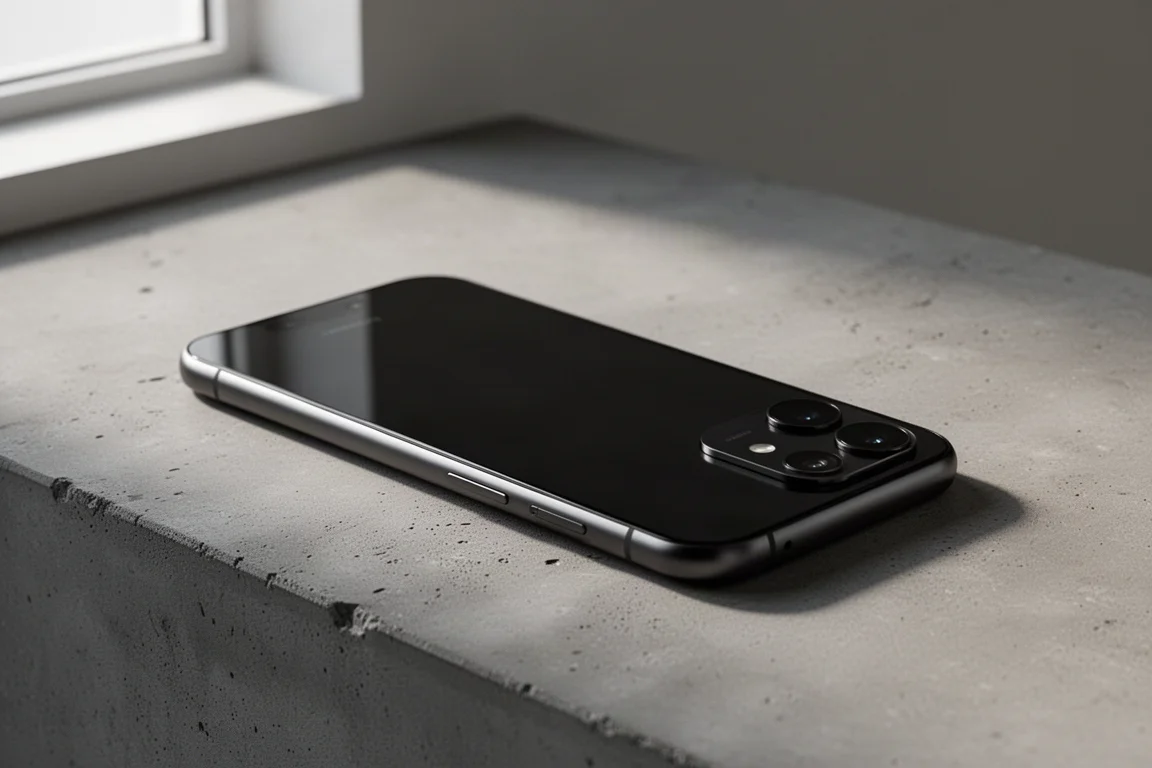
Newer iPhone models include satellite SOS and satellite messaging, which has led plenty of hikers to ask whether a dedicated emergency device is still necessary. Three tests were designed to answer that: connecting from inside a confined canyon, connecting under tree cover, and comparing message send times against a dedicated satellite messenger.
In the canyon test, the phone could not establish a satellite connection. A notification advised moving to a clearer view of the horizon and noted that the current satellite was low in the sky, that another would be available in about seven minutes, and that the signal might be blocked. From the exact same position, a dedicated messenger sent its message successfully, though it took roughly five minutes on that first send.
Under light tree and shrub cover the phone did connect, which is a useful result for open desert and lightly wooded trails. Heavier canopy was not available in that environment, so that scenario was not tested here.
Under clear skies the two devices were close. The dedicated messenger sent first, with the phone following a few seconds later, and a second message went out only one or two seconds apart. Once the phone locks onto a satellite, sending is quick, and it even connected from inside a fully zipped tent with the fly closed.
The practical read is that the phone is a strong option for day hikes and less committing trips in popular areas, where help and a vehicle are relatively close. It combines communication and SOS in a device most people already carry, which makes it a reasonable safety net for the majority of everyday outings.
Garmin inReach Messenger: A Dedicated Connection
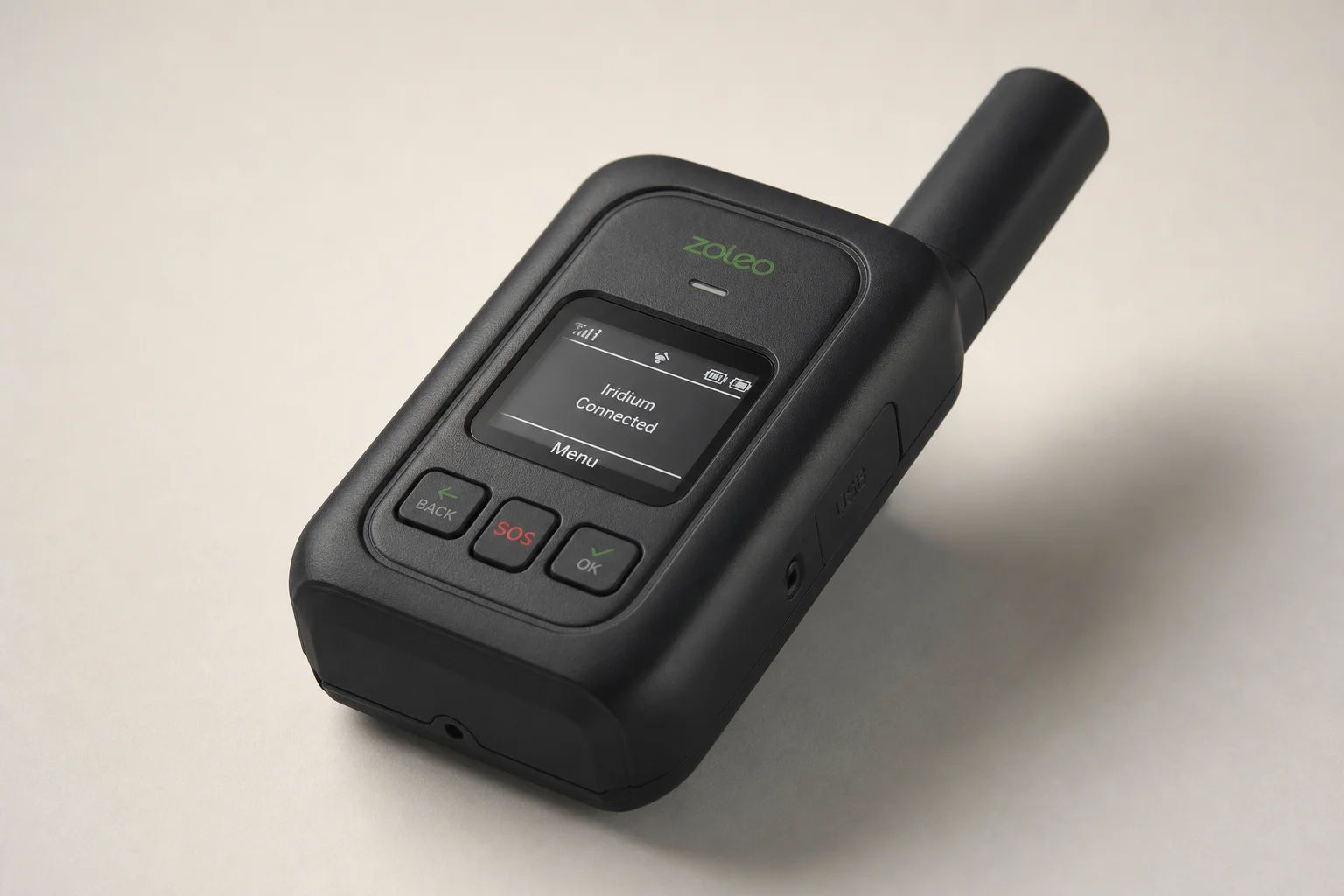
A dedicated satellite messenger earns its place by doing the one job the phone struggled with. From the same confined canyon position where the phone could not connect, the messenger sent a message successfully. The first send took about five minutes while it worked to acquire a satellite, and it was noticeably faster once connected.
It also changes behaviour in a genuine emergency. The device boosts its signal output during an SOS, trading some battery life for a better chance of getting the message out. That means everyday test results understate what it can do when it matters most.
The other meaningful difference is receiving messages. Incoming messages arrive on the messenger without any manual step, so it can stay in a pocket or on a shoulder strap and still alert you. A phone needs to be taken out and pointed at a satellite to check for incoming messages. For anyone coordinating with family while on a committing route, that difference is significant.
It makes the most sense on multi-day trips in remote terrain and for higher-risk activities such as rock climbing or mountain biking, where dependable access to SOS services is worth carrying an extra device.
Platypus QuickDraw: Filtration That Keeps Its Flow
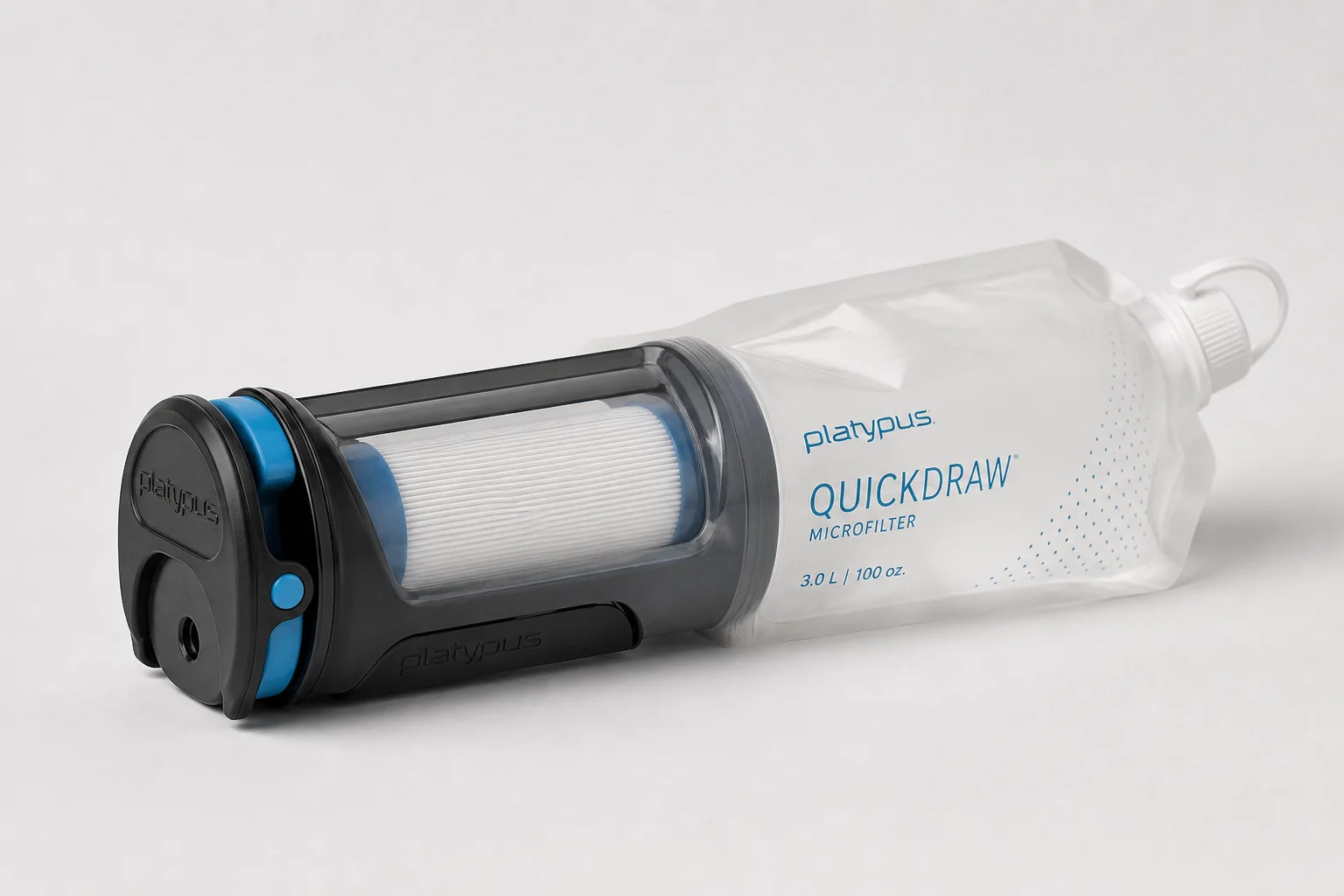
Water treatment is the piece of gear most likely to start an argument, and the Platypus QuickDraw sits at the centre of that debate. Platypus states that the filter meets EPA guidelines for the removal of bacteria and protozoa, and those rates should hold up even in the murky, less-than-ideal puddles that desert sources often provide.
Where the QuickDraw earns its following is flow. It is fast, it does not slow down nearly as much as some hollow-fiber filters do over time, and it has proven reliable across thousands of liters. Two caps make it easy to stow, and the filter can go into a sleeping bag on freezing nights to protect it from ice damage.
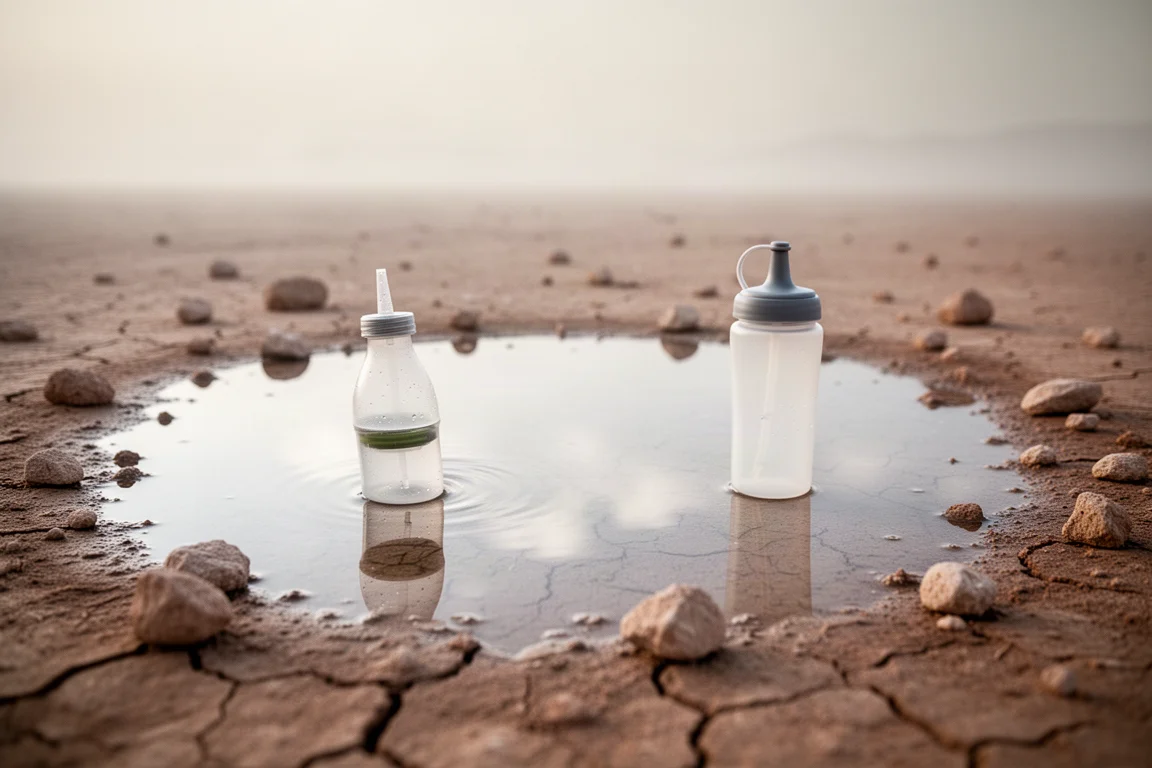
There is a counterargument worth understanding. Some hollow-fiber filters advertise removal rates measured in additional logs, which sounds decisive on paper. Those figures come from asking a lab for the maximum removal rate a filter can achieve, while a filter tested simply to confirm it meets EPA guidelines will show a lower number even if it performs well in the field. The real-world gap may be smaller than the numbers suggest.
What matters for most buyers is that a filter removes what it claims to remove, keeps flowing on a long trip, and survives being carried for days. On those counts the QuickDraw is a sensible default, particularly for anyone filtering water that does not look appetising.
Sawyer Squeeze: The Higher Removal Rate Option
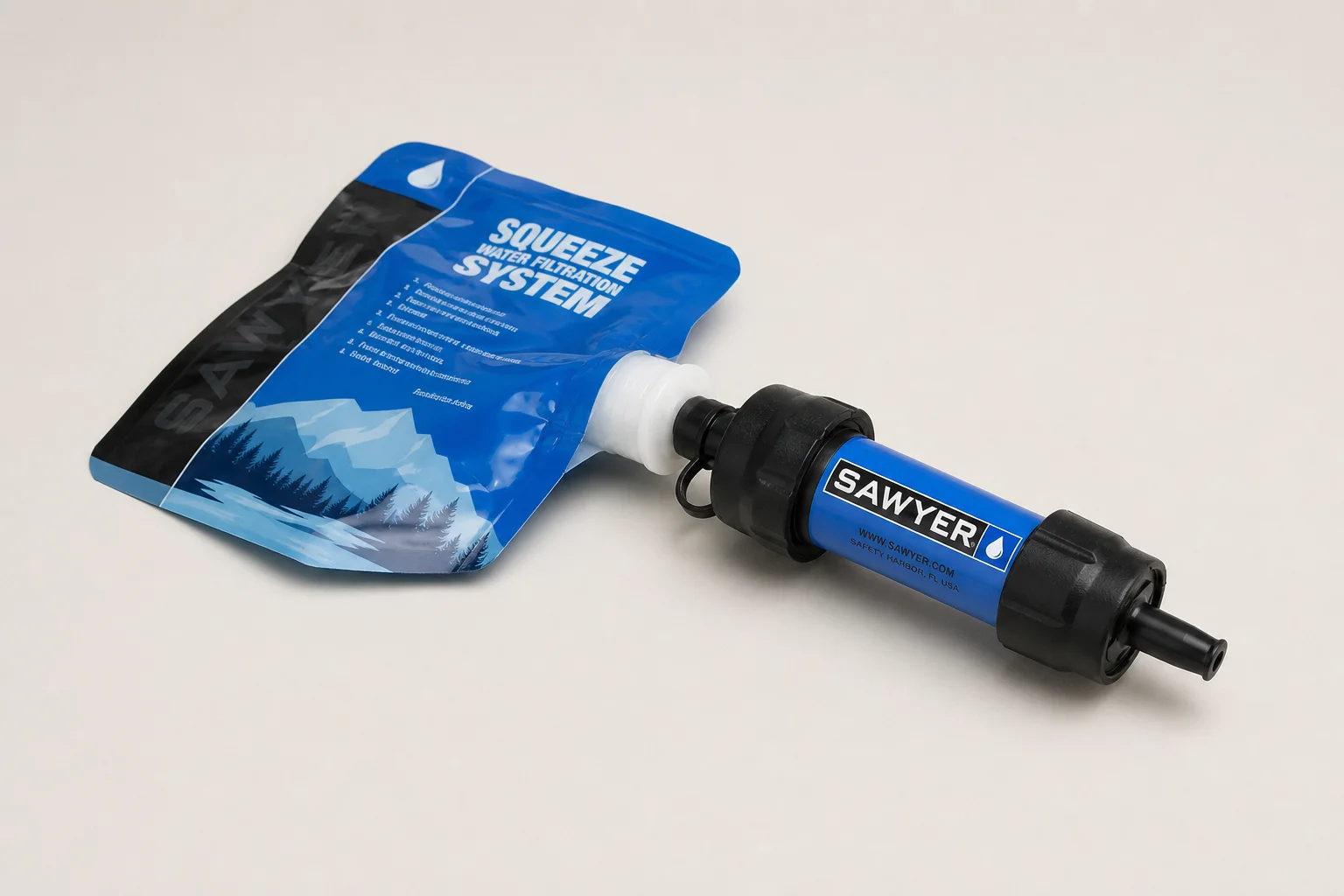
The Sawyer Squeeze is the filter that usually comes up in that comparison. Its advertised removal rates are higher than the QuickDraw’s by several logs, and for hikers who want the strongest published filtration figures, that is a legitimate reason to choose it.
The trade-off is flow. Squeeze filters of this type tend to slow down as they are used, and the Sawyer is no exception, with the decline more noticeable over a long trip. If you value a filter that keeps its speed day after day, that is the main consideration to weigh against the higher advertised removal rates.
For a shorter trip or a hiker who prioritises maximum published filtration performance, the Sawyer remains a credible and widely used choice. For longer trips where speed and consistency matter more, the flow behaviour is the deciding factor.
Durston X-Mid 1P: One Shelter, Many Conditions
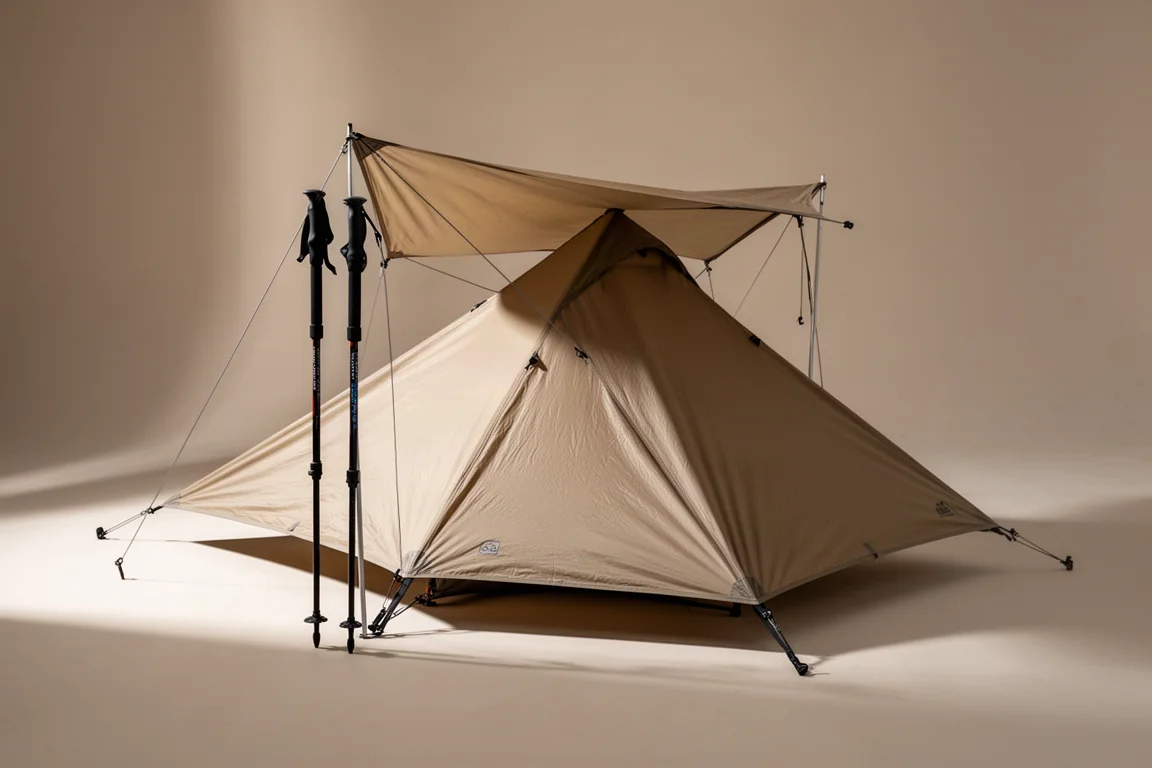
The Durston X-Mid 1P is advertised as lightweight, roomy inside, stormworthy, and user friendly, and the shelter largely lives up to that across conditions. Winter trips, three-season trips, and desert nights have all been successful outings. Setup is straightforward, and interior space is generous for a one-person tent.
Reliability is the part worth reading closely. The tent uses carbon fiber poles joined by small aluminum tubes, and a bonding problem with those tubes became a well-known issue for the first production batch. The tubes could come loose, which is exactly the kind of failure that is hard to fix in the backcountry. On a four-day trip, one ferrule came loose and was repaired in the field with superglue, after which it held up fine.
The response has been constructive: the pole manufacturer has issued a full recall of the affected poles and is replacing them for buyers from the first batch, and manufacturing changes are intended to prevent a repeat. For anyone buying a new shelter now, the practical takeaway is to confirm that the poles on your specific tent come from the corrected batch before you rely on it far from a trailhead.
BRS 3000: Stress-Testing a Reputation
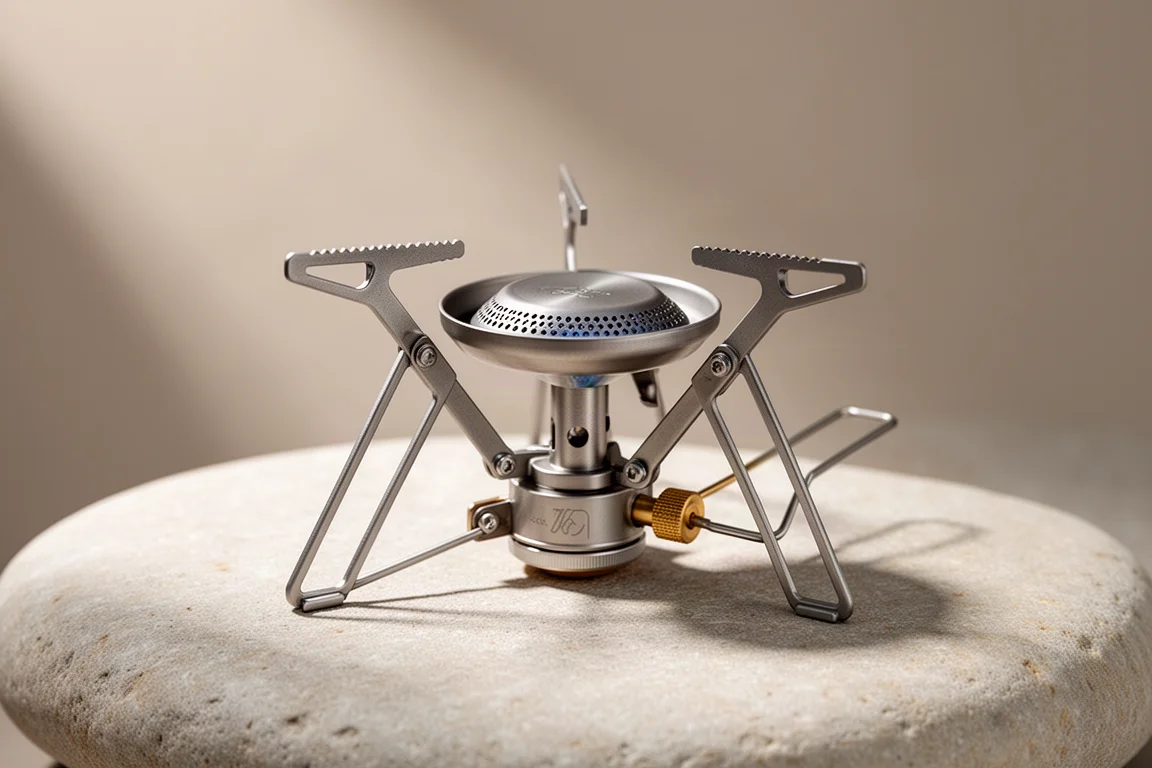
The BRS 3000 is one of the most popular ultralight canister stoves because it weighs under an ounce, packs down small, and still boils water effectively. It also has a reputation for failing, so the question was whether that reputation holds up under scrutiny.
An analysis of one-star and two-star reviews from a major retail listing with more than 4,000 reviews points to a failure rate of roughly 5 percent, or about one stove in twenty. Most failures happened within the first or second boil, and the typical failure was a pot support arm bending and dropping the pot. The likely cause is variation in the titanium alloy mix: stoves with more aluminum in the alloy appear more prone to bending, while those with more titanium hold up better.
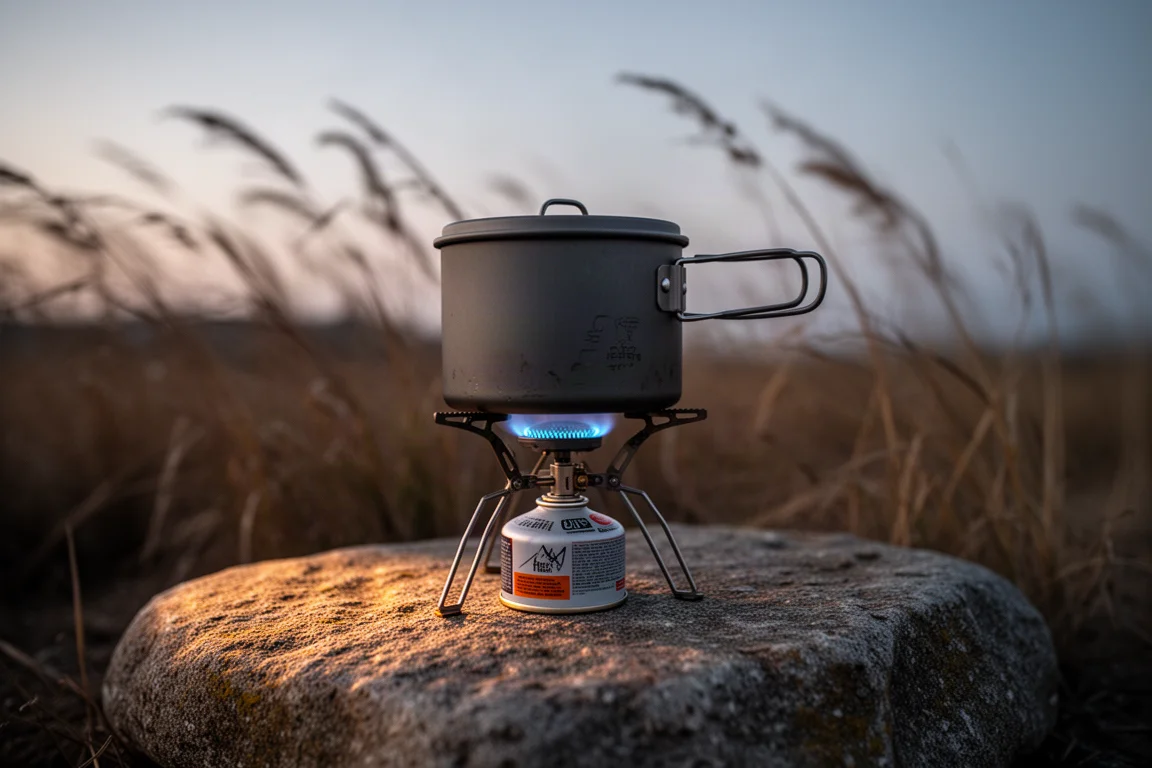
Wind is a major aggravating factor. In a recorded failure, a one-liter pot of water sat on the stove while wind blew against a single arm; that arm grew extremely hot and gave way. A stress test with a weighted pot at full blast but no wind produced no failure at all, and only the feet glowed red rather than an arm.
That points to a sensible pre-trip routine: load a one-liter pot of water, run the stove at full blast for about fifteen minutes, and use a fan to push air across it so the arms are genuinely challenged. If the stove survives that, you have reasonable confidence in it. Shielding the stove from wind on every cook is the other simple habit worth adopting.
Therm-a-Rest NeoAir XLite NXT: Warmth, Weight, and Comfort
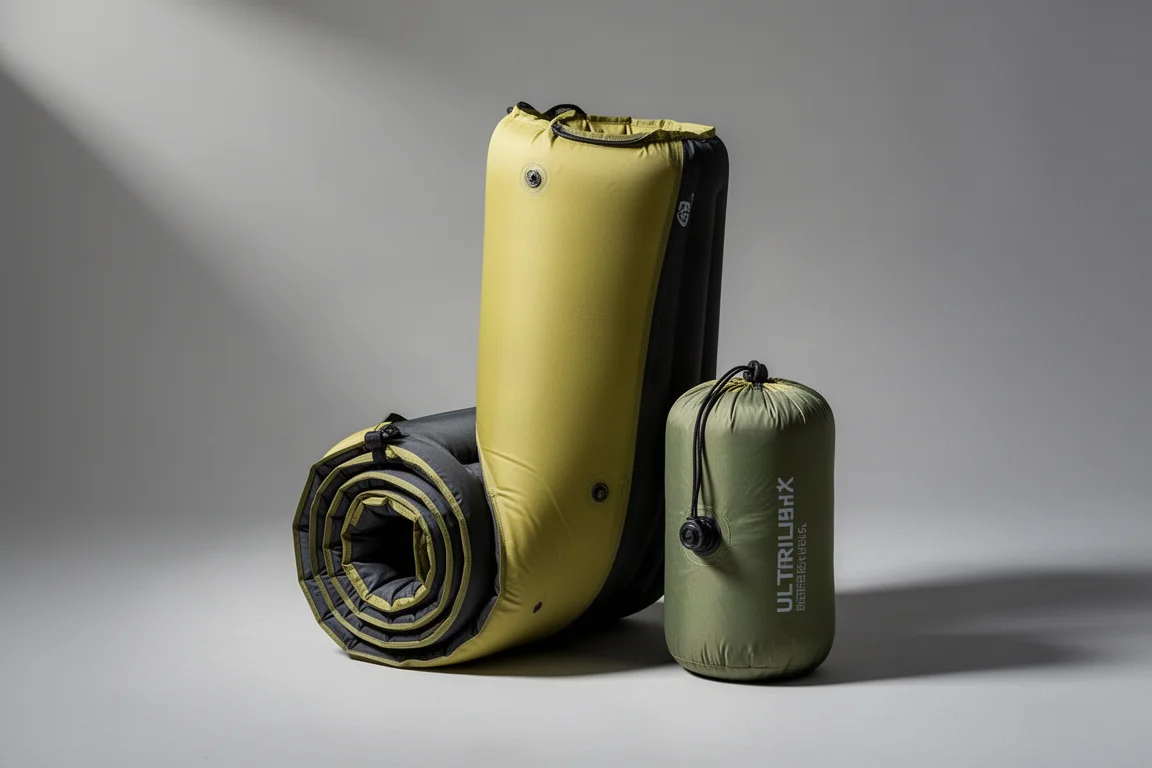
The NeoAir XLite NXT has one of the best warmth-to-weight ratios of any sleeping pad on the market, and Therm-a-Rest supports its reliability claims by inflating every pad at the factory to check for leaks and manufacturing defects. A review of large retailer listings turned up a clear pattern in past failures: the biggest source of problems was the older valve design, which could stop working and leak. The current WingLock valves are easy to replace, so a faulty valve is a simple fix rather than a dead pad. Baffle blowouts, essentially a weld failure, also appear in the record, though less often than with some comparable pads.
Comfort remains the contentious part. Horizontal baffles do not provide much pressure relief for side sleepers, and an arm can go numb within about half an hour on a fully inflated pad. The NXT increased thickness from 3 to 3.5 inches, which opens up an option: on a night near freezing, letting air out to roughly 60 percent inflation extended comfortable side sleeping to around three hours before the arm went numb. The cost is real, though. A partially deflated pad loses warmth, especially at the shoulders and hips where body weight compresses it.
That is the trade-off to understand before buying. This pad suits backpackers who prioritise warmth and packed weight, and who are willing to manage comfort by adjusting inflation to match the conditions rather than leaving it fully inflated every night.
Buying Advice
Reliable gear should come first on solo trips, even when that means giving up some comfort or convenience. The items that matter most are the ones you cannot improvise: emergency communication, shelter, water treatment, and sleep insulation.
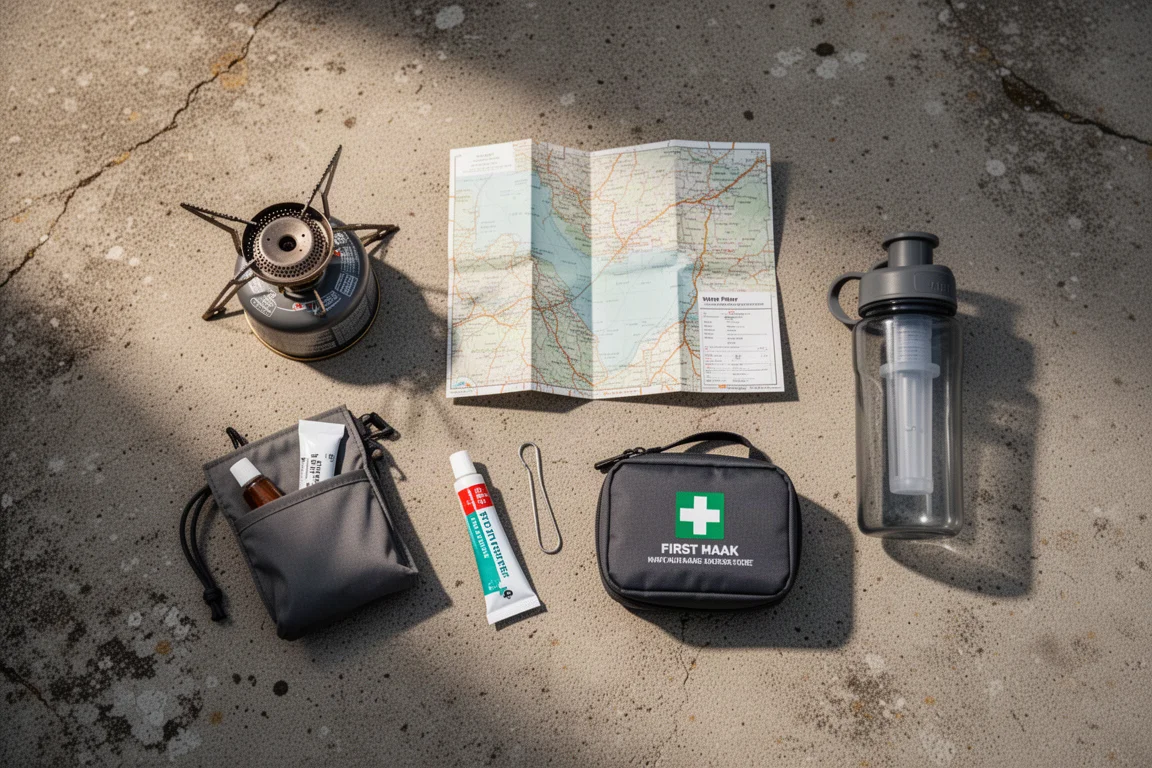
For communication, the decision comes down to how committing the trip is. A phone with satellite SOS covers day hikes and well-travelled areas well, and it is already in your pocket. For multi-day trips far from a trailhead, higher-risk activities, or any situation where family may need to reach you, a dedicated satellite messenger is the more dependable choice.
For water treatment, both the QuickDraw and the Sawyer Squeeze are credible options. Choose the QuickDraw for faster flow that holds up over time, and choose the Sawyer if higher advertised removal rates matter more to you than flow. For shelter, a tent that has proven itself across seasons is worth more than one that only looks good on a spec sheet, so check pole construction and batch details before a big trip and carry a small repair kit with something like superglue. For cooking, an inexpensive ultralight stove is still a reasonable buy if you stress-test it before you rely on it and shield it from wind. For sleep, match the pad to your sleeping position and expect to adjust inflation as conditions change.
Conclusion
Two things stood out from a week of desert testing. First, the gap between a phone with satellite SOS and a dedicated messenger is not about speed under a clear sky, since both are quick once connected. It is about whether a connection happens at all when terrain gets in the way. Second, reliability is worth more than features on solo trips. A stove with a 5 percent failure rate, a pole ferrule that came loose, and a pad that trades comfort for warmth all point to the same lesson: know your gear’s weaknesses and plan around them.
Solo backpacking takes some adjustment and some trust in your equipment, but the payoff is quiet, remote country and a genuine sense of capability. Choose gear that has been used and proven, test the parts that can fail, and the rest is just walking.
Further reading
Related Reviews

Backpacking Gear
Building a 10 lb Base Weight: An Ultralight Backpacking Gear List
A practical walkthrough of the ultralight pieces behind a 10 lb base weight, from a 765 g pack and a roomy one-person tent to a full camp chair and a dependable water filter.

Backpacking Gear
A 15-Pound Lightweight Backpacking Gear List for Solo Trips
A beginner-friendly 15-pound backpacking setup built from easy-to-find gear, with notes on what each piece does, how it packs, and where to spend your attention.

Backpacking Gear
8 Ultralight Backpacking Gear Upgrades Worth Carrying
Eight small, affordable backpacking upgrades that solve real trail annoyances, from a pillow that stays put to a fuel valve that rescues leftover canister gas.