Backpacking Gear
Solo Backpacking Gear List: 22 Lightweight Items From a Comfort-Focused Kit
A complete solo backpacking gear list covering worn clothing, shelter, sleep, cooking, water treatment, and safety, with honest notes on what worked and what did not.
Introduction
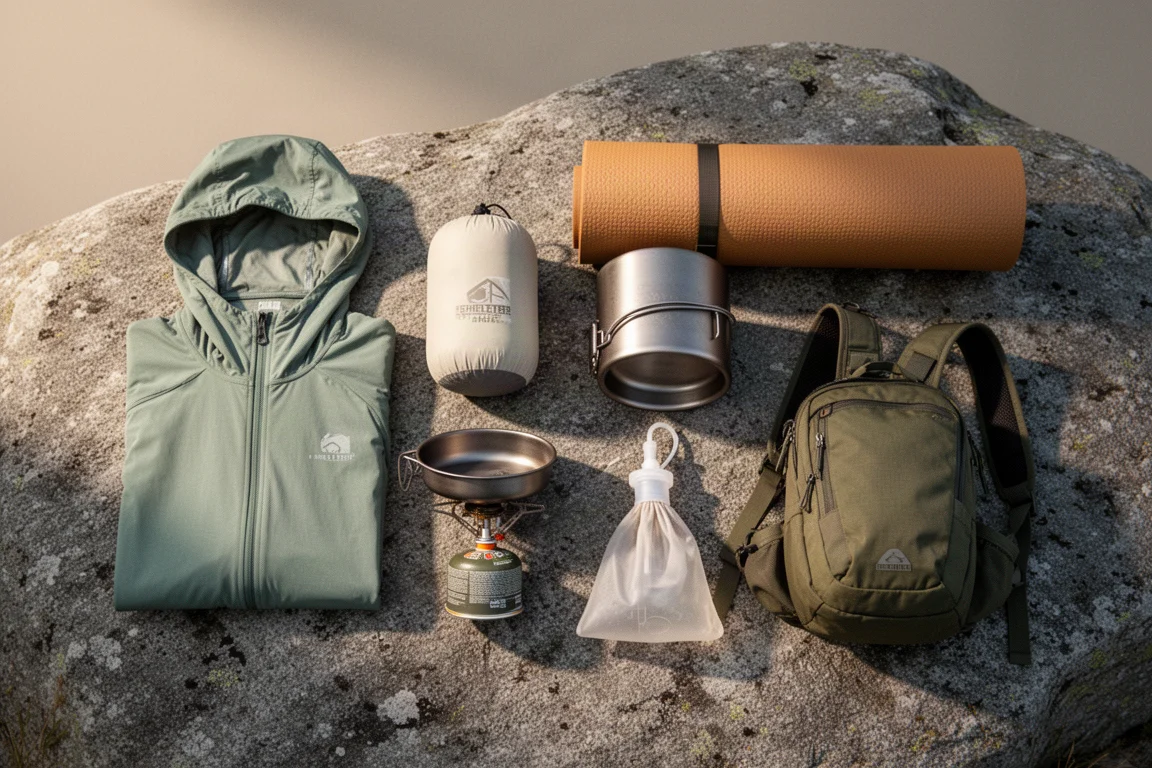
Packing for a solo overnight is an exercise in justifying every gram. On a recent trip into the mountains, the pack weighed in at roughly 22 to 23 pounds, which makes this a full-comfort load rather than a stripped-down summer setup. The route covered about four miles to a campsite beside a waterfall, and the gear below is what came along.
The list follows the way the load actually works: what gets worn instead of packed, what rides on the chest, and what lives inside the pack.
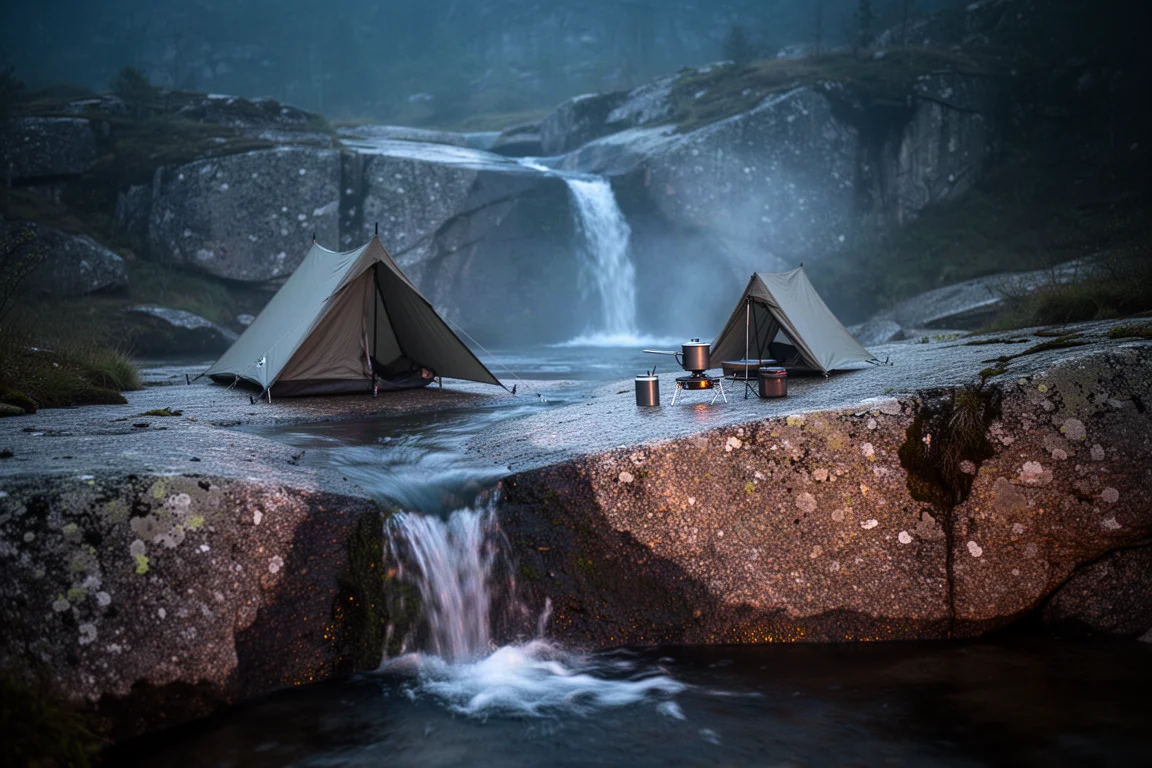
Two categories deserve more attention than they usually get in gear lists. Worn clothing never shows up in a pack weight chart, yet a sun hoodie, a pair of stretchy shorts, and the right shoe and sock combination do more for daily comfort than almost anything else in the bag. The second is the small chest bag, which keeps frequently used items within reach without swinging around at the waist.
A couple of items also earned honest criticism on this trip. Those notes are included below rather than left out, because a gear list is only useful if it says what did not work.
What I Wear Instead of Packing It
Worn items set the tone for the whole day: sun protection, bug protection, and how the feet feel after mile four.
Outdoor Vitals Altitude Hoodie
The Altitude Hoodie is a 100 percent polyester long-sleeve sun hoodie, and the hood is the reason it stays in rotation. Pulling it up covers the head, ears, and neck from the sun and from bugs, and the fabric can be treated with permethrin for extra insect protection. In hot conditions the polyester also helps with evaporative cooling.
It was purchased with store credit accrued through the brand’s membership program, which brought the total to roughly $40.
Outdoor Vitals Sawtooth Shorts
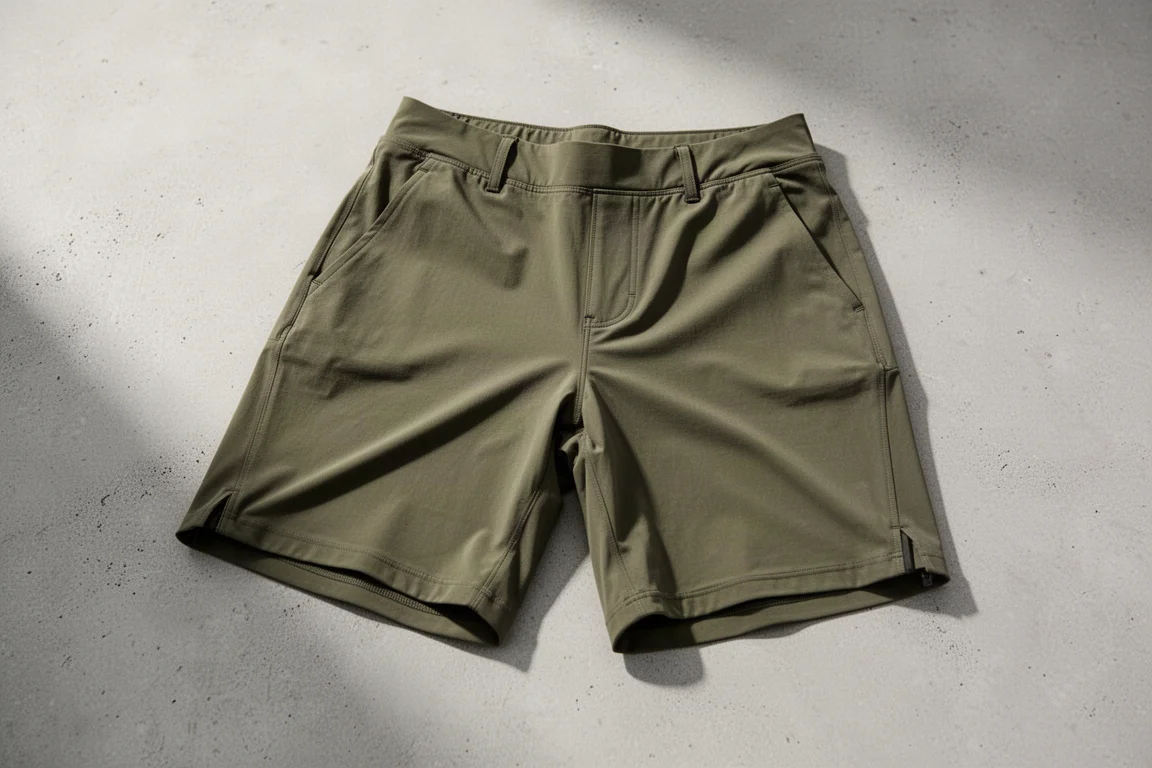
The Sawtooth Shorts are stretchy hiking shorts that have quietly become a staple for backpacking trips. The stretch keeps them comfortable on uneven ground, and after repeated use there is not much to criticize.
Danner Trail 2650 Trail Shoes
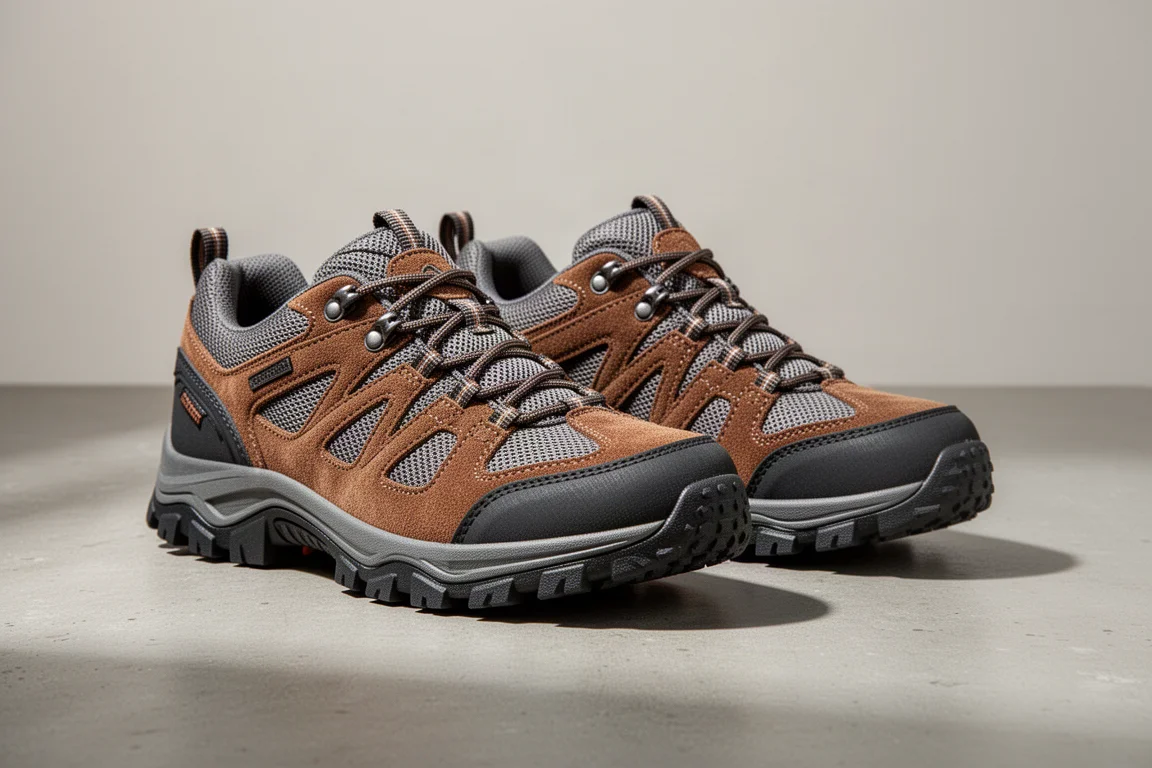
Footwear is the Danner Trail 2650, a low-cut trail shoe that has been in use for a long time and continues to perform well on backpacking trips. Paired with tall socks, it forms what amounts to a standard uniform for every trip.
Swiftwick Flight XT Trail Socks
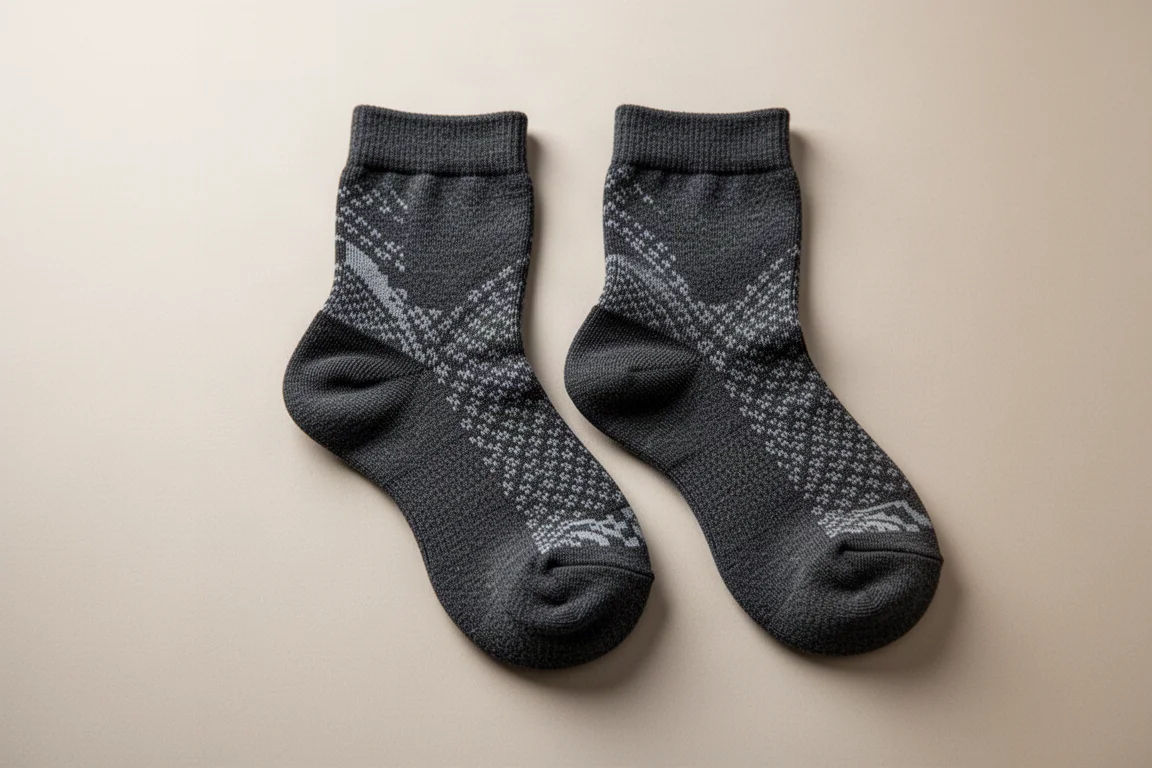
The Swiftwick Flight XT Trail socks are the tall version, which pairs naturally with low-cut trail shoes and keeps grit away from the ankles. Like the shoes, they have been in service for a while and have held up to regular use.
Chest Carry and the Main Pack
Two pieces carry everything else: a small chest bag for essentials and the main pack for the rest of the load.
Hill People Gear Snubby Kit Bag
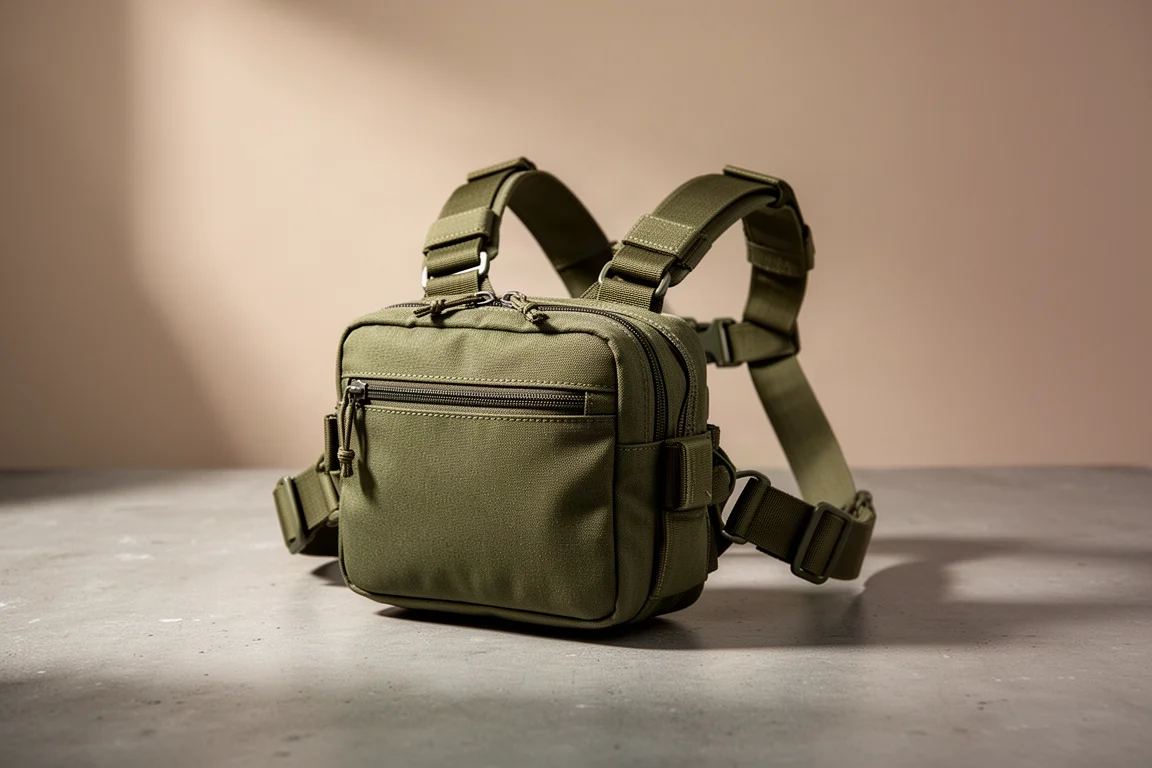
The Snubby Kit Bag is a chest-mounted bag that works like a fanny pack worn higher on the body. Because it sits on the chest rather than the waist, it does not bounce while walking. Inside are a flashlight, a lighter, lip balm, snacks, and personal protection items, which keeps small essentials organized and immediately reachable. It is light, minimal, and easy to wear all day.
Waymark Gear Thru 40L Backpack
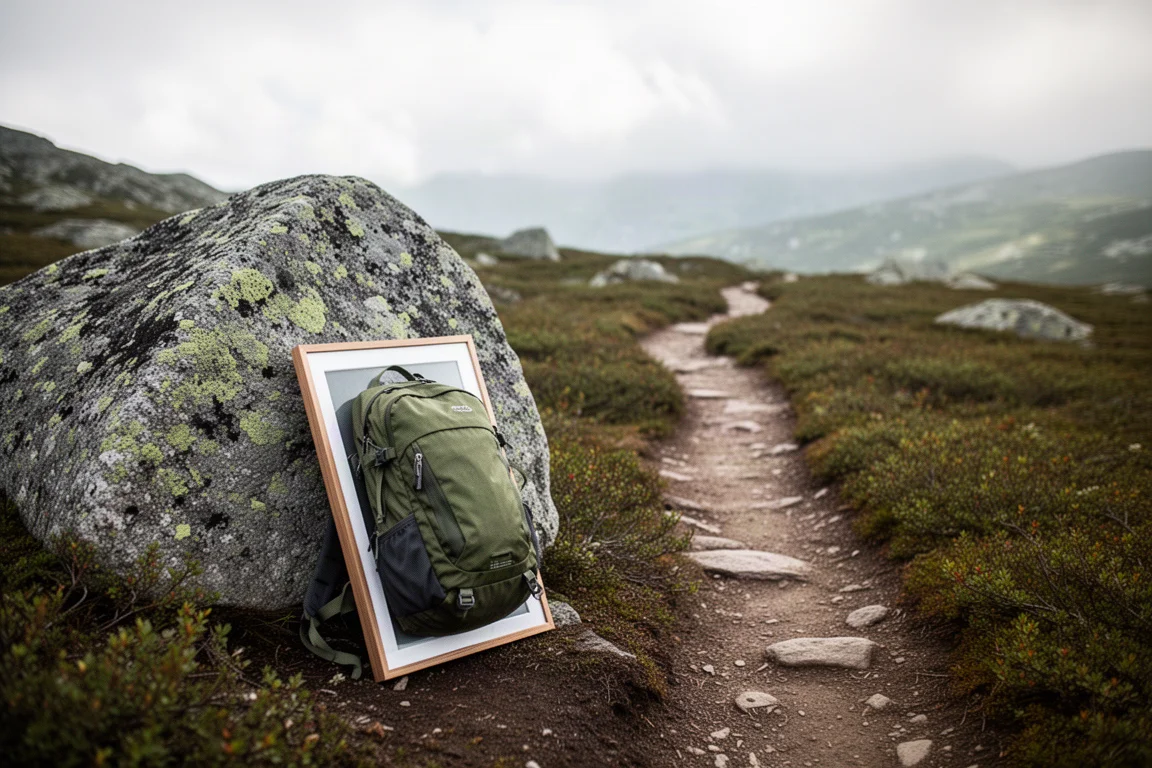
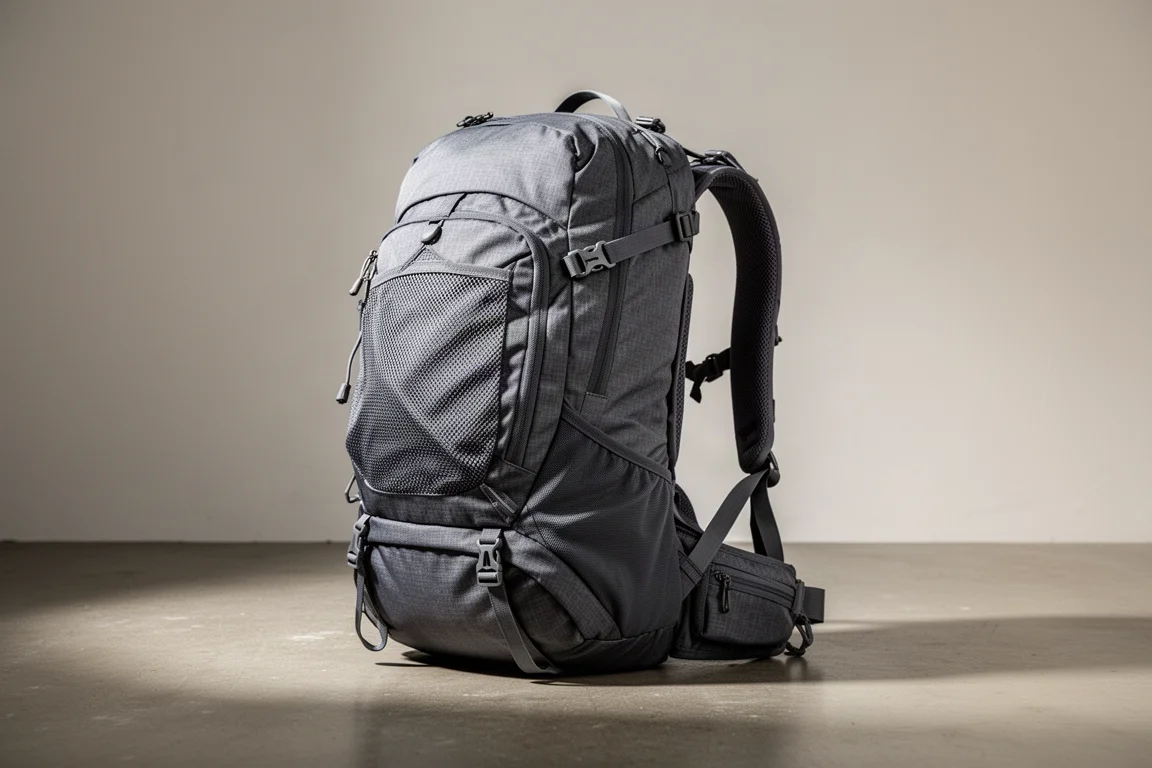
The Waymark Gear Thru is a framed 40-liter pack, and on this trip it carried a load of roughly 22 to 23 pounds. A frame at this capacity keeps a moderate multi-day load stable on the back, and the volume leaves room for a full comfort kit rather than a minimal one.
One lesson from this trip concerns packing rather than the pack itself. A pack liner was left behind even though rain was in the forecast, which is the kind of omission that turns a good loadout into a wet one. A liner or a set of dry bags is worth carrying whenever the forecast is uncertain.
Shelter and Sleep System
Shelter and sleep take up most of the weight and most of the budget, and the decisions here shape everything else in the pack.
Tarptent Double Rainbow Lithium
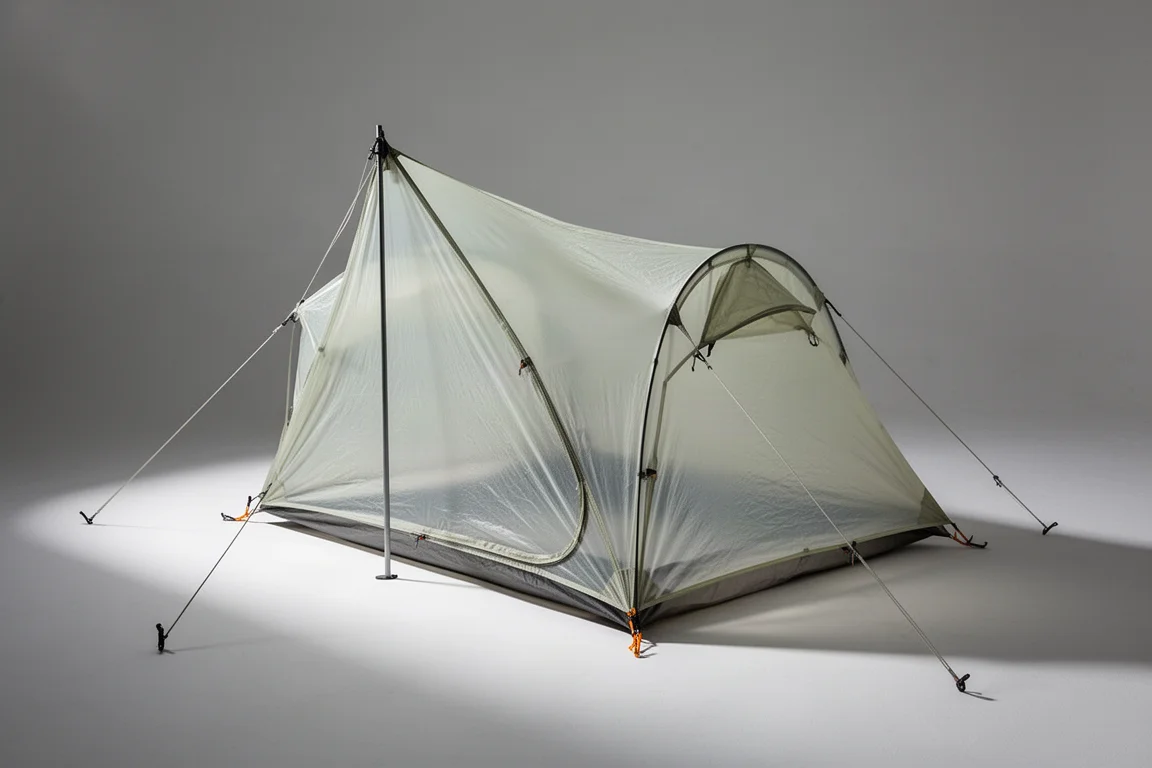
The Double Rainbow Lithium is a single-wall Dyneema shelter built to stay very light while still offering a wide, open, livable interior. For trips where space and weight both matter, that trade-off works well.
Therm-a-Rest NeoAir XLite
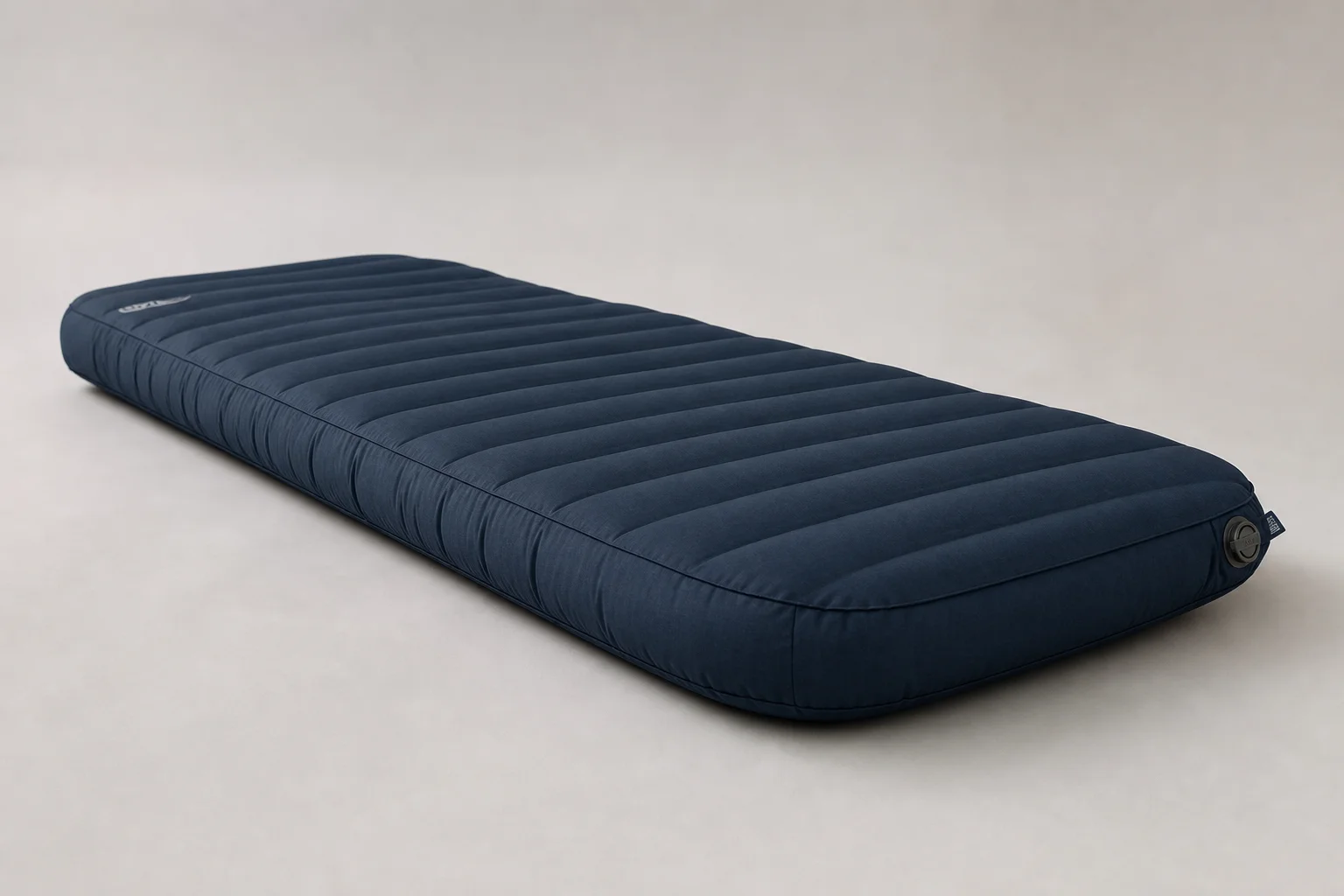
The NeoAir XLite is a lightweight sleeping pad that saves meaningful pack weight, but comfort is the trade-off. After a night on it, the reason it had been retired from the rotation became obvious again. Backpackers who sleep well on thin pads will be fine with it, but anyone who values cushioning should test one before committing to a long trip.
Western Mountaineering Ultralite 20° Sleeping Bag
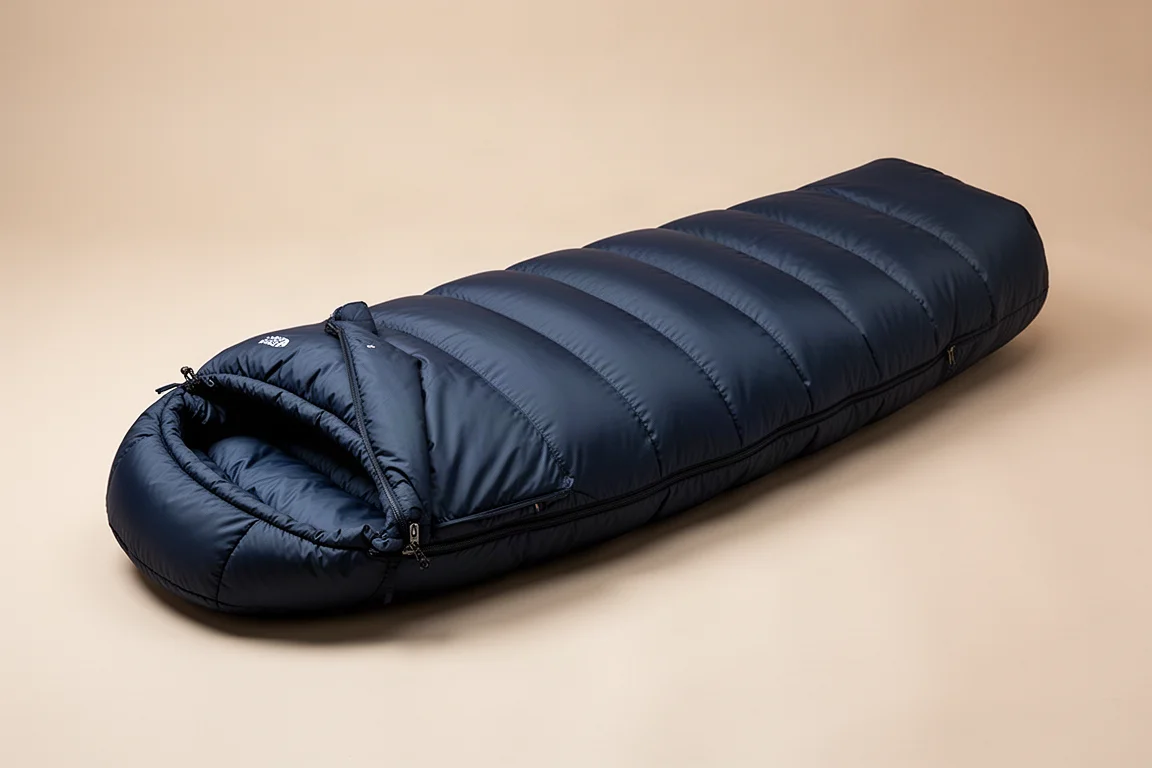
The sleeping bag is a Western Mountaineering Ultralite rated to 20 degrees, chosen to keep the sleep system light without giving up three-season warmth.
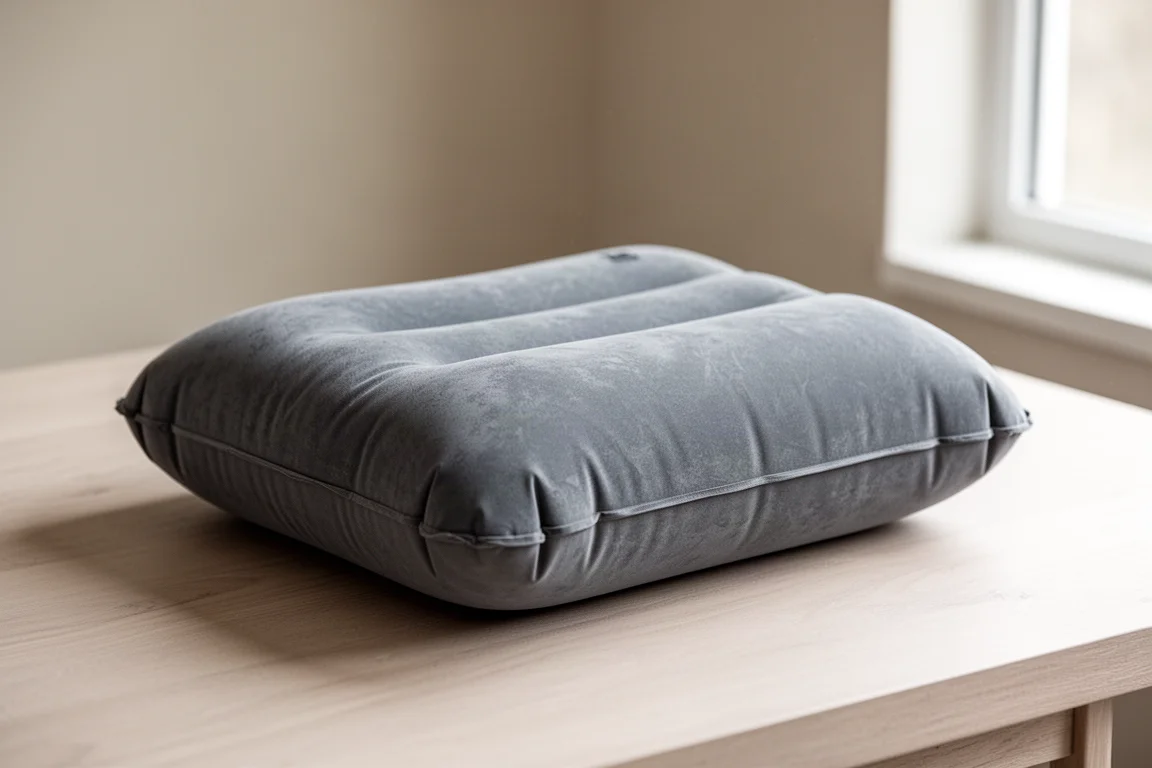
Sea to Summit Aeros Premium Pillow
A pillow is one of the simplest ways to improve sleep in the backcountry, and the Sea to Summit Aeros Premium is the one that came along on this trip.
Clothing and Insulation for Camp
Camp clothing is about staying comfortable once the hiking stops: dry layers for sleeping and enough insulation for the temperature drop after sunset.
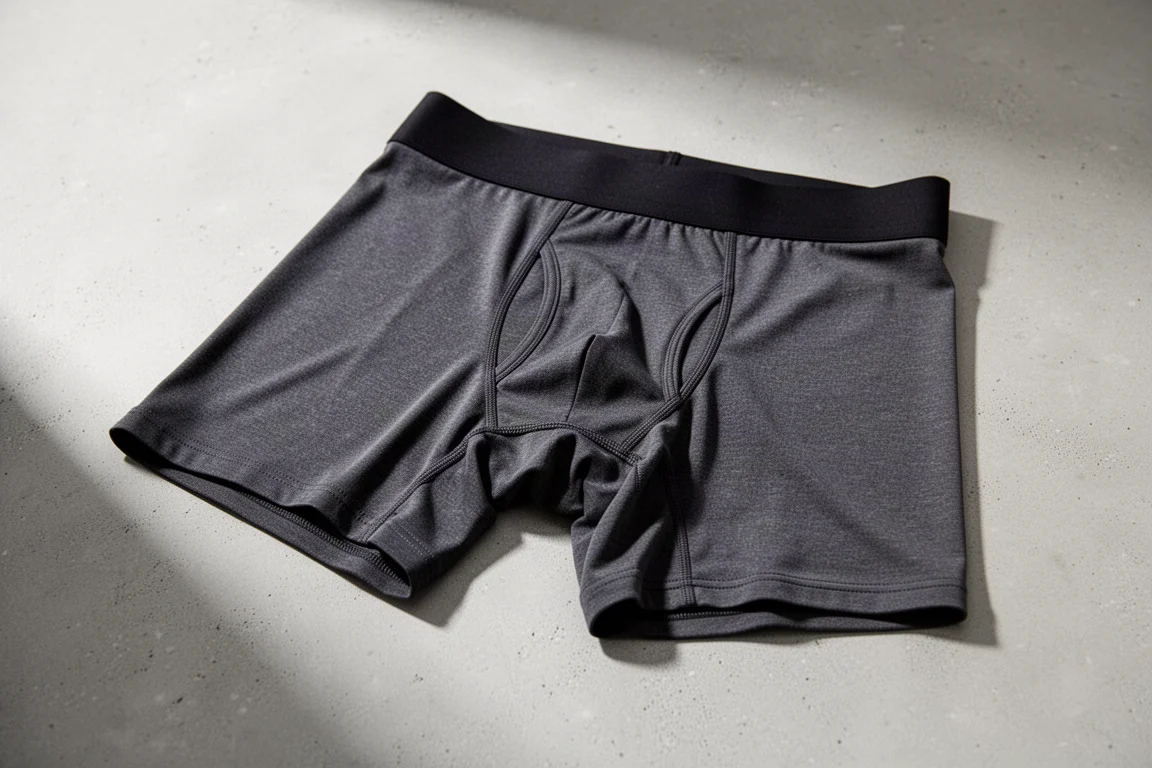
SAXX Quest Underwear
The SAXX Quest is the spare pair carried for sleeping and for days when a fresh layer matters. The fabric breathes well and helps prevent chafing, which is exactly what is wanted from underwear on a multi-day trip.
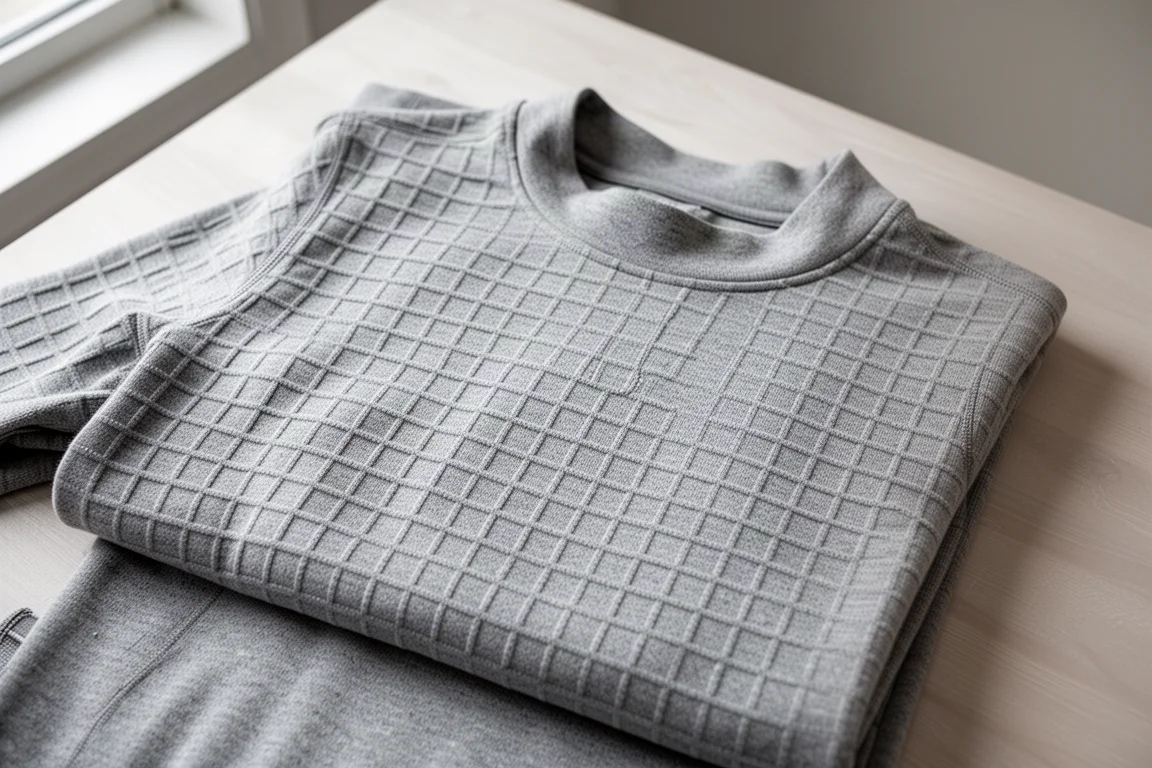
FarPointe Alpha Cruiser
The Alpha Cruiser is a lightweight grid fleece and a favorite for taking the chill off. It goes on around twilight, once the sun drops behind the ridge and the temperature starts to slide.
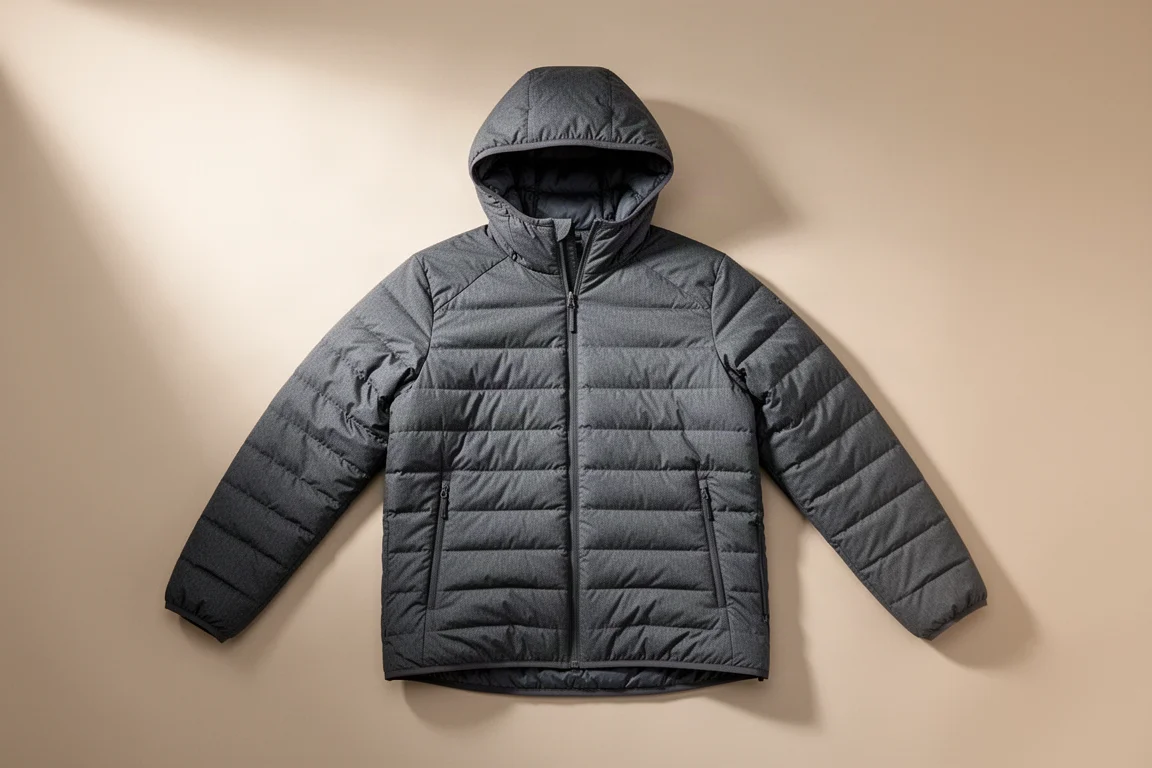
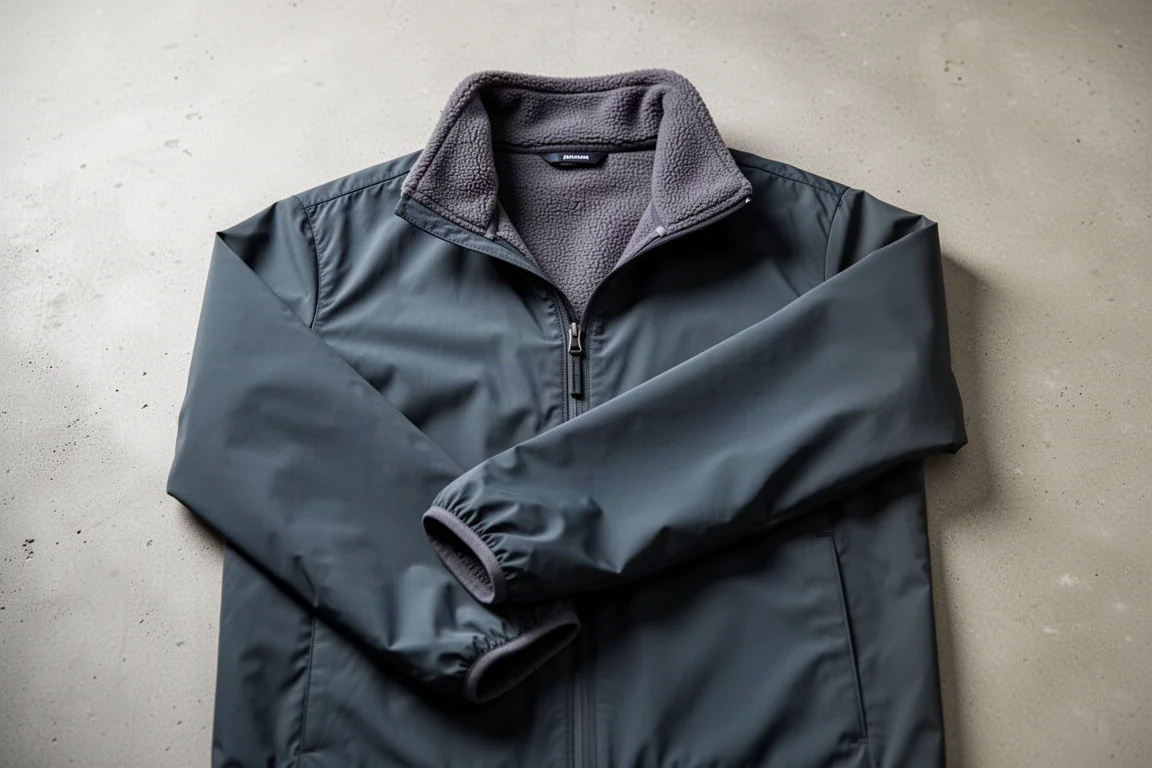
Outdoor Vitals Vario Synthetic Full Zip Jacket
The Vario is a newer synthetic jacket and a heavier, full-zip take on the same idea as the Ventus Hoodie. It has hand pockets, breathable cutouts under the arms, and a drawstring hem, which makes it a useful step up when the fleece alone is not enough.
Outdoor Vitals Ventus Hoodie
The Ventus Hoodie is a long-standing favorite mid layer and the piece the Vario is measured against. It is the lighter of the two, which makes it the better choice for milder trips or for hikers who run warm.
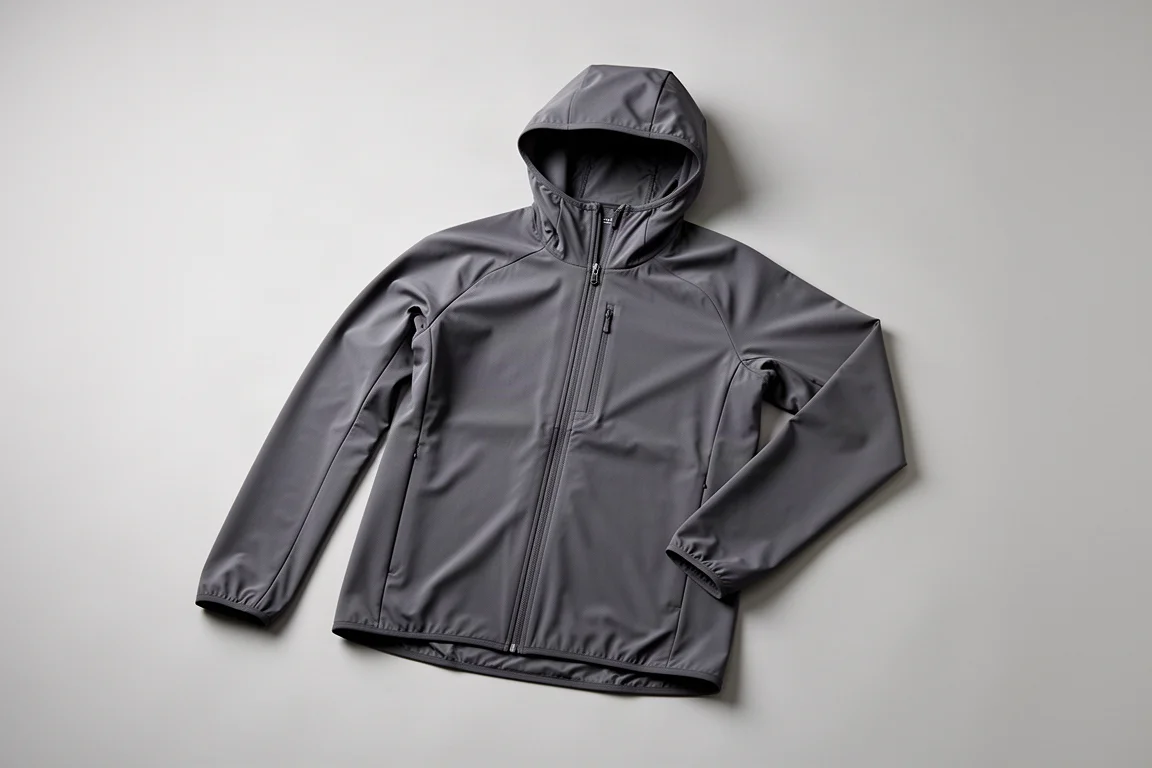
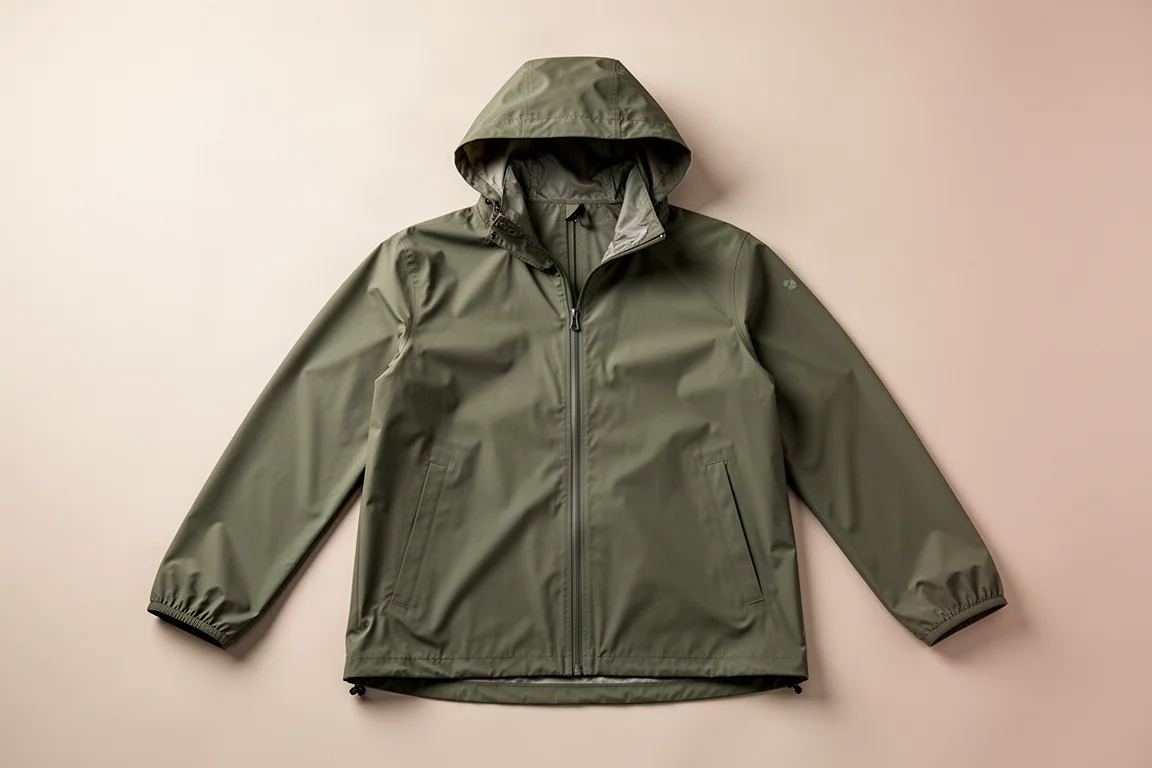
Outdoor Vitals Tushar Rain Jacket
The Tushar is a new rain jacket for this season and the shell carried for weather protection. It has seen limited field time so far, which is the honest status of any newly released piece of gear.
Cooking and Water Treatment
The kitchen is small: one pot, one stove, one spoon, and a filter setup for refilling bottles.
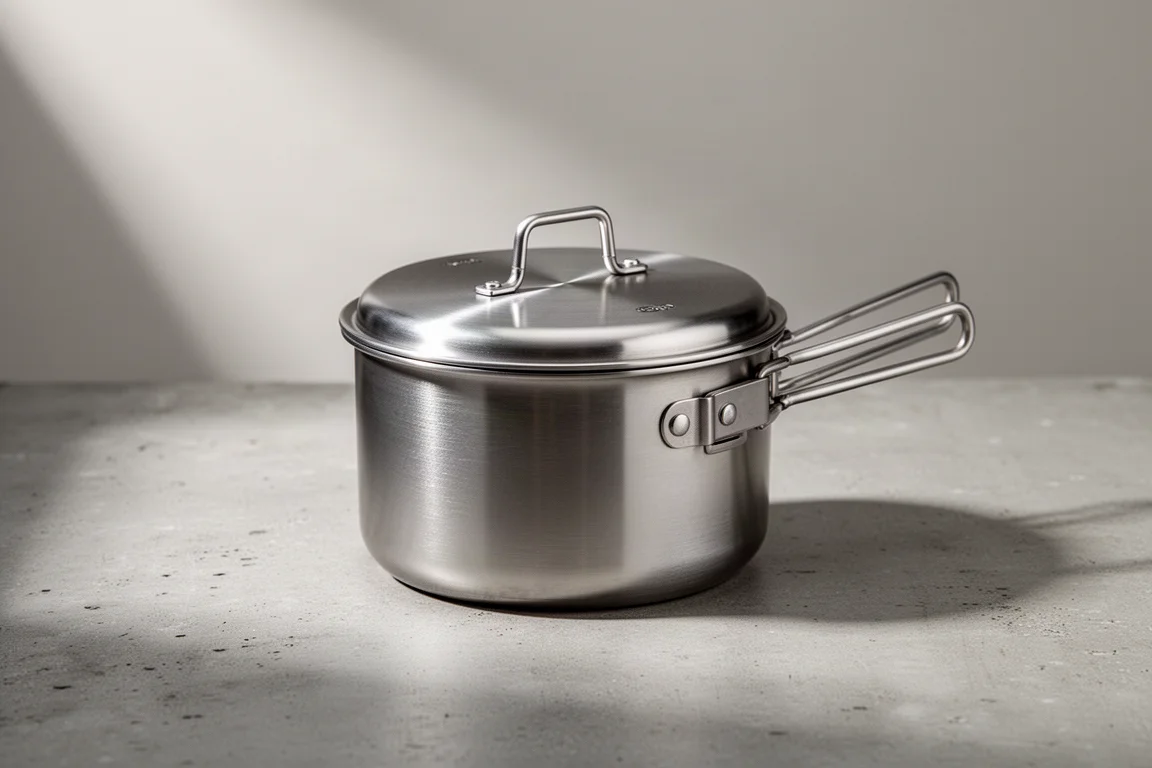
Snow Peak Trek 700
The Trek 700 is the cook pot for the trip, sized for solo meals. A small towel handles cleaning and doubles as a way to lift the hot handles without burning fingers.
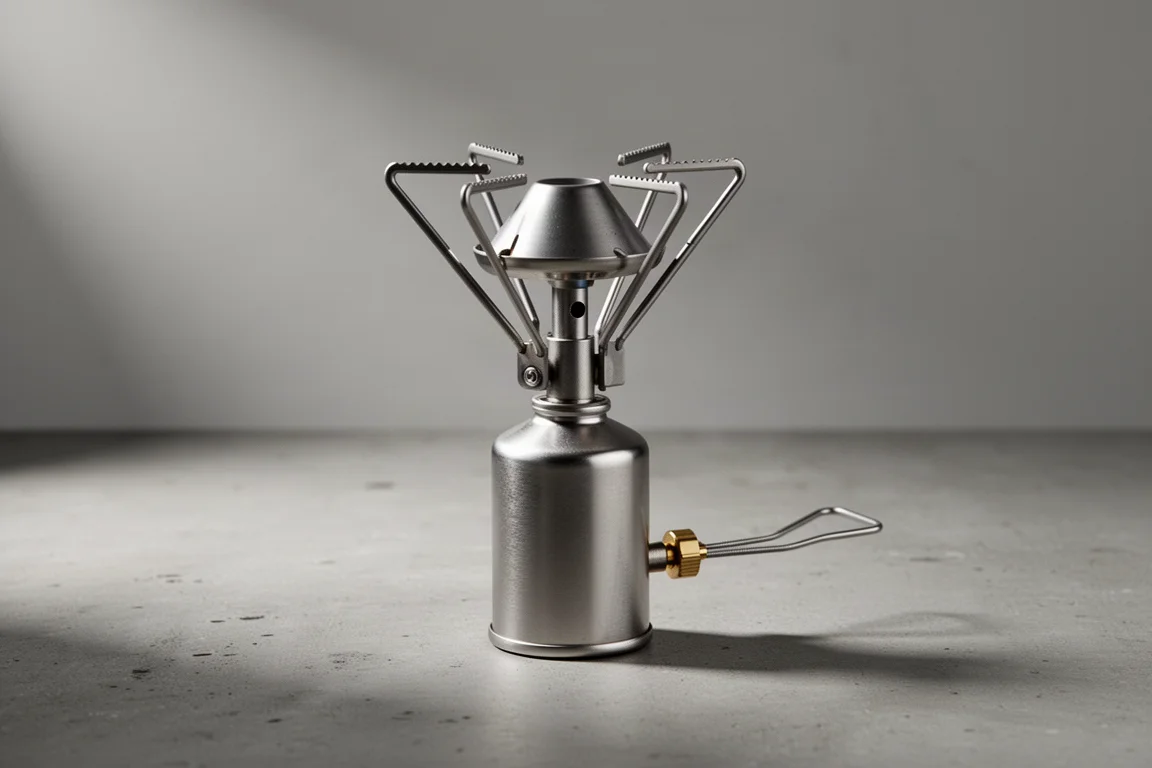
Snow Peak LiteMax Stove
The LiteMax is a standard canister stove built with titanium construction to keep the weight down. Breakfast on this trip was a dehydrated meal heated on it.
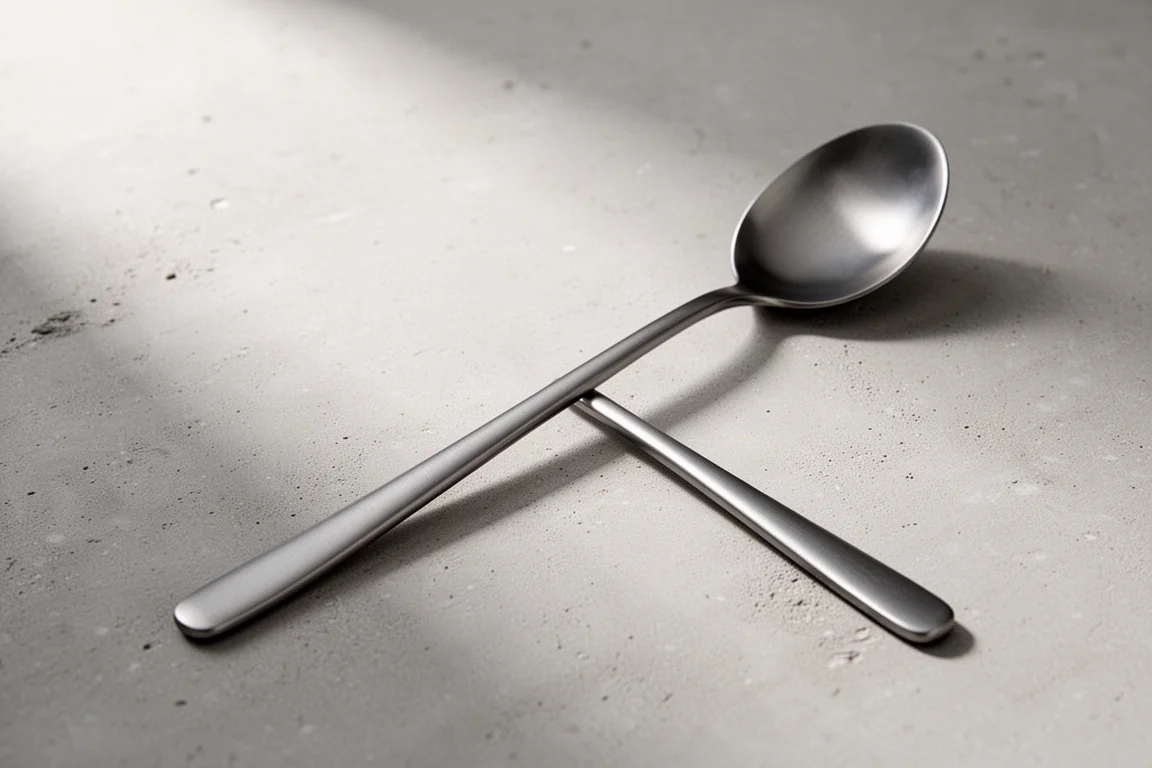
TOAKS Long-Handled Titanium Spoon
The TOAKS long-handled titanium spoon is a small item that makes a real difference when eating out of a dehydrated meal bag, since the long handle reaches the bottom without coating the fingers.
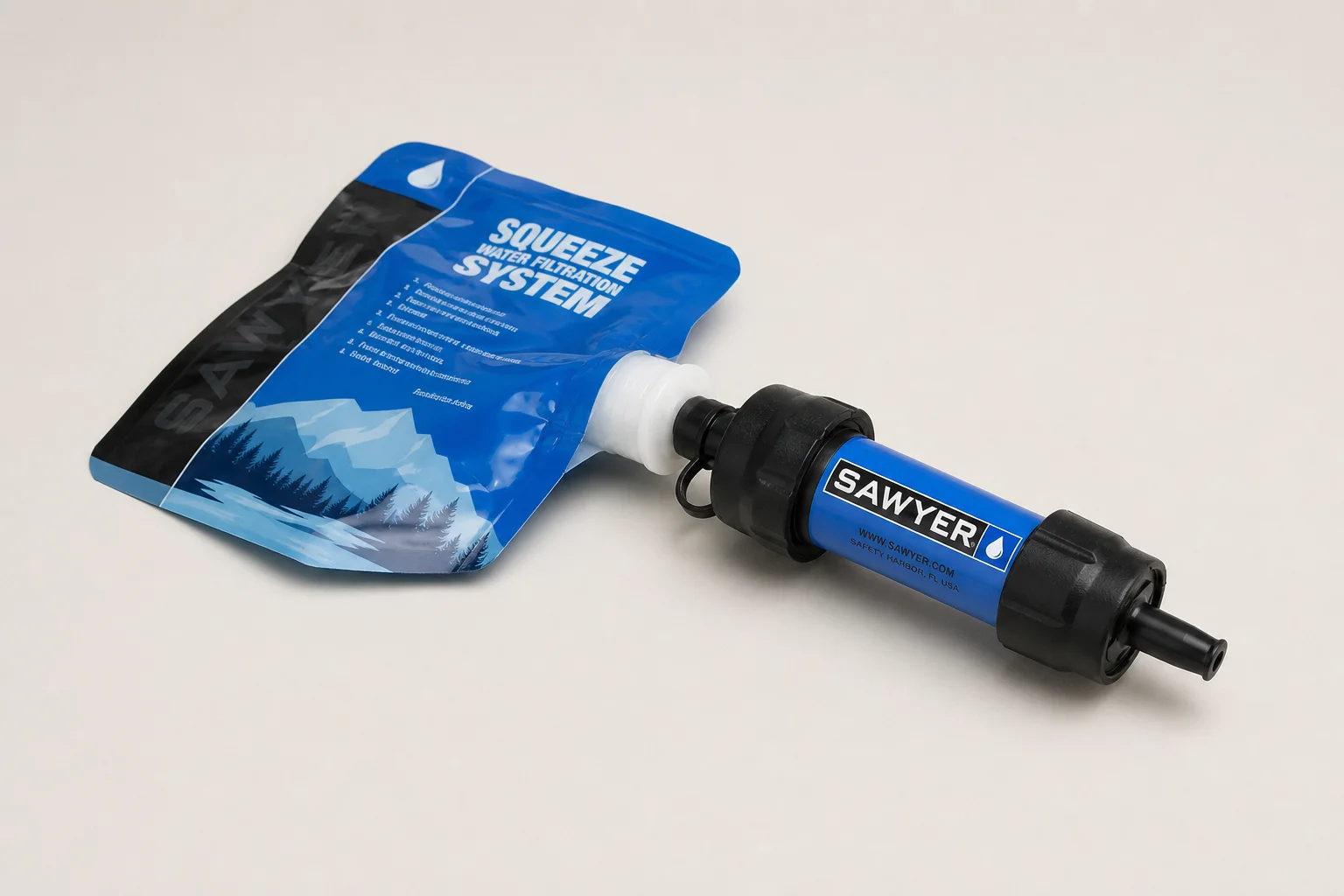
Sawyer Squeeze Water Filter
The Sawyer Squeeze is the go-to water treatment option, paired with a soft collection bag to filter water in camp and on the move.
CNOC Vecto Water Bag
The CNOC Vecto is the collection side of that setup, and the two pieces work as a system: the bag gathers water and the filter does the work at camp or on the trail.
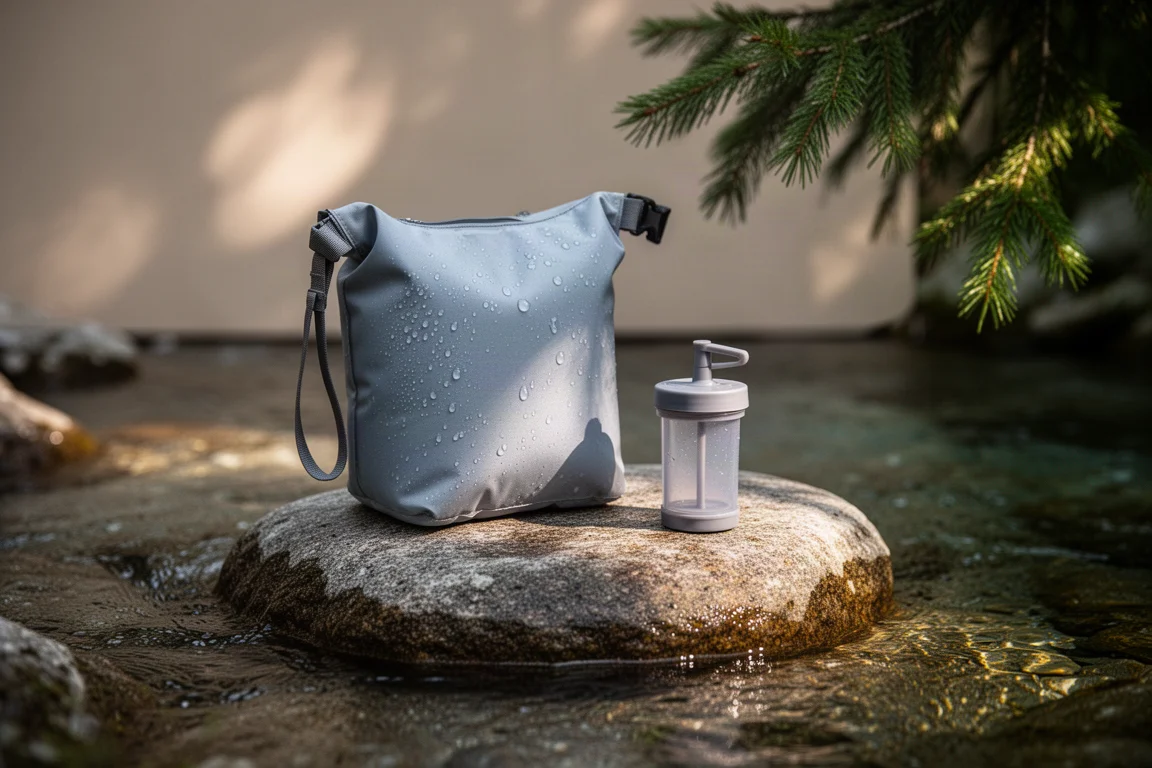
For a trip of this length, the filter and bag cover the water needs comfortably, and both are light enough that they never feel like a burden in the pack.

Accessories, Hygiene, and Safety
The last group covers the small items that make a trip work: hygiene, waste disposal, and staying in contact from remote terrain.
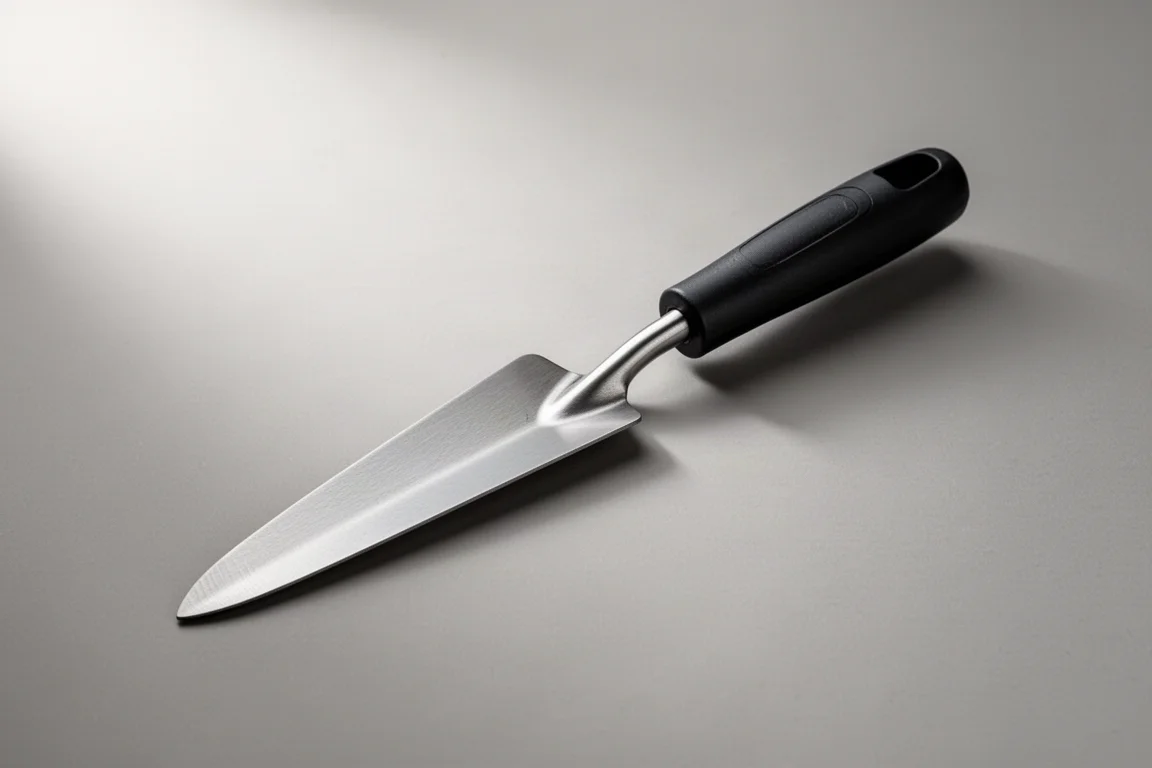
Bogler Co. Trowel
The Bogler Co. trowel handles backcountry waste disposal, and it is one of those small tools that becomes a favorite. Wet wipes travel alongside it.
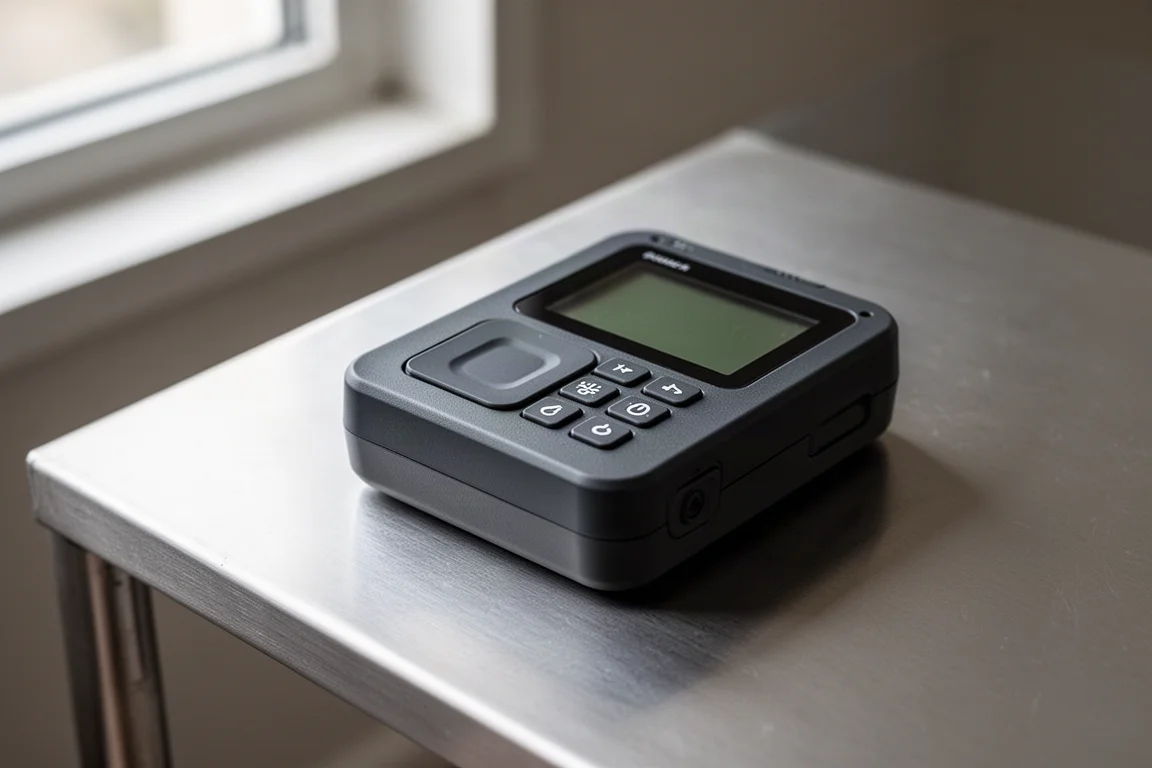
ZOLEO Satellite Communicator
The ZOLEO satellite communicator rides on the outside of the pack while hiking, providing a way to stay in contact from areas without cell coverage.
Buying Advice: Building a Similar Kit
If the goal is a similar loadout, the sensible order of spending starts with the items that touch the body every day: shoes, socks, and a sun hoodie. Worn items are where comfort is won or lost, and they are usually the least expensive part of the system.
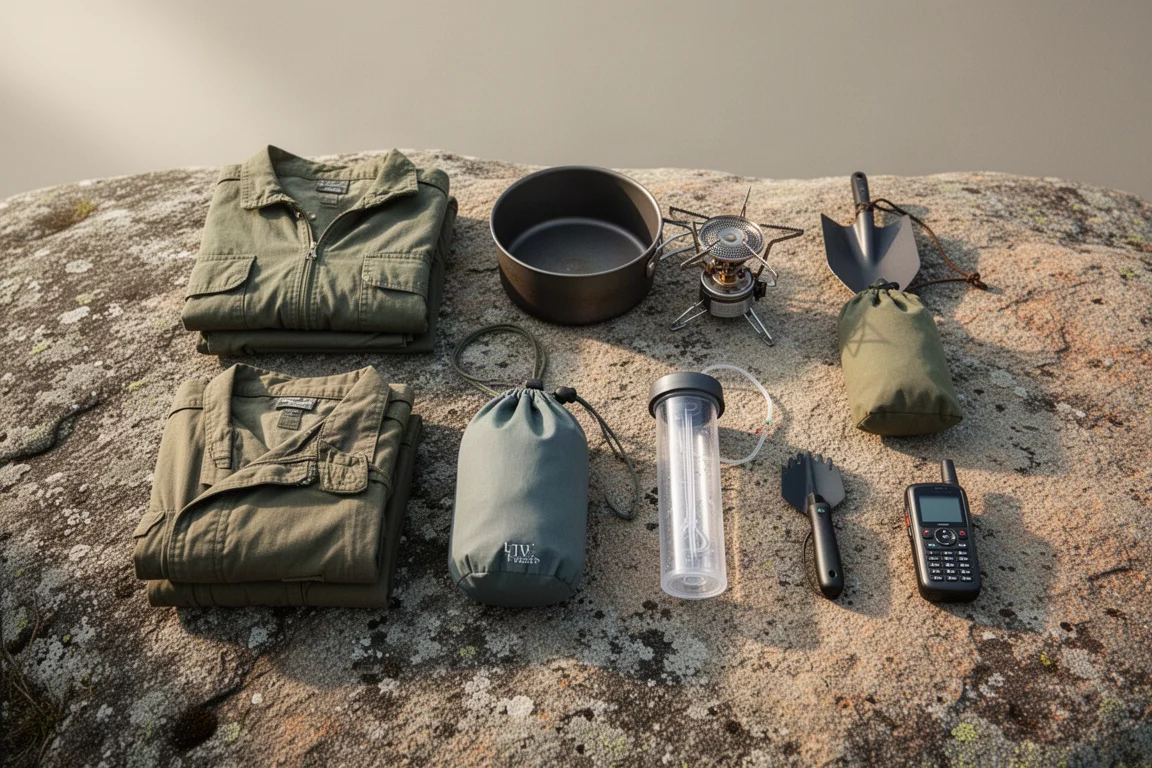
After that, shelter and sleep deserve the most thought, because they carry the highest cost and the biggest weight. A single-wall shelter and a lightweight pad can cut serious weight, but pad comfort is personal, and it is worth testing a thin pad before a long trip. The small items, including the filter, the water bag, the spoon, and the trowel, cost relatively little and make the daily routine noticeably smoother.
Finally, treat the pack as a system rather than a list. A framed 40-liter pack handles a load in the low twenties without complaint, but a pack liner and a dependable weather layer belong inside it whenever the forecast is uncertain.
Conclusion
This kit was built for comfort first and weight second, which is a reasonable balance for three-season backpacking. Worn clothing and a chest bag do more for daily comfort than most people expect, the shelter and sleep system carry the weight and the cost, and the small accessories quietly keep camp running. The two items worth rethinking are the sleeping pad, which traded too much comfort for its weight savings, and the missing pack liner, which was a packing mistake rather than a gear problem.
Further reading
Related Reviews

Backpacking Gear
Building a 10 lb Base Weight: An Ultralight Backpacking Gear List
A practical walkthrough of the ultralight pieces behind a 10 lb base weight, from a 765 g pack and a roomy one-person tent to a full camp chair and a dependable water filter.
Backpacking Gear
A 15-Pound Lightweight Backpacking Gear List for Solo Trips
A beginner-friendly 15-pound backpacking setup built from easy-to-find gear, with notes on what each piece does, how it packs, and where to spend your attention.
Backpacking Gear
8 Ultralight Backpacking Gear Upgrades Worth Carrying
Eight small, affordable backpacking upgrades that solve real trail annoyances, from a pillow that stays put to a fuel valve that rescues leftover canister gas.